











![Преторианская гвардия - бич императоров / История Древнего Рима / [Часть 2]](https://i.ytimg.com/vi/axvTttdgaCk/maxresdefault.jpg)




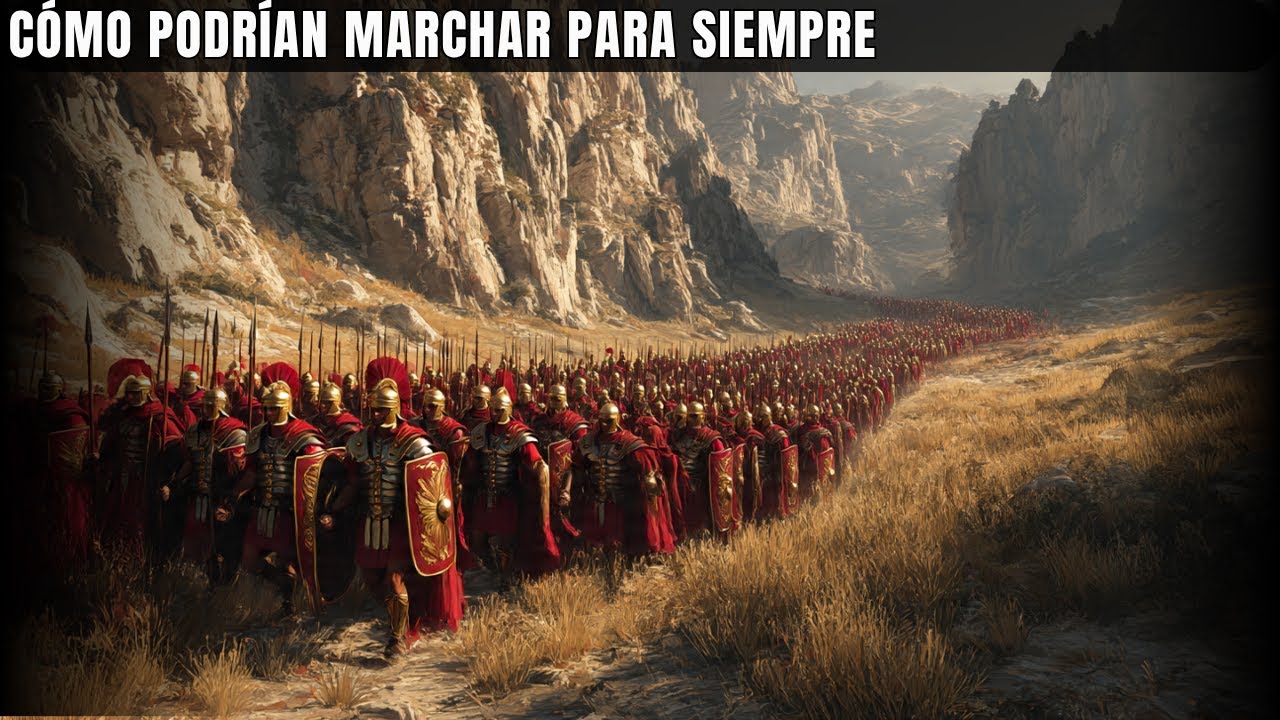


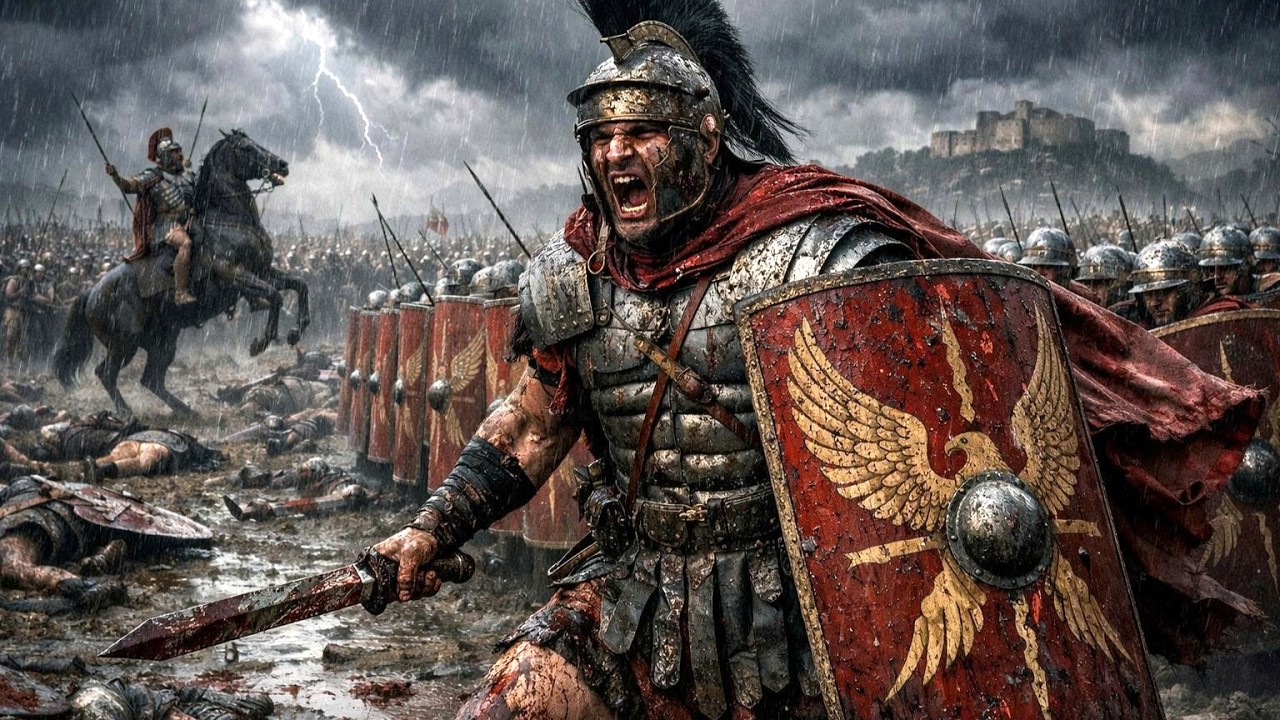
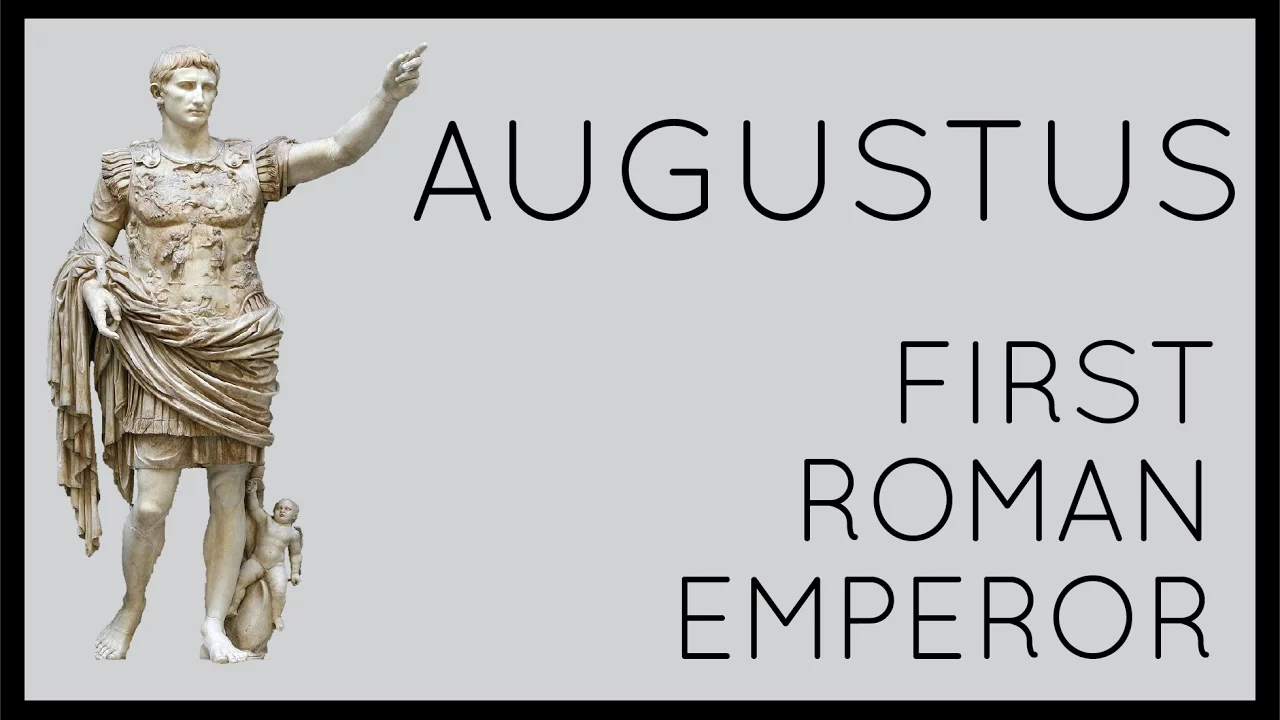
Augustus implemented comprehensive military reforms after the Battle of Actium (31 BC), transforming the Roman army into a more disciplined and effective force; he standardized the legionary structure by creating the First Cohort (double-strength, led by the primus pilus), established a clear command hierarchy with the Legatus Legionis as permanent commander, introduced the Praefectus Castrorum for logistical and engineering duties, and reorganized the auxiliary forces into permanent units that provided both military support and a pathway to citizenship for non-citizens, while also developing sophisticated marching camp systems and permanent fortress networks that enabled the Roman Empire to maintain stability and territorial control for over 300 years.
Augustus' Military Reforms: The Roman Imperial Army
Added:This video was sponsored by the Great Courses Plus. Go to thegreatcoursesplus.com today to start your free trial.
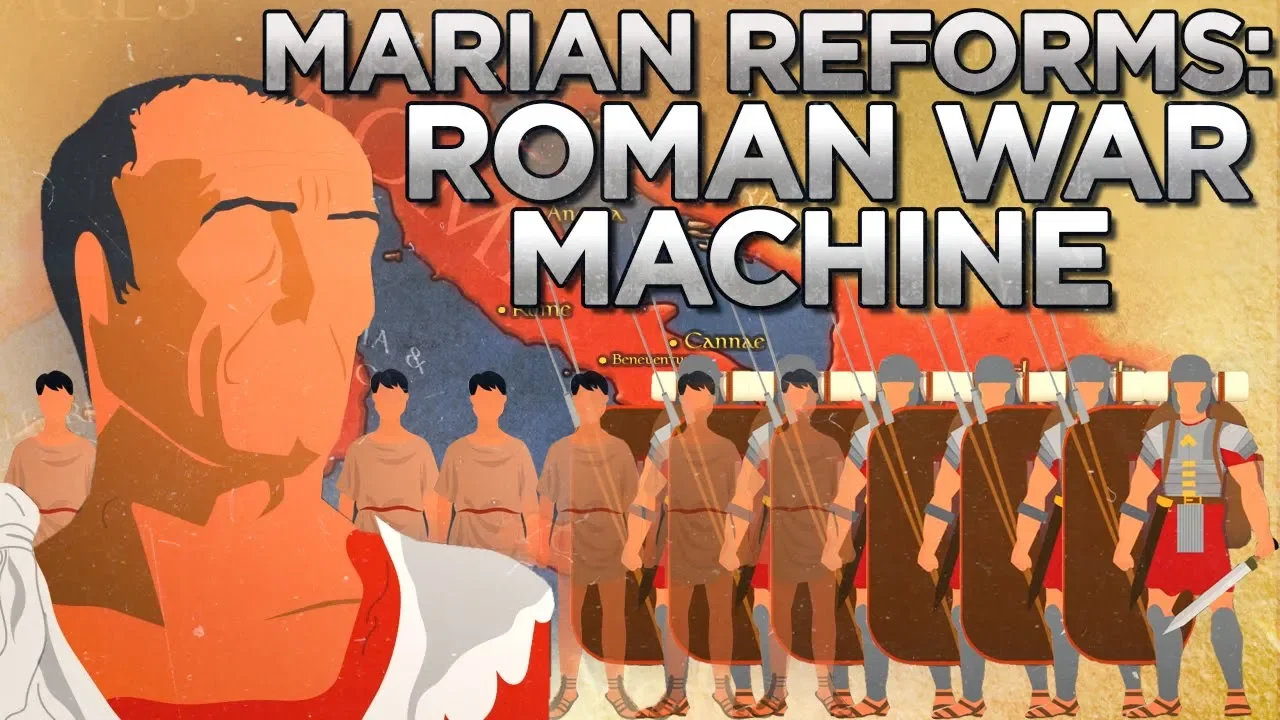
In the previous episode in our series on the history of the Roman military, we discussed the reforms of the famous Gaius Marius. He allowed the capite censi to join the legions, introduced the Cohort as the standard unit, and helped to make his forces logistically self-sufficient and swifter in their movement. Though the effectiveness of the legions was undoubtedly increased by his actions, the republic was irreversibly damaged. In the wake of his reforms, a series of civil wars were fought, which eventually would lead to the rise of the Roman Empire - the most famous period of Roman history. Welcome to our video on the Augustan Reforms and the Army of the Roman Principate.
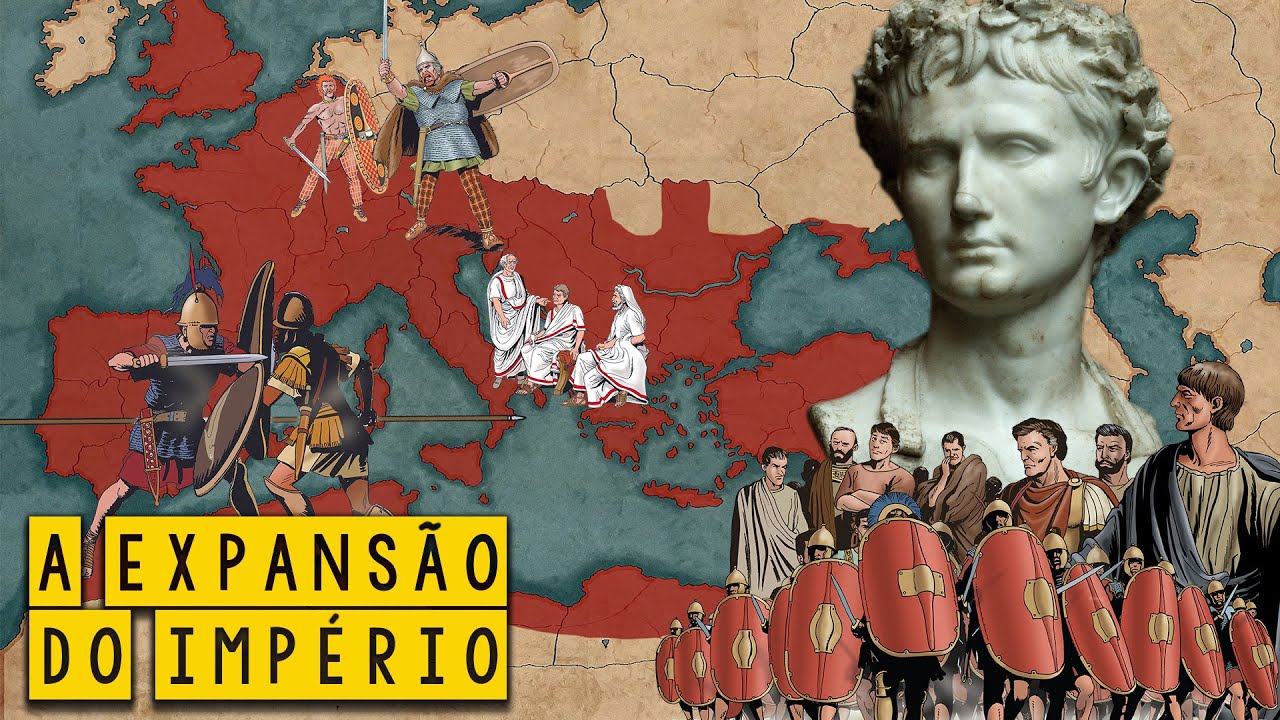
After the Battle of Actium in 31 BC, the Final War of the Roman Republic came to an end, beginning the period of history known as the Roman Empire. With his rival Mark Antony dead and his other opponents gone, the new princeps Octavian - the future Augustus - inherited a massive force of around 60 legions, swelled by the decades of civil war which had embroiled the republic. Demobilization after this period reduced that number to 28, and was reduced further to 25 after the Varian disaster and the Teutoburg forest. The legions would remain near enough around this number for the next 300 years.
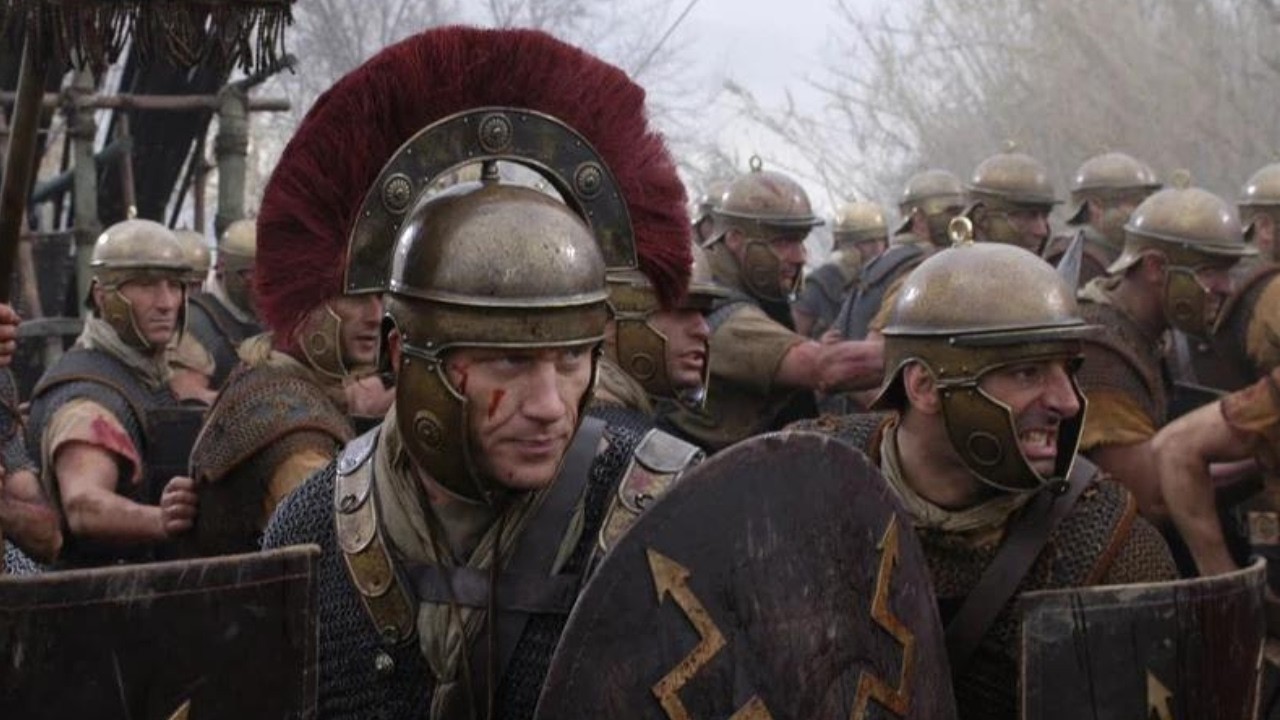
The reorganization of the Maniple system into the Cohort and the homogenization of Roman legionary infantry was discussed in our previous episode, but there was an important change which must be addressed. The ‘First Cohort’ of all legions were now apparently double strength, broken into 5 centuries of 160 each and were under the leadership of a senior centurion known as the primus pilus. He was the most veteran centurion of the entire legion and possessed an extremely prestigious rank. His cohort also likely consisted of the crack troops and experienced veterans of the legion, forming a strong, elite core from which it could build. The command structure of a legion was now laid out more clearly, with a permanent commander finally being appointed - the Legatus Legionis, latinised as the ‘Legate’. The stereotypical Legate was usually a senator in his early thirties, who would usually be expected to learn on the job, on the battlefield and through reading books. After holding the consulship, a senator would become a governor (or Proconsul) and would be afforded the title of legatus Augusti pro praetore, if in an armed province.
This was the ‘Praetorian League of Augustus’, who would wield imperium over the legions in that territory on behalf of the Emperor. It was in this way that the Emperor would govern through his legates, who held delegated power in specific regions.
Second in command of the legion was the Tribunus Laticlavius - the ‘broad striped tribune’.
He was usually a highborn man, or an associate of the Legate, in his late teens or early twenties, with little prior military experience. After a few years of service in order to gain experience, he would take the first step on the Cursus Honorum back in Rome, probably becoming a Quaestor. Below the Legate and Broad-striped tribune was the praefectus castrorum, the ‘Camp Prefect’. This office was created by Augustus and was usually occupied by an experienced veteran who possessed considerable knowledge of the legion and its operations. He had general command of the camp, and was responsible for logistical and engineering tasks, such as the building and maintenance of fortifications and fieldworks, commanding the artillery during battle, distributing rations to the soldiers and scheduling their daily duties. He therefore balanced the often inexperienced Senatorial leadership of the legion with an expert who possessed much technical expertise.
Five further tribunes were also notable. They allocated [performed?] whatever tasks were allocated to them but were not officially granted command over any part of the legion, contrasting to their broad-striped counterparts. Junior officers commanded at the sub-century level and functioned as crucial cogs in the legionary machine. Centurions were assisted by an Optio, who was the second in command and would take command if the centurion fell.
Each century possessed a signifer - or standard bearer. The senior standard bearer of the legion was called the aquilifer, who carried the revered legionary eagle standard into battle. A portrait of the reigning emperor was also carried by each legion’s imagnifer.
When this portrait was torn down by a legion, it was a symbol that revolt was coming. The final key position was the tesserarius - or guard commander. He would supervise the posting of sentries at night and was responsible for distributing the watch schedule for the next day. A fascinating and often underestimated aspect of early Imperial legionary strength is the individual identity of each unit. Identity, collective pride and cohesion are powerful forces, and it is possible the following factors made the Roman legions more comradely and glued together as a unit.
Each legion was given a number, and most rapidly acquired names and titles in a manner which was not always logical. This suggests that some legions were resistant to give up their historical identity, which was often earned in battle. An example of this is the fact that several legions had duplicate numbers. No less than three legions were the ‘Third legion’, for example. The identity, deeds and origin of a legion was tied to its name, such as the ‘Gemina’ legions, X, XIII and XIV. Gemina means ‘twin’, so it is likely these legions were formed by combining two forces together. Legion names could also express martial virtues, such as Ferrata - meaning ‘ironsides’, or Fulminata - meaning ‘Thunderer’. They even commonly expressed locations in which the legion had served with bravery and distinction, such as Legio I Germanica or Legio II Parthica.
As first century progressed, Emperors also granted titles to legions for notable or brave deeds. The Optimus Princeps, Trajan, named his Legio XXX ‘Ulpia Victrix’ - ‘Trajan’s victorious thirtieth legion’, after its campaigns in Dacia. Such accolades were not necessarily granted due to victories in combat. Legio XI Claudia pia fidelis - ‘Claudius’ own, pious and faithful’ were granted the title upon the legionaries’ loyal refusal to follow their mutinous commander in a coup. Standing at the side of the legionaries, the foreign and peripheral auxiliary units serving Rome, the auxilia, were completely reorganised and were given regular status within the standing Roman army. The heterogenous and often haphazard Auxilia would be standardised and served in units that were as equally permanent as the legions alongside whom they served. In contrast to the legions, however, they were instead organised into smaller, roughly cohort sized units. This made it easier to shift these lighter units around the empire to where they were needed, and would also give the legions an organisational advantage against their erstwhile allies if they were to rebel.
There were three types of Auxilia unit - infantry, cavalry and mixed. The numbers in mixed units are heavily debated, but infantry cohorts consisted of two sizes - 480 or 800 men strong.
Meanwhile, Ala were either 512 or 768 men strong.
In terms of their citizenship rights, the Auxilia were initially freeborn non-citizens who received full Roman citizenship upon their honourable discharge after 25 years of service under arms. Gauls, Thracians and Germans feature heavily in the auxiliary forces. In particular the Batavi, located on the Rhine, paid no taxes but were heavily used in war. As Tacitus tells us ‘They were like armour and weapons, only to be used in war.’ He describes eight cohorts, almost 5,000 men from this small region alone serving Rome at any given time.
The Romans initially kept the auxilia units close to their homeland where the unit was raised, but this was changed after a revolt in 68 and 69AD, and the units were consequently sent to different areas around the Empire. Though they were fighters, the Roman soldiers were also makeshift engineers and builders. The most common task of this type undertaken by a legionary was the construction of roads throughout the empire. These allowed troops to move swiftly and allowed supplies to be delivered efficiently to where they were needed, and were therefore important additions to habitually rebellious new conquests. Units of Roman soldiers would also erect milestones commemorating their legate or the Emperor of the time, which had the effect of figuratively ‘showing the flag’ - projecting Roman power. Whenever a Roman army or unit would enter hostile territory and came to a halt for the night, they would construct their ‘Marching camp’. These were overnight halts for Roman contingents on campaign, and they were constructed remarkably quickly, providing a simple but effective measure of security for the resting legionaries. For defence, these swiftly constructed works had a low earth rampart, known as the agger, about 1.48 metres in height and topped with a timber obstacle. Usually this was the standard issue pilum muralia - a double-pointed stake carried by legionaries as a part of their marching orders in order to function as a makeshift caltrop.
These makeshift fortifications would have had the effect of blunting the impact of any surprise charge and causing chaos among the enemy.
Outside the defences was a single V-shaped ditch - the fossa - which was no more than 1.48 metres in width and 89cm deep. Entrances to the marching camp, which had no gates, came in two types. First were the entrances defended by tituli - short stretches of rampart and ditch set a few meters in front of the main rampart, defending the gap which formed the entrance. Second were those defended by claviculae - or ‘little keys’. These curved extensions of the rampart and ditch had the genius effect of forcing an attacker’s sword arm to face the rampart, denying them the use and protection of their shield.
Within the camp itself, tent lines were deliberately laid out and planned in advance. Each was in its customary and usual space so that every unit knew exactly where to pitch their tents and each man knew his place. This avoided confusion and added to the speed at which the camp could be put up. The Roman tents were standardised and each housed an eight-man contubernium unit. The layout of the camp was also incredibly organised and were based on two axes. The via praetoria led from the entrance of the same name across to the porta decumana. Intersecting this at a right angle was the via principalis.
Finally, the intersection point was known as the praetorium, housing the tent of the general himself and the senior officials of the legion. Between the rampart and the tents there was a wide open area known as the intervallum. This space had a dual function, both to ensure tents were out of enemy missile range thrown from outside the camp, and to draw up in battle formations with plenty of space. Though the marching camp was often a temporary measure during Roman expansion, the gradual slowing of this trend gave way to a defensive attitude and more permanent fortresses. Once an area was conquered, the Roman military would lay down a network of turf and timber forts roughly a day's march from one another.
During the reign of Claudius, it was finally recognised that massive sweeping expansion such as that of Caesar and Augustus would no longer occur. Therefore, the wayside forts and temporary winter quarters which the soldiers had inhabited now began to become more permanent holdings. For example, the garrison of the Britannic province fluctuated between 3 and 4 legions in the 1st century AD, based at their permanent camps - known as ‘legionary fortresses’. Three prominent fortresses of this type were at Isca Silurum - modern Caerleon, Deva - modern Chester and Eburacum - modern York.
Unlike the marching camp, there were no ‘typical’ Roman legionary fortresses. The layout of each was standardised, however there were often considerable differences between individual fortress plans depending on the terrain and the specific needs dictated by the region in which the garrison was located. Auxiliary units would also garrison sub-fortresses between and beyond the legionary fortresses. This network of permanent camps and fortresses would form the framework of Roman governance, occupation and control in conquered territories.
As they were essentially now permanent homes, it was crucial that the fortresses were able to provide a tolerable and comfortable environment for the soldiers garrisoned there. It is likely they often succeeded in this, as Tacitus fondly called the forts the ‘hearth and home’ of Roman legionaries. The later legacy of Roman permanent entrenchments blossoming into towns and cities was likely a consequence of the comfortable and often economically prosperous nature of these permanent camps.
Our series on the Roman armies will continue all the way to 1453, so make sure you are subscribed to our channel and have pressed the bell button. We would like to express our gratitude to our Patreon supporters and channel members, who make the creation of our videos possible. Now, you can also support us by buying our merchandise via the link in the description. This is the Kings and Generals channel, and we will catch you on the next one.
Up Next
Augustus and the Roman Adultery Law: Social Death
@HistoryRanger-g7h
217 views•2026-01-09

The Great Schism of 1054: Causes and Consequences
@SacredCathedrals
113.5K views•2026-02-19
The Great Schism: Catholic-Orthodox Rivalry in Medieval Christianity
@KingsandGenerals
2.6M views•2020-02-06

Understanding the Cold War: Superpower Conflicts and the Road to Détente
@OverSimplified
46.1M views•2019-01-24
Related Study Plans & Knowledge Roadmaps
Structured learning paths in History