













![10 Roman Emperor Sites Most People Never Hear About [4K]](https://i.ytimg.com/vi/VHgu0xfLX6Q/sddefault.jpg)



![485 - Augusto e l'origine dell'Impero (Imperatores 1) [Pillole di Storia]](https://i.ytimg.com/vi/lfGvNDIzJAY/maxresdefault.jpg)
![로마 초대황제 아우구스투스(2) : 리비아와의 사랑, 핏줄집착 잔혹사[로마사, 역사, 세계사, 수다몽 더 히스토리]](https://i.ytimg.com/vi_webp/4HA_8qR51zw/maxresdefault.webp)

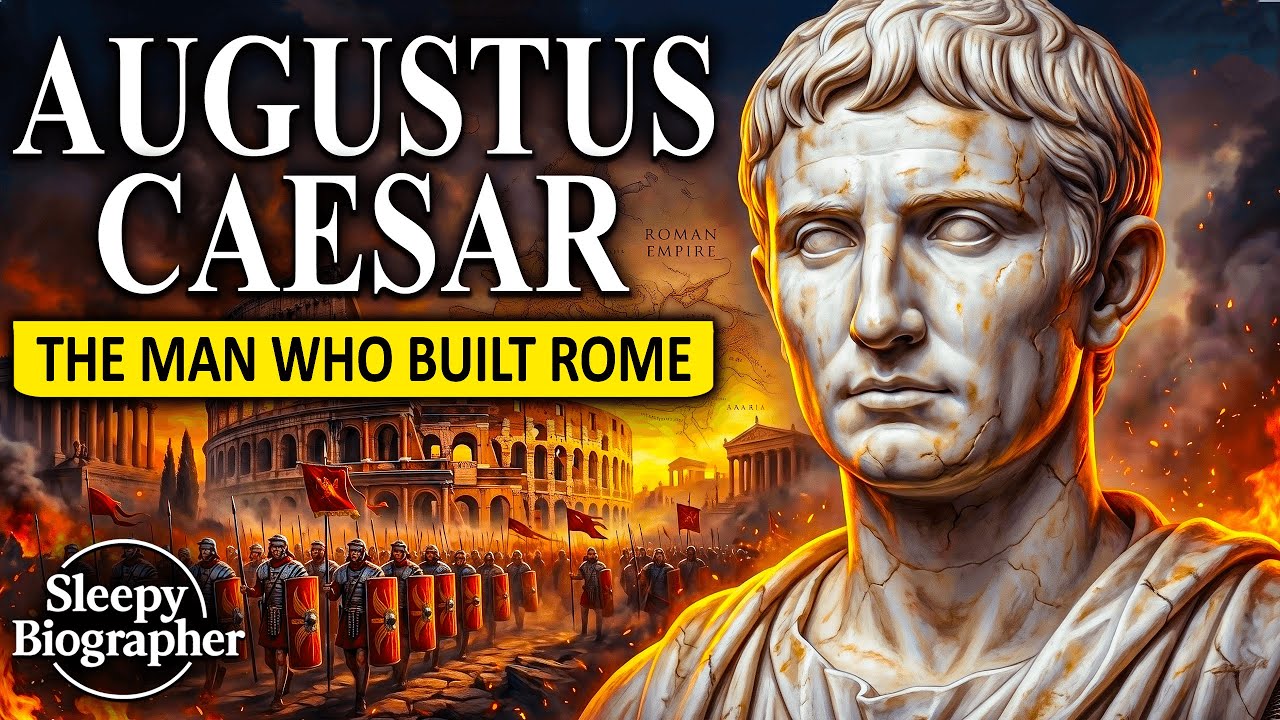
The Res Gestae Divi Augusti is Augustus's carefully crafted self-portrait written near the end of his life, strategically emphasizing his military victories, generosity, and public works while downplaying his actual power to maintain the appearance of republican equality, thereby establishing the constitutional paradox of the Roman Empire where one man ruled with absolute influence while technically holding no greater legal authority than his colleagues.
Res Gestae of Augustus: Text Analysis and Political Themes
Added:Understanding the transition of Rome from a Republic to an Empire, specifically the civil wars and the fall of the Roman Republic.
The rise of Octavian (later Augustus) and the historical context of the Second Triumvirate.
Familiarity with Roman political terminology and institutions, such as the Senate, consulships, tribunician power, and 'imperium'.
The concept of 'Pax Romana' (Roman Peace) and how Augustus utilized political propaganda to legitimize his autocratic rule.
Comparative analysis of Augustus's self-representation in the 'Res Gestae' versus critical historical accounts by Tacitus, Suetonius, and Cassius Dio.
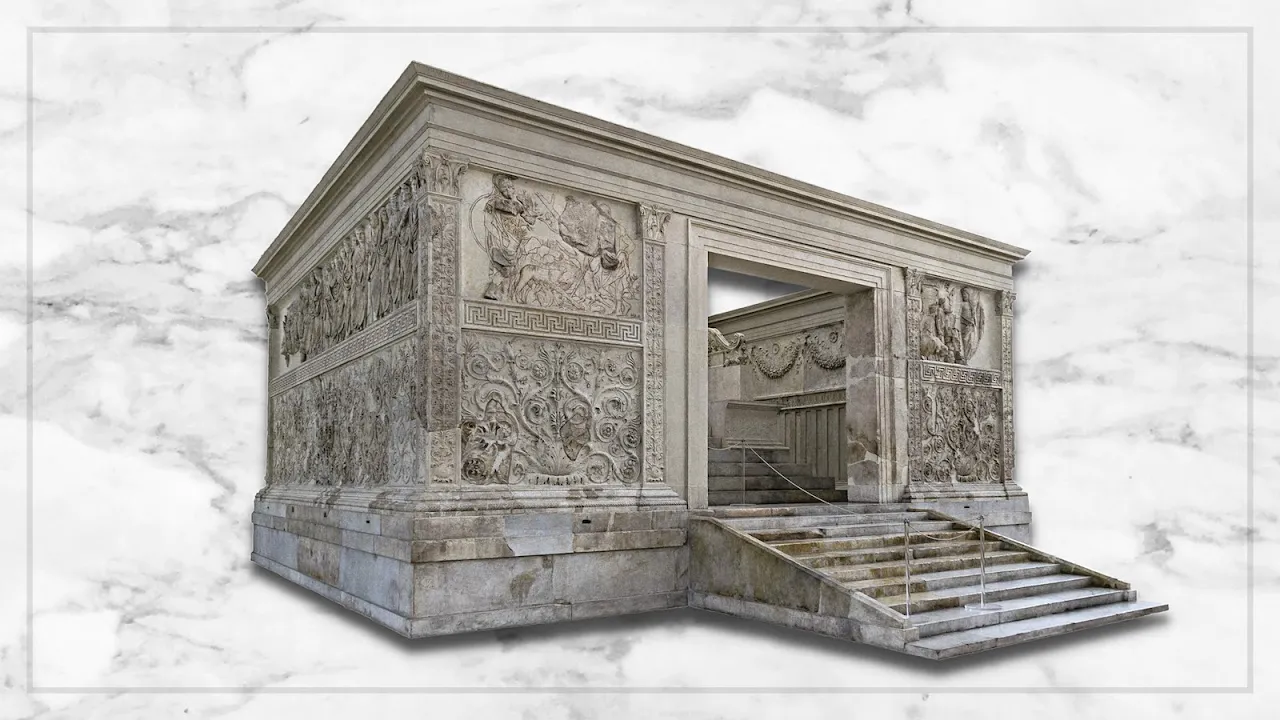
Study of Augustan art, literature, and architecture (such as the Ara Pacis or Virgil's Aeneid) as instruments of imperial ideology.
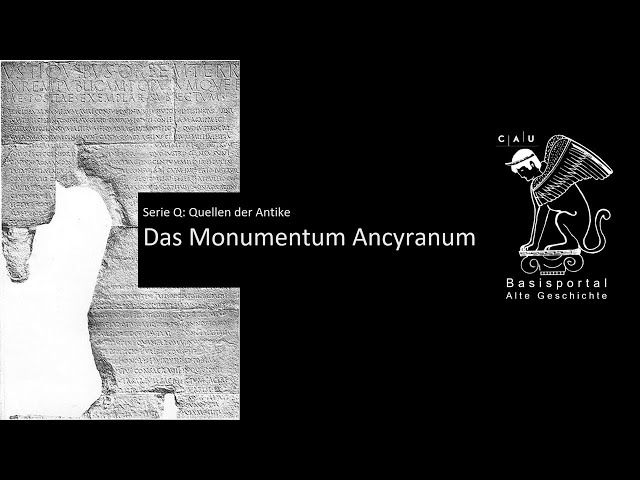
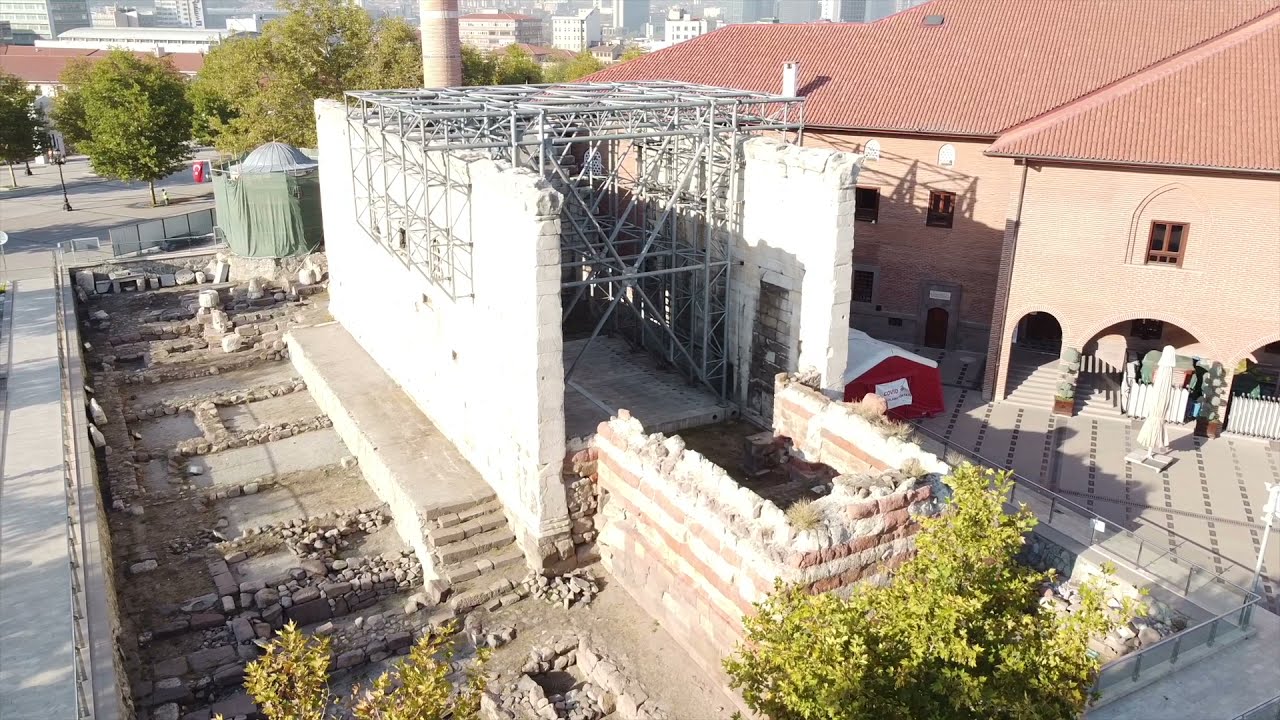
Exploration of the 'Monumentum Ancyranum' and the epigraphic transmission of public inscriptions in the Roman provinces.
Examination of the succession crisis and how Augustus's political model influenced subsequent emperors of the Julio-Claudian dynasty.
1.4K views37likes9:59Original Release: 2020-03-24
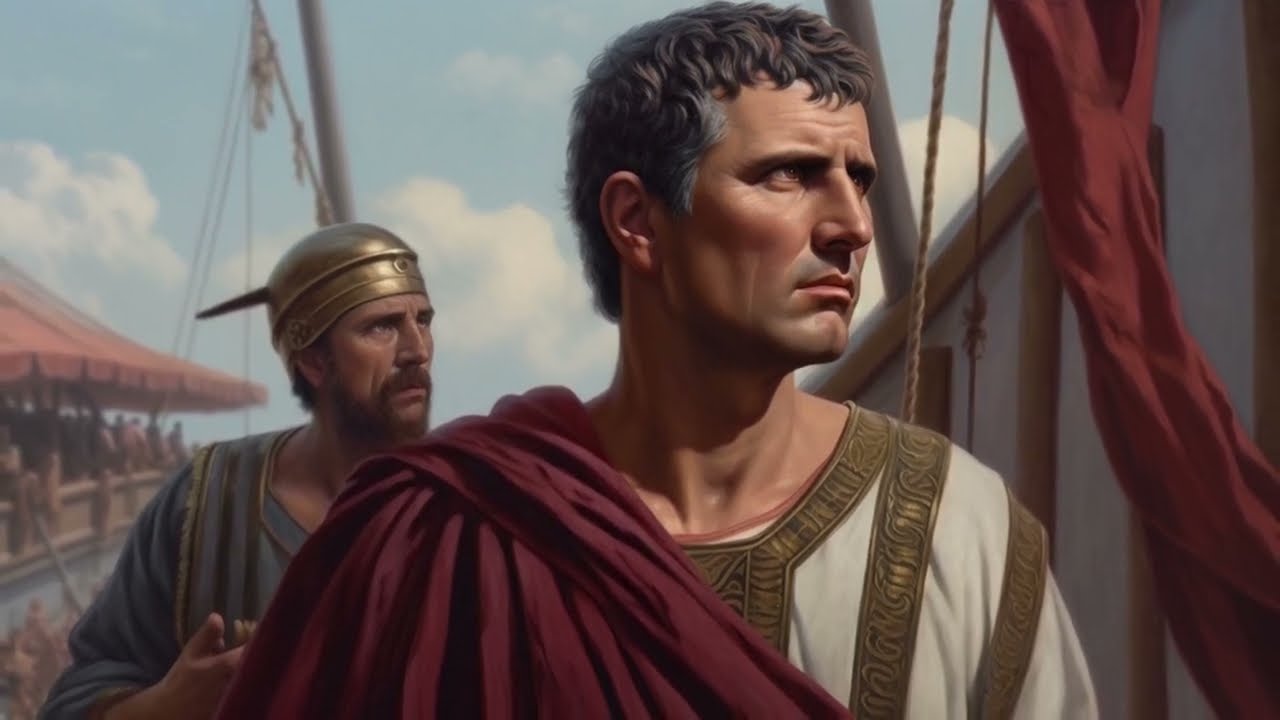
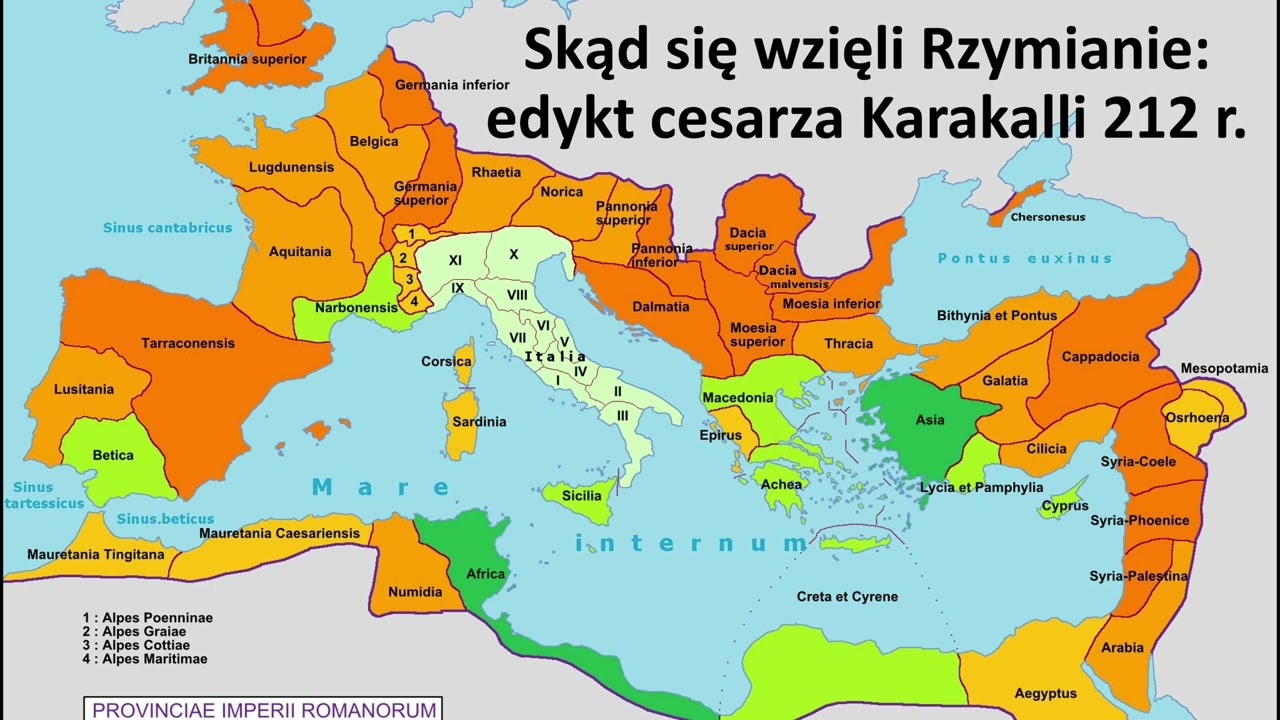
I want to do a little bit of a close text reading again this time of reading on the deeds of the divine Augustus the Latin words the RUS guest:i the things I've done you'll note that your next project is called the rest guests I project so you might want to pay careful attention to exactly what this text is about and how it's written to understand the rest guests I and its content you need to understand when it was written this was written at the end of Augustus his life right near the end and placed around the Empire as a way of showing the people who Augustus was this was his legacy this is what he wanted to leave behind okay so these are his words these are things that he thought were important and so as you're reading remember this is someone crafting their own legacy so as you go through you're gonna see some themes pop through I just wanted to point a few out and then that's probably all I'm gonna do today so you can get a lot of this yourself at the beginning the first few points are all about what happened immediately after the death of Julius Caesar you'll remember that Caesar was killed and what followed was a bit of a civil war between well as Octavian chased down those who killed Julius Caesar and so these first few are about that I drove the men who slaughtered my father and exile right and and then afterwards he conquered them in two battles and you see then the next part is the honors that he was given and notice the honors are something that are given by other people but for him this is a really important statement about how great he was the fact that people celebrated him and honored him is a sign that he was in fact great so you see things like the words triumphs and ovations these are big parades and celebrations of his greatness um but he's very careful too about looking like he would might be power-hungry and that's your reflection question today and I really want you to think about that here he says the dictatorship was offered to me and I said no and later on you're gonna hear that other other important positions were offered and he turned them down time after time so I want to make sure that we understand why he might do that again here are more honors the Senate decreed vows be taken for my health people were praying for him his name was included in him as if he were a god right all of these things were about how much he was honored by others then we get an interesting one that might not have stuck out to you when you were reading this our ancestors wanted the Jonas quranists to be closed went throughout all of the ruled the Roman people by land and sea peace had been secured through victory so this temple the Janus kiwanis has these big gates in the front and they're always always always always open the only time they are closed is if there is complete and utter peace throughout all of Rome's controlling and that's just so rare that there would just be complete peace because there's just so much land that Rome is controlling notice that during his lifetime three times this these gates were closed so peace he is celebrated for his peace in fact his reign is said to have begun an era known as the PAC's Romana the Roman peace where Rome was for many regards at least internally not fighting with itself no civil wars now again might not seem like a big deal but remember everything that led to Augustus taking over it was Civil War after Civil War after Civil War with Marius and sulla and Caesar right so here we've got a time where he is able to be celebrated for peace then we get his generosity notice time after time when the government was in trouble he donates his own money his own grain to make sure that the government can still run you could imagine in a world like today right you know we're going through some incredible things where it's extraordinarily expensive for the government and there's there's issues about what what what things need to happen you know they're talking about trillions of dollars of of money needed to help with the coronavirus imagine if someone had the trillions of dollars now we don't have anybody that has that amount of money that could completely do what he did but imagine if all of the billionaires were able to donate a hundred billion dollars you know things like that this is basically the equivalent of what he did time and time again through his own money his own wealth he was able to do this notice four times I helped the senatorial Treasury with my money when taxes fell short I gave out contributions of grain and money from my granary and my patrimony that's his inheritance and then beyond that kind of generosity there's the generosity of public buildings he builds beautiful temples the Senate house you will see this the Capitol the theater all of these public buildings he builds and a lot of them with his own money so again this is something he thinks he wants to be remembered for to help the masses and the people he through games these gladiatorial games that you that you know you've seen movies on and whatever else these are really big for bringing the people together and he does this again at his own expense other spectacles a naval battle all of these are the you may remember that Pompey made his name from clearing the Mediterranean Sea from pirates well Augustus does this as well he also like Crassus who was able to stop a slave rebellion Augustus is able to do that as well right so here's all of these things and then finally as most great leaders he's able to tout his military victories he extends the borders not only is it peaceful within Rome but Rome is growing throughout this time period he grows by bringing in many many many more regions and I wish I pulled up a map which I didn't I will next time so you can see how big Rome got during this time right so it ends with this final thing which is at the end the people chose to call me Augustus right and this has become his name remember he was Octavian they chose to cause me a call me Augustus and they gave me Dominion right so this is a transition in power he in reality during this long period had as much power as anyone has ever had in Rome right and this is something that's pretty incredible however notice at this time look at this last line which i think is fascinating he says after that time after I'd been given all of this this is the beginning of what we call the Empire 27 BCE after I've been called Augustus after I'd been given all of the the kind of Imperium that's the word we get for him we call him an emperor because after this time I exceeded all in influence in other words everybody listened to me but I had no greater power than the others who were colleagues with me in each magistrate so here he is so one year he would be console and Fioretti the other console has equal power under the law but during the entire reign of Augustus he exceeds all an influence meaning people listen to him no matter what his legal authority was he was in fact ruling Rome by itself by himself excuse me right this is a shift from the idea of a republic to one man ruling and yet on the surface if you look at it theoretically he had no more power than anyone else and that's your reflection right why on earth would he go out of his way to make it look like he has no more power than anyone else when in reality he is running the show all by himself think about that think about why that might be important and please shoot me an email if you have any questions about that or anything else thank you very much hope this was a little bit helpful for you
Up Next
38:03
Roman Forum Walking Tour: Age of Augustus History
@toldinstone
211.1K views•2018-10-18

33:02
The Great Schism of 1054: Causes and Consequences
@SacredCathedrals
113.5K views•2026-02-19
91:57
The Geopolitics of the Ukraine War and the Rise of Global Autocracy
@JordanHarbingerShow
468K views•2025-04-19
17:05
Understanding the Cold War: Superpower Conflicts and the Road to Détente
@OverSimplified
46.1M views•2019-01-24
Related Study Plans & Knowledge Roadmaps
Structured learning paths in History
history
Byzantine Iconoclasm: Theology, Art & Politics
01Foundations of Byzantium and Early Christian Images
02The First Iconoclasm: Leo III and the Crisis of Images
03Empress Irene, Nicaea II, and the Second Iconoclasm
+ 2 more learning modules
9h5 modules
Explore Roadmap
history
Iranian Revolution (Causes, Events & Legacy)
01The Pahlavi Dynasty and the Roots of Discontent
02The Spark of Rebellion and the Rise of Khomeini
031979: The Fall of the Shah and the Climax of the Revolution
+ 2 more learning modules
8h5 modules
Explore Roadmap
history
Mali Empire: Mansa Musa, Trade & Timbuktu
01Foundations of the Mali Empire
02The Trans-Saharan Gold and Salt Trade
03The Reign and Pilgrimage of Mansa Musa
+ 1 more learning modules
6h4 modules
Explore Roadmap
history
1947 Partition: Politics, Borders & Legacies
01Foundations of British India and the Divide
02The Political Negotiations and the Mountbatten Plan
03Drawing the Boundary: The Radcliffe Line
+ 2 more learning modules
8h5 modules
Explore Roadmap