












![[19/55] Büyük Roma İmparatorları & Barbar İstilaları Nasıl Başladı? | Sapien Tarihi](https://i.ytimg.com/vi_webp/ro8AtbBiYqA/maxresdefault.webp)






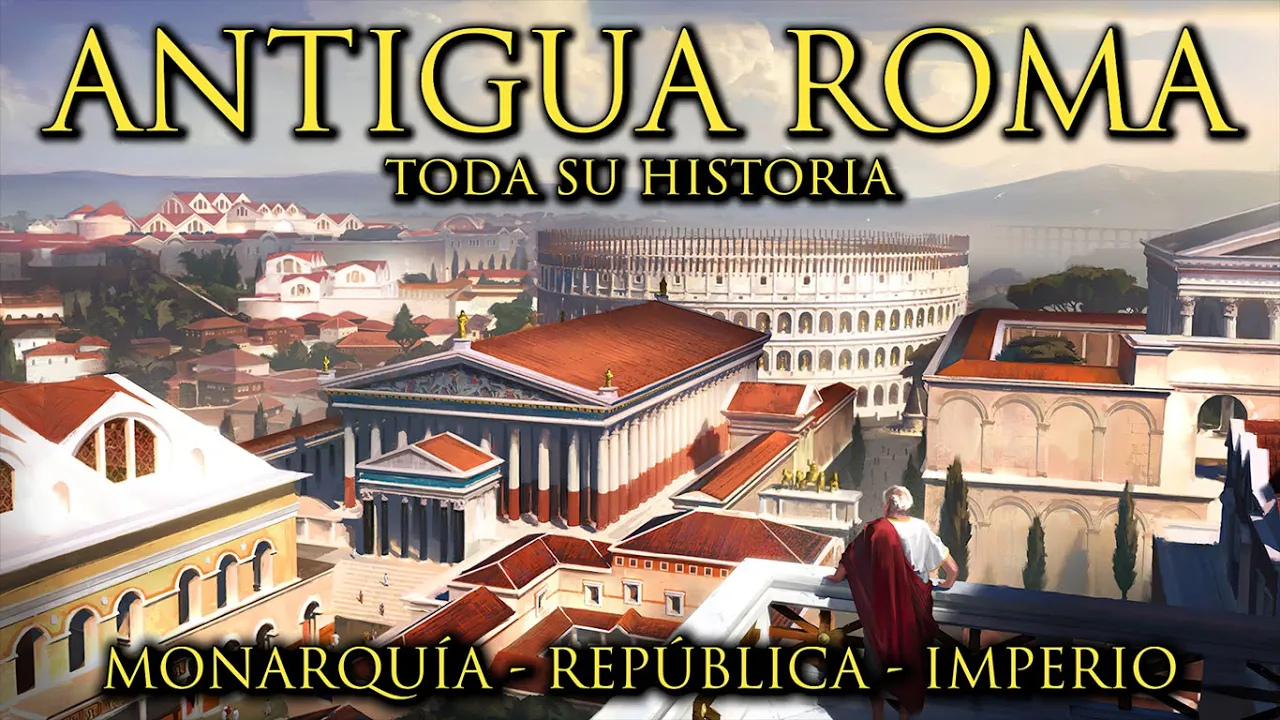
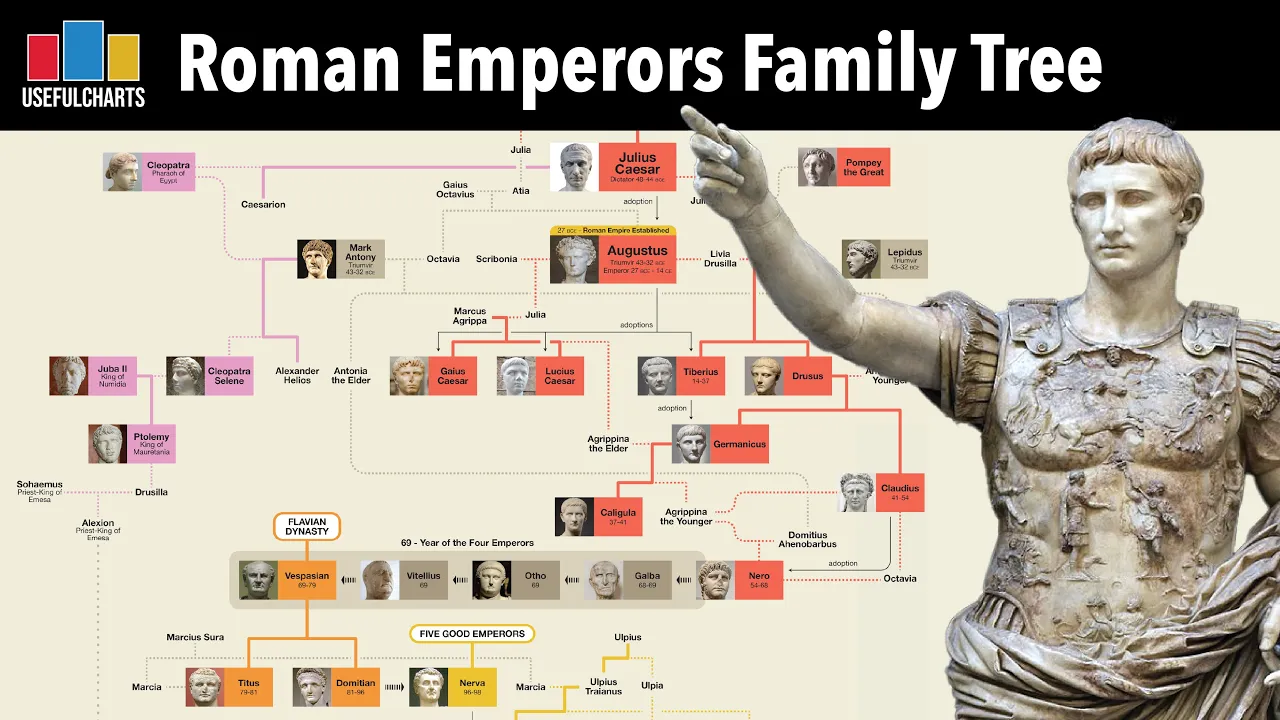
Augustus established the first Roman Empire by carefully maintaining the appearance of republican institutions while consolidating power through personal influence, creating a system where he ruled as 'first among equals' (primus inter pares) with the Senate retaining nominal authority; his reign brought peace (Pax Romana) and a golden age of literature, but his chosen successor Tiberius proved far less successful, retreating to Capri and ruling through paranoia and treason trials, demonstrating how the stability of the imperial system depended entirely on the emperor's ability to maintain the delicate balance between autocracy and republican pretense.
Augustus and Tiberius: The Julio-Claudian Dynasty, Part 1 (Roman History)
Added:The collapse of the Roman Republic, including the dictatorship of Julius Caesar, his assassination, and the subsequent civil wars.
The structure of Roman Republican governance, specifically the roles of the Senate, consuls, and the concept of 'cursus honorum'.
The formation and dissolution of the Second Triumvirate (Octavian, Mark Antony, and Lepidus) leading to the Battle of Actium.
The socio-economic crises of the late Republic, including the rise of private client armies loyal to generals rather than the state.
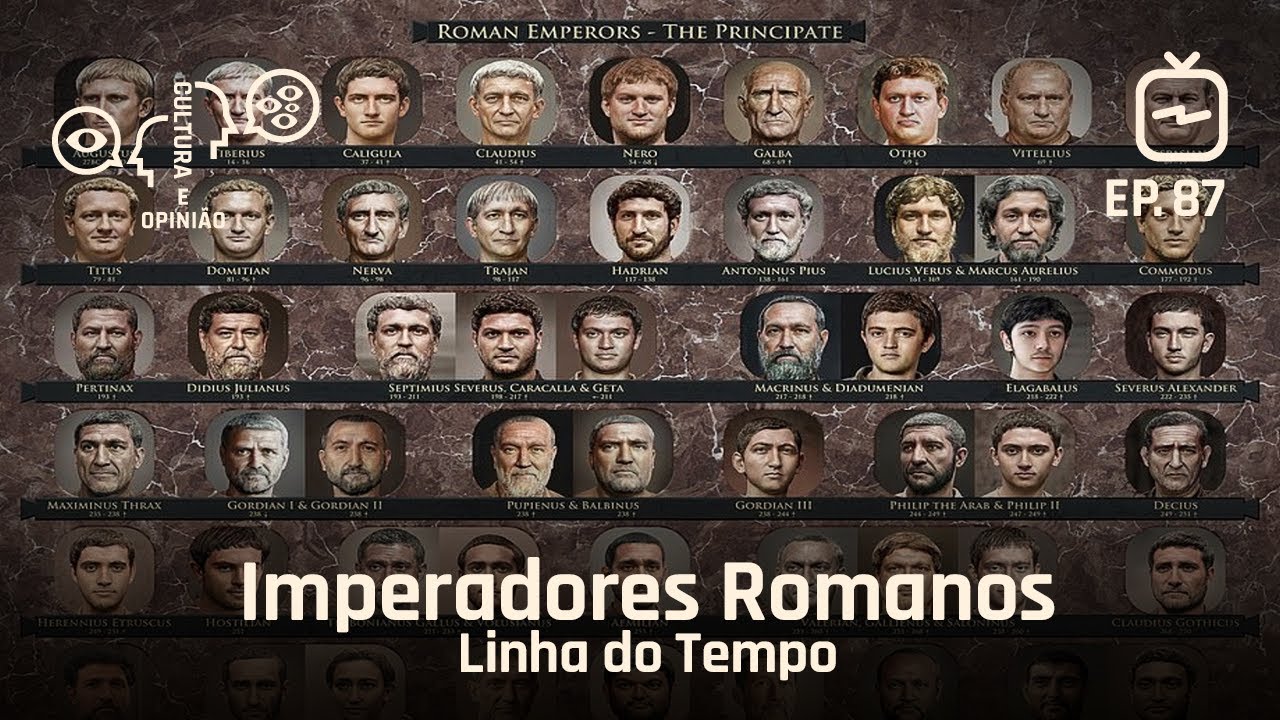
The reigns of the remaining Julio-Claudian emperors: Caligula, Claudius, and Nero, and the constitutional crises that led to the dynasty's end.
The Year of the Four Emperors (69 AD) and the transition of power to the Flavian Dynasty.
The long-term socio-political impact of the 'Pax Romana' on the integration of provinces and Romanization across the Mediterranean.
The development of the Imperial Cult and the use of art, architecture, and literature (such as Virgil's Aeneid) as political propaganda to legitimize the principate.
800 views0likes23:48Original Release: 2022-08-22
[Music] and welcome back to weekly roman history this is part 15 on augustus and tiberius i'm madeleine weiner follow me on instagram maddie way for updates on this series and my other projects let's start with a couple of questions for review which of these warlords emerged from the civil wars of the late 1st century bce to become the first emperor of rome pause now if you need to think about it if you said octavian you're right lepidus and marc anthony were obcadian's allies in the second triumvirate and also his rivals for power julius caesar is the earlier warlord whose death kicked off this particular civil war he became permanent dictator but the term emperor as we understand it today does not apply to him next how did octavian do away with his last rival mark anthony if you said the battle of actium you're right it was octavian's old friend agrippa who defeated anthony on the wire which was the downfall of anthony and his lover cleopatra the battle of farsalis was the battle at which julius caesar defeated bombi the one octavian betrayed and exiled after now lopus was lapidus and of course it was julius caesar who was murdered by senators on the ides of march alright so after years of bloody civil war octavian has taken the power that he felt his great uncle caesar had willed to him when he made him heir what now here's our road map octavian now called augustus carves out a role for himself in the legal structure of the roman republic and rules through personal influence with the cooperation of the senate he embarks on ambitious building projects tries to reform rome's morals and presides over the golden age of latin literature in matters of war he proclaims himself a master of peace even as he wages constant wars on the frontiers he has trouble finding an heir because all his candidates die until he finally settles on his stepson tiberius tiberius is not nearly as successful an emperor as augustus after a few frustrating years he retires permanently to the island of capri and persecutes enemies through treason trials rome is happy at his death and looks toward his promising successor ok the full story in january of 27 bce octavian hands back power to the senate but this is not sulla handing back his power in 81 bce giving back his ill-gotten rule so he can go retire octavian's handoff is a carefully stage managed stunt he gives back the power he has acquired through force so the senate can hand it right back to him thereby making it legal the senate gives him the name augustus and renames his birth month after him what we now call august it also grants him his legal powers at first augustus is one of the consuls every year then he stops serving his consul and is given the power of the old tribune of the plebs augustus also has personal control of the important military provinces to actually run all these provinces augustus appoints legati generals he can choose freely without election the kind invented for pompey in addition to the name augustus he holds on to the title imperator power wielder which used to mean triumphant general but now takes on new meaning as the word emperor but his favorite title is princess which means chief augusta sets himself up as primus interpares or first among equals where caesar and earlier warlords ruled through blatant assertions of power augustus is content to rule through what the romans called out toratas or influence augustus's influence is not the power of brute force it is the fact that he can say one word and others will fall into line and do what he wants thus augustus positions himself rhetorically not as a monarch with absolute authority but as the first among equals a man whom everyone so respects they all go along with what he wants technically none of the powers he has given are new they have never all been held at once in this way but they all have precedence in the republic the clever part of augustus's new system is the careful respect he shows the senate caesar had taken power as dictator and made it clear that no one was to be as important as he was and it had gotten them killed augustus instead makes sure that the senators still have a curse's honorum to climb and important jobs to do along the way there are still consoles every year they no longer have meaningful control of the government but the consulship is just as important as social honor as it was before and that was 90 of what the aristocracy cared about anyway augustus's great lie is that he restored the republic he still uses spqr and speaks of the senate as rome's ruling body this fiction helps the senate save face but everyone knows this isn't the republic really the thing is everyone also knows that if augustus were assassinated or otherwise removed they'd be plunged into more years of civil war like after caesar's death so augustus keeps his mask of respect for the senate carefully in place the senate maintains augustus's power and no one has to go through another bloody civil war as augustus finds work for senators to make sure they feel important he winds up creating something the republic resisted developing for centuries a functioning bureaucracy but the senators aren't enough he creates offices to be held by equestrians only and offices to be held by friedman only all social classes wind up deployed in augusta's grand new society this increases the number of romans involved in government and decreases class tensions even as it rigorously enforces social divisions in 12 bce augustus's old ally and enemy lepidus finally dies in exile he has technically been pontifex maximus chief priest since taking the office just after caesar's death augustus takes on the office of pontifex maximus and the emperor's roles are solidified a pointer of the generals who run military provinces died of the business of the senate with the power of a tribune and head of the roman state religion these remain the official rules of the emperor for the next two centuries augustus first turns his attention to rebuilding rome the city has been neglected in the last century of constant civil war previously caesar had seen the grandeur of the capital cities of the east and noticed that rome was quite shabby by comparison but he hadn't had much time to fix that so it fell to his successor augustus builds lots of new monuments and buildings including an impressive giant mausoleum for him and his family to be buried in his old school friend and military advisor agrippa builds the pantheon though its most famous feature its dome won't be added for another century augustus's projects renew the city to such an extent that he brags i found rome a city of brick and left it a sea of marble but augustus feels that rome needs rebuilding more than just physically decades of civil war have decimated the city's population especially the noble classes who were military commanders and targets of prescription lists the birth rate among nobles is way down augustus thinks that part of the problem is too many among the aristocracy remaining unmarried or making unsuitable matches which don't lead to noble children also adultery is rampant producing illegitimate children rather than heirs to the great families from a modern viewpoint the problem here is obvious in noble families marriages are arranged by heads of household for political and business purposes if you're married to someone you don't like because your father made you of course you're going to seek romantic connections outside your marriage but the romans don't see it like we do and augustus thinks what he needs to do is get roman morality back on track he passes laws rewarding people who marry within their proper social strata and produce children and he outlaws adultery ironically his own private life doesn't live up to his standards he had two earlier marriages both political and his third marriage was for love but when he met livia his love match both augustus and livia were married to other people libya and augustus's wife were both pregnant at the time augustus divorced his wife on the day she gave birth to julia augustus's only biological child and livia's husband divorced her because you have to give the warlord what he wants livia becomes not only augustus's love but also a close advisor someone he consults on matters of state there's a story that augustus used to keep notes for his next conversation with his wife so he wouldn't forget any of the stuff he wanted to tell her which is frankly adorable augustus makes the love match he denies to everyone else in his social class and he and livia never have children as he insists the nobility must augustus is the only one who can get away with this hypocrisy both his daughter and granddaughter are caught in adulterous affairs and he exiles them not that it does him any good the moral laws are unpopular from the start roma's never had laws that meddle in citizens private lives like this before eventually the laws are repealed as a failure and augustus's role as mortal crusader fades away under augustus a great flowering of roman literature occurs especially poetry this is known as the golden age of latin literature augustus helps this along one of his advisors gaius mycenas specializes in literature mycenas supports a circle of influential poets as their patron he pays their salaries so they can afford to do nothing but right and since they are being bankrolled indirectly by augustus these writers make sure to praise him the golden age of literature is co-opted into another arm of augustus's propaganda machine the most famous of mycena's circle were horus and virgil horus is the carpe diem guy and you may remember virgil as the author of the aeneid augustus was the one who commanded virgil to write the enid in order to reunite a divided rome under the glory of its heritage in an earlier poem virgil wrote about augustus as a bringer of world peace in such glowing terms that later christians assumed he must have been prophesying jesus in the later half of augustus reign comes the problematic poet ovid he is not content to write propaganda when augustus outlaws adultery ovid writes the ars amatoria a lengthy tongue-in-cheek poem about how best to commit adultery in realm very probably because of this poem augustus winds up exiling ovid who spends the rest of his life writing poems about how sad he is away from rome despite being the best of the warlords augustus was never a great military commander it was his friend agrippa who won the military victories that put augustus on top and as emperor he similarly relies on others to lead his armies his crowning military achievement is the conquest of egypt in the aftermath of his defeat of anthony and cleopatra in 20 bce he gets crassus's lost standards back from the parthians but he does this through diplomacy not war mainly augustus hangs his reputation on peace remember the gates on the temple of janus founded by numa they're open in times of war and closed in times of peace the last time they were closed was in 241 bce after the first punic war augustus closes the gates in 29 bce after his defeat of anthony and cleopatra he closes them a total of three times during his reign he also builds the arapakas or altar of peace augustus begins a period of relative peace called the pox romana or roman peace even more directly it's sometimes called the pox augusta piece of augustus or the imperial piece the pox romana lasts for about 200 years from augustus through the end of the nerve and antonian dynasty in the late second century ce much of augustus's self-promotion revolves around his restoration of peace and order to the roman world but of course the pox romana is a rhetorical fiction it refers to a period of relative peace in the interior and a temporary end to civil wars but there was constant war on the frontiers of the empire if a german warrior had heard the term roman peace he'd be baffled because he spent his entire life fighting the warmongering romans the irony of augustus is that he demands praise both for his peace and for the constant triumphs he holds for his military victories on the frontiers he refers to it as part of victories pox or peace obtained by victories augustus fully professionalizes the army finishing the process that marius started joining the army is now a career choice the army doesn't draft citizens away from their farms it's a volunteer force soldiers spend 20 to 25 years in the army and retire with either a huge payout or a land grant the commanders of these legions are no longer consuls or other elected officials but legati hand-picked by the emperor augustus greatly reduces the total number of soldiers stationing most of what's left on the outer edges of the empire to defend borders and to fight wars of expansion augustus also creates a special unit called the praetorian guard stationed in realm itself the praetorian's primary mission is the emperor's personal bodyguards and their secondary mission is keeping the peace in the city of rome it's the first time rome has had a permanent military presence in the city and it's no coincidence that it's the last of the warlords who starts it for augustus maintaining the peace and maintaining his own power are the same thing augustus's ceaseless wars of expansion go well for the first few decades of the fox romana his legates make steady progress not huge territorial gains but always a slow trickle of outward expansion one of augustus's favorite mottos is festina lente which is an oxymoron hurry slowly he doesn't want things done fast he wants them done right and he generally succeeds but in september of 9 ce the romans lose disastrously at the tudeberg forest in germany a german leader named arminius who has been an ally and even been granted roman citizenship double-crosses the romans arminius forces massacre three entire legions and their commander quintillius juarez remember that each legion was around five thousand soldiers so we're talking about at least fifteen thousand romans here the law spooks augustus he goes into mourning for months grows his hair and beard and roams his palace banging his head into doors and moaning quintilius juarez give me back my legions augusta sends forces to avenge the loss but then pulls all soldiers back inside rome's existing borders and ends all plans for further expansion he tells his successor that rome's current borders are all they can hold rome shouldn't try to expand again time proves him more or less right with the exception of britain every new piece of territory rome conquers after augustus is quickly lost again we're nearing the end of augustus's reign so let's take some time to review some of the latin i've thrown at you match each of these phrases to their significance in augustus's story pause here and play when you've mashed them got it okay prima's interpares means first among equals augustus pretending that he's actually equal to the rest of the senate al toratos is influence as opposed to power the pakis ramana is the roman peace that rhetorical fiction of augustus is supported by the idea of part of victories pox or peace gained by victories fastina lente means hurry slowly so it refers to doing things right rather than quickly okay back to our story augustus lives a long time and holds on to power the rest of his life an impressive feat given everything that came before him though of course he is not a king there is an expectation that the system he established will continue after his death and that his successor will be a member of his family but this is where he runs into trouble because everyone he picks as heir dies he has no biological sons his only child is his daughter julia so first he picks marcellus his nephew the son of his sister octavia he gets marcellus married to julia their cousins of course but all the better to keep the julian bloodline strong he treats marcellus as his heir for a few years keeping honors on him until marcellus dies young in 23 bce in book six of the aeneid virgil praises the recently deceased marcellus and there's a famous story the first time revergel recited this section of the aeneid for augustus marcellus's mother octavia was there too and she fainted from grief as virgil read so next augustus has julia married to his friend and advisor agrippa the one who won all those battles for him he is 25 years older than her ill but it's not agrippa that augustus is thinking of as heir he wants agrippa and julia to produce some children so he can have some grandsons to become emperor he soon adopts two of these grandsons gaius and lucius to groom him as heirs surely one of them will survive but now though they both become promising young military commanders they too both die young of illnesses augustus is laughed with tiberius his stepson livia's son from her earlier marriage tiberius is not a blood relative he's not a julian but a claudian plus augustus doesn't really like him very much but he's really all that's left so augustus begrudgingly adopts him and makes him his heir and tiberius is the only heir of augustus that doesn't die an untimely death augustus dies in 14 ce at the age of 75 after ruling his emperor for an impressive 41 years no other emperor in the whole rest of roman history rules longer his ashes are placed in the great mausoleum he had constructed earlier in his reign and on pillars outside he has inscribed a list of his accomplishments called the race guest eye the senate deifies augustus so he becomes a god alongside his adoptive father caesar but his most lasting legacy is the imperial system itself a delicate arrangement in which a strong man exerts influence over a government that poses as a republic his legacy in history is a complex one there is no doubt that augustus used his power to make life better for his subjects if i were an average roman i would rather live in augustus's reign than any other time period in the previous century or so but he obtained that power through decades of unscrupulous and unjustifiable bloodshed civil war for the sake of his personal glory the quality of life increase that romans experienced was dependent on how well they could make one despot happy and for me stepping from a dysfunctional oligarchy to a functional autocracy is still a bad step furthermore augustus's benevolence was only directed toward romans those with whom he ward on the frontiers would have no problem condemning him as an evil man but he has a glowing reputation in the roman history books thanks to the propaganda he produced through monumental architecture and his patronage of poets among other things in the final reckoning augustus's manipulation of his own image was almost certainly his greatest talent augustus's reign succeeded based on how well he maintained a veneer of respect for the senate even as he took true power away from them future emperor's reigns will succeed or fail based on how well they preserve this delicate balance in that regard augustus's heir tiberius will fail miserably tiberius is generally an insecure and unhappy man unsuited to public life he is the son of augustus's wife livia and her previous husband tiberius claudius nero he is forced to marry augustus's daughter julia after agrippa dies and he and julia despise each other he retires early from public life in 6bce by fleeing to the island of rhodes largely to get away from his wife augustus exiles julia for adultery of course she committed adultery her third forced marriage was to a man who hated her so much he moved to an island and tiberius returns to rome into bce he becomes a trusted and skilled general in the military he's one of the commanders sent to deal with the mess after the disaster of the tudeberg forest in 9ce as i just told you tiberius was far from augustus's first choice for air and not even a blood relative but he becomes heir and takes over when augustus dies in 14 ce tiberius does not have the easy collegiality with the senate that augustus had or the charisma that inspired others to follow augustus alturatas tiberius falls into a more paranoid style of rule enforcing loyalty through trials for maestas the latin word for treason he quickly becomes hated by the senate because he asserts his power through force rather than alturatos and doesn't show them the respect that augustus had and being disliked by the senate is all it takes to get you branded a horrible tyrant in the roman history books the people don't much like him either because he's not big on public games or building projects which tend to be the factors that sway the crowds and there's another factor bothering tiberius in rome his mother livia augustus's empress is still trying to exert the influence she had under augustus tiberius doesn't want his mom meddling in his reign and he pushes her away sidebar on livia libya gets a raw deal in the histories it's the same thing as cleopatra roman historians think any woman who gains notoriety in politics must be scheming selfish and evil olivia gets accused in the histories of arranging the deaths of augustus's earlier heirs so that her son tiberius could take over she's even accused of poisoning augustus himself by painting poison on the apples growing on the trees in their palace modern historians dismiss these stories as fiction because they don't fit with the verifiable parts of olivia's life she was an intelligent woman who was deeply devoted to her husband and she had a not great relationship with her son as with many historical women take anything you read about livia with a grain of salt because she is unfairly treated in our sources between the senate the people and his mother rome becomes an uncomfortable place for tiberius so he repeats something he did earlier he retires to the island of capri in 26 ce he rules for another decade but never sets foot in the city of rome again governing through letters he writes to the senate tiberius had already increased the role of the praetorian guard the emperor's bodyguards established by augustus now that the emperor isn't in rome he becomes dependent on tiberius's praetorian commander is a very corrupt aqueous named sayanas sayanas uses tiberius's treason trials to target his own enemies and tightly controls what information makes it back to tiberius on copri eventually sainus loses tiberius's favor and is killed but tiberius never addresses the root problem many more praetorian commanders throughout imperial history will do similar things tiberius lives about as long as augustus before dying of an illness at 77 in 37 ce he kept the empire on a steady course for 23 years but the senate and the people are relieved at his death no one much liked their weird hermit emperor who hates everybody and just wants to hang out on his islands he is not deified which is fitting because unlike augustus he was never comfortable being worshiped okay one more activity before we conclude group the following ideas under either augustus or tiberius depending on which emperor they better describe pause here and classify each phrase okay here's how you should have sorted them augustus has most of the positive attributes and poor tiberius has most of the negative ones but do notice that tiberius was good at leading armies while augustus was not at the death of tiberius rome is ready for a new start the third emperor gaius is energetic charismatic and young he seems to be the very opposite of tiberius the senate and the people are optimistic that gaius will bring in a new golden age but history knows gaius by a different name one that you have almost certainly heard and one that doesn't really scream golden age in next week's video we will cover the remaining julia claudian emperors starting with the reign of gaius usually known as caligula [Music]
Up Next
14:25
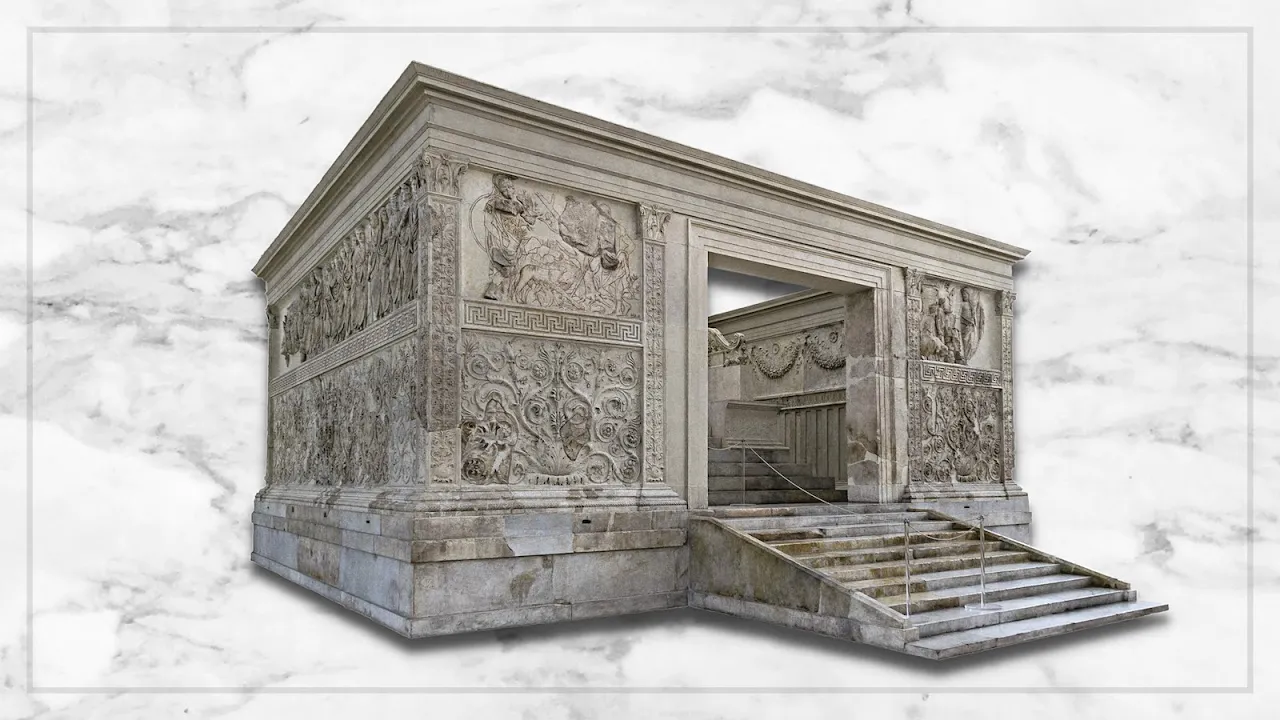
Augustus and the Ara Pacis: The Altar of Peace in Ancient Rome
@toldinstone
182.9K views•2023-05-12

33:02
The Great Schism of 1054: Causes and Consequences
@SacredCathedrals
113.5K views•2026-02-19
91:57
The Geopolitics of the Ukraine War and the Rise of Global Autocracy
@JordanHarbingerShow
468K views•2025-04-19
17:05
Understanding the Cold War: Superpower Conflicts and the Road to Détente
@OverSimplified
46.1M views•2019-01-24
Related Study Plans & Knowledge Roadmaps
Structured learning paths in History
history
Byzantine Iconoclasm: Theology, Art & Politics
01Foundations of Byzantium and Early Christian Images
02The First Iconoclasm: Leo III and the Crisis of Images
03Empress Irene, Nicaea II, and the Second Iconoclasm
+ 2 more learning modules
9h5 modules
Explore Roadmap
history
Iranian Revolution (Causes, Events & Legacy)
01The Pahlavi Dynasty and the Roots of Discontent
02The Spark of Rebellion and the Rise of Khomeini
031979: The Fall of the Shah and the Climax of the Revolution
+ 2 more learning modules
8h5 modules
Explore Roadmap
history
Mali Empire: Mansa Musa, Trade & Timbuktu
01Foundations of the Mali Empire
02The Trans-Saharan Gold and Salt Trade
03The Reign and Pilgrimage of Mansa Musa
+ 1 more learning modules
6h4 modules
Explore Roadmap
history
1947 Partition: Politics, Borders & Legacies
01Foundations of British India and the Divide
02The Political Negotiations and the Mountbatten Plan
03Drawing the Boundary: The Radcliffe Line
+ 2 more learning modules
8h5 modules
Explore Roadmap