


![Sejarah Lengkap Berdirinya ROMAWI | Tetralogi Romawi [PART 1]: Berdirinya Republik & Kekaisaran](https://i.ytimg.com/vi/uJIT4eMXgmw/maxresdefault.jpg)

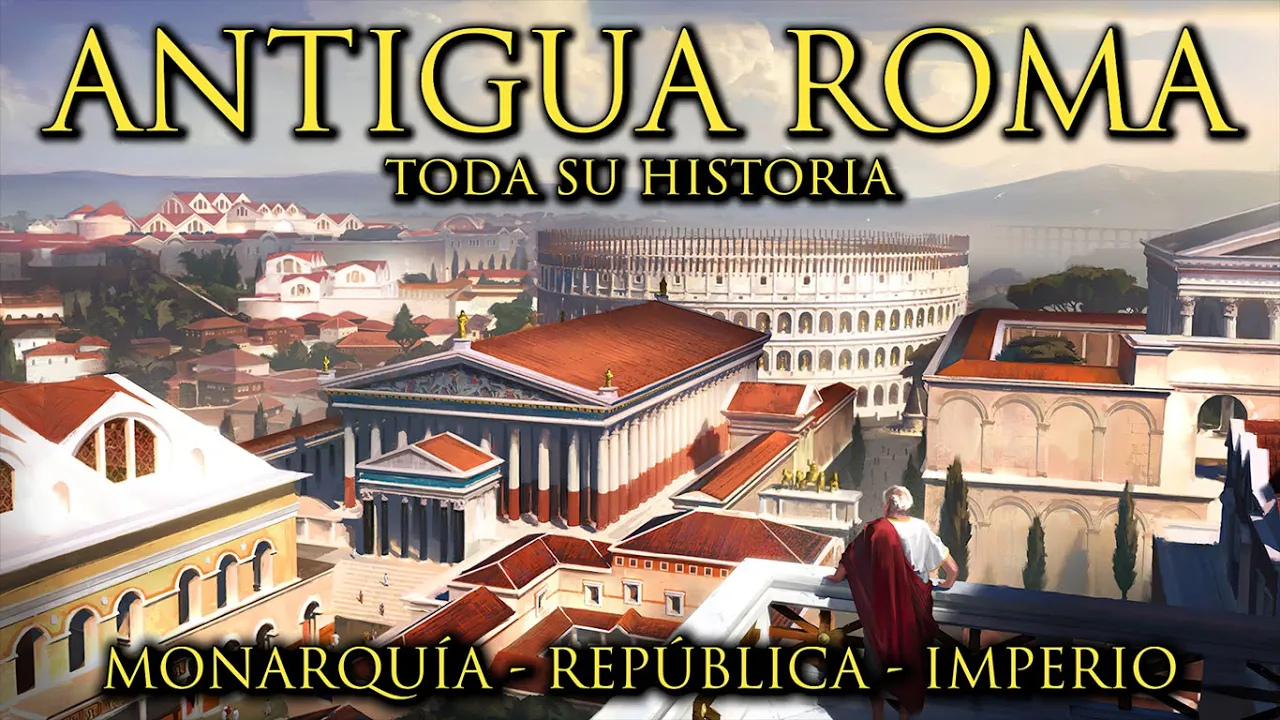




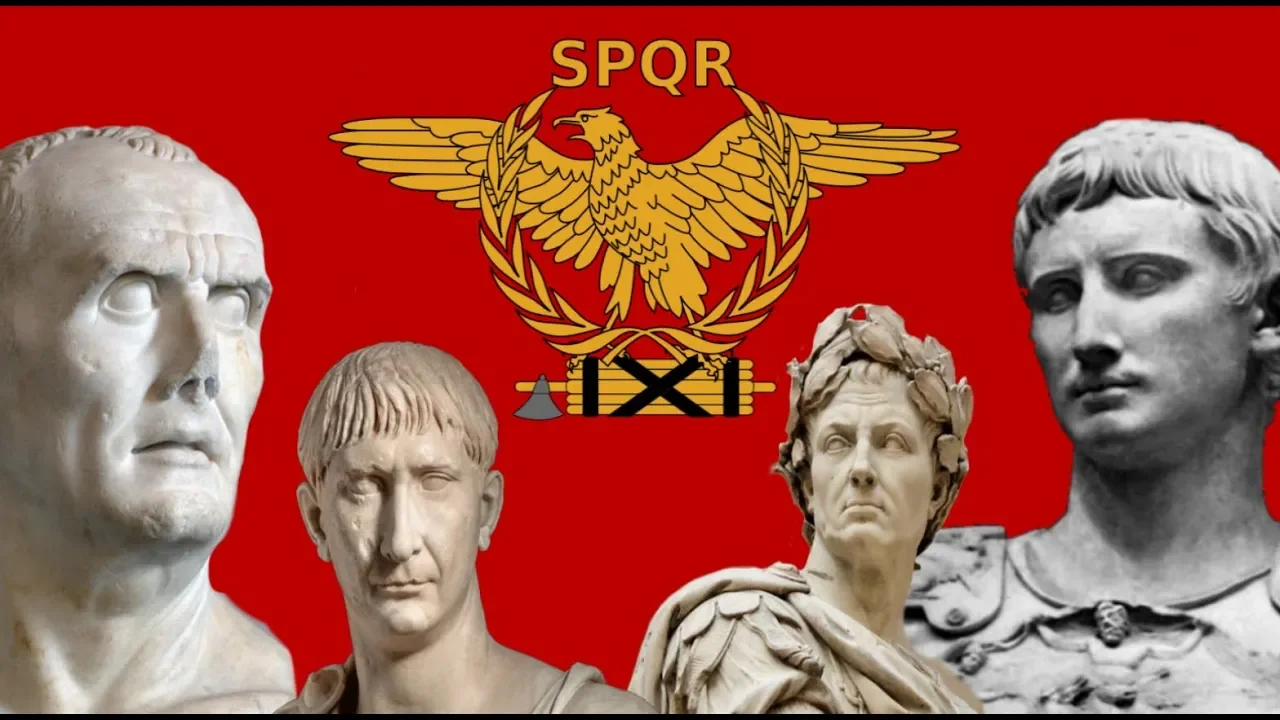







![485 - Augusto e l'origine dell'Impero (Imperatores 1) [Pillole di Storia]](https://i.ytimg.com/vi/lfGvNDIzJAY/maxresdefault.jpg)


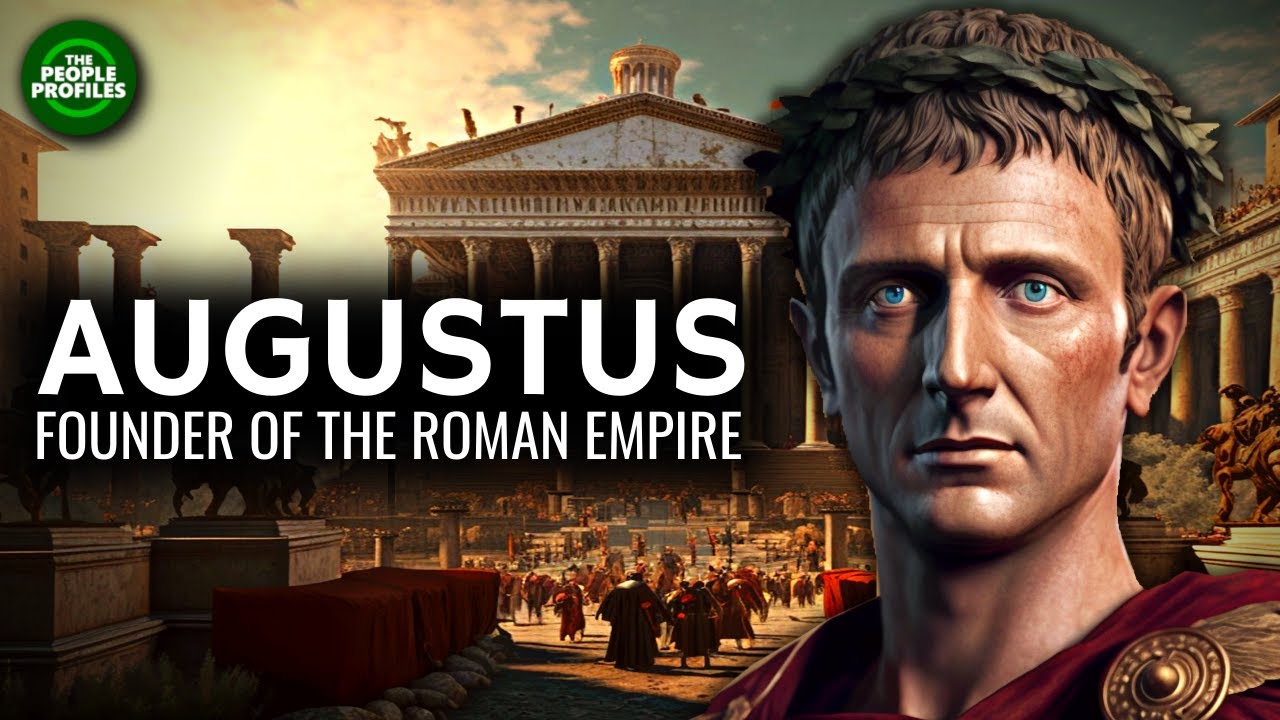
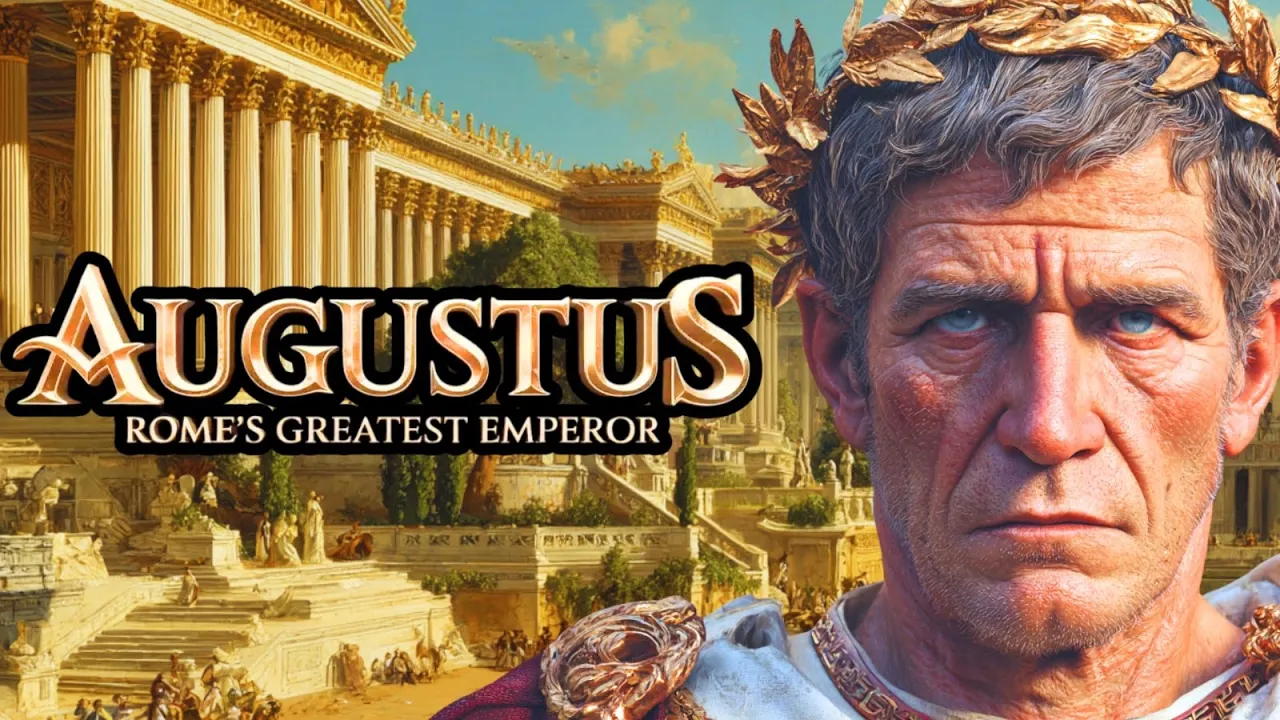
Caesar Augustus transformed Rome from a war-torn republic into a stable empire through political cunning, military conquest, and strategic propaganda, establishing the Pax Romana that would make Rome the world's first enduring superpower; however, his strict moral reforms and authoritarian rule created tensions with figures like poet Ovid and his daughter Julia, demonstrating how even the most successful political systems can generate internal conflicts between centralized power and individual freedoms.
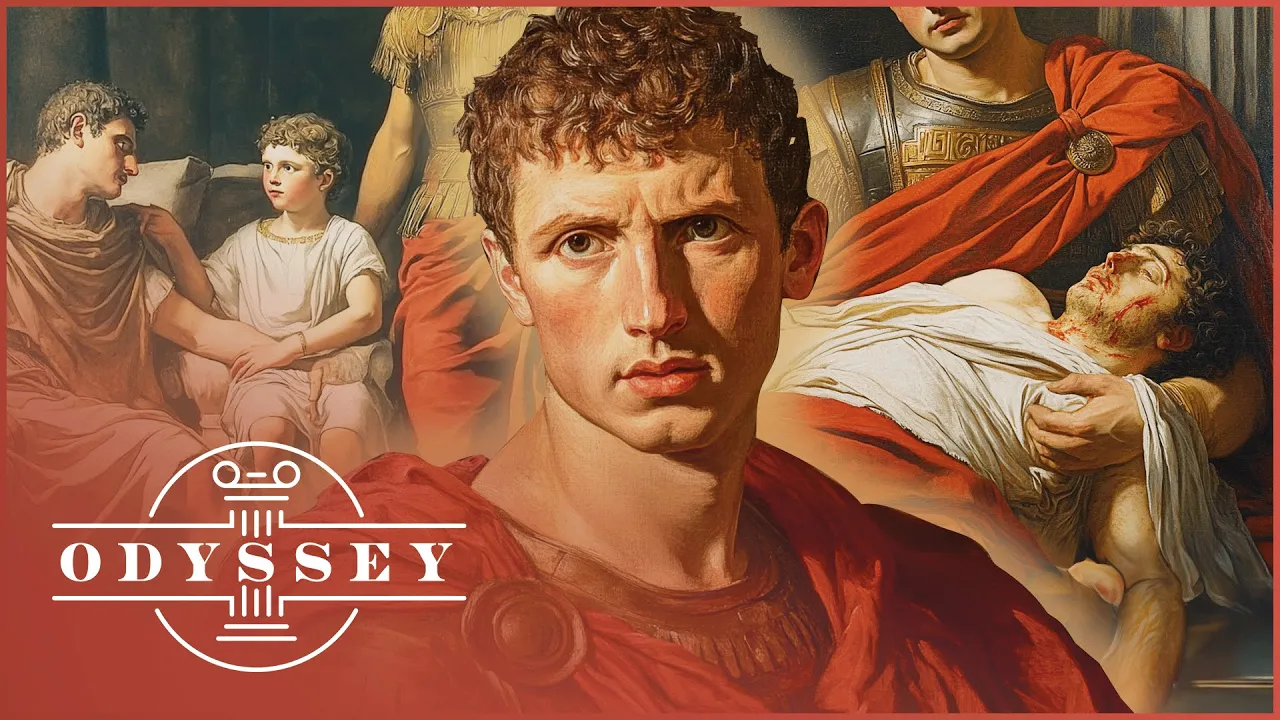
Rome in the 1st Century: Augustus' Rise to Power | Documentary
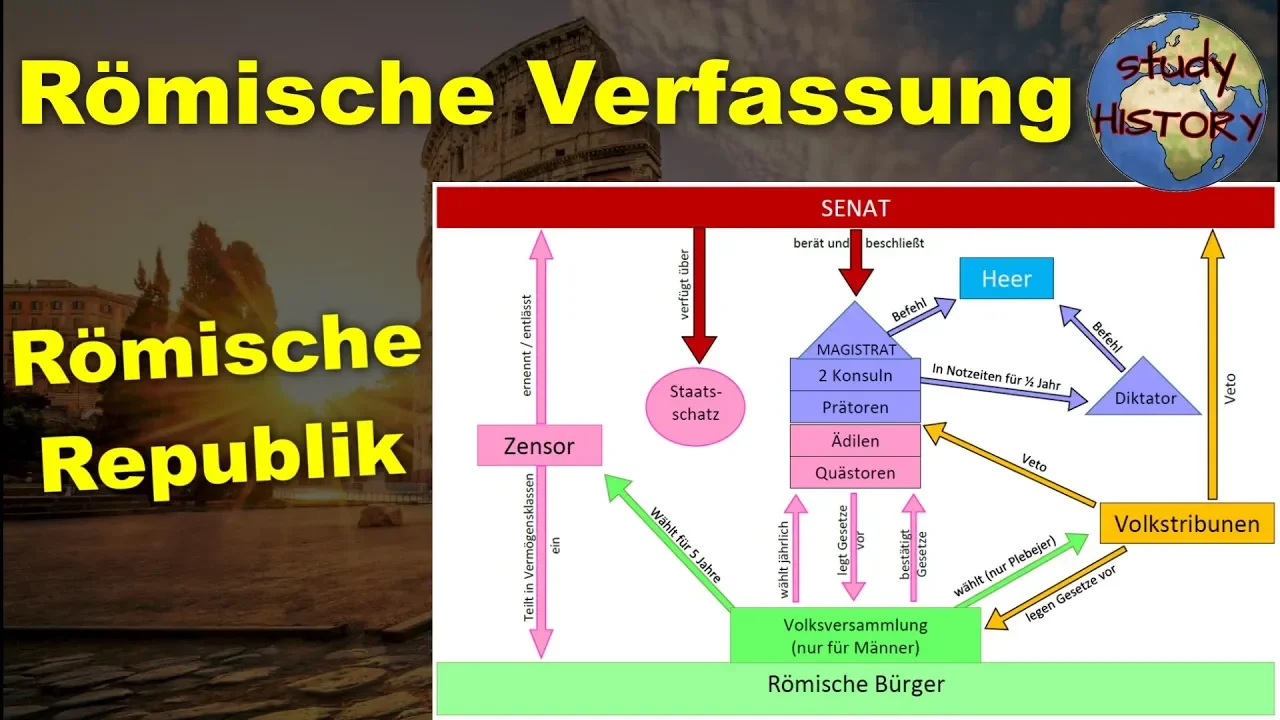
Added:The political structure of the Roman Republic, including the roles of the Senate, consuls, and tribunes, and how its system of checks and balances functioned.
The rise of military warlordism in the late Republic, specifically how generals like Marius and Sulla shifted soldiers' loyalty from the state to individual commanders.
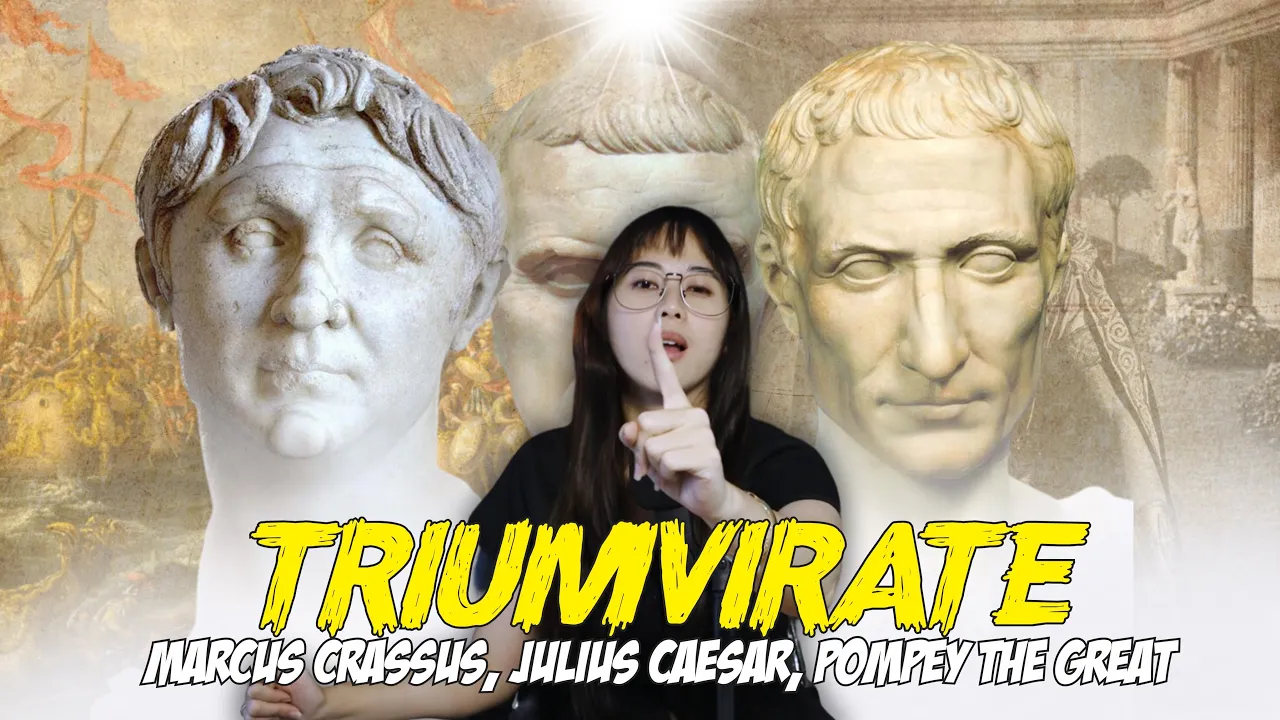
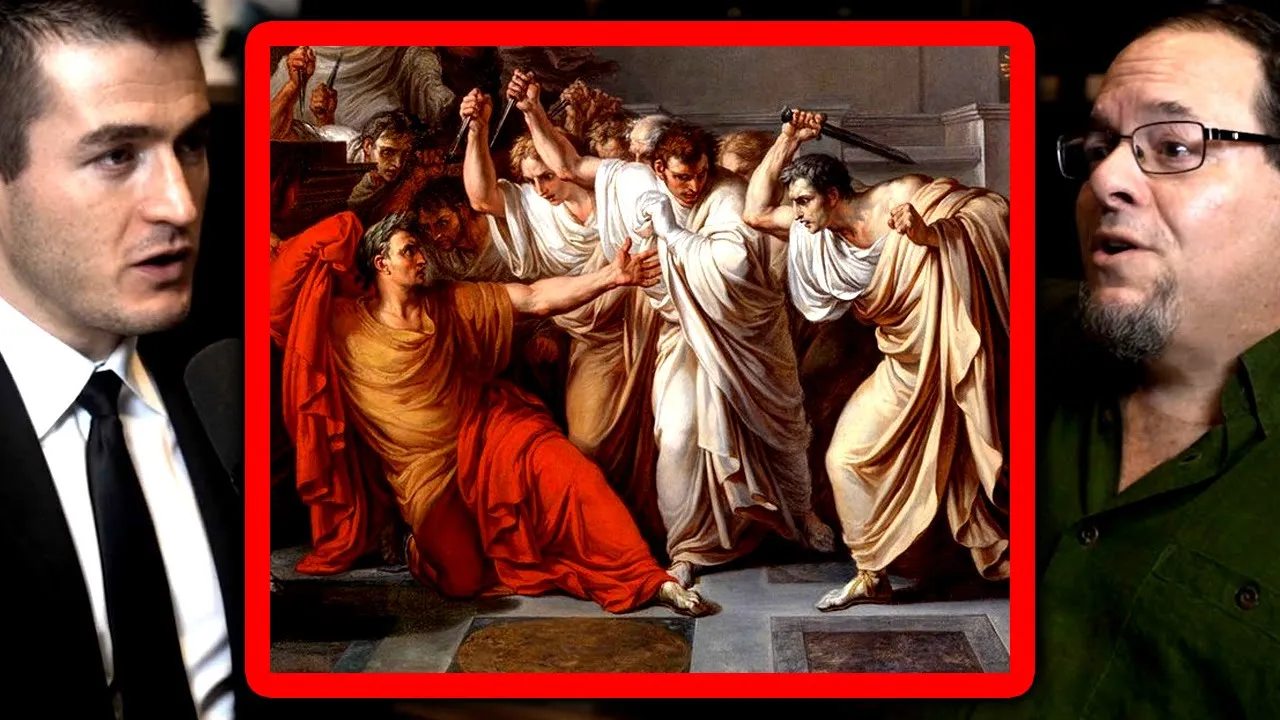
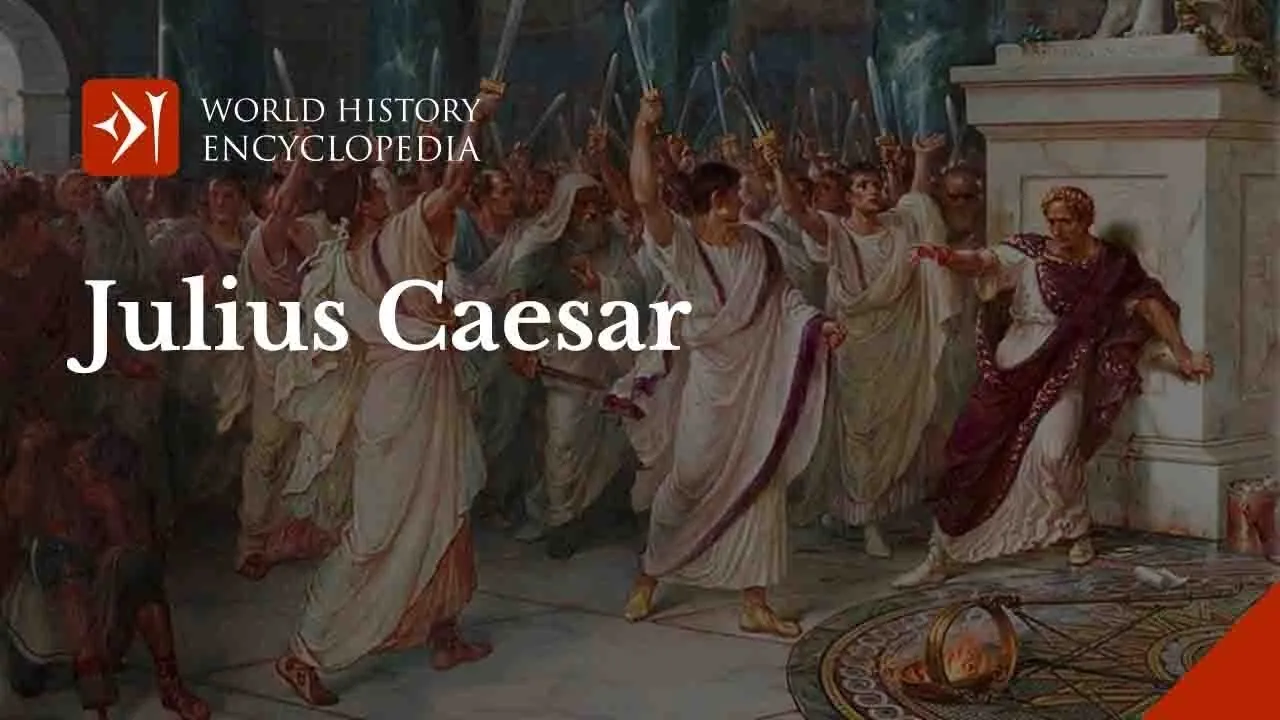
The career of Julius Caesar, the formation of the First Triumvirate, and the political fallout of Caesar's assassination on the Ides of March in 44 BCE.
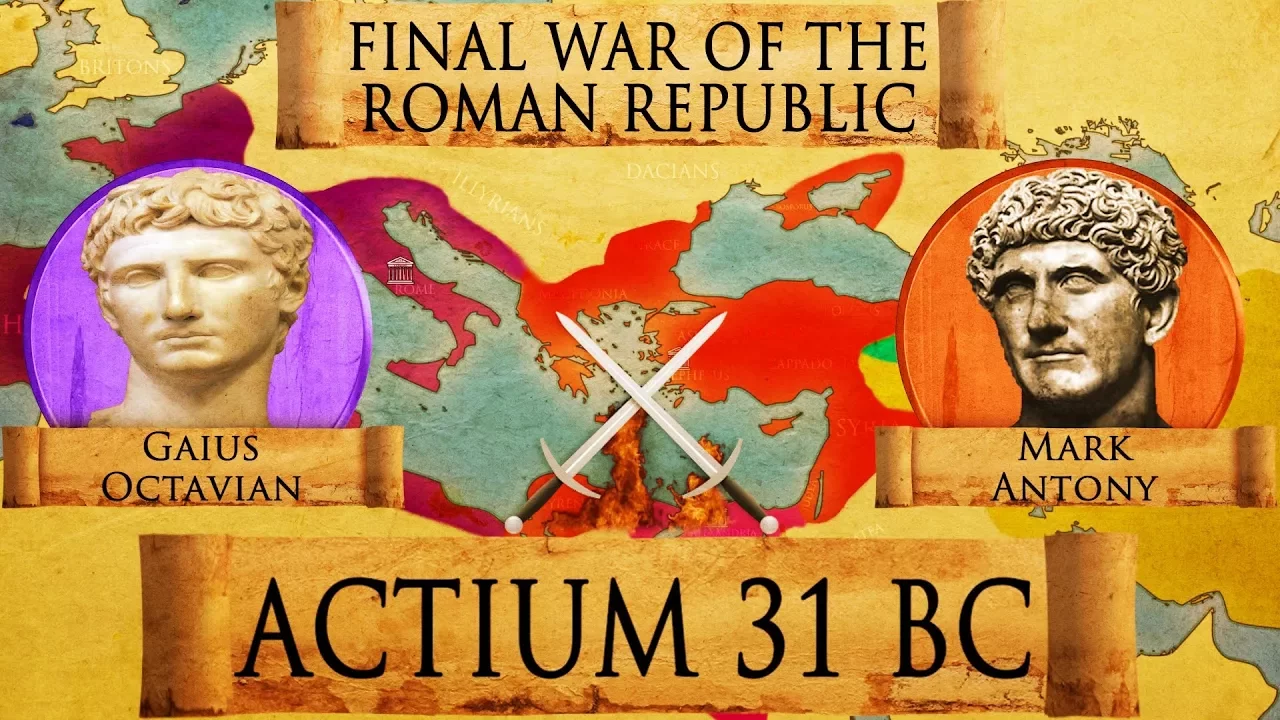
The subsequent civil wars involving the Second Triumvirate (Octavian, Mark Antony, and Lepidus) and the final confrontation at the Battle of Actium.
The constitutional framework of the 'Principate' and how Augustus maintained the illusion of a functioning Republic while consolidating autocratic power.
The administrative and military reforms implemented during the Pax Romana (Roman Peace) to secure the borders and govern vast imperial provinces.
The use of imperial propaganda, architecture, and literature (such as Virgil's Aeneid and the Ara Pacis) to legitimize Augustus's rule and foster a golden age of Roman culture.
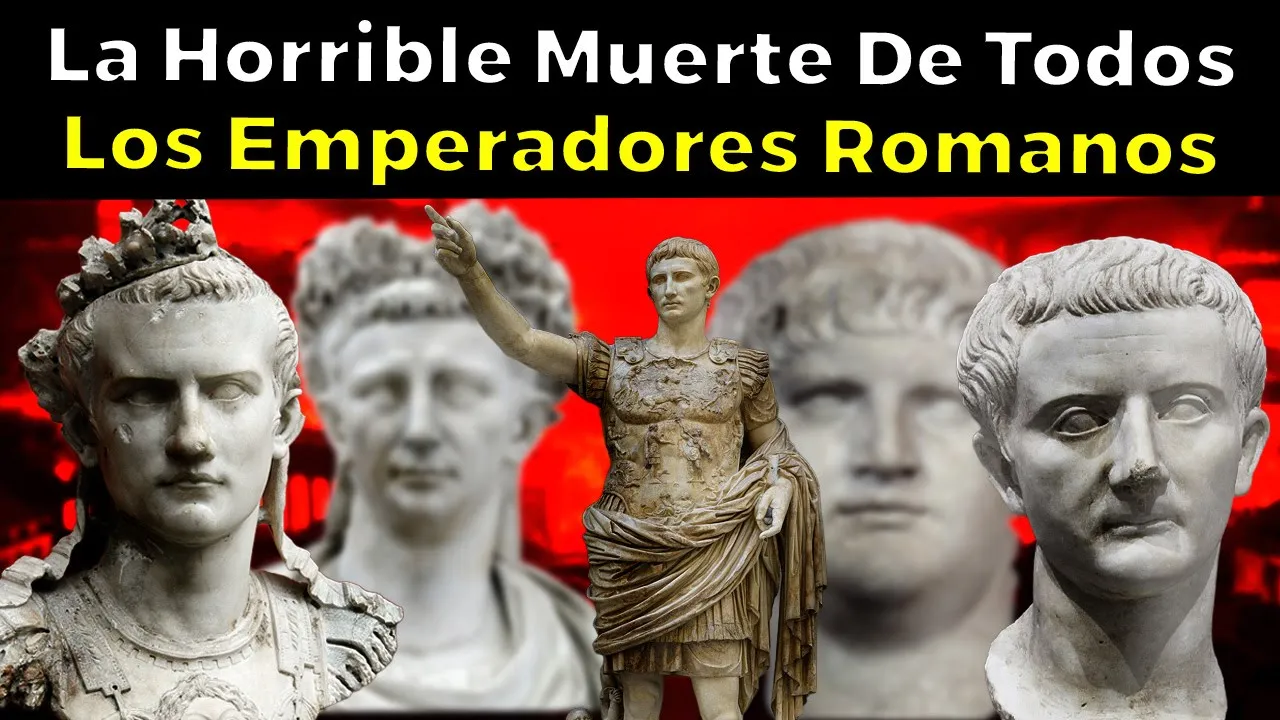
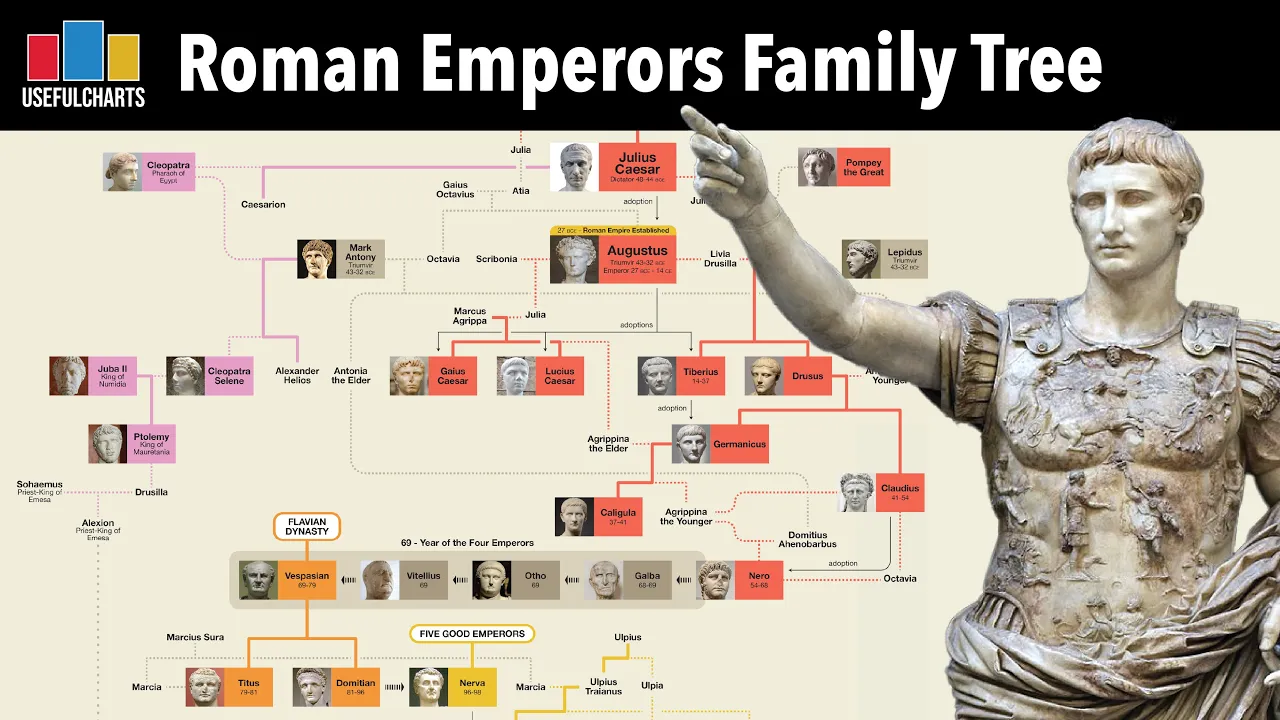
The problem of imperial succession, exploring how Augustus's struggle to secure an heir shaped the early Julio-Claudian dynasty (Tiberius, Caligula, Claudius, and Nero).
677K views3.4Klikes1:42:24Original Release: 2016-06-11
two thousand years ago at the dawn of the first century the world was ruled from Rome and Rome was in turmoil Civil War had engulfed the Empire's capital city dictators seized power and the Roman future seemed bleak but from the chaos the Roman Empire would rise stronger and more dazzling than ever before within a few short years it would stretch from Britain across Europe to southern Egypt from North Africa around the Mediterranean to the Middle East it would embrace hundreds of languages and religions and would tell those diverse cultures into a rich soil from which Western civilization would grow Rome would become the world's first and most enduring superpower spanning continents and epochs the glory days of Rome were studded with names that reach out to us across two millennia Ovid and Nero Seneca and Caligula but the story of Rome is more than the story of famous men and millions of less familiar figures struck different chords in the symphony of empire people such as the wealthy benefactor you macchia the Revel Queen Boudicca and countless uncelebrated soldiers and slaves senators and peasants and above them all this man Caesar Augustus this was the Emperor who set the tone for the astonishing resonance of this series tells the story of Augustus and his people the men and women who rested order from chaos shaped the greatest empire the world had ever seen and launched the Roman Empire in the first century two thousand years after Egypt Pharaohs reigned supreme four hundred years after the flowering of Greek culture 300 years after Alexander the Great a boy named Octavian was born in a small Italian town the child would one day be called Augustus and his birth one ancient historian tells us would be gilded by legend his father leading an army through distant lands went to a sacred grove seeking prophecy on the boys future when wine was poured on the altar flame was shot up to heaven a sign Zimmerman once before by Alexander the Great praise declared that Augustus would be rule over the world the story is told by Suetonius writing at the turn of the first century he based his biography on eyewitness accounts on common gossip and on research conducted his Imperial librarian in truth he writes the prospects of young Augustus were far from grand the boy was sickly with few connections his family were country people his father the first in their line to join the Senate but worse Augustus was born into dangerous times civil war had flared for decades feuding Nobles many controlling large armies fought to gain power for themselves and Rome's traditions of open government were often trampled underfoot so too were innocent bystanders when Augustus was just four years old his father suddenly died without a male mentor the boy's future looked bleak but in 49 BC when he was 13 Augustus is fortune took a dramatic turn for in that year his great uncle Julius Caesar gained the upper hand on the battlefield leading an army across the Rubicon River Caesar declared himself ruler of an empire still aspiring to greatness at the time of Julius Caesar the Roman Empire was a little bit like a boy who's reached six feet tall and yet he's only 14 or 15 years old he's not yet a man the externals of empire were there the armies were there the Romans governed most of the coast of the Mediterranean with the exception of Egypt however they had not yet learned to bring that into a functioning organism the past decades of internal fighting had weakened the Empire northern tribes harried the borders enemies were confronting Rome in the east and the province of Spain threatened to break free Julius Caesar moved quickly to bolster the frontiers and his own legacy Caesar had no air so when Augustus completed a dangerous mission Caesar adopted the teenager in his will August has realized he was a tremendous opportunity mind you here no military training but he was the heir of the greatest political figure that was on a Worman sky literally at their time and he cashed in on it it was a heady opportunity for augustus but also a perilous challenge for in 44 BC foreigners were not the only threat to stability there were enemies within Caesars small circle of advisers they murdered Caesar at a meeting of the Senate for the second time in his life Augustus lost a father but now on the verge of manhood he thrust himself into the maelstrom of Roman politics the death of Julius Caesar was not just a turning point in August's his life it was a turning point in world history he was extremely young at this time only in his 19th year and yet when he knew that he had been made Caesar's heir he immediately took up the political legacy of Caesar and entered the mainstream of Roman politics didn't hesitate to try to avenge his father but that meant of course stepping on to the stage of politics raising an army and immediately immersing himself in a contest for supreme political power at Rome he displayed boots heavily against enemy prisoners once when a father and son were begging for their lives he ordered they should draw lots to determine which would be executed the father offered himself and so was killed because of this the son committed suicide Augustus watched them both die Suetonius describes the crisis as trial-by-fire and Augustus didn't flinch from the task he formed a strategic alliance with Mark Antony a powerful general who also wanted supremacy together they massacred their enemies in the capital then they pursued their rivals to the shores of Greece where they fought and won two of the bloodiest battles in Roman when the carnage ended the Empire was there augustus and antony divided the spoils of augustus remained in rome but Antony took control of Egypt a land not formally joined to Rome but firmly under the Empire's command there he joined forces with Egypt's Queen ancient historians like Casius Daioh believed that was a fateful move when Anthony fell deeply in love with his new ally many feared the ambitious Queen was scheming to rule Rome herself her name was Cleopatra cleopatra's brazen desire for passion and wealth was insatiable by love she had made herself queen of Egypt but she failed in her goal to become queen of the Romans Cleopatra did not enjoy a good press in Rome what really irritated people about Cleopatra is that she was a powerful woman from the east and from a very wealthy country with a monarchic system of government and she therefore symbolized lack of moderation lack of control frenzied fury everything that Rome tried not to be Cleopatra and Antony were cast as the leaders of the evil empire Anthony's alliance with Augustus withered he and Cleopatra mobilized but Augustus struck first the poet Virgil later cast the battle as an epic struggle of East against West standing high on the stern Augustus feeds the Italians into battle carrying Wiggin the might of the Senate and the people opposing him with barbarian wealth is Antley suited for that only he carries with him the powers of the Orient and to the scandal of all his Egyptian wife their monstrous divinities raise weapons against our noble woman gods three quarters of the Egyptian fleet was destroyed Antony and Cleopatra committed suicide and the land of the Pharaohs was formally annexed to the Roman Empire the annexation of Egypt for Gustus was immensely important it was the equivalent of Hitler's troops marching through the streets of Paris here was a wealthy country that was going to be providing food that was going to be providing land but above all it was a country of great cultural prestige and once Rome had Egypt as part of its empire they had truly arrived there is nothing that men can wish from the gods nothing the gods can do for men which Augustus when he returned to the city did not do for the Republic the Roman people and the entire world civil wars were finished foreign wars ended and everywhere the fury of arms was put to rest upon Augustus has returned to a war-torn Rome in 29 BC the city went wild with enthusiasm the triumphant general vowed to restore peace and security it was a promise he would keep the victory of Augustus launched a period of stunning cultural vitality of religious renewal and of economic well-being that spread throughout the empire it would be called the Pax Romana the Peace of Rome and to many it marked the return of Rome's mythic and glorious past but Augustus himself would never return to the past he was now a hardened 32 year old man the sole ruler of the greco-roman world Rome's first emperor victory had been costly but the greatest challenge still lay ahead for to avoid the fate of Julius Caesar Augustus must disarm the Senate and charm the masses he must do better than win the war he must win the peace that challenge would occupy the rest of his life let me step forward clear my throat and announce that I am a native of solo a few days journey eastward from Rome while Augustus fought his way to the pinnacle of power a boy named Ovid was coming his age under less demanding circumstances I was the second son a year to the day younger than my brother we always had two cakes on the birthday we shared and were close in other ways as well we studied together the men went up to Rome to seek our fortunes I used to waste my time trying to write verses my father called waste he disapproved of any pursuit where you couldn't earn a decent living and always used to say homer died for Arvid came from the same stop he's Augustus they were both landed gentry and like Augustus the young man found his identity and his ambitions molded by his demanding family I tried to give up poetry to stick to prose on serious subjects but frivolous Minds like mine attract frivolous inspirations some too good not to fool with I kept returning to my bad habits secretive and ashamed I couldn't help it I felt like an imposter at serious matters but I owed it to my father and brother to try to do my duty by Roman law a father wielded absolute control over his children those who displeased him could be disowned sold into slavery or even killed the young Ovid tried to meet his father's expectations he married he studied law but the strain proved unendurable miserable Ovid and a friend set out on a journey of self-discovery we toured all the Magnificent cities of Asia we watched the flames of Mount Etna light up the heavens we plowed the waves in a painted ship and also traveled by wagon often the road seemed short as we were lost in conversation when we walked our words outnumbered our steps and we had too much to say even for the long evenings of summer 18 months later Ovid settled in Rome older and more self-confident than before he resolved to become a poet he cultivated new friends in Roman literary circles and soon Ovid made a name for himself as Rome's reigning poet of stolen kisses so your husband is coming to this dinner party I hope he gags on his food listen and learn what you must do when he settles on his couch to eat go to him with a straight face look modest and lie back beside him but secretly touch me don't let him drape his arms around your neck don't rest your gentle head against his chest don't welcome his fingers to your lap or to you're eager nippers most of all no kissing when dinner is done your husband will close the bedroom door but whatever the night shall bring tell me tomorrow you refused it's a mistake to think that of its poetry can be read very literally hi in purely autobiographical terms that wouldn't be true I think of any poetry from antiquity but clearly at the same time Ovid is writing about subjects of which he has some sort of experience and he certainly through the love poetry opens up a world which is very different in tone and quality from the official atmosphere while Ovid bloomed as a man of words the new emperor thrived as a man of action he rebuilt Rome and his own family divorcing his wife Augustus married his heavily pregnant mistress Livia the move raised eyebrows and hackles for love was not the only motive and although Augustus shunned the trappings of absolute power many suspected he was building a dynasty a line of heirs to rule Rome for generations to come Augustus knew it was a dangerous move the julius caesar had been murdered for appearing a king augustus would not make the same mistake he relinquished high office and struck a delicate balance between fact and fiction having by universal consent acquired control of all affairs I transferred government to the Senate and the people of Rome Augustus was a very cagey political leader because he pretended to be restoring all of these Republican political traditions and in fact what he was running was a full-fledged dynastic monarchy Augustus caca Cantabria Aquitania Pannonia Dalmatian and all of Illyricum as well as Aisha augustus not only changed the empire he expanded it Egypt had been added early in his career soon northern Spain was joined Augustus drove across Europe into Germany and he United East and West by adding modern Hungary Austria the Balkans and central Turkey these victories employed Roman soldiers and Senators huge and altered welcome distractions to the city's new when Augustus wasn't staging chariot races or gladiator shows he displayed exotic animals in the quarry of Rome's far-flung Empire a rhinoceros appeared in the arena Asian Tigers in the theater a giant serpent in the forum one key constituency for Augustus mercy plebeian population well and that is basically the City mob you have several hundred thousand folks here who have no jobs and to put it very simply who need to be kept off the streets and be kept from for making trouble because it's a very volatile combustible mixer the volatile mix that made up Rome stayed quiet for the first four years of augustus rule then in twenty-three BC events took a critical turn Casius Daioh writes that a series of disasters convince the people that augustus needed not less power but more the city was flooded by the overflowing river and many things were struck by lightning then a plague passed through Italy and no one could work the land the Romans thought these misfortunes were caused because Augustus had relinquished his office they wished to appoint him dictator a mob barricaded the Senate inside its movement and threatening to burn them alive forced the Senate to vote Augustus absolute ruler the demands threatened to unsettle the Emperor's precarious political balance augustus fell to his knees before the riders he tore his toga and beat his chest he promised the mob that he would personally take control of the grain supply but Augustus refused to be called a dictator the crowd disbanded but the lesson was clear augustus was riding a tiger to keep order on the frontiers the streets and the senate was a superhuman task and superhuman skills were needed luckily for Rome augustus had them then something very fortuitous happens Halley's Comet shows up and the word is given out by Augustus this is the soul of Julius Caesar ascending into heaven so from this point on he is called Julius Caesar the divine politically it became very potent because what as Augustus do at this point on all his coinage on all his writings and all his symbols whatever he puts out the words DF son of the Divine and it's really quite an asset and politics to be the son of the Divine there are modern politicians I think would be very jealous of being able to do that Augustus enhanced his pious new identity with stories of his lean habits it was said that he lived in a modest house and slept on a low bed that he ate common foods coarse bread common cheese and sometimes even less my dear Tiberius not even a Jew observes a fast as diligently on the Sabbath as I have today I ate nothing until the early hours of evening when I nibbled two bites before my rubdown moral change augustus began to argue was the enemy of Rome he believed that its future ran through its past through the restoration of values he thought had first made Rome great I renewed the many traditions which were fading in our age i restored 82 temples of the gods neglecting none that required repair at the time in public Augustus led by example he sacrificed animals in traditional rituals and he re-established traditional social rules new laws assigned theater seats by social rank women were confined to the back rows adultery was outlawed marriage and children encouraged to many Roman society had recovered its true course the son of a God was building an empire for the ages who can find words to adequately describe the advancements of these years authority has been returned to the government majesty to the Senate and influence to the courts protests in the theater have been stopped integrity is honored depravity is punished but amid the applause there were also cries of protest the emperor's new traditionalism rankled friends and enemies alike it even rankled his own daughter julia long a pawn of family politics julie assumed that she was exempt from her father's stringent views she was wrong and in the coming years augustus the son of a god would have to confront augustus the father if there is anyone here who was a novice in the art of love let him lead with study he will love like a professional as the emperor augustus firmly charted a course of moral rigor the poet Ovid staked out different ground he was now Rome's most famous living poet and his boldness grew in step with his reputation having all but exhausted the conventions of love poetry he decided to stretch them he began composing a manual of practical tips on adultery step 1 stroll under a shady colonnade don't miss the shrine of Adonis but the theater is your best hunting ground there you'll find women to satisfy any desire just as ants come and go so the cultured ladies swarmed to the games they come for the show and to make a show of themselves there are so many I often reel from the choice many Romans yearn to follow their Emperor back to the good old days of Stern Roman virtue but others reveled in the promises of Rome's newfound peace Ovid was one of them - the youthful poet old limits seemed meaningless do not doubt you can have any girl you wish some give in others resist but all love to be propositioned and even if you fail rejection doesn't hurt why should you fail women always welcome pleasure and find novelty exciting indeed the earlier civil wars had unleashed enormous social change some women had gained political clout new rights and new freedoms tradition holds that one such woman was Julia the Emperor's only child Julia had a love of letters and was well educated are given in that family she also had a gentle nature and known cruel intentions together these brought her great esteem as a woman Julia didn't reject traditional values wholesale she had long endured her father's overbearing control she dutifully married three times to further his dynastic ambitions and she bore five children her two boys Gaius and Lucius were cherished by Augustus as probable heirs but like Ovid Julie expected more from the piece she was clever and vivacious and she had an irreverent tongue that cut across the grain of roman convention her legendary wit was passed through the centuries by a late roman writer called macro B's several times her father ordered her in a manner both doting and scolding to moderate her lavish clothes and keep less mischievous company once he saw her in a revealing dress he disapproved but held his tongue the next day in a different dress she embraced her father with modesty he could not contain his joy and said now isn't this dress more suited to the daughter of Augustus Julia retorted today I'm dressed for my father's eyes yesterday I dressed for my husband's but apparently Julia's charms were not reserved for her husband alone the emperor's daughter took many lovers her dalliance 'as were so well known that people were actually surprised when her children resembled her her second husband who was the father of her five children and she wittily replied well that's because I never take on a passenger unless I already have a full cargo meaning that she waited until she was already pregnant before undertaking these dalliance --is so concern was she to protect the bloodlines of these of these offspring Julia like Ovid was a testament to her times but neither of them were average Romans the life they represented shocked traditional society to the core and as Julia entered her 38th year crisis loomed in that year a scandal broke out in the Emperor's own home shameful to discuss horrible to remember one Roman soldier voiced deep revulsion at Julius extraordinary self-indulgence Julia ignoring her father Augustus did everything which is shameful for a woman to do whether through extravagance or lust she counted her sins as though counting her blessings and asserted her freedom to ignore the laws of decency Julia's behavior erupted into a full-blown political crisis and it was marked by overblown claims the emperor's daughter was rumored to hold nightly revels in Rome's public square she was said to barter sexual favors from the podium where her father addressed the people when the gossip reached Augustus the Emperor flew into a violent rage he refused to see visitors upon emerging Suetonius reports he publicly denounced his only child he wrote a letter advising the Senate of her misbehavior but was absent when it was read he secluded himself out of shame and even considered a death sentence for his daughter he grew more obstinate when the Roman people came to him several times begging for her sake he cursed the crowd that they should have such daughters and such wives as a father Augustus could not abide Julius behavior as an emperor he could not tolerate the embarrassment augustus banished Julia for the rest of her life I was going to pass over the ways a clever girl might elude a husband or watchful guard but since you need help here's my advice soon after Julia's exile Ovid released his salacious poem it couldn't have been more poorly timed of course a guard stands in your way but you can still write compose love letters while alone in the bathroom and send them out with an accomplice she can hide them next to her warm flesh under her dress or bound beneath her foot should jewel guard get wind of these schemes she can offer her skin for paper and carry out notes written on her body Abbot's poetry extolled behavior for which the emperor's daughter was banished and her fate loomed large as a warning for the present the Emperor remained mute toward Rome's most gifted rebel Ovid turned his hand to less provocative forms of poetry he remarried and he embraced a new appreciation for discretion enjoy forbidden pleasures in their place but when you dress don't forget your mask of decorum an innocent face hides more than a lying tongue Ovid was on notice the order of Augustus had firm bounds of propriety and Ovid had tested them to the fullest now consider the dangers of blight tiles fall from the rooftop and cracked you on the head and the drunken hooligan spoiling for a fight cannot rest without a brawl what can you do when a raving madman confronts you or tenants throw their broken pots out the window you're courting disaster if you go to dinner before writing your will at the turn of the first century the poet Juvenal was writing verses that exposed much of Rome to scorn he was a servic and had a keen eye for the gritty realities of urban life our apartment block is a tottering ruin the building manager props it up with slender poles and plasters over the gaping cracks then he bids us sleep safe and sound in his wretched deathtrap I don't think our notion of Rome bares much relation to the Rome of everyday life because what is left today are the big public buildings not the squalid hovels without plumbing and without any kind of sanitary conditions that ordinary people lived in that's precisely the reason members of the elite preferred to withdraw up onto the hills and have their villas up on the hills a little bit away from the noise and away from the stench and away from that incredible horde of people pressing close together I would love to live where there are no fears in the dark of night even now I smell fire and here a neighbor cry out for water as he struggles to save his measly belongings smoke pours out from the third storey as flames move upwards but the poor wretch who lives at the top with a leaking roof and roosting birds is oblivious to the danger and sure to burn in the year four in the imperial palace the emperor augustus also lost sleep but not from fear fire now an old man of 66 Augustus had lost much of his youthful vigor his vision had faded in his left eye his teeth were few widely spaced and worn down his hair wispy and yellowed his skin was irritated by scratching and vehement scraping so that he had chronic rough spots resembling ringworm as the Emperor near-death plots to succeed him sprouted his grandsons and intended heirs had both died unexpectedly and the Emperor himself lived under constant threat of assassination speaking for Augustus one ancient historian voiced his dilemma where as solitude is dreadful he wrote company is also dreadful the very men who protect us are most terrifying in many ways Augustus looked so solid from what he created looked so solid you forget the fragility I think contemporaries were very aware of that fragility and surely Augustus was he was over anxious in a sense to provide a secure system after he'd gone at this time usually strong earthquakes the timer pulled down the bridge and flooded the city for seven days there was a partial eclipse of the Sun and family development ancient historians report that natural disasters predicted political ones and indeed the Emperor's difficulties seemed to be mounting fast in the year six soldiers the backbone of the Empire refused to re-enlist without a pay raise new funds had to be found then fire swept parts of the capital a reluctant Augustus turned to taxation it was a dangerous tactic in the Emperor nuit fairing a coup augustus dispersed potential enemies he recessed the courts and disbanded the Senate he even dismissed his own retinue still Rome remained on edge the mob distressed by the famine and the taxes after the fire were unsettled they openly discussed rebellion when night fell they hung seditious posters the crisis passed but soon a new and even greater disaster battered the aging Augustus it began in Germany a land of fiercely independent tribes and to the Roman eye rugged barbarism the region had been recently conquered and Roman customs were taking root or so they thought the barbarians had not forgotten their ancient traditions their free way of life or the power of arms but as long as they were assimilated slowly they did not realize they were changing and did not resist Roman influence that peaceful evolution stopped however in the year nine the Year an arrogant young general called quintilius Varis became commander of the Rhine army and brought an iron fist to the province he forced more drastic change on the barbarians and among other things he dealt with them as if they were slaves of the Romans and exacted money as if they were his subjects forests disastrously miscalculated the extent of Roman control and misjudge german compliance a trusted german chieftain organized a full-scale revolt and lured viruses troops into a trap deep in unfamiliar terrain the mountains were rocky and cut with curvy knees the trees were dense and tall so that the Romans were struggling to make progress rain began to fall in sheets and the heavy winds scattered their numbers the grounds became slippery around the tree trunks bombed the Romans were dealing with these troubles the barbarians surrounded them and suddenly coming from everywhere first they told us from afar since no one was fighting back and many would and the barbarians gave of a closer and the Romans were unable to retaliate they kept crashing into each other in the trees here it could not grip their arrows are javelins Lorena forced the weapons from their hands even their southern shields were useless and so every man and every horse was slaughtered three legions were massacred a tenth of Rome's army Augustus his biographer reports was traumatized they say he was so disturbed but for several months he let his hair and beard grow and would sometimes bash his head on doors and cry out quintilius Varis give me back my legions the disaster in Germany underscored a stark reality the Empire was born of violence and to violence it ever threatened to return the Emperor was in no mood for leniency believe me love's climax of pleasure should not be rushed but savored and when you reach those places your woman loves to have touched don't let shame get in the way don't back off your serum eyes shine with a trembling light as when the Sun glitters on rippling water she'll moan and murmur sweet words just right for the game but don't outpace your mistress or let her leave you in the dust rushed to the finish line in unison when man and woman collapsed together they both win that's the greatest prize Ovid sizzling words gripped Rome when they were first published but a decade later they would return to haunt him for the patience of the emperor Augustus had reached its lowest point beleaguered he saw plots in every corner anarchy in every act of disobedience blaming the subversive book augustus banished Ovid from Rome hello are you there if so indulge these verses of mine they don't come from my garden or that old couch I used to sprawl on whoever you are and in whatever parlor bedroom or study I have been writing on decks propped up against bulkheads the poet was sent to an untamed backwater at the edges of the empire on the shores of the Black Sea for Ovid the ultimate urban sophisticated no punishment could have been harsher his roguish aplomb crumbled to anguish when night falls here I think of that other night when I was cast out into the endless gloom we managed to laugh once or twice as my wife found in some old trunk odd pieces of clothing this might be the thing this season the new romanian mode and just as abruptly our peal of laughter would catch and tear into tears and we held each other my wife sobbed at the hearth what could I say I took the first step with which all journeys begin but could not take the second I was barely able to breathe I set forth again behind me she fell rolling onto the floor her hair swept into the hearth stirring up the dust and ashes I heard her call my name I thought I had survived the worst what could be worse but my wife arose pursued me held on to me weeping servants pulled her away whatever worth there was in me died there Ovid was sure his talents would bring him home he wrote constantly and as he waited he sought refuge in a remote frontier town when the temperatures dropped Ovid wrote wine frozen its vessels the river in its banks across the ice thundered hostile horsemen plundering and killing it was a brutal life Ovid rode home from exile a side of the Empire that few Romans ever saw beyond these rickety walls there's no safety and inside it's hardly better barbarians live in most of the houses even if you're not afraid of them you'll despise their long hair and clothes made of animal skins they all do business in their common language I have to communicate with gestures I am understood by no one and the stupid peasants insult my Latin words they heckle me to my face and mock my exile writing for this audience Ovid complained was like dancing in the dark as the years passed Ovid shriveled into a bony old man he fell ill contrition replaced his former bravado oh I repent I repent if anyone as wretched as I can be believed I do repent I am tortured by my deed Ovid however never got an answer to his pleas and would never get a reprieve as he approached death he became sadly resigned to his fate look at me I yearn for my country my home and for you I've lost everything that I once had but I still have my talent Emperor's have no jurisdiction over that my fame will survive even after I am gone and as long as Rome dominates the world I will be red nine years into his exile argot dawn he outlived augustus but he had been to the Emperor's will at the start of the Emperor's public life Augustus had won the wars engulfing Rome by the end he had won the peace and men like Ovid paid the price in the years ahead when lesser men would rule Rome that price would rise higher still two thousand years ago at the dawn of the first century the world was ruled from Rome and Rome was in turmoil civil war had engulfed the Empire's capital city dictators seized power and the Roman future seemed bleak but from the chaos the Roman Empire would rise stronger and more dazzling than ever before within a few short years it would stretch from Britain across Europe to southern Egypt from North Africa around the Mediterranean to the Middle East it would embrace hundreds of languages and religions and would tell those diverse cultures into a rich soil from which Western civilization would grow Rome would become the world's first and most enduring superpower spanning continents and epochs the glory days of Rome were studded with names that reach out to us across two millennia Ovid and Nero Seneca and Caligula but the story of Rome is more than the story of famous men and millions of less familiar figures struck different chords in the symphony of empire people such as the wealthy benefactor you machia the Revel Queen Boudicca and countless uncelebrated soldiers and slaves senators and peasants and above them all this man Caesar Augustus this was the Emperor who set the tone for the astonishing resonance of this series tells the story of Augustus and his people the men and women who rested order from chaos shaped the greatest empire the world had ever seen and launched the Roman Empire in the first century two thousand years after Egypt's pharaoh's reign supreme four hundred years after the flowering of Greek culture 300 years after Alexander the Great a boy named Octavian was born in a small Italian town the child would one day be called Augustus and his birth one ancient historian tells us would be gilded by legend his father leading an army through distant lands went to a sacred grove seeking prophecy of the boy's future when wine was poured on the altar flame was shot up to heaven the science even once before by Alexander the Great praise declared that Augustus would be ruled with the story is told by Suetonius writing at the turn of the first century he based his biography on eyewitness accounts on common gossip and on research conducted his Imperial librarian in truth he writes the prospects of young Augustus were far from grand the boy was sickling with few connections his family were country people his father the first in their line to join the Senate but worse Augustus was born into dangerous times civil war had flared for decades feuding Nobles many controlling large armies fought to gain power for themselves and Rome's traditions of open government were often trampled underfoot so too were innocent bystanders when Augustus was just four years old his father suddenly died without a male mentor the boy's future looked bleak but in 49 BC when he was 13 Augustus fortune took a dramatic turn for in that year his great-uncle Julius Caesar gained the upper hand on the battlefield leading an army across the Rubicon River declared himself master of Rome and ruler of an empire still aspiring to greatness at the time of Julius Caesar the Roman Empire was a little bit like a boy who's reached six feet tall and yet he's only 14 or 15 years old he's not yet a man the externals of empire were there the armies were there the Romans governed most of the coast of the Mediterranean with the exception of Egypt however they had not yet learned to bring that into a functioning organism the past decades of internal fighting had weakened the Empire northern tribes harried the borders enemies were confronting Rome in the east and the province of Spain threatened to break free Julius Caesar moved quickly to bolster the frontiers and his own legacy Caesar had no air so when Augustus completed a dangerous mission Caesar adopted the teenager in his will August has realized he was a tremendous opportunity mind you he had no military training but he was the heir of the greatest political figure that was on a Worman sky literally at their time and he cashed in on it it was a heady opportunity for Augustus but also a perilous challenge for in 44 BC foreigners were not the only threat to stability there were enemies within Caesars small circle of advisers they murdered Caesar at a meeting of the Senate for the second time in his life Augustus lost a father but now on the verge of manhood he thrust himself into the maelstrom of Roman politics the death of Julius Caesar was not just a turning point in August's his life it was a turning point in world history he was extremely young at this time only in his 19th year and yet when he knew that he had been made Caesar's heir he immediately took up the political legacy of Caesar and entered the mainstream of Roman politics didn't hesitate to try to avenge his father but that meant of course stepping on to the stage of politics raising an army and immediately immersing himself in a contest for supreme political power at Rome they display brutality against enemy prisoners once when a father and son were begging for their lives he ordered they should draw lots to determine which would be executed the father offered himself and so was killed because of this the son committed suicide Augustus watched them both die Suetonius describes the crisis as trial-by-fire and Augustus didn't flinch from the task he formed a strategic alliance with mark ante up supremacy together they massacred their enemies in the capital then they pursued their rivals to the shores of Greece where they fought and won two of the bloodiest battles in Roman history when the carnage ended the Empire was theirs Augustus in a desire just as ants come and go so the cultured ladies swarmed to the games they come for the show and to make a show of themselves there are so many I often reel from the choice many Romans yearn to follow their Emperor back to the good old days of Stern Roman virtue but others reveled in the promises of Rome's newfound peace Ovid was one of them - the youthful poet old limits seemed meaningless do not doubt you can have any girl you wish some give in others resist but all love to be propositioned and even if you fail rejection doesn't hurt why should you fail women always welcome pleasure and find novelty exciting indeed the earlier civil wars had unleashed enormous social change some women had gained political clout new rights and new freedoms tradition holds that one such woman was Julia the Emperor's only child Julia had a love of letters and was well educated they're given in that family she also had a gentle nature and known cruel intentions together these brought her great esteem as a woman Julia didn't reject traditional values wholesale she had long endured her father's overbearing control she dutifully married three times to further his dynastic ambitions and she bore five children per two boys Gaius and Lucius were cherished by Augustus as probable heirs but like Ovid Julie expected more from the piece she was clever and vivacious and she had an irreverent tongue that cut across the grain of roman convention her legendary wit was passed through the centuries by a late roman writer called Macrobius several times her father ordered her in a manner both doting and scolding to moderate her lavish clothes and keep less mischievous company once he saw her in a revealing dress he disapproved but held his tongue the next day in a different dress she embraced her father with modesty he could not contain his joy and said now isn't this dress more suited to the daughter of Augustus Julia retorted today I'm dressed for my father's eyes yesterday I dressed for my husband's but apparently Julia's charms were not reserved for her husband alone the emperor's daughter took many lovers her dalliance 'as were so well known that people were actually surprised when her children resembled her her second husband who was the father of her five children and she wittily replied well that's because I never take on a passenger unless I already have a full cargo meaning that she waited until she was already pregnant before undertaking these dalliance --is so concern was she to protect the bloodlines of these of these offspring Julia like Ovid was a testament to her times but neither of them were average Romans the life they represented shocked traditional society to the core and as Julia entered her 38th year crisis loomed in that year a scandal broke out in the Emperor's own home shameful to discuss horrible to remember one Roman soldier voiced deep revulsion at Julius extraordinary self-indulgence Julia ignoring her father Augustus did everything which is shameful for a woman to do whether through extravagance or lust she counted her sins as though counting her blessings and asserted her freedom to ignore the laws of decency Julia's behavior erupted into a full-blown political crisis and it was marked by overblown claims the emperor's daughter was rumored to hold nightly revels in Rome's public square she was said to barter sexual favors from the podium where her father addressed the people when the gossip reached Augustus the Emperor flew into a violent rage he refused to see visitors upon emerging Suetonius reports he publicly denounced his only child he wrote a letter advising the Senate of her misbehavior but was absent when it was read he secluded himself out of shame and even considered a death sentence for his daughter he grew more obstinate when the Roman people came to him several times begging for her sake he cursed the crowd that they should have such daughters and such wives as a father augustus could not abide Julia's behavior as an emperor he could not tolerate the embarrassment augustus banished julia for the rest of her life I was going to pass over the way is a clever girl might elude a husband or watchful guard but since you need help here's my advice soon after Julia's exile Ovid released his salacious poem it couldn't have been more poorly timed of course a guard stands in your way but you can still write compose love letters while alone in the bathroom and send them out with an accomplice she can hide them next to her warm flesh under her dress or bound beneath her foot should your guard get wind of these schemes she can offer her skin for paper and carry out notes written on her body Abbot's poetry extolled behavior for which the emperor's daughter was banished and her fate loomed large as a warning for the present the Emperor remained mute toward Rome's most gifted rebel Ovid turned his hand to less provocative forms of poetry he remarried and he embraced a new appreciation for discretion enjoy forbidden pleasures in their place but when you dress don't forget your mask of decorum an innocent face hides more than a lying tongue Ovid was on notice the order of Augustus had firm bounds of propriety and Ovid had tested them to the fullest now consider the dangers of blight tiles fall from the wheat top and cracked you on the head and the drunken hooligan spoiling for a fight cannot rest without a brawl what can you do when a raving madman confronts you or tenants throw their broken pots out the window you're courting disaster if you go to dinner before writing your will at the turn of the first century the poet Juvenal was writing verses that exposed much of Rome to scorn he was a servic and had a keen eye for the gritty realities of urban life our apartment block is a tottering ruin the building manager props it up with slender poles and plasters over the gaping cracks then he bids us sleep safe and sound in his wretched deathtrap I don't think our notion of Rome bares much relation to the Rome of everyday life because what is left today are the big public buildings not the squalid hovels without plumbing and without any kind of sanitary conditions that ordinary people lived in that's precisely the reason members of the elite preferred to withdraw up onto the hills and have their villas up on the hills a little bit away from the noise and away from the stench and away from that incredible horde of people pressing close together I would love to live where there are no fears in the dark of night even now I smell fire and here a neighbor cry out for water as he struggles to save his measly belongings smoke pours out from the third storey as flames move upwards but the poor wretch who lives at the top with a leaking roof and roosting birds is oblivious to the danger and sure to burn in the year four in the imperial palace the emperor augustus also lost sleep but not from fear of fire now an old man of 66 Augustus had lost much of his youthful vigor his vision had faded in his left eye his teeth were few widely spaced and worn down his hair wispy and yellowed his skin was irritated by scratching and vehement scraping so that he had chronic rough spots resembling ringworm as the Emperor near-death plots to succeed him sprouted his grandsons and intended heirs had both died unexpectedly and the Emperor himself lived under constant threat of assassination speaking for Augustus one ancient historian voiced his dilemma where as solitude is dreadful he wrote company is also dreadful the very men who protect us are most terrifying in many ways Augustus looked so solid um what he created looked so solid you forget the fragility I think contemporaries were very aware of that fragility and surely Augustus was he was over anxious in a sense to provide a secure system after he'd gone at this time usually strong earthquakes the timer pulled down the bridge and flooded the city for seven days there was a partial eclipse of the Sun and famine development ancient historians report that natural disasters predicted political ones and indeed the Emperor's difficulties seemed to be mounting fast in the year six soldiers the backbone of the Empire refused to re-enlist without a pay raise new funds had to be found then fire swept parts of the capital a reluctant augustus turned to taxation it was a dangerous tactic and the Emperor knew it fearing a coup augustus dispersed potential enemies he recessed the courts and disbanded the Senate he and dismissed his own retinue still roam remained on edge the mob distressed by the famine and the taxes after the fire were unsettled they openly discussed rebellion when night fell they hung seditious posters the crisis passed but soon a new and even greater disaster battered the aging Augustus it began in Germany a land of fiercely independent tribes and to the Roman eye rugged barbarism the region had been recently conquered and Roman customs were taking root or so they thought the barbarians had not forgotten their ancient traditions their free way of life or the power of arms but as long as they were assimilated slowly they did not realize they were changing and did not resist Roman influence that peaceful evolution stopped however in the year nine the Year an arrogant young general called quintilius Varis became commander of the Rhine army and brought an iron fist to the province he forced more drastic change on the barbarians and among other things he dealt with them as if they were slaves of the Romans and exacted money as if they were his subjects Baris disastrously miscalculated the extent of Roman control and misjudge german compliance a trusted german chieftain organized a full-scale revolt and lured viruses troops into a trap deep in unfamiliar terrain the mountains were rocky and cut ravines the trees were dense and tall so that the Romans were struggling to make progress rain began to fall in sheets and the heavy winds scattered their numbers the ground became slippery around the tree trunks and leaves while the Romans were dealing with these troubles the barbarians surrounded them suddenly coming from everywhere first they filled with so far since no one was fighting back and many were wounded and the barbarians came ever closer and the Romans were unable to retaliate they kept crashing into each other in the trees he could not grip there Arabs are Japanese the ring forced the weapons from their hands even their sudden shields were useless and so every man and every horse was slaughtered three legions were massacred a tenth of Rome's army Augustus his biographer reports was traumatized they say he was so disturbed and for several months he let his hair and beard grow and would sometimes bash his head on doors and cry out quintilius Varis give me back my legions the disaster in Germany underscored a stark reality the Empire was born of violence and to violence it ever threatened to return the Emperor was in no mood for leniency believe me love's climax of pleasure should not be rushed but savored and when you reach those places your woman loves to have touched don't let shame get in the way don't back off you'll see her eyes shine with a trembling light as when the Sun glitters on rippling water she'll moan and murmur sweet words just right for the game but don't outpace your mistress were let her leave you in the dust rushed to the finish line in unison when man and woman collapsed together they both win that's the greatest prize Ovid sizzling words gripped Rome when they were first published but a decade later they would return to haunt him for the patience of the emperor Augustus had reached its lowest point beleaguered he saw plots in every corner anarchy in every act of disobedience blaming the subversive book augustus banished Ovid from Rome hello are you there if so indulge these verses of mine they don't come from my garden or that old couch I used to sprawl on whoever you are and in whatever parlor bedroom or study I have been writing on decks propped up against bulkheads the poet was sent to an untamed backwater at the edges of the empire on the shores of the Black Sea for Ovid the ultimate urban sophisticated no punishment could have been harsher his roguish aplomb crumbled to anguish but clearly at the same time Ovid is writing about subjects of which he has some sort of experience and he certainly through the love poetry opens up a world which is very different in tone and quality from the official atmosphere while Ovid bloomed as a man of words the new emperor thrived as a man of action he rebuilt Rome and his own family divorcing his wife Augustus married his heavily pregnant mistress Livia the move raised eyebrows and hackles for love was not the only motive and although Augustus shunned the trappings of absolute power many suspected he was building a dynasty a line of heirs to rule Rome for generations to come augustus knew it was a dangerous move the julius caesar had been murdered for appearing a king augustus would not make the same mistake he relinquished high office and struck a delicate balance between fact and fiction having by universal consent acquired control of all affairs I transferred the government to the Senate and the people of Rome Augustus was a very cagey political leader because he pretended to be restoring all of these Republican political traditions and in fact what he was running was a full-fledged dynastic monarchy regardless caca Cantabria Aquitania Pannonia Dalmatian and all of Illyricum as well as Aisha augustus not only changed the empire he expanded it Egypt had been added early in his career soon northern Spain was joined Augustus drove across Europe into Germany and he United East and West by adding modern Hungary Austria the Balkans and central Turkey these victories employed Roman soldiers and Senators and altered welcome distractions to the cities when Augustus wasn't stage and chariot races or gladiator shows he displayed exotic animals the quarry of Rome's far-flung Empire a rhinoceros appeared in the arena Asian Tigers in the theater a giant serpent in the forum one key constituency for Augustus mercy plebeian population well that is basically the city mob you have several hundred thousand folks here who have no jobs and to put it very simply who need to be kept off the streets and be kept from making trouble because it's a very volatile combustible mixer the volatile mix that made up Rome stayed quiet for the first four years of augustus rule then in twenty-three BC events took a critical turn Casius Daioh writes that a series of disasters convince the people that augustus needed not less power but nor the city was flooded by the overflowing river and many things were struck by lightning then a plague passed through Italy and no one could work the land the Romans thought these misfortunes were caused because Augustus had relinquished his office they wished to appoint him dictator a mob barricaded the Senate inside its building and threatening to burn them alive and forced the Senate to vote Augustus absolute ruler the demands threatened to unsettle the Emperor's precarious political balance augustus fell to his knees before the riders he tore his toga and beat his chest he promised the mob that he would personally take control of the grain supply but Augustus refused to be called a dictator the crowd disbanded but the lesson was clear augustus was riding a tiger to keep order on the frontiers the streets and the senate was a superhuman task and superhuman skills were needed luckily for Rome augustus had them then something very fortuitous happens Halley's Comet shows up and the word is given out by Augustus this is the soul of Julius Caesar ascending into heaven so from this point on he is called Julius Caesar the divine politically it became very potent because what as Augustus do at this point on all his coinage on all his writings and all his symbols whatever he puts out the words DF son of the Divine and it's really quite an asset and politics to be the son of the divine they are modern politicians I think would be very jealous of being able to do that Augustus enhanced his pious new identity with stories of his lean habits it was said that he lived in a modest house and slept on a low bed that he ate common foods coarse bread common cheese and sometimes even less my dear Tiberius not even a Jew observes a fast as diligently on the Sabbath as I have today I ate nothing until the early hours of evening when I nibbled two bites before my rubdown moral change augustus began to argue was the enemy of Rome he believed that its future ran through its past through the restoration of values he thought had first made Rome great I renewed the many traditions which were fading in our age i restored 82 temples of the gods neglecting none that required repair at the time in public Augustus led by example he sacrificed animals and traditional rituals and he re-established traditional social rules new laws assigned theater seats by social rank women were confined to the back rows adultery was outlawed marriage and children encouraged to many Roman society had recovered its true course the son of a God was building an empire for the ages who can find words to adequately describe the advancements of these years authority has been returned to the government majesty to the Senate and influence to the courts protests in the theater have been stopped integrity is ha nerd depravity is punished but amid the applause there were also cries of protest the emperor's new traditionalism rankled friends and enemies alike it even rankled his own daughter julia long a pawn of family politics julia assumed that she was exempt from her father's stringent views she was wrong and in the coming years augustus the son of a god would have to confront augustus the father if there is anyone here who was a novice in the art of love let him lead my book with study he will love like a professional as the emperor augustus firmly charted a course of moral rigor the poet Ovid staked out different ground he was now Rome's most famous living poet and his boldness grew in step with his reputation having all but exhausted the conventions of love poetry he decided to stretch them he began composing a manual of practical tips on adultery step 1 stroll under a shady colonnade don't miss the shrine of Adonis but the theater is your best hunting ground there you'll find women to satisfy and Antony divided the spoils of his augustus remained in rome but Antony took control of Egypt a land not formally joined to Rome but firmly under the Empire's command there he joined forces with Egypt's Queen ancient historians like Casius Daioh believed that was a fateful move when Antony fell deeply in love with his new ally many feared the ambitious Queen was scheming to rule Rome herself her name was Cleopatra cleopatra's brazen desire for passion and wealth was insatiable by love she had made herself queen of Egypt but she failed in her goal to become queen of the Romans Cleopatra did not enjoy a good press in Rome what really irritated people about Cleopatra is that she was a powerful woman from the east and from a very wealthy country with a monarchic system of government and she therefore symbolized lack of moderation lack of control frenzied fury everything that Rome tried not to be Cleopatra and Antony were cast as the leaders of the evil empire Antony's alliance with Augustus withered he and Cleopatra mobilized but Augustus struck first the poet Virgil later cast the battle as an epic struggle of East against West standing high on the stern Augustus speeds the Italians into battle carrying with him the might of the Senate and the people opposing him with barbarian wealth is Antony suited for that only he carries with him the powers of the Orient and to the scandal of all his Egyptian wife their monstrous divinities raised weapons against our noble woman three quarters of the Egyptian fleet was destroyed Antony and Cleopatra committed suicide and the land of the Pharaohs was formally annexed to the Roman Empire the annexation of Egypt for Gustus was immensely important it was the equivalent of Hitler's troops marching through the streets of Paris here was a wealthy country that was going to be providing food that was going to be providing land but above all it was a country of great cultural prestige and once Rome had Egypt as part of its Empire they had truly arrived there is nothing that men can wish from the gods nothing the gods can do for men which Augustus when he returned to the city did not do for the Republic the Roman people and the entire world civil wars were finished foreign wars ended and everywhere the fury of arms was put to rest upon Augustus has returned to a war-torn Rome in 29 BC the city went wild with enthusiasm the triumphant general vowed to restore peace and security it was a promise he would keep the victory of Augustus launched a period of stunning cultural vitality of religious renewal and of economic well-being that spread throughout the empire it would be called the Pax Romana the Peace of Rome and many it marked the return of Rome's mythic and glorious past but Augustus himself would never return to the past he was now a hardened 32 year old man the sole ruler of the greco-roman world Rome's first emperor victory had been costly but the greatest challenge still lay ahead for to avoid the fate of Julius Caesar Augustus must disarm the Senate and charm the masses he must do better than win the war he must win the peace that challenge would occupy the rest of his life let me step forward and clear my throat and announce that I am a native of so low a few days journey eastward from Rome while Augustus fought his way to the pinnacle of power a boy named Ovid was coming of age under less demanding circumstances I was the second son a year to the day younger than my brother we always had two cakes on the birthday we shared and were closed in other ways as well we studied together the men went up to Rome to seek our fortunes I used to waste my time trying to write verses our Father call it waste he disapproved of any pursuit where you couldn't earn a decent living and always used to say homer died for Arvid came from the same stock as Augustus they were both landed gentry and like Augustus the young man found his identity and his ambitions molded by his demanding family I tried to give up poetry to stick to prose on serious subjects but frivolous Minds like mine attract frivolous inspirations some too good not to fool with I kept returning to my bad habits secretive and ashamed I couldn't help it I felt like an imposter in serious matters but I owed it to my father and brother to try to do my duty by Roman law a father wielded absolute control over his children those who displeased him could be disowned sold into slavery or even killed the young Ovid tried to meet his father's expectations he married he studied law but the strain proved unendurable miserable Ovid and a friend set out on a journey of self-discovery we toured all the Magnificent cities of Asia we watched the flames of Mount Etna light up the heavens we plowed the waves in a painted ship and also traveled by wagon often the road seemed short as we were lost in conversation when we walked our words outnumbered our steps and we had too much to say even for the long evenings of some 18 months later Ovid settled in Rome older and more self-confident than before he resolved to become a poet he cultivated new friends in Roman literary circles and soon Ovid made a name for himself as Rome's reigning poet of stolen kisses so your husband is coming to this dinner party I hope he gags on his food listen and learn what you must do when he settles on his couch to eat go to him with a straight face look modest and lie back beside him but secretly touch me don't let him drape his arms around your neck don't rest your gentle head against his chest don't welcome his fingers to your lap or two you're eager nippers most of all no kissing when dinner is done your husband will close the bedroom door but whatever the night shall bring tell me tomorrow you refused him it's a mistake to think that all of its poetry can be read very literally in purely autobiographical terms that wouldn't be true I think of any poetry from antiquity
Up Next
17:01
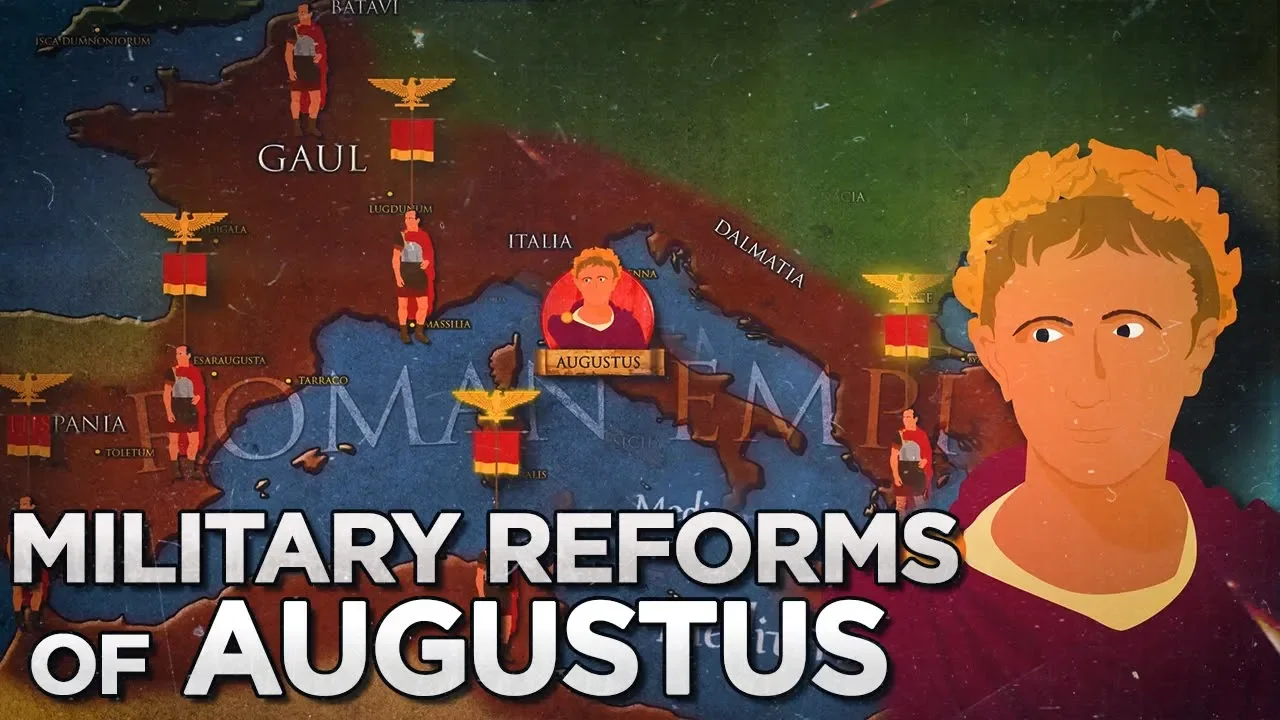
Augustus' Military Reforms: The Roman Imperial Army
@KingsandGenerals
1.2M views•2019-03-03

33:02
The Great Schism of 1054: Causes and Consequences
@SacredCathedrals
113.5K views•2026-02-19

1:49
The Minoans: Europe's First Civilization | Ancient History Documentary
@ezgicihan2915
621.8K views•2016-06-10

17:05
Understanding the Cold War: Superpower Conflicts and the Road to Détente
@OverSimplified
46.1M views•2019-01-24
Related Study Plans & Knowledge Roadmaps
Structured learning paths in History
history
Byzantine Iconoclasm: Theology, Art & Politics
01Foundations of Byzantium and Early Christian Images
02The First Iconoclasm: Leo III and the Crisis of Images
03Empress Irene, Nicaea II, and the Second Iconoclasm
+ 2 more learning modules
9h5 modules
Explore Roadmap
history
Iranian Revolution (Causes, Events & Legacy)
01The Pahlavi Dynasty and the Roots of Discontent
02The Spark of Rebellion and the Rise of Khomeini
031979: The Fall of the Shah and the Climax of the Revolution
+ 2 more learning modules
8h5 modules
Explore Roadmap
history
Mali Empire: Mansa Musa, Trade & Timbuktu
01Foundations of the Mali Empire
02The Trans-Saharan Gold and Salt Trade
03The Reign and Pilgrimage of Mansa Musa
+ 1 more learning modules
6h4 modules
Explore Roadmap
history
1947 Partition: Politics, Borders & Legacies
01Foundations of British India and the Divide
02The Political Negotiations and the Mountbatten Plan
03Drawing the Boundary: The Radcliffe Line
+ 2 more learning modules
8h5 modules
Explore Roadmap