







![🎧 성우 이지선이 직접 읽어드리는 잘 때 듣는 세계사 | 에게문명의 시작 크레타와 미케네 [중간광고X]](https://i.ytimg.com/vi_webp/5QZBWDr7oeE/maxresdefault.webp)










![The Minoan Eruption - The end of a civilization and the rise of the myth [HistoryTwins Documentary]](https://i.ytimg.com/vi/NWlTA0r5mE8/maxresdefault.jpg)
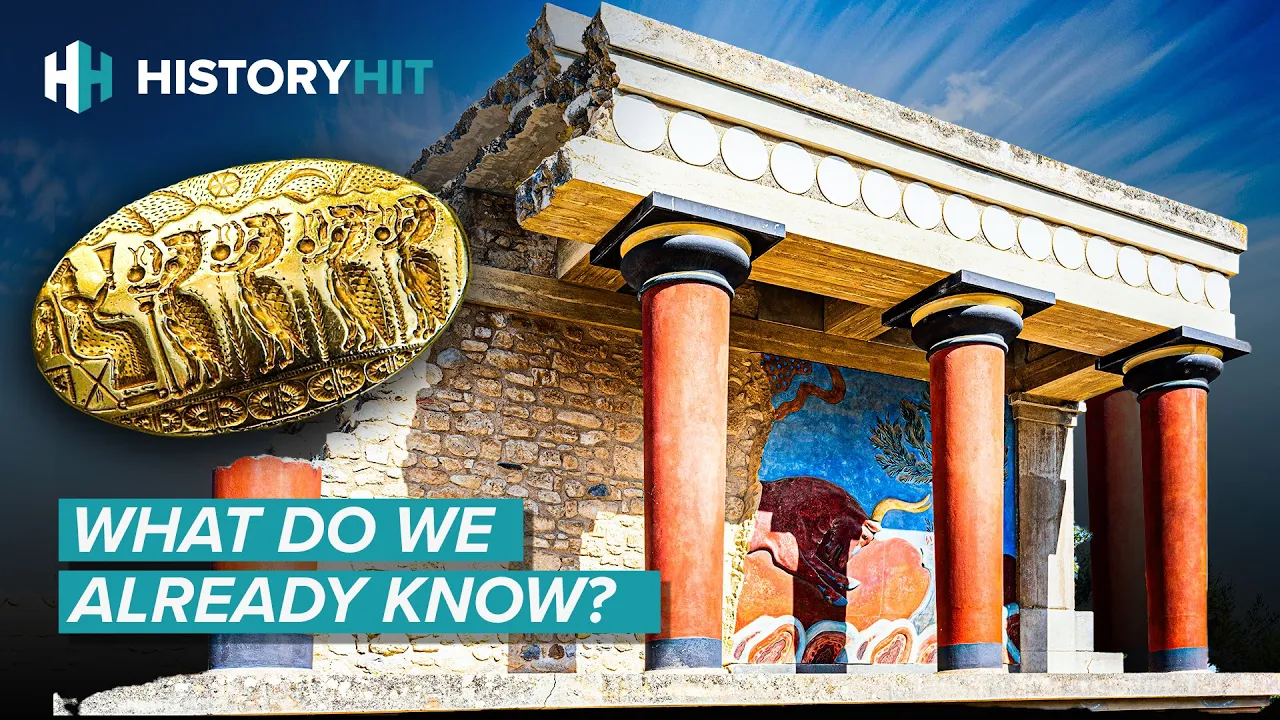
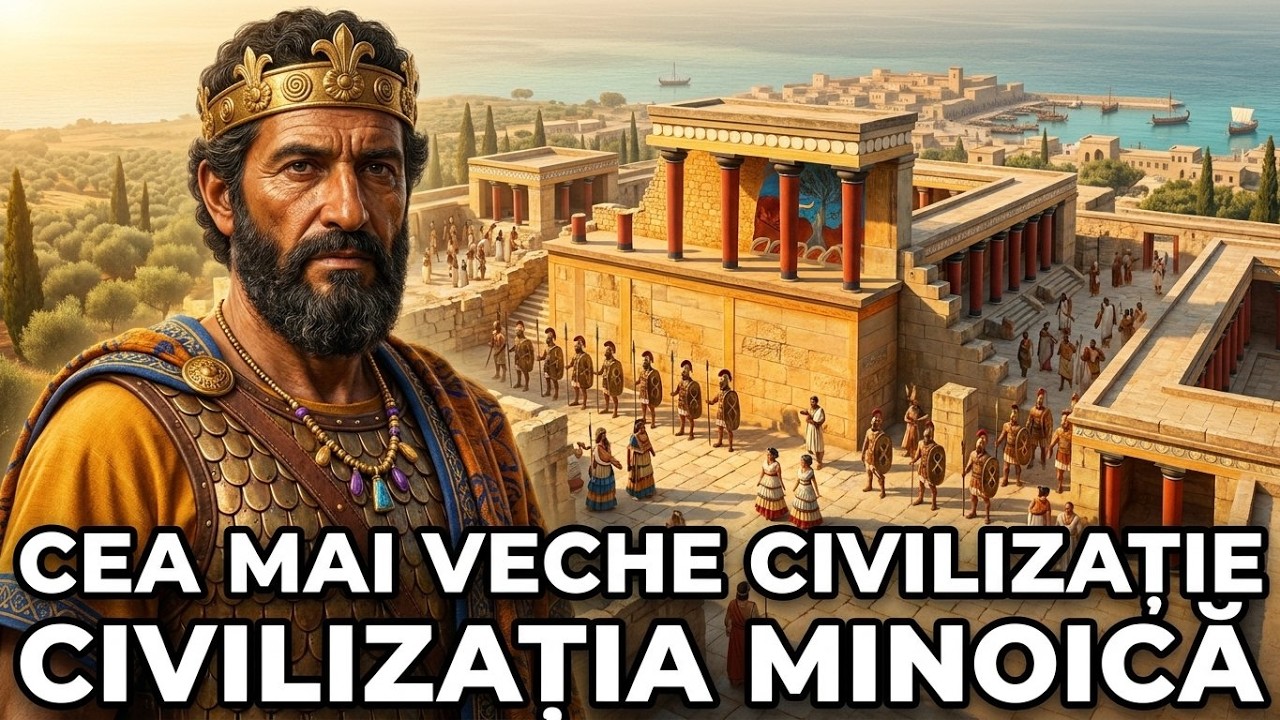
Egyptian tomb records from the Valley of the Kings describe Minoans as 'Kretans' (Kefu), not as Greeks. This self-designation places Crete within the broader Eastern Mediterranean world rather than as an isolated European civilization. The Minoans engaged with Egyptian bureaucracy, trade, and culture, demonstrating that Bronze Age Crete was deeply integrated into the wider ancient Near Eastern world rather than existing in cultural isolation.
The Minoans: Europe's First Civilization | Ancient History Documentary
Added:Understanding of the Aegean Bronze Age timeline and the general transition from the Stone Age to early metal-using societies.
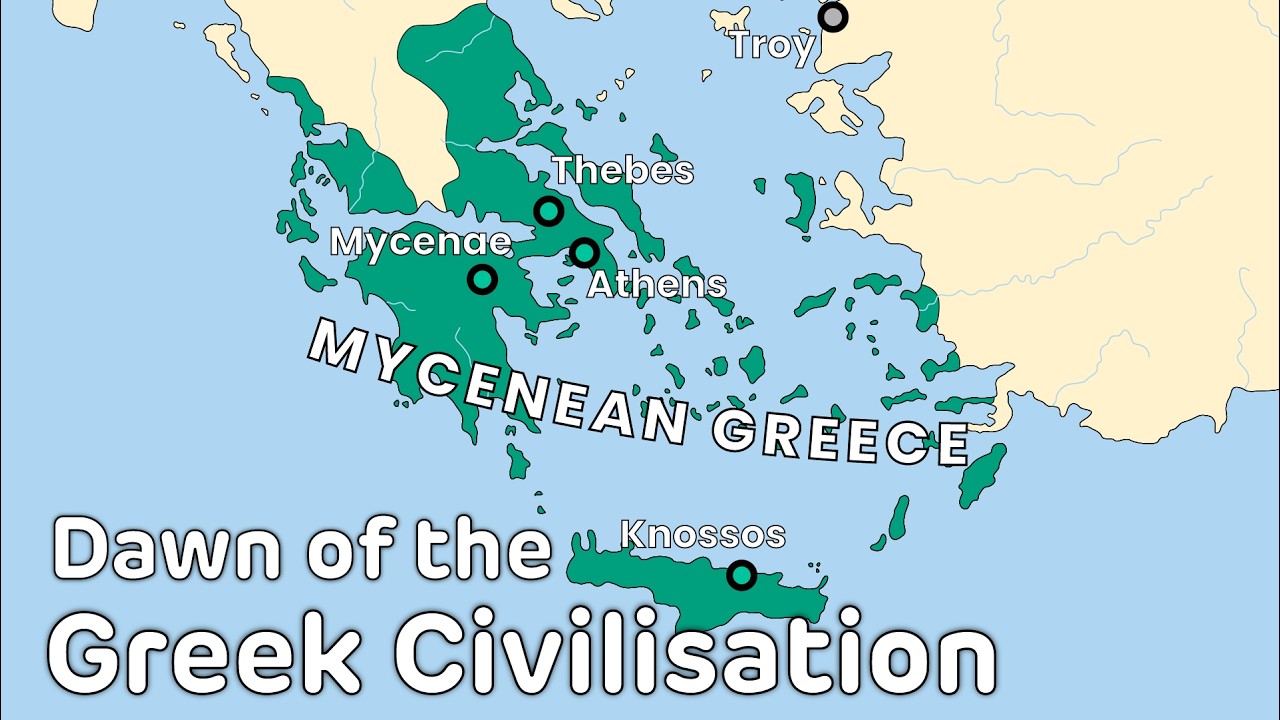
Basic geographical familiarity with the Eastern Mediterranean, specifically the location and strategic importance of the island of Crete.
A general awareness of classical Greek mythology, particularly the myth of King Minos, the Labyrinth, and the Minotaur.
The fundamental difference between archaeological evidence (physical artifacts and structures) and mythological or literary sources.
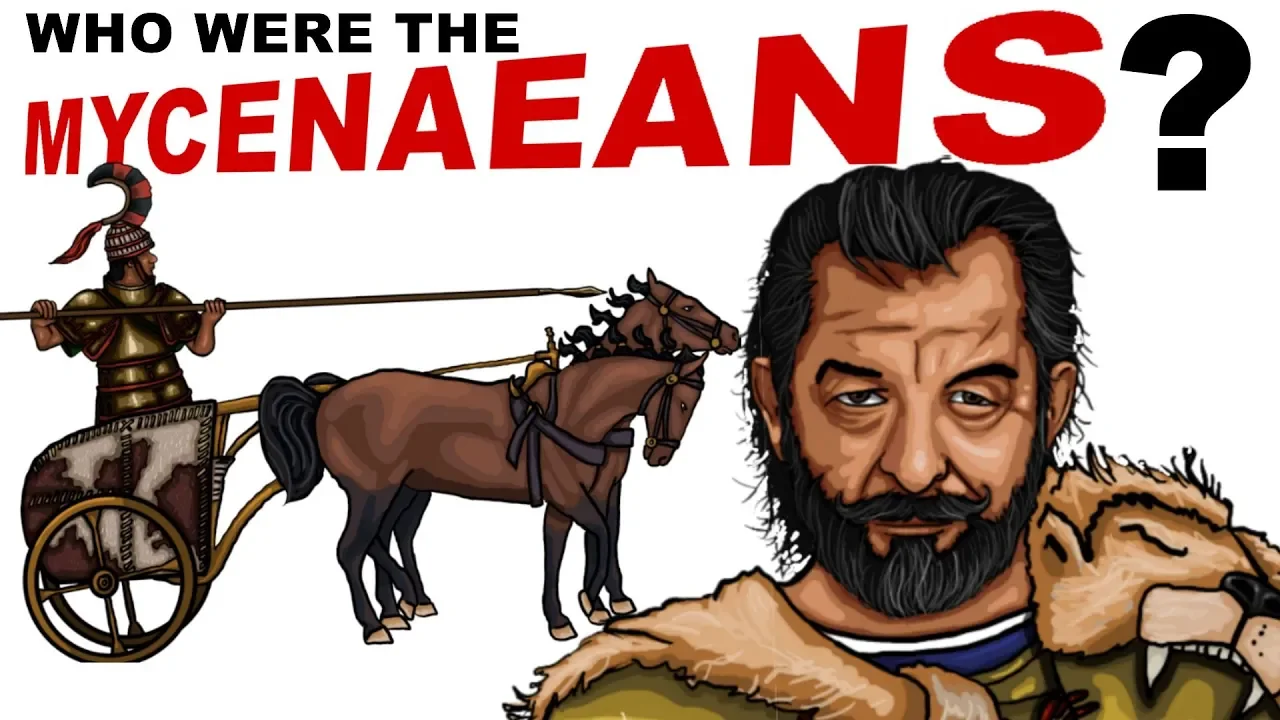
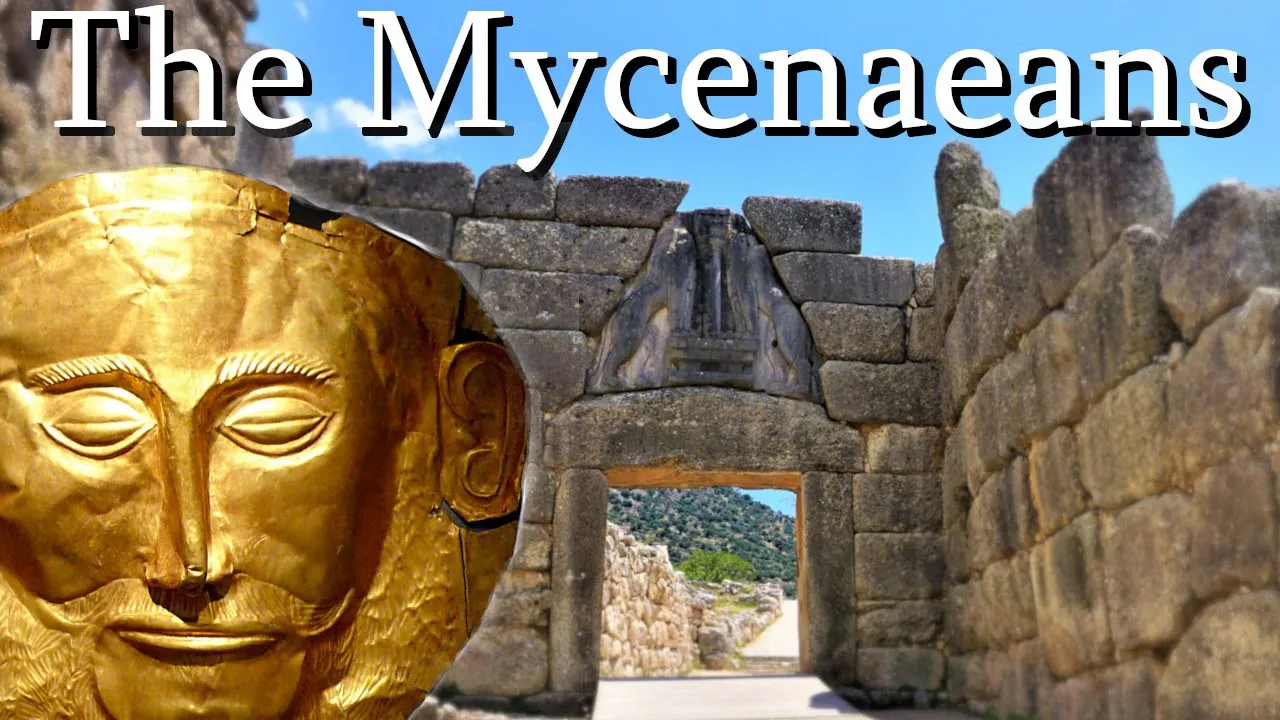
The study of the Mycenaean civilization, the mainland Greek culture that succeeded and was heavily influenced by the Minoans.
An exploration of the Late Bronze Age Collapse, analyzing the theories behind the sudden demise of Eastern Mediterranean civilizations around 1200 BCE.
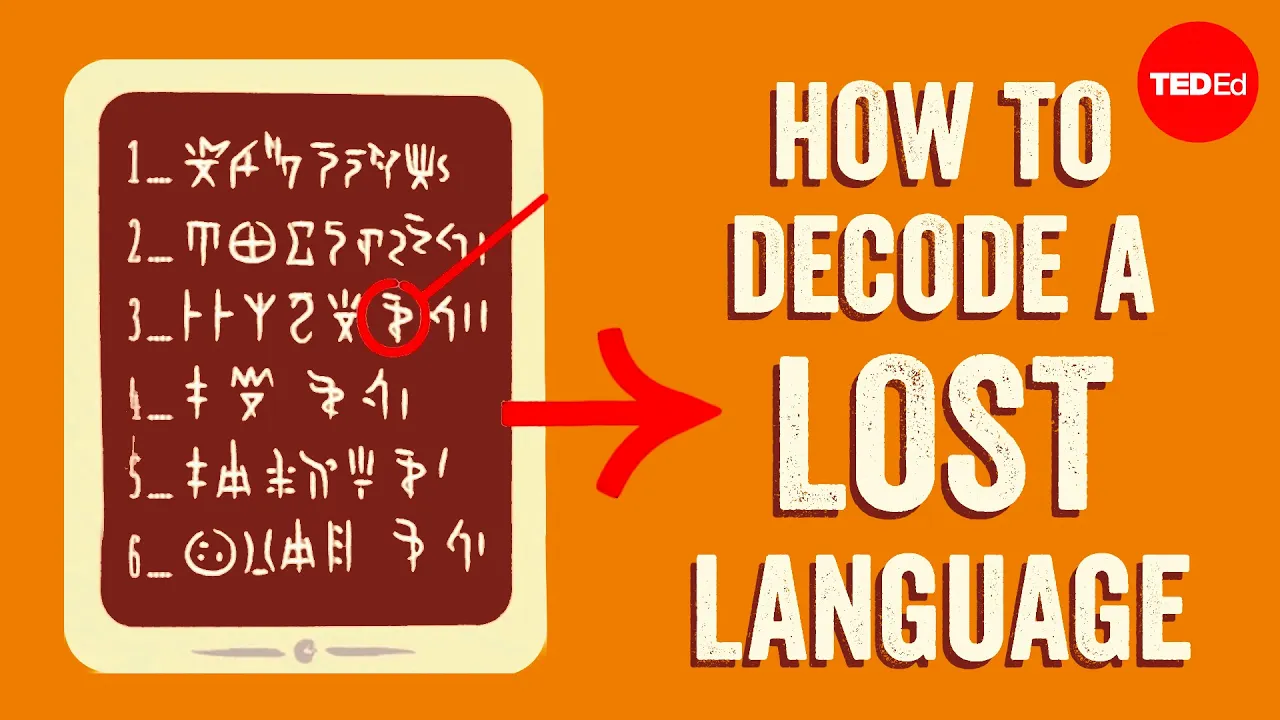
An investigation into Minoan writing systems, specifically the decipherment of Linear B (Mycenaean Greek) and the ongoing mystery surrounding the undeciphered Linear A.
The impact of the Thera (Santorini) volcanic eruption and its geological and historical connection to the decline of Minoan maritime power.
621.8K views5.7Klikes1:49Original Release: 2016-06-10
[Music] I first went to creit on the back of a moped when I was 18 and I fell in love I have to say not with my companion but with the landscape and the Bronze Age monan culture there it just seemed to me so extraordinary that men and women in their minds and with their bare hands were forging what it is to be a civilization Creek can boast a whole number of Firsts it said that here was the first paved Road in Europe the first throne and even the first flush toilet uh we went to make the film in cre in July in the middle of a heat wave and so we were filming in temperatur of around 104° every day so I have to say rather sweatily we followed in the footsteps of this man he is if you like the Indiana Jones of cre sarur Evans Evans whose archive is kept here at the ashmolean Museum in Oxford made a series of spectacular finds at canosos at the beginning of the 20th century he uncovered a very strange world but one that he thought was a high octane peaceloving first file on European Western Civilization here there are extraordinary things um High priestesses who grappled with snakes athletic men who jumped over Bulls 5 feet high and even goddesses with opium poppies in their hair Evans was a brilliant archaeologist But as time goes on we realize of course that the story was not quite as simple as that uh Creek was not eurocentric in fact it looked South and to the east to Africa and to Asia Minor for its inspiration also the Minoans had a very vexed relationship with their gods this was a time when the gods were everywhere in the fruit on the trees in the sky when you made love when you gave birth and it was terribly important for the manans to keep the spirit World on side but then creit suffered a massive geophysical disaster and so it shouldn't be any surprise that archaeologists are actually uncovering evidence of a very traumatized Society um in this film we go to visit a sanctu where it seems as though a human sacrifice has been interrupted in mid flow we also look at these children's bones which had been cooked and then the flesh scraped off so this could be evidence of cannibalism as a historian it felt that these were very important stories to tell but actually as a person they were very troubling things to deal with so making this film Rams home two things to me first that however many centuries or even Millennia separate you from those of the distant past it is always possible to feel a connection with the long dead and also it reminded me that history is not a tablet of stone we do not know know the way it was we can just try to grope our way towards the truth because course history is not the study of the dead but it's a study of something which is much more unpredictable than chameleon like it's a study of [Music] life and down he went into that doleful Gulf through winding paths among the rocks under caverns and arches and Galleries and he turned on the left hand and on the right hand till his head was dizzy but all the while he held his clue and when he saw him he stopped a while for he had never seen so strange a beast his body was a man's but his head head was the head of a bull and his teeth were the teeth of a lion and with them he tore his prey and when he saw Theus he roared and he put his head down and rushed right at him of all the Greek myths the story of the labyrinth is one of the most dramatic and Unforgettable a Subterranean struggle between the the ultimate hero Theus and the ultimate monster the Min Ator The Offspring of an unnatural Union between a woman and a bull it was told and retold for centuries before anyone thought to write it down by which time it had become just another great story from the back catalog of the ancient world but the roots of the myth go deep to a time before history when stories like this were the way that people made sense of themselves and their past so where did the Greeks get the story of a flesh eating Bullman lurking in a dark menacing Labyrinth to answer that question you have to Journey far into the past 1500 years before the pathon was built way before Homer's time back 5,000 years to an extraordinary time and place to Bronze Age cre and the island of the [Applause] [Music] Minoans this is CIT birthplace of an advanced Ed prehistoric civilization which then disappeared so suddenly and completely all that remained were half remembered half invented fragments the stuff of myth there something very seductive about the idea of A Lost Civilization although it usually turns out just to have been misplaced but when it comes to the inhabitants of Bronze Age Creed it's remarkable to think that until just over a 100 years ago few suspected they existed the minetor may have been a myth these people were scarcely a rumor and then in a spectacular archaeological coup its people lost to history for thousands of years were rediscovered and named the [Music] Minoans The Lure of the labyrinth has proved irresistible ever since with a stream of tourist grave robbers archaeologists and historians drawn back like me to search for traces of the Lost World of the manow sometimes in the most unexpected [Music] places the picture that emerges is equally unexpected and the journey I'm going on now will take us to the very Heart Of This Strange World where sophistication and culture exist side by side with blood and Terror where Beauty walks hand in hand with the Beast cre according to the Greeks is megalon the big Island and compared to the other islands of the aan it is a whale in a school of minnows but it's actually not that Megalo 150 Mi long and never much more than 30 Mi wide an isolated land mass floating in the middle of the Libyan and aan seas what is striking though is the amazing variety of Landscapes that creep manages to pack into the narrow space between its Shores enough to satisfy a continent there are forests of pine date palm Groves skirting broad sandy beaches and no less than 15 mountain ranges three of them high enough to keep their snow well into spring Rivers course year round through the veins of the island winding down deep narrow gorges and feeding the stalactites in Endless Subterranean [Music] Caverns travel around and you understand why cre has been such a fertile breeding ground for Tales of Daring Do love and sex blood and gore anything seems possible here even the incredible story of a king his wife and a pure white bull according to the myth creit was the realm of the powerful King Minos a scrupulous lawgiver who was also prone to that very Greek form of arrogance hubris one day to prove how far he was in favor with the gods he prayed for a bull to be delivered to him from the sea Poseidon very generously obliged producing a spess white creature assuming though that Minos would do the decent thing and offer it back to him in sacrifice but the King was too enamored of his fine gift he sacrificed another in its place keeping the white bull safe in a field a big mistake the God was offended Poseidon's punishment was to spark in minos's wife pacifi a fierce uncontrollable sexual longing for this beautiful white [Applause] creature this is where the Intriguing didus begins to play his part in this strange story he was the master inventor an Athenian according to the self-regarding mainland Greeks but working in greet in the service of King Minos pacifi knew that if anyone could find way for her to satisfy her Lust For The Bull it would be dius the Mr Fixit of the Bronze Age never at a loss dius arranged in the squeamish Victorian version of the story The pacify to interview the ball he designed a hollow cow set on Wheels with room enough for the queen inside this pantomine creation was left in the field and pacify clambered in the result of the interview was the birth of the minor a hideous hybrid with the body of a man and the head and horns of a bull for the ancient Greeks the minor was a freak of nature the playwright ureides wrote of it sumon Kon breos a monster child a hybrid that has no place on Earth and so the story goes that daus came to design a huge Subterranean labbance to hide the shameful offspring of minus' wife and there every 9 years the tribute children seven youths and seven maidens would be brought from Athens to satiate The minotaur's Taste for human flesh that is until the brave Theus arrived minos's daughter clever beautiful ariadne was The Keeper of the keys to the Labyrinth and with her help Theus set off to slay the [Music] Beast you can't help wondering whether there's a grain of Truth alongside all this mythical and ball whether the Athenian tribute speaks of a time when Mainland gree was under cit's thumb and the Triumph of Theus over the minor points to the moment when the tables were turned of course there was no half man half bull perhaps there was a flesh and blood King Minos and a Wy princess ariadne you could speculate for hours but it's not time wasted nothing comes from nowhere and some of the greatest archaeological discoveries were driven by the need to know whether myths had a historical leg to stand on the first to test the reality of the myths was Hinrich schleman one part Pioneer archaeologist two parts treasure Seeker in 1871 at hilik on the coast of modern day Turkey he discovered what he claimed was the sight of the Troy that Homer had written about the finds were electrifying including a spectacular horde of jewelry that he got his wife Sophie to model for an enthralled world it seemed that the works of Homer were history not poetry and the public was gried but schan didn't rest on his Laurels he turned his attention to the other players in Homer's great epic at minini on the Greek [Music] mainland what schleman discovered there was what he believed to be the home of the Greek warlord Agamemnon Graves just inside the city walls were opened to reveal the military trappings and wealth of the high King swords daggers cups rings and most famously of all the Death Masks crafted from wafer thin glittering gold for some classically educated Scholars this was a real shock for them prehistoric civilization was a contradiction in terms and yet there was something undeniably civilized and sophisticated about all this stuff but while some simply gped at Shan's finds there were others whose instinct told them that the horde from minini was just the beginning one of Britain's leading egyptologists Flinders Petri argued that the Myans as they were now known were no sudden Apparition these Pottery fragments some of his own finds from Egypt had already got him thinking these are 300 years older than that treasure from my he knew they weren't Egyptian and he had a strong hunch that they came from somewhere in the aan find the people that made these Petri said and you'll find whoever it was that came before the Myans and I bet they'll turn out to be Europe's first [Music] [Applause] civilization the stus pistol had been fired and one of the greatest archaeological races of all time was up and running somewhere in the aan there was a lost world just waiting to be found and so in 1900 chasing the lead of schleman and Petri a 48-year-old British archaeologist with a long distinguished career behind him came to cre to a place called canosos his name was Arthur Evans and canosos was soon to be inextricably linked with him [Music] when Arthur Evans began digging here on the morning of March the 23rd 1900 he could have given you a dozen sound archaeological reasons for picking the site the place was littered with tantalizing Clues Roman coins Pottery shards from Homer's time ancient wolves disappearing into the hillside and then there were these Exquisite prehistoric seal stones and rings that locals have been finding in the area for Generations knosos was a site with a big label on it saying excavate [Applause] [Music] [Applause] [Music] me layer upon layer of top soil was carried away the first in WK baskets by the 31 strong Workforce then 2 weeks later as the size of the task dawned on Evans by 100 men using iron wheelbarrows and as the speed of the excavations picked up so did the excitement Evans sketched plan of the emerging walls with scrolled edges like the Pirates maps in children's books complete with an X to Mark the spot where treasure had been [Music] found the buildings they were uncovering here were far bigger and more complex than anything that Troy or my had to offer wherever they dug they just seem to go on and on cascading staircases twisting corridors a bewildering complement of rooms some small and intimate others elegant and imposing this was a labyrinth but far more than just a monster [Music] [Applause] [Music] cage the sight that Arthur Evans and his men had uncovered at canosos surpassed the expectations of even the most optimistic Hunter of the past a 5,000 old civilization previously buried in myth had been brought blinking back into the real world he hadn't found a city of gold but the horde from knosos was even richer than that of Troy or minini the quality of the fines was extraordinary but it wasn't just the craftsmanship that made a powerful [Music] impression a month into the excavations the men digging at the West entrance discovered a huge imposing Fresco fragment of a charging bull it was life-size and lifelike sculpted from lime plaster in high relief meeting this creature head on as it emerged from the Earth was a spine chilling experience as one of the workmen brushed back the soil to expose its flaring nostrils and sharp horns he screamed out in Terror believing he Disturbed a demon or Worse still the Devil [Music] Himself Evans had found his Labyrinth and his Bulls all he needed now was evidence for King Minos and the myths will be fully realized on the 13th of April 1900 just 3 weeks after the first basket of Earth had been filled Workman began to uncover a complex of little anti- Chambers leading into a main room [Music] behind on the South Wall workers Unearthed a fresco fragment of a bull's hoof and all around the room fine gips and benches but it was the north wall that harbored the most exciting secret here Evans uncovered something he must have dreamt about finding an elaborately carved [Music] [Applause] Throne Harriet Boyd a pioneering Young American archeologist was lucky enough to be with Evans when the throne was revealed in her journal notes she just described the moment of Discovery intense excitement she wrote as a Workman removed the last Earth from the oldest throne in Europe and the stone chair stood forth [Music] intact Evans toyed with the idea that this was the Throne of Ari Adney apparently reasoning that the wide molded seat was more suited to the ample buts of a woman but before long he was decided and in a telegram to the times he announced the discovery of the Throne of King Minos the Minoans had arrived the discovery of the throne was the culmination of years of dreaming Evans later said it was as though he'd been given an open sesame and a prehistoric civilization Beyond his wildest imaginings had appeared from a crack in the Earth [Music] if canosos was indeed the seat of King Minos he certainly had good taste in palatial pads this was an incredible structure and befitting one of the most powerful Kings of the Bronze Age it's built with no expense spared at its peak kotos covered an area of 700,000 square m more than three times the size of Buckingham Palace and its grounds with an approach as Grand as the M if you thought the Romans had the Monopoly on Precision Road building then think again this is Europe's first made Road it was constructed out of clay cement and stones and faced with Limestone slabs you have to imagine it flanked on either side with grand houses leading straight from the town of knosos right up to the Palace daus himself would have been proud of this elegant Boulevard it's a masterpiece of prehistoric Urban Design at the risk of sounding like an estate agent the palace boasts an impressive array of original features hinged doors drainage systems and what Evans famously described as a flush toilet another first for the [Music] Minoans canosos is a building that adds up to more than the sum of its parts you feel you're being taken on a journey that's been expressly designed to beguile and seduce as well as bewilder and confuse you find yourself in gorgeous stone-clad rooms and then walking past rows of pitho mansiz Alibaba jars in D dark sunken store rooms each of the seven or eight separate entrances feels like it's reserved for a different occasion some for privileged access some like here at the north entrance for immediate or inspiring [Music] impact but whatever route you take brings you here the immense Central Court 54 M from north to south 27 M wide the size of four tennis courts fitted together with room enough to spare clearly this space could accommodate huge numbers of people but no one knows what it was used for it's a giant question mark at the heart of canosos archaeologists are still trying to solve the r middle of this enigmatic space but the most enduring theory is also the most dramatic that the Central Court was the stage for a spectacular religious ritual this was Taro cathia bull leaping and it was to canosos what gladiatorial combat Wars to Rome there are lots of Clues from the know and art as to how these scary sounding ceremonies would have been performed although there's still plenty of room for interpretation and I'm sure every seasoned bull leaper would have had his own repertoire of Tricks one possible technique though would have been to have grabbed the bull by its horns as it charged towards you to be flung up onto its back as the animal tossed its head and then somersal back down onto the ground whoever pulled off these crazy stunts must have been fantastically strong and supple especially bearing in mind the sheer size of these animals because these were crossbreed Oro particularly foul Tempo standing 6t high at the shoulder and with a horn span to match or rocks have been extinct for nearly four centuries so just try to to imagine being in the presence of a beast whose hoofprint is the size of a man's head Bulls had been woried as symbols of fertility since the Stone Age so perhaps bull leaping was an attempt to capture some of their elemental power the people who did this were clearly revered as you can see from this beautiful Ivory figurine of one of the leapers confident and siney his limbs have been elongated to emphasize his [Music] agility for the manans bull leaping was as much about self-belief as religious [Music] belief you should think of the bull as an honored guest the king of the beasts invited to the Palace an Envoy from the natural world he here as a dancing partner formidable and impressive but it's still the bull leapers that are calling the tunes these displays weren't designed to reduce the potency of the bull but for the manow one thing was clear the bull charges because that's what he does man leaps because he chooses [Music] to but it wasn't just in the bull leaping ritual that the Minoans reveled in their intimacy with the natural world their art is infused with the same Spirit of self-confidence and daring it seems there was no style they wouldn't try no materials they wouldn't use no technique to complicated to employ it's almost as though once the mowans realized what humans were capable of they couldn't stop themselves they became addicted to creating from Ivory carving to fance beads from Fresco painting to stone sculpture it was all done with elegance and [Music] panache [Music] menow an artists took their queue from the natural world but they weren't its slavish imitators nature provided the raw materials texture form color and they felt free to play with them to manipulate and extemporize the hot house culture of this island produced some fabulously exotic fruit [Music] these eggshell thin cups are called Kamari wear named after the cave where many examples were found they are almost 4,000 years old but they'd sit happily on the style pages of a glossy magazine and it's not just the artifacts that seem to speak to us across the Millennia [Music] the recovery of this Fresco fragment during the second season at canosos is one of the most Charming of all the stories to have come out of the dig the visiting French scholar when he saw the pieces being reassembled burst out May peran the basic idea being that this 3 and a half thousand year old woman wouldn't have seemed out of place strolling down the [Music] shaniz for Evans LA parisan as she became known was the perfect monan refined sophisticated strangely modern and Above All European right from the start he'd believed that the prehistoric cultures of Greece and the aan were different from contemporary cultures of Egypt in the Middle East canosos and its artistic riches had only served to strengthen this impression the culture of the manans he said expressed a free and independent Spirit independent that is of the powerful pull of the other cities and kingdoms of the Eastern Mediterranean Heavens pictured his Manon as Lords and masters of their own Island culture able to keep the rest of the world at arms [Music] length he came to see minoan Creed as the place where Europe's first nasal or birth took place and the culture from which all subsequent Renaissance sprang Classical Greece Imperial Rome even the good old British Empire itself all of them had a trace of minoan DNA in their genes evidence for what was arguably the Western world's first civilization had emerged from the earth at canosos how many more secrets was the rest of creit still [Music] hiding while Evan's worker ants continued to pick over the bones of kosur other archaeologists went Mano and hunting Elsewhere on the island [Laughter] further along the North Coast from canosos French archaeologists turned their attention to a site here at Maria and what they discovered along with similar finds in the South added a rich intriguing layer of complexity to the picture that Evans had started it soon became clear that although the palace at gnossos was a prodigy it wasn't unique and if daus had designed it then others had been playing copycat all over Creed here at Maria and at festos and at aat Triad on the south of the island other palaces were discovered in quick succession they're all more compact than canosos and each has its own unique features but they're still built to the same blueprint everyone has its Central Courtyard everyone has its Warren of pitho packed storms and everyone has its public Arena where Palace and the people met suddenly labyrinths were cropping up all over cre they all clearly belonged to the same architectural family as kosov so they were all immediately given the same family name palaces it's a tribute to the persuasiveness of Evan's Vision that the name is stuck but how appropriate is [Music] it you might think building as Grand as Maria all the proof you need for the existence of some kind of monarchy why build a palace Fit For A King other than to put a king in it but then when you look for other telltale signs of a ruling Dynasty bronze AG cre seems surprisingly Republican because unlike other contemporary cultures such as Egypt and the Middle East here there are no giant or inspiring statues no inia stamping a badge of ownership on buildings and the land around them there is only an empty Throne King Minos is conspicuous by his absence when Minoans are shown performing some kind of public function they usually share the stage with others suggesting power is also shared no one emerges as Top Dog all men seem equal and if anything the women seem more equal than the men creton girls Loom large in art and myth not just decorative creatures but women who appear to be prestigious and influential custodians of their [Music] culture but however prominent women are the overriding atmosphere in the Palaces is unexpectedly corporate and Anonymous so maybe Maria and gnossos weren't palaces at all but places where the manow and people came together to exercise their Collective power and as soon as he managed to put the seductive vision of kings and princesses to one corner of your mind the possibilities are endless what I'm reminded of When I visit the Palaces are monasteries just imagine those powerful institutions with one foot in heaven and one foot planted very firmly in the real world alongside the abies and shres there were workshops and offices turning out anything from illuminated manuscripts to potent [Music] lures the surrounding farmlands would have been worked by the people but the fruits of their labor belonged to the monastery the Palaces too may have functioned as granaries for the gods and Festival halls in which the harvests could be stored and the generosity of the Gods honored like other Bronze Age cultures the monans relied on the food that they could grow to survive without Rich Farmland timely spring rain and the Sun at Harvest Time these storms usually full to bursting would have been empty and bitter with the taste of dust keeping on side those gods that decided whether you at that year or died hungry was a serious business in Egypt at this time we know that over a third of the year 120 days were devoted to agricultural festivals it's where the Festival Hall Theory comes into its own perhaps these palaces were giant venues dedicated to the celebration of the Island's [Music] fertility on this beautiful vase you can sense both the relief and the joy in the faces of the Harvesters as they carry symbolic sheaves from the fields singing and laughing perhaps they're on their way to the Palace to give thanks to their gods for another successful harvest in a world of palaces and frescos and beautiful artifacts it's easy to overlook the ordinary manans who would have been kept far too busy to worry about the finer points of bull [Music] leaping luckily the archaeological Riches of creit weren't restricted to the poh end of the market welcome to the cheap seats while Grand buildings like canosos and festos were being excavated Harriet Boyd the American archaeologist was exploring a site at gour that has told us a huge amount about Mano and creit Beyond the Palaces the treasures found at gour were the stuff of everyday life fish hooks Carpenters saws pot's Wheels all a far cry from the stair tide vessels and the ivory figurines of the Palaces and yet it was populations like these that made the menow world go round it was their ambitious craftsmanship that produced those objects their industry that put food on the table for the Kings or priestesses or whoever it was that lived at places like nosos in a society that was so productive everyone had their role to play and if the gods had been kind and the Harvest were plentiful you can imagine the men and women of goura enjoying life in their flourishing Market [Music] town [Music] we can even visualize the kind of homes the inhabitants of gour might have lived in this 3,000-year-old clay model of a house is amazingly detailed it seems that the houses had no more than five small rooms on the ground level basements for storage and an open flat roof no doubt the prime spot to get some relief from the Heat and increase the chances of a good night's sleep most of the houses at gour would have been white just [Music] by the end of the 1920s Manan civilization from the poshest of palaces to the humblest fisherman's Cottage had come a long way from being lost but whatever extra details archaeologists like Boyd added the master plan belonged to Evans he'd been the first to enter the Labyrinth he'd given the manans their name defined the qualities that made them unique and in his multivolume book The Palace of minor he'd even sketched out a plausible history for them from their sudden rise to their equally dramatic [Music] collapse around 1450 BC as Evans saw it the Palace of canosos had emerged Victorious from a bitter islandwide Civil War that had left the rest of cre in flaming ruins even in their moment of Destruction it seemed the fate of the manans lay in their own hands free from outside influences Arthur Evans was a brilliant archaeologist and he was a showman his version of the mowans was made up of spade work observation intuition and Flights of Fancy if you enter the Labyrinth you're just as likely to meet him at its heart as you are the M Ator but since his death new generations of archaeologists have uncovered fresh evidence that tells a rather different [Applause] story when AR revans died the jigsaw puzzle of Mano and creit appeared to have been completed apart from one piece that he never found a place for alongside the beautiful Fresco and vases what he discovered at knosos with thousands of small clay tablets covered in different kinds of writing he saw Endless Possibilities running across their marked surfaces if he could just decipher them he'd break a silence that had lasted for thousands of years Evans named these different scripts rather prosaically linear a and Linear B and he was convinced that they were examples of a unique Menan language one that would prove beyond all doubt the manan's superior status as an independent island nation in other words Evans could give the Minoans their [Music] history the problem was that he couldn't make sense of the tablets and he died before he could drag his manow out of the prehistoric World it wasn't until after his death that other Scholars could get their hands on the evidence and study the tablets in depth even then it took took years for anyone to break the code and when someone did the archaeological world was in for a bit of a shock when Michael Ventress heard evans's lecture as a school boy he'd become driven by the desire to recover what he too was convinced was the Lost language of the manans but after years of hard labor he announced in 1952 that what he'd been struggling with wasn't Manan at all but a difficult and archaic form of of Greek the language spoken by the Myans the Greek Warlords from the [Music] mainland so suddenly the great fires of 1450 BC began to make more sense maybe they weren't the result of a Manan Civil War but evidence for a wholesale mean Takeover in Creed with a mighty gnossos left intact to become the Invader headquarters and when you think about it it's not surprising that the aggressive Myans wanted to stake their claim to Creed for a thousand years the Minoans have been showing the rest of the Bronze Age world how to make a serious success of things that's admiration and envy building up over 40 [Music] Generations what eventually made the Minoans vulnerable to a mean coup is still the subject of he anolog iCal debate but however they got here it seems they were here Johnny come lately's usurping control for the last 200 years of a civilization that had been up and running for thousands the mamans took up the trappings of bowan culture with relish and no little respect but inevitably they change things this tomb is of a type entirely new to the island The Monuments of a warrior culture a fortified Treasure House here to assert Clan Prestige and individual honor alien Concepts to the manans once the scholars had got over the shock of vess's decipherment people were hungry to discover what linear be could tell them about the kind of place mono and cre had become under the rule of the Greeks from meini [Music] the tablets turned out to be the contents of a Bronze Age filing cabinet a meticulous record of the business end of Palace life this one deals with a Shepherd called poros and details his flock we know that he had 28 Rams and 72 U's it's an extraordinary thought that every itinerant herdsman up on the hillside was being monitored by the bean counters in the palace d [Music] below it's not a grand history but it still short circuits used straight into the lives of the people there are references to Bron Smiths Bakers and farmers and even the individual names of oxen Dusky noisy and spotty we also get a glimpse of loftier beings some of the gods and goddesses worshiped at places like knosos a number of the tablets record offerings to the religious Powers here there are two liters of olive oil offered to pipit tuna and early manow and goddess down here you can see that there are 12 given to all the other gods and the lucky Priestess of the Winds gets 36 clearly worship had its bureaucratic side too the decipherment of Linear B is one of the most significant breakthroughs of Bronze Age archaeology but linear a Still Remains a stubborn mystery most experts reckon this is the unique menown language that Evans was searching for and if the work that's being done on it ever does succeed it could unlock as many Secrets as the richest of creets excavations evans's version of the Minoans once apparently so complete and satisfying had begun to unravel with the decipherment of Linear B and other troubling new evidence soon followed far from not leaving any creeton Stones unturned it was becoming clear that the first generation of men archaeologists had only scratched the surface [Music] this is anima spilia the Cave of the Winds a small Sanctuary about half an hour drive from knosos in the 1970s a discovery was made here that changes perceptions of who the Minoans were and the world in which they lived around 1700 BC the building collapsed at a time when the whole of cre was devastated by earthquakes it was this islandwide disaster that seems to have brought an Abrupt halt to a gruesome right that was taking place here over there was the skeleton of a boy aged between 17 and 18 lying on his side on some kind of an altar his body was trussed up and on his bones had been laid a bronze dagger the weapon presumably that had cut his cored artery because this young man had bled to death before the buildings collapsed behind him was a woman lying face down and out here another body someone carrying a vessel full of some kind of liquid most likely the fresh blood of the sacrifice being taken into the central room and offered to the deity there inside there was one more corpse a man lying face up next to the sacrificial victim aged between about 47 and 48 taller than average and on the little finger of his left hand a ring made of silver and iron back in the Bronze Age an was exotic and highly prized so this was someone of high status the priest perhaps who was conducting the sacrifice as the walls came tumbling down people are still upset by what was found here and try to draw other conclusions from the archaeological and forensic evidence Human Sacrifice even in a time of such grave crisis flies in the face of everything that seems sophisticated and Urbane about the Minoans dubbed Europe's first civilization it's a shock to find that their sensibilities weren't necessarily in tune with our [Music] own but the ancient Greeks wouldn't have been shocked when they told stories of Creet a thousand years after the sacrifice at animasia they were Dark and Bloody for them this wasn't just the workshop of daus the court of King Minos and Ari Adney this was the Minor's realm the man eating monster whose dark Labyrinth was the foundation on which all those glittering palaces [Music] stood minow and cre continues to Fascinate our think precisely because of the contradictory nature of the place but where should we look for the origins of this unique culture and what influences fed its growth perhaps because he was an English gentleman at a time when his own little island dominated the globe Arthur Evans seemed content with the notion that his manans were a largely self-created and self contained phenomenon what he called a free and independent people flourishing on their own Island home but the days of an Empire on which the Sun never sets are long gone and slowly but surely the new discoveries have helped to transform our understanding of the monans enriching Evan's first draft with fascinating layers of complexity much of the new work has looked beyond the shores of creit itself to The Wider world of the Eastern Mediterranean in the Bronze Age and one thing has now become very clear from their Origins 5,000 years ago to their dramatic collapse some 2,000 years later the Minoans were intimately connected by the sea to the outside world rather than separated by it Island races have the reputation for being a little arrogant and self absorbed but in manow times if you wanted not just to survive to build a civilization you had to reach out across the horizons to make new connections the manans were Islanders but they weren't insula many good things came to bronze AG Creed by way of the sea the raw materials from which the Minoans fashioned their civilization but the sea also brought bad things natural catastroph rhes and man-made calamities and as the latest archaeological research is revealed it would be a combination of Seaborn disasters that would cause the final demise of the entire minoan [Music] people this is mockos a tiny humpbacked island moed off the North Coast of cre if you want to understand understand how the sea shaped the destiny of Manan civilization this is the place to come mlos was first settled 5,000 years ago and so belongs to the very beginning of the Manan story this busy Town's Prosperity depended above all on its Port the Gateway that connected it to the wider world of the aan and the Eastern Mediterranean just 3 weeks sailing could land the Exotic Wares of Egyptian Merchants from the south on these Shores next up East is Cyprus and beyond that the Old Testament ports of Ty biblos and siden head you North and you hit the Greek mainland and the great ancient city of minini this was a prehistoric Trade Center and provided welcome dry land and a good meal for the traveling salesman of the sea Little Wonder that creit has been called a stepping stone for the the [Music] continents from the very beginning the Minoans ventured out into the world beyond their Shores because they lacked the material that defined their age bronze [Music] an alloy of copper and Tin bronze is amazingly versatile you can use it to make anything from a Precision stone cutter to an 8ft Twan saw it was to the mowans what the microchip is to us the technology on which the progress of their civilization [Music] depended thanks to its geographical position close to the more advanced cultures of the Middle East the secrets of bronze manufacturer came early to Creed it was probably introduced by migrants from cissa present day Turkey some 5,000 years ago a thousand years before it arrived in Britain though they weren't natives these settlers can claim to be the first Minoans an advanced Guard from the future whose arrival put cre one step ahead in the civilization Stakes but without regular supplies of copper and tin minow and creete was in danger of slipping back into the Stone Age there was only one option to take to the [Music] Seas the ancient Greeks would have assumed that a legendary King like Minos would have had a powerful Fleet at his osal to see off Pirates to intimidate his neighbors to bring in supplies for his population when necessary but in the Bronze Age this is what sea power was this is a replica of a boat that went down off the coast of turkey it would have had just one sale room enough for about 24 ormen and it was made of a thin lattice of Cypress Wood with a cloth skin in effect it's nothing more than a giant kayak but it was frail little vessels like this that headed off often into hostile Waters packed with goods for barter and exchange stitching together the cultures of the Eastern [Music] Mediterranean when they set sail in search of copper and Tin the Minoans became players on the world stage one of the frustrating things about them is the fact that they've left us little or nothing in the way of written records but that doesn't mean that they left no historical trace the cultures they came in contact with knew them and recorded them too think yourself back to some time in the middle of the 15th Cent BC imagine you're leaving cre and boarding an aan trading vessel heading south to Egypt after just 21 days traveling you arrive at the Nile there you pick up a barge and continue your journey to thieves and when you arrive you're presented with a picture of the Minoans that's very different from the one painted by Arthur [Music] Evans in the Valley of the Kings is the tomb of recme a high-powered Egyptian bureaucrat the tomb offers us a snapshot of the people who fell within egyp sphere of influence the people of punt or Ethiopia carry incense trees and animal hides the kushites from Nubia have Ivory and gold the retinues from Syria have pots and carts and this delegation is described as the people of keu but from what they're carrying we recognize them as [Music] Minoans the tomb of reir forces you to rethink your mental map starting with the names kefu rather than Minoans since that seems to be the name that the bronzage crans use to describe themselves and rather than thinking of creit as a Southeastern birthplace of Europe we should think of it as a northwesterly extension of what we now call call the Middle East to understand the world of the keu you have to remember Egypt its huge temples its elaborate religious rituals its animal-headed Gods you have to bear in mind the cre that appears in the Old Testament described as the land of the caor think of those first cities in the Euphrates Valley where urban life began bureaucracy town planning writing where bulls and bullheaded men were Central to religious cult elements of all these civilizations resurface in creete but transformed by the potent Alchemy of the Minoans judging from the products on display in re M's tomb and from other evidence the Minoans specialized in the production of the desirable rather than the strictly useful Deluxe Pottery cos Cosmetics fancy metal work and in one recorded case a pair of fine leather boots they made a name for themselves by taking everyday objects and giving them an unmistakable minow and spin doing to the products of the Bronze Age what the Japanese would later do to electronics but there was one luxury product above all on which which the reputation of this remarkable Island Workshop would AR rested and it started life under the sea [Music] this ch Harless little mollusk is a murex a sea snail that feeds off Rotting Flesh hence the disgusting smell that you're very lucky not to be experiencing directly but the manans recognized its true potential they could extract something from this that was worth its weight in Silver it was known simply as purple a textile die if bronze meant senu and muscle purple meant glamour status and wealth it was quite simply one of the ancient world's most desirable Commodities the Roman author Pliny described the purple of purples as being the color of ConEd blood this was Imperial purple reserved for Heroes and Emperors the Athenian esas wrote poetry about it P poas is auron Kida purple ooze precious as silver in classical times the Eastern City Port of Ty was recognized as the source for this precious Dy but recent archaeological work suggests that centuries before the Minoans might well have pioneered the production of purple archaeologists working here at the Port of commos found hundreds of murex dating back to the early Manon period many of them with a tiny precise hole in the Shell now this hole isn't man-made but mollusk made in the wild the murex is a predator as well as a scavenger hunting down other forms of shellfish boring into them and then sucking out the insides the murex here at kamos seem to have had a taste of their own medicine attacked by their own kind in a mass Act of cannibalism now when creatures behave like that it suggests they're living uncomfortably close to each other what you might have here is some form of factory farming mass production makes sense when you realize it took 12,000 murex to create enough dye to color the Hem of a single garment purple would have made the Bronze Age cretans brand leaders at the luxury end of the Eastern mediter ukan trade this rare highly transportable commodity allowed them to exploit not just the needs but the desires of their age every time a crean Trader sealed the deal at the Port of Ty or the markets of minini the reputation of the kefu and their legendary Island would have been [Music] magnified but it wasn't just products that were crossing the Seas people were too all over the Eastern Mediterranean in the Bronze Age artists Architects and Craftsmen were on the Move lent out on a regular basis by rulers Keen to impress on other foreign powers the sophistication and caliber of their Workforce now once you get creative workers traveling around people with greedy eyes and a Natural Curiosity the possibilities for the cross-pollination of cultures the interplay of ideas becomes very real which might just explain the appearance of something entirely new to create the [Music] palace the arrival of these extraordinary and enigmatic buildings a thousand years or so after the introduction of bronze to the island marks another significant milestone in the evolution of monan culture so far palaces have been identified at canosos and Maria on the North Coast at zachos in the East and here at festos in the South and archaeologists reckon they're on the scent of two or three more each has its own individual features but they're all variations on the same basic theme of The Labyrinth but who wrote the original evidence suggests that around this time migrant textile workers from mono and Creed may have been active in Egypt in which case it's possible that while they were there they could have indulged in a bit of architectural [Music] Espionage the crans weren't the first to have a laborin it's thought that honor belongs to the Egyptian kings who built a mazike tomb near crocodopolis the city of crocodiles the Egyptian Labyrinth no longer exists but it was described by an a struck Herodotus the Greek historian who paid it a visit sometime in the fifth century BC of its endless rooms and corridors and Chambers he wrote anop eron It's hard to believe that this is the work of men if someone familiar with the architectural triumphs of Classical Greece was impressed imagine the impact such a structure would have had when it was first built around 1800 BC when the wonders of the world were fewer in number 1500 years before Herodotus you can imagine Creon migrant workers coming back home as fired up as he was full of stories about a building that baffled the senses and left the visitor or struck and as they were building their own masterpieces perhaps they held that image of the Egyptian labyrinth in their [Applause] [Music] minds it might have been wiser for the monans to study Structural Engineering rather than honing their fancy design skills because CIT is earthquake country the stamping ground of the bull god Poseidon whose groans and Bellows from deep within the Earth Herald imminent [Music] disaster around 1700 BC 200 years after they were built the first palaces were destroyed in a series of devastating earthquakes if pleasing the gods was part of the reason for building them the gods didn't stay pleased for long it says a lot for the resilience of the cretans that within 50 years of the Calamity they' built new palaces on the site of the old ones bigger and better than those that had been destroyed but alongside the Palaces a new kind of building began to appear in this period that is just as telling about the kind of place Place Mano and cre had become country Villas like this one at VY Petro surrounded now as it would have been 3 and a half thousand years ago by its own [Music] Vineyards cre in the Bronze Age was often a troubled and unstable Place rocked by natural disasters and not immune to man-made ones either but if you'd been able to come here to vetro around 1600 BC you would have tasted the good life because this was the minoan Golden Age the gods were on form the island was behaving itself you could have relaxed a little enjoyed the fruits of your civilization minow and palaces have been compared to many monasteries which would make fathy Petra and the other places like it the equivalent of stately homes the big house for the surrounding area the main building would have been two possibly three stories high with some fine rooms on the east side perfect for taking in the morning sunshine in the courtyard was a shrine and around the back extensive workshops so this would have been a hive of activity in its day but the House's most intimate connection was with the land the fields of grain the olive trees and the vines this is where vetro's grapes would have been brought to this fantastically well preserved minoan wine press this is wine making at its absolute simplest you'd have put your grapes in there kicked off your sandals clambered in and started to tread this region still produces good wine so it's quite possible that back then vetro was the toast of the [Music] island but perhaps the most significant thing about vetro is what you don't see here despite the wealth of vetro and of other country Villas dotted around the island there's no evidence of any kind of fortification now that's significant in the same period over on the Greek mainland Myan Warlords the forefathers of the generation who would go on to fight the Trojan War were HED up in Fortress palaces often built on Rocky Heights divorced from the settlements down below strongholds from which they could Dominate and into which they could Retreat here in monan cre a different Spirit prevailed seven or eight Generations would have known an island of huge palaces busy towns prosperous ports and fine Villas set in a peaceful agricultural Heartland a country at ease with itself but this stable sophisticated world existed on a knife edge within 30 years of being built vathy Petro suffered its first but not its last earthquake damage so the world for the manans must often have seemed a perilous and frightening Place governed by by potent sometimes vindictive Powers who couldn't be understood only [Music] plated this is the precident spirit of mono and creit in its golden age its icon and its pinup girl the snake goddess together with her more dominative companion often called the voter she was discovered by Arthur Evans at canosos Evans noted rather primly in his journals her matronly bosom before going on to describe the quality of the piece comparing it to the best mice and Porcelain the goddess and her voy make a handsome Duo with their fancy fashionable clothes their makeup and their jewelry but all the fine craftsmanship in the world can't disguise the fact something Elemental and wild is going on here the goddess's fierce wide-eyed stare is matched by her voter's wrapped concentration and that gigantic snake it must be between 8 and 10 ft long grips her in a protective Embrace from her slender waist right up to the tip of her headdress for all her Glamour and sexual power this is a goddess that feeds off respect and fear not [Music] love [Music] you the precise details of Manan beliefs and rituals have been lost but tantalizing Clues remain in Seal stones and signant Rings widely used in Mano and crea's stamps of ownership and identity and even it's been speculated the Bronze Age equivalent of a credit card close-up examination of these finely carved artifacts reveal feels a ritual world of chanting and singing ecstatic dancing as well as the famous bull leaping and playing a leading role throughout are what a clearly female priestesses for some these dominant women are proof that the mother goddess was woried in manow Creed the cult of this supreme female deity is said to have its roots back in the Stone Age predating by tens of thousands of years the male dominated Pantheon of God gods that we're more familiar with the mother goddess was said to have authority over everything that really mattered from the fertility of crops and animals to the movement of the planet she rules over life and death from womb to [Music] grave the existence of one top female God is pretty hotly disputed these days what seems much more likely is that the island was crammed with a whole host of nature goddesses each with her own particular area of responsibility bringing the rain ripening the corn keeping those terrifying earthquakes in check the priestesses were their Earthly representatives and may even have had some kind of economic control over the exploitation and distribution of their Bounty a powerful position to be in but you have to remember in the Bronze Age that man's relationship with nature was much more about negotiation than exploitation when it took just two bad harvests to wipe out your entire Food Supplies you'd have been a fool to take Earth's plenty for granted so led by their elegant priestesses the monans would have spent a great deal of time and energy wooing and plating the powers that be it's long been assumed that the Palaces played a key role in the religious rights of manow and Creed but there were other kinds of religious experience on offer less polished perhaps but just as [Music] intense on mountain peaks in secret Palace shrines deep in sacred caves narcotics would have played a part in consummating the manan's relationship with their gods bringing them closer to those elusive powers that controlled their lives one Effigy Of A blank eyed goddess has the seed heads of poppies in her diadem already split open waiting for the Opium to be extracted a cave like this is eerie and otherworldly enough as it is you can hear the stalactites growing faces and figures leap out at you from the Rocks just imagine what Visions you'd have seen if you'd shared in the mind altering gift of the [Music] Goddess scatino is a place where religious experience would have been raw and intense where Faith was dosed with fanaticism where followers became true believers but what happened to those True Believers when things started to go wrong when the deities in whom they'd invested so much suddenly appeared no longer to care the manow were soon to find [Music] out [Music] oh [Music] after more than 1500 years of spectacular progress something very bad indeed happened to the monans in creit sometime around 1450 BC from vetro to mlos from festos tamalia towns ports country houses and palaces all went up in Flames all that is except for the preeminent Palace knosos you can still see The Scorch marks of the fire that raged here 3 and a half thousand years ago this was a stor room packed with piol those giant Alibaba jars Each of which could hold 40 gallons of Highly flammable olive oil when this place went up it was the Bronze Age equivalent of a fire in an oil refinery the heat was so intense that the stone floor has vitrified turned to glass [Music] the thing about the fire here and the fires at all the other sites is that these were no accident at zachos a little Palace in the Far East of the island someone even went to the trouble of soaring off the necks of the pitho so that the oil could ignite more easily but what could have provoked these carefully planned acts of arson and what lay behind this islandwide catastrophy the cataclysm that would engulf manown civilization and pav the way for its Ultimate Destruction started here 70 Mi north of creit on an island called Thea Thea is the southernmost of the Greek cadic Islands perfectly placed to act as a middleman for the trade routes that ran North from creit to the Greek mainland and across to the coasts of Asia Minor the theor weren't manans but they were under the spell of Manan culture their pottery their houses their way of life all followed a pattern set by the big island to the South Thea had grown fat on the profits of Bronze Age H AG but its Prosperity was built on shaky foundations because the island of Thea is one big [Music] volcano at some point around 1530 BC the island began to stir first came a series of earthquakes so severe that most of the towns had to be abandoned but the gods were just getting warmed up a few months later things got really nasty [Music] 10 times more powerful than the eruption of vvus that buried Pompei four times greater than katoa the eruption of Thea was a true cataclysm a third of the Island's land mass some 30 million cubic meters of hills and Fields and towns was tossed 20 mi into the air or slipped into the sea the rest was buried beneath a BL blanket of Ash and stones to a depth of 40 [Music] m it's just 70 mi from the's crater to the North Coast of Creet and so the Minoans had ringside seats for the death of their Island neighbor first they would have heard the Earth Tremors distant unmistakable and all too horribly familiar Mother Nature throwing another tantrum but after the Tremors something new and disturbing a dark stain spreading over the northern Horizon the volcano stoking itself up for the grand finale and when the eruption finally came it would have been like an atom bomb going off the Afterglow visible from CRE Peak sanctuaries but the gods weren't finished yet now it was the minow's turn to feel their anger centuries later a Roman traveler was eyewitness to the after effects of seismic activity in this part of the world he described how the sea hold itself back from the shore leaving in the abyss of the deep sea creatures stuck fast in the Slime it must have been a ghastly and unnatural sight but it was merely a a Prelude to what happened just minutes later at first a low distant Roar growing louder all the time and then a wall of water racing towards you at the speed of an Express train the impact of the tsunami following Thea buried across the northern coast of Creed in some places there were waves between 10 and 20 ft tall impressive enough but here at mlos it's estimated that they reached 100 ft High that's higher than the island itself it would have swamped the town plucking boats out of the sea and spewing them up far inland the eruption of Thea is one of those Epoch making catastrophes that can change the course of human history but for the monans this wasn't Apocalypse Now the effects of Thea onr would be played out over a period of some 90 years not a sudden execution but a slow painful [Music] death after the tidal wave would have come the ash clouds blotting out the sun smothering the fields poisoning Water Supplies suffocating plants and animals the effects would have varied across the island with the East the worst hit but farming in the Bronze Age was a fragile Affair and it wouldn't have taken much to jeopardize the Harvest if the effects of Thea were as profound as many believe WID famine would have marked the beginning of a long and troubled era for creit ultimately it would pave the way for the violent climax of 1450 BC when I triada and other major centers of minoan power went up in [Music] Flames close to the Palace of knosos a discovery has been made that could cast some light on conditions in manow and creete following the theor and catastrophe archaeologists found a jumble of human bones scattered around a late Manan house the remains have been identified as belonging to at least four children aged between 8 and 10 they seem to have been in good health when they died their flesh has been sliced away from the bone you can see the cut Marks here the method is identif iCal to that which Minoans used for carving sheep some of the remains were found in a cooking pot along with the shells of edible snails for many archaeologists this is direct evidence of cannibalism whether for ritual purposes or simply because the manans were starving in the aftermath of Thea a search for scapegoats seems highly likely and it wasn't just humans who might have been on the receiving end of people's anger when the snake goddess and her follower were discovered at knosos they'd been broken into pieces before being interred in an underflo Vault perhaps this was how the Minoans negotiated the delicate business of decommissioning a once powerful deity whose protective Force had apparently deserted her carefully disposing of her like radioactive [Music] waste with the old gods in disgrace this was a heavensent opportunity for new Cults and New Gods to assert their claims around this time a new style of decorative Pottery appears with a gallery of creatures from the slimy deep According to some this suggests a shift of focus away from the earth and towards the sea which had just revealed with awesome emphasis its destructive Powers so was this how the sophisticated and apparently stable monan civilization collapsed not blown apart by a natural disaster but undermined by Wars of religion that followed the cataclysm a recent discovery May hold a tantalizing clue to the forces that would finally tear Menan civilization [Music] apart [Music] I think this has to be one of the most poignant and beautiful artifacts to have been discovered in Creed he's called auros which means a boy he would have been decorated with rock crystal and gold and his body is made of hippopotamus Ivory the choice of that material which was valuable and exotic combined with his stance which is Sublime yet with a quiet power suggests that what we have here is no mere boy this is a boy [Music] God the quality of the workmanship is simply staggering the veins arteries senu and Bones rendered with an almost fanatical [Music] realism but of course what strikes you first about the figure is its desecration those scorched blackened limbs the face sliced off reminiscent of a Catholic saint in the English reformation and this Bo has been symbolically and physically emasculated his genitals are torn away despite his Perfection or perhaps because of it this young God provoked in someone a passionate [Music] hatred The Remains were found in pic Castro an important monan town at the Eastern end of creete the litter of burned fragments was scattered around a purpose-built shrine in which the kuros would have been displayed when the shrine was first excavated the telltale signs of fire damage soon appeared but this was no ordinary fire like the one at aat triada it was started deliberately in fact the fire's ferocity was intensified by blocking up doorways to create a through draft like a blast furnace the result was a kind of controlled explosion that tore the place apart then the attackers turned their attention to the [Music] kuros the Kos was snatched from the sanctuary broken at its base and then smashed face first against this doorpost its head its neck and one of its arms flew off a couple of yards over there its torso and its remaining arm fell where I'm standing its hair which would have been made of finely wrought gold filaments was carried off on the Wind generated by the fire and finally its legs which had served as a convenient handhold were tossed back into the sanctuary where they burnt at temperatures of over 1, [Music] 1800° when times get tough even the most outward-looking cultures can turn in on themselves and despite the long Manan tradition of artistic Innovation the social dislocation caused by Thea made may have brought more fundamentalist instincts to the surface maybe there was something about the kuros that was just too new too alien to some it may have seemed a Graven image or a foreign God but perhaps the greatest affront was that this was a male God there may never have been a single mother goddess in Creed but what certain is that female goddesses and priestesses were highly visible and possibly even dominant so what it seems to me is that the choros represents a breakaway cult following the spectacular failure of the goddesses to protect creit after Thea they were demoted and the honors usually afforded to them appropriated by what had previously been a minor male God so what happened here at palic Castro could perhaps have been the Revenge of scorned women against an upstart [Music] boy a religious war is only one of a number of theories that might explain why so many monan centers were destroyed sometime around 1450 BC all we do know for sure is that by then greek-speaking Myans from the mainland were installed at kosas whether they came as conquerors or simply stepped in to pick up the pieces isn't clear but they were in many ways the last manans rebuilding some of the ports and palaces that had been destroyed putting the island back on its feet for the next two centuries the fortunes of the monans and the means were inextricably linked according to Homer one of the largest contingents of ships for the Myan assault on Troy came from Creed but if the Islanders shared in the triumphs of the mainlanders they would also share their fate around 1200 BC Myan power on the Greek mainland was destroyed massive tribal movements slave revolts Civil War have all been [Music] blamed but whatever it was that did for the Myans it didn't confine itself to the mainland soon or later it crossed the sea and found its way to creit the remnant of Manan civilization was forced to take refuge in remote Mountain hideouts like this one cfei when we talk about the death of a civilization it CS up apocalyptic Visions tinged with flames and blood but for the Minoans the end came creeping in like a chill Mist in this Bleak and inhospitable Landscape the final chapter of their amazing history would be written those refugees who first made their way up here in the troubled 12th century BC must have found very little to love about karthy no bull leaping or exatic dancing here just time to watch the clouds roll into the Lei plateau and spot the vultures circling in the skies overhead and all the while anxiously scanning The Horizon for any signs of that the cataclysm which had enveloped the coast was feeling its way up to this Mountainside [Music] Hideout we will never know for sure exactly why the monans abandoned their palaces and set out places like karthy but what I think you can say with absolute certainty standing here on the edge of the world is that the people who came here were very very scared so scared that it would take a hundred years before they dared to venture back down to the [Music] lowlands [Music] [Applause] [Music] new series starting this week on Channel 4 when a celebrity suffers borderline of fence in the hot seat all tongue and cheek mind you Sharon Osborne a comedy roast tomorrow from 10 next here digging Durham time team [Music] ohus the priest perhaps who was conducting the sacrifice as the walls came tumbling down people are still upset by what was found here and try to draw other conclusions from the archaeological and forensic evidence Human Sacrifice even in a time of such grave crisis flies in the face of everything that seems sophisticated and Urbane about the Minoans dubbed Europe's first civilization it's a shocked to find that their sensibilities weren't necessarily in tune with our own but the ancient Greeks wouldn't have been shocked when they told stories of creit a thousand years after the sacrifice at Animas spilia they were Dark and Bloody for them this wasn't just the workshop of dius the court of King Minos and ariadne this was the Minor's realm the man eating monster whose dark Labyrinth was the foundation on which all those glittering palaces stood [Music] minow and creit continues to Fascinate I think precisely because of the contradictory nature of place but where should we look for the origins of this unique culture and what influences fed its growth perhaps because he was an English gentleman at a time when his own little island dominated the globe Arthur Evans seemed content with the notion that his Minoans were a largely self-created and self-contained phenomenon what he called a free and independent people flourishing on their own Island home but the days of an Empire on which the Sun never sets are long gone and slowly but surely the new discoveries have helped to transform our understanding of the monans enriching Evan's first draft with fascinating layers of complexity much of the new work has looked beyond the shores of cre itself to The Wider world of the Eastern Mediterranean in the Bronze Age and one thing has now become very clear from their Origins 5,000 years ago to their dramatic collapse some 2,000 years later the Minoans were intimately connected by the sea to the outside world rather than separated by it Island races have the reputation for being a little arrogant and self-absorbed but in manow times if you wanted not just survive to build a civilization you had to reach out across the horizons to make new connections the manans were Islanders but they weren't insula many good things came to Bronze Age Creed by way of the sea the raw materials from which the Minoans fashioned their civilization but the sea also brought bad things natural catastrophes and man-made calamities and as the latest archaeological research is revealed it would be a combination of Seaborn disasters that would cause the final demise of the entire minoan [Music] people this is mlos a tiny humpbacked island moed off the North Coast of cre if you want to understand how the sea shaped the destiny of Manan civilization this is the place to come mlos was first settled 5,000 years ago and so belongs to the very beginning of the monan story this busy Town's Prosperity depended above all on its Port the Gateway that connected it to the wider world of the aan and the Eastern Mediterranean just 3 week sailing could land the Exotic Wares of Egyptian Merchants from the south on these Shores next up East is Cyprus and beyond that the Old Testament ports of Ty biblos and siden head you North and you hit the Greek mainland and the great ancient city of minini this was a prehistoric Trade Center and provided welcome dry land and a good meal for the traveling salesman of the sea Little Wonder that cre has been called a stepping stone for the continents [Music] from the very beginning the Minoans ventured out into the world beyond their Shores because they lacked the material that defined their age bronze an alloy of copper and Tin bronze is amazingly versatile you can use it to make anything from a Precision stone cutter to an 8ft 2oman saw it was to the mowans what the microchip is to us the technology on which the progress of their civilization [Music] depended thanks to its geographical position close to the the more advanced cultures of the Middle East the secrets of bronze manufacturer came early to Creed it was probably introduced by migrants from cissa present day Turkey some 5,000 years ago a thousand years before it arrived in Britain though they weren't natives these settlers can claim to be the first Minoans an advanced Guard from the future whose arrival put creit one step ahead in the civilization Stakes but without regular supplies of copper and tin minow and creete was in danger of slipping back into the Stone Age there was only one option to take to the [Music] Seas the ancient Greeks would have assumed that a legendary King like MOS would have had a powerful Fleet at his disposal to see off Pirates to intimidate his neighbors to bring in supplies for his population when necessary but in the Bronze Age this is what sea power was this is a replica of a boat that went down off the coast of turkey it would have had just one sail room enough for about 24 ormen and it was made of a thin lattice of Cypress Wood with a cloth skin in effect it's nothing more than a giant kayak but it was frail little vessels like this that headed off often into hostile Waters packed with Goods for barter and exchange stitching together the cultures of the Eastern [Music] Mediterranean when they set sail in search of copper and Tin the Minoans became players on the world stage one of the frustrating things about them is the fact that they've left us little or nothing in the way of written records but that doesn't mean that they left no historical trace the cultures they came in contact with knew them and recorded them too think yourself back to sometime in the middle of the 15th century BC imagine you're leaving cre and boarding an aan trading vessel heading south to Egypt after just 21 days traveling you arrive at the Nile there you pick up a barge and continue your journey to thieves and when you arrive you're presented with a picture of the manow that's very different from the one painted by Arthur [Music] Evans in the Valley of the Kings is the tomb of re m a high-powered Egyptian bureaucrat the tomb offers us a snapshot of the people who fell within Egypt's sphere of influence the people of punt or Ethiopia carry incense trees and animal hides the kushites from Nubia have Ivory and gold the retinues from Syria have pots and carts and this delegation is described as the people of kefu but from what they're carrying we recognize them as Minoans the tomb of RM forces you to rethink your mental map starting with the names kefu rather than Minoans since that seems to be the name that the bronzo cretans used to describe themselves and rather than thinking of creit as a Southeastern birthplace of Europe we should think of it as a northwesterly extension of what we now call the Middle East to understand the world of the kefu you have to remember Egypt its huge temples its elaborate religious rituals it's animal-headed Gods you have to bear in mind the cre that appears in the Old Testament described as the land of the kaftor think of those first cities in the Euphrates Valley where urban life began bureaucracy town planning writing where bulls and bullheaded men was Central to religious cult elements of all these civilizations resurface and creete but transformed by the potent Alchemy of the Minoans judging from the products on display in re M's tomb and from other evidence the Minoans specialized in the production of the desirable rather than the strictly useful Deluxe Pottery Cosmetics fancy metal work and in one recorded case a pair of fine leather boots they made a name for themselves by taking everyday objects and giving them an unmistakable minow and spin doing to the products of the Bronze Age what the Japanese would later do to electronics but there was one luxury product above all on which the reputation of this remarkable Island Workshop would have rested and it started life under the sea [Music] this charmless little mollusk is a murex a sea snail that feeds off Rotting Flesh hence the disgusting smell that you're very lucky not to be experiencing directly but the manans recognized its true potential they could extract something from this that was worth its weight in Silver it was known simply as purple a textile D if bronze meant senu and muscle purple meant glamour status and wealth it was quite simply one of the ancient world's most desirable Commodities the Roman author plini described the purple of purples as being the color of congealed blood this was Imperial purple reserved for Heroes and Emperors the Athenian escalus wrote poetry about it P poas is auron Kera purple ooze precious is silver in classical times the Eastern City Port of Ty was recognized as the source for this precious Dy but recent archaeological work suggests that centuries before the Minoans might well have pioneered the production of purple archaeologists working here at the Port of commos found hundreds of murex dating back to the early Manon period many of them with a tiny precise hole in the Shell now this hole isn't man-made but mollusk made in the wild the murex is a predator as well as a scavenger hunting down other forms of shellfish boring into them and then sucking out the insides the mure here at kamos seem to have had a taste of their own medicine attacked by their own kind in a mass Act of cannibalism now when creatures behave like that it suggests they're living uncomfortably close to each other what you might have here is some form of factory farming mass production makes sense when you realize it took 12,000 murex to create enough dye to color the Hem of a single garment purple would have made the Bronze Age cretans brand leaders at the luxury end of the Eastern Mediterranean trade this rare highly transported commodity allowed them to exploit not just the needs but the desires of their age every time a crean Trader sealed the deal at the Port of Ty or the markets of minini the reputation of the kefu and their legendary Island would have been [Music] magnified but it wasn't just products that were crossing the Seas people were too all over the Eastern Mediterranean in the Bronze Age artists Architects and Craftsmen were on the Move lent out on a regular basis by rulers Keen to impress on other foreign powers the sophistication and caliber of their Workforce Now once you get creative workers traveling around people with greedy eyes and a Natural Curiosity the possibilities for the cross-pollination of cultures the interplay of ideas becomes very real which might just explain the appearance of something entirely new to cre the [Music] palace the arrival of of these extraordinary and enigmatic buildings a thousand years or so after the introduction of bronze to the island marks another significant milestone in the evolution of Menan culture so far palaces have been identified at canosos and Maria on the North Coast at zachos in the East and here at festos in the South and archaeologists reckon they're on the scent of two or three more each has its own individual features but they're all variations on the same basic theme of The Labyrinth but who wrote the original evidence suggests that around this time migrant textile workers from mono and Creed may have been active in Egypt in which case it's possible that while they were there they could have indulged in a bit of architectural [Music] Espionage the crans weren't the first to have a labyrinth it's thought that honor belongs to the Egyptian king who built a mazike tomb near crocodopolis the city of crocodiles the Egyptian labyrinths no longer exists but it was described by an a struck Herodotus the Greek historian who paid it a visit sometime in the fifth century BC of its endless rooms and corridors and Chambers he wrote anop eron It's hard to believe that this is the work of men if someone familiar with the architectural triumphs of Classical Greece was impressed imagine the impact such a structure would have had when it was first built around 1800 BC when the wonders of the world were fewer in number 1500 years before Herodotus you can imagine cre and migrant workers coming back home as fired up as he was full of stories about a building that baffled the senses and left the visitor or struck and as they were building their own masterpieces perhaps they held that image of the Egyptian labyrinth in their [Applause] [Music] minds it might have been wiser for the Minoans to study Structural Engineering rather than honing their fancy design skills because CIT is earthquake country the stamping ground of the bull god Poseidon whose groans and Bellows from deep within the Earth Herald imminent [Music] disaster around 1700 BC 200 years after they were built the first palaces were destroyed in a series of devastating earthquakes if pleasing the gods was part of the reason for building in them the gods didn't stay pleased for long it says a lot for the resilience of the cretans that within 50 years of the Calamity they' built new palaces on the site of the old ones bigger and better than those that had been destroyed but alongside the Palaces a new kind of building began to appear in this period that is just as telling about the kind of place Mano and cre had become Country Village like this one at VY Petro surrounded now as it would have been 3 and a half thousand years ago by its own [Music] Vineyards cre in the Bronze Age was often a troubled and unstable Place rocked by natural disasters and not immune to man-made ones either but if you'd been able to come here to V pet around 1600 BC you would have tasted the good life because this was the monan Golden Age the gods were on form the island was behaving itself you could have relaxed a little enjoyed the fruits of your civilization minow and palaces have been compared to Medieval monasteries which would make fathy Petra and the other places like it the equivalent of stately homes the big house for the surrounding area the main building would have been two possibly three stories high with some fine rooms on the east side perfect for taking in the morning sunshine in the courtyard was a shrine and around the back extensive workshops so this would have been a hive of activity in its day but the House's most intimate connection was with the land the fields of grain the olive trees and the vines this is where vetro's grapes would have been brought to this fantastically well preserved minoan wine press this is wine making at its absolute simplest you'd have put your grapes in there kicked off your sandals clambered in and started to tread this region still produces good wine so it's quite possible that back then vetro was the toast of the island [Music] but perhaps the most significant thing about vetro is what you don't see here despite the wealth of vetro and of other country Villas dotted around the island there's no evidence of any kind of fortification now that's significant in the same period over on the Greek mainland Myan Warlords the forefathers of the generation who would go on to fight the Trojan War were HED up in Fortress palaces often built on Rocky Heights divorced from the settlements down below strongholds from which they could Dominate and into which they could Retreat here in monan cre a different Spirit prevailed seven or eight Generations would have known an island of huge palaces busy towns prosperous ports and fine Villas set in a peaceful agricultural Heartland a country at ease with itself but this stable sophisticated world existed on a knife edge within 30 years of being built vathy Petro suffered its first but not its last earthquake damage so the world for the manans must often have seemed a perilous and frightening Place governed by potent sometimes vindictive Powers who couldn't be understood only [Music] plated this is the priding spirit of mono and creit in its golden age its icon and its pinup girl the snake goddess together with her more dominative companion often called the voter she was discovered by Arthur Evans at canosos Evans noted rather primly in his journals her matronly bosom before going on to describe the quality of the piece comparing it to the best M and Porcelain the goddess and her voy make a handsome duo with their fancy fashionable clothes their makeup and their jewelry but all the fine craftsmanship in the world can't disguise the fact something Elemental and wild is going on here the goddess's fierce wide-eyed stare is matched by her voter's wrapped concentration and that gigantic snake must be between 8 and 10 ft long grips her in a protective Embrace from her slender waist right up to the tip of her head headress for all her Glamour and sexual power this is a goddess that feeds off respect and fear not [Music] love [Music] a the precise details of Manan beliefs and rituals have been lost but tantilizing Clues remain in Seal stones and signate Rings widely used in Mano and cre stamps of ownership and identity and even it's been speculated the Bronze Age equivalent of a credit card closeup examination of these finely carved artifacts reveals a ritual world of chanting and singing EX IC dancing as well as the famous bull leaping and playing a leading role throughout a what a clearly female priestesses for some these dominant women are proof that the mother goddess was woried in Manon Creed the cult of this supreme female deity is said to have its roots back in the Stone Age predating by tens of thousands of years the male dominated Pantheon of gods that we're more familiar with the mother goddess was said to have authority over everything that really mattered from the fertility of crops and animals to the movement of the planets she rules over life and death from womb to [Music] grave the existence of one top female God is pretty hotly disputed these days what seems much more likely is that the island was crammed with a whole host of nature goddesses each with her own particular area of responsibility bringing the rain ripening the corn keeping those terrifying earthquakes in check the priestesses were their Earthly representatives and may even have had some kind of economic control over the exploitation and distribution of their Bounty a powerful position to be in but you have to remember in the Bronze Age that man's relationship with nature was much more about negotiation than exploitation when it took just two bad harvests to wipe out your entire Food Supplies you'd have been a fool to take Earth's plenty for granted so led by their elegant priestesses the monans would have spent a great deal of time and energy wooing and plating the powers that be it's long been assumed that the palaces played a key role in the religious rights of Mano and Creed but there were other kinds of religious experience on offer less polished perhaps but just as [Music] intense on mountain peak in secret Palace shrines deep in sacred caves narcotics would have played a part in consummating the manan's relationship with their gods bringing them closer to those elusive powers that controlled their lives one Effigy Of A blank eyed goddess has the seed heads of poppies in her diadem already split open waiting for the Opium to be extracted a cave like this is eery and otherworldly enough as it is you you can hear the stalactites growing faces and figures leap out at you from the Rocks just imagine what Visions you'd have seen if you'd shared in the mind altering gift of the [Music] Goddess scatino is a place where religious experience would have been raw and intense where Faith was dosed with fanaticism where followers became true believers but what happened to those True Believers when things started to go wrong when the deities in whom they'd invested so much suddenly appeared no longer to care the manow were soon to find [Music] out [Music] after more than 50 00 years of spectacular progress something very bad indeed happened to the monans in Creet sometime around 1450 BC from vetro to mlos from festos to Malia towns ports country houses and palaces all went up in Flames all that is except for the preeminent Palace knosos at Tri you can still see The Scorch marks of the fire that raged here three and a half thousand years ago this was a stor room packed with pitho those giant Alibaba jars Each of which could hold 40 gallons of Highly flammable olive oil when this place went up it was the Bronze Age equivalent of a fire in an oil refinery the heat was so intense that the stone floor has vitrified turn to glass [Music] the thing about the fire here and the fires at all the other sites is that these were no accident at zachos a little Palace in the Far East of the island someone even went to the trouble of soaring off the necks of Theo so that the oil could ignite more easily but what could have provoked these carefully planned acts of arson and what lay behind this islandwide catastrophe the cataclysm that would engulf Mano civilization and pave the way for its Ultimate Destruction started here 70 M north of creit on an island called Thea Thea is the southernmost of the Greek caic Islands perfectly placed to act as a middleman for the trade routes that ran North from CRE to the Greek mainland and across to the coasts of Asia Minor the theorin weren't manans but they were under the spell of Manan culture their Pottery their houses their way of life all followed a pattern set by the big island to the South Thea had grown fat on the profits of Bronze Age H AG but its Prosperity was built on shaky foundations because the island a Thea is one big [Music] volcano at some point house dawned on Evans by 100 men using iron wheelbarrows and as the speed of the excavation picked up so did the excitement Evans sketched plan of the emerging walls with scrolled edges like the Pirates maps in children's books complete with an X to Mark the spot where treasure had been [Music] found the buildings they were uncovering here were far bigger and more complex than anything that Troy or my cini had to offer wherever they dug they just seemed to go on and on cascading staircases twisting corridors a bewildering complement of rooms some small and intimate others elegant and imposing this was a labyrinth but far more than just a monster's [Music] [Applause] [Music] cage the site that Arthur Evans and his men had uncovered at canosos surpassed the expectations of even the most optimistic Hunter of the past a 5,000 year old civilization previously buried in myth had been brought blinking back into the real world he hadn't found a city of gold but the horde from knosos was even richer than that of Troy or myself the quality of the finds was extraordinary but it wasn't just the craftsmanship that made a powerful [Music] impression a month into the excavations the men digging at the West entrance discovered a huge imposing Fresco fragment of a charging bll it was life-size and lifelike sculpted from lime plaster in high relief meeting this creature head on as it emerged from the Earth was a spine chilling experience as one of the workmen brushed back the soil to expose its flaring nostrils and sharp horns he screamed out in Terror believing he Disturbed a demon or Worse still the Devil [Music] Himself [Music] Evans had found his Labyrinth and his Bulls all he needed now was evidence for King Minos and the myths would be fully realized on the 13th of April 1900 just 3 weeks after the first basket of Earth had been filled Workman began to uncover a complex of little anti Chambers leading into a main room [Music] behind on the South Wall workers Unearthed a fresco fragment of a bull's hoof and all around the room fine gips and benches but it was the north wall that harbored the most exciting secret here Evans uncovered something he must have dreamt about finding an elaborately carved [Music] [Applause] throne Harriet Boyd a pioneering Young American archaeologist was lucky enough to be with Evans when the throne was revealed in her journal notes she described the moment of Discovery intense excitement she wrote as a Workman removed the last Earth from the oldest throne in Europe and the stone chair stood forth intact [Music] Evans toyed with the idea that this was the Throne of Ari Adney apparently reasoning that the wide molded seat was more suited to the ample buttocks of a woman but before long he was decided and in a telegram to the times he announced the discovery of the Throne of King Minos the Minoans had arrived the discovery of the throne was the culmination of years of dreaming Evans later said it was as though he'd been given an open sesame and a prehistoric civilization Beyond his wildest imaginings had appeared from a crack in the [Music] Earth if canosos was indeed the seat of King Minos he certainly had good taste in palacial pads this was an incredible structure and befitting one of the most powerful Kings of the Bronze Age it's built with no expense spared at its peak knosos covered an area of 700,000 square m more than three times the size of Buckingham Palace and its grounds with an approach as Grand as the Mal if you thought the Romans had the Monopoly on Precision Road building then think again this is Europe's first made Road it was constructed out of clay cement and stones and faced with Limestone slabs you have to imagine it flanked on either side with grand houses leading straight from the town of gnossos right up to the Palace daus himself would have been proud of this elegant Boulevard it's a masterpiece of prehistoric Urban Design at the risk of sounding like an estate agent the palace boasts an impressive array of original features hinge doors drainage systems and what Evans famously described as a flush toilet another first for the Minoans [Music] canosos is a building that adds up to more than the sum of its parts you feel are being taken on a journey that's been expressly designed to beguile and seduce as well as bewilder and confuse you find yourself in gorgeous stone-clad rooms and then walking past rows of pitho mansiz Alibaba jars in dark sunken store rooms each of the seven or eight separate entrances feels like it's reserved for a different occasion some for privileged access some like here at the North End entrance for immediate or inspiring [Music] impact but whatever route you take brings you here the immense Central Court 54 M from north to south 27 M wide the size of four tennis courts fitted together with room enough to spare clearly this space could accommodate huge numbers of people but no one knows what it was used for it's a giant question mark at the heart of canosos archaeologists are still trying to Solve the Riddle of this enigmatic space but the most enduring theory is also the most dramatic that the Central Court was the stage for a spectacular religious ritual this was too cathia bull leaping and it was to canosos what gladiatorial combat was to Rome there are lots of Clues from the know and art as to how these scary sounding ceremonies would have been performed although there's still plenty of room for interpretation and I'm sure every seasoned bull leaper would have had his own repertoire of Tricks one possible technique though would have been to have grabbed the bull by its horns as it charged towards you to be flung up onto its back as the animal tossed its head and then somersal back down onto the ground whoever pulled off these crazy stunts must have been fantastically strong and supple especially bearing in mind the sheer size of these animals because these were crossbreed Oro particularly foul tempered standing 6ot high at the shoulder and with a horn span to match or rocks have been extinct for nearly four centuries so just try to imagine being in the presence of a beast whose hoofprint is the size of a man's head Bulls had been woried as symbols of fertility since the Stone Age so perhaps bull leaping was an attempt to capture some of their elemental power the people who did this were clearly revered as you can see from this beautiful Ivory figurine of one of the leapers confident and seny his limbs have been elongated to emphasize his [Music] agility for the monans bull leaping was as much about self-belief as religious belief you should think of the bull as an honored guest the king of the beasts invited to the Palace an Envoy from the natural world he's here as a dancing partner formidable and impressive but it's still the bull leapers that are calling the tunes these displays weren't designed to reduce the potency of the ball but for the monan one thing was clear the bull charges because that's what he does man leaps because he chooses [Music] to but it wasn't just in the bull leaping ritual that the Minoans reveled in their intimacy with the natural world their art is infused with the same Spirit of self-confidence and daring it seems there was no style they wouldn't try no materials they wouldn't use no technique too complicated to employ it's almost as though once the mowans realized what humans were capable of they couldn't stop themselves they became addicted to creating from Ivory carving to fance beads from fresco painting to stone sculpture it was all done with elegance and [Music] panache [Music] minow and artists took their queue from the natural world but they weren't its slavish imitators nature provided the raw materials texture form color and they felt free to play with them to manipulate and extemporize the hot house culture of this island produced some fabulously exotic [Music] fruit these eggshell thin cups are called Kamar is where named after the cave where many examples were found they are almost 4,000 years old but they'd sit happily on the style pages of a glossy magazine and it's not just the artifacts that seem to speak to us across the [Music] Millennia the recovery of this Fresco fragment during the second season at canosos is one of the most Charming of all the stories to have come out of the dig the visiting French scholar when he saw the pieces being reassembled burst out M perisan the basic idea being that this three and a half thousand year old woman wouldn't have seemed out of place strolling down the [Music] shaniz for Evans LA parisen as she became known was the perfect Menan refined sophisticated strangely modern and Above All European right from the start he' believed that the prehistoric cultures of Greece and the aan were different from contemporary cultures of Egypt in the Middle East canosos and its artistic riches had only served to strengthen this impression the culture of the Minoans he said expressed a free and independent Spirit independent that is of the powerful pull of the other cities and kingdoms of the Eastern Med Mediterranean Heavens pictured his manow as Lords and masters of their own Island culture able to keep the rest of the world at arms [Music] length he came to see Manan Creed as the place where Europe's first nasal or birth took place and the culture from which all subsequent Renaissance spr sprang Classical Greece Imperial Rome even the good old British Empire itself all of them had a trace of minow and DNA in their genes evidence for what was arguably the Western world's first civilization had emerged from the earth at canosos how many more secrets was the rest of creit still hiding [Music] while Evan's worker ants continued to pick over the bones of canosos other archaeologists went Mano and hunting Elsewhere on the island further along the North Coast from canosos French archaeologists turned their attention to a site here at Maria and what they discovered along with similar finds in the south added a rich intriguing layer of complexity to the picture that Evans had started it soon became clear that although the palace at gnossos was a prodigy it wasn't unique and if daus had designed it then others had been playing copycat all over Creed here at Maria and at festos and at aat Triad on the south of the island other palaces were discovered in quick succession they're all more compact than canosos and each has its own unique features but they're still built to the same blueprint everyone has its Central Courtyard everyone has its Warren of pitho packed stor rooms and everyone has its public Arena where Palace and the people met suddenly labyrinths were cropping up all over Creet they all clearly belong to the same archit [Music] I first went to creit on the back of a moped when I was 18 and I fell in love I have to say not with my companion but with the landscape and the Bronze Age monan culture there it just seemed to me so extraordinary that men and women in their minds and with their bare hands were forging what it is to be a civilization Creek can boast a whole number of Firsts it said that here was the first PVE Road in Europe the first throne and even the first flush toilet uh we went to make the film in cre in July in the middle of a heat wave and so we were filming in temperatur of around 104° every day so I have to say rather sweatily we followed in the footsteps of this man he is if you like the Indiana Jones of cre Sir Arthur Evans Evans whose archive is kept here at the ashmolean Museum in Oxford made a series of spectacular finds at kosal at the beginning of the 20th century he uncovered a very strange world but one that he thought was a high octane peaceloving first file on European Western Civilization here there are extraordinary things um High priestesses who grappled with snakes athletic men who jumped over Bulls 5 feet high and even goddesses with opium poppies in their hair Evans was a brilliant archaeologist But as time goes on we realize of course that the story was not quite as simple as that uh Creek was not eurocentric in fact it looked South and to the east to Africa and to Asia Minor for its inspiration also the manans had a very vexed relationship with their gods this was a time when the gods were everywhere in the fruit on the trees in the sky when you made love when you gave birth and it was terribly important for the manans to keep the spirit world on side but then GRE suffered a massive geophysical disaster and so it shouldn't be any surprise that archaeologists are actually uncovering evidence of a very traumatized Society um in this film we go to visit a sanctuary where it seems as though a human sacrifice has been interrupted in mid flow we also look at these children's bones which have been cooked and then the flesh scraped off so this could be evidence of cannibalism as a historian it felt that these were very very important stories to tell but actually as a person they were very troubling things to deal with so making this film Rams home two things to me first that however many centuries or even Millennia separate you from those of the distant past it is always possible to feel a connection with the long dead and also it reminded me that history is not a tablet of stone we do not know the way it was we can just try to grope our way towards the truth because history is not the study of the dead but it's the study of something which is much more unpredictable than chameleon like it's a study of [Music] life and down he went into that doleful Gulf through winding paths among the rocks under caverns and arches and Galleries and he turned on the left hand and on the right hand till his head was dizzy but all the while he held his clue and when he saw him he stopped a while for he had never seen so strange a beast his body was a man's but his head was the head of a bull and his teeth were the teeth of a lion and with them he tore his prey and when he saw Theus he roared and he put his head down and rushed right at him of all the Greek myths the story of the labyrinth is one of the most dramatic and Unforgettable a Subterranean struggle between the ultimate hero Theus and the ultimate monster the Min Ator The Offspring of an unnatural Union between a woman and a bull it was told and retold for centuries before anyone thought to write it down by which time it had become just another great story from the back catalog of the ancient world but the roots of the myth go deep to a time before history when stories like this were the way that people made sense of themselves and their past so where did the Greeks get the story of a flesh eating Bullman lurking in a dark menacing Labyrinth to answer that question you have to Journey far into the past 1,500 years before the pathon was built way before Homer's time back 5,000 years to an extraordinary time and place to Bronze Age cre and the island of the Minoans [Applause] [Music] this is creit birthplace of an advanced prehistoric civilization which then disappeared so suddenly and completely all that remained were half remembered half invented fragments the stuff of myth there's something very seductive about the idea of A Lost Civilization although it usually turns out just to have been misplaced but when it comes to the inhabitants of Bronze Age Creed it's remarkable to think that until just over a hundred years ago few suspected they existed the M at all may have been a myth these people were scarcely a rumor and then in a spectacular archaeological coup its people lost to history for thousands of years were rediscovered and named the [Music] Minoans The Lure of the labyrinth has proved irresistible ever since with a stream of tourists grave robbers archaeologists and historians drawn back like me to search for traces of the Lost World of the Minoans sometimes in the most unexpected places the picture that emerges is equally unexpected and the journey I'm going on now will take us to the very Heart Of This Strange World where sophistication and culture exist side by side with blood and Terror where Beauty walks hand in hand with the Beast cre according to the Greeks is megalon the big island and compared to the other islands of the a it is a whale in a school of minnows but it's actually not that megal low 150 Mi long and never much more than 30 m wide an isolated land mass floating in the middle of the Libyan and aan seas what is striking though is the amazing variety of Landscapes that creep manages to pack into the narrow space between its Shores enough to satisfy a continent there are forests of pine date palm Groves skirting broad sandy beaches and no less than 15 mountain ranges three of them high enough to keep their snow well into spring Rivers course year round through the veins of the island winding down deep narrow gorges and feeding the stalactites in Endless Subterranean [Music] cabins travel around and you understand why cre has been such a fertile breeding ground for Tales of Daring Do Love and X blood and gore anything seems possible here even the incredible story of a king his wife and a pure white bull according to the myth creit was the realm of the powerful King Minos a scrupulous lawgiver who was also prone to that very Greek form of arrogance hubris one day to prove how far he was in favor with the gods he prayed for a bull to be delivered to him from the sea Poseidon very generously obliged producing us this white creature assuming though that Minos would do the decent thing and offer it back to him in sacrifice but the King was too enamored of his fine gift he sacrificed another in its place keeping the white bull safe in a field a big mistake the God was offended Poseidon's punishment was to spar Markin minos's wife pacifi a fierce uncontrollable sexual longing for this beautiful white [Applause] creature this is where the Intriguing didus begins to play his part in this strange story he was the master inventor an Athenian according to the self-regarding mainland Greeks but working in cre in the service of King Minos pacifi knew that if anyone could find a way for her to satisfy her Lust For The Bull it would be dius the Mr Fixit of the Bronze Age never at a loss daus arranged in the squeamish Victorian version of the story for pacify to interview the ball he designed a hollow cow set on Wheels with room enough for the queen inside this pantomim creation was left in the field and pacify clambered in the result of the interview was the birth of the minor a hideous hybrid with the body of a man and the head and horns of a bull for the ancient Greeks the minor was a freak of nature the playwright ureides wrote of it sumon Kon breos a monster child a hybrid that has no place on Earth and so the story goes that daus came to design a huge Subterranean Labyrinth to hide the shameful offspring of minus his wife and there every nine years the tribute children seven youths and seven maidens would be brought from Athens to satiate The minotaur's Taste for human flesh that is until the brave thesis arrived minos's daughter clever beautiful ariadne was The Keeper of the keys to the Labyrinth and with her help Theus set off to slay the [Music] Beast you can't help wondering whether there's a grain of Truth alongside all this mythical and ball whether the Athenian tribute speaks of a time when Mainland Greece was under cit's thumb and the Triumph of Theus over the minor points to the moment when the tables were turned of course of course there was no half man half bull perhaps there was a flesh and blood King Minos and a Wy princess ariadne you could speculate for hours but it's not time wasted nothing comes from nowhere and some of the greatest archaeological discoveries were driven by the need to know whether myths have a historical leg to stand on the first to test the reality of the the myths was Heinrich schleman one part Pioneer archaeologist two parts treasure Seeker in 1871 at hilik on the coast of modern day Turkey he discovered what he claimed was the sight of the Troy that Homer had written about the finds were electrifying including a spectacular horde of jewelry that he got his wife Sophie to model for an enthralled World it seemed that the works of Homer were his not poetry and the public was gripped but schan didn't rest on his Laurels he turned his attention to the other players in Homer's great epic at minini on the Greek [Music] mainland what schan discovered there was what he believed to be the home of the Greek warlord Agamemnon Graves just inside the city walls were opened to reveal the military trappings and wealth of the high King swords daggers cups rings and most famously of all the Death Masks crafted from wafer thin glittering gold for some classically educated Scholars this was a real shock for them prehistoric civilization was a contradiction in terms and yet there was something undeniably civilized and sophisticated about all this stuff but while some simply gped at Shan's finds there were others whose instinct told them that the horde from minini was just the beginning one of Britain's leading egyptologists Flinders Petri argued that the means as they were now known were no sou Apparition these Pottery fragments some of his own finds from Egypt had already got him thinking these are 300 years older than that treasure from Nini he knew they weren't Egyptian and he had a strong hunched that they came from somewhere in the aan find the people that made these Petri said and you'll find whoever it was that came before the Myans and I bet they'll turn out to be Europe's first [Music] [Applause] civilization the starter's pistol had been fired and one of the greatest archaeological races of all time was up and running somewhere in the aan there was a lost world just waiting to be found and so in 1900 chasing the lead of schleman and Petri a 48-year-old British archaeologist with a long distinguished career behind him came to cre to a place called canosos his name was Arthur Evans and canosos was soon to be inextricably linked with him [Music] when AR revens began digging here on the morning of March the 23rd 1900 he could have given you a dozen sound archaeological reasons for picking the site the place was littered with tantalizing Clues Roman coins Pottery shards from Homer's time ancient wolves disappearing into the Hillside and then there were these Exquisite prehistoric seal stones and rings that locals have been finding in the area for Generations knosos was a site with a big label on it saying excavate [Applause] [Music] [Applause] [Music] me lay upon layer of top soil was carried away at first in wicker baskets by the 31 strong Workforce then then two weeks later as the size of the tectal family is kosov said they were all immediately given the same family name palaces it's a tribute to the persuasiveness of evans's vision that the name is stuck but how appropriate is [Music] it you might think buildings as Grand as Maria are all the proof you need for the existence of some kind of monarchy why build a palace Fit For A King other than to put a king in it but then when you look for other telltale signs of a ruling Dynasty bronze AG Creet seems surprisingly Republican because unlike other contemporary cultures such as Egypt in the Middle East here there are no giant or inspiring statues no insia stamping a badge of ownership on buildings and the land around them there is only an empty Throne King Minos is conspicuous by his absence when Minoans are shown performing some kind of public function they usually share the stage with others suggesting power is also shared no one emerges as Top Dog all men seem equal and if anything the women seem more equal than the men creton girls Loom large in art and myth not just decorative creatures but women who appear to be prestigious and influential custodians of their [Music] culture but however prominent women are the overriding atmosphere in the Palaces is unexpectedly corporate and Anonymous so maybe Maria and kosas weren't palaces at all but places where the mono people came together to exercise their Collective power and as soon as he managed to put the s deductive vision of kings and princesses to one corner of your mind the possibilities are endless what I'm reminded of When I visit the Palaces are monasteries just imagine those powerful institutions with one foot in heaven and one foot planted very firmly in the real world alongside the abies and shrines there were workshops and offices turning out anything from illuminated manuscripts to potent lures the surrounding farmlands would have been worked by the people but the fruits of their labor belonged to the monastery the Palaces too may have functioned as granaries for the gods and Festival halls in which the harvests could be stored and the generosity of the Gods honored like other Bronze Age cultures the manans relied on the food that they could grow to survive without Rich Farm land timely spring rain and the Sun at Harvest Time these storms usually full to bursting would have been empty and bitter with the taste of dust keeping on side those gods that decided whether you at that year or died hungry was a serious business in Egypt at this time we know that over a third of the year 120 days were devoted to agricultural festivals it's where the Festival Hall Theory comes into its own perhaps these palaces were giant venues dedicated to the celebration of the Island's [Music] fertility on this beautiful vase you can sense both the relief and the joy in the faces of the Harvesters as they carry symbolic sheaves from the fields singing and laughing perhaps they're on their way to the Palace to give thanks to their gods for another successful Harvest in a world of palaces and frescos and beautiful artifacts it's easy to overlook the ordinary manans who had have been kept far too busy to worry about the finer points of bull [Music] leaping luckily the archaeological Riches of cre weren't restricted to the Posh end of the market welcome to the cheap seats while Grand buildings like canosos and festos were being excavated Harriet Boyd the American archaeologist was exploring a site at gour that has told us a huge amount about Mano and creit Beyond the Palaces the treasures found at gour were the stuff of everyday life fish hooks Carpenters saws Potters Wheels all a far cry from the stere tide vessels and the ivory figurines of the Palaces and yet it was populations like these that made the Menan World Go Round it was their ambitious craftsmanship that produced those objects their industry that put food on the table for the Kings or priestesses or whoever it was that lived at places like nosos in a society that was so productive everyone had their role to play and if the gods had been kind and the Harvest were plentiful you can imagine the men and women of goura enjoying life in their flourishing Market town [Music] we can even visualize the kind of homes the inhabitants of gour might have lived in this 300 thy old clay model of a house is amazingly detailed it seems that the houses had no more than five small rooms on the ground level basements for storage and an open flat roof no doubt the prime spot to get some relief from the Heat and increase the chances of a good night's sleep most of the houses at gour would have been wide just like the picture postcard GRE Villages of today but Fresco evidence suggests that some of the wealthier homes would have been given a subtle color wash the pallet was taken direct from the landscape and the pigments would have come straight out of the earth yellow ochers and red oxides that would given you everything from a delicate pink to a rich chocolate brown I'd have loved to have seen Gia back then the watercolor painting clinging to its Hillside looking out across the [Music] sea [Music] by the end of the 1920s Manan civilization from the poshest of palaces to the humblest fisherman's Cottage had come a long way from being lost but whatever extra details archaeologists like Boyd added the master plan belonged to Evans he'd been the first to enter the Labyrinth he'd given the manans their name defined the qualities that made them unique and in his multivolume book The Palace of Minos he' even sketched out a plausible history for them from their sudden rise to their equally dramatic collapse [Music] around 1450 BC as Evans saw it the Palace of canosos had emerged Victorious from a bitter islandwide Civil War that had left the rest of cre in flaming ruins even in their moment of Destruction it seemed the fate of the Minoans lay in their own hands free from outside influences Arthur Evans was a brilliant archaeolog and he was a showman his version of the manans was made up of spade work observation intuition and Flights of Fancy if you enter the Labyrinth you're just as likely to meet him at its heart as you are mine at all but since his death new generations of archaeologists have uncovered fresh evidence that tells a rather different story [Applause] [Music] when AR revans died the jigsaw puzzle of Mano and cre appeared to have been completed apart from one piece that he never found a place for alongside the beautiful Fresco and vases what he discovered at gnossos were thousands of small clay tablets covered in different kinds of writing he saw Endless Possibilities running across their March surfaces if he could just decipher them he'd break a silence that had lasted for thousands of years Evans named these different scripts rather prosaically linear a and Linear B and he was convinced that they were examples of a unique Menan language one that would prove beyond all doubt the manan's superior status as an independent island nation in other words Evans could give the monance there [Music] history the problem was that he couldn't make sense of the tablets and he died before he could drag his manow out of the prehistoric World it wasn't until after his death that other Scholars could get their hands on the evidence and study the tablets in depth even then it took years for anyone to break the code and when someone did the archaeological world was in for a bit of a shock [Music] when Michael Ventress heard evans's lecture as a school boy he'd become driven by the desire to recover what he too was convinced was the Lost language of the manans but after years of hard labor he announced in 1952 that what he'd been struggling with wasn't Manan at all but a difficult and archaic form of Greek the language spoken by the means the Greek Warlords from the mainland so suddenly the great fires of 1450 BC began to make more sense maybe they weren't the result of a Manan Civil War but evidence for a wholesale Meenan takeover INR with a mighty kosas left intact to become the invader's headquarters and when you think about it it's not surprising that the aggressive Myans wanted to stake their claim to Creed for a thousand years as the Minoans have been showing the rest of the Bronze Age world how to make a serious success of things that's admiration and envy building up over 40 [Music] Generations what eventually made the Minoans vulnerable to a mean coup is still the subject of heated archaeological debate but however they got here it seems they were here Johnny come lately's usurping control for the last 200 years of a civilization that had been up and running for thousands the mamans took up the trappings of Manan culture with relish and no little respect but inevitably they change things this tomb is of a type entirely new to the island the Monument of a warrior culture a fortified Treasure House here to assert Clan Prestige and individual honor alien Concepts to the Minoans once the scholars had got over the shock of vess's decipherment people were hungry to discover what linear be could tell them about the kind of place mono and cre had become under the rule of the Greeks from meini the tablets turned out to be the contents of a Bronze Age filing cabinet the ulous record of the business end of Palace life this one deals with a Shepherd called poros and details his flock we know that he had 28 Rams and 72 U's it's an extraordinary thought that every itinerant herdsman up on the hillside was being monitored by the bean counters in the palace down below it's not a grand history but it still short circuits used straight into the lives of the people there are references to Brun Smiths Bakers and farmers and even the individual names of oxen Dusky noisy and spotty we also get a glimpse of loftier beings some of the gods and goddesses woried at places like knosos a number of the tablets record offerings to the religious powers here there are 2 lers of olive oil offered to pipet tuna an early manow and goddess down here you can see that there are 12 given to all the other gods and the lucky Priestess of the Winds gets 36 clearly worship had its bureaucratic side too the decipherment of Linear B is one of the most significant breakthroughs of Bronze Age archaeology but linear a Still Remains a stubborn mystery most experts reckon this is the unique manown language that Evans was searching for and if the work that's being done on it ever does succeed it could unlock as many Secrets as the richest of creeps excavations evans's version of the Minoans once apparently so complete and satisfying had begun to unravel with the decipherment of Linear B and other troubling new evidence soon followed far from not leaving any creeton Stones unturned it was becoming clear that the first generation of men archaeologists had only scratched the [Music] surface [Music] this is anima spilia the Cave of the Winds a small Sanctuary about half an hour drive from gnossos in the 1970s a discovery was made here that changes perceptions of who the Minoans were and the world in which they lived around 1700 BC the building collapsed at a time when the whole of cre was devastated by earthquakes it was this islandwide disaster that seems to have brought an Abrupt halt to a gruesome right that was taking place here over there was the skeleton of a boy aged between 17 and 18 lying on his side on some kind of an altar his body was trussed up and on his bones had been laid a bronze dagger the weapon presumably that had cut his cotted artery because this young man had bled to death before the buildings collapsed behind him was a woman lying fa down and out here another body someone carrying a vessel full of some kind of liquid most likely the fresh blood of the sacrifice being taken into the central room and offered to the deity there inside there was one more corpse a man lying face up next to the sacrificial victim aged between about 47 and 48 taller than average and on the little finger of his left hand a ring made made of silver and iron back in the Bronze Age an was exotic and highly prized so this was someone of high state
Up Next
3:16
The Marshall Plan: How the US Rebuilt Post-WWII Europe
@HISTORY
749.6K views•2017-09-21

33:02
The Great Schism of 1054: Causes and Consequences
@SacredCathedrals
113.5K views•2026-02-19

102:24
Rome in the 1st Century: Augustus' Rise to Power | Documentary
@ezgicihan2915
677K views•2016-06-11

17:05
Understanding the Cold War: Superpower Conflicts and the Road to Détente
@OverSimplified
46.1M views•2019-01-24
Related Study Plans & Knowledge Roadmaps
Structured learning paths in History
history
Byzantine Iconoclasm: Theology, Art & Politics
01Foundations of Byzantium and Early Christian Images
02The First Iconoclasm: Leo III and the Crisis of Images
03Empress Irene, Nicaea II, and the Second Iconoclasm
+ 2 more learning modules
9h5 modules
Explore Roadmap
history
Iranian Revolution (Causes, Events & Legacy)
01The Pahlavi Dynasty and the Roots of Discontent
02The Spark of Rebellion and the Rise of Khomeini
031979: The Fall of the Shah and the Climax of the Revolution
+ 2 more learning modules
8h5 modules
Explore Roadmap
history
Mali Empire: Mansa Musa, Trade & Timbuktu
01Foundations of the Mali Empire
02The Trans-Saharan Gold and Salt Trade
03The Reign and Pilgrimage of Mansa Musa
+ 1 more learning modules
6h4 modules
Explore Roadmap
history
1947 Partition: Politics, Borders & Legacies
01Foundations of British India and the Divide
02The Political Negotiations and the Mountbatten Plan
03Drawing the Boundary: The Radcliffe Line
+ 2 more learning modules
8h5 modules
Explore Roadmap