





















![ทำไมสหรัฐอเมริกากลายเป็นประเทศมหาอำนาจของโลก | 8 Minute History [Special Live!]](https://i.ytimg.com/vi/sO93yHweWKA/maxresdefault.jpg)
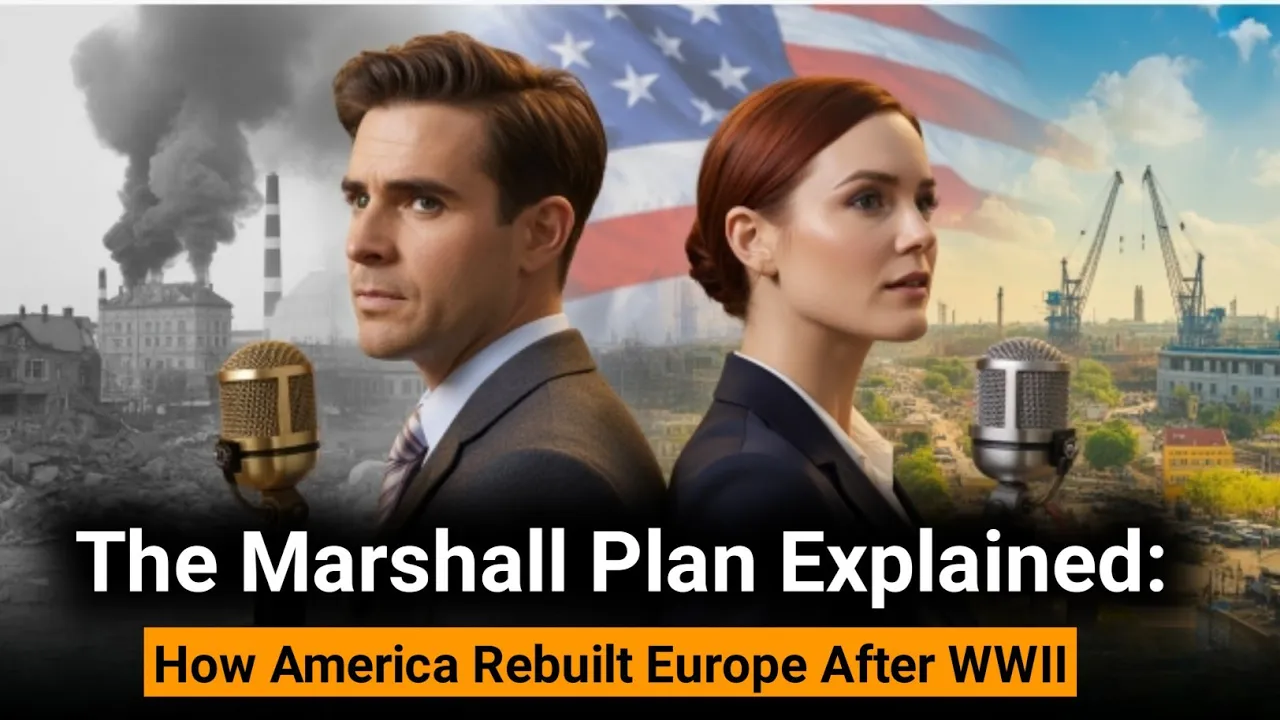
The Marshall Plan (1948-1951) was a U.S. foreign aid program led by Secretary of State George C. Marshall that provided over $13 billion in economic assistance to 16 Western European countries to rebuild their war-torn economies after World War II; this initiative served multiple purposes including humanitarian relief, creating markets for American exports, and containing Soviet communist influence by demonstrating the success of capitalist economic systems.
The Marshall Plan: How the US Rebuilt Post-WWII Europe
Added:The economic and physical devastation of Europe immediately following the end of World War II (1945).
The rise of geopolitical tensions between the United States and the Soviet Union, defining the early Cold War era.
The Truman Doctrine and the strategic policy of 'containment' to prevent the spread of communism.
The fundamental ideological differences between Western capitalist democracies and Soviet-style communism.
The Berlin Blockade and Airlift (1948-1949) as a direct geopolitical flashpoint during the implementation of the Marshall Plan.
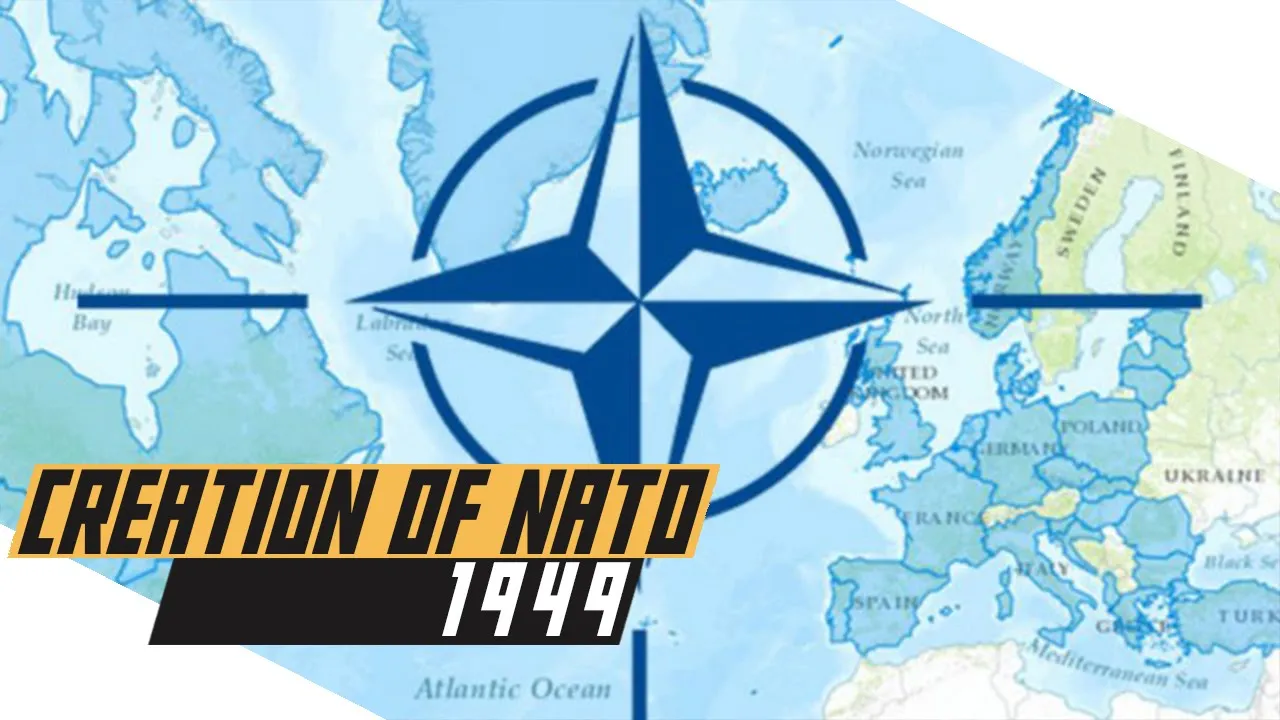
The formation of NATO (1949) and the shift from economic aid to collective military defense in Western Europe.
The origins of European economic integration, starting with the European Coal and Steel Community (ECSC), which paved the way for the European Union.
The long-term impact of the Bretton Woods system and how the Marshall Plan solidified the US dollar as the world's primary reserve currency.
749.6K views6.7Klikes3:16Original Release: 2017-09-21
for a world war 2 is over but Europe is in ruins what can a country like the United States do to help how about setting aside over 13 billion dollars to help rebuild the smoldering continent that's what the European a recovery plan aka the Marshall Plan sought to do restore the European economy by giving foreign aid to countries that needed it it was a brilliant move to win the piece by George C Marshall the plans creator Marshall had been a career military man and during the war had served as the Army's chief of staff he oversaw the US military strategy and was one of the key figures behind the Allied victory Marshall retired from the Army at the end of the war but President Truman valued his brains too much after serving as ambassador to China Marshall was appointed Secretary of State in early 1947 soon after he developed his European recovery plan and announced it in June of that year from April 1948 to December 1951 the United States shipped food fuel machinery and money to European countries the goal was to help them get back on their feet after the devastation of the war in one sense this was good deed foreign policy the United States was being a friend using its considerable resources to help war-torn Europe plus the last time the world left a conquered nation and ruins Nazi Germany rose to power but there were other reasons to implement the Marshall Plan as well by investing in the economies of European countries the u.s. helped create new markets for its exports perhaps we could interest you in a Buick there was a strategic objective to the US wanted to isolate the Soviet Union to keep it from expanding its sphere of influence beyond Eastern Europe how better to make capitalism appealing than to spread around money in a war-torn country by the way here are all the countries that received Marshall Plan Aid in alphabetical order ready Austria Belgium Denmark France Greece Iceland Ireland Italy Luxembourg the Netherlands Norway Portugal Sweden Switzerland turkey the United Kingdom and West Germany now if you listen closely you might have noticed a couple of major European countries that weren't on that list the USSR didn't trust the u.s.
intentions with the Marshall Plan and forbade Poland and Czechoslovakia from receiving American aid too bad for that because the plan worked the gross national product of Marshall Plan countries grew as much as 25 percent it put Western European industry back on its feet the American export economy boomed and Soviet influence communism was contained to Eastern Europe nice work George Marshall in 1953 he was awarded the Nobel Peace Prize for his efforts the greater honor for Marshall though may have been seeing Europe rise from the ashes thanks in part to the plan that bears his name young people in large numbers came out and joined what became known as the Red Guards these largely terroristic organizations were used to publicly humiliate assault and in some cases even murder political enemies of Mao and the Communist Party
Up Next
10:34
Homer and the Origins of the Iliad and Odyssey: A Historical Analysis
@OverlySarcasticProductions
823.6K views•2019-05-10

33:02
The Great Schism of 1054: Causes and Consequences
@SacredCathedrals
113.5K views•2026-02-19
1:19
How the Safety Elevator Enabled Skyscrapers and Social Mobility
@Historyn60seconds
611 views•2026-01-02
17:05
Understanding the Cold War: Superpower Conflicts and the Road to Détente
@OverSimplified
46.1M views•2019-01-24
Related Study Plans & Knowledge Roadmaps
Structured learning paths in History
history
Byzantine Iconoclasm: Theology, Art & Politics
01Foundations of Byzantium and Early Christian Images
02The First Iconoclasm: Leo III and the Crisis of Images
03Empress Irene, Nicaea II, and the Second Iconoclasm
+ 2 more learning modules
9h5 modules
Explore Roadmap
history
Iranian Revolution (Causes, Events & Legacy)
01The Pahlavi Dynasty and the Roots of Discontent
02The Spark of Rebellion and the Rise of Khomeini
031979: The Fall of the Shah and the Climax of the Revolution
+ 2 more learning modules
8h5 modules
Explore Roadmap
history
Mali Empire: Mansa Musa, Trade & Timbuktu
01Foundations of the Mali Empire
02The Trans-Saharan Gold and Salt Trade
03The Reign and Pilgrimage of Mansa Musa
+ 1 more learning modules
6h4 modules
Explore Roadmap
history
1947 Partition: Politics, Borders & Legacies
01Foundations of British India and the Divide
02The Political Negotiations and the Mountbatten Plan
03Drawing the Boundary: The Radcliffe Line
+ 2 more learning modules
8h5 modules
Explore Roadmap