





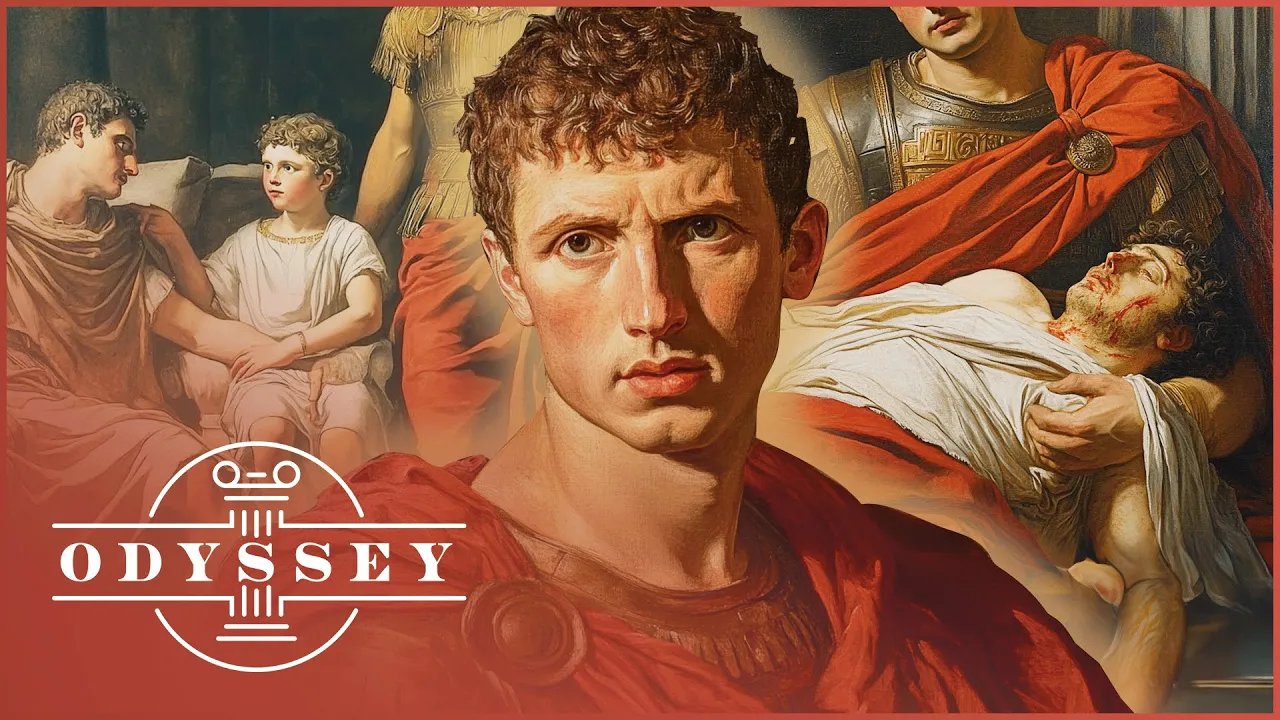

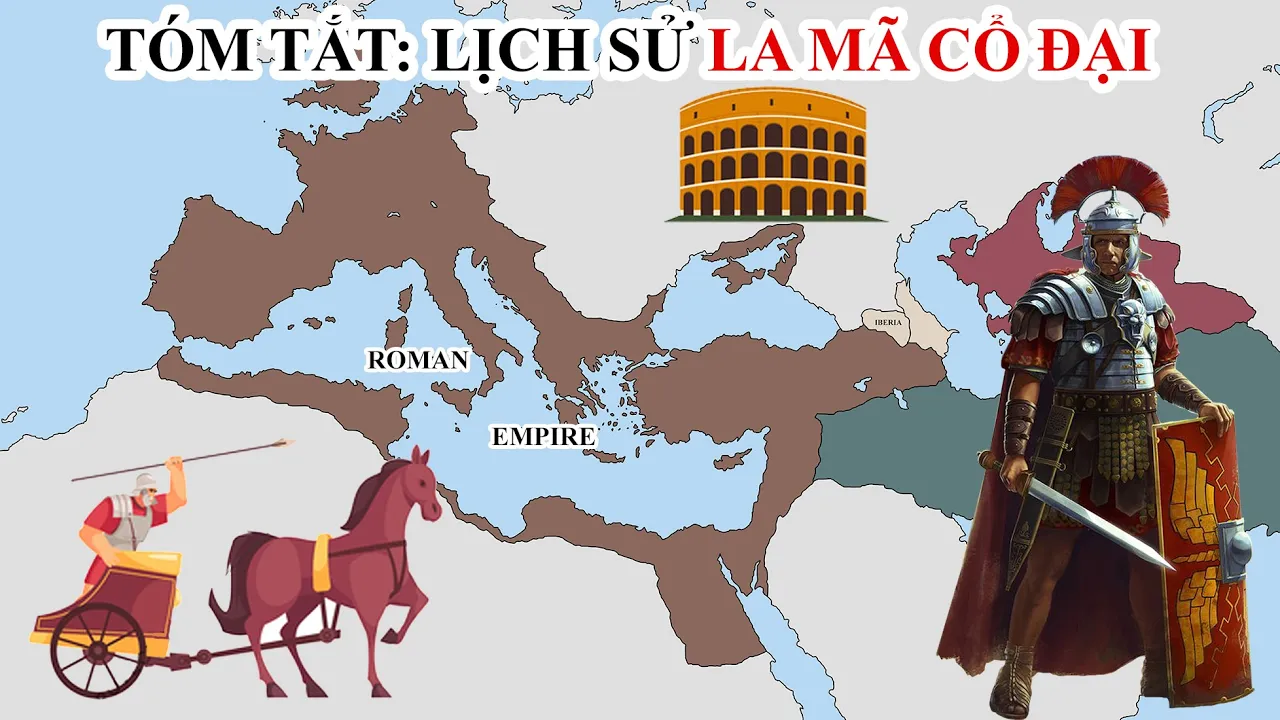

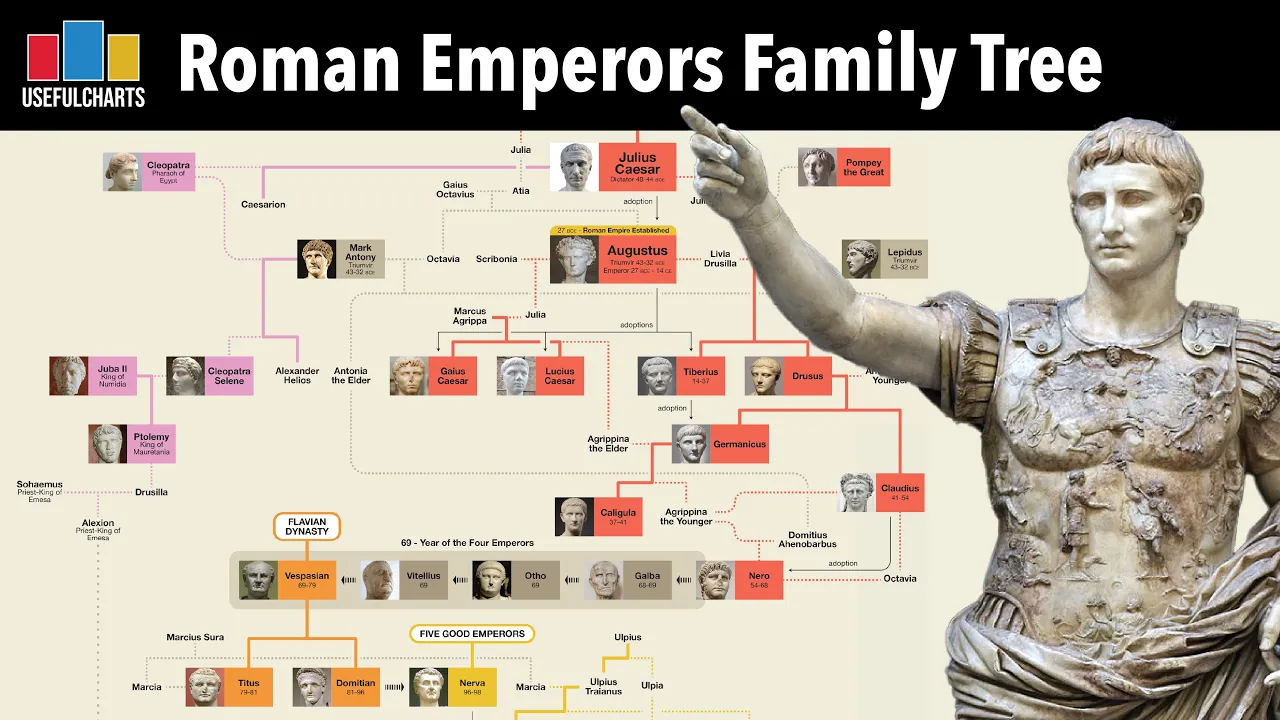











The HBO series 'Rome' depicts the pivotal transition from the Roman Republic to the Roman Empire through the lens of Julius Caesar's rise and fall, illustrating how Caesar's military conquests in Gaul (the Gallic Wars), his political reforms, and eventual assassination on the Ides of March 44 BC fundamentally undermined the Republican system and paved the way for imperial rule under Augustus.
Rome (2005) TV Series: Historical Accuracy & Authenticity (History Buffs)
Added:The political structure of the Late Roman Republic, including the roles of the Senate, Consuls, Patricians, and Plebeians.
The key historical figures and events of the Roman Civil Wars, specifically Julius Caesar's crossing of the Rubicon and his rivalry with Pompey the Great.
The conceptual distinction between 'historical accuracy' (strict adherence to factual timeline) and 'historical authenticity' (capturing the cultural, social, and aesthetic spirit of an era) in media representation.
The socioeconomic crises of the 1st century BCE that weakened the Roman Republic, including land reform disputes and the rising political power of military generals.
The transition from the Roman Republic to the Roman Empire under Augustus (Octavian) and the establishment of the Pax Romana.
An analysis of primary Roman sources from the period, such as the letters of Cicero and the biographies of Plutarch and Suetonius, to evaluate modern media biases.
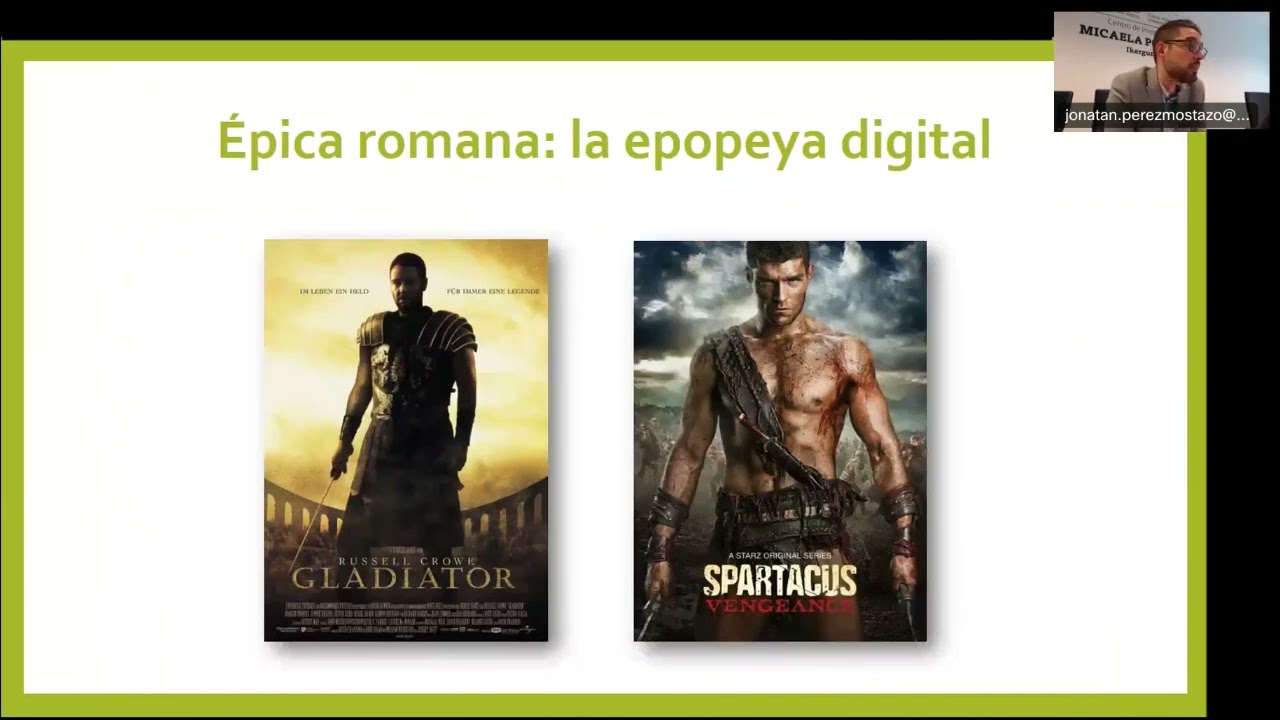
Comparative media analysis of other historical dramas (e.g., Kubrick's 'Spartacus' or Gladiator) to assess how different eras of filmmaking approach classical history.
The study of historiography and reception theory, exploring how and why modern audiences romanticize or alter the history of ancient Rome.
3.8M views65.3Klikes27:07Original Release: 2017-08-18
[Music] this episode's sponsored by great horses plus hello and welcome history buffs my name is Nick Hodges and in this episode we'll be marching on Rome it seems rather fitting that after two years of this channel being around that I cover one of my most requested television series for those of you haven't seen it this is a series that follows the rise of Julius Caesar the civil wars that followed the transition between the Roman Republic and the Roman Empire it's a show of Goliath proportions so epic in fact though it tries to cover 20 years of history but within only two seasons as you can imagine much that history is condensed down or remitted entirely sadly much of it because it is extremely premature cancellation but despite all this it still has a hardcore fan base one that I'm proud to be a part of so I would like to present a true history buffs video but true history buffs this is Rome [Music] if you ask anyone in the general public to name you a famous Roman that no doubt they'll say Julius Caesar but unless they're a history buff that is likely whether knowledge will end the sheer scope of his life was vast and it's difficult to get an impression of the man himself without doing extensive research HBO's Rome picks up a story in 52 BC at the moments of its greatest triumph after Caesar just won the battle Alesia a defeated Vercingetorix king of all the gauls Gaul known today as France has been mostly pacified and is now a new added province of the Roman Empire the citizens of Rome are enthralled a ceaseless victory his popularity greater than ever but the same cannot be said with the Senate the ruling body of Roman power I have a question concerning your friend and co-consul the darling of Venus Gaius Julius Caesar fighters his chair leaning empty why did he not come home his illegal war is over therefore I move the cheetahs governorship in Gaul be terminated immediately if his armies be disbanded but if you recall the road to answer charges of illegal warfare theft bribery and treason okay so the general gist the scene shows that most the Senators pissed at Caesar the reasons are accurately given but viewers who are unfamiliar with Roman history and not given context for exactly why and it's all because of how much history has to be condensed down for the purpose of plot so what I'm going to do is to try and give you context so you might understand what has led up to this moment since the show is unable to do so I can start by pointing out that Caesar was not co-consul with Pompey at this time nor was the other regardless of what Cato has just said now a consul was the highest elected position in the Senate effectively its leader however in the Roman Republic there was never one consul but to each shared power and they only held it for a single year once they had they can run for the position of consul again for another 10 years the idea behind this was that so no single man could hold on to too much power as Romans to test the idea of kings and tyrants Julius Caesar became consul in 59 BC his co-counsel was a man called Marcus Bibulus a politician expected to oppose and counter Caesars radical reforms and proposals reason for this was that despite Caesars aristocratic background he was not loved amongst the nobility the senator in those days was expected to maintain the status quo for the privileged elite at the expense of everyone else pretty much how today senators function all fellow members of the Roman Senate hear me shall we continue to build Palace after Palace for the rich or shall we aspire to a more noble purpose and build decent housing for the poor how does the Senate vote so Caesar was basically rocking the applecart as a reformer Rome at that time at a problem with his agriculture sector that led to massive unemployment low income Libyans and small landowners were being bought out or driven off their land by latter Sandia great farming estates similar to mega plantations these lands would now be cultivated by slaves and the plebeians were now flocking to the cities to try and seek employment leading to overpopulation these latifolia getting stinking rich in the process and much of the Roman Senate in their pockets having them obstruct any social or economic change they might challenge their position and this included Julius Caesar however Caesar had a special alliance with two of Rome's most influential senators Nyhus Pompey Magnus per here over the republic and considered one of its greatest generals and then there was Marcus Licinius Crassus one of the richest men in Roman history bankrolling Caesars political career this alliance was known as the first triumvirate and I challenged the Senate's grip of a Roman politics most notably was Caesar's land reform bill which proposed to buy unused land from willingly to fajn DIA and having them only be cultivated by Roman citizens veterans or freedmen allowing thousands of the urban poor to lead the cities and back into the Italian countryside the land reform bill was passed and throughout the year the Senate and Caesars co-consul Bibulus to block his proposals that have returned but with little success Caesars popularity and influence was simply too strong and towards the end the Senate want to be rid of them traditionally when a consulship was over that consul was awarded a single province to govern getting to provinces was a rarity but Caesar managed to get himself three Illyricum Cisalpine Gaul and transalpine Gaul he was also given four legions to protect them out of his own pockets Caesar raised two additional legions giving him command of around 30,000 men now quick thing to nose at Cisalpine Gaul and transalpine Gaul marked one of Rome's northern borders the territory beyond it to the northwest was collectively known as Gaul and it was homes in numerous Celtic tribes which although independent from Rome still retained a diplomatic relationship with them early intercede his first year as governor and 58 BC an Alpine Gorelick tribe known as how Betty I were migrating to resettle in western Gaul up to 300,000 of them were heading for Caesars province this would mark the beginning of the Gorelick Wars now in the interest of time gonna have to condense down a lot of stuff but hopefully you'll get an idea why many in the Senate hated Caesar and I had a lot to do what he did in Gaul so right from the beginning Caesar opposed the Helvetii eyes migration that defeated them in battle shortly afterwards many Gorelick tribes reached out to Caesar congratulating him for his victory but they then requested his military support against a foreign German king called Ariovistus whose tribe the suevi had settled in Gaul the tricky thing is that area of vistas had achieved official recognition by the Senate and was considered a friend of Rome but there was also an old Roman more that encouraged governors of transalpine Gaul to defend their Gorelick allies allies who are now being threatened by the Suevi these two official mandates conflicted with one another and whatever course Caesar took he'd be pissing someone off in the end Caesar took his legions marched against Ariovistus and crushed the Swabian battle and emerged victorious once again within justice first year's governor Caesar had won two military campaigns and one of them had been against an official friend of Rome not long afterwards Caesar raised two more legions without the Senate's approval doubling his forces to eight needless to say there was much grumbling in the sense about this in 57 BC Caesar began yet another military campaign this time against Gorelick tribes to the northeast called the Belgae rumors have circulated that they were conspiring against Rome disturbed by it ever growing military presence in Gaul Caesar launched a preemptive strike against the Belgae laying waste to their lands as he advanced much of that year was spent fighting skirmishes until a decisive battle was fought at assault on a river the Belgic tribes came close to overwhelming the Romans but thanks to their military discipline the legions recovered and massacred the Belgae with this victory Caesar grew in confidence and asserted Roman Authority in Gaul more than ever his reasons were seeking out war became less and less justified as he kept securing victory after victory the booty enslaved he procured during his campaigns made him rich and popular with the Roman people another tribe that came into Caesars crosshairs was the vanetti who lived in the Brittany Peninsula a Roman garrison nearby had been demanding supplies of grain from the local tribes much their resentment when the vanetti captured some of caesar's officers he took this provocation as an act of war as the vanetti were seafaring people he commissioned a fleet to challenge them despite having superior ships the Gorelick fleet was subdued by the Romans and Caesar had all the Veneto Nobles put to death the rest of the population was enslaved as a warning to other gauze in the region it didn't help much that local uprisings occurred for these were also put down now no doubt beginning to see a pattern emerge Caesar is no longer fighting to protect rose borders he's cutting a bloody path from Gaul and warring on its people with little justification to the Roman people Caesar is a hero but to many in the Senate he was viewed as a rogue general as well Caesars is a crime he's racing law on behalf of wrongly committed him to fight the ball no Oliver he started fighting the insurgents at the borders and moved on to murder peaceful Norman allies goals who pay taxes in tribute to Rome I fear the gods gentlemen Caesar is not sulla he's not fighting the Romans he's fighting the Gauls it's not threatening us we are threatening him once Caesar was consul how many times can he push through a law without having it ratified he has no respect for us something had better be done in 55 BC Caesar made the most audacious move in his career yet by leading an expedition to invade the island of Britain he claimed the vanetti and Belgae had received support from the Britons for their campaign against Caesar with the same fleet had used to crush the vanetti he set sail now this new campaign of Caesars truly captured the Rouen public's imagination they knew little to nothing of Britain it was a mysterious place on the edge of the known world wrapped in myth and legend many Romans didn't even believe it existed so to hear of Caesars exploits in Britain and it's strange natives with something truly extraordinary it was like landing on another planet but apart from cementing Caesars celebrity status nothing much was accomplished his first expedition failed as well as a second in 54 BC no further attempt to conquer Britain would be made until nearly a century later while Caesar was away in Britain things went from bad to worse in September 54 BC Caesar received a letter stating that his daughter Julia had died in childbirth aside from the personal loss this also threatened the first triumvirate since Caesars daughter was the wife of Pompey Magnus then a few months later a major uprising had begun in Gaul discontent amongst the subjugated tribes was reaching a breaking point and shortly after 853 BC Marcus Licinius Crassus died fighting the Parthians effectively ending the first triumvirate let me put it like this his financial backer was dead his only child was dead and as a result so it was Alliance to the one man who could protect him from his enemies in the Senate enemies who had later seduced Pompey to join their side and then in 52 BC all the tribes had united under a single king called verson Jetix charismatic and capable leader who is with how the Romans fought he knew that they couldn't be defeated in open battle so he devised another way through scorched earth Burson Jetix avoided Caesar's legions as best he could and at the same time he burned all the farms and crops denying Caesar any opportunity to feed his men and with their supplies dwindling was beginning to work Caesar then had to make a decision to either abandon Gaul and everything he fought for and returned to Roman shame taking his chances with the Senate or to double down and pacify Gaul which was the choice he went with at first the Gauls tactics seem to be working but eventually Caesar cornered Burson jet Oryx and 60,000 of his men in the hilltop fortress of Alesia despite being low on food themselves the Romans decided to start the Mount they did this by building a massive wall around the town up to 11 miles long throughout construction the Gauls launched constant raids against the Romans eventually Gaul the cavalry was able to punch through the defenses and escaped Caesar knew that there would be back with reinforcements so he began works on a second wall this one would be 14 miles long the first war kept Vercingetorix and his men in and the second would keep the Gorelick reinforcements out as the weeks rolled by food started running out for the goals in an effort to keep his army fed verson Jetix expelled all the women and children from Alesia hoping they would be allowed to pass through the Roman lines it didn't work he's a refused passage to the refugees and verson Jetix wouldn't take them back confined between the two armies they slowly starved in late September the Gorelick reinforcements had arrived numbering in the tens of thousands combined with Vercingetorix forces in Alesia Caesar 60,000 troops faced over 200,000 Gauls as soon as the relief army assaulted the outer wall worsened Jetix attacked from the inside trapping the Romans for days they fended off constant attacks that chipped away their defenses on the brink of collapse Caesar made one last effort to seize the day breaking through the lines he led his cavalry around the outer wall and attack the Gauls from the rear inspired by the site the Roman infantry pushed on into the heart of the Gauls it was a slaughter attacked from both sides the Gauls broke and fled the battlefield after eight years the most important battle the Gorelick wars had been won the next day vercingetorix rode into Caesars camp and surrendered shortly after all the tribes followed his example by the very end Caesar had slaughtered a million Gauls and enslaved a million more Caesar sent word back to Rome of his victory Gaul had finally been pacified a new addition to the Empire which brings us back to the start of this chapter as Episode one of HBO's Rome begins after the bath of Alesia where we see the Roman Senate squabble over what was to be done with Caesar I hope I've given you enough context to understand why they hated them so much out of fear he contradicted them he undermined them and threatened everything they stood for corrupt and decadent it may have been they stood for the Republic where they write is here Caesar absolutely emboldened by his victory and bolstered by his loyal legions Caesar marched on Rome itself sparking off civil wars that rocked the Empire to its core he overturned the old ways of government and proclaimed himself dictator for life but even that wasn't enough Caesar even went as far as to assert himself as a divine ruler at its triumph he painted his face red like the god Jupiter the foundations of a new coat of worship him was laid it was called Jupiter Julius or D verse Tullius even a new month was named after him the month of July eventually it became too much for his enemies in the Senate 54 BC on the Ides of March they stabbed him 23 times and Caesar dies but the damage had already been done the Roman Republic was dying and the age of the Emperor's was about to begin I would just like to say thanks to great courses class for sponsoring this video if you're interested in learning more about the Romans I would recommend getting a subscription if you do definitely check out understanding Greek and Roman technology with Steven wrestler he gives an in-depth analysis on ancient technology weaponry warships and even the construction of the Parthenon Science and Technology that still resonates for us to this day great courses plus is an on-demand video learning service with exclusive lectures and courses from top professors of Ivy League universities and other prestigious institutions they also have experts from places like National Geographic this myth Sounion and the Culinary Institute of America with over 7000 lectures you'll be able to learn on any device at your own pace all from the comfort of your own home to start your one-month free trial just enter the great courses class comm forward slash history buffs or click on the link in the description box below so now that I've given you some historical context I'm going to go over some my likes and dislikes of Rome for the most part this show is brilliant and you can really tell there meet an effort with the history however it's more historically authentic than it is historically accurate and that's to be expected you're trying to condense down eight years of history into a single season it's a very hard thing to do and I think they pulled it off very well speaking of which if you live in the UK and you haven't seen Rome yet please don't watch it on Netflix you might noticed that season one only has ten episodes but on DVD it has 12 and reason why is because Rome is a co-production between the BBC and HBO but unlike HB OS version the BBC decided to sloppily re-edit the first three episodes according to Michael Apted the director of those episodes he says and I quote I'm really pissed off at the BBC for bringing down my first three episodes into two and in doing so taking out much of the vital politics it also makes me very grumpy as I was told that the cuts have been introduced by the BBC because they thought British viewers already knew the historical background but all that's happened as far as the viewer is concerned is that made rome hard to follow and yeah he's absolutely right by taking out all those vital talky bits the BBC reduced Rome into an incoherent mess and what's with the [ __ ] justification for its know more about Roman history than Americans do so they don't be to watch it I mean wow how arrogant is that I really think on this occasion we know what the BBC stands for so anyway like I was saying Rhodes strengths are built from authenticity rather than accuracy and it's the tiny details that truly 7th a perfect example of this would be episode 1 although not a great representation of the bath of elysia most likely due to budget constraints two things really stood out to me one is we see the Romans portrayed in the actual arm of the war in Caesars day far too often in movies and TV shows we see Romans always wear lorica segments Hatta armor unlike in the 2001 movie Burson Jetix they wouldn't be wearing it until 100 years later in hbo's rome they're wearing lorica hamato armor which is 100% correct secondly we see how the Romans actually fought and understand why they were so effective on the battlefield this strategy is based on the account of a Roman historian called Titus Livius or Lille for short he described how the frontlines would rotate in battle a man in the front line thrusts hit enemy back with his shield and stabs him with his short sword but he can only do that for a limited length of time perhaps six minutes the man behind pushes forward to take his place and then he becomes the front he then takes up the fighting while a man who's been relieved goes to the back of the line and this repeats and repeats and repeats if you have eight ranks deep you'll fight every 40 min Wow that makes perfect sense and it's really cool to watch so why do so many movies have Romans break formation and fighting free-for-alls me look even gladiator is guilty of this cliche thankfully Rome shows us why it's not a good idea to do that get back in formation you drunken fool Oh [Applause] Tibor another thing Rome calls off is the look of Rome at now I'm not talking whether look at the show I mean the city itself when the average person thinks of Rome they imagine glorious white marble buildings and statues because that's what these relics and ruins look like today but back then they were awash with exotic colors buildings were painted statues were painted just like you see here we get a real sense of what this vibrant city looked like they even go as far as to cover the walls of penis graffiti which was absolutely true this was a pre-christian society without the modern scruples we have today nudity and sexuality wasn't shameful it was well accepted and often encouraged it's clear that the creators of Rome made a great effort to make this world come to life want the show to be as historically authentic as we could possibly make you and the distinction there for me is that while the characters are dramatized characters the world in which they're moving the context in which they exist with something that we could flesh out with historical detail speaking of characters let's discuss everyone's favorites we have lucius vorenus the stoic career soldier with strict values of roman conduct wrote on duty and my personal favorite titus pullo the insubordinate soldier with a heart of gold Sadek right back on you go one thing I was surprised to find out about these two is that they're not a hundred percent fictional in julius caesar's memoirs the commentaries of the Gorelick wars he briefly mentioned two soldiers called lucius vorenus and Titus Pullo unlike the show they were both Centurions and they hailed from the 11th Legion and not the 13th but we don't know much about them they were the only common soldiers named by Caesar personally and apparently they had a rivalry with each other over who is the bravest that fictional counterparts might have been used to introduce the audience to the world of the plebeians so we can see how the other side lives which is absolutely fine with me and besides they're wonderfully written characters so these are just quick examples of what I really love about Rome I could go on all day but I thought be fair to include some minor criticisms I have with the show as well one thing I think every fan can agree with is the severe lack of battle sequences the only one we really get is the bass of Alesia and it's over in a heartbeat apart from that every major battle in Caesar Civil War is glossed over and understandably because it would have been really expensive but it's still infuriating I mean just take a look at the Battle of fastness because you're really invested with what's going on they've been building up to this climactic showdown between Julius Caesar and Pompey for a while now and you're pumped you can't wait to see him kick his ass but then it comes to some blurry handheld shots of a few soldiers fighting and before you even realize it it cuts back to Caesar approaching his bed sitting down and then he says sir to Rome Homam Souza has won wait what are you kidding me all that build-up for nothing I mean I know she shouldn't [ __ ] about it because we're here for the drama but imagine if they cut out all the battle scenes from Game of Thrones the dark arts have provided Lord Stannis with his armies and paved his path to our door and tonight I believe you are the only man who can stop him the battle is over we have one yeah you'd be pissed too that's not even mentioning all the other battles they cut in season one not going to go over them all but here's a quick list [Applause] but anyway whatever it doesn't really ruin anything for me yet for a show that tries to be as historically authentic as possible it does make some rather strange choices like perpetuating a very old Roman misconception there's a quarter telander of brides and such spend it wisely so for some reason we see characters performing the Roman salute a gesture which supposedly Roman soldiers held at their right hand or arm as a military courtesy but it is generally accepted that there is no single Roman text or work of art that describes or shows the Romans ever making such a salute the closest examples we have don't look anything like the Roman salute we know such as the marble statue of Augustus where he's either pointing or meant to be holding something or Trajan's column where no coordinated salute can be found apparently this misconception originates from a neoclassical painting by jacques-louis David called the oath of the horatii eye well that about wraps it up for part 1 of my Rome review I hope you enjoyed it and stay tuned for part two when it comes out my name is Nick Hodges and thanks for watching history buffs and remember if you liked the show help the channel grow if you wish to support history busting you now do so at patreon and as always let me know in the comments section what you thought about Rome and of course what historical movie should I review next in the meantime check out the history buffs Twitter and Facebook page for new updates until then I'll see you next time [Music]
Up Next

58:55
The Art of Persuasion: How Leaders Use Visual Imagery
@mediaaudiovisual
3K views•2015-05-27

26:22
Walking in the City: Urban Rituals and the Flâneur in Contemporary India
@PSBTIndia
1.9K views•2016-08-02

9:49
FastAPI vs Flask vs Django: Choosing the Right Python Web Framework
@TechWithTim
302.5K views•2024-05-26

1:42
Game of Thrones Opening Credits: A Cinematic Analysis
@gameofthrones
46.3M views•2011-04-18
Related Study Plans & Knowledge Roadmaps
Structured learning paths in General & Interdisciplinary Studies
general-studies
Artificial Light: History, Tech & Human Impact
01The Pre-Electric Era: Fire, Oil, and Gas Lighting
02The Incandescent Revolution and Grid Electrification
03Gas Discharge and Fluorescent Illumination
+ 3 more learning modules
14h6 modules
Explore Roadmap
general-studies
Elevator Engineering: History, Physics & Cities
01From Hoists to Safety Brakes: The Dawn of Vertical Lift
02Hydraulic vs. Traction: The Engineering Physics of Elevators
03Modern Speed, Safety, and Algorithms
+ 2 more learning modules
12h5 modules
Explore Roadmap
general-studies
Rubber: Material Science, History & Geopolitics
01Origins of Natural Rubber & Mesoamerican History
02The Chemistry of Natural Rubber & Vulcanization
03The Geopolitics of the Rubber Boom & Colonization
+ 2 more learning modules
12h5 modules
Explore Roadmap
general-studies
Containerization: Evolution, Logistics & Trade
01Ancient Trade & Bulk Cargo: Amphorae to Barrels
02The Industrial Revolution & Cardboard Packaging
03The Containerization Revolution: Malcom McLean
+ 2 more learning modules
12h5 modules
Explore Roadmap