

















The global textile industry creates a systemic cycle where garment workers in developing countries produce clothing under exploitative conditions (long hours, low wages, poor working conditions), while Western consumers and retailers contribute to massive textile waste that is shipped to developing nations like Ghana, where retailers like Abena Cynthia Agyeibia purchase these bales of 'waste' clothing, often containing significant trash, and become trapped in debt cycles that prevent them from escaping the exploitative system.
Textile Waste & Labor: Ghana & LA Supply Chain
Added:The 'Fast Fashion' business model: How rapid, low-cost production cycles accelerate clothing consumption and disposal.
Global supply chain fundamentals: The flow of apparel manufacturing, consumption, and export of secondhand goods from the Global North to the Global South.
Basic textile material science: The difference between synthetic (petroleum-based) and natural fibers, and their respective environmental degradation rates.
Basic labor standards and human rights: Key concepts such as living wage vs. minimum wage, collective bargaining, and occupational safety in manufacturing sectors.
Extended Producer Responsibility (EPR) and environmental policies: How legislation can hold fashion brands accountable for their products' end-of-life stage.
The concept of 'Waste Colonialism': An advanced sociological framework examining how high-income nations dump municipal waste under the guise of secondhand trade.
Circular Economy models in textiles: Technological innovations in fabric-to-fabric recycling, upcycling, and closed-loop manufacturing processes.
Grassroots labor organizing and policy advocacy: Analyzing success stories and strategies from organizations like the Garment Worker Center in Los Angeles.
170 views0likes1:06:07Original Release: 2022-02-15
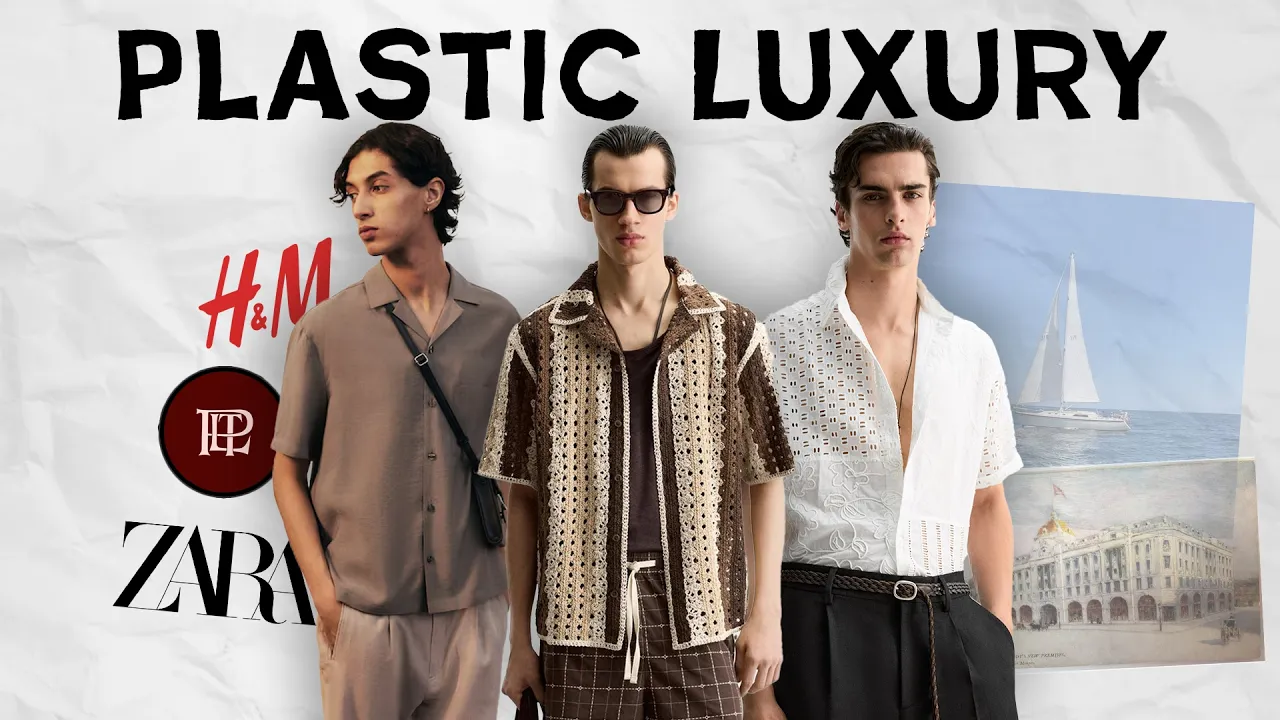
i'm going to introduce our two presenters who are going to lead a conversation together about what it means to be a skilled and talented individual working at the streets and the tail end of the textile supply chain that we see functioning in the main the big industry who's helping uplift and so who is working on the tail end when those clothes are being discarded who is caring for this system so that is who we're going to hear from and we're going to hear their vision um for their work and their future so abana um abner cynthia agbia is a retailer in the continental market and she is with us today with sammy hello thank you for being here it's so wonderful to see you um so um abhinav has been retailing she's been reclaiming and retailing cotton blouses from the uk for over eight years she comes from a brewery in the eastern region and she lives in tashi a suburb of akra ghana and on sundays the day that she gets to spend time with her family she likes to make boo-hoo and palm nut with soup which is her favorite and i believe abba you said you have two children as well yes wonderful and i'm going to introduce santa puak and um annie shaw who are here today from the garment worker center santa is a garment worker she is the mother of three she is also now a labor activist originally from guatemala she has been organizing for justice which is truly a family affair for santa she's been leading changes in the garment industry with her children for the past five years and is now the organizer of the garment worker center it's an honor to see you both present today together i'm so grateful for this opportunity so we're going to start the conversation by providing an opportunity um for abner and santa to introduce themselves um so i was hoping that santa and ani first if you could give us a little information about the history of the garment worker center if you have images to share anything about the work environment that we can all learn from from you would be wonderful and i wanna oh great okay um hi um good morning everybody it's a pleasure to be here with you all thank you [Music] and i'm going to share a little bit with you all about the history of our center hey so the center has been operating and helping out garment workers for 20 years so i've had been i've been here for five years and like many of the um garment workers we came here because of the injustices that are in the industry and you know i've been here because of a lot of the exploitation exploitation that's found in the garment industry and you know a lot of the bosses what they care about is money so all they care about is how much money a single worker could produce and how fast they they could bring in income and you know for the workers a lot of the garment workers are women they're mothers with children and you know it's very hard to win such little money in that industry you know and it's very hard based off that to sustain a family and even if like the mom works and the dad will receive and then it's hard to make ends meet and you know sometimes you have to work 60 to 72 hours across the span of six days to barely make two hundred and fifty three hundred dollars um [Music] and you know sometimes when you're sick or when your kids are sick and you ask for time off then you run the risk of you losing your job of your boss just letting you go and as a woman specifically it's even harder to work in the garment industry because of like kids if you have kids calling you or things come up the your boss isn't one that understands that and that's the reason why i joined the center to get to know my rights more because it's not right that people like that treat us in that way gracias santa i wanna i wanna show a little bit very very quickly um of uh you know this specific slide this is a typical building in los angeles it's actually very very close to our office and in this building you can see that majority of the the factories they are sealed off with very little ventilations and you can see that you know it's a building that's actually quite aged and that you know this is southern california in the summer the temperature now can go up to 100 degrees and there's very little ventilation and very little assets right to um to uh kind of for air and this is a picture of a sewing machine that you can see the amount of dust that is actually covered on a sewing machine so imagine what it's like to be working there every day over you know nine hours ten hours um you know in that kind of condition and you know we are the industry that is coined the word sweatshop right so this is some of the exam of what the working places are like um so that's it thank you ani and gracias to have those visuals and so to see how the clothing is being produced um in a community like los angeles we're going to pivot now to hear from sami and abhinav we're hoping that you could just take a moment and share with us what your work and life is like at contamanto and in okra so thank you you can unmute if you'd like even when you're translating that's fine oh i think you muted yourself it's okay there you go this is my name and um she's been selling contamination for a while she sells um takeout clothing and she's happy to be here to join this conversation 2013 let me start account about youtube uh this is sunny day nearby let me start here with your cotton blobs for fish sheets nailed in chocolate supporting gloves so um abhinav saying she started somewhere before 2013 and it was her big sister that introduced her to the second-hand trading business and from that moment she was selling clothes for basically cutting blouses and office sheds for former workers and that's what she has been doing um she was saying it was quite a dignified job when um she started because it was easier to find the waste and the trash amanda was coming in was not as bad so there was a lot of dignity and there was good quality stuff so she could sell and make enough money to feed herself and her family and the bills were not so expensive but now it is so expensive the quality is bad she busy she basically has no money and she's constantly in debt but then she can leave the money she can leave the trade because she's already stuck in that circle at that circle and for that reason she just has to be in there but she has no dignity as she has in the job as she had early on it may be a center in your dreams so she's saying with her with her age and at the level of her education outside of this street she doesn't see herself being able to or having the quality the qualification to do any other job and as a mother if she even decides to leave this job for the sake of all the um uncertainties that happens to it she cannot leave because she needs to feed her family and her children and it makes her unhappy that all of these things happen but then there's nothing that she can do about it she just has to do it anyways and as she's constantly in debt even if she's able to make money from the current bill she always has to pay back this from before so so she she just has to stay in it for as long as it goes she makes money now pay for the desk that is behind here makes money now and pay for the desk that's behind her and i thought that's what has been happening [Music] so she's saying her job and her trade now has been has become synonymous to debts and losses because the moment you are trying to get in this business you need to get comfortable or get used to the idea of being in debt or losing your money so um that is what abhinav has to share um becky your backup yeah oh all right thank you so do you have sammy on avena do you want to share any um photos of anything you're welcome um had wanted to bring over some garments that she could put on this place so we see how bad the quality is but unfortunately that was not possible so i'm trying to um take a moment that's fine if you're looking for photos yeah yeah i'm trying to do that now wonderful all right so what we were going to do is to to show what some of um albany's experiences in receiving the textiles so sammy um if i i could fill in for you if there's a few need but i was curious if you could um just lay the foundation for how the quantity of textile that um you generally are seeing come in through the port um just to give us a context of volume yeah so um basically kantamanso as it is sees around 15 million garments every week that is 50 million and it becomes the pistol and ghana as a country has just around 10 million people so you if you think about it like is way more than that the number of people even in the country every two weeks there's just enough government for every single person in the country so imagine this amount of clothing coming in and with um a research that we have been carrying out forty percent of this um amount of clothing that comes in each week goes directly into the waste stream so basically right from the port into continental then into um dance sites and landfills and that's how bad the situation is and with these people who work they have no power over the amount of school that is coming in they don't know what is in the bill so sometimes it's basically a gambling game they open the bills they pay huge sums of money they've taken loans from banks and other places you buy the bills with no idea what is in there they open and then it's just trash so that's how bad the situation is and if you think about um the repercussions of all of these materials that come in it does just not end incontinent so continental has does not have the capacity to recirculate and mend everything that is coming in or uplift everything that is coming in it just it's just not possible so most of these items end up in um the gates around the market area which leads into um the the c and then the b sides so that's how crazy the situation is with these items yeah thank you i'm sorry too um yeah i i was thinking about those volumes and the recent um showcase that there's parts of the world that continue to receive this atacama desert okagana but in the case of contamanto you have um the debt cycle i just wanted before we pivot um to explain to the audience that the dead cycle is based on abner you are at being asked to purchase this material that europe and the united states is putting into bales as waste product like it's not being sold at our thrift stores we 85 to 90 percent of the materials not being resold in these countries we're bailing it and sending it to you and then avena is forced to purchase this waste product um so just to clarify that can you just just hint a little at like what that purchase price looks like or the debt that has it sounds like there's a debt cycle because of the request to purchase yeah so um maybe i'm just trying to explain to you what you just said so i've been like please first [Music] [Music] foreign the structure is built even for example if you're entering into the the business or the trade for the first time you may have your own capital or money enough to buy a bill but you buy a bill for the price between um 75 dollars up to 250 dollars per bill and then you buy this bill and then um it's full of trash which means you need to sell the clothes at very very low levels so that people can buy them because nobody's going to buy clothes that has stains or benz marks in them they are so bad that um there are certain times where they buy those that has like menstrual stains in them that still ends up in the bills so if you have if you see garments like this there's no way anybody's going to buy them so by the by the time the bill is being sold entirely that the past that has not been sold sent into wherever it goes to they need to they're already in debt because they haven't been able to make up the money that surpasses that the money they spend on buying the bill so then they go into um the the people who supply the bills and then ask for another bill because they feel like if they sell the next building they can recoup the debt from the one before and then it keeps going so the moment you buy that bill like you already caught yourself in in on a track of just you know the debts and then what happens is some of some of these women also don't have the the initial capital to stop the business so do they go in and borrow money from banks and other places with interest up to 35 percent so first of all you are not even able to make half of the the initial capital that you invested into buying the bill then you still have to pay 35 to the to the to their bank and then you still have to make a net profit to feed yourself for transportation and your family so as you keep going they get the desk is building up and building up and building up and that's how it keeps going because if you're not able to pay um for a particular bill they will tell you to okay come for a bill on a loan and then you pay us back the next time and because there's a very high chance that the bill is going to have trash you still have to go in again and then it keeps going and it keeps going not right all right very very bad yes and this and this is based off of like you said 15 million garments yeah coming per week with a population in the country of 30 million and so you you're being inundated it's the word i would use with the waste product and then you're being prayed on to purchase and get into a dead cycle around a waste product um so in terms of volume i think this is exactly what the international community is trying to contend with at every level and so i'm i'd like to ask um santa and ani to um well if santo could talk about the pace of work and you know the sp 62 was about removing this pressure of the piece rate which in itself forced um you to work very rapidly to sew to make enough because you were being paid per piece per so like yeah talk about what it was like and maybe what it could be like if if this slows down do you would you like to see it slow down and i'd like to hear more about slowing down [Music] you know um there's the good clothes meaning um the clothes that aren't that don't need to be made as fast there's not that many companies that that represent that model that work in that way this is and you know just based off that there's not any way that 45 um 45 000 workers could work for those people [Music] and that's why the factories where these thousands of workers work are small factories and these are the places where you see the most exploitation because they don't value quality they just value quantity is because when you when you'd have like let's say a 10 12 hour day you make at most 40 50 dollars but in the end it doesn't matter what the worker makes it matters how much the boss could make off of each worker materials passing and you know sometimes the the garments are already damaged like they might have holes and stuff but that's not we're not ones to say that the clothes shouldn't be made we're just supposed to go and do our job foreign and she's saying you know based off of like our comrade is saying on the other end like a lot of these clothes that are getting sent over are a result of garment workers producing it but then in the end there's other another force behind it that prevents them from making quality clothing the force behind it [Music] is yeah you know in this line the service like being a garment worker it's very very hard because you don't receive like any any good services in return like even just taking a break um nothing's easy [Music] implemented and you know like sometimes in factories you can't even call them dining rooms there's really no place to really eat they're really small spaces so sometimes you're just forced to eat at your machine serving and sometimes you know you were forced to eat your food cold because even if they have let's say six to eight microwaves they don't work and they're dirty and they're full of roaches last and let's not even get started with the bathrooms that 25 30 workers sometimes use that only get cleaned max maybe once a week i have a question for santa so santa what how do you feel when you guys have to work this hard to produce so much clothing and then after that right it doesn't it actually not even gets sold and ended up being going to ghana right being recycled in this very exploitative system [Music] is [Applause] well you know like i feel sad because you know when hearing about um abenna's story how she can't in this whole cycle she's not even able to make ends meet and earn some profit off of it herself and i just want to add one thing to support rebecca to circle back what do you think needs to happen for us to make better product and make better living so get being [Applause] is saying it it needs to go back to the factories and the companies and they need to change things up and go back to making quality products so that they can recycle them and essentially have more lifetimes thank you santa thank you ellie and i rebecca it's gavin again i think um sammy was trying to share some of the pictures earlier so we did we just took it down but um he may want to do that now i'll bring him up thank you yes so we would just emphasize sammy as you're putting us up we just talked you heard quantity versus quality is what santa is saying if we could slow this down and so these pictures do you want to share the volume of this the images yet um we can see them there's so much there yeah so this is this is basically um um like a store for the bills before they are sold so you can see here in this section these are all new bills and these ones in these sacks are always from bills so each of these sacks is waste from one of these bills so you can just compare the differences and these are some of the bill being open and people sorting through which can be sold and which cannot be sold so we can see here more bills that are going to be sold and then i was explaining to me now the new technique that some of these exporters are adopting is that they um package the bills in such a way that they put like the very nice clothes or pleasing ones around the bills and in the middle of it would just be a bulk of trash so basically you'll be very excited thinking this is a good bill you buy it and then when you open it you just see trash now this is an example of a garment that is in a bill that is a result for another person to wear now if you think about this in a commercial way how is this commercial if you think about it in a sense of donation how do you donate this to anybody in the first place and this is abhinav after she's opened the bill and this bag alone is this a bag of trash things she just cannot sell because it has stains or has holes in them so imagine if you buy a 50 kg this this bag of waste is this this amounts to 50 kg so practically everything that she's bought that day with her money has gone down the drain but if just think about it imagine going to a bank to get loan to literally go and pay for a bag of trash about right oh yeah these are just a few images i wanted to share thank you with you guys and so what would abhinav what do you do with a waste product 50 kg that's very heavy and so how are you managing so much waste product at your stall is is telling me that um there really isn't much that they can do with this um amount of waste that comes in because what it what happens is that they can't sell it at a premium price because it's very very bad quality so what they have to do is if they have to sell it for for example ten dollars you'd have to cut it down to about 20 cents because it's just poor quality so at the end of the day so at the end of the day if they sell it out usually they sell it to people who use them as racks um there are people who use them to start fires for fuel for boiling water for public bath um and other other materials so they buy from her but they buy for at a very very low rate which can never make it up to the amount she invested in the first place so in the end she's just basically not making any money yeah and then what she can do is that she doesn't even have the storage space to keep all of this weight so she just happens yeah she just have to sell and then even if she has to keep the waste in her shop she has to pay to keep for keeping the waste so first of all she pays for the waste and then she's already in debt and she has to pay more money to have the wasted in her store so all she has to do is just sell it out at the very very least price so she can get away with so in this situation we have two things i'd like to to ask um one is first abner um and santa do you have any questions for one another before we pivot to like what are we gonna do together to fix this um but just do you have any thing you would like to ask each other [Music] [Music] on some like the station on the garments get in here and she wanted to like see garmin um santa's view on how the materials appear here so she's talking about how sudden moments um garments come and then they are pins holding them together some of them come with the hems on them not done some of them come that are just like pattern pieces but they are not even put together yet you know that there so you just see like a pattern silly like a sleeve pattern or uh a blast pattern yeah so this yeah there's certain times where they are literally non garments like they'll come a garment with no neckline or no sleep yeah so she's just showing me like some of the pins that she picked from the gum yesterday so she she wants to know like how um sometimes a garment worker feel about like how the government's come down here because is is basically the app practice and in her profession her creativity so how does that make her feel and then how um does she feel about learning about these things that it comes from her practice even though she's not the one sending it but how does that make you feel and how does she feel about it the whole situation yeah thank you foreign [Music] so you know i'm feel sad and you know also feel anger for avena because you know on my side the city oh it's not okay okay because on my end you know i'm supposed to be here producing and uh you know it makes me feel upset that it's not even quality stuff that's getting getting sent back you know and it's just bad all around because when you go back to the companies that are telling us to produce these things they know that it's trash already and they know that it's not quality but they're still forcing us to just go through the cycle um foreign is very pleased and happy that you empathize with her with like what is going on and then she hopes that at some point like youth as a government worker and her as a retailer will find that some power be empowered enough to make change towards this one yeah [Music] because hoping that um through platforms like this and then thanks to rebecca and everybody that's cybershed it would be great that while small of this mob conversations like this is being facilitated they will have the space to tell people what their real problems is really about and she knows that if hair trade is not surviving the entire system will be broken nothing can go on so new people need to appreciate them for who they are and they are hoping she's hoping that at some point she and she herself and her group and then sometimes can get to a point where they can empower everybody else for change [Music] [Music] [Music] so the question is what do we need to do on our end to help support you to make your market a better place so that you could also live better um [Music] is and what she's saying is that um she understands what you're saying about the fact that you don't have so much power about control of the garment making and everything but she hopes that at a point like the fact that you guys complain about it a lot it will get to a point where the bosses will hear you out and you can make better clothes but for her one thing that she sees now and she she thinks will make um every bet everything better for their trade outside of you know the government worker is that if they're able to take care of all the deaths that they have been in throughout these years because without um while they are still in debt it's very difficult for them to have like a comfortable life because you're always thinking about how you're going to pay back so um first of all she appreciates um santa for the support even though she knows um santa is not at the powerful level or has the authority to make everything right she's happy that santa is empathizing with empathizing with her but she also hopes that like with this conversation going on makers will hear this uh hear everything that has been discussed and they can make the right choices and help them settle their debts i think they're translating [Music] so um thank you so much for for your words i really am threatened by this but you know i hope that in between your struggle and our struggle we'll be able to make some change happen um i do have a very very quick question what are some of the brands that she sees hey and then so um abner says the ones that she usually sees is next um zara h m name yeah yeah yeah like these are the top brands that she sees a lot but the work of the you know sorting what is sellable and nasa level is too much work they don't really pay attention to the labels but they are these are three brands that they see all the time next zara and h m sometimes they'll be back up a brand new sometimes people have a charge of their brand yeah yeah so sometimes they have the time they look at the brand so because people are interested in it but most of the time you don't because there's just too much work revolved around the sorting process but then the three brands that she sees most of the time is next zara and nhm very important you want to share a little bit what brands we produce the [Music] um she was saying some of the top brands that she we that we make on our end are fashion nova good american zara and lulu and then some other brands that she can't remember right now but you know czar is there wow so back i just wanted to jump in it's gavin uh there are quite a few questions in the chat so um did you want me to bring up heather or lexi or do you want to just address a few of them um i i don't i can address a few and then um lexi or heather come as well we have abner and annie a few questions i just want to pin that the forces at work that were described in the pace at which santa described having to work and the amount of trash that abhinav is paying rent to hold trash there are people responsible annie is holding up those names i've put them in the chat there are people responsible for this situation it's the invisible hand of the marketplace is being called out um so if you were wondering um you know i've heard i saw in the chat h m as a recycling program well then why is it ending up in akra ghana okay so yes call them out it's greenwashing thank you it it truly is um these are the folks who are interceding with it so you're hearing it from directly from those involved in how it's not being recycled we have a few questions for avina and santa from the audience and we're going to take a few minutes to um to do that if that's okay any other annie anything else are you ready to take questions and rebecca let's start with the q a first if you wouldn't mind and then um heather and lexi are sorting the other questions to get to you okay um all right so um i saw let's see how are sellers um like abhinav bringing the bales from port to market they understand that this is back breaking poorly paid work so the transport is the question how are you even moving these materials important [Music] [Music] so um [Music] there are so many uh middle men between from pot to their stalls so they don't do not directly um bring the bills from the pot but then there are agents and suppliers who are importers who bring that the bills from the ports into the market so the countermountain market has two sides the retailer side and importer side so the retailers on thursdays move from their side to the important side on thursdays to buy the bills so all they know is like the bill comes in containers they offload them and they they buy so when didn't they buy then they are kayahua headquarters um usually girls around 12 years who usually migrate from the northern part of ghana that carry them from the spot of the importers to their individual stores within the market yeah okay and i understand that whoever asked the ass asked the question um made mention of the work being back breaking that is very true because if you think about it a girl who is about 12 years or slightly older carrying a bill twice hair weights is definitely back breaking so there's a whole lot of dynamics that really think about it and you think about the fact that this heavy build that a kid is carrying is just a pile of trash it's very demeaning rebecca um heather and lexi have compiled a couple of questions for you so i'll let uh heather unmute and uh and i'm gonna ask one question of santa and then we'll have it oh do you want to do you want to do santa first and then go to heather okay you go to santa first so santa there's a question um for it's annie and santa npr mentioned that um or seemed to imply that the retail or brand accountability portion of sb-62 backfire causing brands to shift their operations away from california um causing retailers to refuse clothing made in helping well we're trying to set global standards um but i'm curious yeah what you feel about those implications that people are trying to nuance into the media about work going away if we create accountability i think the way i would reframe this question for santa is what if people are saying that you have to continue to make five dollars an hour forever in order for this industry to make profit how do you feel when the news or like you know um one factory that was interviewed by the news said that oh if we have to pay workers minimum wage we have to leave you know united states or california you know it's just we're not asking for anything above and beyond what the lawsuit we're just asking for the bare minimum so she's saying that as garment workers they should have a right to that mm-hmm [Music] and you know they're so used to paying workers four dollars an hour five dollars an hour and unfortunately there's a lot of garment workers that don't know their rights so then it becomes a situation when when companies say that like how am i going to pay my workers minimum wage then it becomes like a manipulation tactic where they know what they're doing but they're used to getting away with all of this and i want to show a little bit also that when we fight we win right and this is this is something when the news even when this is liberal news channel talk about right a progressive news channel do a very poor coverage of what it really means for workers to make today in the united states of america five dollars an hour to produce clothing and centering only one business that uh says voice or a few businesses voice instead of centering what is the impact of workers livelihood people have been paid five dollars an hour for decades right and we fought hard to win this um historic moment and i want to remind folks just like what abenna and you know um and santa santa literally like write down the brands zara h m right and in here we have uh we fought companies like ross and for forever 21.
these are multi-billion businesses that can definitely pay workers better so you know this article to us is just a sign how much of this is a global struggle that how much we have to come together and fight but here in the center we believe when we organize when we fight we win yes yes thank you and um this is the issue that i think all of and i want to just pull the farmer thought pattern in just slightly the farmer the rancher those at the beginning of the growing cycle of these materials those who are at the oil derricks who are extracting the ethane material ethylene for ethane for polyester there's so many people that need to be at this converse at this table fighting for the right to clean air and water and living wages and so this system has obviously been centralizing wealth and power in the hands of very few people and that's who we need to be focused on because we're looking for a balance of power so we can have a decentralized system so creative freedom is there living wages are there a clean environment is there people extracting so much from all of this the big vacuum sound that's what we need to be listening for who's who's sucking up money who's sucking up power that's where our attention needs to be together all of us because it's going to make life we all do better when we all do better [Music] um also do sorry i just want to lift up one very quick thing you know we organized and won this bill this was also supported by groups like fiber shed you know folks that know about fashion revolution or you know um uh pay up on top of that and remake on top of that we were supported by 158 businesses that said that this is the right thing to do and in fact there are businesses that have been doing it you know so i think what we need is push for more investment incentives to make this industry a much less exploitative industry where the entire supply chain including the recyclers should be treated as with fair wages thank you andy so we're going to have um we're going to have to um say goodbye to one another for now um sammy do you want a quick moment before we leave yes [Music] a whole lot that she could say that you could if she had the time and the chance but one thing i should say right now that is she's so thankful that like she's been able to be part of this conversation today and she never felt like she would get to a platform where she can like let out all her problems let other people listen to her problems and she's so happy that she's been able to share her problems with like people like santa who's also a government worker going through similar issues so she's happy that both of them were able to meet and share their problems and she just feels very empowered right now because before the only people that she could share her problems with were people herself and then we did the market but now like she's been able to share her problems with you all and like she feels that the more that she's been able to let her problems out there people will hear and then help will come and one thing that she wants to say is that whatever that you guys are doing whatever you're advocating for she's praying that you get the strength and you can do more of it so change comes quickly because that's what she's hoping for and she's saying that she loves she really loves doing this job but nobody you can love something enough if you're not being treated well so she's just hoping that things will change soon so she can be happy in her trade thank you sammy thank you santa annie for those of you who've been talking about change you can contact the ore foundation and the garment worker center there is the ability i think we can crowdsource debt relief as an immediate resource that we could pool together we can do that now we can fuel the power of organizing with the garment worker center and we can keep fueling these conversations by supporting these organizations or in garment worker center to build bridges and to build out what abner said my first meeting with her which is reparations payments from h m zara fashion nova they need to pay for those who are building their circular economy they call out circularity it's time to pay for it so i think that is essentially where i'd like to leave it for the moment but this conversation could go on and it will so we will keep this going but um yeah start supporting these orgs now and we will keep organizing together thank you thank you annie thank you thank you so much rebecca [Music] oh thank you more soon more soon you
Up Next

31:25
The Tourist Gaze: An Introduction to John Urry's Concept
@danceprof1
3.4K views•2020-10-22
54:57
Contemporary Sociological Theory: Micro, Macro, Integrative
@NaSESYNC
45.7K views•2016-02-17
19:23
How to Analyze Conversations Scientifically | Elizabeth Stokoe | TEDx
@TEDx
1M views•2014-12-04

9:41
What is Sociology? The Sociological Perspective Explained
@crashcourse
4.6M views•2017-03-13
Related Study Plans & Knowledge Roadmaps
Structured learning paths in Sociology
sociology
Celebrity Culture: From Hollywood to TikTok
01Foundations of Celebrity Sociology
02The Rise of Micro-Celebrity & Digital Platforms
03Parasocial Relationships & Algorithmic Intimacy
+ 2 more learning modules
12h5 modules
Explore Roadmap
sociology
Hostile Architecture: Space, Power & Control
01Introduction to the Sociology of Space
02Social Control and Surveillance in the City
03Hostile Architecture and Defensive Design
+ 2 more learning modules
12h5 modules
Explore Roadmap
sociology
Loneliness Epidemic: Third Places & Isolation
01Foundations of Social Capital and Community Cohesion
02The Death of Third Places and Urban Space Erosion
03The Privatization of Leisure and Atomization
+ 2 more learning modules
12h5 modules
Explore Roadmap
sociology
Sociology of Tourism: Gaze, Power & Heritage
01Foundations of the Sociology of Travel and Leisure
02John Urry and the 'Tourist Gaze'
03Staged Authenticity and Cultural Commodification
+ 2 more learning modules
14h5 modules
Explore Roadmap