


















The tourist gaze, a concept developed by sociologist John Urry, applies Michel Foucault's theory of the 'gaze' to tourism, arguing that what tourists see and experience is highly organized, institutionalized, and controlled by the tourism industry through marketing materials, guidebooks, and expert guidance, making tourists passive consumers who receive manufactured experiences rather than authentic encounters.
The Tourist Gaze: An Introduction to John Urry's Concept
Added:Foucault's concept of 'the gaze' and power dynamics, which heavily influenced Urry's theoretical framework.
Basic principles of the sociology of leisure and tourism, specifically how travel is socially structured rather than purely individual.
The historical transition from elite travel (such as the Grand Tour) to mass tourism and the rise of the modern consumer society.
The sociological distinction between everyday routine spaces and the 'extraordinary' spaces constructed for tourist consumption.
The concept of the 'post-tourist' and how digital media, virtual reality, and platforms like Instagram reshape the contemporary tourist experience.
John Urry's broader 'Mobilities Paradigm,' which analyzes the movement of people, ideas, and objects in a globalized world.
The distinction between the 'romantic gaze' (focused on solitude and nature) and the 'collective gaze' (reliant on the presence of other tourists).
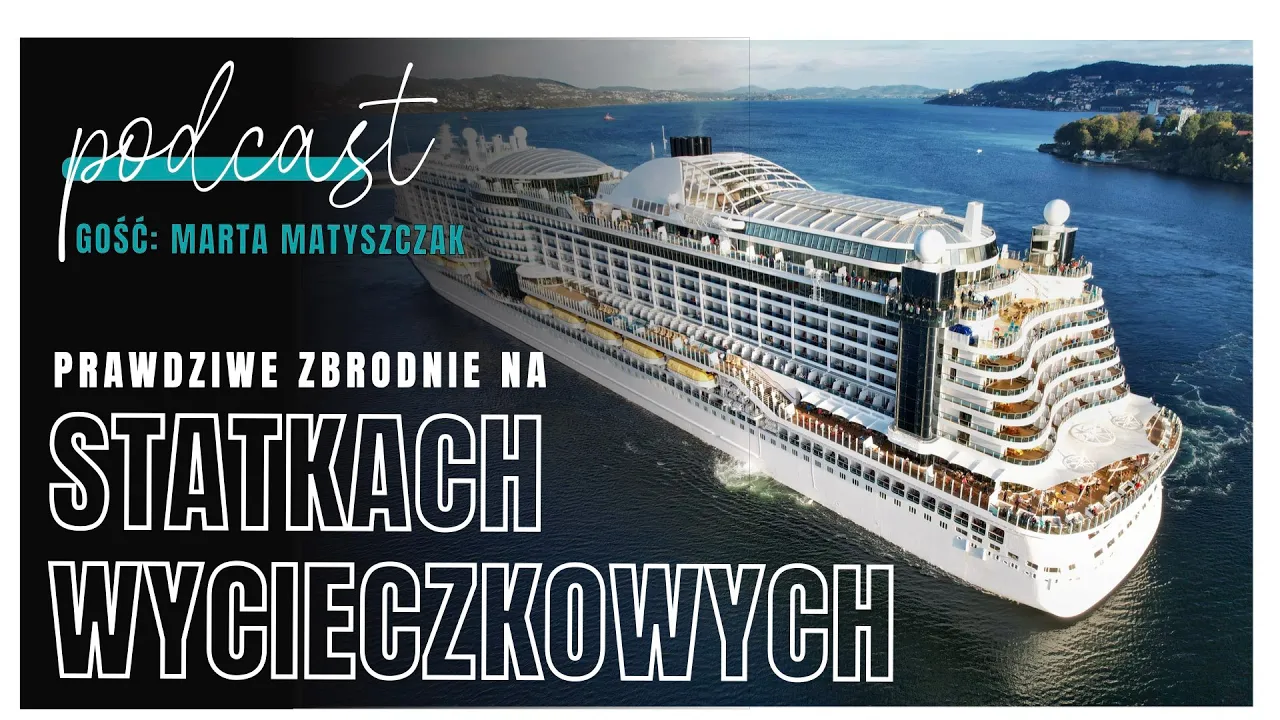
Critical studies on the cruise ship industry as 'total institutions' or 'tourist enclaves,' focusing on labor exploitation and environmental impacts.
3.4K views79likes31:25Original Release: 2020-10-22
hi my name is Jonathan Skinner and this is an attempt to cue you into the concept the tourist gaze and I want to give you some introduction to John AR's concept and to use some experiences to demonstrate how visual uh and how organized or institutionalized the tourist experience is so I'm starting with the first image which is a photograph of my father being sold one of a number of tourist experiences in marmaris in Turkey on uh cruise and you'll see how visual um the the the photograph is of the postcards um of the pictures of the boats of the experience of the Turkish Turkish bath of the um people on the pedalos in the background and postcards on the right so the whole tourist experience is Being Framed and it's almost as though he's been assaulted by this attempt to sell an experience for the tourist whil on vacation so for me this is a a powerful image and it's one that I really wanted to use as the cover of this book I coedited with my colleague Demetrius theodosopoulos Anthropologist at the University of Kent good friend and colleague uh called Great Expectations imagination and anticipation in tourism several years ago and we wanted to draw attention to the nature of the imagination in the tourist experience and how it's about expectations that are sold to the tourists uh and then are confirmed or disconfirmed not confirmed in the tourist experience that can lead to dissatisfaction if it's not confirmed but essentially there is a a marketing industry that sells a product for the tourist consumer this is very much based upon the imagination upon fantasy as we'll see in a minute or two and and upon the visual nature of the experience so it it instead we ended up with the the Coliseum H in Rome as the cover of the volume but it was it was a toss-up between these two um photographs I think the the detail on the one on the left and the family link was was was um the the defeating point should we say so so I'm trying to talk about um the concept of the Gaze and how it's um being applied by the sociologist John arri and it it's a concept that is important in terms of uh how we make sense of um our lives how we gain Insight quite literally insight into our lives how we make meanings and how we understand life around us so it's engaging with a a concept called some semiotics that I'll get into the science of signs and the main point is that in the tourist industry what you see and what you experience is organized it's institutionalized it's been controlled it's been ordered um by the tourist industry for the tourist in this image uh my father what John AR is doing in the tourist case is um he applying a concept from the French philosopher Michelle Fuko um who wrote about the idea of the gay what we look at what we see and and what's behind it um in this ocular Centric Society of Arts that concentrates upon this very dominant sense and Fuko develops the idea of the Gaye and johnari applies it to tourism hence the tourist Gaye for for Ari but Fuko was writing about the gays in his book The Birth of the clinic and this is where he traces the r of of modern medicine it's about the clinic and the Gaye that huker writes the clinic was probably the first attempt to order a science on the exercise and decisions of the gays the medical gaze was also organized in a new way it was no longer The Gaze of any Observer but that of a doctor supported and justified by an institution so Fuko was looking at the doctor doing his rounds around the hospital a 20th century practice 21st century still whereby the doctor just looks at the patients and then that gaze there is a whole background of power of medical knowledge that gaze upon the patients in is seen as being not a harmless simple glance an enjoyable leisured look but is one of a calculated learned medical examination you might say it's the doctor searching for symptoms that lead to the doctor's diagnosis and cure this Fu codian gaze AR adopts and applies to tourism for arri we gaze at what we encounter and this gaze is as socially organized and systematized as is the Gaze of the medic so what we're trying to say is that in the tourist industry there are experts who construct and devel develop our gays they decide what we tourists see of a place how we interact with the tourist destination what we take away from the place for example if you visit Disney World the illusion of make believe is fabricated and sold to the tourists in London the tourist is attracted and signposted to the London Eye not to whitelands campus for example this means that that people are deciding where and what and how the tourist consumes the product so this tourism is organized planned and systematically institutionalized it's run by the Disney Corporation or by The National Trust or English Heritage or the English tourist board or as we'll see in a couple of examples by the the cruise shipping um industry such as card lines so in this gaze Ari argues uh we have a gaze from place to place depending upon the culture and history of the people who are the tourists the tourist destination depends upon what the tourist wants to see and what the tourist wants to see depends upon one cl what class or background or interests the tourist has the job of these people marketing the airport transfers the rental car the the roads experiences the quad Safari the rafting the Jeep Safari the diving the boat trips the water park are to sell that EXP experience to my father and to try and tap into that um background that they they think he will want as a visiting tourist as a short-term um visiting tourist coming off one of the cruise ships one of the several thousand um visitors from that cruise so this way of looking at tourism is one which gives little role to the individual tourist sitting there they're quite passive tourism is organized by durkheim's Society it is constructed upon difference the difference between the tourist's workplace and their perceived leure destination so AR's aim is to consider how social groups construct their tourist gaze and how the tourist gaze is institutionalized because this is a good way of getting at just what is happening in normal society as well Ari notes that tourism has now moved from the forest mass production tourism such as the British Holiday Camp or seaside resort to a more post Forest era where consumption guides um production and holiday camps are now renamed holiday centers holiday Parks holiday worlds places of Freedom IU recognizes that travel indicates status and that tourism provides thousands of new jobs per week or did in the lockdown and the furlows and accounts for 6% of all UK consumer expenditure Ari knows the importance of Tourism but to look at the inner workings of Tourism he turns his Imperial gaze towards guide books The Tourist gaze is assisted by the guide book The Brochure and even you might say the postard and souvenir for example B's Paris guide books at the turn of the century in Victorian times mentioned the sewers the morg the old guide books along with the new guide books frame the tourist experiences they either tell the tourist what to look for what to avoid where to take photographs they give advice hence Trip Advisor when you're going on a holiday even the little guide book which fits into the tourist pocket is not harmless according to arri but a powerful means to control where the tourist stays what the tourist sees what the tourist does where the tourist spends their money what the tourist spends their money on the guide book is a part of the process which controls the tourist experience so AR summarizes some thoughts working from the the um the architecture um scholar from California Dean mcell in his book The Tourist and suggests that tourism is a quest for authenticity will explore through this course and the work of Malcolm Crick who suggest that all cultures are staged and a Victor Turner that tourism is a limonoid period when everyday obligations are suspended or inverted Ari develops even the idea of post tourists tourists who Delight in the inauthenticity of the normal tourist experience might say postmodern tourists an a phenomenon than a concept that we will explore as well these are tourists that know that there is no authentic tourist experience that they're merely in a series of tourist gazes or tourist games that can be played for their entertainment so arri is talking about a service industry one that Services the tourist appetites or the service of tourist desire for an authentic experience the tourist industry service changes to suit um that and yet it controls the tourist and increasingly it controls not just the tourist Gaye but the entire tourist experience and this is what I want to go on and give some examples of so that's the tourist gaze and we want to apply that now to some examples and case studies this is a picture of the Queen Mary 2 which is one of the kunard Lin's three um cruise ships um the Queen Mary itself is uh um a ship that was from the 1930s and is currently harbored in Long Beach California as a Heritage object and was one of the transatlantic uh liners that as the the billboard or poster shows offered the fastest ocean service in the world for example from Southampton to to New York Queen Mary 2 is the last remaining uh transatlantic liner a passenger liner transporting people across the Atlantic or from one location to another as opposed to a cruise ship which is more about the leisurly um cruising that Pro probably takes the passenger back to the the the departing um um Port the the queen mared 2 is um still in service uh it is offering Around the World packages in 2022 um is currently suspended due to covid and these images show the opulence and in its associations with um the the the sort of Victorian um uh era of the Titanic and um Quality um luxury um and the the the the segregation of passengers between um first class second class and third class and incidentally 1930s 1934 kod Lions bought the white star lion which um produced the the FED Titanic and you can see walk through tours of this last existing cruise ship these are some pictures of uh the dining room the split level dining room on the left for me and on the right um one of the walkways presumably through to one of the auditoriums or theaters it's currently offering cruises uh and its um strapl line for kunard cruises is to sail beyond your imagination and this for me Taps into that whole idea of imagination expectation um desire the the fantasy side to these um experiences for the tourists that's predicated upon difference into their orinary lives and to give you examples of cruises seven nights the Norwegian f towards the Magnificent Mountain scenery that lifts the soul on this round trip from Southampton glide through valleys and glistening Lakes to Wild beaches and colorful cities are washed with UNESCO sites seven night cruise 749 um pounds and some people are very much attracted to these holidays that are nfly holidays you can have your um transport pick you up from your home bring you with your luggage to the the the departing Port usually Southampton uh and it will collect you at the end at the end of the The Voyage so it appeals to uh the retired to people wanting a lered cruise to people not wanting the the hustle and bustle the stress of of flying and to some extent there's an appeal that every day you are waking up in a different destination and you're opening your cabin windows if you're lucky lucky enough to have a port hole um to have a balcony and you're seeing a different place so you're you're letting someone else um do the the traveling for you this appe appeals to John AR's recent work on the tourist gaze um H re evaluated where he concentrates more upon the idea of the mobility that um goes behind is embedded behind the Gates whether it's a stationary gaze whether it's a person on a bicycle or in a car car in a in a coach or on a cruise ship or on a plane so the Queen Mary uh advertises itself based upon the imagination um tapping into ideas of Glamour Venture and luxury it's the last remaining transatlantic liner in the world uh it was commissioned in 2003 13 decks travels maximum speed 30 knots it flies under the Bermuda flag but is part of the the British um business K line as part of Carnival Corporation um homebased I think Miami uh it's a large ship uh it has 2,600 passengers and approximately half again a number of crew and one Captain Burns 500 tons of fuel per day we will look at sustainability and the impact that cruises cruising has upon the Caribbean later on uh in these these sessions uh in those 13 decks has eight restaurants it has a theater it has a planetarium um it has the ability to Stage large shows and host audiences it has numerous shops it has um art um auction rooms and and it's also considered to be a post panamax ship in the sense that it's it's so high and so wide that it doesn't travel um between North and South America through the Panama Canal it has to go via um the the the the tip or the tail of of of South America to travel around the world and it does travel around the world what's interesting about the ship as you'll see from some of the images uh are my work on the ship alongside My Father John Skinner uh who was a destination lecturer and for those of you thinking about employment uh Cruise indust history uh dealing with different peoples um different cultural destinations uh it it fits very well with um anthropology you'll see here the dressing up for the shows and the theater and the excursions uh the cabin um in the lower deck uh a sort of split bed we were luy to have a port hole um usually if you're working on the cruise ships you're on a an inner-facing um cabin so you see no light and you have less air in the rooms and the the picture of me in the middle is on top of on the captain's deck and the job of the destination lecturer my father was giving a lecture about um one of the fields on the left uh is to sell the experience to the customers to talk to them about what they're about to see uh and to sell the um the tour products um of their excursions and I I helped out on the excursions my father was was selling the experience and we count as crew but but we we are afforded passenger uh levels of luxury to some extent and each day as you travel through the fields on that 7day Norwegian Cruise you talk to the passengers about what you see on either side of the ship so it's very much about site the visual nature of the experience and this cues in semiotics the science of signs so this is an example of a six o'clock in the morning talk a broadcast uh my father um telling the passengers what they're seeing and also what they're about to see on from the prow of the ship and we're luckily in the fields to be able to say what is on Port and what is on starboard and The View on the left as the the the beautiful ship Queen marit to navigates its way up the fields I think following another ship behind it so you're always anticipating what the tourist is seeing or about to see what is around that that corner um underneath that that mountain the the waterfall the the trolls um the the castle and and just as a a brief detour um from the Queen Mary to the Isle of white very recently photograph of my my dear wife we visited a garlic Farm on the AIS of white in a out of scene season fashion and and and it's interesting to try and work with this visual tourist gaze concept um to apply John arri to also to Dean mcel and his work on the the tourists so so we've looked at semiotics the science of signs um and how visually queued in we we are in terms of the the tourist experience and what we we want as a as a product those um liono times when we are tourists are times when the tourist is looking for a particular experience they've bought and paid for their their trep um and they are receiving or hoping to receive the The Experience um the authentic experience the real Norway um and yet the the tourist gaze we might say is manufactured for the tourist it's all thought out and worked out before it's all prescripted rather like that show that performance um of visiting um the fields and and the the Queen Mary does this same seven night cruise several times in in the year so we we we have semiotics it's a it's a concept it's a mixer of linguistics sociology anthropology and Dean mcel suggest that that semiotics is is key to the tourist attraction that it's part of the tourist gaze against the the connection with Ari Bano believes that a sign represents something to someone little bit um vague but I'll try and qualify and specify Dean mcel in his tourist is trying to argue that that tourist attractions are signs and he uses the term markers to try and exp expand on this to mean that the information about a particular site a plark a picture or a title and He suggests that to some extent those markers for the place are more important than the place itself I'll get to the garlic Farm in a second so for example sightseers do not in an empirical sense see a place such as New York or San Francisco or London they see particular places in in them Fisherman's Warf or alcat traps a cable car Golden Gates Bridge they see then elements of a set of Concepts um that constitute San Francisco each of these individual items is a symbolic marker for San Francisco or New York or London the city then is composed of numerous tourist attraction markers without seeing those markers the tourist feels that they haven't seen the experience they haven't done the destination you haven't done San Francisco if you haven't seen the golden gates Bridge you haven't done New York if you haven't seen the Statue of Liberty so the bridge or the statue is more than just a large suspension bridge or a a a large image of a person it represents a part of the city San Francisco or New York you might say in a metonymic fashion the part standing for the whole and it's the same in London where the tourist sees Big Ben as the symbolic marker for London or the houses of Parliament the tourist visits the symbolic Markus of the city and the tourist experience is not complete without a view of those particular markers and Mark canel gives us an interesting example to elaborate on this uh that leads into the garlic Farm the copyright Reasons I'm trying not to use any pictures other than my in these talks so that they can be public on YouTube otherwise I would um give you pictures of the books so Mel gives us an interesting example of the importance of the tourist marker what it is is he watched a young couple in the Washington DC zoo in midwinter when many of the birds had been and the animals have been removed from the outdoor cages to protect them from the low temperatures and there were several couples that were proceeding methodically from empty cage to empty cage reading and discussing the illustrative markers on each of the cages in this case the symbolic markers for those birds were more important than the birds which they were signifying so Mel explores the relationship between the marker and the site between the signifier and what is being signified between the signs for the bird and the bird itself between for example um the sign for the garlic and the garlic object itself so to give us the the garlic Farm we're on the aisle of white it's out of season there are boards um plaes discussing the the different types of garlic um where they're from how old they are how they are cooked and how they taste what they look like and beneath those plaes are examp of the garlics that you can find around the world outside of the garlic growing season there's just a hole in the ground and what was interesting visiting the garlic Farm several weeks ago was with my wife and son uh was the fact that that many tourists a very successful tourist establishment even outside of the Season were walking up and down this line of pla reading the Plax looking at the the these markers for these types of garlic in fact the the tourist attraction was was still extremely popular so it's similar to the the zoo example um socially distanced experience here now in linguistics there is no connection between a word and the object it signifies there's no natural connection between the word tree or ship and the tree or ship object and other languages the word for tree can differ arra in French Bal in German Tree in English the connection then in linguistics is arbitrary you see a ship behind me in the background so the ship word is a signifier for the ship concept which is being signified and you'll some of those of you who are um Eagle eyed will see that we've shifted part of the world and ships to Celebrity cruise liners in the Caribbean in I think San Juan Puerto Rico on a Caribbean cruise so Mell is taking this linguistic distinction and applying it to tourism give you another example for example bonfire night on bonfire night people let off fireworks they light bonfires why what for what does the social activity mean to look at the semiotics of the activity AC ity we see that the bombfire and the fireworks are the signifier and they are signifying what well guy for's failure to blow up houses of Parliament unfortunate in this case there is a closer connection between the signifier and the signified to give you a tourism example the relationship between the signifier and the signified appears with the connection between the Statue of Liberty and the concept Liberty we could say the Empire State Building is a site which serves as a symbolic marker for the sight seers Manhattan or that the Statue of Liberty is also a site which serves as a symbolic marker for the United States so a signifier can signify different things to different people Liberty for an American could be oppression for um a Libyan or a EU um poit ition the American dream um for for an immigrant so from this Mel argues that we make sense of everyday life that we sort of structure our lives around the understanding of these types of science systems the connection between the signifier and the signified between the ship signifier and the ship concept is where meaning comes from it's where meaning comes from and we'll explore other examples and illustrations from the the the the cultural politics of Tourism as as we progress so in in some cases Mel argues that even the tourist sites are transformed into semiotic markers themselves we can think of the Tomb of the Unknown Soldier is both tourist site a site destination and a symbolic marker it's a tableau of information as well as a site for visitors it combines the two semic functions so let me recap mcel and Ari believe that the tourist gaze is highly organized that the what the tourist sees and does is arranged and constituted it's packaged and commercialized controlled and institutionalized and from a canel sightseeing is semiotic to do with tourist images which are viewed and taken in by tourists quite literally taken in by small groups of people performing this sort of collective ritual but not only is the Tourist performing a ritual of observation but often the tourist is observing a ritual we'll explore this later on in this module but for now let me stop with this taster H and we will um pick up um imminently
Up Next

6:55
Sociology of Tourism: Key Theories & Modernity (60 chars)
@IntroductiontoSociologyChannel
8.9K views•2016-05-14
54:57
Contemporary Sociological Theory: Micro, Macro, Integrative
@NaSESYNC
45.7K views•2016-02-17
19:23
How to Analyze Conversations Scientifically | Elizabeth Stokoe | TEDx
@TEDx
1M views•2014-12-04
9:41
What is Sociology? The Sociological Perspective Explained
@crashcourse
4.6M views•2017-03-13
Related Study Plans & Knowledge Roadmaps
Structured learning paths in Sociology
sociology
Celebrity Culture: From Hollywood to TikTok
01Foundations of Celebrity Sociology
02The Rise of Micro-Celebrity & Digital Platforms
03Parasocial Relationships & Algorithmic Intimacy
+ 2 more learning modules
12h5 modules
Explore Roadmap
sociology
Hostile Architecture: Space, Power & Control
01Introduction to the Sociology of Space
02Social Control and Surveillance in the City
03Hostile Architecture and Defensive Design
+ 2 more learning modules
12h5 modules
Explore Roadmap
sociology
Loneliness Epidemic: Third Places & Isolation
01Foundations of Social Capital and Community Cohesion
02The Death of Third Places and Urban Space Erosion
03The Privatization of Leisure and Atomization
+ 2 more learning modules
12h5 modules
Explore Roadmap
sociology
Sociology of Tourism: Gaze, Power & Heritage
01Foundations of the Sociology of Travel and Leisure
02John Urry and the 'Tourist Gaze'
03Staged Authenticity and Cultural Commodification
+ 2 more learning modules
14h5 modules
Explore Roadmap