Disaster Sociology: Risk, Power & Recovery
Learning Goal: Analyze the sociology of disasters and crisis management, examining how structural vulnerability, Beck’s "risk society," and the mechanisms of "disaster capitalism" produce unequal recovery outcomes and shape collective resilience.
- Prerequisites: Introduction to Sociology (recommended but not required)
- Estimated Total Study Time: 15 hours (including video lectures, recommended readings, independent research, and self-assessments)
Module 1: Foundations of Disaster Sociology
This module introduces you to the core paradigm of disaster sociology: the understanding that "there is no such thing as a natural disaster." You will learn to distinguish between physical hazards (e.g., earthquakes, hurricanes, viruses) and the social disasters that occur when these hazards collide with unequal, historically conditioned human systems.
Recommended Videos
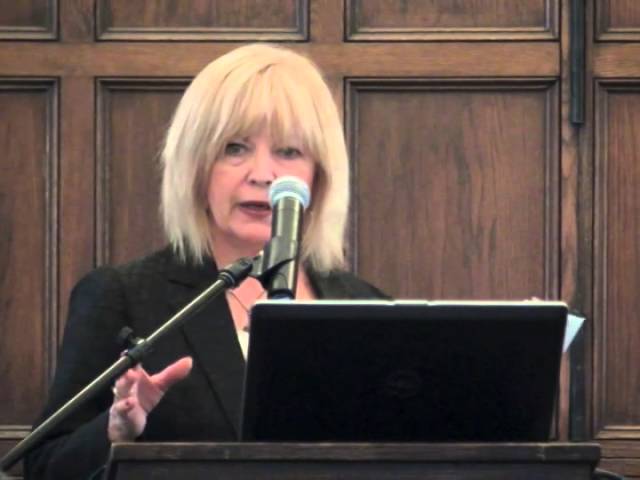
- Why this video: This academic lecture from the University of Chicago directly addresses the critical gap highlighted in the curriculum review. It provides a deep, rigorous, and theoretically grounded investigation into how disasters are socially constructed. It explores how human decisions, urban planning, and socioeconomic systems transform natural occurrences into devastating social crises.
- Knowledge Checkpoint:
- Explain the difference between a "natural hazard" and a "social disaster."
- Describe how political and economic decisions "produce" nature and shape human vulnerability.
- Identify the historical shifts in how human societies conceptualize their relationship with environmental disruptions.

- Why this video: This video offers a concise, foundational overview of the discipline. It outlines how sociologists depart from seismologists, hydrologists, or meteorologists by focusing on the disruption of social groups, institutions, and community structures rather than the physical forces themselves.
- Knowledge Checkpoint:
- Identify the distinct focus of a sociological approach to disaster compared to physical sciences.
- Define the primary social systems that destabilize or break down during a crisis.

- Why this video: This video introduces the three pillar concepts of disaster sociology: risk, vulnerability, and resilience. It illustrates how these concepts intersect dynamically when a physical hazard collides with a human population.
- Knowledge Checkpoint:
- Define risk, social vulnerability, and adaptive resilience in a sociological framework.
- Draw a conceptual model showing how a physical hazard transforms into a full-scale disaster through human-constructed vulnerability.
🔍 Independent Study Extension: To deepen your grounding in the social construction of disasters, use the search query:
"social construction of disasters academic lecture". Focus on literature discussing how historical policies shape present-day geographical vulnerabilities.
Module 2: Structural Vulnerability & Social Inequality
This module explores how pre-existing social structures—specifically race, class, gender, and age—dictate who survives a disaster and who is left behind during recovery. Through historical case studies, with a primary focus on Hurricane Katrina (2005), we analyze how environmental racism and systemic inequalities are laid bare and amplified by crises.
Recommended Videos

- Why this video: This video provides an exceptional structural critique of Hurricane Katrina. It demonstrates how historical housing segregation, redlining, and wealth disparities forced Black and low-income residents into low-lying, flood-prone areas of New Orleans, turning a category-strength storm into a localized humanitarian catastrophe.
- Knowledge Checkpoint:
- Describe the historical link between housing segregation, redlining, and flood vulnerability in New Orleans.
- Explain how lack of private transportation and physical resources restricted evacuation options for marginalized populations.
- Analyze how media framing during Katrina criminalized Black survivors while victimizing white survivors.
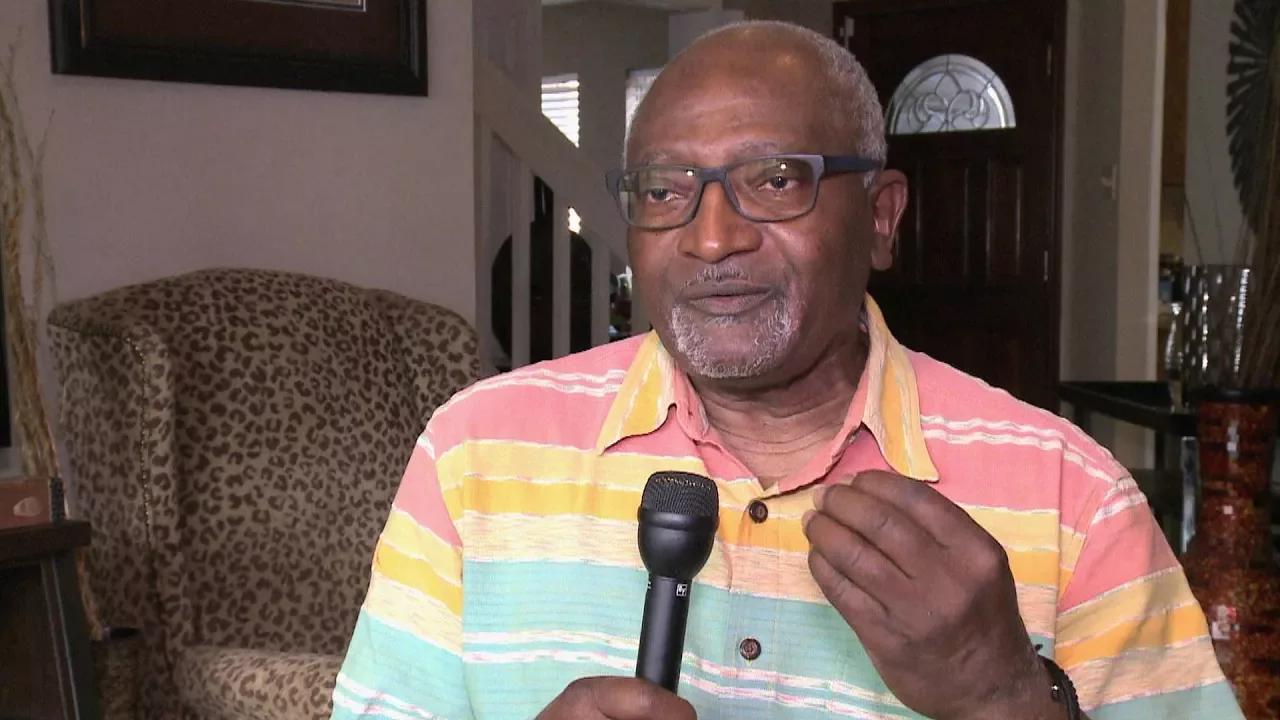
- Why this video: Featuring Dr. Robert Bullard, the foundational figure of environmental justice, this interview outlines how environmental racism deliberately concentrates toxic facilities, industrial pollution, and physical hazards near poor communities and communities of color.
- Knowledge Checkpoint:
- Define "environmental racism" using Dr. Bullard's framework.
- Explain how historical zoning laws and municipal neglect produce disproportionate ecological vulnerabilities in communities of color.
- Identify how recovery funds and institutional support are unequally distributed post-disaster along racial and class lines.

- Why this video: This conceptual clip outlines how social vulnerability acts as a multiplier of hazard risk. It provides a quick framework for identifying why different social groups have varying capacities to anticipate, cope with, resist, and recover from disasters.
- Knowledge Checkpoint:
- Explain how social vulnerability limits a community's capacity to "bounce back."
- List three social markers (e.g., age, income, language access) that directly impact an individual's survival options during an emergency.
Module 3: Ulrich Beck and the 'Risk Society'
This module examines Ulrich Beck's seminal sociological theory of the "Risk Society." We will deconstruct how industrial modernization has shifted human concerns from the distribution of goods (wealth, food, jobs) to the distribution and mitigation of bads (technological, ecological, and chemical hazards). Crucially, we explore Beck's concept of "manufactured risks"—hazards produced directly by human technological systems that ignore national boundaries but compound existing local inequalities.
Recommended Videos
- Why this video: This is a comprehensive academic lecture detailing Ulrich Beck’s core thesis. It explains how modernization transitioned from "classical modernity" (focused on wealth distribution) to "second modernity" (focused on risk management). It explains how modern risks (nuclear, chemical, biological, climate-related) are self-generated by industrial success rather than natural scarcity.
- Knowledge Checkpoint:
- Contrast "classical modernity" with "risk society" (second modernity).
- Define "manufactured risk" and explain how it differs from traditional, natural hazards.
- Explain Beck’s concept of the "boomerang effect" in risk distribution.

- Why this video: This concise explainer introduces the unique characteristics of contemporary risks under Beck's theory—specifically that they are often invisible, undetectable to human senses without scientific instruments (e.g., radiation, microplastics), and globally democratized yet locally unequal.
- Knowledge Checkpoint:
- Why does Beck argue that modern risks are "invisible" and require scientific mediation to be known?
- Explain how modern risks transcend national borders and class divisions, while still disproportionately impacting vulnerable populations.
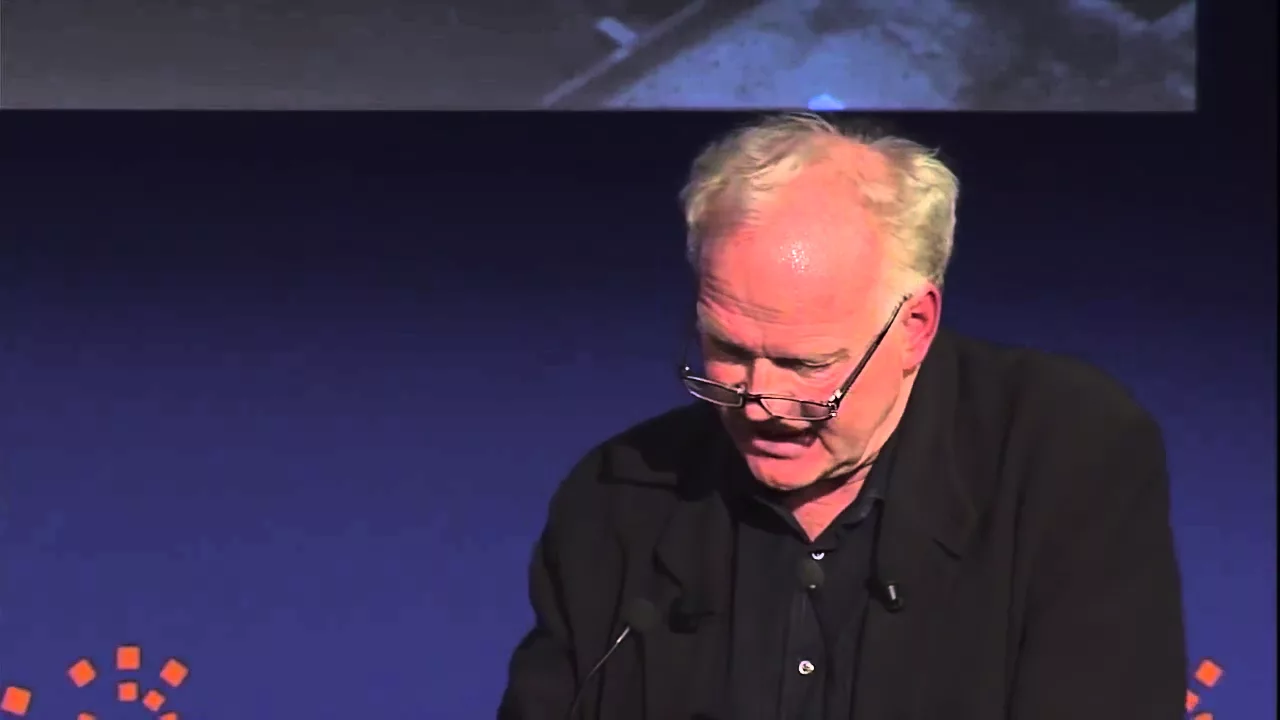
- Why this video: This academic and political panel discussion offers an in-depth, real-world exploration of how contemporary global systems cope with systemic "world risk society" dynamics. It discusses how climate change, financial crises, and technological dependencies are managed at international levels.
- Knowledge Checkpoint:
- Define "world risk society" and how it impacts international relations and global governance.
- Explain why traditional nation-state boundaries fail when responding to contemporary manufactured risks.
- Critically evaluate how institutions attempt to construct "certainty" in an age of manufactured scientific doubt.
🔍 Independent Study Extension: Beck's theory is heavily applied to modern ecological crises. For deeper research on how climate change represents the ultimate manufactured risk, search for:
"manufactured risk Ulrich Beck climate change lecture".
Module 4: Disaster Capitalism & The Shock Doctrine
This module investigates Naomi Klein’s critical concept of "disaster capitalism." You will explore how free-market reformers, multinational corporations, and neoliberal states systematically exploit moments of collective trauma—such as natural disasters, wars, or economic collapses—to push through unpopular privatization, deregulation, and public-sector dismantling policies while the public is in a state of shock.
Recommended Videos

- Why this video: This feature-length documentary presents Naomi Klein’s complete thesis. It traces the history of Milton Friedman's Chicago School of Economics and details how "shock therapy" was systematically applied to disaster-ravaged areas (such as post-Katrina New Orleans and post-tsunami Sri Lanka) to privatize public education, public housing, and natural resources.
- Knowledge Checkpoint:
- Define the core mechanism of "The Shock Doctrine."
- Explain how public disorientation during a crisis allows governments to pass highly unpopular neoliberal economic reforms.
- Give examples of public infrastructure (e.g., schools, housing, water) targeted for privatization following a disaster.
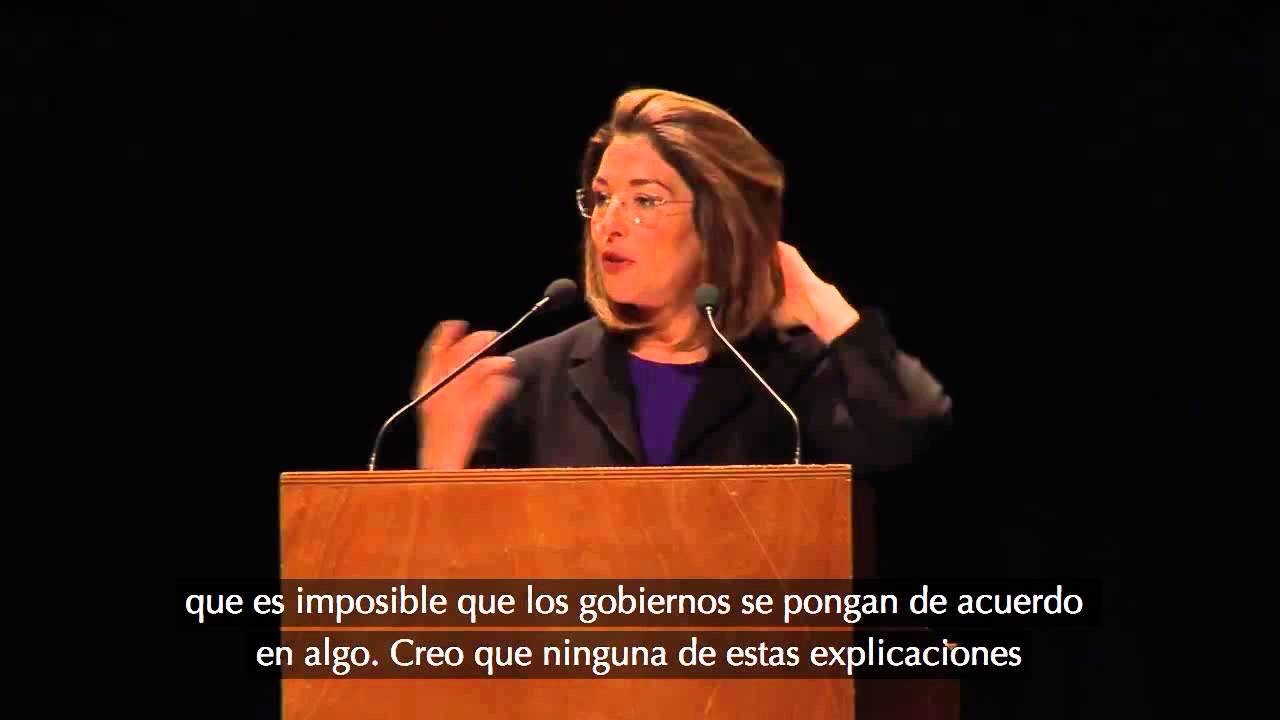
- Why this video: In this speech, Naomi Klein directly articulates the political-economic dynamics of disaster capitalism, warning that unless communities prepare "radical alternatives," elites will continue to utilize crises to further concentrate wealth.
- Knowledge Checkpoint:
- Contrast the goals of "disaster capitalists" with the needs of local communities during recovery.
- Explain why Klein advocates for preemptive, radical community plans to resist market exploitation post-disaster.

- Why this video: This video focuses on post-Katrina New Orleans to show the immediate structural patterns of privatization. It highlights the deployment of private military contractors (such as Blackwater) to police affected areas, and the exploitation of undocumented immigrant labor in the rapid reconstruction process.
- Knowledge Checkpoint:
- Describe the role of private military and security contractors in the immediate aftermath of Hurricane Katrina.
- Analyze how disaster recovery structures exploit marginalized, precarious labor forces (e.g., undocumented workers) to rebuild infrastructure.
Module 5: State Crisis Management, Mutual Aid & Collective Resilience
This module contrasts top-down, bureaucratic, and often militarized state-led crisis management with horizontal, bottom-up community resilience and mutual aid networks. You will examine structural critiques of how the state apparatus (such as FEMA and the Department of Homeland Security) frequently treats disaster survivors as national security threats, and contrast this with how communities leverage social capital and mutual aid to organize equitable, long-term survival.
Recommended Videos

- Why this video: This video addresses a major gap highlighted in the curriculum feedback by offering a systemic, institutional critique of bureaucratic, state-led crisis response. It details how the integration of FEMA into the Department of Homeland Security post-9/11 militarized disaster response, shifting focus away from humanitarian aid towards security and population control.
- Knowledge Checkpoint:
- Explain how the creation of the Department of Homeland Security altered the institutional mission of FEMA.
- Analyze the consequences of treating a civilian disaster through a national security, counter-terrorism framework.
- Identify the structural bottlenecks inherent in highly centralized, top-down bureaucratic emergency management.

- Why this video: This video introduces mutual aid as a vital alternative to failed state infrastructure, focusing on the historical example of the Common Ground Collective in New Orleans after Hurricane Katrina.
- Knowledge Checkpoint:
- Define "mutual aid" and distinguish it from traditional, top-down institutional charity.
- Explain how the Common Ground Collective organized community-led relief when state institutions failed.
- Discuss the political philosophy behind the phrase "solidarity, not charity."

- Why this video: Featuring prominent organizer Mariame Kaba, this video details the structure and growth of mutual aid networks during systemic crises. It highlights how horizontal, self-organized solidarity builds sustainable community power.
- Knowledge Checkpoint:
- Explain how mutual aid networks leverage local knowledge and horizontal organizing to deliver fast, targeted relief.
- Discuss why mutual aid is inherently political, rather than just emergency service delivery.

- Why this video: This video highlights empirical evidence demonstrating that communities with high levels of social capital, Trust, and deep social bonds consistently experience lower mortality rates and faster recovery times during disasters compared to socially fragmented neighborhoods.
- Knowledge Checkpoint:
- Define "social capital" in the context of community resilience.
- Explain why neighborhood-level social bonds are more effective in immediate crisis survival than formal rescue services.
🔍 Independent Study Extension: The conflict between state control and community-led response is a core sociological debate. To explore how militarization harms recovery, search for:
"critique of militarized disaster response sociology"and"state failure emergency management sociology".
Course Map
This flowchart outlines the structural sequence of the modules. It highlights how the foundational conceptual frameworks (M1) feed into structural (M2) and theoretical (M3) analyses, which in turn prepare you to understand critical political-economic critiques (M4) and strategic community-level alternatives (M5).
Key People Index
- Dr. Robert Bullard (Featured in Module 2)
- Context: Widely regarded as the "Father of Environmental Justice." His pioneering research in Houston, Texas, proved that municipal solid waste sites, toxic dumps, and chemical plants are systematically and disproportionately located in Black neighborhoods. This research laid the groundwork for the sociological study of environmental racism and structural disaster vulnerability.
- Ulrich Beck (Featured in Module 3)
- Context: Renowned German sociologist who authored Risk Society (1986). He posited that late-modern societies are organized around the management, definition, and unequal distribution of manufactured technological risks. His work reframed modern environmental sociology.
- Naomi Klein (Featured in Module 4)
- Context: Acclaimed journalist, activist, and author of The Shock Doctrine: The Rise of Disaster Capitalism (2007). Her work exposes how neoliberal economists and corporate entities exploit catastrophic events to implement radical privatization and free-market policies.
- Mariame Kaba (Featured in Module 5)
- Context: Educator, organizer, and leading voice in mutual aid and transformative justice. She provides crucial frameworks distinguishing democratic, horizontal mutual aid from top-down capitalist philanthropy.
Final Self-Assessment
Complete this comprehensive self-assessment to verify your mastery of the curriculum's learning goals.
- Distinguish between a physical hazard (e.g., an atmospheric low-pressure system) and a social disaster (e.g., structural failure and lack of evacuation infrastructure).
- Define the term "social vulnerability" and explain how markers like race, class, gender, and disability intersect to produce unequal disaster mortality rates.
- Deconstruct the events of Hurricane Katrina (2005) through a structural sociological lens, identifying at least two pre-existing policy failures that shaped the unequal impacts of the storm.
- Explain Ulrich Beck's concept of "manufactured risk" and contrast it with traditional natural hazards.
- Articulate how the "boomerang effect" in a risk society functions, detailing how risks generated by industrial wealth-building eventually threaten the elites who generated them.
- Define "disaster capitalism" and provide a real-world example of public infrastructure being privatized under the guise of "recovery."
- Deconstruct the political mechanisms of Naomi Klein's "Shock Doctrine," detailing the relationship between public trauma and neoliberal deregulation.
- Contrast the institutional goals of a militarized emergency response (focused on population control, security, and asset protection) with a humanitarian response.
- Define "mutual aid" and defend the statement: "Mutual aid is a form of political solidarity, not charity."
- Explain the role of localized social capital and horizontal neighborhood networks in reducing post-disaster mortality rates.