







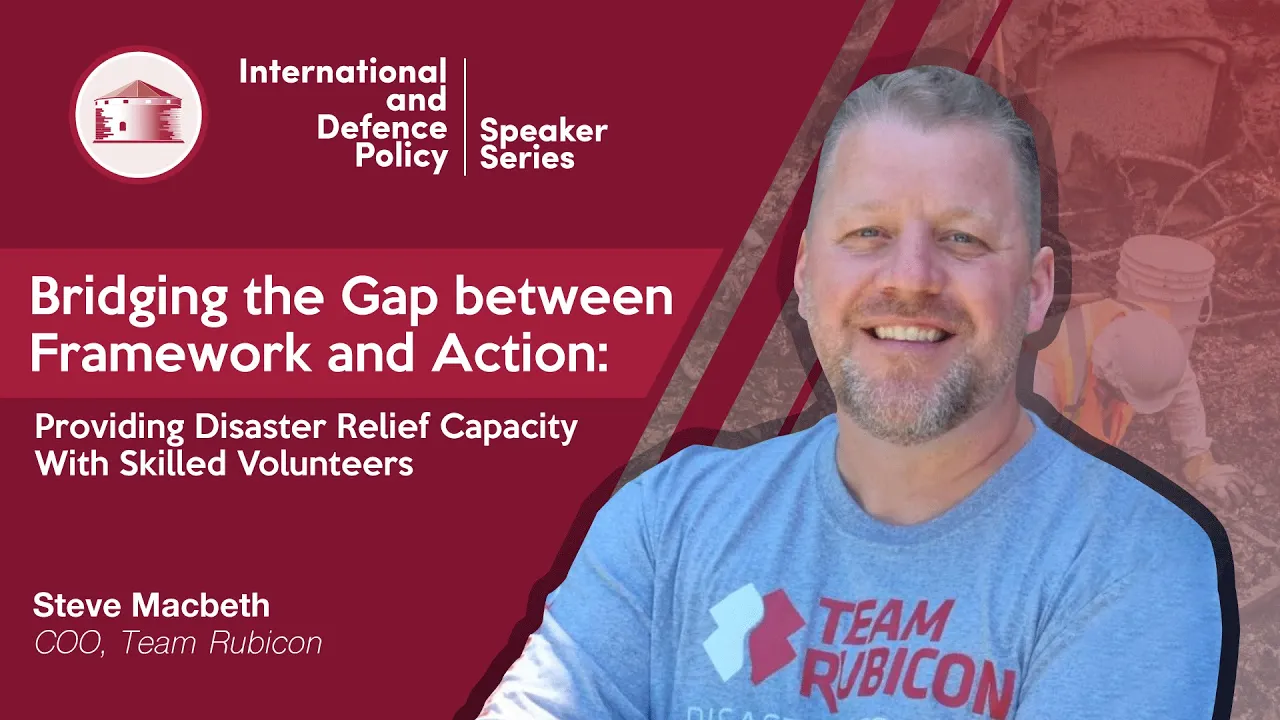



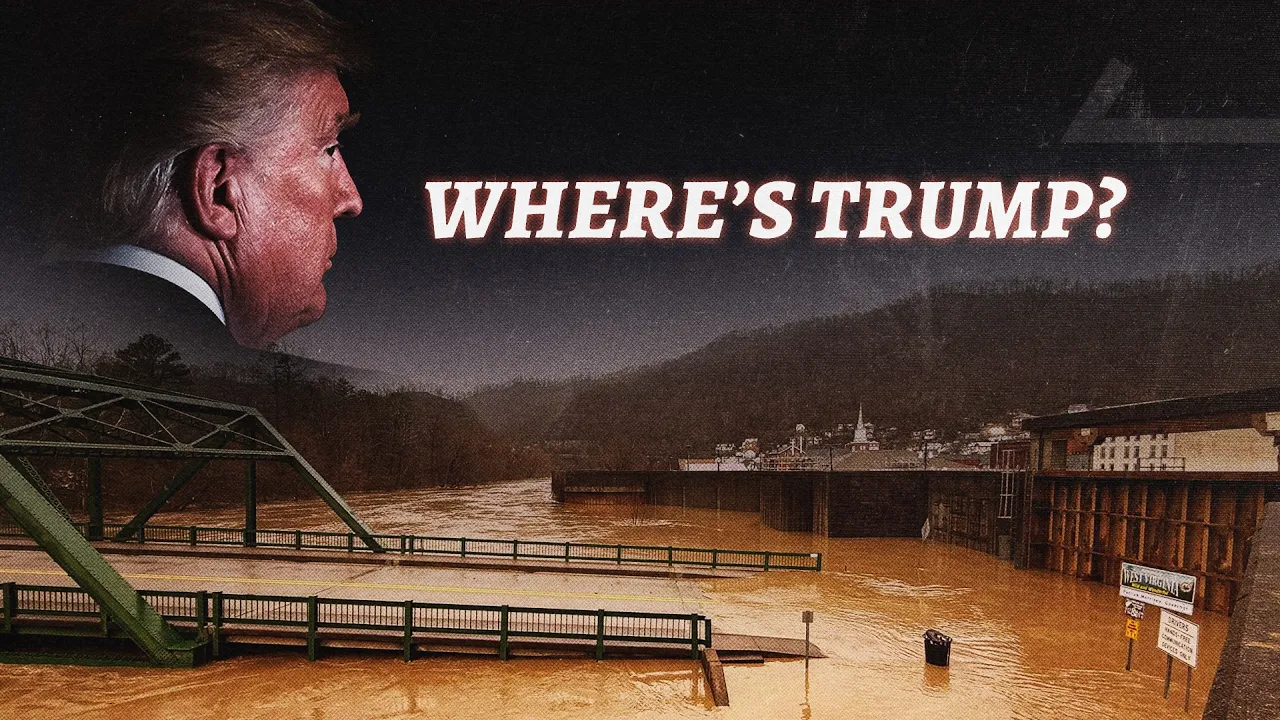
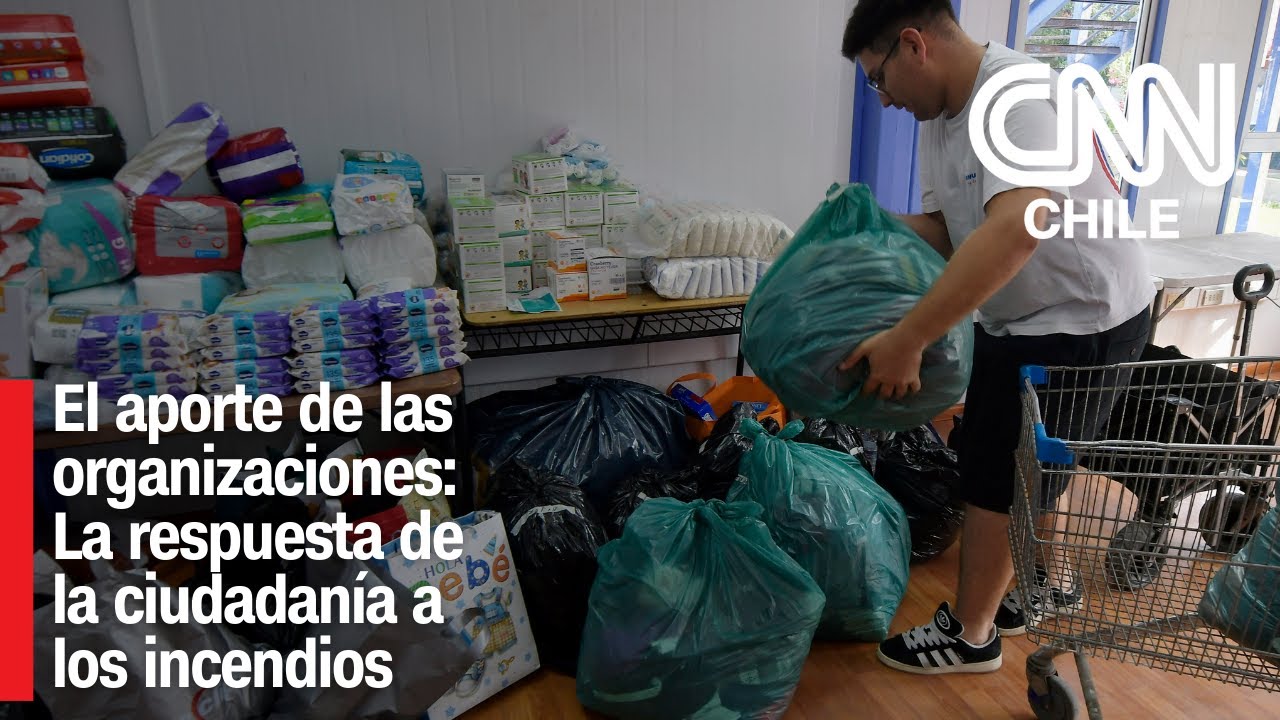

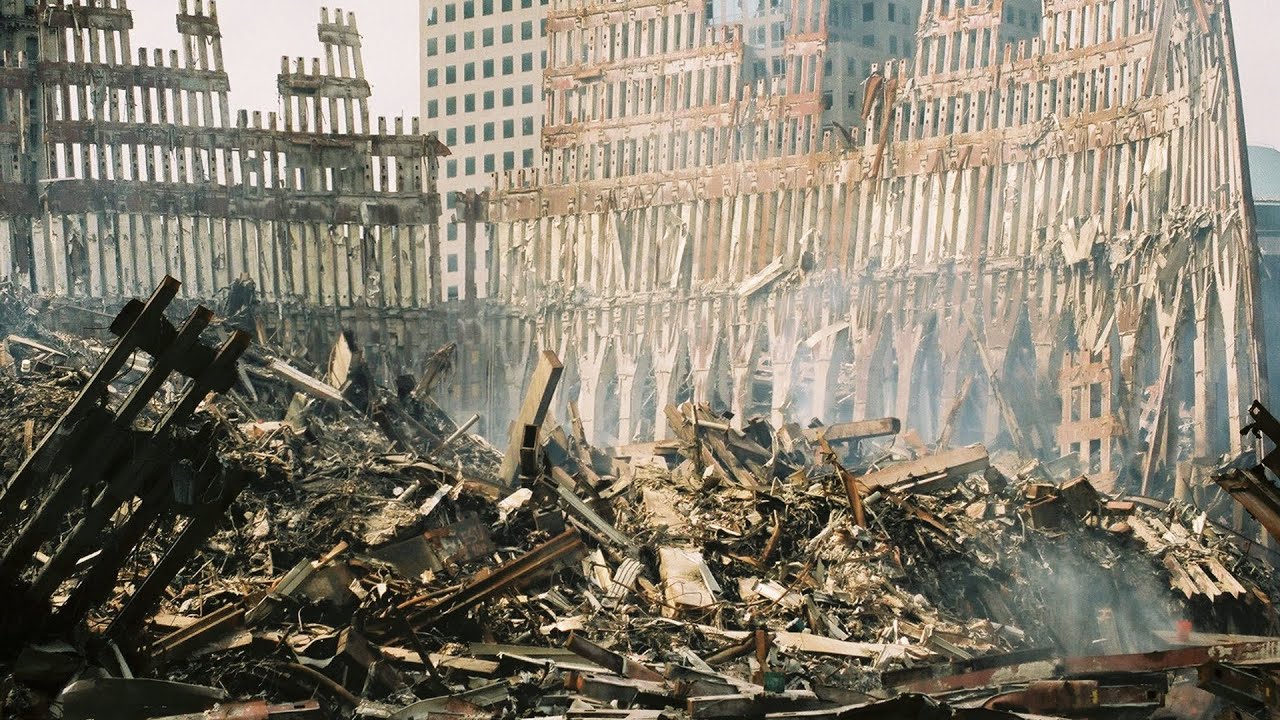


The centralization of emergency management after 9/11, particularly through the merger of FEMA into the Department of Homeland Security, has created a bureaucratic system that prioritizes federal compliance over local knowledge and citizen initiative. This centralization has resulted in emergency managers being unable to respond effectively to disasters because they are consumed by federal grant paperwork and compliance requirements rather than local planning. The federal government has created expectations of being 'your federal family' while simultaneously obstructing citizen volunteers and local responders who could provide more effective assistance. This dynamic has been observed in Hurricane Helene's response in North Carolina, where private enterprise and civil society proved more effective than federal agencies.
Federal Emergency Management and Hurricane Helene: A Policy Analysis
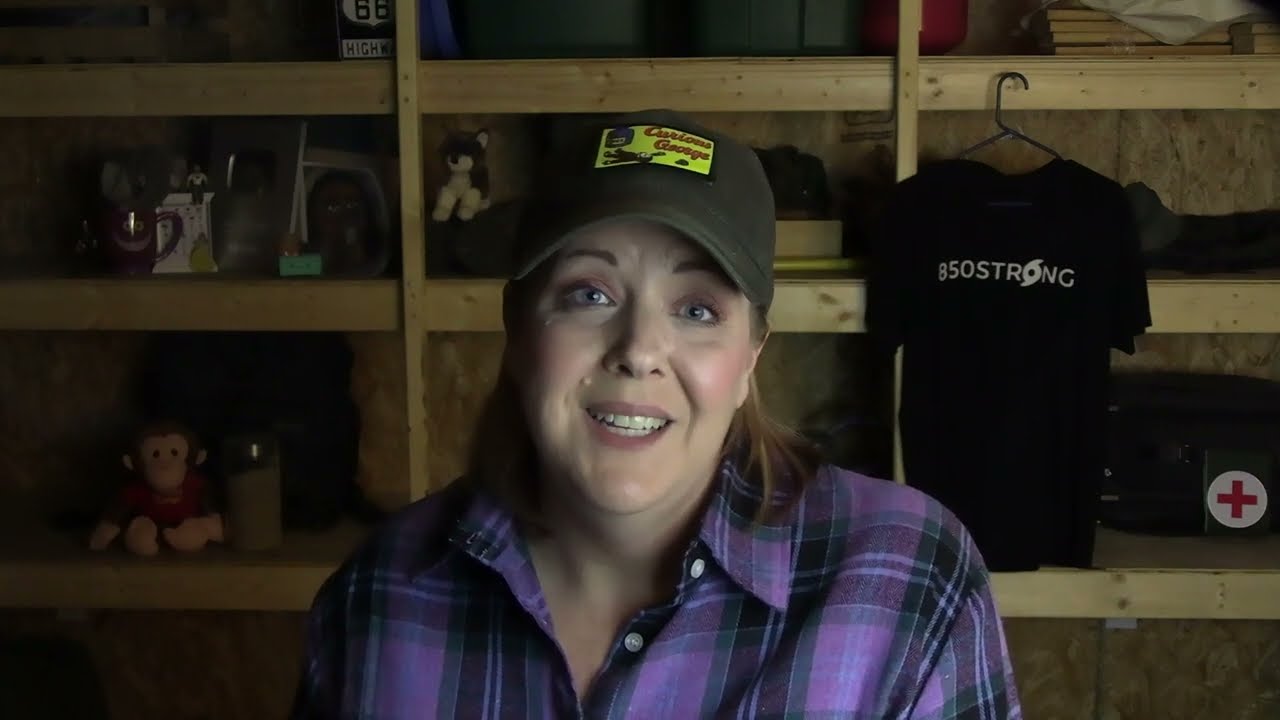
Added:welcome to kib on Liberty this week I'm talking to Amy leore who is a policy expert on the increased federalization of Emergency Management in this country she is going to answer the question as to why on Earth Homeland Security FEMA and their Minions on the ground are so hostile to the victims of the hurricane in North Carolina check it out [Music] welcome to kiby on Liberty Amy it's good to finally meet you in person I'm so glad to meet you Matt yes um uh your expertise is particularly timely right now and you you have uh you actually wrote your PhD on Emergency Management and the centralization of government power and you worked in emergency management and you are a Libertarian as well so you like you're you're checking all the boxes I need to to get a handle on what's happening in North Carolina uh in the surrounding areas right now in terms of uh the response from the federal government and context for this whole story because I want to I want to take a step back is uh a lot of people including Elon Musk and Glenn Beck and our own Sarah Higden who is part of the free the people staff she's on the ground in Asheville right now A friend of mine Melissa man he actually lives in Asheville so I'm I'm getting a lot of I think sub stantial corroborated stories about um FEMA either being absent or getting in the way and that the only positive things that are happening in the area are basically private Enterprise Civil Society churches and I think that's a story that that is told again and again um but you you live this like you you actually worked did you work for FEMA or did you work for Emergency Management what did you do yeah I was responsible for Emergency Management for a county in Maryland a long time okay and and that's sort of your libertarian origin story right it is absolutely my origin story yeah no doubt it uh it didn't take long in that career field to look around uh to see our our interactions with the public to see our interactions with FEMA uh and the other like Department of Homeland funding sources and to start to to ask questions about uh the the impact of the that money uh the impact of how we treated and how we thought about citizens as important responders uh it it didn't take long in that career field to to make the the make it come full circle for me that that um I needed to explore a bit further which is how I ended up um getting my doctorate I had no intentions of going on to a PhD but I had big burning questions that I wanted to answer tell tell me a story that that was sort of your eye-opening moment of of sort of uh bureaucratic uh either diffidence or hostility towards citizens trying to solve problems after an emergency I'll tell you to too quick stories uh the the first is an anecdote um tropical storm Lee came through uh and impacted the the cisana River Valley area uh and notably when that happened Cecil County Maryland where I worked becomes impacted and there were businesses and homes in a town called Port Deposit and Port Deposit if you are from that area is notorious for flooding um but this was a particularly bad storm um and I had not only the the duty to respond in to to build a team to make sure we could help with those recovery efforts but also to to Liaison with the homeowners and the business owners there who you know FEMA sent a message for many decades they even use the term we are your federal family right after 911 and after 2012 I think it was um I forget actually which hurricane it was but but they they continued to kind of in in iteration use this term we're your federal family we're leaning forward that's a creepy phrase by the way it's an incredibly creepy phase and and I I tackle that in some of my in some of my work but you know in in defense of of the homeowners they were led to believe for decades that FEMA could respond that there was money available uh that that the small business administration had loans to spare to help with business recovery and I had the the the chore of having to tell those homeowners those businesses you didn't meet the threshold your neighbor did because they had a more flooding than you or more damage than you um or your you know your neighboring business did but your business there are no loans available to you so that for me that was one of the um opportunities for me to to Really eye opening for me to see it is an unfair situation but more more than that we are really um misleading the public when we tell them uh that your local state or federal government is prepared to respond in uh the the good folks from George Mason they of course know this this has been kind of in the the vein of their research which is that Community networks are are most empowering and most able to respond to local needs they have local knowledge that government planners can't have but to more specifically answer your question I think you're you know you're you're kind of um leaning on to something I said earlier which is there's really an opinion about citizens and what they're capable of in the post 911 environment in emergency services I think that um responders were really empowered with what I I think of as like a see something say something mentality a mentality that was crafted by a domestic war on terror um the idea that we're all fighting Al-Qaeda here and so your your Beat cop uh became um not just a guy you know because he gets his haircut next to at the barber shop and you know his dad CU he coached you in baseball U but um responders and I'm not just talking about law enforcement but this I think seeps down into the EMS World certainly the Emergency Management world the opinion of the citizen became almost adversarial there are responders there are people who kind of have a a badge and some Authority and really I think this was built up by the homeland security Advent and I think uh their opinion of the citizen became lesser it was almost a separation that um I can I could see in my own career and I didn't like it which again is another thing that led me down the road of wanting to ask why yeah um so you um left that job at some point and decided to get your PhD in Emergency Management basically what is what is the what is your degree in yeah the degree itself is in public policy so more of a broad um public policy folks would know it now as the Biden School of Public Policy it wasn't that when I was studying there so uh but I this is B this is back when Biden was sentient I suspect uh that is questionable but it certainly was back when he was storing his documents that were not allowed to see at the University of Delaware so it it checks out so the degree itself was in urban Affairs and public policy uh and in choosing a dissertation topic and choosing something I would submerse myself in for a couple of years I was part-time I was still working at the time so uh I wanted to take a look at uh the again I wanted to really um dig into the things I thought I saw because I looked at my colleagues and I thought if if I'm seeing this as an emergency manager what are my colleagues in other jurisdictions seeing and so I launched what I at this point still believe to be the only Nationwide study of uh two 2,300 plus counties uh and I surveyed their their emergency managers uh the the response was I think 700 in full so a decent response rate for for that kind of study uh and I asked them what they thought about Emergency Management I I I asked them how they intend to use the money does the money and and this is really kind of the Crux of it I asked them does the money impact how you respond does it impede your ability to use local knowledge to respond appropriately because you're going after federal dollars and you know as I do the federal compliance metrics puts a whole new dimension on grant funding and and operations and overwhelmingly their answer was yeah and then that was made even worse by a follow-up question which is okay so um Federal funding impedes your your ability to respond appropriately in your local community are you applying for other types of funding are you looking to shift away from federal funding if we can see it as unhealthy for your jurisdiction are you moving away from that and overwhelmingly and I mean like in the 90th per the response was no we're not trying to do something different there is an addiction captured absolutely absolutely and but you know we and I those those questions um for someone who might be watching those questions may seem straightforward of course they want the money of course they don't but it is important to understand because it there is a second piece to this it's not just that they are using federal funds it's that those federal funds come with compliance and and dictates and require so much administrative work that how could the emergency management team be doing anything other they're not engaged in local planning if they're filling out grant paperwork for the feds yeah and in small shops like the one I worked in you have to make that decision it becomes uh completely centralized and bureaucratized and it it's also so it so it reminds me I'm I've been obsessed with the dis disastrous government response to covid and in the process of digging and digging and digging you discover that the reason Anthony fouchy had so much power is that he sat on top a pile of money the NIH um after 911 there's there's an analogy here with what you're describing after 911 F she uh got all this money and power and basically centralized scientific research and and and medical research at universities and without the imprimer of NIH you couldn't do anything which means you couldn't question the NIH blessed Paradigm and that's precisely what you're talking about here it becomes it becomes this centralized bureaucracy where um local knowledge to your earlier story local knowledge is not only not respected it's um it's demonized and mistrusted and I'll go a step further because it's absolutely the case covid um I think for me when I look back at the the merge between DHS and FEMA after 911 the onslaught of funds into state and local jurisdictions The Next Step the next stop where I thought oh the things I've been concerned about appear to be coming to pass was Co because I think that in the the murky background of Co if you think only about local operations how Health departments responded how local law enforcement how local EMS responded in the background of that lurks that attitude we talked about which is an opinion a heated opinion born of this domestic war on terror attitude that um that I think many First Responders carry with them not all but many and so I think that that everything that happened between 911 and and 2020 roughly um set the stage for what local responders were willing to do local public health was thrilled to receive money to roll out a vaccine they knew nothing about local law enforcement was more than happy to arrest a guy on a beach or a family playing softball right or someone who didn't want to wear a mask in our own um in our own County uh we have a friend and colleague who simply didn't didn't want to wear masks she even uh went equipped with a medical note to a school board and the cops pulled her out of there the mentality that was born of this merger between terrorism and natural disaster which is really where FEMA's Focus was prior to 911 that merger um made far worse the the idea that I don't believe in a federal government anyway so that we have federal agencies uh is is something we just deal with but that merger and not only the money that came after but the attitude that was instilled in local response uh really set the state for what they were willing to do to their neighbors during Co and it is unconscionable fascinating and disgusting so let's go back to um um 911 and the creation of the Department of Homeland Security or maybe you want to go back a little bit further in terms of the centralization of of disaster released and Emergency Management um that I guess it starts with um the establishment of declaring emergencies and what that triggers yeah this is this is an excellent point and um one that we can we can talk about I think with some not just historically but even even uh modern day so uh the disaster declaration is a notoriously politicized process and I'm sure that no one is surprised about that but the Stafford act if we are taking a look at uh legislation and policy which has really um has has made change the Stafford act really set in stone that that declaration process and heightened the extent to which it was politicized and so you see kind of a competition across administrations and across States a a race for the money and a lessening of um what the parameters are to get a declaration when I think when the public hears of an emergency declaration a presidentially declared declar um state of emergency they're thinking about um something like um Hurricane Katrina or Sandy uh or Maria or or what we are dealing with now but the truth is there are presidential emergency declarations for snow removal an example uh in my own career I think twice Cecil County uh received record-breaking snowfall and with that came hundreds of thousands if not ac across the course of two millions of dollars for snow removal how that becomes the purview of the federal government is is nothing I will ever understand and I worked directly with a set of contractors that FEMA sent in after these snow events and they would say to us we would say well you know we we had a number of expenses um and these We Believe may be covered and they would say no put everything on there get everything you can and this is another point of my career I said how is this how is this okay the snow removal from the roads is the responsibility of the federal government and therefore the responsibility of tax dollars coming from Michigan California this is unfair and this is not a sustainable system um but in terms of declarations it has been increasingly politicized size do you see it play out when um um there is a declaration uh and somebody in in in Kentucky for example and you said well shouldn't they be rejecting it you know because there are they have some libertarian leaning senators and and Congress persons coming out of there and the answer is um that that provides an opportunity again for um kind of argument on the federal level and politization of the process but uh it also as you you kind of have noted Co the Declaration process during Co did the same thing right the full force of the federal of the federal family uh leaning in on making sure people were vaccinated couldn't leave their homes that businesses were shut down and uh employing the state and local governments by virtue of giving them lots of money for respon there's cares Act and the arpa uh dollars that that provided them an opportunity to respond continue to build their bureaucracies everybody thinks the co money probably went to something pertaining to co it's not the case it's absolutely not the case they are building buildings with it they're employing more staff with it they're doing taking care of additional Public Health initiatives with it uh and building you know uh building up their militarized organizations with it as well I have exciting news our latest documentary the free life portrait of an artist a project that we've been working on for several years here at free the people is finally available to view this is a story of my friend Carlos Luna in art artist who had to flee communist Cuba in order to create the beautiful things that he does now in Miami Florida his grandmother actually told him you must leave if you want to create your art it's a beautiful story it's a hero's journey and you have an opportunity now to see it for the very first time go to watchfree theep people.org it's $9.99 this is the first time you'll be able to see it we've been showing it at film festivals we've been winning Awards now have your chance I'm eager to hear what you think about it so check it out watchfree.org so the Stafford act I believe precedes 911 yes um but it sort of is one of the the seeds that are planted that that allow for um the the radical centralization um where FEMA gets absorbed by the new Department of Homeland Security yeah so yeah so at the at post 911 um when when Homeland Security uh at its Inception uh and it's taking under its wing of FEMA is exactly what I think has caused again it's a two-pronged problem not only the funding that came with that for local jurisdictions to buy Bearcats when they have 100 population you know but but also kind of this not just the money but also this attitude this um you know we're all it together see something say something you're fighting Al-Qaeda here here in the US mentality that I think um mobilized the responding the response community in a way that pits them against the citizen and you you you said this earlier but it it it appears to apply particularly towards uh the bush administration's um inept response to Katrina um I recall as as a guy that was heavily involved in public policy particularly budget politics um budget policy um I was surprised at this expectation that it was a federal responsibility to fix um New Orleans um but of course they had created this expectation with the with the subsuming of of FEMA in homeland security that it was now a federal responsibility to do this and then then George W bush bless his heart says brownie you're doing a great job and the hits the fan yeah um was Katrina another sort of Benchmark like after Katrina it it is a federal responsibility everywhere and always is that is that true or was it before that so I think that because Katrina is um because Hurricane Katrina was so devastating in the eyes of anyone who watched and the News you know the 24-hour news cycle um made kind of laid be what was going on in Katrina um I think that probably it has set the stage for increasing centralization I think post uh post Hurricane Katrina uh there there was a commission they did some some research and they found much like what we find after 911 there was poor planning poor Communications uh so kind of reiterated the concerns we have With Disaster Response generally but I think that there was never any going I think you're correct there was never really any going back after Hurricane Katrina and we know two things and that and we from Hurricane Katrina we can see them play out today as well federal government not only has kind of bears the weight of fiscal responsibility um but but and and it has also built up um an expectation from the public they will respond but they also are an incredible barrier to response yeah and and it makes one wonder why you would build up such a responsibility why you would really message that you can be accountable for local disaster uh and then you would it almost feels like work to make it unsuccessful so we know do you remember the picture of the buses mhm we know that there was an agreement between FEMA and a local contractor and that local contractor um continued to receive millions of dollars after that picture was taken but there was a breakdown in in communication which did not permit proper evacuation those buses were to be used for that there was an agement that was pre-existing so that is one example and I I think the stories coming out of Asheville and places like it are much the same fuma messages we're prepared to respond um we are your federal family uh and now what we see is not only forgetting to use the buses for evacuation we see blockades we're seeing citizen volunteers turned away and one of the most concerning things that I see right now is it used to be that FEMA kind of stood alone in their in their willingness to push back against um in their willingness to push back against kind of Citizen as first responder um although their language has softened over the last couple of years we are seeing State organizations start to take this stance as well that government does it best most notably the Tennessee Emergency Management agency when I saw this I was a guest uh said to people we don't want your donations we don't need your donations and essentially your donations are a pain in the but but right I don't know if you saw that and people lost their minds and rightfully so the fact that you aren't prepared to manage them means you're probably doing your Federal grant paperwork instead of your job which is probably to prepare for the onslaught of of SP spontaneous volunteers people who come in to your state because they want to help or they want to send donations this is if there is an appropriate role for state government in Emergency Management we can debate that that's probably the appropriate role and you clearly weren't doing your job so this this idea um this kind of attitude we have toward the citizenry is I think indicative of some of the the stuff we talked about but I think it is coming full past and I think we're seeing it now in state agencies as well and it's really a shame I want to get into specific examples but I I would note that that my old friend friend the the late great Steve Horowitz wrote a chapter in the book published by bradus uh co-edited by the great Virgil store so like just just a trem I'd love to get a direct uh site on this so that people can read this but but Steve talks about um an obvious Austrian theme local knowledge and and what I would hope would be common sense for any Community any family that that local knowledge and volunteers and people that know what's happening on the ground are always going to be the best responders to a natural disaster any crisis um and that was certainly the case during Katrina all these all these Federal roadblocks um that you're describing um Steve documents quite quite eloquently how it it was that that community-based uh private Enterprise just people stepping up and doing stuff because this this is I mean I don't even think it's just an American thing but it's a quintessentially American thing that that we we help out our neighbors and and I'm reading all of these stories on X I know now why the government hates X so much because because you can read all of these stories and you can see the videos and and you can see documentation and I'm I'm sure some of it's not true but most of it again and again you hear these stories about um federal and state and local bureaucrats stopping people from from literally saving lives how did it get that Twisted it's an excellent question I think um it is and and now you can see how I ended up working with the scholars at the marcada center I wasn't at George Mason I was at University of Delaware I was working in emergency management and I'm looking for I'm scratching my head I'm looking for answers why are things the way they are and I came upon this haak guy government has a knowledge problem oh well that's the answer that's absolutely the answer which is how I ended up working with with Virgil and Stephanie and Emily on some of those chapters how did it get how did it get the way it is now I think it is the only way it ever could have gotten there is nothing other than this this when government is involved and especially uh a centralized Authority which has both the fiscal responsibility for disaster uh and kind of the the strings to pull that come along with that money it could be no other way when they turn uh when we turn our um Community again what you know neighbor against neighbor right the the cop who has to arrest you because you're on the beach during covid um the the public health worker that can't wait to vaccinate you and your kid with poison um when we pit neighbor against neighbor it could be no other way and no one is better than that than the federal government you're you're blowing my mind here you're telling me the government doesn't care more about my family than I do it's almost like it doesn't that's right wow wow so let's um I I don't know how many of these horror stories but let's let's dig into what's happening in North Carolina and I my my friend Melissa man just happens to be here today and she's from Asheville and she's telling me well documented stories about bureaucrats um actively stopping people from helping people in Asheville even though they're not doing it um that's the logic um have you have you seen some of these horror stories yeah I I can tell you that uh even in my own career it was standard practice after a disaster to have a period of time where homeowners and business owners were not permitted to go back in until someone in Authority said it was safe and it was um a a puzzling practice if you own the the property you should be able to go back into it and retrieve your contents get what you need to go to a hotel or a shelter um start making repairs immediately start selling you know to to your friends and neighbors if you're able if you have a business but it's standard practice uh and I think that's probably you know that I think that's exactly what they're dealing with and that is not only so it's probably not just the federal government and this is what the people in those areas need to be aware of as they rebuild and as they rethink how maybe Disaster Response looks in their areas that's their state and local Bureau RS as well that's their neighbors um they are there there is a an a process of indoctrination I think that comes with working with government that it is nearly impossible to to to to step out of that and to look at the citizen as anything other than uh something that is in the way uh someone to be managed and I think that the someone to be managed is the scariest part right because that's how we get the that's how we get the central planning for disaster that we have now and I'm sure that's exactly what they're saying in Nashville and and other places the the presumption you mentioned hyek and and we have a drinking game on this show and we we should have had drinks because every time we quot hyek people have to to take a drink but uh um this his his fundamental critique of of central planning was that that you can't possibly have um the infinite resources of knowledge local knowledge the knowledge of time and place personal knowledge um to to supplant what communities could do in this place and that's why central planning fails um but we've AB absolutely done this to um our response to to catastrophes and and like I think North Carolina unlike Florida and and maybe we could get into Florida as well um but um unlike Florida which has a reasonable and rational expectation that these types of events are going to happen um so they they they seem to have a far more robust state and local response mechanism um but you know in North Carolina and Asheville the last time this happened something like this was 1916 so it's kind of a Black Swan event like you can't necessarily have even if federal or state bureaucracies work like it doesn't make sense to be ready for this absolutely um so you you would totally want empowered citizens to be able solve the problem um but um comically secretary my orcus uh head of Homeland Security um announced a couple days ago that they're already out of money for Hurricane Season yeah and hurricane season just started and and this is this is like this failing up process that that Federal bureaucrats always do like um we suck at our jobs we're doing a catastrophically bad job we miss allocated resources to other political priorities um so if you want us to do the job that we're not doing you have to give us more money yeah and the answer is almost always yes yes and in this case it's hard to watch and and to not want that to some extent just to help these homeowners get past uh get get past where they need to get past for Recovery um I would say that um this idea this the the the local knowledge that you site right which only exists with with people in their homes and small neighborhoods and communities this is really a First Step at at rebuilding a disaster management I won't even call it a system of disaster management I'm not I'm not convinced I believe in system of disaster management but I think the first step would be on you know we have to be honest with citizens and we have to stop messaging that your federal family is is kind of at the four and and has money and and is prepared um this is the only way we can begin to um uh claw back some of the the responsibility that does rest with the citizen and again I I think people see that message they see the response to places like Florida and think well we you know my my hometown must be prepared and if they're not then FEMA going to come we think we have to be honest about that but a bureaucrat will never be honest about that so that is really the job of of nonprofits and and homeowners associations and and people who can come together in small groups to just decide that they're going to be prepared but more than that you know there are resources stationed in many states uh which have the training and capacity to respond to disaster and half the time they're deployed to the Middle East so I think you probably are aware right now um and in Tennessee the defend the guard act uh was active was an active bill in the legislature in the last session and it was um it did not pass either chamber uh and now those same um uh state level uh legislators are going where is our how come our National Guard the National Guard from Tennessee a unit deployed the day before this hit and I believe they are in Kuwait that is not the appropriate place for them right now and so I think you know if we are if we are to think about the ways to start to solve this problem um and and the and and ways to think about best use of of tax dollars already trained well-positioned uh resources that are there which are poorly used to fight Bankers Wars right now and which could be home in responding the defend the guard legislature has been in 30 um the defend the guard bill has been in 30 legis atur and has passed in three states but in three chambers only so not not both Chambers in any one state I think we're close um this is a cause that's near and dear to my heart explain explain briefly for people that don't know what it is I've I've talked about it on my show but I want to make sure people know what defend the guard is yeah absolutely the the defend the guard uh bill which was um a bill initially drafted by the 10th Amendment Center just a shout out to them because they're awesome uh and an initiative which is taken on by bring our troops home uh many people people will know the the work of Dan mcnight and Diego Rivera there um intends to provide the governor uh authority to say no when the National Guard units from their states are called up to unconstitutional and undeclared war as we know uh Congress has not you we we've been at War for for decades now Congress has yet to to do their job and Declare War uh and so until Congress gets serious and they think there's actually a war that we should be fighting uh certainly none that we're currently engaged in uh and declared that those National Guard units would not be eligible for foreign deployment that would require them to take responsibility for the lives lost yeah yeah so you're asking a lot here we're asking a lot but what we're but the the what we're really asking for is a as a brave State yeah I think the volunteers who work on this initiative and there's so many who who and they're all behind the scenes you don't see any of them on they're rarely on podcasts nobody's talking to them but there are like probably 30 people who are every time there's um you know an opportunity to foone Bank in their state they're helping out just kind of unsung heroes who are working on this uh and I think all it is going to take is one state maybe that state will be Tennessee who takes this seriously uh who can get it passed in both Chambers and I think there will be a domino effect in other Brave States who decide that it is not only important from a Disaster Response perspective that our National Guard is positioned to respond during events as you have said that what is going on on right now in North North Carolina and Tennessee especially is um unprecedented unprecedented in the last couple of decades at least when state legislators become serious about that and put the lives of their Citizens First that bill will start passing uh and we'll have the the the added effect of uh maybe a little one one little ding uh at the the foreign policy apparatus that is a monster in this country and which does Terrible Things regular viewers of kib on Liberty already know how obsessed I have been with the pandemic industrial complex and all of the stupid authoritarian and downright evil things that the government did to US during covid-19 well I'm proud to announce a new investigative series that looks to get to the bottom of all of that it's called the coverup and I'm producing it in cooperation with Blaze TV the only place you're going to see this is Blaze TV so go to fouchy cover up.com Kibby and use the code fouchy lied for $30 off your annual subscription do it now the truth is out [Music] there hopefully this uh catastrophe in North Carolina and surrounding states could be a catalyst to to get um citizens to sort of demand some semblance of federalism and I know so much of your research has been based on that and I'm like I want to go back to something that you said and and I I only I didn't have time to research this but I recall a couple years ago I don't even remember which hurricane it was but Florida got devastated and and I recall at the time the Biden Administration being slow if not totally unresponsive to the to the needs of Florida because it was a red State and it also happened to be a red state where the governor might fact be a political rival and you know there was some some hay made about that but but as I recall the story Ronda santis basically said we got this we we're going to do it ourselves and a key part of how he did that was by getting out of the way so that Civil Society could actually do their job is am I remembering this right or is that sort of rose colored glasses so I can't recall the storm exactly uh but I I this is a familiar story so I think you're I think you're on to something and one of the things that Florida has going for it is not only a Florida National Guard but a Florida I'm I'm not going to get the term right but like a secondary Defense Force as well that can be activated that is not eligible for for foreign deployment so I think they also have like a Defense Force that is there almost solely focused on disaster so Florida is well positioned not only from U um uh being uh mindful that they're always having store you know Florida's just kind of like a hurricane magnet right but but also um having built up I think a secondary Defense Force as well that is eligible for deployment to domestic disasters solely I think you're right and I think if any state was uh prepared for um for rejection of of the the federal government at is Florida I would be curious to look back at that scenario and see if they ended up accepting any of the federal aid that that is usually attached with declarations so I mean now I'm curious I I'd be curious as well and my assumption is that they'll always take the money um um and the problem is whether or not they they accept the strings that are attached to the money I suspect is a bigger problem than taking the money itself um so the how do we as Libertarians and but also as practical policy people how do we take steps in the right direction because because right now I'm I'm seeing like I I'm having this this this horrible realization that everything has not only been so radically centralized but militarized since 911 I think I think um the the two benchmarks in in my public policy life for 911 the creation of the Homeland Security Administration the the Patriot Act the all of the wars in response to 911 the the endless Wars and and all of that I'm now realizing basically culminated in our response to covid it was a military operation absolutely um how do we how do we even begin to unwind this because the the the trajectory here is catastrophic absolutely well we've talked about this already so I won't belabor the point but I think that passing the defend the guard acts in States uh in state legislatures is a key piece uh of what of what we need to do next but um I'll talk a little bit about something I think that Libertarians almost always get wrong um so because we believe that change isn't going to happen um necessarily especially at federal and state levels of government uh Libertarians need to be ambassadors for their ideas um libertarianism is not uh just about doing the craziest wildest U most outlandish thing you can uh with your your uh actions your career the the outside of you not looking like a uh a Libertarian necessarily Libertarians need to be taken seriously in their neighborhoods and in their communities and seen as spokespersons for accountability Big L Libertarians have more a problem with this than small L Libertarians you and I have had some funny back and forth about the about the party so I think that when we are seen as ambassadors good ambassadors for our ideas and we are seen in our own homes and neighborhoods taking accountability leading change talking about uh shrinking you know Libertarians like to talk about eliminating government I do too but you have to start somewhere talking about shrinking government talking about increasing local responsibility and that I don't mean local government but when Libertarians are ambassadors for our ideas and we can be taken seriously uh seen as kind of professional in our field uh I think that that change can start there the libertarian as the joke that has to go away because I think we do have a role to play so I think we start there that's like a thing the individual can do a thing our neighborhoods can do is prepare together and realize you're not going to save everyone there are some people who are who are blind to what the the risks and threats around them are you'll be able to do very little for those people but it does not hurt to plan with your neighbors to talk about uh what what opportunities you have to um to to to trade to barter uh who has what supplies I think it it's in sometimes when we talk with we have some neighbors who say you guys are like crazy like preppers you have like the woods and your chickens and your things you and that's like the impression that some of our neighbors have of us right it's hilarious so but yeah I mean we're that we're those guys right like that's that's what we do and I think that helping your neighborhoods helping your communities to to do more of that is good so again a thing you can do as an individual thing you can do as kind of a household and Community but honestly I think more than anything men need to get angry you know we we are being led by the nose by an an evil Federal government and that federal government has now uh with DHS not just DHS and and FEMA money but also with like Department of Justice funding other federal grants right that come out of like the the fire service the federal government has grown its tentacles into funding the careers that are traditionally set aside for men in our neighborhoods it's not something we're talking a lot about but I think there's probably something there when our men who should naturally be the Protectors of our communities when our men are funded by an evil federal government something is happening when the when the helping professions naturally taken on by by men are connected to making sure someone um is arrested on the beach making sure a family cannot play softball making sure that Grant compliance work is you know that Grant compliance paperwork is filled out when this is what we have our men doing there is no making changes I'm I'm not saying that women don't have a role but when this is what our men are doing and they're not standing up and saying no more in this community when they are not outraged when they're not screaming at the top of their lungs right I think that there is absolutely a problem and is one that is intractable until those people stand up until until men say this isn't going going to go on in my community anymore we're going to be prepared and and you we need and and in that model of men's stepping up one of the things I really love about what the misus caucus is doing is looking at local elections from a standpoint of can we can we put a sheriff here that will not participate in federal task forces can we put a sheriff here who will push back when the feds try to come in that sheriff has more power than anyone gives that that position credit for so I love that the mises caucus is looking at kind of local governance and putting Libertarians in those seats who will push back but until we are willing to do that and unfortunately I think until until some jurisdiction becomes the example and that that may not play out the way that we that we hope it will it may may we we may see a ratchet effect but I think that until um we have that uh Ted onet between a sheriff and a federal agency that I think we all know we're we're it's coming right until we see that I think we cannot see change but depending on how that goes um and depending on whether or not other people will stand up in their jurisdictions and say this isn't going to happen here anymore cut the strings is hard with the federal dollars because those are valuable and and jurisdictions use them to build their bureaucracies up um until men aren't interested in in behaving like that anymore I think we will continue to have a problem Yeah you mentioned that that First Responders um the category Surly is is dominated not exclusively but it's a it's a man-based career so let's talk about that now they're bureaucrats yeah now and so now those men and right so now those men are are um building EMP building small empires in county in small counties across the country that don't need to be there right more administrative less Hands-On but one of the things that is really curious and and my one of the things I wrote about in my most recent piece for dissident media is um that one of the things that FEMA has done very low key very quietly has made Emergency Management like a Kinder and gentler Emergency Management I could see the language of the left start to seep in uh over the last decade or two to um whole Community collaborative not that these are bad words but we know these as the language of the left right they're code words for they're code word used appropriately right in your neighborhood they're wonderful but when they're used by your federal family it's a little more insipid we have seen the language of the left creep in to Federal documentation if you're familiar with like the whole Community approach is what FEMA adopts now it's like everybody is involved everybody has the same role everybody is engaged um and it is like um just intended to play Kate until um until we are prepared to write the ship in our jurisdictions I don't think we're going to see much change there yeah so let's um let's give people some resources to to dig into this a little bit more you mentioned dissident media your your media startup company with your husband um give us give us a Shameless plug for that project yeah absolutely so dissident media um uh people might know right now as kind of an very active Twitter account uh but over the coming year we will be rolling out a series of content creators uh these people will be dissidents from the center right and and maybe even left uh the way I think about how we will bring content creators on um is you know if you were good on Co and you're good on war probably There's an opportunity for us to have a conversation pretty good litmus tests I think those are good litmus tests because you have everybody from Jimmy door to Dave Smith right these are these are folks that that everyone wants to hear from and who have respect because they're good on those two issues uh and so we will roll out a series of content creators over the coming year uh you know how the the the we're kind of working the backend stuff right contracts with attorneys and looking at uh investment uh looking at how to how to best roll that out but you will slowly see we are building a stable of authors that started to trickle out over the last week uh you'll see us with merch coming soon and then I think closer to the end of the year you'll see us with launching our first shows U but but the audience is uh you know it's it's in the name right we're looking for people who are dissident and and disaffected uh by by current and traditional media um and and I think we'll grow slow we're having fun with what we're doing though at kib on Liberty freedom is a lifestyle 24/7 something you live and breathe and wear every day if that describes you you need the very best Liberty swag in the market today just like this shirt I happen to be wearing go to free the.org Kool and check out our exciting merch you to can love Liberty and look cool so I watched a speech that you recently gave I think to the Delaware libertarian party I'm not sure um and and you you mentioned this earlier but I want I want to um stop my ending that I was just leading to and and go back to this question of of how we engage people outside of the the weird libertarian ideological bubble and I'm I'm I'm in the bubble like I I'm I'm one of those weirdo guys so I I say this with with love and affection but I'm also obsessed with the language that we use and the stories we tell and our eager willingness to disavow anybody who doesn't quite check all of the boxes and and my joke which is not a joke is that um I am the only libertarian and everybody else is not quite good enough and the truth we all suffer from this disease but you just mentioned um the Spectrum Jimmy door to Dave Smith and I'm particularly fascinated and encouraged by this this anti-authoritarian Coalition that's emerging and and you know part of it was um we can call it Maha maybe but it's I I don't I don't like like it's bigger than than that because it's not just about um you know former people from the left who had become anti-authoritarians who are now holding their nose and and supporting Trump it's it's much broader than that I think there's a fundamental political realignment and we Libertarians should be at the center of that um how do we how do we tap into that because to me um having a little bit of uh empathy for um people that are trying to to figure out um they they know what they don't like and they see the authoritarian left and they see the speech police and they see The NeverEnding Wars and they see the co authoritarianism and they're like wow I I thought I was part of a community that was liberal yeah turns out it's just authoritarian and they're looking around and like well I guess I got to go over there um but of course we have this third way of thinking about the world that is all about everything we just talked about it's about community-based local people helping people peaceful cooperation um and I know you've thought a lot about this and I'm not sure the libertarian party is going to solve this problem I suspect it's probably not going to but what what is your path forward on this subject yeah I think I'm going to surprise you a little bit I I will in a second talk about the party uh and what the what the party is doing but I'll start by saying that dissident media was at the rescue the Republic event uh with RF K uh and a lot of the this um Jordan Peterson a lot of the Coalition that is kind of emerging around or next to really the magga Coalition who uh appear to just be a group of people who the thing they have in common is a concern about authoritarianism and I think that that uh that event was um exemplary and one of the planners of that event was the chair of the libertarian party Angela McArdle and I don't think everybody realizes that and so while the libertarian party uh r large will not solve the problem and and I think still has many years before it is an effective force in elections one of the things it is doing under her leadership is wielding some influence you know Trump showed up and and so did RFK I believe to the libertarian party convention this year that is unprecedented it is unheard of that Libertarians would even really even make Meet The Mark of a of an event that folks like that should attend and under her leadership I think that the the party is learning to wield influence right electoral success that's a down the road thing maybe for the party uh but but wielding influence and wielding that that small percentage of the boat the vote that Libertarians represent but more than that uh representing kind of standing at the heart of the issues that this country faces and saying and you're a good example of this Matt we've been talking about this for years let's talk about it together right we've been talking about uh authoritarianism we were we were right on covid um we we were right on the Patriot Act we were right on 911 uh and militarization that would follow that and I think that there is an increasing especially sect from the right that is starting to look at even foreign policy which is kind of mind-blowing from the right right you're really starting to see people go hold on here where did those where did that funding go that that could have been for for people here in North Carolina and Tennessee wait a minute if we really support the troops does that mean sending to to Bankers Wars I think there's an increasing sect from the right that is thinking about this that sect joined with Libertarians joined with people from from the left um who are disaffected have an incredibly powerful voice and I think you're going to see a lot more come out of like the rescue the Republic Coalition yeah I know that Angela had brought Brett Weinstein to Freedom Fest this year so I know that that Coalition is happening and robust and uh I I think it's absolutely the right move to make and I'm I'm encouraged by that so dissident media we've talked about I'd love to give people the citation for the book that I mentioned because I think it would be a good um as you're trying to make sense of of the current um disaster um that book I think is pretty useful um where would people find that book I don't even remember the title of the book yeah so published by the the um under Pal's Grove I think by the Marcus Center the title of there are two volumes and I get their titles confused sometimes s but I can certainly make sure you have it for your show notes but I think government responses to crisis is the one that you're referring to and I think the horites article was in there as well cool anything else that you want to shamelessly promote not at all not at all our latest effort you know you can find that dissident media uh for me and I'm grateful that you had me here Matt I'm glad we finally got to talk thank you thank you thanks for watching if you liked the conversation make sure to like the video subscribe and also ring the bell for notifications and if you want to know more about free the people go to free the.org
Up Next

Mutual Aid 101: Survival, History, and Community Power
@PrinceShakurYoutube
55.8K views•2025-03-01
Naomi Klein: Climate Crisis as a Challenge to Neoliberal Capitalism
@circulodebellasartes
69.8K views•2015-07-27

FastAPI vs Flask vs Django: Choosing the Right Python Web Framework
@TechWithTim
302.5K views•2024-05-26

Game of Thrones Opening Credits: A Cinematic Analysis
@gameofthrones
46.3M views•2011-04-18
Related Study Plans & Knowledge Roadmaps
Structured learning paths in General & Interdisciplinary Studies