




![[LIVE] 100분토론 - '기본소득' 시대, 과연 올까? (876회)](https://i.ytimg.com/vi/zBcLKV0nh6Y/maxresdefault.jpg)


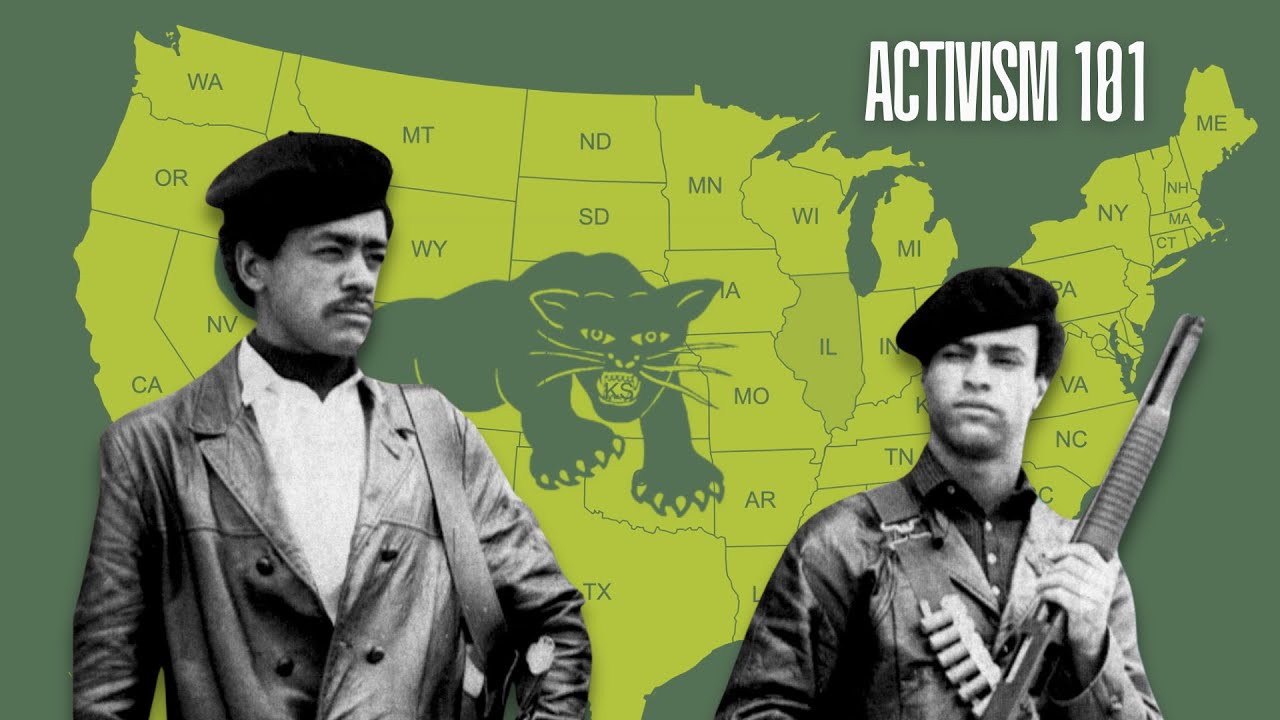






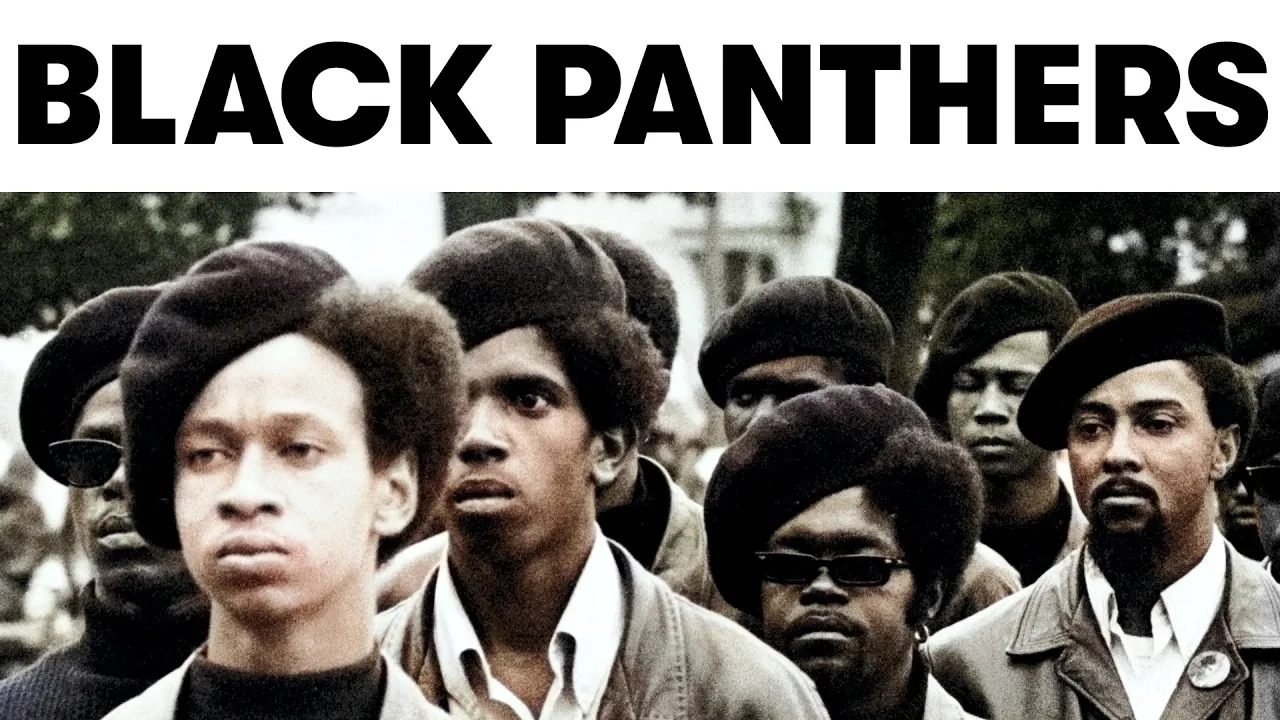
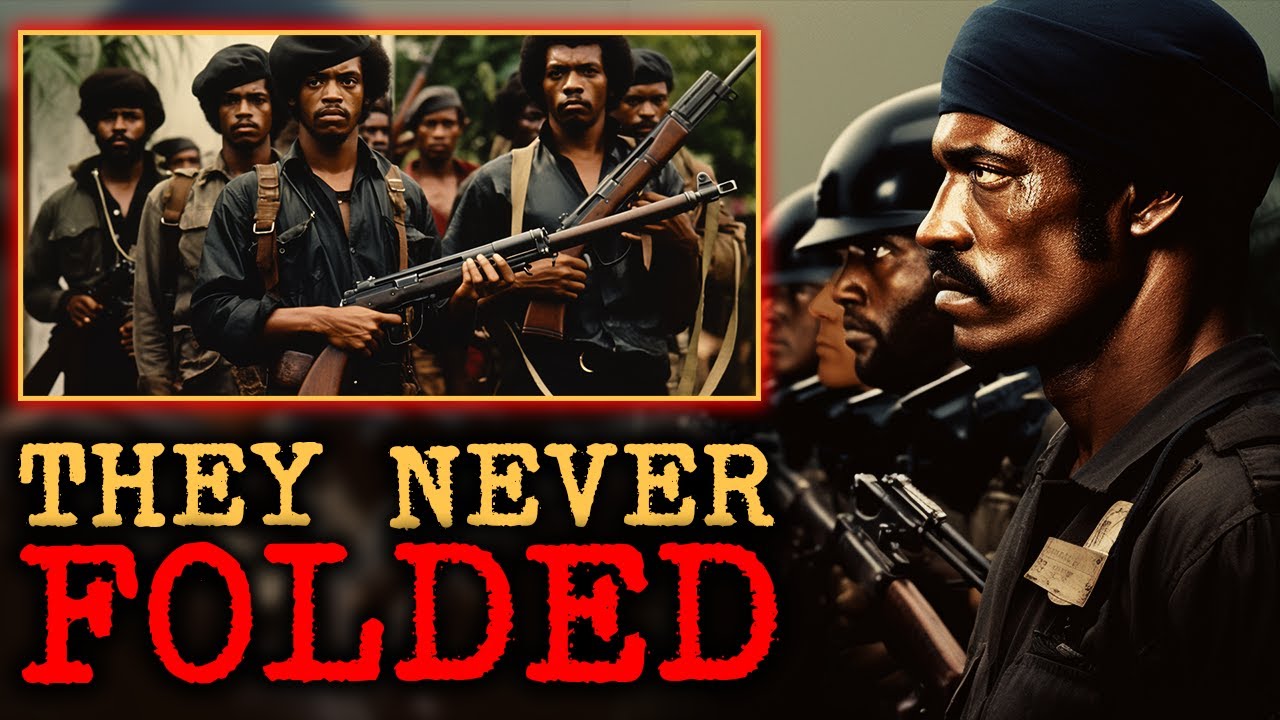
Mutual aid is a solidarity-based approach to community care that operates outside institutional systems, providing direct support through food collectives, healthcare services, educational programs, housing assistance, legal defense, and disaster relief, as demonstrated by historical examples like the Black Panther Party's free breakfast program and Young Lords' hospital takeover, which show how communities can create sustainable alternatives when the state fails to protect vulnerable populations.
Mutual Aid 101: Survival, History, and Community Power
Added:The conceptual distinction between mutual aid (solidarity and horizontal organizing) and traditional charity (hierarchical philanthropy).
A foundational understanding of the Black Panther Party's history, particularly their 'Survival Programs' like the Free Breakfast for Children Program.
Basic tenets of political philosophy regarding state-led social safety nets versus community-based direct action.
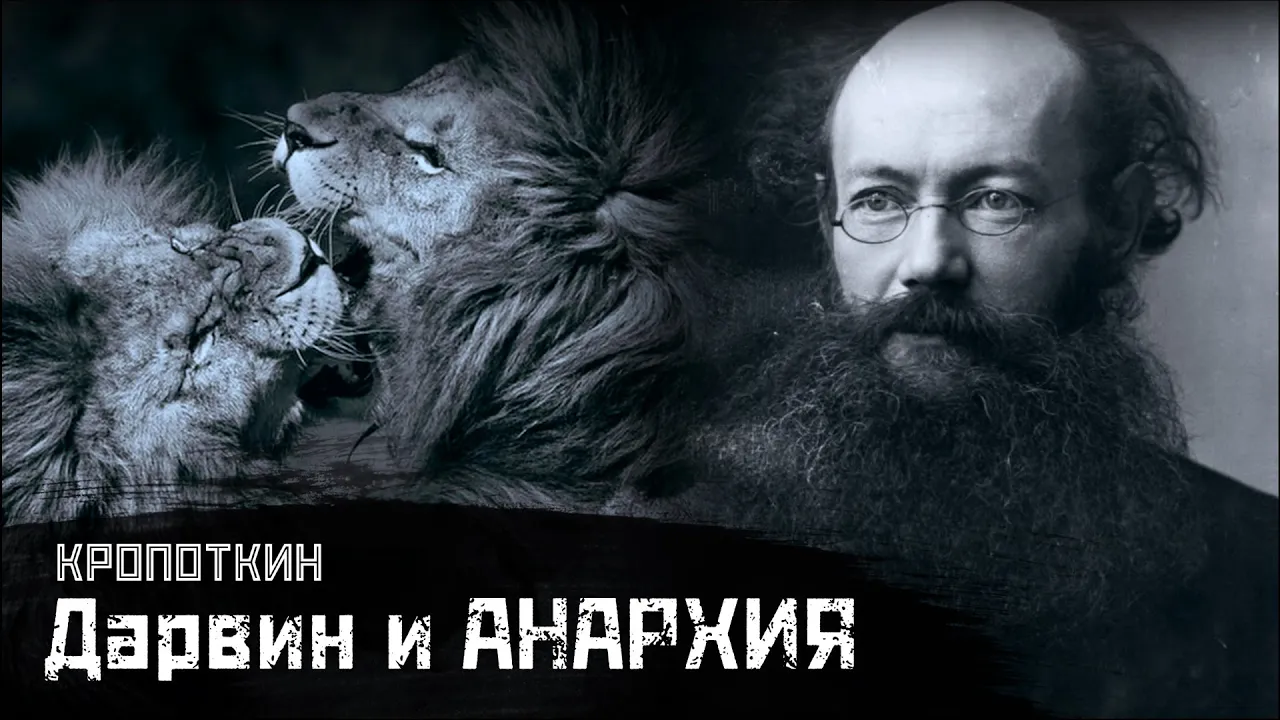
An introduction to Peter Kropotkin's evolutionary theory of mutual aid as a factor in human and animal survival.
The logistics of community organizing: How to establish local mutual aid pods, communication channels, and democratic resource distribution systems.
The concept of 'Disaster Collectivism' and how community resilience networks adapt and respond during climate crises, natural disasters, and pandemics.
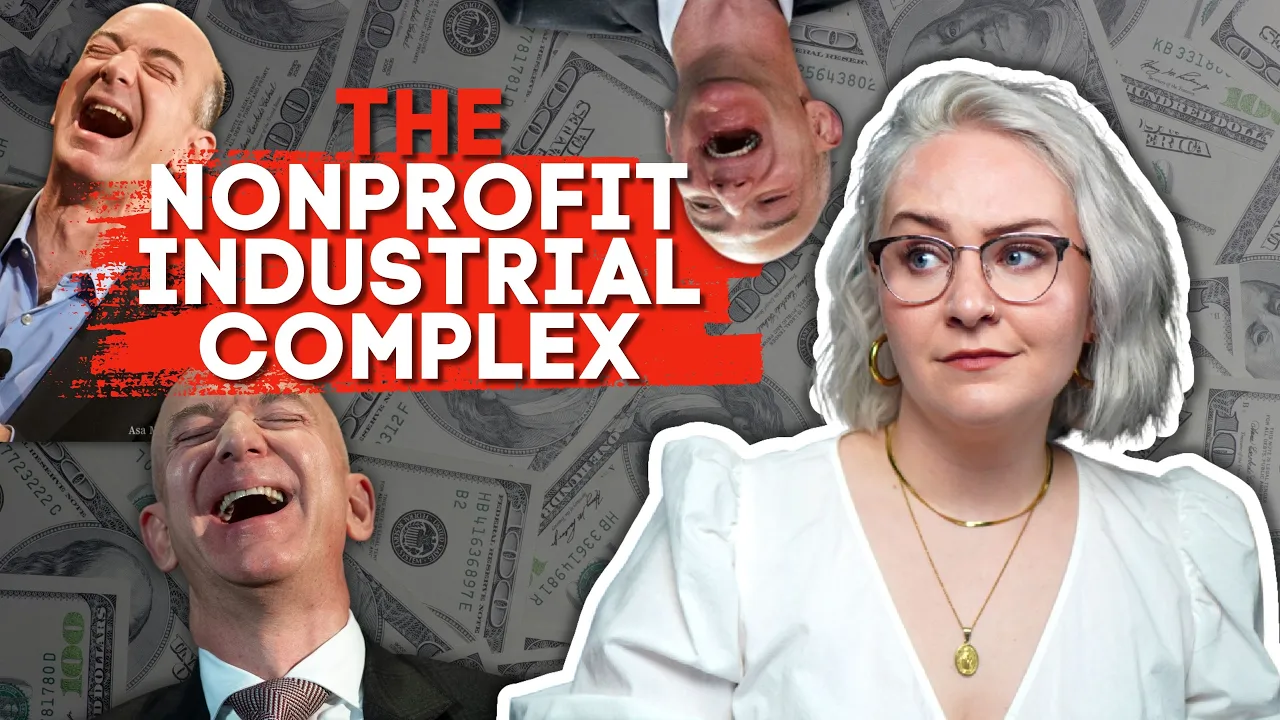
Analysis of the 'Non-Profit Industrial Complex' (NPIC) and how institutionalized charity can sometimes co-opt or limit grassroots movements.
Disability Justice frameworks and the practice of 'pod mapping' as practical tools for community-led care and mutual reliance.
55.8K views5.5Klikes1:22:26Original Release: 2025-03-01
In the early 1980s, the government watched as a virus tore through communities, especially LGBTQIA ones, and did nothing. By 1987, thousands upon thousands were gone, and the president wouldn't even acknowledge the crisis.
Hospitals turned patients away, and families turned their backs. The state failed us. What happens when the state ignores its people? What happens when the systems that are supposed to protect you abandon you instead?
Do you do when people are dying, and no one is stepping in to help? But we did act up and other organizations took the streets, demanding actions. Communities formed mutual aid networks to care for the sick, provide food, and push for treatment. We didn't wait for permission.
We stepped in when no one else could. Now as the Trump administration guts resources and stokes chaos, we face a similar question. When the state fails, what will you do?
Mutual aid saved lives then, and it can save us now. Because when the state abandons us, we react by taking care of each other.
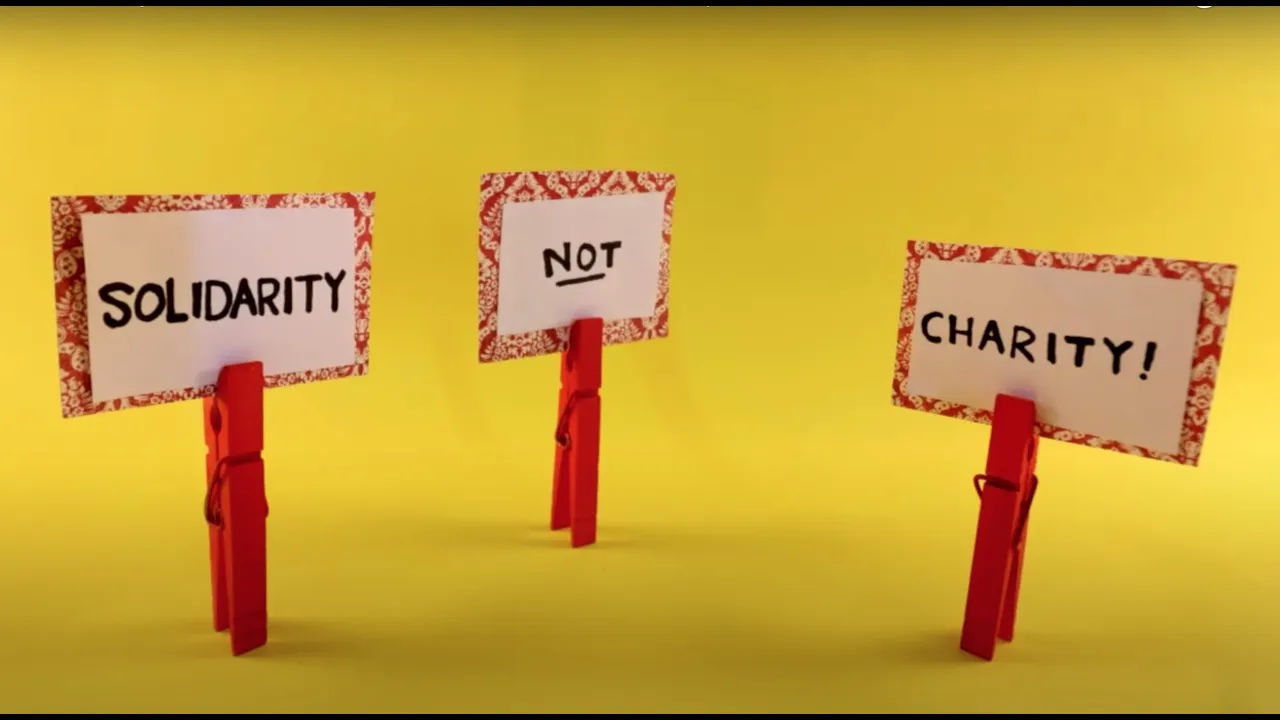
A mystery disease known as the Gay Plague has become an epidemic unprecedented in the history of American medicine. Mutual aid is not charity. It's a solidarity based support where everyone gets what they can and takes what they need. And I think it's important to also define mutual aid as both a form of direct action and also an ideological approach.
It's kind of important to talk about when mutual aid is direct action and when it is not. I consider it direct action when it is not institutionalized and it addresses a socialist last political gap or exploitation. We can look at history.
We can see that there have been many countless forms of direct action that have existed outside of institutions. But what typically happens when movements become more accepted or co-opted by the mainstream or the political center or liberals or progressives is that they take these more radical forms of mutual aid and they turn it into something that can be institutionalized. People gathering together and squatting empty units in their neighborhood and then offering those units to houses people and then there being a shared process of free housing. Is different than an institution offering temporary housing requiring applications or acquiring a certain kind of person to apply in order to receive aid and help. When we turn away from institutionalization we turn away from parameters and organizations that usually dictate who the perfect victim is who the perfect subject of being helped is. And what I think mutual aid does is that it removes that question altogether and it says instead of thinking about who the perfect victim is we should be thinking about what a political process is that addresses the social and political and economic wrongs both for the subject of this exploitation and for myself as a body trying to help but can also recognize that in some ways I'm subjected to this exploitation or this exploitation controls parts of my life as well. When I was working in Seattle I worked for an organization if you got hired there you sorted mail and you also manage bank accounts for people without housing. And although I very much view this as something that was amazing something that was based in like a harm reductionist kind of approach I don't necessarily see it as mutual aid because it was tied to a nonprofit that was tied to an institution. There were all these policies and processes and rules that weren't malleable but instead were beholden to the decision makers of that organization and although I felt like I did amazing work and it was really fruitful and interesting I think a more mutual aid model would instead not really look at look at what tools can we give people to start living their lives and participating in capitalism meaning a bank account driver's license all these things that can help people have a quality way of life but it is these are signifiers of of being identifiable enough to find work and be involved in labor and then be exploited in labor. I think another way that we can look at this is think of mutual aid as a potluck where everyone brings something to share compared to charity which is like a banquet where only a few people decide who gets served. Mutual aid is also about a more democratized form of collective care and aid work that is being done as opposed to one that is top-down and hierarchical. Mutual aid is not a new concept it's deeply rooted in indigenous cultures and societies worldwide many indigenous cultures have alternative forms of economy or sharing space or resources in many indigenous tribes in what we now know as United States of America there have been the concept of gift economies.
Just for reference I'm going to read you what Wikipedia says a gift economy is it is a system of exchange where valuables are not sold but rather given without an explicit agreement for immediate or future rewards so it's basically just giving people things because they need them giving people things because you care about them giving people things because you want them to have it giving people things because you get happiness from doing so it's all of those things together and more gift economies are dangerous to capitalism the gift economy combats it by divesting and instead thinking of property of the things that we own differently there are already a lot of people that are participating in these kind of economies today and things like buy-nothing groups clothing swaps mutual aid networks all that kind of stuff is already being practiced and that is part of a gift economy and these systems of gifted economies or cooperative economies are dependent upon the fact that community or collective survival is based on mutual collectivism cooperation and care under Trump administration where they're enacting universal school choice or they have house bills that force mandatory reporters to out students for their gender or sexuality entities we're going to need alternative forms of education that teach students and children their histories in a conscious and empathetic way that gives students and people the resources that they need to live lives that align with how they feel about their bodies or themselves and so when I was doing humanitarian aid work at the US Mexican border a few weeks ago I kept thinking like isn't it the state's job to make sure people are safe when they're trying to enter the US isn't it the state's job to provide people adequate health care when they're entering the US isn't the state's job to do assessments of people to see how they've been harmed on their journeys along the way actually it isn't our immigration and border patrol system operates as a system of carcerality and enforcement it isn't there to provide humanitarian aid or medical care on an intrinsic level it's there to enforce laws and if those laws put people in danger and also lead to other forms of harm that don't need accountability in terms of border patrol or ICE agents physically assaulting migrants taking away their private property or making them fear for their lives the mutual aid and the humanitarian organizations that I saw were addressing the damages not only the damages and the active harm that the state was doing but it was addressing the gaps in what the state claims it does and what it actually does in terms of even search and rescue in terms of driving people to hospitals when they have called when they've been walking around the desert for days and days and days and they call an EMT and that EMT will inevitably call ice mutual aid might be a system where that EMT or that paramedic or the person answering 911 might actually contact a local organization that is able to pick someone up and provide them medical care in a way that helps them also remain undocumented if that is what that person wants I think it involves an inherent critique of how the elite hoard resources and then create scarcity and that scarcity is exacerbated in crisis and it creates unnecessary suffering so in this next part of the video we're gonna talk about different categories and forms of mutual aid these are different ways of helping your community of building resources of addressing the social wrongs and gaps that capitalism in the state creates for us but the first form of mutual aid in this category is food collectivism and distribution mutual aid efforts under this category aim to create long-term strength and sustainability within communities by meeting essential needs and empowering individuals these initiatives focus on addressing systemic inequalities while fostering solidarity and collective capacity for reliance and there are a bunch of different kind of forms of food distribution that fall under even this form of mutual aid you have food pantries and fridges community fridges where these fridges are accessible in public places and people can go to them and take out whatever produce or grocery items that they might need you have food sovereignty programs like community gardens or seed banks where people come together and they grow and share the resources that are required to grow and garden together since corporations have such a monopoly on the produce and the fruits and vegetables that we get in our local communities what would it look like for every neighborhood every block every quarter of a mile to have a massive community garden that people can have access to whether indoors or outdoors we also have free meal distribution so this is literally what I think about like poor black and brown communities how some people like sell plates and some people just make plates to give out to people in their neighborhood auntie who has construction workers working at our house and she makes plates of food and is like hey do you all want plates of food imagine if you did that for the neighborhood or if you got 10 people to come together and cook and hand out food to people without housing on any regular day or even a particular holiday free meal distribution can look like free kitchens or school lunch programs food not bombs is a great organization that we're going to talk about later where volunteers gather surplus food and cook it in public locations and do serves and hand out food to people you can do canning circles where you can food together you can do collective cooking nights with your friend and neighbors where you meal prep together you can do food swaps or barter systems where maybe someone has a crap ton of a particular kind of fruit or vegetable that they grew and they just want to give it out or they want to do a skill share where they trade that produce for something else with someone in their community food is one of the essentials of life that based on your economic status or the level of privilege you have you either have next to no access to quality healthy food whether it be the stores or grocery stores in your neighborhood or even going to school like i remember when i was in high school in cleveland ohio we toured we toured the local jail and they showed us the food that they serve them and we were like that's the food that you serve us even in that like i think i think food and health and bodily autonomy is such a signifier of the health of a society or a culture or geographic space and to instill political processes that give people the things that they need is such a powerful way to get people not only to have a better quality way of life but to have the basics so they can begin to imagine and organize around other political conditions that are in their communities and one of the clearest examples of food collectivism and distribution is the black panther party's free breakfast for children program so to give some context the black panther party's free breakfast for children program led fed thousands of children daily in underserved communities through the 1960s and 70s it first began the black panther party largely as an organization that was centered around community self-defense and then once they got further into understanding the repression that they would be facing in terms of the changing gun laws in california or how the local police were operating they realized that to really help and defend their communities they needed to create these survival programs to help people have the basics of what they needed to even be healthy enough to meet the demands of a revolutionary political process of their time so we're not just paying attention to to a black kid when they've been shot or when they've been falsely incarcerated we're creating these kind of education nutrition you know community self-defense programs awareness programs before that happens and these kids themselves can be the organized and the advocates for their peers they can be that community watch they can be those those those legal aid warriors even without you know law degrees right and understand that before you go to the courtroom to advocate for this person that's not famous because they're political prisoner but they're political prisoner because of the system that you've got to stop at the breakfast program you've got to do that time that's what you get your breakfast then you go to your assignment then we debrief the lessons are there for us historically but we've got to get out of these silos and not be talking to people in other areas but also talking to each other from the bottom to the top or as bandini brown used to say mohammed aliz uh you know in his camp let's let's organize from the root to the fruit i think a central question that we can ask when we're looking at food collectivism and distribution is what role does food security play in our future and livelihoods if there are certain children that are going to school and they're hungry they're not going to be able to pay attention if there are certain children that come home to houses where the cupboards are just filled with canned food yes they may have access to food but how healthy is that food that they're being given versus a kid in a higher income neighborhood where the school lunches maybe have more that they're pulling from or they have more resources or they get better produce or it's more organic and so there are discrepancies in how food controls and dictates our quality of life how i've done food collectivism and distribution in the past throughout my organizing journey is that me and my friends will regularly host communal dinners where we show up to each other's house people bring dishes or drinks or little trinkets or games for us to play and sometimes those communal dinners are centered around a political topic or a certain or a current political happening or it's simply space for us to hang out talk share food and make sure that people around us are fed because sometimes people can often go home with it to go and then next on the forms of mutual aid list we have health care health care mutual aid provides direct medical support and advocacy to address systemic neglect and ensure access to care it operates on the principle of solidarity responding to health care disparities and underserved communities big way that the black panther party and the young lords addressed health and health care in their communities was looking at sickle cell anemia was looking at lead testing and lead poisoning was looking at the obstacles and things that their communities were facing result of the basic need in the black community for free medical service you had this done about three days ago you see this is not the burned hand this works another time does it feel painful no that's not like it's infected or innate you know it's not clear right it's good excuse me yeah we've got doctors every day this week next week we got no we need one for next thursday come to the clinic tomorrow for an appointment what about what a chance at the nammar stop we can buy him and that's that's the best chance uh you know the idea is all right but we just have yeah money get amped for how come to a new zealous yes i'll tell you i'm gonna bring a couple of pharmacists from the house they want to come out and see it and they're interested in working you know we can have patients come through see a doctor actually gets through get a test what happens then they comes in and see the people's advocate that's a community person or person in the party who acts like a liaison between the center here itself and the community he asks them what type of service they thought they got here on the center you know any other criticisms in the medical center itself it's also to deal with problems outside medical problems you know people's advocate has a resource file in this file we have uh teachers sociologists, beach therapists, social workers you know this is all part resource right okay well look ahead no matter what kind of society that we live in we need health care we need forms of medically intervening or addressing the social or physical harms that happen to people in the world that we live in and so if we train in mutual aid forms of health care now these same systems are going to be applicable in ideally a more liberated revolutionary or post-capitalist world i view health care mutual aid as a form of pre-figurative politic as martin so straight the general house lawyer and revolutionary would say and one clear example of this throughout history is the young lord's hospital takeover for equitable care in july 1970 the young lords a parterican activist group staged a peaceful takeover of lincoln hospital in south bronx to protest its deplorable conditions this hospital was known as the butcher shop for its high mortality rates and substandard care on july 14th the young lords issued demands including better funding culturally competent health care and programs addressing lead poisoning and tuberculosis conditions disproportionately affecting the local parterican and black community journalism and television but also the police this was an invasion of city property it was quite a threat and of course it's illegal so it got hot as you would say the police came with everything they had it was unreal we had a press conference announcing that we had taken over the hospital that we had demands community worker control of the hospital higher wage for the workers at the hospital preventative health programs action led to national attention the creation of the first ever patient bill of rights in collaboration with the black panther party and increased hospital funding highlighting the effectiveness of direct action and addressing systemic neglect this is a form of mutual aid that involves other forms of direct action as well it involved a lockdown it involved boycott of this institution it also involved swaying the people and the workers there to work with the young lords peacefully in order to allow the young lords to take over this hospital effectively and offer the people what they needed in the time spent that they were able to do this takeover another form of community mutual aid and health care can be hotlines and chat services so volunteer run crisis lines or online chat services that offer emotional support or counseling i think of suicide hotlines i think of lgbtqia support hotlines for teenagers and minors that are uncomfortable um family life or geographic situations and they need some kind of outside support and if we're thinking about health care forms of mutual aid one major tenet and pillar of this is harm reduction do one more people died of opioid overdoses in the first nine months of this year compared to the same time period in 2020 in this very room across from parents who have lost their children to fatal overdoses there's no way anybody with a heart and a soul could have those conversations and not recognize that we need to take advantage of every tool available to help keep people alive it's sad that it's at the point where people are so cold and so callous that they don't realize that people are literally walking out of a health care program whether it's a hospital a treatment center or whatever and they're going home and they're overdosing and dying another tool that's already being implemented is a hotline called never use alone we just heard from bergsier county paramedic steven murray he is also the director of the new england affiliate of the never use alone hotline the way it works if a person is going to use drugs alone they're encouraged to call that hotline a trained volunteer will stay on the phone with them to make sure they don't overdose the operator will call 911 if that person becomes unresponsive harm reduction is an approach to mutual aid that addresses people that have been stigmatized because of certain modes of behavior because of substance use disorders or general coping mechanisms that help them process the world as we know it and harm reduction says we aren't going to judge you for the behavior that you exhibit for the drugs that you are addicted to for the substances that you use but instead we are going to offer you the resources that you need to do this behavior in a healthier and less dangerous way and some clear examples of harm reduction that have come up obviously in the u.s since the opioid crisis is naloxone distribution which is a drug that helps bring people back once they have begun the process of overdosing or clean needle exchanges needles are a great source of infection and the passing of certain illnesses and diseases for people that use thank you for watching this direct action 101 series i just want to take a moment to let you know that this episode is brought to you by means tv to leftist cooperative streaming service that has all sorts of amazing documentaries and content creators that upload far leftist content i actually watch a lot of means tv to source a lot of the b roll i have and a lot of these videos because they have amazing documentaries about palestine about student movements about the black lives matter movement about indigenous led liberation movements so if you want to stay educated and learn more sign up for means tv with the code in my description and if you sign up there that's going to help this channel and also support cooperative media platforms like means tv which will inevitably be more and more important in the hellscape of a new trump administration thank you now back to the episode the next form of mutual aid that i want to dig into is educational mutual aid and this can be defined as mutual aid that disrupts inequitable systems by creating alternative spaces for learning and skill sharing it prioritizes community empowerment and the democratization of knowledge it could be five degrees and there'd be no heat at your school and they'd say oh you're not having a snow day you're from the hood education through so many revolutionary ideologies and perspectives especially trach Rivera the cuban revolution education is a pillar of how we raise consciousness and empower people to take more control over their lives because if you can be educated if you can understand the boundaries of history and the state and the political structures that we live under you can begin to imagine alternatives and one of the clearest examples of educational mutual aid is black panther party's free school program that literally on television storming the state capitol in Sacramento calling for self-defense talking about black folks being on and i was like i want it because you want to if i'm going to be militant let me be part of the most militant group on the scene this i'm 15 years old and they were the panthers and two other friends and i went to the panther office and as we were taking the train from the Bronx down to Harlem i wasn't quite sure what i was getting into especially because my friends were saying stuff like you know you know when you join the panthers there's no getting out it's like the mafia my inner voice is like no getting out i got a nine o'clock curfew tonight my other friend you you're gonna have to prove yourself to be a panther um you got to kill a white dude i was like kill somebody and i sing in the u choir on sunday that's my inner voice well we get to the panther office and there's the black panther logo we step inside there's all the older brother panthers and sisters you know rocking their leather jackets some had on army fatigue jackets um dashikis afros cornrows berets and i'm just blown away now i say older brothers and sisters because i was 15 they were older to me but the panthers in that meeting were 18 19 21 22 years old the person running the meeting is explaining the panther 10-point program um which is now written i think uh 57 58 years ago but if you read it it could have been written last last year and it talks about uh housing medical care community control uh education police brutality is point number seven it's way down there in a way we want it immediate into police brutality and the murder of black people i'm not really hearing what he's saying because my heart is pounding i want to prove to myself i want to prove to my friends so i jump up and i say choose me brother i'm me i kill a white dude right now whole meeting gets quiet the brother running the meeting calls me up front we're all sitting in folding wooden chairs and he's behind this old wooden desk facing us like a large classroom and when i come up front he reaches into the bottom drawer of the desk and i think he's going to hand me gun he hands me a stack of books um autobiography of malcolm x richard irk by france fenon solo on ice by odish cleaver and of course the red book quotations from chevin mal you know all panthers had that red book i asked him excuse me brother i thought you were going to arm me and he said excuse me young brother i just did um and then as i'm walking back to my seat he says young brother i want to ask you questions since you came in here so matter white people he said of all of these pig police that in the community brutalizing people beating people up blocking people up shooting people down if they were all black and all the victims of police brutality were white he said these slumlords buildings that are falling down rats and running up and down the hallway no heat in the winter of all of the slumlords were black and the people living like that were white he said these job fascist pig politicians congressman senators the supreme court the president of all of them were black and all the oppressed people were white would that make things correct and i said no sir it seems like it would still be wrong and for the first time he smiled he said that's right young brother this here is a class struggle for human rights not just a race struggle for civil rights study those books so you can understand what revolution is about and one last thing um there was a poster of cheque Rivera on the wall and there's a quote from a speech that che gave at the united nations and the quote was at the risk of sounding ridiculous let me say that revolutionaries are guided by great feelings of love so my head was spinning my world was turned upside down and was within 15 minutes of walking to a panther office i started to have a context of struggle and an approach to revolution that not only shaped my experiences in the black panther party as political prisoner prisoner war the bla but till this day about that approach to struggle understanding the real foundation what we're fighting for and understanding he utmost that we need to be guided by great feelings of love for the people to highlight a bit more of this i'm going to be reading a lot from this particular book called surviving pending revolution the history of the black panther party and there are a number of sections in this that break down the distinctions and processes and details about the black panther's survival programs and how they came to be in this text when it's talking about the free schools it reads liberation schools also began in 1969 they became crucial elements in the organizing drive liberation schools were a familiar concept in the black community because they had been an organizing tactic used by southern civil rights groups the southern liberation schools had served as a central location for explaining the civil rights movement to community members they had also been used as an ad hoc education sites and as a recruiting device for demonstrations and voting rights drives party liberation schools resulted from the good relations that began with the free breakfast panthers began to encourage children to return for other activities the san francisco liberation schools served more than 25 children daily the weekly curriculum was as follows monday history day tuesday culture day wednesday field trips thursday revolutionary films friday current events songs and games were utilized to convey the panther message children learned how to recite and explain the 10-point program and platform in statin island new york children aged seven to twelve were instructed in the roots and essence of a people's revolution one teaching device designed to appeal to children as a cartoon illustrating the 10-point program and it goes on to read the curriculum at most liberation schools consisted of basic academic skills and current events gleaned from newspapers and party literature community volunteers and panthers staffed the schools some volunteers were college students who were able to impart a semblance of professional instruction at their locations professional professional academic instruction however was not the primary goal of liberation schools from 1969 to 1971 instruction and panther ideology in african-american history were the most important items in the curriculum this was not only because the panthers lacked the expertise to do anything else but also because the academic potential of the liberation schools was not yet recognized by the leadership that oversight was corrected within two years the panther party's most successful educational program was established in 1971 as the inter-communal institute the name was changed to oakland community school in 1975 i go to school at the oakland community learning center my school was started by the black panther party the earliest age to start going to the school is when you're two two we don't have grades in our school we have levels they put us in different levels based on what we can do we need to know the things that you're thinking because you come up with fresh ideas you see and i talked to your mother today and calida aren't you supposed to be at the justice board meeting well you really have to remember the justice board means okay you should go up now today carol sent me a letter about sherry not doing her homework the justice committee gives you a method correction if you don't do your homework if you play in class if you talk back to teachers or try to fight teachers then why don't you do your own i just i just forget about it i lay at someplace and just forget about and go on other things why you did that i don't know you need to know the documents i think she shouldn't have no tv when she go home and she should have she shouldn't have free time i think the justice board treated sherry okay because she needed a method correction and a method correction from a teacher or somebody means they love you community learning center also had a night school where adults studied for their general equivalency degrees or ged's there were 16 accredited instructors and 15 volunteers and aids the school's director erica huggins served on the almeida county board of education the ocs the ocs not only offered a quality private school education but also instilled a sense of self-worth ocs's day program offered a full curriculum to students between age two and one and a half to eleven subjects covered language arts spanish mathematics science social sciences and environmental studies physical education performing arts and visual arts the school provided three full meals a day referrals per preventative health care and three passenger buses for transporting children to and from school there was no tuition long-standing party rules have frequently formally prevented the panthers from accepting government money this prohibition was quietly dropped in the 1970s the ocs became eligible to apply for and accept state education funds these kind of histories are so important to unpack on a specific level because even reading there you get a sense of how many volunteers they had to have the fact that they needed to have a physical location to house these programs the fact that they needed people to sit down and plan the curriculum adapt it to timely events the fact that they had people that were volunteers university students maybe even people that were teachers as well if we're looking at the current and political environment that we're in with public schooling potentially being beholden to national whims or state-based whims or local whims that might turn more conservative or denigrate certain kind of histories or completely erase diversity equity and inclusion all together these kind of models of building resources building community programs offering the things that make that makes sending your child to this school easy better you provide transportation you don't charge them or you charge them very little and this becomes a way of building community trust and also instilling really radical and liberatory kind of ideas to the youth and then you politically educate folks and that's why you build what they call popular support that's why part of why the no Panthers were killed in the LA shootout was the brilliance of Geronimo Pratt who built up the defenses the defense system and sandbags and trained the Panthers Geronimo Pratt was deputy minister of defense he was a Vietnam veteran but also those community programs that when the police were doing that shootout which lasted for about 13 hours the whole time people were on the streets behind barricades watching saying don't you murder those Panthers don't you murder those those those those comrades don't you murder and the grandmothers were out there don't you murder those children those are my babies i saw them grow up grow up or if they didn't see them grow up they feed my like my grand babies the next form of mutual aid that we'll talk about is housing based mutual aid housing mutual aid combats systemic displacement and provides immediate solutions for those at risk of losing their homes these efforts prioritize community-led action over reliance on institutional system and some of the specific inequities or wrongs that this could address is evictions and lack of tenant protections particularly for lower income tenants the criminalization of homelessness through camp sweeps and eviction and anti-squatting laws predatory housing policies targeting lower income folks think of the 2008-2009 housing crisis where loans were offered to lower income folks that a lot of these banks knew that theoretically these people would not be able to pay back but they trapped them in a system of debt black individuals make up 40 percent of the u.s's homeless population despite being 13 of the general population and when we think about the extreme systemic factors and equalities that lead to this there are so many things that might need to be addressed if we're thinking about housing mutual aid or fixing other social institutions that lead to people becoming houseless whether it be policing whether it be domestic violence whether it be drug addiction or whether it be unstable or low income jobs and one of the most common ways of housing mutual aid that i've personally seen is camp sweeps and eviction defenses here locally i did an interview with an organizer named sam who does work with stop the sweeps and does all kinds of other housing organizing and activism i am a housing organizer and do some advocacy and do a lot of work in the mutual aid spaces here in central ohio i feel like a lot of the work that i do kind of is centered around supporting unhoused people in various different ways and a lot of how that's progressed from like when i first started several years ago up until now has been more based off of honing very deep relationships with people and people in the community and kind of being attached to people in these longer ways in support and also in sharing knowledge and resources and things like that trying to get people out of into housing and you mentioned uh community and being intentional around that why is that so important um in mutual aid because a lot of people can think of mutual aid as like i put a box of food out in front of my like near my mailbox and people that are walking by can pick it up or like why is community kind of the step that takes it further i think mutual aid in like its smallest forms is people reciprocating and supporting each other both materially and emotionally in all these different ways going from the individual to maybe your group of friends to a larger community of people into larger aspect people just organize themselves in specific ways and once you get into the larger community that needs support the aspects of mutual aid kind of grow exponentially and the possibilities that are able to happen kind of grow exponentially and that can be with your friends that could be you know in the housing community or in the homeless community i've noticed that um it's been incredibly important in terms of knowledge where people are how people are affected when sweeps are happening it kind of makes things exponential like if someone disappears you know and you can't find them and you need to find them like it's easier to do that when you're supported by a community of people or like you're known in the community and you're trusted i also know that for me specifically it's also trying to understand people's like strengths and weaknesses like i've been in a lot of homeless spaces where it's i've seen a lot of people who literally organize every day and do the most like in my mind maybe some of the most pure forms of mutual aid and community-based organizing and it's also trying to help those people build those people up there's so many different aspects of being involved in a community and different ways of supporting people and this probably goes into the other aspect too is like we're if we're supporting people we're and we're entrenched in these communities if we're trying to organize around this like why can't they be a part of that organizing process as well if you're building a relationship with anybody who has a different class position than you i think that maybe is the distinction because we're trained in a way to where if you're not principled in the very beginning of the process then i feel like it just can spiral into this model of we're just doing everything like a lot of non-profits that do this kind of support are functioning as like a narrative band-aid for like the systematic oppression that has continued throughout the United States and like across its history and a lot of these charities and non-profits are funded by the city funded by the state and funded by the federal government and they're giving grants and they oftentimes although they do help a lot i think it gives people this narrative perception that this is the solution when it actually is not the solution it's a it's solving a symptom to the deeper problem which is like social inequity and class polarization it disenfranchises people in the sense that it takes people's like personal autonomy and mutual aid like out of their own hands and it puts that energy in the control of the state apparatus it funnels i feel like a lot of radical energy into this uh zeitgeist of like we're helping we're serving we're doing all these things but it doesn't actually like um solve the deeper deeper issues and i feel like it it very often plays as like a way to co-opt radical act activists who like want to do good and then and then they're burnt out and mad and upset because it's like you could help up 200 unhoused people and there's nothing wrong with that but it's like there's probably 5 000 unhoused people being created every five months these natural disasters become more relevant the housing crisis is going to continue to be um just more and more um relevant because we're going to see tens of thousands of people becoming unhoused um at mass like in one second also in harm reduction and like a lot of other fields like the state actively collaborates with um the non-profits that have kind of funneled them into this space so it's like they're like the police are actively trying to coordinate sweeps with outreach the police are actively trying to discuss which houses they are going to raid with harm reduction like um the police are actively trying to do like sting operations on like sex workers um and using non-profits as like a mode of information oh yeah i mean i feel like i first got into it really just like being in diy spaces having parties to raise funds for like ryces like people trying to cross the border uh we raised funds for like amber evans we did a lot of fundraising for to get a pa system and just stuff like that like helping people do more shows and so that was like a big portion of like some of the stuff that i did initially and then as it kind of developed and i got into more stuff here in columbus i kind of got into the housing component and like unhoused through camp shameless and that was just through uh being very involved in like a lot of the george floyd organizing that was happening during that time and uh some of the stuff that came out of that was like a lot of these like uh big mutual aid groups that were being formed around um housing insecurity and like the large amount of people that were becoming unhoused during the pandemic so they were organizing around one camp it kind of functioned as like a self-sustaining like healing camp that was trying to get people like housed and get people essentially stabilize people enough so they could like actually work and do stuff if you can provide someone safe stable and affordable or free housing you can literally change the trajectory of their life a few years ago when i was traveling around europe and i met some folks from spain they ended up inviting me to barcelona and i ended up meeting a bunch of people that were part of a housing federation that will go into empty or unused units squat those units squatting is known as the process of living in an already owned house or property and there are specific laws that allow for people that have lived there for a number of period of time to have legal precedent to stay there your job and you've got no family there behind you supporting you it's like where'd you go can't afford your rent i'm gonna go to my mum's wait my mum's not there for me what do i do it's it is difficult i mean when you've been on the streets and you've been straight homeless and you get a building like this it's kind of like wow i've actually got a bedroom again it's kind of it's a warm place to sleep tonight if you feel like you're getting something back in your life again and then when the bailiff's coming you get kicked out the building i mean we're only using a building that's empty and no one's not only using it are they that cinema has been empty for years it was dusty when we got in there we cleaned it up this is one year later and this building's still empty it's like why couldn't we just live in it until you decide to do something with it the first month was great didn't do anything with the cinema it was all just chilling getting on with what we had to do then you get middle class people coming in and then that's when you start getting debates and what you call politics we call squalitix so it's like you can't do this you can't do that you can't do this on this day you can't do that on that day so then you start making all these crazy rules and you can make a board up of all different rules and everyone's got to follow it and then the homeless people are more like you know we're all about housing it's wrong what you're doing you're trying to kick people back on the streets i'm homeless where am i going to go if i kick you out you're going to go back to mummy and daddy i i ain't got that so yeah you get a lot of hate going on in the squats when the group's got getting smaller you need to do something to sort of like recruit new squatters and the only way you can recruit new squatters is holding events making it fun so you've got to hide the fact that you gotta hide that difficult side of the squatting the belt where it's all hate and you know no one's getting on you got to make it about partying we're having good fun let's make some let's do arts and crafts let's do this let's do that let's let's make banners and let's put statements on the wall and things like that and then people like yeah i love this this is great i want to do it and then you get people coming into the squatting if i couldn't get no outreach food i'd come to things with bins that's how we fed people in the squats if you didn't get donations you had to go skipping so people go to different places and get food one time i found 220 bags of cheese and onion walkers crisps you know like the big bags in boxes go guys who wants crisps and the thing about skipping is you know it's always food waste only so you know there's going to be nothing else in but at least in spain i got to see really clearly like i actually got to go with them and there's a day where we went into an empty unit in an apartment building put new locks on the doors started cleaning all within the span of like five hours and also in those five hours the police showed up a large crowd of people were gathered outside blocking the door the police because of the way that things were happening culturally and economically at the time didn't push back and this squat was able to be established and i even got to attend meetings where people voted on what local community members whether they be migrants or refugees or low-income people to receive this squatted house housing is one of the biggest things that was a topic of discussion during the covet 19 pandemic how many cities and states passed moratoriums on evictions how many cities and states offered additional resources for people to pay their utility bills why was a crisis necessary for those humane policies to become more possible and how could those same policies be beneficial to people now the next form of mutual aid that i want to dig into that has been of great personal importance this year is legal support legal support the crowd of black panthers and panther supporters was considerably reduced from yesterday's opening demonstration they chanted and sang but without the impact of the day before despite the smaller turnout security around the courthouse remained tight in the courtroom attorney charles gary continued to present testimony on his motion to reconstitute the jury panel charging that under the present system it is impossible for newton to receive his constitutional right to a trial by a jury of his peers because his peers are not represented the start of the jury selection may be only a few days away but meanwhile gary is also continuing his appeals for a continuance until he has exhausted efforts to have a previous felony convention overruled gordon graham kro in tv news legal support is a form of mutual aid that ensures activists and vulnerable individuals can resist systemic oppression systemic repression it involves collective efforts to provide bail funds legal defense and advocacy i both have had experiences organizing around this this year related to the bowing five case but also growing up i had an incarcerated parent from age 12 to 18 and then they went to prison again when i was 19 until i was like 20 there's so many things i could talk about with this experience but i look back and i can recognize how there was stigma involved and how i was told to react how going to the prison and visiting and being in this very sterile environment and having to put my things in a locker and being constantly under surveillance while talking to a parent when i look back there are so many potential mutual aid solutions that would have remedied some of the financial and emotional damage of this experience whether it be vouchers that could have been offered to help us pay for rent or transportation or education since if you're in a two-parent household and you lose one of your parents to incarceration that's half of the income um i wish there had maybe been peer support groups or some kind of emotional space for me and other people in my family to engage in and i think mutual aid in the legal defense sense can be seen as how do we help people combat repression in the legal system as it stands and also how can we help people deal with the emotional and personal ramifications of dealing with the carceral state we can obviously look at the incarceration rates if you read books like the new jim crow or you watch documentaries like thirteenth on black people are more disproportionately affected by the carceral system in terms of the statistics and how we're represented and so i want to bring in a few different examples of legal support during the panther 21 trial in 1869 21 black panther members in new york were falsely accused of planned bombings mutual aid networks provided bail funds legal representation and widespread community advocacy even in the growing mood of paranoia and defeat an individual who believed in the idea of revolution could take on the power of the state and defeat it one morning arm police stormed into a phlegm shakur's apartment and arrested her all the other members of her cell were also arrested they were charged with what the government said was a giant plan to destroy those elements of society which the defendants call the power structure it included attacking police stations and planning to bomb five large department stores and the bronx botanical gardens they became known as the panther 21 their trial was held in a state of paranoia about further attacks by the panthers but it also caused a sensation when it was revealed that three of the founding members of the group had been undercover police officers what was stranger was that some of those officers seemed to have been unaware that there were other undercover agents in the cell they were also the most active members of the group we had to organize everything one of the undercover agents explained at the trial because everyone else in the group was off doing what they called their own shit unlike all the other panthers a phlegm shakur chose to defend herself and at the end of the trial she cross examined the leading undercover agent he was the man she had suspected from the start yedwa sudan his real name was ralph white a journalist who was in the courtroom wrote a book that described what happened she started by getting white to admit that really most of the inspiration for the plots came from the undercover agents not only had they continually pushed for the violence and suggested the targets but they had also arranged to buy the dynamite of yet another undercover agent they had also arranged for the cars to transport the dynamite that really the plot to attack america had been created and driven by the american authorities but then a phlegm shakur went further she talked to white in the courtroom not as a police officer but as a comrade that she had spent 18 months with and asked him about the activism that they had done together in the community he said that he thought what they had done was powerful inspiring and he said beautiful she asked if he had misrepresented the panthers to his police bosses he said yes and we can look at 2017 and the first presidency of donald trump when inauguration day happened over 200 people were arrested and this began the j20 campaign and struggle to defend those 200 people that were subjected to racketeering charges to trumped up felony charges the website that was used to garner people and get them interested in the j20 rally which people legally signed up to there wasn't anything they were signed up to that was illegal the state tried to um survey that website and gain all of the ip addresses of the people that had visited it so we can see how repression causes terror in the body the individuals that face that repression but how it also increases the state's capacity to go against our human rights to survey us and how legal support is a way that we can begin to build out processes that help us all deal with repression when it will inevitably happen in terms of the way that blood in my eye by george jackson talks about like repression is the inevitable outcome of any kind of revolutionary political action in the panther 21 trial i specifically wanted to include a clip here where you hear jamaal joseph who is a part of the panther 21 talk about the very real legal considerations that went into their trial and their legal defense and how a fenny chacour tupac's mother was a big part of helping them all get acquitted students who are anti-war uh organizers columbia students who he had represented for free saying i need help organizing and they built a panther 21 defense committee that was amazing students were involved and the other thing that they did was that it was a broad-based coalition so you had originally predominantly white students but then city college students and then community folk uh and other folk and they were pointing out that here are men and women from the community who certainly can't afford a hundred thousand dollar bail because who were the panthers who were the panther 21 students workers welfare mothers former street people you know a couple of people who had been you know formerly incarcerated folks um veterans we had uh one person sundiado coley who was a mathematician and had worked at nasa for a little while uh kurtis powell who was a who was a biologist but no one had a hundred thousand dollars and uh which is about nine hundred thousand dollars in today's money i first uh started to understand the the sophistication of what was going on when i had been in prison for about three months and they brought us all together in court because initially they separated all of us so we couldn't communicate so it wasn't like the 21 was all in one jail a phoenix chacorte joan birdwin the women's house of detention um myself and a and a and a a panther named um katara alex makieva we were on rikers island but even a rikers island we were separated so when we'd have a court hearing they'd have to bring us in from all different points and then we'd have that court hearing and then afterwards we'd all be in a large cell conferring with our lawyers so i just knew that we were having a bail hearing and beside our lawyers they were lawyers from the NAACP legal defense fund i was like what is the NAACP doing here and the NAACP legal defense fund was there because they believed that we were being prosecuted and persecuted because of our political beliefs and even though the NAACP obviously had different beliefs the mission of the defense fund was to look at arrests that were racially motivated because of racism because of someone's beliefs this blew my mind but it made me understand the sophistication of real organization bringing people around the issues we in turn made bail an issue for everybody that was being held so there was a rebellion a fanny was bailed out i was bailed out and the panther leader daruba beywan han had been bailed out the remaining panthers we had by this time one emotion to all be housed in one prison which was the queen's house of detention or called branch queens in long island city and the panthers led a rebellion taking over that prison it wasn't the typical we want better food or we want more time more recreation time number one demand was bail hearings and judges were dispatched to that prison to have hearings in the prison visiting room and about 30 men were released that day and it happened similarly so this is how you could take an issue and organize around it we made this an issue in the courtroom we made the issue of jury selection which was one of the points in the ten-point program we wanted a trial by a jury of our peer group and when we would say we in the ten-point program it wasn't that we the panthers it was like we were recognizing that historically people were arrested and tried and convicted by all white juries and a local instance that i have referenced a few times on this channel that i've talked about on the dugout and i recently did an interview with it's going down about repression and i mentioned the bowing five case law in 2024 around march or april some folks decided to do a work stoppage at a bowing facility for those who don't know bowing has had ties to the state of israel literally since israel started and out of that action there was a work stoppage that lasted a number of hours stopped people from going to work and five people were arrested and they faced numerous felony charges that far exceeded the action of that day which was very much seen as a scare tactic defendants were asked to take down personal social media posts and at one point they were even the prosecution was pursuing having these five activists pay over 250 000 in restitution i became a part of the legal defense team where we would have regular meetings we would talk about our goals whether it be for helping folks be financially secure while they were facing this trial whether it be addressing the emotional concerns that people had trying to get media to pay attention to it i did a number of skillshare trainings related to helping people prepare for interviews and so even in legal support there are all of the things that go into highlighting a case that is unjust and figuring out the different ways that people in your community can use their skills to help people facing these kinds of repression legal support should not only be about helping people face trial but also when those folks were inevitably sentenced to time in jail we organized people to be with them when they entered custody we organized meals for people that were able to get work release from jail we organized people to regularly write them call folks be an emotional support system so folks inside could know that people care for them and so when i think about legal support work and abolition in general it's not just about trying to stop people from going to jail or stopping the state from being able to arrest people but it's about how do we continue our relationships and continue our collectivism and community with people that are inside and also eventually how do you free people from that shit because the state can't just lock everybody up or they could but it wouldn't be good so i was editing this video and i have to put in this clip i don't know if everyone remembers connie west 2005 all the celebrity fundraisers that happened after katrina this clip always blows me away because i think what the fuck happened to you Kanye like you went from this into a literal nazi and the way that Kanye west says what he does about george must at the end you know it's an antagonism towards whiteness white complacency white complicity so yeah watch this clip i hate the way they portray us in the media if you see a black family it says they're looting see a white family it says they're looking for food and you know it's been five days because most of the people are black and even for me to complain about i will be a hypocrite because i've tried to turn away from the teacher tv because it's too hard to watch i've even been shopping before even giving a donation so now i'm calling my business manager right now to see what's what is the biggest amount i can give and and just to imagine if i was if i was down there and those are those are my people down there so anybody out there that wants to do anything that we can help with with the setup the way america is set up to help the um uh the poor the the black people the uh the less well off as slow as possible i mean this is red cross is doing everything they can we we already realized a lot of the people that could help are at war right now fighting another way and they they've given them permission to go down and shoot us and subtle but in even many ways more profoundly devastating is the lasting damage to the survivor's will to rebuild and remain in the area the destruction of the spirit of the people of southern louisiana and mississippi may end up being the most tragic loss of all george bush doesn't care about black people please call in the past few days the next form of mutual aid that i want to dig into is disaster relief and disaster relief mutual aid usually responds to crises by providing immediate support and rebuilding efforts often filling gaps led by government or institutional failures when i think about disaster relief i immediately think back to contrina how that was one of my major first media flashpoints to understand the degradation of blackness on a public level nearly one in three black residents have not returned to the city after the storm it was the worst urban disaster in modern history of that time says talk poverty there are many different reasons why katrina was such a fucked up disaster but a lot of it has to do with the way that lower income communities many black residents living in new orleans were in the low flying areas like the low ninth ward which were more prone to flooding and had less robust infrastructure federal state and local agencies failed to respond promptly and adequately leaving many many many people to die or to be sick or to be gravely injured if you start off entering a natural disaster with less money because of the economic conditions that lock black people out of paying jobs or better quality of life what do you think happens when a natural disaster occurs and there is a piece that explores this history with katrina and mutual aid efforts that came out of the eventual crisis that the mutual aid efforts that came out of the aftermath and one of those articles is called writing the waves of mutual aid and this is an article about the organization common ground that came out of the aftermath of katrina common ground began in 2005 as an anarchist collective in the backyard of malik rahim a longtime community organizer and former black panther while the hurricane katrina still raged he asked organizers brandon darby and scott crow to help him protect himself from white vigilante groups who are roaming the streets soon members of these robust networks were asking how they could help and the trio was inundated with donations supplies and volunteers from the onset common grounds motto was solidarity not charity it's a common refrain for mutual aid projects shorthand for the organizing opportunities crisis can present on the surface a group's disaster response might look similar to that of established organizations after katrina for example the red cross served hot meals while common ground delivered groceries to those who needed to replenish their supplies mutual aid groups might even outdo the relief offered by non-profits and government agencies before people began filling fema requests common ground was teaching residents how to tarp their roofs and assess wind and flood damage but those organizations can also provide space for deeper conversations around why certain communities are more affected by the disaster than others in new orleans many health care facilities closed during the storm including charity hospital one of the nation's oldest free hospitals the hurricane exacerbated the need for health care among low-income people a famously transient population made all the more vulnerable because of displacement disaster exacerbates already standing conditions of exploitation whether that be economic whether that be health care whether that be the structural integrity of the home that you've had or have been sold and how disaster relief in a sense is not only trying to address the immediate harms of what climate collapse can kind of lead to but it also exposes the harms of the systems that are meant to help us that are meant to do work and show up and provide housing and checks and resources like how fucking hard did fema fail how fucking hard did fema fail really and so when thinking about disaster relief mutual aid it's really about fixating on how can we remedy the damage of both climate change and natural disasters but also the gaps in how the state and its institutions should be helping us all on an equal level but is not the next form of mutual aid that i want to talk about is abolition this is obviously very very important because i think one of the or anarchist values that i kind of hold dear and true is not only being non into non-hierarchical but also being against prison and police systems and abolition mutual aid works to dismantle oppressive systems like prison industrial complex while supporting those harmed by incarceration and systemic violence and i kind of put this in a different category than legal support because i think legal support is more about the kind of first half slash supporting people while they're incarcerated the abolition is about preventing a lot of the systems and processes that even lead police to even be in our communities and i want to list off a few of the different things that are kind of considered abolitionary mutual aid we can consider prisoner support networks organizing letter writing campaigns between prisoners or between people that are incarcerated and non-incarcerated we can look at commissary and phone funds raising funds that are collectively shared and allocated to help people get money on their books for commissary so they can buy basics or things that they might need or want while they're locked up providing them funds to allow them to communicate freely with people on the outside because one of the ways that prisons and jails exploit people is by charging them to literally communicate with people in their lives re-entry support providing housing clothing food the basic necessities of life as someone is exiting the carceral system and might need to readjust back to the world outside as we know it and i think abolitionary mutual aid works largely to address the ways that the carceral system can really dehumanize people can really take away the basics of life can really stop people from having even the slimmest of luxuries and enjoyments whether that be communication or clothing or resources jail system as we know it i mean one statistic that really boggles my mind when i was researching for this video incarcerated workers in the u.s. produce at least 11 billion dollars in goods 11 billion dollars in goods and services annually but received just pennies an hour in wages for their prison jobs according to a new report from american civil liberties union interested in abolitionary mutual aid thinking about instances like attica to take it because we had a bit of a side in the yard you know because basically we realized you know that all we had was each other you know so we clung to each other spite of all our different ideologies and there were a thousand ideologies out there you know they worked it out but it kind of good i think it was just balls all of us together you understand all of us eating together you know like having to suffer together you know it's four days without bathing you had to smell each other four days of going hungry sharing what you had amongst each other it was really groovy man you know groovy in the sense that you know what it is to have unity you did it was really a united thing today it was a thing where you know where we're going to do this you know it was it was nice we might have a disagreement on it but as to the thing as a whole we're all together there there was no really racial tension and everybody was looking out for each other sharing food and sharing cigarettes and putting up things to sleep in and mattresses you know the whole organization and it was fantastic the way everybody worked together you know it was really beautiful right on where did did about We ain't gonna die. Nothing.
We are not dying here.
And I want you brothers to get together because we together here. And we, these people think we shucking and jiving, but we is for real. Well, I, I've got things that are bad down home. But, uh, I've never seen anything like this.
The people in here are treated like dogs.
Not only the black, the poor, the red, and the white. And we're gonna get what we demand, or we're gonna die trying.
Yes, sir. Thank you.
Support us all the way. We're doing this for everybody. We no longer wish to be treated as statistics.
We want to be treated as human beings.
We are men. We are not beasts, and we do not intend to be driven or beaten as such. The entire prison populace has set forth to change forever the ruthless, brutalization and disregard for the lives of the prisoners here and throughout the United States. What has happened here is but the sound before the fury of those who are oppressed.
And they did that shit real fucking, real fucking hard. I would argue that the mutual aid networks and the abolitionary systems and modes of organizing that are in place, such as initiatives like In the Belly or In the Mix, those kind of mutual aid networks where there is that peer support amongst people that have been incarcerated or recently released. And the book that I'd recommend if you want to kind of learn more about these modes of organizing would be a text that I actually started digging into a few days ago called Tip of the Spear by Orsani Burton. So how to get started. I wanted to keep these steps very simple. There are plenty of sub steps that are under these major steps when we think about how to get started. But to jump right into it, the first thing you need to do if you want to get involved in mutual aid is to identify community needs. Do you live in a neighborhood where there are food deserts? Do you live in a particular community where there isn't access to affordable health care? Do you live somewhere where the schooling system is particularly racist or fucked up or transphobic and you want to create an alternative educational structure for kids to be a part of, to tap into? And so when identifying community needs, you can do things like in community surveys, attending local meetings, doing door knocking, showing up to public events and talking to people and getting people to gather and hold space together and talk about what the problems or the needs are in their community. One way that we can look at this is focusing on gaps in support systems and local organizations or institutions that maybe offer some kind of help or aid, but drop the ball in other ways or don't consider helping certain kinds of victims of certain kind of wrongs. Form a team or an affinity group of people. This can be as simple as bringing three friends together or on a weekly basis. You maybe go around your neighborhood and you pick up trash. Build a collective framework. Form a team or an affinity group with shared goals. Talk about roles and talk about your commitment to solidarity, not charity and what that would look like. Does it mean not turning away certain kinds of people that have certain kind of ideological beliefs to you? Would it mean running a community serve where you treat people, where you serve food to people that are houseless or someone who's wearing a MAGA hat or someone who maybe even caused problems last week at that same community service? Bringing together just a core group of people that are willing to do the work. It can be as simple as having one person yourself or a number of people or expanding, expanding, expanding.
And I think also with establishing this group, it's important to establish a communication framework or a mode of communicating with each other. Are you going to use text messaging and the kind of traditional systems of communicating?
Or are you doing things where you maybe have to be a bit more subversive about how you're gaining your resources and you want to communicate through secure or encrypted methods? You start gaining and distributing resources. This is one of the things that kind of distinguishes mutual aid from other forms of charity or direct aid because I think if you just apply for a bunch of grant money and then you're able to allocate that grant money.
And an institution is knowing where, how you're spending it. It isn't necessarily mutual aid in my mind. You have to think about how you're getting resources. Are you going to be crowd sharing? Are you dumpster diving? Are you resorting to forms of expropriation? And then once you have those resources, how are you going to distribute them? What neighborhoods?
Through what means? Is it going to be an open call? Is it going to be a public space or event that people can gather at?
And then next and lastly is also connecting with existing efforts. Just because you have an idea for mutual aid doesn't mean that there isn't an adjacent community organization that might want to help out as well. If you made it to the end of this video, you and I have both made it through a lot today. Like I've been sitting in this chair for five hours waiting for my camera to overheat dumping footage, waiting for my camera to overheat dumping footage. So we've both made it together. And I know we've talked about a few of the ways to get started, but these are just general steps. I think a lot of organizing in general would follow these steps, assessing community needs, figuring out what your resources are, finding a trusted team of people that can take on roles and communicate to each other in secure ways. And so even in these steps that can be applied to mutual aid, we can apply them to so many other formations of trying to change our communities. That direct action is radical because it opposes decision makers and it doesn't rely on an institution to give us the decisions, processes or tactics that we utilize to demand what is justified. Mutual aid is based in solidarity, not charity. So we're not looking for the perfect victim.
We are finding ways to confront the social wrongs and political gaps of the systems that we live in and also doing things that model the quality ways of life that we want to see in the better economic and political systems that we would like to have moving forward.
Finally, in today's America, mutual aid is just going to be more and more useful.
I mean, our government is literally fucking descending into fascism and totalitarianism. Climate change is getting worse. They want to take away everyone's fucking human rights. We have to save each other. And mutual aid is one of the first steps of how we get there.
And I really want to end this video on the note that I really think mutual aid is a necessary and transformative part of any politicization or revolutionary process. But I don't believe it can be the main thing or the only thing that we do to get ourselves to a point where we really have power amongst each other, power on a horizontal level, and power to oppose or keep out institutions or processes or systems that harm us or the cause of the crisis. That harm us or the people that we love. The other forms of direct action that we'll explore in this series, whether it be sabotage or marches and rallies or unions or abolition or all of the other ways that we can show up and resist, whether it be blockades or sit-ins or tree sits or workstops. So I want to thank everyone who has watched this series so far, taken in this information and really distilled it. I want you to use the comments as a place where you can ask questions, share anecdotes, or share other resources related to direct action or mutual aid, of course in a secure and confidential way that doesn't put you or other people in danger. And really just try to study, compare notes, build resources, and look at the ways that you can bring these resources to people in your community and start finding ways to organize and resist because I think mutual aid is definitely to me one of the more entryway forms of direct action. And I think to really defend the resources that we gain through mutual aid to oppose the antagonistic systems that the state levels against us, we have to resort to sit-ins, workstoppages, blockades, other forms of direct action that not only help us gain our resources, but help us fight repression, help us free people from the entanglement of the carceral state and repression, and also helps us build our community power and really transform the institutions and the material conditions of our lives. And all of that takes a lot more study, a lot more education, a lot more experimentation, but that's what this Direct Action 101 series is here for. Thank you again for watching, and if you want to support my channel, please consider liking and commenting. Hit that subscribe button if you definitely want to get more videos around direct action.
And consider becoming a Patreon member because not only do you get early access to episodes there, upload an exclusive audiobook annotation series where I read parts of my own book when they tell you to be good, and I break down some behind the scenes things that I learned along the way while writing it, or even realizations I've had since publishing the book two years ago.
Up Next

55:13
Federal Emergency Management and Hurricane Helene: A Policy Analysis
@freethepeople
34.5K views•2024-10-09
56:55
Naomi Klein: Climate Crisis as a Challenge to Neoliberal Capitalism
@circulodebellasartes
69.8K views•2015-07-27

9:49
FastAPI vs Flask vs Django: Choosing the Right Python Web Framework
@TechWithTim
302.5K views•2024-05-26

1:42
Game of Thrones Opening Credits: A Cinematic Analysis
@gameofthrones
46.3M views•2011-04-18
Related Study Plans & Knowledge Roadmaps
Structured learning paths in General & Interdisciplinary Studies
general-studies
Elevator Engineering: History, Physics & Cities
01From Hoists to Safety Brakes: The Dawn of Vertical Lift
02Hydraulic vs. Traction: The Engineering Physics of Elevators
03Modern Speed, Safety, and Algorithms
+ 2 more learning modules
12h5 modules
Explore Roadmap
general-studies
Rubber: Material Science, History & Geopolitics
01Origins of Natural Rubber & Mesoamerican History
02The Chemistry of Natural Rubber & Vulcanization
03The Geopolitics of the Rubber Boom & Colonization
+ 2 more learning modules
12h5 modules
Explore Roadmap
general-studies
Containerization: Evolution, Logistics & Trade
01Ancient Trade & Bulk Cargo: Amphorae to Barrels
02The Industrial Revolution & Cardboard Packaging
03The Containerization Revolution: Malcom McLean
+ 2 more learning modules
12h5 modules
Explore Roadmap
general-studies
Textile Tech: Evolution, Labor & Global Impact
01Pre-Industrial Textiles: Handloom & Cottage Industry
02Mechanization: The Spinning Jenny to the Power Loom
03The Factory System & Global Labor Transformation
+ 2 more learning modules
10h5 modules
Explore Roadmap