






















Mutual Aid is a radical concept rooted in anarchist theory that proposes humans have historically organized through communal care and cooperation rather than competition, offering a practical strategy for building resilient communities, supporting vulnerable populations, and creating alternatives to capitalist systems through horizontal organization, skill-sharing, and collective action that prioritizes human need over profit and state dependency.
Mutual Aid: Theory, Practice, and Political Potential
Added:The fundamental distinction between charity (hierarchical, top-down relief) and solidarity (horizontal, peer-to-peer support).
Basic tenets of anti-capitalist political theory, particularly how capitalism commodifies essential needs and fosters competitive individualism.
The historical role of the state in disaster response and social welfare, including the limitations and structural failures of state-led safety nets.
Fundamental concepts of grassroots community organizing and collective action.
An in-depth study of Peter Kropotkin's foundational anarchist text 'Mutual Aid: A Factor of Evolution' to explore the biological and social arguments for cooperation over competition.
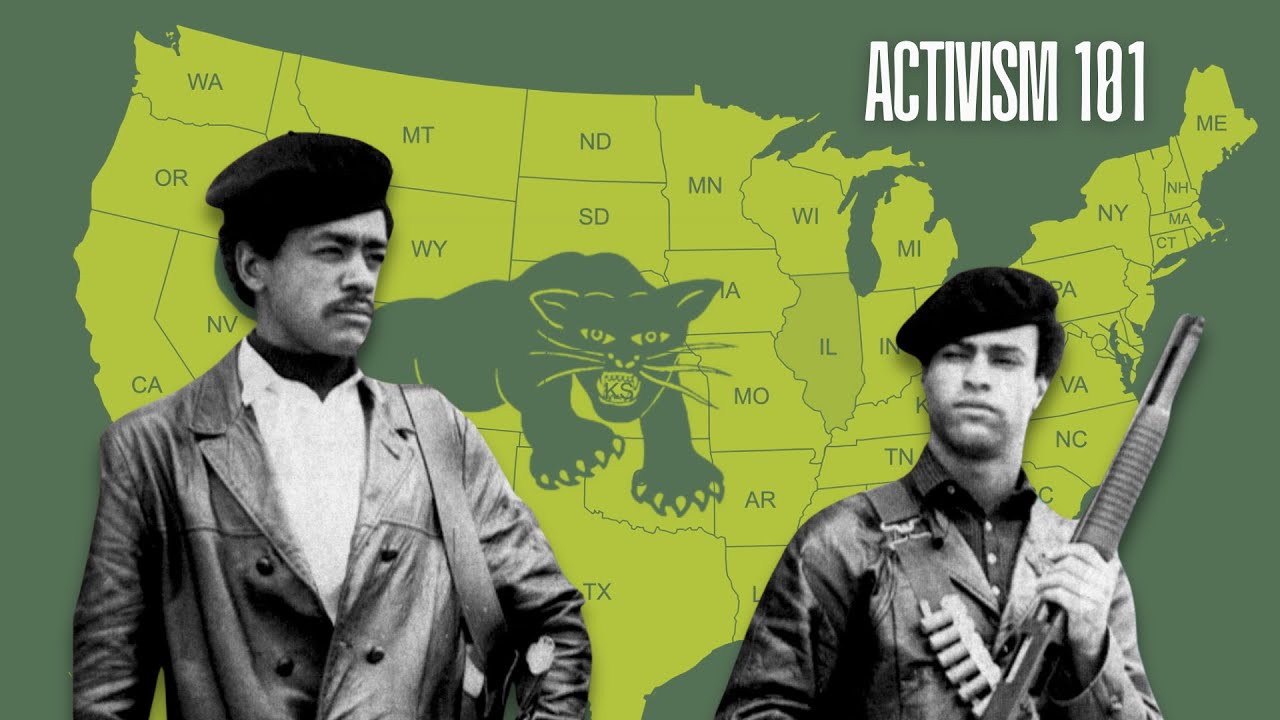
Analysis of historical and modern case studies of mutual aid, such as the Black Panther Party's survival programs and disaster-relief networks like Common Ground.
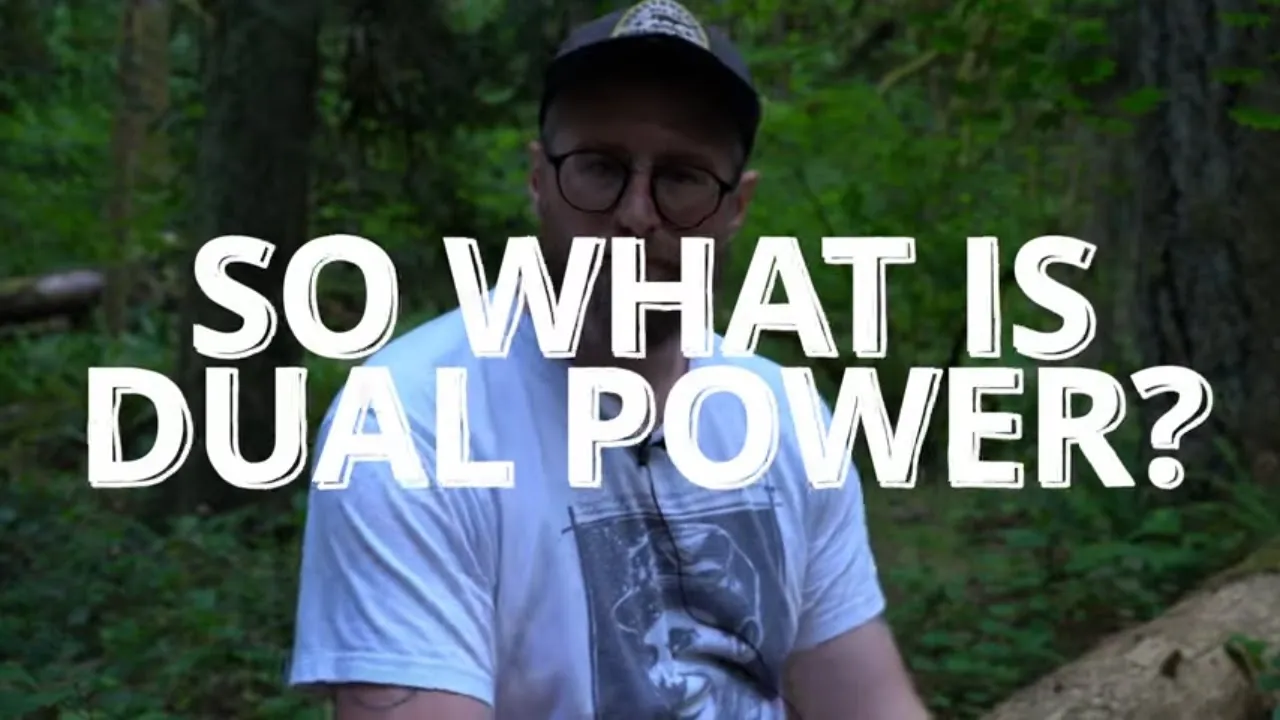
The political strategy of 'Dual Power'—creating autonomous, self-governing community institutions to run parallel to and challenge state structures.
A critical evaluation of the structural challenges within mutual aid networks, including activist burnout, NGO-ization (co-optation by non-profits), and scalability limitations.
The intersection of mutual aid with indigenous sovereignty, decolonial frameworks, and traditional practices of communal resource management.
49.3K views4.1Klikes19:36Original Release: 2021-03-24
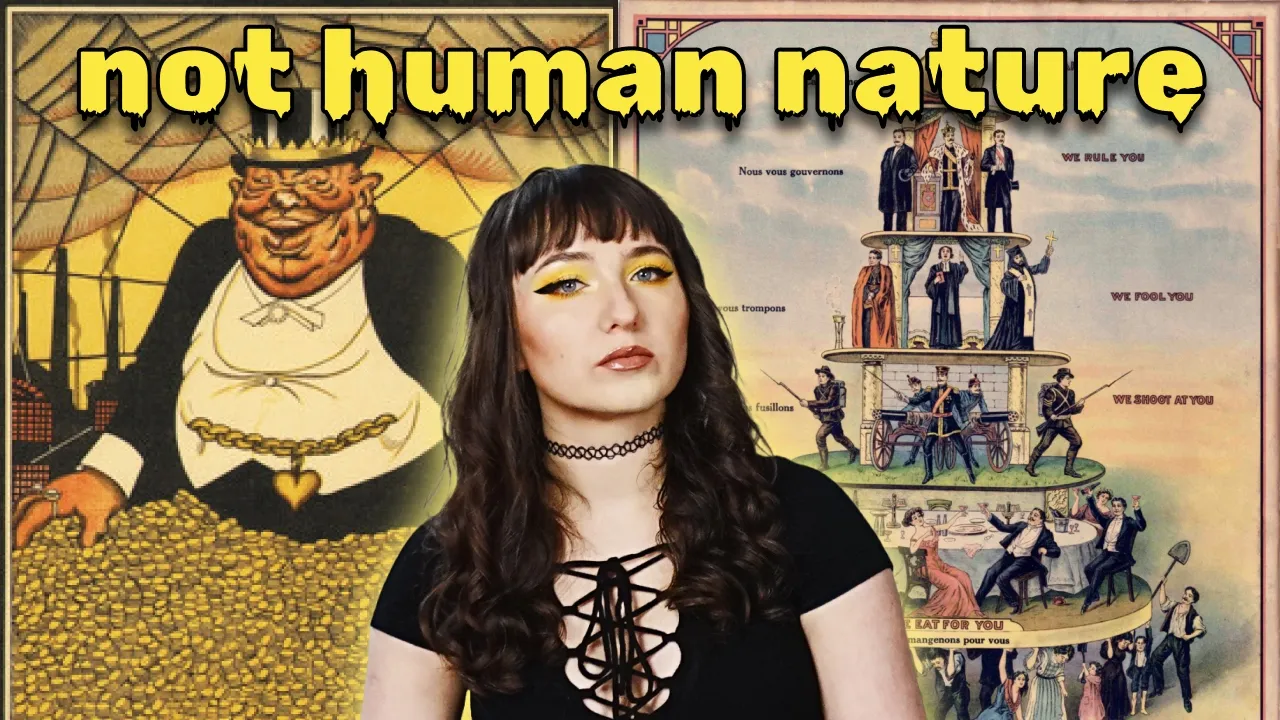
I think one of the most damaging myths about humanity that we need to challenge and dispel is the notion that we are in constant competition with our fellow humans.
“Survival of the fittest” has become the slogan to justify exploitation, atomization, alienation, and all the other essentials of capitalism.
And folks been struggling.
Climate crisis, expanding police states, rising housing costs, food insecurity, and pandemics are mashing people up.
Lately I’ve seen more and more people begin to shed old, inaccurate notions of human nature and look towards more social and communal ideas of how society should be organized.
Movements are building, however slowly, to take on these challenges, and more and more people are realizing that we can’t look for policies and reforms to help us.
Politicians do not care and slight tweaks to our corrupt system fail to reach the root cause of the corruption.
The systems of domination we live under WANT us to channel our dissatisfaction in ways that are non threatening.
The concept of mutual aid is, in my eyes, one of our most potent strategies for supporting vulnerable populations, mobilizing resistance, and building the infrastructure of a more humane society.
I want to help people understand mutual aid, real mutual aid; what it is, its potential, and its challenges.
What is Mutual Aid?
Mutual Aid, put simply, is a form of political participation in which people take responsibility for caring for one another and changing political conditions, not just through symbolic acts or putting pressure on their representatives in government, but by actually building new social relations that are more survivable.
Mutual Aid is more than donating to someone’s GoFundMe or delivering groceries to the elderly during the pandemic.
Mutual Aid is a long term commitment to anti-capitalism, to building community relationships, to reciprocity and exchange, and to removing community dependency of the capitalist State.
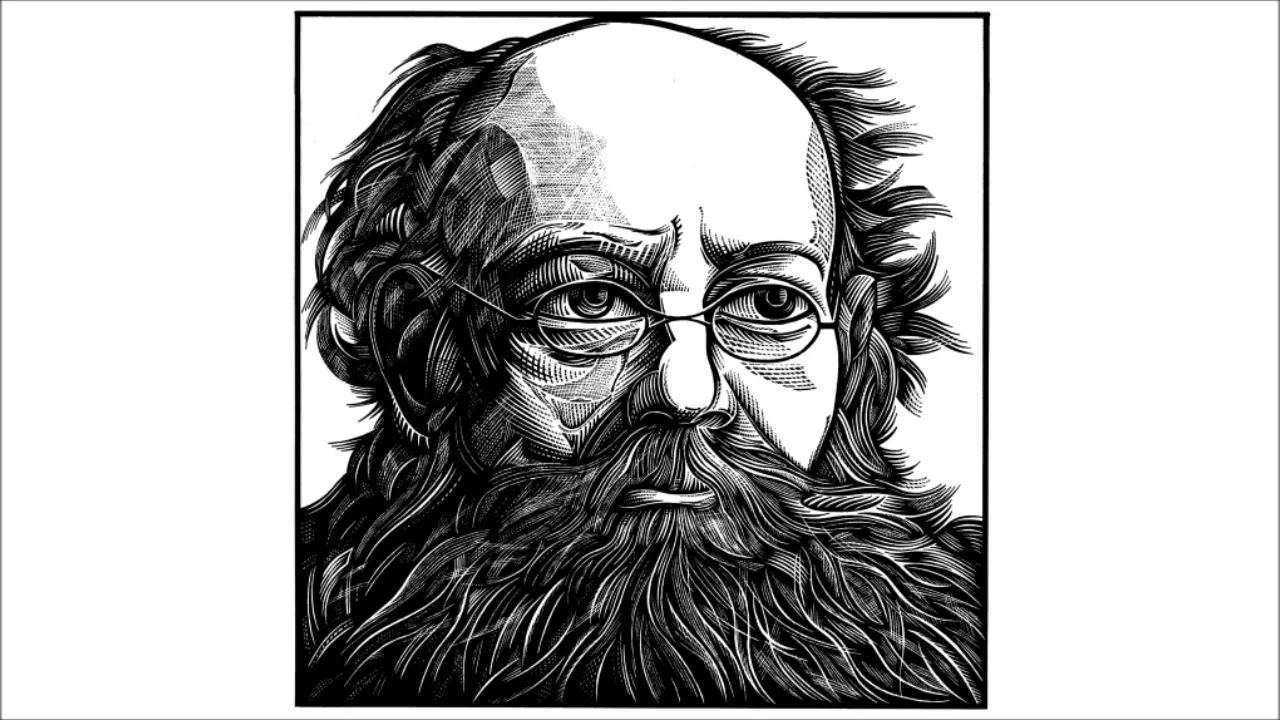
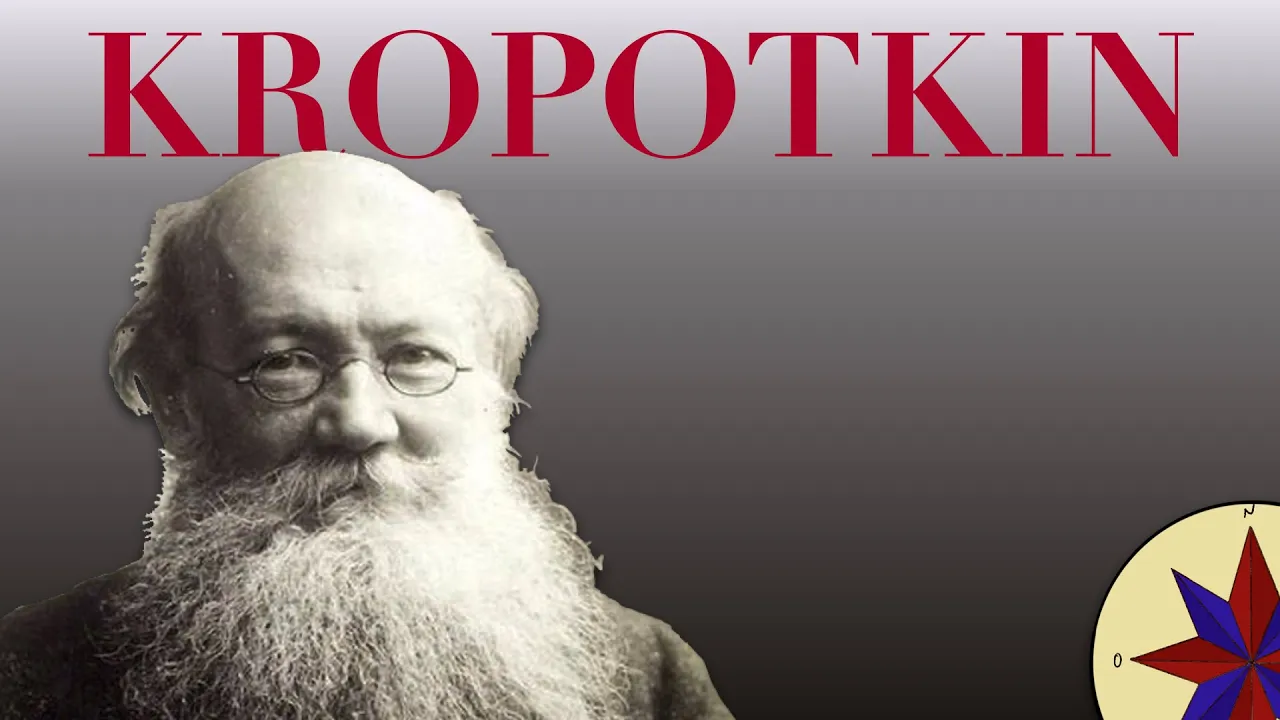
Peter Kropotkin is well-known for his observations of Mutual Aid in nature and in the various social organizations humanity has undertaken.
In his book, Mutual Aid: A Factor of Evolution, he explores the collaboration of insects, birds, and non-human mammals as they practice mutual aid in the furtherance of their species, and in some cases, other species too.
Humans throughout history and prehistory have also practiced various forms of Mutual Aid, regardless of their sociopolitical organization, in order to survive.
Mutual Aid always finds a way.
He speaks of the communes of the Ariège in south-west France, where neighbours would come together to enjoy chestnuts and wine, and work together while making nut oil, crushing hemp, and shelling corn.
All worked and provided for all, with no concern for remuneration or transaction.
Communities would also organize to share butter and cheese, maintain canals, protect land, and provide free medical care.
And such activities are not relegated to past picturesque French countrysides.
For example, here in Trinidad, when folks lime (as in hang out), whether at home, on the beach, wherever, people bring drinks and snacks, help to cook and clean, organize drops, and so on.
Mutual Aid.
Communal care.
You can find such practices anywhere you go.
Long before Kropotkin put pen to paper, Mutual Aid has BEEN the central practice of colonized peoples across the world, both pre- and post-colonialism.
It’s not new.
But many practices were purposefully destroyed by settlers through genocide, assimilation, and capitalism.
States have always viewed such communal relations as a threat to their existence, and have consistently taken efforts to erode such relations.
Mutual Aid has been the foundation of peace and prosperity, as well as the refuge in times of war, disaster, and misery, keeping people together when they need it the most.
Today, Mutual Aid is especially significant in the context of social movements resisting colonial and capitalist domination, where wealth and resources are extracted and concentrated, and people can only survive by participating in the corrupt system.
In such a context, the coordinated, collective care of Mutual Aid is radical and generative.
Mutual Aid has tremendous potential.
The Potential of Mutual Aid As an organizer, I’m all too familiar with folks in need.
Eviction defense, child care, health care, transportation, and so on...and it’s hard for people to get involved in building tomorrow when they’re trapped in a crisis or crises, struggling to survive, today.
That’s where support comes in.
But not just any old support.
Support that has a political analysis of the conditions that produced their crises.
Support that targets systems, not people.
Support that breaks stigma and isolation.
Support that uplifts.
Mutual Aid.
Effective Mutual Aid exposes the system’s failure and shows an alternative.
It builds faith in the power of people to organize themselves, destroying apathy and hopelessness.
And it also builds new, transformative skills for collaboration, self-determination, participation, decision making, conflict management, meeting facilitation, coordination, and so much more.
A lot of organizers built these skills during the pandemic, the Black Lives Matter protests, and as far back as the Occupy movement.
Skill share plays a very important role in Mutual Aid, and I’m not talking about THAT Skillshare.
Sharing skills is a way to build autonomy by giving everyone opportunities to learn skills that they can then go on to share with others.
And although reciprocity is a key aspect of Mutual Aid, that doesn’t mean we’re constantly measuring contributions.
In some cases you really can’t “pay back” certain skill shares because of how vastly valuable they may be.
That’s okay.
Shed the “tit for tat”, transactional view of relationship and just provide for the greater good because you can and want to.
As indigenous anarchist Regan De Loggans puts it, “Mutual Aid is about community knowledge.
Community knowledge is community strength; we do not withhold.” Cultivating community solidarity is essential, bringing people of all walks of life together.
Mutual Aid can also foster the community’s ability to boldly defy the illegitimate limitations of rules and authority.
Here, I’ll paint an example for you.
Organizers from Mutual Aid Disaster Relief travelled to Puerto Rico after the devastation of Hurricane Maria to support in whatever way they could, and ended up discovering a government warehouse that was neglecting to distribute huge stockpiles of supplies.
They showed their Mutual Aid Disaster Relief badges to the guards and said, “We are here for the 8am pickup.” When guards replied that their names were not on the list, they just insisted again, “We are here for the 8am pickup.” They were eventually allowed in, told to take whatever they needed.
After being let in once, aid workers were able to return repeatedly.
They made more badges for local organizers, and this source continued to benefit local communities for months afterwards.
In the face of disaster, we need to take bold actions, without waiting for permission, to save lives and communities, and to reimagine ways of interacting with the world.
We need to break norms of individualism, passivity, and respect for private property above human need.
And besides extreme cases of disaster, understand that Mutual Aid is more than survival or scraping by.
It’s how communities can THRIVE.
However, as Mutual Aid has gained popularity, we have to recognize certain errors, pitfalls, and challenges that Mutual Aid organizers have faced and will face.
The Challenges of Mutual Aid Mutual Aid is Not Charity First and foremost, we can’t let the media machine turn Mutual Aid into a synonym for Charity.
We have to be able protect radical ideas from assimilation into the status quo.
Always ask yourself: Is it mutual?
Is it aid?
Cuz Charity is NOT Mutual Aid, and Mutual Aid is NOT Charity.
People default to the framework of Charity because that’s what dominates our mainstream understanding of what it means to support folks in crisis.
It’s a giver-receiver relationship.
One group, usually wealthy donors or the government, gives, and another group, usually struggling-to-survive poor folks, receive.
Of course, there are projects that are more horizontal and collective, but if it’s a giver-receiver relationship, it’s not Mutual Aid, cuz it’s not Mutual.
Not saying these projects are a bad thing, nor am I saying you shouldn’t give to people.
I’m just saying, don’t call it what it isn’t.
Charity constantly frames rich folks and corporations as benevolent and good for the community and generous, while they uphold and legitimize systems that cause such poverty.
The massive Charity industrial complex is one big operation for elite donors to avoid taxation, secure government grants, and decide what projects even get support, without any say from the people they’re supposedly helping.
If we talking about the Charity model as a whole, it’s often tainted by notions of puritan morality.
Charity often has eligibility requirements, like the means testing of government welfare.
These requirements usually demand sobriety, clean records, piety, curfews, job training course participation, cooperation with police and so on.
It’s a big effort to determine the worthiness or unworthiness of those in need, pathologizing and criminalizing usually poor, Black people.
Plus there’s so much effort in our culture to stigmatize those who receive aid, so a lot of people desperately try to avoid those conditions by jumping into exploitative jobs and such.
When we’re organizing, we have to work against these forces, not with them.
Remember, Mutual Aid must have a strong political analysis of the systems that produced these crises, expose these failures, and demonstrate an alternative.
Mutual Aid is Not Saviourism Mutual Aid projects must avoid saviourism and paternalism.
That’s that charity mindset playing up again.
The benevolent, superior saviour swooping in to save these desperate people by replacing their old ways of life with “smarter”, more “moral” and more profitable ways of life.
They “save” people with “innovations” that decimate housing, displace residents, privatize schools, destroy infrastructure, and gentrify neighbourhoods.
Mutual Aid projects have to resist those saviour narratives and support folks through a conscious analysis of saviourism and a constant centering of self-determination for people in crisis.
Mutual Aid Must Not Be Co-opted Mutual Aid is about moving past the system, not replacing elements of the system to justify neoliberal budget cuts to public infrastructure and public services.
Mutual Aid is not some new effort by social justice entrepreneurs to manage poor people and social problems.
It has to maintain an oppositional culture, that threatens the status quo and cultivates resistance, rather than becoming complementary to privatization.
How do we avoid this?
Well let’s look at what long-time organizers have said about co-optation and resisting it.
Feminist scholars and activists have traced how the anti–domestic violence movement in the US shifted from centering mutual aid projects, such as community, volunteer-run shelters and defense campaigns for criminalized survivors, to formalizing and taking government money that required collaboration with police, that increased criminal penalties and made arrests mandatory on domestic violence calls.
The shifts led to the criminalization of communities of colour, made services less accessible to the most vulnerable, and created good PR for the agents of oppression: the police, prosecutors, and courts, who were now supposedly protectors of women.
That is why they recommend that Mutual Aid projects stay autonomous and stay accountable to the populations they’re trying to help.
It’s why Mutual Aid projects have to maintain horizontal community control and decision making.
Co-optation is usually the result of the leaders and founders of projects, who didn’t have much to lose and were never the most vulnerable, getting bought off by elites.
In one case, a shelter for queer youth was led by adults who accepted additional funding and agreed to work with the police cuz they’d benefit from job security, while the youth who couldn’t use the space without facing arrest had no say in the matter.
Mutual Aid Must Involve Consensus Prevention is better than the cure, and the best way to prevent co-optation is through consensus decision making.
It prevents the dictatorship of the majority, it uplifts the most vulnerable, and it establishes an ethic of full participation and cooperation.
Rather than fostering competitiveness for the “winning idea” and developing disinterest in the participation of others, consensus decision making requires everyone’s involvement in bringing forward, discussing, listening, and modifying proposals until everyone is sufficiently satisfied.
It’s not something people are used to.
The institutions that run our lives: our schools, our workplaces, our governments, they’re all hierarchical.
We’re expected to stay passive consumers while the elites “solve the world’s problems”.
But if we want to mobilize movements of millions, people have to practice participating, listening to everyone’s concerns and finding creative solutions, rather than just following some leader or some individual’s desires.
We all have something to offer.
None of us are disposable.
At Mutual Aid Disaster Relief, one of their slogans is “no masters, no flakes.” Which means they reject hierarchies within the organization but also build accountability between participants by encouraging people to keep showing up and putting in the work, not cuz you’re being forced to, but because your work and your perspective matters.
Mutual Aid Must Be Conflict-Ready Conflict is part of all groups and relationships.
The real question is how you address conflict.
Within our hierarchies, we’re deskilled, or never taught, how to deal with conflict.
We either dominate others or submit to domination.
We learn to suppress and to manipulate.
We learn to seek validation and never learn how to handle feedback, either ignoring, avoiding, defending, demanding, or appeasing.
So we hadda engage with conflict in generative ways, that strengthen rather than weaken relationships.
How do we do that?
Various Mutual Aid orgs have shared analysis and internal practices to recognize and address racism, ableism, sexism, and other systems of domination by centering the voices of those most affected.
They provide skill building activities for giving and receiving feedback (cuz it really is a skill), they have protocols in place for managing gossip, they ensure everyone understands the decision making process, they maintain financial transparency, and they facilitate transformative justice and mediation between participants.
Mutual Aid work builds infrastructure for the future, and working to address conflict and harm within Mutual Aid orgs is a major part of it.
Mutual Aid: Final Thoughts Peter Gelderloos offered a few questions for assessing the liberation potential of your tactics, which I'm paraphrasing: Are we seizing space in which new social relations can be enacted?
Are we spreading awareness of new ideas?
Is this awareness passive or does it inspire others to fight?
Do we have elite support?
Are we achieving any concrete gains in improving people’s lives?
That third question, “is this awareness passive”, is especially potent in our digital age.
Social media slacktivism is a serious issue.
People need to get up off Instagram and actually DO.
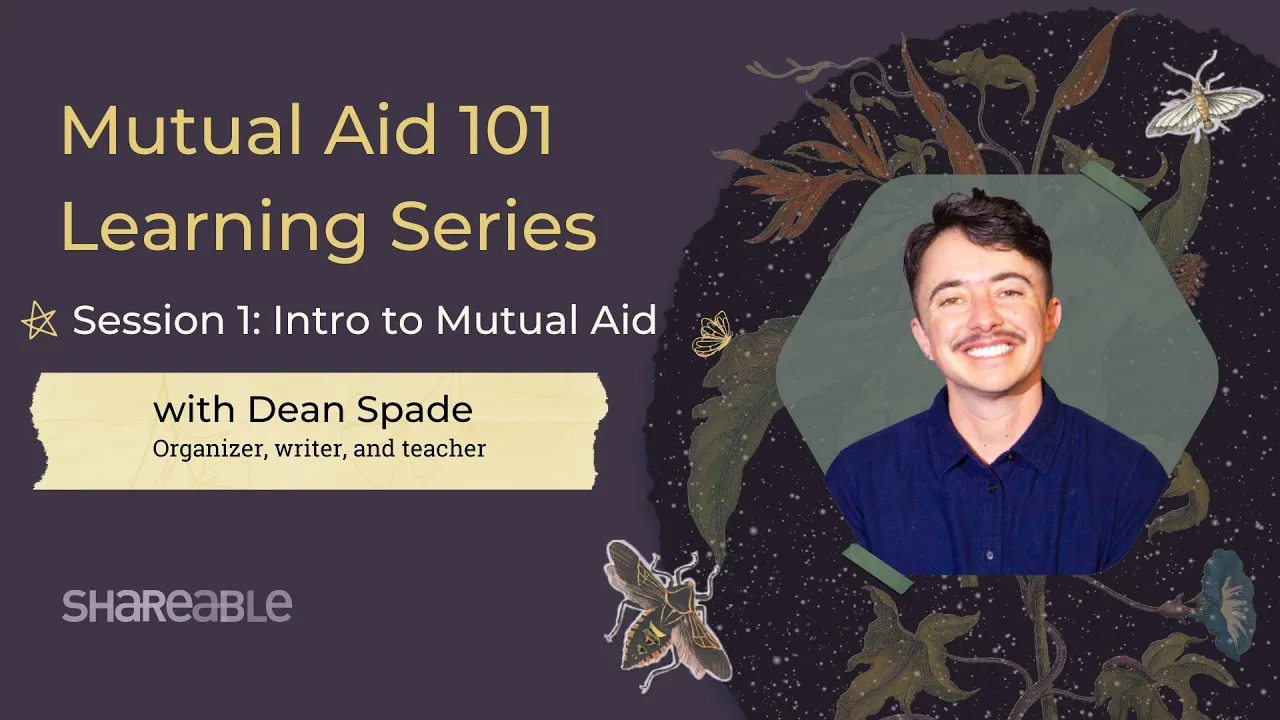
Dean Spade, the author of a fantastic article on Mutual Aid that I linked below, extended these questions to include, paraphrasing again: Are we providing material relief?
Are we leaving out an especially marginalized part of the affected group?
Are we legitimizing or expanding a system we are trying to dismantle?
Are we mobilizing people for ongoing struggle?
Personally, I’d also ask: Are we cultivating liberatory skills?
Are we cultivating sharing practices?
Are we developing solidarity across movements?
Are we relying on harmful institutions?
If so, how can we move away from these institutions?
We have to reignite people’s imaginations, through Mutual Aid, to go beyond the boundaries placed on us.
That work requires a fundamental transformation of material conditions by dismantling harmful systems, including preventing their expansion, working with the targets of such systems, and working to build alternative infrastructure.
When we talk about dismantling and preventing the expansion of harmful systems, we mean pipeline sabotage, police watching, building site action, roadblocking, disruption, and sometimes, campaigning on the municipal level to defund the police.
When we talk about working to support the targets of such systems, we mean prison visits, writing to prisoners, rapid response systems for deportation raids, ride sharing, eviction defense, free clinics, childcare collectives, disaster response, and more.
When we talk about building alternatives, we mean establishing community connections, creating locally controlled food, energy, and waste systems, intra community conflict management, free schools, and more.
And I have to get this off my chest: we need to stop devaluing certain forms of activism.
Reproductive labor, usually associated with women, like cooking; cleaning; caring for the young, sick and old; maintaining relationships; visiting folks in hospitals and prisons; organizing rides; providing emotional support...these are efforts that are devalued, even in socially progressive movements.
It’s more flashy to give speeches, get elected, get published, or take a selfie with AOC, but nobody’s studying the folks who are really putting in the work.
Time to stop marginalizing Mutual Aid and care work, stop glorifying law and policy reform, stop looking for Instagram-worthy activist moments, and just get to work.
Our time is short.
Until next time, think about Mutual Aid.
Think about how your relationships could look, knowing every relationship is different, and put it into practice.
I’ll leave you with a quote from Kropotkin: “In the practice of mutual aid, which we can retrace to the earliest beginnings of evolution, we thus find the positive and undoubted origin of our ethical conceptions; and we can affirm that in the ethical progress of man, mutual support not mutual struggle — has had the leading part.
In its wide extension, even at the present time, we also see the best guarantee of a still loftier evolution of our race.” Peace.
Outro Thank you for watching.
Thanks once again to the Famalay, Ongrad, Coby Tamayo, John Vechey, Ori Shimony, Len P, and Suavacado Jones.
You can join these beautiful humans and support me too on Patreon.com/saintdrew.
Please like, comment, subscribe, and share with your fellow peoples.
Feed the algorithm.
Check out my previous videos for other fascinating topics.
You can follow me on Twitter @_saintdrew.
Thanks again, peace!
Up Next

20:22
Mutual Aid: Peter Kropotkin's Anarchist Legacy Explained
@LibertyInOurTime
13.1K views•2011-03-31

164:01
John of Damascus on Holy Images: A Theological Defense
@BannedBooks
139 views•2026-04-25

68:32
Should We Destroy the Machines? Big Tech Surveillance Critique
@TheStoriesWeTell303
167.9K views•2025-11-30
4:57
The Myth of Sisyphus: A Greek Legend of Eternal Punishment
@TEDEd
8.6M views•2018-11-13
Related Study Plans & Knowledge Roadmaps
Structured learning paths in Philosophy
philosophy
Frankfurt School: Critical Theory & Culture
01Foundations of the Frankfurt School and Critical Theory
02Horkheimer & Adorno: The Critique of Instrumental Reason
03The Culture Industry and Mass Deception
+ 2 more learning modules
12h5 modules
Explore Roadmap
philosophy
Philosophy of Language: From Frege to Austin
01The Linguistic Turn: An Introduction to Language in Philosophy
02Gottlob Frege: Sense and Reference
03Early Wittgenstein: The Picture Theory of Meaning
+ 3 more learning modules
15h6 modules
Explore Roadmap
philosophy
Feminist Epistemology: Standpoint & Injustice
01Introduction to Epistemology and Feminist Critiques
02Sandra Harding and Standpoint Theory
03Donna Haraway and Situated Knowledges
+ 2 more learning modules
12h5 modules
Explore Roadmap
philosophy
Environmental Philosophy: Ethics & Deep Ecology
01Foundations of Environmental Ethics & Anthropocentrism
02Biocentric Individualism and Animal Liberation
03Ecocentric Holism and Deep Ecology
+ 1 more learning modules
10h4 modules
Explore Roadmap