





![[The Lumineers] — E se você tivesse uma segunda chance?](https://i.ytimg.com/vi_webp/HmnzBy0UGGQ/maxresdefault.webp)






![The Binaural Psychiatrist [ASMR Roleplay]](https://i.ytimg.com/vi_webp/hj0hmJ5xPNQ/maxresdefault.webp)










![[금요성령집회] 민수기 강해 19 - 탈진이 오는 이유 (민 11:10-15) / 최병락 담임목사 / 2022-11-04](https://i.ytimg.com/vi/vXwmNTDX2b4/maxresdefault.jpg)


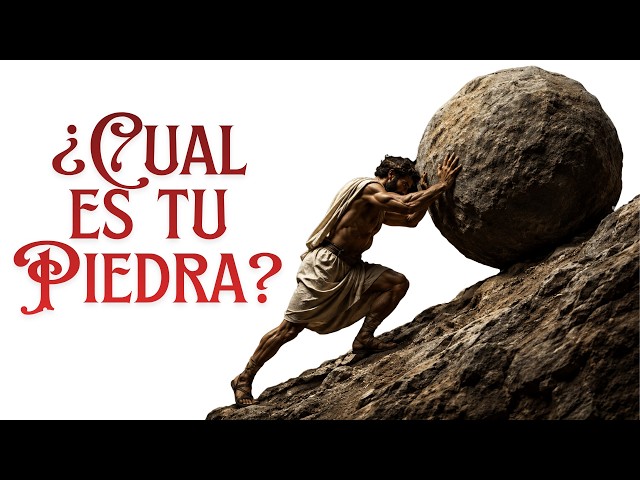




In Greek mythology, Sisyphus, a cunning king who violated sacred hospitality by seducing his niece and killing visitors, was punished by Zeus with eternal torment of rolling a massive boulder up a hill that endlessly rolls back down, symbolizing humanity's futile search for meaning in an indifferent universe; existentialist philosopher Albert Camus later interpreted this punishment as an allegory suggesting that even when life's struggles seem repetitive and absurd, we can find significance by defiantly embracing our circumstances.
The Myth of Sisyphus: A Greek Legend of Eternal Punishment
Added:An introduction to Greek mythology, particularly the concepts of hubris, divine retribution, and the structure of the Greek Underworld.
A basic definition of Existentialism, focusing on the premise that individuals are responsible for creating meaning in their own lives.
Familiarity with Albert Camus as a 20th-century French philosopher and writer key to the school of Absurdism.
The conceptual difference between Nihilism (the belief that life is completely meaningless) and Existentialism (the active pursuit of self-defined meaning).
A close reading and textual analysis of Albert Camus' 1942 philosophical essay 'The Myth of Sisyphus'.
A comparative study of Camus' Absurdism and Jean-Paul Sartre's Atheistic Existentialism, particularly regarding the concepts of radical freedom and bad faith.
The application of 'Sisyphean' symbolism to modern psychological and sociological phenomena, such as burnout, repetitive labor, and routine.
An exploration of Søren Kierkegaard's concept of the 'leap of faith' as a contrasting theological response to the Absurd.
8.6M views173.2Klikes4:57Original Release: 2018-11-13
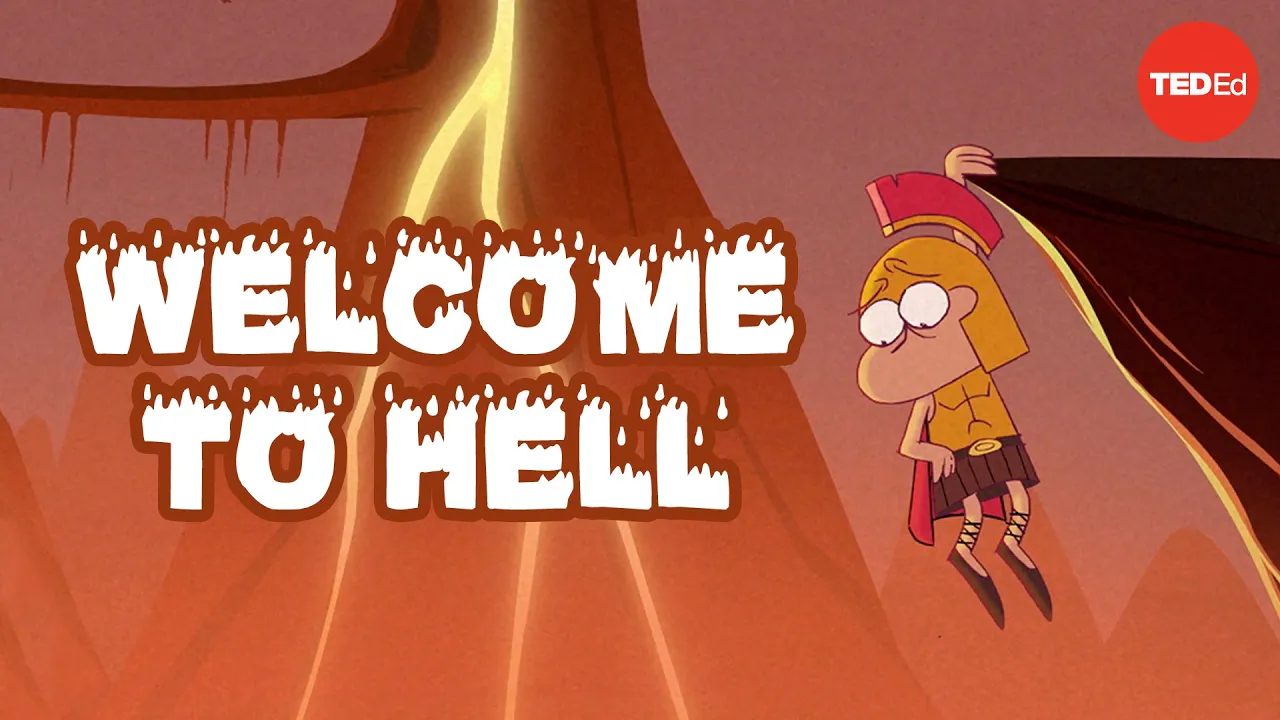
Whether it’s being chained to a burning wheel, turned into a spider, or having an eagle eat one’s liver, Greek mythology is filled with stories of the gods inflicting gruesome horrors on mortals who angered them.
Yet one of their most famous punishments is not remembered for its outrageous cruelty, but for its disturbing familiarity.
Sisyphus was the first king of Ephyra, now known as Corinth.
Although a clever ruler who made his city prosperous, he was also a devious tyrant who seduced his niece and killed visitors to show off his power.
This violation of the sacred hospitality tradition greatly angered the gods.
But Sisyphus may still have avoided punishment if it hadn’t been for his reckless confidence.
The trouble began when Zeus kidnapped the nymph Aegina, carrying her away in the form of a massive eagle.
Aegina’s father, the river god Asopus, pursued their trail to Ephyra, where he encountered Sisyphus.
In exchange for the god making a spring inside the city, the king told Asopus which way Zeus had taken the girl.
When Zeus found out, he was so furious that he ordered Thanatos, or Death, to chain Sisyphus in the underworld so he couldn’t cause any more problems.
But Sisyphus lived up to his crafty reputation.
As he was about to be imprisoned, the king asked Thanatos to show him how the chains worked – and quickly bound him instead, before escaping back among the living.
With Thanatos trapped, no one could die, and the world was thrown into chaos.
Things only returned to normal when the god of war Ares, upset that battles were no longer fun, freed Thanatos from his chains.
Sisyphus knew his reckoning was at hand.
But he had another trick up his sleeve.
Before dying, he asked his wife Merope to throw his body in the public square, from where it eventually washed up on the shores of the river Styx.
Now back among the dead, Sisyphus approached Persephone, queen of the Underworld, and complained that his wife had disrespected him by not giving him a proper burial.
Persephone granted him permission to go back to the land of living and punish Merope, on the condition that he would return when he was done.
Of course, Sisyphus refused to keep his promise, now having twice escaped death by tricking the gods.
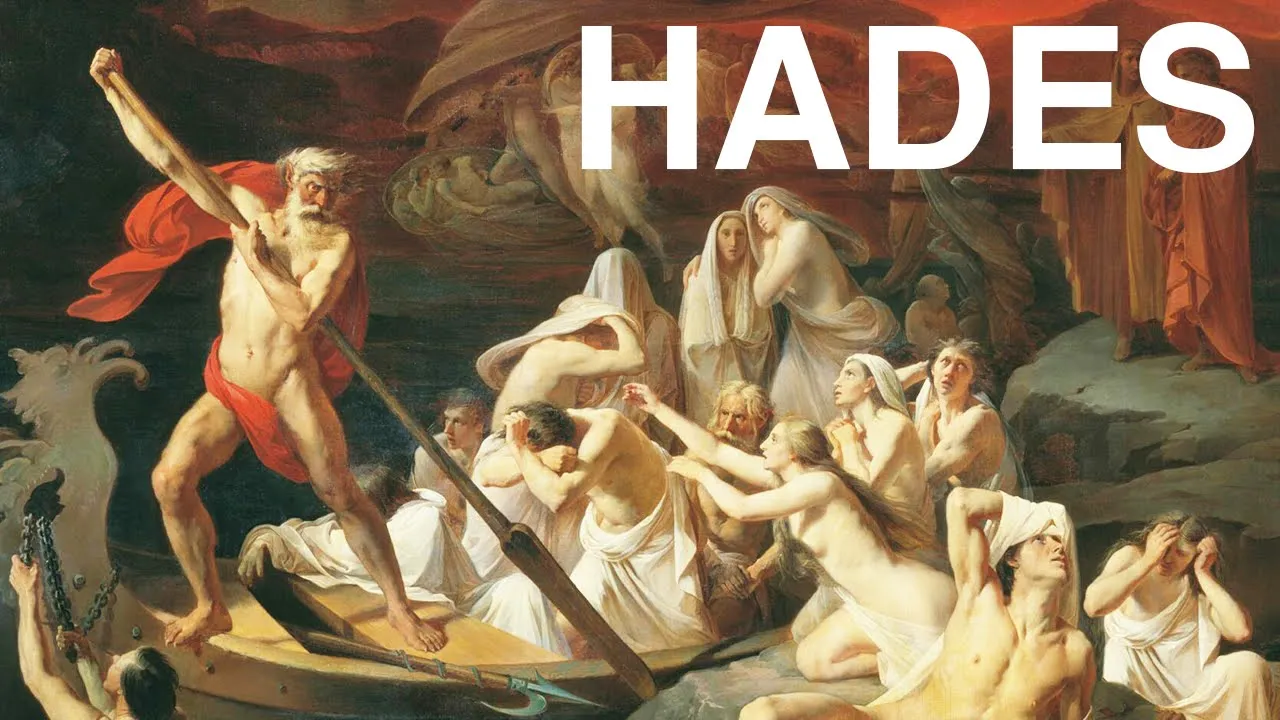
There wouldn’t be a third time, as the messenger Hermes dragged Sisyphus back to Hades.
The king had thought he was more clever than the gods, but Zeus would have the last laugh.
Sisyphus’s punishment was a straightforward task – rolling a massive boulder up a hill.
But just as he approached the top, the rock would roll all the way back down, forcing him to start over …and over, and over, for all eternity.
Historians have suggested that the tale of Sisyphus may stem from ancient myths about the rising and setting sun, or other natural cycles.
But the vivid image of someone condemned to endlessly repeat a futile task has resonated as an allegory about the human condition.
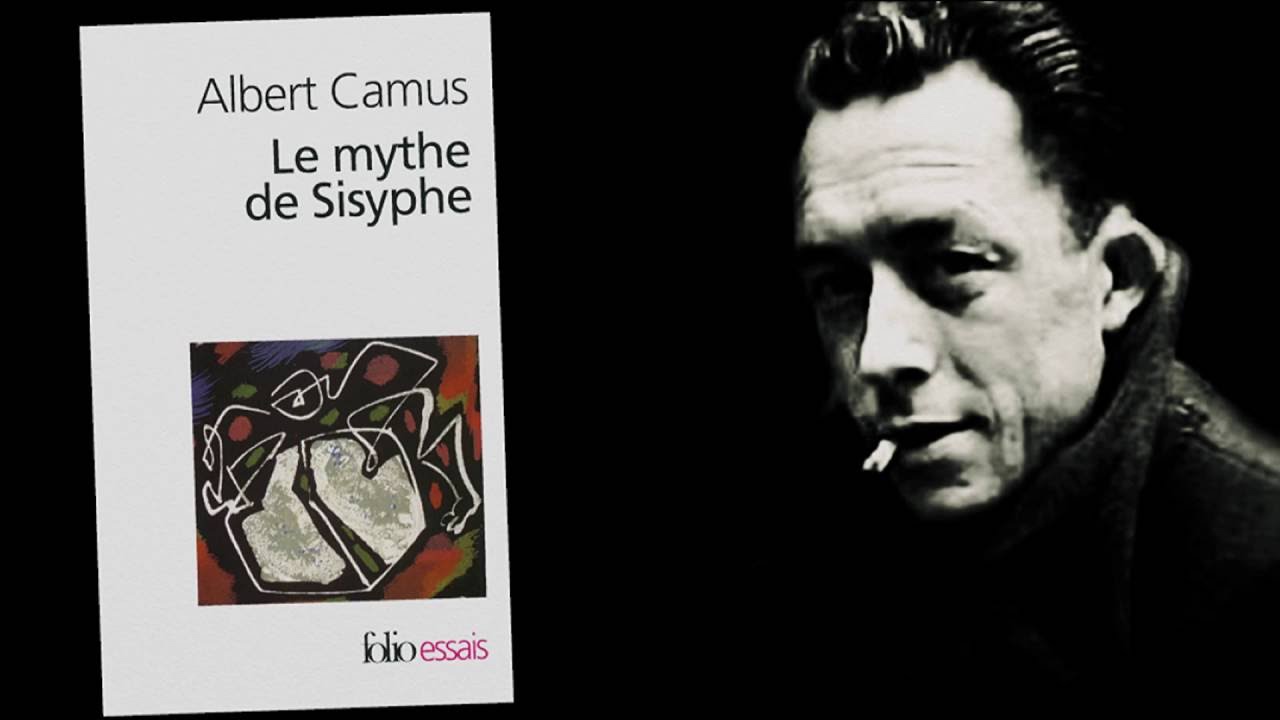
In his classic essay The Myth of Sisyphus, existentialist philosopher Albert Camus compared the punishment to humanity’s futile search for meaning and truth in a meaningless and indifferent universe.
Instead of despairing, Camus imagined Sisyphus defiantly meeting his fate as he walks down the hill to begin rolling the rock again.
And even if the daily struggles of our lives sometimes seem equally repetitive and absurd, we still give them significance and value by embracing them as our own.
Up Next
8:53
Existentialism Explained: Sartre, Meaning & the Absurd
@crashcourse
7.6M views•2016-06-06

164:01
John of Damascus on Holy Images: A Theological Defense
@BannedBooks
139 views•2026-04-25
4:52
Mary's Room: The Philosophy of Conscious Experience
@TEDEd
4.7M views•2017-01-24
10:35
Philosophy Explained: Origins, Metaphysics, Epistemology & Value Theory
@crashcourse
8.1M views•2016-02-08
Related Study Plans & Knowledge Roadmaps
Structured learning paths in Philosophy
philosophy
Frankfurt School: Critical Theory & Culture
01Foundations of the Frankfurt School and Critical Theory
02Horkheimer & Adorno: The Critique of Instrumental Reason
03The Culture Industry and Mass Deception
+ 2 more learning modules
12h5 modules
Explore Roadmap
philosophy
Philosophy of Language: From Frege to Austin
01The Linguistic Turn: An Introduction to Language in Philosophy
02Gottlob Frege: Sense and Reference
03Early Wittgenstein: The Picture Theory of Meaning
+ 3 more learning modules
15h6 modules
Explore Roadmap
philosophy
Feminist Epistemology: Standpoint & Injustice
01Introduction to Epistemology and Feminist Critiques
02Sandra Harding and Standpoint Theory
03Donna Haraway and Situated Knowledges
+ 2 more learning modules
12h5 modules
Explore Roadmap
philosophy
Environmental Philosophy: Ethics & Deep Ecology
01Foundations of Environmental Ethics & Anthropocentrism
02Biocentric Individualism and Animal Liberation
03Ecocentric Holism and Deep Ecology
+ 1 more learning modules
10h4 modules
Explore Roadmap