













Walter Benjamin's Arcades Project (1927-1940) represents a groundbreaking attempt to understand modern urban life through the lens of Parisian arcades, which he saw as microcosms containing both the alienating forces of commodification and the potential for collective political action; Benjamin conceptualized cities as dialectical spaces combining the ordered coherence of Jerusalem with the chaotic innovation of Babylon, arguing that effective political resistance requires navigating this tension between anonymity and community within urban public interiors.
The Arcades of Paris: Walter Benjamin on Urban Politics & Philosophy
Added:Basic tenets of Marxist theory, particularly the concepts of commodity fetishism and Georg Lukács' formulation of reification.
An overview of Walter Benjamin's philosophical background, his association with the Frankfurt School, and his unique methodology combining historical materialism with theological mysticism.
The historical context of 19th-century Paris, including the rise of consumer capitalism, the construction of the arcades, and Haussmann's radical urban restructuring.
An introductory understanding of dialectics, specifically how contradictions within material culture can lead to historical transformation or awakening.
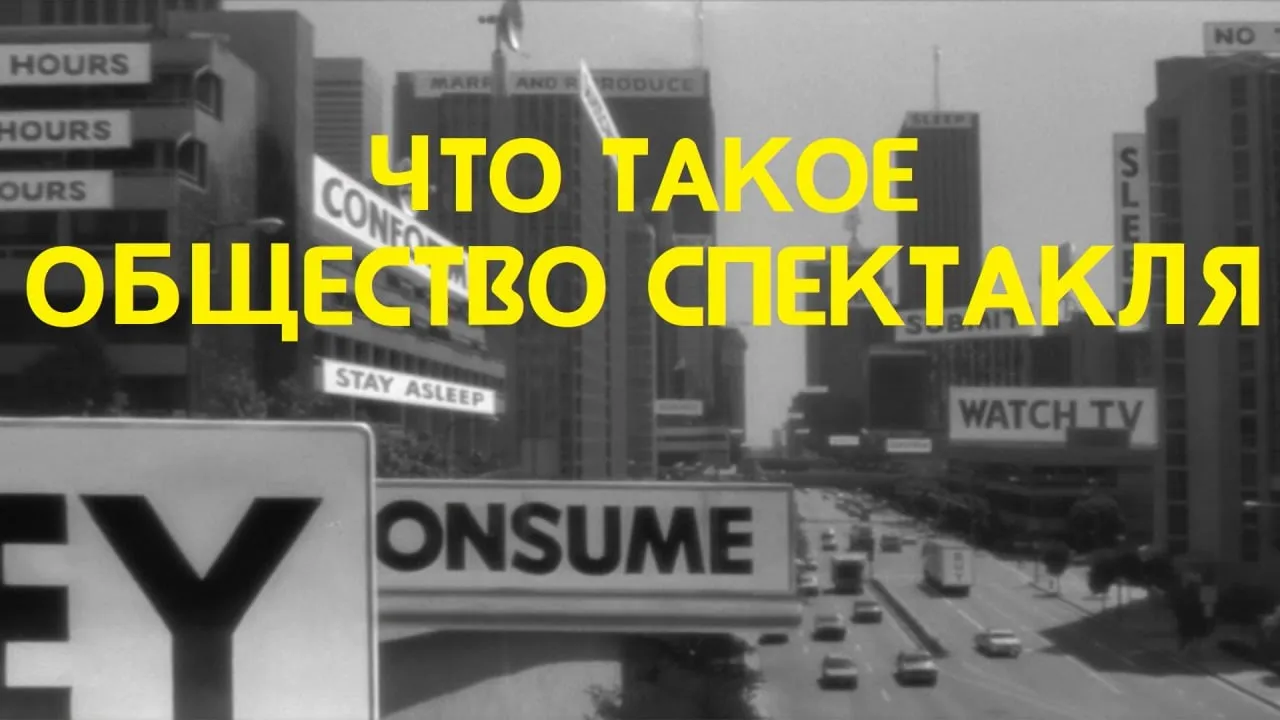
The concept of the 'flâneur' and its evolution into the Situationist International's practice of psychogeography and Guy Debord's critique of the 'Society of the Spectacle'.
Advanced spatial theory and critical geography, exploring how modern theorists like Henri Lefebvre and David Harvey analyze the production of urban space under capitalism.
A deep dive into the structure and methodology of Walter Benjamin's unfinished masterpiece, 'The Arcades Project' (Das Passagen-Werk), focusing on his use of literary montage.
Applying Benjamin's concept of 'phantasmagoria' to contemporary consumer spaces, such as modern shopping malls, airport terminals, and digital/virtual commerce environments.
2.3K views18likes2:11:21Original Release: 2013-06-19
[Music] you [Music] know where barnab is he was here ear um okay we're gonna get started pretty soon now this is a picture ofj migraine Sor um I would sorry is that great I would uh i' like to introduce you to Frank Cunningham it gives me great pleasure that he's here it's completely um a bizarre set of circumstances that brought him here he's on his way to Berlin so he's making a little pit stop here Frank Cunningham um is professor merus at the University of Toronto he also is uh a researcher at the um at at the urban center city center at the University of TR City Center an urban Research Center and um I I've known Frank for many many many many years um but luckily we are evergreen so the older we get the younger we get or something like that um and I knew Frank when he was running the philosophy department at University of Toronto and uh worked with CV mcferson and did a lot of work with polit you know the political anti-fascist struggles democracy and so on and so forth and I see you've now moved into the urban which is still the same same struggles same struggle same struggle same enemies yeah absolutely so anyway uh welcome Frank and I'm glad you're here thank [Applause] you I guess I should take it you might wait till be in the talk to see May thank you very much for inviting me um yeah I as soon mentioned I I do teach I do teach and research in this uh Urban Research Center where I'm I am the token humanist I'm not only the only philosopher in this Center I also the only person from uh any of the Arts of the humanity so it's my job amongst uh a sea of geographers and planners uh and uh sociologists and political scientists to remind them that there are such things as Theory or or history uh or God forbid art so uh but I do profit enormously from the interdisciplinarity of it and my understanding of the school here is that this is also an inter disciplinary place or a place that and we were talking uh just earlier Stuart and I about silis uh and it's nice to be in a place where that's uh uh ComEd um this talk is going to be about uh it has a specific origin I'll explain shortly uh it's mainly about Benjamin it was a talk designed mainly for political uh philosophers um but I've um added and subtracted to get some uh references into it that might be of special interest to people in in your school in particular uh not much but touch touching base with the uh uh uh yugan steel movement of which Benjamin was quite uh had a set of love hate relation and then a little bit about his very famous uh approach to the aura of books of art to photograph fil um Alternatives so how many people here have uh had a chance to read any of the arcades project did I just see how many people are kind of appointed with the text some okay I'm not presupposing that you've mastered the text I certainly haven't and uh I and I'll explain some of it as I go um these were this was a study that uh benam did uh in uh toward the end of the 19 uh well stretching between 1927 and 1940 uh when he died by his own hand fleeing uh the fascist he probably um chose uh death to being captured by the Spanish fascist which was almost certain would have happened um he wrote a study for for this work it's in the the major English language version it's the big Harvard University version which which you some of we are using a course here it's a big fat one it's the one to get it's got terrific editorship in it and included in that is a very short prey called a dialectical fairy land and it's he he he wrote that before he wrote the arcades project uh and he sent it to his colleagues in uh Frankfurt uh adoro and uh Theodor adoro and Max horkheimer uh oh yeah you need me just be by the mic we can't quite hear you okay um he sent it to his colleagues is this on yeah yeah he sent it to his colleagues there saying he was thinking of writing a book on cities in general Paris more particularly and uh even more specifically on the arcades of Paris which are these covered uh passages that go in between major streets or boulevards uh in Paris and they have shops in them and restaurants and all the rest I'm wondering in in North America I have to uh explain a lot just what these are here I imagine a lot of people have been to the arcades anyone people here have being to these arcades if not if you haven't absolutely get the next plane or take the train over or something and and spend some time in it they're magnificent so he was going to write a book a major study on cities uh taking off from the arcades so horkheimer and uh dorno wrote back to him uh saying Walter this is a really bad idea uh there's nothing there you know you're a good philosopher get back to Serious philosophical work don't concern yourself with these arcades emboldened by this advice he wrote a 1,000 page work on the arcades themselves and and that's the arcades project it's a challenging book to read it's not an easy one um I believe it's largely politically motivated and I can come back to that a little bit later um you can read the pry of it a dialectical Fairyland it's just a few pages uh in in this Edition or maybe uh Johnny could uh get it you know duplicated for you it's a good overview uh there's very little in the over overall Theory uh of the entire arcades that cannot be found in that essay but the angel is in the details um if you've read if you've read the dialectical Fairyland and think you now understand Benyamin and has approached the arcades and is you would be mistaken you've got to immerse yourself uh in the uh in the arcades project uh which is in the form of a series of commentaries and notes on an enormous range of writings uh about uh well cities and Europe and history and the arcade so uh maybe I can just turn to them uh he was I should say Benjamin was one of the most uh connected uh intellectuals of Europe at the time he countered amongst his interlocutors people like bre and Hana arent and Leo Strauss and RKA and Hessa and Jor zimel um and he was just U on good terms with all these folks Drew on all of their thinking and brought this to his study of these passage as the arcades in the French um there were something like 70 or 80 of these passage uh originally um about well nearly half of which had been destroyed by the time uh Benjamin got to Paris uh in the late 20s uh this had been they' been destroyed under uh uh Louis Napoleon uh in particular by his his uh uh urban planner I guess you would call him the sort of Robert Moses with an army uh Baron from Osan uh but uh 34 of them still existed at when Benjamin was there and he uh wrote about something some sometimes a lot sometimes a little about each of these 34 of those 34 17 still do exist so last October I went uh to Paris spent a month and a bit there um and Revisited uh those 17 uh the idea was to figure out what's living and what's dead in the thought of Benyamin with respect to the arcades um I talked to people in the arcades I looked at history um there is a lot on the history in Paris especially in the wonderful uh library of Paris in the L uh which itself is a terrific building and which Benin also writes about in the arcades so uh this talk here is partly um a sort of report of my findings and so maybe I can get to start with them um most of the arcades are and they don't they're not all throughout Paris almost all the ones that still exist almost are in the uh second Aron uh there there are some in the in the first and some in important ones that all come to in the T so uh just to get an idea of what these look like um this was the earliest one this was built this is the passage the Panama which was built at in 1800 so it's really quite uh new it it's in between uhan Mark and the boulevard mad so it's between these two terrific uh uh streets the importance of them being passage in between places is uh is is an important is an important part of and there you can see the interior here is more of the passage Panorama and there's what it looked like that's a this one was complex some of them were more more complex than others and this had a relatively complex uh complex structure here's the uh is the that's that's the structure there you're only seeing I'm seeing two you're seeing one oh well here's the gallery V DOA and that one connects in theud and was built also early on uh in well 18 in the 1820s uh here's a here's a picture of what it looks like inside one picture uh here's where they came from uh there we go yeah uh this one here is the uh uh that's the uh passage uh B and that connects r and the palestro and that that was from the from the 13th century uh it that's the closest you have to what they would would have looked like um most of them before they became passage uh the passage they're private thepage are they local Merchants that would sometimes one or two of them and usually a Consortium would uh would just purchase uh a laneway like this one uh and then make it into a passage or here's another uh example of where they came from this is from the the 15th century and this is the uh Shanti and that's uh that's between fber and uh antoan s Anan uh that was actually commissioned by Louis the 11th in the 15th century and and it's still to be a place where Furniture where Furniture was sold and it's still there it's still selling furniture so they had this was part of their origin here's one that I'm going to come back to later quite an important one uh this is the uh Paz and uh it's a go off U and the architecture is I'm going to come back to the architectural uh importance of this particular uh Mage it was built in 1825 and that's a significant date too so we'll return to that uh here's another one um this is the uhwas now I want to spend some time on schwas because uh uh given his descriptions of what the passage were theas comes closest to being uh intact of do of doing all the things that he thought that they should be doing so in addition to connecting uh major boulevards or streets the one or the other uh they had within them an enormous a variety of uh different kinds of shops and so on uh they had uh they were multi level some of them the bigger ones like schil you can see actually there's a third level above this but it's the first two that's uh that's most of it um here we have uh beast and a sushi place here we have um a stationary uh shop and you can see there is it legible yes uh 1922 and uh so uh so I mean Benyamin that would have been in existence uh just that very shop also selling stationer at Benjamin's time I talked to the proprietor and family continuous continuously in the family uh lots of dining places uh here's rather a nice one which is on uh two levels uh you can go upstairs it's kind of nice to sit upstairs here and uh and look down over the uh the passing uh crowd you can be a bit of a fur except you're sitting down and eating unlike Flur you seem not to eat uh need to buy the food down below I'll come back to the Flur shortly uh here we have uh shop uh here we have another shop uh selling posters Etc a lot of uh places to buy clothing and again that's a theme that I want to return to fairly short um this these are all in um but they this was a highend this is a a relatively high-end clothing store but almost next to it is uh what I would call a Schock shop so it's you know inexpensive clothing and that kind of thing and then not very far from that uh we have uh also still in the same place uh a uh jewelry shop with an extraordinarily expensive uh jewelry in it uh there were artist Studios uh in almost all of the page uh here's one of artist Anna Stein uh she's a painter on a sculpture as you see there's a picture of the of of her Studio itself quite a nice one here's two the next two I'm showing are also artist Studios and uh really in in a relatively small space these cage are not gigantic but look at all the space that uh that this artist has uh at his yes in this case his uh uh his disposal um so it's a gallery but it's also a a workshop they had theaters uh most of them had theaters uh one thing that they don't have anymore and I want to talk about them later are wax museums so the theaters of Remain the cafes have remained the variety of shops have remained the you can see them all in more fewer and greater and different of the passage but all of them in uh the theaters the uh the shops the there's also what were called smoking rooms in his day but were actually just places where you could sit and and meet and talk uh I don't have a picture of one I did but it didn't turn out um the closest you get get to the smoking rooms uh although smoking is prohibited in most of the uh uh establishments of the passage um is one of those uh rooms where which is wired so you can go in with your laptop so instead of people sitting about smoking and talking politics vum been hoped uh they sit um isolated from one another at their uh with their laptops uh so really the smoking rooms have not survived nor have the wax museum so there's just a quick run through some pictures of some of the passage I don't have to spend a lot of time or describe them as I would to a Canadian audience because uh so many people here it looks like almost everybody knows what these are so just pick your middle image of your favorite passage we'll go through it what about the fate of the passage what happened to them well um here is something that uh he talks about the uh about Aragon's uh also enamored of uh L passage and you can see that uh vamin thought that uh that their their fate was lamentably more or less sealed uh the passage that he's referring to here is the pass that passage is uh certainly was C certainly the most magnificent and the most famous of all of the Pas so in the P Aragon Begins the first lead essay is the de um it was destroyed before uh Benyamin uh came to came shortly before Benyamin came to Paris not by Alman himself it survived Alman but then uh it got uh it got torn down so there's there's a picture of it uh on the left and there is a picture from one of the few photographs here that remain I'm going to dwell just a little bit on this passage because of its because it's so famous uh because it was the U really one of the the most famous and one of the reasons it was famous was because of Aragon himself so uh there's a passage in the arcades project where minan says that uh talking about surrealism says that the the U the uh the father of uh of real of surrealism was was dada and it its mother was a passage and that passage was the passage and that's almost literally true I mean not literally true obviously are not organic things you can give birth but um uh uh Andre Breton and Louis Aron credited sometimes with being the founders of surrealism used to uh used to uh meet in a cafe a famous one that later s people hung out in and kamu in mamar but um they decided that the it was too stayed and boring in lar and there wasn't enough to stimulate them so they moved their uh uh bi-weekly twice or three times a week meetings uh to this passage to the uh passage de um I actually tried to figure out where it had been it it's close to the Opera but it's not right at the Opera and I was surprised that none of the benan scholars that I talked to in Paris nor people in the museum or the LI Library Paris could tell me but through diligent detective work thanks to my being in a center with geographers so I know how to read maps now uh I was able to find out where it was it was right at the intersection of the boulevard uh aan and the boulevard Dalian where they they join join up and then uh they turn into the bou M that's where it was and it was torn down um as I say before Benjamin's time uh to make room for the enlargement of the uh Boulevard Alman uh and so that's approximately that's about where it is like from where if you were standing where I was taking this picture from that that would be where the where the passage was here are some other so part of the fate of the passages they simply disappeared they were torn down to make room for the gr bouar uh both before and after Alan's time um there's other ways they were here's uh this is the passage uh and uh it's um that's what it looks like on the outside but it's been turned pretty much into a discount store uh you couldn't guess it's they've Torn Down the Walls between it and the adjacent building and it's just turned into it's just turned into that kind of place or again uh this is the uh it's specialized part of the action of the passage to uh uh venam was the variety of things that happened in them and what went on in them so this is the uh which is which runs off of theou uh and again it has the same out face but when you get into it uh what you see uh is that it is there's on the other side of it that that would be the r uh the and that's Co get move but it's become essentially A specialized that sells just children's things toys by the way can anybody identify that for me who's that giraff exactly very good that is Sophie the giraffe uh one of the best known toys in in in the Western World I would say and maybe Beyond it it's a teething isn't it basically a teething uh teething uh good work uh so so here we have some more pictures of those toys then again uh the passage don't exist by themselves they exist as passage so there are arcades in other in many other cities in the world uh I have some photos of several of them in Kyoto and especially in Tokyo uh more or less modeled after the ones in France but the big difference is that they don't connect anything and uh these these these arcades connected uh different neighborhoods wasn't just different streets but different streets with different qualities to them uh and the uh the environments in which they were to be found uh was also important so uh talking about uh this passage or this is called a gallery in this case the gallery Vero DOA uh he talks about is a lovely work of art framed by two neighborhoods well here's now the neighborhoods uh one of them is the ministry of communication in in this building some like it some don't but it certainly doesn't it's not elegant uh and beautiful uh as whatever it was before and then on the other side when you come out you're looking at this pizza paror uh now a major change uh in the arcades from VY time to ours uh has to do with gentrification uh and that is that fairly large numbers of these uh are in the process this is happening right now some have actually turned most of them are just in the process of being gentrified turned into uh condominium so this is the pass and they're all of them are private in a way I mean they're like malls you know uh they're privately owned but they're the kind of PRI like the malls or most of them they are privately owned places which which people are not kept out of I mean anyone could go into them uh they want people to go into them to shop at the shops Etc um uh but unlike those the several of these are in the process of being privatized meaning that people can't get into them here is another one the uh again this passage you can see this arcade private property or again paru it's a private road and it's only open to the public certain hours and they're into doing that too here's another one uh the at uh re and uh here's what it looks like on the outside but as soon as you but here's this has been finished so that's what it looked like that would be a passageway just like the ones I showed you before but this is what it looks like when we get into it so you can see what's happened here's one of the few that uh is uh I guess I think that's I'm not I don't think that's in the third all law does it say it might be in the first um this this is another one this is Doan and off the the F and it has you can see that there's there's sign FL there's signs on it already you know advertising I'm going to change it in such a way that's what it looks like inside so I can see this let's go back again to the pasu de um that's what it looks like inside or again the one I showed you before significant about the ones that are being gentrified is that they are the ones in the poorer neighborhoods so these that I just showed you um they're they not that one but these they are not they are in the 10th aland they off R good they're in in in in nonfluid places and that's where the that's where the gentrification is taking place before I return to that theme which is an important one for this talk I guess I should talk about other ways that uh these things have changed um these passage here's the uh Gallery uh C and uh if it's this is magnificent Central uh place and that was that was there Benin writes at length about this Center Dome the wonderful lights in it it was almost like a planetarium he thought but now it's uh one of the major buildings of Paris 4 so it's been appropriated as a university so those are different uh uh University Department uh signs there's a directory you can't read it but the coolest of all is this it's the S Al vam they've actually it's like look what they've done to my song M right so they've done it they they've actually done it uh the uh I now want to turn um to another change uh besides gentrification besides the loss of the uh of the smoking of the talking rooms uh and the loss of the of the uh wa museums um that and gentrification I now want to turn to another change and that is uh the role of new immigrants to Paris in uh the bage because several of these bages have been appropriated uh by recent immigrants such as the pass they are in the 10th on you can walk to them from the second but the the change between the second r on the 10th is dramatic uh so if you walk up uh R stb you you will see it um these are all under the threat of gentrification but so far they' resisted it uh this is still in in broad d and you can see kinds of wees reflect in this case salv asan Motif or another is the I showed you earlier with the pre sign on it is uh theage and uh here we have Cur it's uh this is largely African and uh some middle European incidentally here we do have an analog I discovered by hanging around here we do have an analog of the smoking rooms the talking rooms the meeting places and those are the barber shops and the uh because there's always May two people cutting hair and two people getting their hair cut and 12 others uh sitting around all day uh talking and people come in and out leaves coffee and and so on and and the kind of function that that uh excited Benjamin about uh these places being public places for uh social and public interaction and talking and debating And discussing things uh that takes place it does take place and it takes place while getting one's hair cut uh or not um here's uh also you can see how this there's a translation Bureau there Arabic sign on it so there's a lot of public there are public services there's Law Offices there's uh immigration service offices and so on spread throughout that so that's a kind of a run through the uh a short capsule run through the the arcades uh with the similarities and differences that I discovered or noted I'm sure others have discovered them if you live to Paris you know about them uh compared to benin's time so now I want to turn to uh Benjamin's project uh what was that project how does this relate to the thought of Walter benan and I'm going to get around to the philosophical thought shortly um I'm so sorry to leave the pictures because they've got to be more fun than any of what will follow except I will get back to some pictures in a bit so uh here's one way of framing vaman's project um this frames him largely as a Marxist and was Benyamin a Marxist or not well yes and no Benyamin is virtually impossible to categorize I don't think that you can say that he's a Marxist and you can't say he's not a Marxist I don't think you can say he's a phenomenologist but you can't say he's not a phenomenologist etc um I of the opinion uh that this is not the actual project that what you're seeing there there is a project this perfectly describes if you substitute the word Paris for the word arcades uh this perfectly summarizes uh a fairly recent book by David Harvey uh called Paris capital of modernity um and it that that is a an an unequivocally Marxist approach to to the City of Paris and he does talk a bit about the arcades um it's an interesting book I learned a lot from reading it do learn a lot Harvey is always um interesting to read and uh you do learn things he made the mistake I think of positioning that book as if it were kind of a Counterpoint or a continuation to vaman's arcades project and that was a mistake on his part because it's not it's a different kind of work it is among other things and I don't mean this to be um putting uh Harvey down but it's much much less profound um the the arcades project Sparkles with uh genius um Harvey's book is much easier to understand one reading uh and you've got it uh I I've been through the arcades project several times now I feel I still have not gotten to the bottom of it I believe that this description was for for the sake of one person namely teodor adoro uh Benyamin had to like Marx had to live off of angles uh for money uh Benyamin had to live off a off a Doro and horkheimer he needed money from the Frankfurt School to just support himself living in Paris even then it wasn't a cheap place to live and so he had asked adoro for the money and adoro wrote back that well by this time reconciled to vinman's pursuing this project said well okay will I'll help you out but U I want to give the drafts of things you sent me I want to see more political economy U and so I think that was put in by Benyamin to keep to keep the money coming from the D much closer to what he had in mind I believe is this description there are about six self descriptions in the arcades project that is descriptions of by vamin of what he thought he was about um and and uh this is uh this is this this one I think is is much closer it is to what he really thought he was doing Frank can you read that out loud yes the 19th century conception of civilization's riches minimizes the fact that such riches owe not only their existence but also their translation to a constant effort of society our investigation proposes to show how as a consequence of this reifying representation of civilization the new forms of behavior and the new economically and technologically based Creations that we owe to the 19th century enter the universe of a fantasmagoria now uh there's three things of not in this the first is the term reification uh to the extent that Benyamin was a Marxist the the stream of Marxism that he was closest to was that of George lcos uh he learned his Marxism by reading uh lash's uh works on reification uh lucos was concerned to try to understand how reification uh not only took place that is where Commodities where Commodities are presented as if they came from nowhere where the origin of how things are made and uh how they are owned is is opaque to the people who uh make use of them uh he wanted to he he wanted to figure out how it is that people came to be in the grips of rified Consciousness because as long as they were in the grips of reified Consciousness and did not understand how things came into being namely that they were products of human hands and work and all the rest of it often their own hands that work uh that nothing like a um a progressive or let alone revolutionary class Consciousness could come into being and uh that's what uh that's what I believe uh Benjamin that was that's the heart I believe of his project it's a political project uh he wants to combat reification except that he talks about it not as reification but as a fantasmagoria he does get that from Marx in in in capital the first volume of capital when he's talking about the fetish fetishism fetishism of Commodities uh uh Marx talks about the C the fantasmagoria of the commodity um it's a term that Benjamin uh preferred to reification for a reason that I'm going to highlight fairly shortly um it's worth noting uh one other thing about this uh and that is that or maybe two other things one of them is that he's not talking only about uh sort of production and commodities he's talking about civilization itself it's the it's the commodification it's the reification it's the fantasmagoria fantasmagoria isation of of an entire civilization which civilization well it's the 19th century uh Benyamin believed that no progress could be made no political progress could be made revolutionary leftwing progress that means for him uh in the 20th century without understanding the 19th century and he believed that uh neither he nor any of any of the other thinkers or activists of his time had un understood the preceding Century um I'm wondering whether we understand the 19th century ourselves today and I certainly think that we do not we in the 21st century don't understand the 20th century and that the same lesson the same message of Benjamin to his compatriots applies to us as well how did the 21st century come into being what is the fantasmagoria out of which it grew and which it uh it continues there's a third way of a third description of this project which I think is consistent certainly consistent with the first one I'm to read this because it's being recorded it's going to add more time to this talk I thought this was going to save time but uh I'll yes people can V for the door right the cernic Revolution and historical perception is as follows formerly it was thought that a fixed Point had been found in what has been now this relation is to be overturned and what has been is to acquire its opposing dream images politics attains premacy over history I want now to explicate that uh getting deeper into the philosophical views of in the dialectical Fairyland pry the last paragraph is the following the Painted Sky of Summer that looks down from the arcades in the reading room of the bibliotech national in Paris has stretched its dreamy unlit ceiling over the birth of their insight and when that Sky opened to the eyes of this young of this young Insight that's the of title this young scholar I think that should say there in the foreground were standing not the divinities of Olympus not Zeus aesus heres or era emus and Athena but the diosy just out of curiosity what who are the what's the Deery anyone I asked this question at home and no one none of the geographers political scientists or philosophers can answer surely to Christ here someone knows who the Oscar were well I'm sure most people do know are embarrassed to put up their hands it's cter and po uh that's the the uh those are the the the twin sons of Lea that was quite a family um one of them uh uh I think it was pox was no Caster was the son of a Mor was the King of Sparta actually and the other uh I think that was pox was the was was uh the son of uh of of Lea and and Zeus so um you know there we have quite a quite a constellation what does that mean um I went to the bibliotech National in order to look out over it to see the page which would have been the page Dean I think um no Vivan would have been the pen um but they were they're doing they were doing renovations uh so I was unable to get into it and and that set back my work years and and requires as I explained to the director of our Center who finances my tricks but I have to return for that reason alone I must return to Paris to continue this study thanks to that what does it mean well I actually believe this is was I philosophers seldom do do U bibliographical detective work but I did and I think that I understand it um um I'm calling this Jerusalem and uh and Babylon and here's why the key to it I think is to be found in LA the uh the book by the wonderful wonderful book by Lou Aragon um and I actually purchased a copy of this book in one of the arcades it was in the gallery of Vian uh there is a picture of it that would that that book uh uh store existed at in his times this book seller is the son of the guy no the grandson the grand nephew of the of the man who ran that bookstore um and I purchased a copy of this book uh from him um I was wandering around I wanted specifically this so I asked him you know have you a copy of the band per and he was shocked he looked he was used to American Tourist who were getting postcards and travel guid and then he descended down these steps and he came up with a with a with a first edition which was the 1924 edition of the Pand which is the same one that Benjamin refers to he sold it to me for it was this was a long this was not this trip this was I I betray my age here that's when when there were Franks in France so I they sold it to me for something like 20 Franks it was just amazing he was so and then we had a really nice discussion about Aragon was for him it was like it was yesterday so here's the opening passage of the opening essay in the um in the fa um if we had more time I would play you uh a recording that I have of this um I have a colleague of mine who's a Swiss Franco Swiss and um an actor who has a one wonderful di uh both in English and in French and I have him reading the first couple of pages of the and then I run the I run the translation next to it but we don't have time some other time um I did that because I teach in the faculty of architecture now with some architects of course I'm cities and uh I can't keep up with their their slideshows are really really good they're sophisticated Beyond Comprehension they have threedimensional you know images that turn around and morph into each other it's really good but I can one up them in one respect they're deaf these Architects have no sense of sound and I sometimes wonder if that doesn't explain some of the buildings that they design so uh that's when I add sound to the to the shows I capture the attention and startle actually shock uh my colle in architecture and especially the architecture students here's what it looks like by the way uh there's CER which is OCC wonder I'm not going to read all of this um I I you you you can read it in later if you want it take too much time to do it um but you can see the kind of religious side of this uh this to me is the clue this uh uh this is the beginning of the uh of the uh in Aron's book and you can see its religion its religious side to it um he talks about uh places uh where people go routinely about their mysterious lives which awaken them by degrees to a profound religion the Divinity does not inhabit them yet it's taking shape there a new Divinity which forms Etc uh metaphysics of places you are The Hand That Rocks children and populates their dreams I believe that what was what uh uh Benjamin was thinking of in that passage uh that we read earlier uh were were cities were were were mythologies of cities of which there are two based on Jerusalem and Babylon and that had been and it continues to be a standard opposition in thinking of about cities uh do you think of cities uh as uh in terms of Jerusalem which would be ordered uh I mean quite structured uh places of uh uh places also of morality that kind of thing or as Babylon which is supposed to be chaotic and immoral um now obviously these are both Mythic especially Jerusalem Jerusalem is the place of order when has it been anything but a sight of violent conflict when never uh any study of the Old Testament will tell you that and any reading of today's newspaper will tell you that meanwhile Babylon was the site that was the home of hamurabi the the man who you know designed the first uh you know morally infused legal code the code of ham Robi but nonetheless that's the image now if you think of um the Dey is that as caster and puls then what you have is one of them uh casor being 100% secular because his father was Immortal and his mother was Immortal um thus aligned with Babylon and his brother poock being only three4 uh being being sorry being one half U one half Rel religious because his father was Zeus and the other half Mor if you put them together then you've got an entity which is now a merged Babylon and Jerusalem which is uh partly mortal and partly secular partly ordered partly chaotic uh and that's what I think that Benjamin believed cities were they were both chaotic and they were ordered now this is where Benjamin's thinking does uh interface a lot with debates and thoughts about uh urban planning um if you're thinking of do you think of urban planning are you thinking of it in the in the Jerusalem mode in which case you're going to like people like Richard senate or Jan Jacobs or do you think about it in the in the in in think of the Babylonian mode or do you think of it in the in the coherence mode which would be Jerusalem and then you're then you're going to like I ler bouier or Robert Moses Orman for that matter I think he thought they were both I think he thought that they were both coherent and incoherent uh and he probably thought they were coherent and incoherent in about the same mix as of the Oscar that is three4 incoherent or chaotic and one quar ordered or coherent and then that was about the way they ought to be so the coherent side gives you community and tradition and he wasn't opposed to either thing uh but nor was he opposed uh like his another person that he interacted with George zimmel to the anonymity of cities which he thought was free freed of individuals or to their Innovation he was also aware of the negative characteristics of cities um uh thus conceived so in terms of either the economy or culture or or politics uh you can see the downside of incoherence uh consum ISM enemy apathy and self-centeredness or of or coher of the downside of coherence stultification closeness conservatism that that I think is the that so the image of cities that uh Benjamin in my view had in mind uh for the purpose of pursuing the political projects which which the anti- reification or fantasm goriz uh project um the image I think that he had in mind was this one it's noteworthy that it's about cities um one of his criticisms uh he shared this was shared later by AEV who like bman is sometimes thought of as a Marxist sometimes not he certainly was you know a revolutionary um both of them were critical of traditional Marxism and especially Marx himself for being blind to cities uh the only one that that they like in this respect is Frederick Engles who of course uh in celebrated book talks about Manchester uh and uh it's cities where the masses live it's cities from which uh F the fantasm goric uh and uh sort of isolating mutually isolating characteristics of Modern Life are both nurtured and also can be combative so it was Urban thinking therefore it's important for him to have a symbol or way of thinking of cities and I think he thinks of them as this amalgamation of Babylon and Jerusalem in the proportions that I suggested so now we get a political project down that dialectical penetration and actualization of former context truth of all present action to the test or rather it serves to ignite the explosive materials that are latent in what has been to approach in this way what has been means to treat it not historiographically as here to for but politically in political category so now he wants to think about histories within their historical context but he wants to think about them specifically politically so therefore it's important for him to identify what it is in cities that are the Inhibitors of collective action um you could say one another way of putting this uh project is that it's is in terms of the views of Han arent so Han arent was was concerned to find ways that that public could be created or could be be encouraged to Jael where a public for her is not just a a collection of people but it's a collective of people people who view themselves as a public and are prepared uh to take uh Collective action well one of the Inhibitors uh we look at a list of them here uh one of the Inhibitors is and a big one is a commodification so uh he talks about the standstill of dialectics as utopia the dialectical image therefore the dream image we come back to that such an image is afforded by the commodity per se as fetish such an image is the prostitute s un sold and one so one of the features of the uh passage of of the arcades of his time um is that um there that was one place where prostitutes uh were to be found they pretty well policed the uh the arcades now uh except I suppose for the highest end uh uh in places like the page Vivan and some of the higher end ones uh you have what some people call call girls that high price call girls but not not a few of them such as this one which is outside still have prostitution and sex centers around them now his his criticism of prostitution not so much prostitutes he does not criticize and in fact has a very sympathetic portrayal of uh more one place in the arcades his criticism of prostitution was that it was Arch commodification where uh The Prostitute puts her or himself or he was thinking of women or herself uh it turns herself into into Comm directly into a commodity U so that's one example commodification another is fashion uh there were fashion shops throughout places some of them more elaborate than others U Benjamin Had The View that fashion was a form of hell and the reason that it was a form of hell was that for hell for him was eternal recurrence and he had specifically in mind n's myth of Eternal Eternal recurrence you remember and nii has this idea that the amount of matter in the universe is limited but the universe is infinite in time therefore bits of matter can only configure themselves in so many ways and will therefore through infinite time reconfigure themselves in the same ways over and over so anything that happens are here talking here today or uh you were getting up this morning to your alarm clock or what you got up to or taking the train in or whatever not only has that happened an infinite that very thing happened an infinite time number of times before but it will happen an infinite number of times hence and this for this this uh according to benan this image is one of hell um infinite return uh it has a political Dimension to it I'll only mention it now and just throw it out if someone wants to pursue it later they can but he discovered uh quite interestingly that the myth of eternal return as articulated by nii had before nii been uh been exactly described by Lou Blan the uh the intellectual leader of the Paris and it was at the end of his oder um it was at somebody while I talk get rid of this get this back up for um it was at the end of his political life and one that where Blan had um had given up had the Paris commune had failed thanks I'll get where the Paris commun had failed now the reason that that uh the reason that uh that this is hell and the fashion is hell is exactly that it's that the fashion keeps returning there's desperate desire for the fashion of the day uh and and so people's lives are kind of devoted to appropriating the fashion of the day they succeed but pretty soon it's out loaded and you have as something else that keeps going on and on and including the thing you first covered but now thrown out comes back again certainly happened in my case with double breasted suits and they are again so there's that another way that uh cities are Inhibitors of collective action uh is in Commerce they are primarily uh places of and here's a here's one that he thinks is uh also hellish and that is that in one of the finer one of the more magnificent of the passage the cage passage that Vian uh is actually has these U uh goddesses of Commerce in front of them and they are places of consumerism uh he describes the the arcades as the as the uh as the forerunners of the department store and indeed that's what they were they turn they morphed pretty well into department store so the reason that um the passage of laar was torn down was to broaden uh and to lengthen the uh Boulevard Alman to make room for the big department stores that of course Lafayette and so on that are across that off of here resides the last kind ofur of Europe the consumer he says last thinking was on the way out now I'm going to turn to what I see as in so far as it's philosophical the philosophical dimensions of all of this since I promised I would I think that there are two key um Dimensions to them um the notion of public interiors and the notion of the supersession of the past in in both of these uh he's he is deploying a phenomenological philosophical uh tools uh more so in in his views about superseding the past uh what kind of phenomenology uh well Benyamin was well acquainted with hiigaran phenomenology and with aalan phenomenology these were the two he knew the best but his phenomenology is is not theirs ex exactly it's certainly not that of um it's some people think that it's closer to that ofon uh of whom he does not seem to be known uh I think that the phenomenology that he's pursuing is owes owes much more to Freud and to the surrealists and so we'll come to that fairly shortly so what me talk about the public Interiors um Interiors for him are places of isolation the prototypes are the office uh person works alone and the home where individuals or families of individuals are alone isolated from others the arcades uh were Interiors in one respect they were all of them covered and not only were they covered but as vuin points out they were covered by glass and they didn't clean the glass and they don't to this day clean the glass they don't want the glass to be cleaned it's not you're supposed to be kind of lose yourself in the arcade so you're in between two big streets and you're covered you can't see the sky very well that's an interior however unlike the interiors that are the um unlike the Interiors of the office and here's a description of those uh uh they are public Interiors so here's what he says about the Interiors of the office um the private individual Etc needs the domestic interior to sustain his Illusions this necessity is all the more pressing since he has no intention of allowing commercial considerations to impinge on social ones from this arises the fantasmagoria of the interior which for the private man represents the Universe um so that's the interior in its negative form and there is an element of that in the arcades but there's also something in the arcades that works against it and that is that they are uh also public spaces so it's an interior but unlike a home or unlike an office office build office building it this is It's a public interior uh it's it's an absolutely Unique Interior it it offers as it were the kind of um um compactness of experience um that uh is requisite for overcoming the fantasmagorias of uh alienated Modern Life uh but it does not feed into those fantasmagoria and maintain them by being privatizing uh it is a public space here's one place where I thought I could make some reference to actual art namely uh the uh um the uh some references to uh yugen steel this is Julius uh Clinger um German I think uh and this is these are things that you would be very much acquainted with pictures uh here's here's another one Auto ecan that's sort of typical yugan steel art it was very this was the this was sort of the Forerunner somebody can help me here I'm not sure I think historically this antecedes what what now we call Art Nel doesn't it yeah so it's earlier and then the art would have have picked off this what he here's here's what he likes about yugan it's not that it succeeds it's it's where it's where and how it's what it tries to do and how it fails that interests him about yenel the shattering of the Interior occurs via yenel of course according to its own ideology the yungel movement seems to bring with it the consummation of the Interior the Transfiguration of the solitary Soul appears to be its goal it represents the last attempted sorti of an ark besieged in its Ivory Tower by technology this attempt mobilizes all the reserves of inwardness it's kind of the last grasp in art the last attempt to to hang on to Interior this the consequences of yug De are depicted in ion's master builder the intemp by the individual on the strength of his inwardness to VI with technology leads to his downfall so here's the yugen steel artist that uh he probably likes the best and that's um uh Vander uh uh this that's vanderbel who was uh I always thought he was Dutch no Bel but maybe not maybe he's he's VI here's uh here significantly enough is the the u a plate that U that he produced for nii's book eomo that you can see that I mean nii probably is the philosophical soulmate of yanel as described here by V this is the last attempt to to se pure in pure individuality and to save it from uh all of the alien all of the alienated effects of the rest of them or here's a terrific one also from uh end um this is a a home this is the interior this is an interior this is this is an interior that obviously fails right if it this is a failed interior and you probably didn't mean it to be but somehow grasped it this was the this is after reading Ipson maybe I mean this is what it comes to so there's uh one poll uh one component major component of his attempt at um figuring out the origins of and looking for some remedies to um modern alienation and commodification uh false consciousness and all the rest of it is to break the public is to break these Interiors for him uh the the the um these the the arcades uh were interiors that turned on themselves for the reasons that I mentioned the other is uh what I called the the supers the supersession the other is his dialectics um the phrase occurs not infrequently the dialectics of Awakening uh in the arcades project so uh here's an example from the 19th century deriv the arcades and in the exhibition Halls the panoramas they are residues of a dream world the res the realization of dream elements in the course of waking up is the Paradigm of dialectical thinking thus dialectical thinking is the organ of historical aaken it every Epoch in fact not only dreams the one who follow it but in dreaming precipitates its Awakening now you see the as I understand his they talks about dreams a lot this is what he's this is what he gets partly from Freud mainly from the surrealists dreams uh are always backward and forward looking at the same time they're forward looking because they express or embody both wishes and fears forward looking they're backward looking because of what Freud called The Dream material is all taken from the past and notice it's taken from a hodg podge of the past it's not taken it's not taken from any it's not taken from a linear past in a way is not it's ahistorical though historically eded and the the moment of Awakening um you can do Freud like the Freud that he would have known is really the ear early Freud interpretation of dreams and uh one that is has been abandoned too much I think by contemporary uh cultural um appreciators of Freud in favor of the later works Moses and monism and monotheism and so on uh civilization and its discontents um but I think there's a lot in it uh that was seen by Benyamin so it's the moment of Awakening you know how Freud will interrogate he wants he he he himself kept a notebook of his dreams and he'd write them down immediately upon Awakening and he would insist that his patients immediately write down their dreams because it's at the moment of Awakening uh it's at that moment that all the elements of the dream are capture what it means in the forward looking and what it means backward looking uh how it is continuous with the with dream is continuous with the past of the dreamer and how it also opens up or reveals uh Visions or fears for that matter of the future and that moment of dual awareness past and future that's something that happens at the moment of Awakening and that so it's the that's I think why he is focusing on on the uh the dialectics of awaken so one of the things he talks about this is the way the arcades are shared this same backward and forward looking thing they are forward they are backward looking for sure um the arcades were they held out there's still something of the feeling the aura of medieval Paris in those in in the arcades um the small shops the um the varet in the slight darkness of it all of that there is that feeling they have survived the modernist assault on medieval Paris mainly of Napoleon theii um uh at the and and the things that are in them like the theaters uh classic drama and ancient stuff uh Greek drama was a was a favor of the some of these little theaters for example um the Artis Studios at the same time they look forward so he describes them as the last before its time premature iron so uh we've seen this before that's the colos it is it's made of glass and iron um one of the people that he uh whose work he liked a lot and that he interacted with was Z freed Gideon uh Gideon was extoling the virtues of later became uh new objectivism and the use of of iron and glass uh and then later still poured concrete as as building materials and the building materials of the future well you see uh this uh passage uh Theif was that was built in 1825 and it is iron and glass uh this is a good 25 years before more than 25 years before the denor was built uh and and 30 years or so before the T fell or before the Paris exhibition Hall made by the same these things were way ahead of their time they were a quarter of century ahead of their time in terms of of uh of building there's another picture of it the woman on the left is my wife I took these pictures and she appears in almost all the pictures of the arcade which gets me in trouble because um it it she fears that that it's supposed to be reminiscent of my f favorite Amos and Andy um uh television show they were kicked off the air am and Andy thought to be racist but I thought did not think they were racist at all um the kingfish who's a famous con man in the Amos and Andy stories has this has by the way nothing to do with the talk the kingfish in in the is a conand and he always commands I guess Andy the rich Dum one and he cons him into he sets up a travel Bureau and the idea is that you sleep during the night in this van and the van is taken by boat or by plane to different cities and uh uh so Andy you know buys into this but really it's all in Central Park like you'll drive to a certain part of Central Park overnight rip up the sign that says welcome to Versa and put down welcome to you know Tokyo or something and then what gives him away is that the same beggar is found in every one of these cities so and he question all then Amos explains to him how he's been tricked enough of that um I mentioned Harvey before both Harvey David Harvey and his book on Paris and uh and benan on in his book uh this arcades project uh make great use of um of of graphic art and Harvey's favorite is uh de morier uh unlike uh this I think Bes speaks the difference between the two of them theier I should have put some images up to compare but this isn't on Harvey at all theor are more they're all political but they're literally political um not so uh with uh not so with um Benjamin whose favorite uh is uh is G uh Jean Gran uh and this is one that he especially likes all for a moment um here we have the planets uh connected by this uh Iron Bridge um he sees the arcades as he sees this as as it were as a vision as part A Vision inspired by Arcade like arcade like experiences and its use of modern uh technology let's um say something about uh the past and the future uh this of course is the famous uh Angel painted by play which uh now this is actually taken not from the arcades this is a little ESS called on the concept of History the angel of History's faces turned toward the past receives one single catastrophe which keeps piling wreckage upon wreckage and hurls it as At His Feet the angel would like to stay awaken the dead and make whole what has been smashed but a storm is blowing from Paradise and has got caught in its wing in his wings it is so strong that the angel can no longer Clos them this storm drives him irresistibly into the future to which his back is turned while the pile of debris before him grows toward the sky what we call progress is this storm now uh here's the point um when he talks about the wax museums which still existed in I think three of the arcades that he was in um what he likes about them is their a cold Portage aspect cold Portage is a reference to the cold puler who was a traveling salesperson or salesman of books in the 17th century mainly these were people who the tra walk around with they' have trays around their neck with books and pamphlets on them from all manner they'd be books from all all you'd have Homer and Virgil but you'd also have cantes and voler um you'd have popular magazine type things and you also have Playdoh uh it was a cortage it was just an assembly uh from all of past human literary history uh to be found jumbled together well similarly with the with the wax museums in the wax museum you're going to have statues you know of uh of adicus next to statues of Lou coutur next to Etc uh and uh it's it's all it's the way that the they're like it is like dreams it's like the past of Dreams where uh in dreams all manner of uh elements from the past get mixed together indiscriminately he believes that that is a uh a positive feature of the wax museums and of the of the U arcades generally um there is a fundamental ambiguity of the arcades and that ambiguity is if you're looking to build a future on the past drawing on the past which past well take your pick any past uh I mean you take your pick you're not you're not captured you're not a captive of any one historical narrative you are rather in the position of somebody in before the the cor tour you can pick up Plato or or you can pick up voler uh or you pick up a popular magazine or you can pick up a work of philosophy doesn't it's the choice is yours there's an openness to the Future uh that he thought uh was was important for breaking with the ties of the past in order uh to create a new future they he says that galleries he talks of galleries as leading to the city's past there was a belief by the way at this time by some of the surrealists that they literally were Galler they were passages to the past that there was a pastoral it was especially the utopians um utopian thinking at that time and at this at that time all utopian thinking as far as I know is captured by a sort of romantic attachment oride realization of a rural a pastoral rural past and you want to recapture it so even in uh in people like Fier or bacon you know who are the most technologically uh enamored of the utopian still they want they want it to situate they want their Utopias to be situated in natural settings they want they want most of the work in to be done in a farming in a pastural way um and so that's what pushing against here uh he sees them as galleries leading into the city's past not into some rural past but in the past of an actual City and that brings me to the flure the flure the Flur is a translated as a as a loiterer in most dictionaries which is exactly wrong it's not a loiterer l is a person who an idol dreamer uh say uh then one who walks long and aimlessly through the STS of the city one who is is is involved in the in the in in all of the aspects of of a city or in this case the the arcades are perfect places for the PLO incidentally I think it has to be a fure and not a Fen a Fen especially in his time would have been mistaken for a prostitute uh would be constrained in her ability to walk about fur could get away with it uh you can't get away with it in a village I came from a small town and I could not be a fure in that town if I went to the square and stood around watching people and looking at Windows people what's Frank up to what's anything wrong Frank what are you doing here so you couldn't do it but in a city you can cities are places that uh where anonymity makes individual Freedom uh possible for the flure a transformation takes place with respect to the street it leads him through a vanished time for him every street is precipitous it leads downward if not to the mythical mothers then into a past that can be all the more profound because it is not his own not private so the idea is to is to find a way the political message here is to find a way to draw upon the past uh but to be selective in the manner of C cortage to be selective about that aspect of the past from which you select so as to be able to break with the traditions of the past to break break especially with the fantasmagoria and the uh privatizing and alienating aspects of the past in order to create a future that's the whole idea um you can divide uh political thinkers like uh like designers and planners into past people and future people um Benjamin is neither a past person nor a future person he's both a past person and a f F person he both wants uh he doesn't want to lose hold of the past he wants to that's why you need to understand the 19th century and make progress in the 20th or our case the 20th and the 19th I don't think we understand the 19th century either uh for the 21st but you do not want to be cap about uh he was breaking uh he was certainly breaking with the Romantic uh attachment to the past of um a lot of of the um of of the artists and the and the novelists of his time but he was also breaking with that Anarchist tradition which uh which hates the past uh which wants to the anarchist for example who wanted to fill in the canals in Venice and tear down the ruins and Athens of Greece the same an anarchist who were depicted in Joseph Conrad's secret agent uh these were guys who were blown up on the steps of the grenage observatory their by their own vom the idea was to was blow up the greinwich observatory thus killing time itself to kill off time per se by blowing up the the the universal standard of it uh he certainly was not in that camp on the other hand uh he was not and histor assist one of his criticisms of both Hegel and nii is and haiger is that they were too that they were still held by the past that they were too much enam of the past so that's idea and that's where uh that's where the dialects of of Awakening kicks in and all the rest of it so I'll just conclude by pursuing that one more step uh by referring to the um the aura because this is something that I imagine that people from your school would be acquainted with uh this is of course from his famous essay on of of technological disability um as soon as the Criterion of authenticity ceases to be applied to Artistic production the whole social function of art is revolutionized instead of being found on ritual it is based on a different practice namely politics so that what was revolutionary about film and uh photography for him was that it was they film and photography lacked Aura and they they it was a good thing about them because the aura of that is essential to uh works of art is he thought what gives that the works of art their authenticity but it's also what freezes them it's what holds them in the past uh and it's what um it's what makes them a political uh he thought that film and uh film and photography the potential to break uh our away from being a captive of of of the past without giving up on the past entirely take that aspects of it that you like that didn't mean of course that U film and photography were necessarily Progressive um he was uh aware of what Hitler was hler and Geral were up to but there was a difference um he put it almost in these terms well almost exactly in these terms uh in uh In This Very essay he talks about the fascism is an attempt to aestheticize politics uh whereas communism the opposite is the attempt to uh to politicize Art um and which way it would go well toward the end of his life he thought that the fascists would probably win out in this round as for period of time they certainly did the end of it all uh is much better picture a Johnny don't you think uh than the one you uh referred to earlier um is having a headache um the result is this passage that I read before um if you're able successfully to uh break with the that aspect of the ore of the of of the past that is inhibiting and drags you back into the past and get you lost in in uh in stultifying and Frozen mths uh if you're successful in achieving dialectical Awakening uh and interpreting your dreams not uh as uh as sort of past determinants but as uh uh giving you material to open up uh Futures Ambiguously open up Futures on which you can seize uh if you're successful in creating public Interiors people can both relate to one another in their commonality and in the relative uh confinement of the Interior but which is a a public interior all all nonetheless uh then there's po it of breaking with the fantasm oras of commodification and isolation and politics Will attain privacy of History so that's the [Applause] point it went over but you made me read I started we started about 10 minutes late so probably got f not surprising um any questions yeah um can you just say loud yeah I'll try um to why why was his um what why was his categorizing on the places of the themes of the arcades how did that fit into to his sense of uh political importance why was it necessary to to label everything um in this way the question is why did he have to label things as he did uh in for his political purposes well um maybe you better give me an example what you mean by a label um like or well no I mean think he I understand I understand his uh the the essentially the the public private um in the Dublin if you like um its political implications but why why then to start picking out these kind of themes I mean did he did he regard these themes as um important in themselves and and therefore requiring classification I mean objectively important and and th objectively politically important or were they things that he he found an affinity towards and needed to needed to um organiz them for his own particular for his own particular uh affinitive approach so you mean like the categories of Photography or however he does yeah of of boredom of um I mean dress maker shops of I mean you know they sort of quite a yeah a disperate collection I believe that Benin was um entirely politically motivated um this wasn't ruminations of his or attempts to reflect on his own reactions to things I think that he was uh genuinely engaged in the same Enterprise as George lukash uh he wanted to he saw the commodification and the privatization of of life in of Modern Life as the major impediment to any kind of social or political progress he also thought that um that the uh what lcos would call reification or false consciousness and what he called fantasmagoria the reason he likes fantasmagoria is because it it's links up with the notion of dreaming and that's why that's a better term um he thought that that um he thought that those things were both bred in cities and this is where he's breaking with almost all marxists uh and also if there was going to be a way way of of escaping from these things from the fantasmagory of the privatization would have to be done within cities and that means it was going it would have to be using the resources to be found in cities so uh that's where I think that's what I think led him to spend a lot of time uh he moved to Berlin in order to do this to think about these things he was in Munich for a while and then in Paris uh and I think I think he was groping around trying to figure out what in cities cuz he wasn't helped reading Capital wasn't helping him even reading lucos wasn't helping him uh he had to find out what there was about cities that would both have these negative consequences but also offer up some positive Alternatives and didn't know was having trouble figuring that out except he thought it had to be within City life then he walks into an arcade and the arcades he saw a kind of a microcosm of everything that was both good and bad about cities and that's what led him to write the little pry that he sent to adoro U and and wasn't persuaded by adorno's uh negative reaction and then he continued to develop that theme now you have to so that's that's what I think he was doing uh it's an unfinished work it's certainly a work in progress I I'm I'm by the way do you know who was writing exact actly at the same time not exactly a bit earlier but not much in Paris was Joyce James Joyce and a lot of the same themes recur in Joyce and was called a work in progress you know when he wrot that when he was writing fegan's wake talking about Finnigan's Wake um and a lot of those same themes but it was Finnigan's Wake did end in fact it turned back on itself and became it it returned again and became something like that recurrence uh unlike uh Benjamin's project which is unfinished I don't think I think he had found and here's why your question is a good one and why you're reacting to you're correctly reacting to Something in Benjamin that is uh you know puzzling and troubling um I think that he what he found were elements of a solution to this problem one that I referred to the Rashi problem let's call it for short uh he found elements of a solution to it but I don't think he ever pulled together into anything like a systematic uh of program of action it it seems to be a funny way to strange way to address the problem of reification to to sort of reduce things to to numbers to a catalog system which almost seems to be a reifying yeah of of uh emotions and dreams and intuitions that he's experiencing you know well you and I had a discussion about this before the and I believe you are influenced by by Library classification yes and so I don't seem as classifying I don't see this as a classification system I see it as an identification of themes I just going to add um I think that rather than seeing reification at or that categorization is equal to reification you could also make the argument as I think Benjamin does in the arcade I think you were making corank is that it's about anonymity and that there's a kind of not sterility an an anonymous aspect to having these so-called category names because they both are familiar but they give you a distance so to me it was quite a a like a clever move in a certain sense um and I think that it wasn't in order to then fall into the Trap like the set of all sets the whole musle trap but it was really to try and extricate and at the same time bring people along what he was doing that that's how I would have yeah I think it was in that direction except the last phrase you said bring people along with what he's doing I don't think he reached the stage yet of wanting to bring people along yeah I think he had he was on the on the verge of figuring it out yeah I think he it's too bad that you know Fascism intervened and uh killed any yes yes I I hope I can expl properly what has been in my mind because your talk Som shed more light on a question I already had about benjam in particular is um the opening and the ending of the essay on mechanical reproduction yeah where first is is introducing the topic by saying that this is a study about fascism and then he acknowledges in the end that uh if technology is not allowed to express it true potential um fascism and violence would be the outcome and I always had in mind that somehow that linked to the concept of representation that is forcing some technology to represent something that exists a prior which somehow Ben as a problem with and what you said now about trying to find a new balance in relation to time to the Past um as not not having the hate of the past of the anarchist or the futurist not having the love of the past of the romantics resonated with me but I could not go any further I wanted you help well I can't go much further either but uh I mean it makes sense to me in a way I mean to the ghost of KH hangs heavy over all of these thinkers right um although it would be wrong to classify uh to V cons um but it's the notion in in K uh representation is uh necessarily uh two things it is first of all receptive to represent something is to represent it to present something that was there before so that's the what turned out for K to be the thing in itself so you couldn't know what it was whatever it was you were trying to represent it so it's something that existed before but in order to represent it you also have to uh create it and so you can't have representation without a perception and uh uh in in that essay he talks benyan talks about as much about app perception as he does about representation so app perception is I mean it's the transcendental Unity of app perception the work of the transcendental imagination it's the work the cage got the whole that whole aesthetic Theory out uh so you have to work on something that pre-exists in order to make it present to yourself but the very fact that you're working on it is means that it's going to be at best a kind of a clue it's going to it's going to be a part of what it is that you're trying to bring alive or to make present to yourself uh and so uh representation both is past rooted uh but it but at the same time it is uh it's a Transcendence uh of of the past it's escaping being a captive to what is being represented this would be the major difference between um Continental philosophy generally and empiricism so empiricism is nothing but uh you're you're allowing yourself uh to absorb like a blank tablet as uh lock you know uh what has already exist existed so it's both those things it does come down to to time um and it comes down to Castor and poock again just as uh Jerusalem is uh a the symbol of uh of the ordered City it's also a city which is ordered in virtue of its past Babylon is the is a chaotic City and it's chaotic precisely because it is not order and Johnny that that means also that Babylon would be a a city of anonymity right it be exactly as you were saying before so um the part of the chaos of the of the Babylonian side of cities is that they are not um they're they're not anchored in in some they're not anchored at all they're not founded there's no Foundation ISM to them [Music] um but you need both things you both there has there has to be something for the transcendental Unity of a of app session to work on has to be S uh so you need partly the pass and I think that it's the same thing it's like three quarters three quarters future and one quarter past by making any sense yes the relationship it would be dialectical the relationship between representing between um between opening up yourself to the Past like when you dream in your dreams what you're doing is leaving yourself wide open to your entire past uh that's that's what dreaming is uh so so representation means partly opening yourself to the Past uh but it also means uh breaking with going beyond the pr making that part of those parts of the P past that you wish that you select in the cage manner your your part of your own future um so uh I don't remember well Benyamin couldn't possibly have quoted Mal s t but if he did I think he could see past and future as embra as locked in a dialectical contradiction which has a primary aspect and a secondary aspect and the primary aspect would be the futur looking aspect the secondary one would be the past time it works that that's how I that's what I think uh he had in mind but it's that's me now listen you must all take this with a grain of salt everything I say um even if you had a Salt Lick here I would we should pass it around but that's not nenic but um look I come at benam from a point of view of a of an activist political philosopher and so I see his project as one of political as a political project the Lucasian project that's how I see it um and then that's how it helps me to identify the different things he's doing now I could I could be wrong it could be that isn't what he was doing and even if it was what he was what he was mainly motivating him it might be that there's other things about Benyamin that are more important than that and a lot of cultural uh uh theorists who come at Benjamin um really play down the political side of it even if was politically motivated that sort of got in the way of what was much more important such as his critique of the aura so that's just it's a warning to you all Yes um first of all before I ask question anybody else have a question that's bubbling up in their minds yeah Mark yeah hi um the the the misqu or the quote um the cons the last of the Dinosaurs the consumer I was wondering can you just yeah the last of the the quote or the misqu the last of the the last of the Dinosaurs the consumer yes I was wondering how could he get that so wrong it's kind of into a lack of common sense or blind spot or maybe a deaf spot but I got the impression of that we thought the consume has arrived as it was just wondering can we sort of well one way you could read it would be that it wasn't really a misquote that uh he had he saw that he saw consumerism having reached a a a point an an an extraordinarily pervasive and pernicious level um and that it was on its last legs that's one we read now that might be accurate it might be that by the uh by the n 19 late 30s in Europe the coming of the department store in particular that consumerism had reached its Pinnacle and it is on its last legs but it's still on its last legs now in other words we we it just it's taking a lot longer than he thought to get rid of it and it might even be that we won't get rid of it he wasn't he was very pessimistic toward the end of his life and it could be that we are now uh it was the department store here's why he thought that it was on its way out and and he has a really marvelous description uh of the uh of the Flur who at one point he says is a spy for commodification for the capitalists uh and a person who Revels in the commodity by never buying anything but by window shopping really um I guess window shopping would be could be thought of as the worst form of consumerism you don't even get the thing you just kind of identify or something now he thought however that as the arcades turned into department stores which they actually were doing that the Flur would uh that would catapult them into a whole new level once it's an apartment store it's at a whole new level um who wrote the the department store who wrote that famous short story about a guy who gets lost in the department store um it's an American writer from the 50s gosh uh there's a story the story is about a guy who gets lost in an department store and he gets locked in overnight and so he wanders around in this department store ends up going mad um so but I mean you know this when when R when the Soviet Union the first thing it built wasn't a sputnic first thing it built when it was strong enough to get Beyond just subsist was Gung was it was it was this department store and that was so this was a big deal he thought however the department store raised consumerism uh to such an extent that the uh that the fure would rebel against the commodity which originally he for was was the meaning of his life was to wander around these Commodities would however Tire of it he would rebel against it because of its hellish repetition uh because of the Eternal recurrence of it and he would that so he thought that's what would do it that would people now I think there might be something to that um I think there might be something to it um I think that isn't it true that some people anyway and not just professional academics are getting tired of consuming but doesn't at a certain point isn't there aren isn't there kind of a thirst for some other meaning to life than shopping I mean it comes out if you look at the literature there's been a lot of literature lately on on against consumerism is it is it is may think that maybe one of the reasons there so much is because so many people AR because so many people are not rebelling that there are all kinds of new ways of indulging in consumerism you don't even have to leave you know bed because you can do it on your smartphone there's all this kind of browsing in a way that lots of people want to see this change but maybe the din skill's still on its last legs but not really as well yeah that's my PR that's pretty pessimistic but maybe someone the gallery got a very sort of open to an open structure wasn't that a place to be seen that was a place that you would be visible to be Pur to be going into commodification um and it wouldn't be invisible strange actually we are invisible consumers again because the internet invisible again well there's certainly a there's certainly an element of of the theater to to public places generally and maybe department stores and the arcades in particular um so and this would be very much type you know approach uh people uh one of the attractions of C of public spaces and such as the arcades or the department stores is one of the attractions is to see and be seen um I'm trying to think if Benyamin writes about this in the arcades project if he didn't he probably should have um because I think would help him in a bit it would be as it were a stepping stone to uh to breaking down the privatization so you see um what's what's important about what what's important about the public interior of the arcade uh is that and is that it makes possible simultaneously collectivity and anonymity so uh and this would be also transgenerational so the fenur enters a past which is all the more profound I'm started this to be over here um it's all the more profound because it's not his own it's somebody else's past why is that more profound uh well if you're going to have a politically if you're going to have a political public in h incense a collectivity uh which is prepared sees itself as one is prepared to take Collective action I.E to engage in politics so politics surpasses history if you're going to do that uh then uh it's it's a matter of of of of collective jelling a collective of people who are nonetheless Anonymous to one another otherwise it would have to be like a village Uprising or it would have to be like a lot of people on the left think that I remember from different left Enterprises I've been in in my own life uh where it was thought that everybody should be friends with everybody it should be like a community um and then all of the political plans fell apart when the community of friends when it realized that some of us were bitter enemies of each other or at least didn't like each other I should say as a more appropriate way of putting it uh well uh uh when you're when you're if you're cognizant of the fact that if if you're if you're not romanticizing the working class uh or if you're not modeling it after uh after a community if you're not a communitarian that is and it was zimmons not turns that was influencing vineard in all of this att's being the community guy um if if that's how you're thinking if you think that it's City Life that it holds the potential for the for the nurturing of of active collectives then that action has to be amongst people who are otherwise Anonymous to one another um and not only uh would that so that so that would mean that this would include both um this would break with the past in one way because it would include not only people who are um Coming who whose ancestors were in the city but people whose ancestors were not in the city and in our cities this is got to be certainly true in London and Toronto and New York and it's got to be true here uh that means that the any kind of of Act of a public of an active political public is God would include uh people who don't even share a language in common at least a first language it's got to be the Immigrant communities it's that's why it's very exciting to see that a lot of the things that vamin liked about the arcades are now being reduplicated by immigrant communities in Paris um now I'm I'm drifting away your your question struck me as really a really profound one but I forgot no really I forgot this no it is it is the supposition so that yeah here we go so that the the how how how how could uh how could a c how could City Life help to create a a collectivity while preserving ele well but not not insisting not mandating the um uh the dissolution of anonymity well there has to be something intermediate between these two things and theatricality is intermediate between them in fact it has to be intermediate between them uh I found myself uh during that month in the arcades this is quite in line with your thinking becoming quite a bit more conscious of how I dress to walk around in the arcades and that's because I became aware dimly of the fact that the people who were in The arcades they were conscious of how they were dressed um and I think that was probably a good thing it didn't mean I had to become their friends it didn't mean mean I had to like the way they dressed or I didn't want them to like the way I dressed it just meant that we were aware of one another on uh some level that was more than just as if as if we were bees or ants in a in a hive uh but less than if we were uh uh relatives on on a farm um I wanted to um Circle back to this relationship between the public interior and the dream work um because I think that there's a if I'm hearing your you and your interpretation of Benjamin's arcade project um as a political attack on Fascism and not only that but a an attempt to make a solution or anyway to work toward El thinking how can there be a political action that doesn't require 100% rational thinking that it's not always fulls Consciousness that that and then just drops and then you see the light and then you you learn something like that but in fact that because the light is never really seen there's no there's no like happy ending there's no riding off in the sunset and this kind of thing and the revolution has to happen now or anyway it has to happen relatively soon um that the arcade becomes the palum set for this uh relationship between this public interior that then can show itself for that instant when you wake up mhm and that's where the political energy begins to form so so I see that the first step so so my question is like in this in this city for Birmingham there are quite a lot of arcades it's very weird I mean you can go from part from point A to B through these weird arcades used to just freak me out when I was walking even coming I mean not now when you came out of the train station because they remodeled it but you know you have to go through these various arcades some of them would be moles shopping but there's actual arcade you walk through are they between major streets or well major in in in that sense or in a sense yes okay so now the thing is is what what's interesting is that uh they do have a certain kind of uh political sensibility about you get a sense of what is Birmingham by walking through these things but I wouldn't say that they are the you know sort of the uh the font of where A revolution is happening although maybe yeah and so what I'm wondering is how come it went so badly wrong okay well uh I mean you asked more than one question there I know uh S I think that the reason that uh Benjamin didn't uh follow right along with lucash was because lukash did Pit reason against emotion at some level so so uh the moment of Awakening is the moment of abandoning emotion in favor of reason that is certainly as absolutely yeah that's certainly not a vaman's point of view it it's it's a matter of realizing that it's that your dreams might be realizable after all uh and the dreams are are still emotions I mean there's still the reason emotion distinction doesn't hold up uh any more than does fact value distinction and that's why there public interior that's why there's this paradoxical moment that's right that exists so that the question is why didn't it work well we can ignore that question time too big yeah but that's a pretty that's the big question this the big question yes but leading up to that question is one of the reasons I think that there's a problem with it is because he insisted methodologically epistemologically the SLE dialectics itself I think there's a whole another can of worms to you know address because if you really about paradoxical moment of the public interior of the simultaneity of time and space and the three4 future and the one quarter past it ain't dialectics and he kept being draag I think he kept being dragged down by the very fact he wasn't able for a variety of reasons all of which make perfect sense you know not to mention just fascist literally running after him um you know that when he had these categories people barnab was mentioning and other people mentioned these categories the categories of anonymity they couldn't easily be recuperated into a dialectal frame and so he was playing with this yeah you know trying to square I see what you're saying well I believe they can be uh assimilated to a dialectical frame but it depends on what you mean by dialectics of frame yeah well all right use that's your word not mine so uh it's been what you mean by dialectics um dialectics we can turn this off on lights CU I've Ru this anyway by H um first um the notion of dialectics does carry with it um very often um an idea of uh teleology and to that extent absolutely you've got to get you've got to avoid dialectics but if you take it in the more pedestrian sense um or at least for me pedestrian where uh dialectics means that what uh are usually taken to be Stark oppositions can in fact uh can in fact be transcended or superseded uh into uh something that contains elements of both of them uh but also elements uh that are are neither of them will go beyond them if that's what you mean by dialectics and that's what I mean by it if that's what you mean then yeah public interior people think that you know he said well these things seem to be exactly at odds odds of one another but there's the potential for them uh for you to have public interiors that otherwise is seen as a contradiction in terms so it's a rejection of the Aristotelian law of non-contradiction thing can't both be a and not a well yeah it can be yeah absolutely right be the same with dreaming and waking and past and future so in that sense I think it is dialectical I think that's a very useful way to go at it uh the problem is there's several problems with the the dialectics even used in that sense and that is that you can't go very far with dialectics just by repeating that formula over and over there has to be actual content and also some things and I think that he understood this Escape dialectics thean dialectics is not only teleological but it's totalistic it both thinks there's a teleology to it but it also thinks that absolutely everything is dialectical um except the East actually hle F that like marks that there was no history in the East they were Euro files for sure European files but that's just inconsistent with their thinking well I mean I don't think Benjamin has that idea either now but your question though that really needs answering is um why hasn't why hasn't it succeeded why I mean is it that he was just on the wrong track that is there's something else that is preventing these super sessions um that he missed uh that's the view of those of of Harvey for example would say I don't see him saying this but he would say well he's overlooking the power of capital capitalism is just too powerful it's not going to you got to get back to you know brute class struggle with trade unions turning into revolutionary parties and Bing it out uh you know that would be one approach um another another approach could be more aoristic and could say that consumerism has gotten so this might be coming from the earlier discussion we had consumerism might have become might have become so ingrained in human nature that that's what we are now those few of us those few who who are rebel against consumerism are freaks of nature uh you know that's another that's another possibility I like to believe neither of those uh Inhibitors is is on the tri I think that partly it's I think part of the problem is that the benjaminian pro don't forget the arcades were really standings for cities he meant cities arcades are just are just a dramatic just a dramatic example of a place where all these different U forces and and uh streams and so on are are are seen start heent cities in general and it could possibly be that um um that political activism has not taken cities seriously um I believe that by the way to be the case and it's not just political activists either uh our city center at the University of Toronto has brought together virtually all of the urbanists at the University of Toronto um in political science for example there's only two one the director of our centor is retired like me and the other one has deserted the center in order to do a global cities indicator project and get a lot of money from World Bank and people like that uh the the huge political science department at the UFT has been very reluctant to hire an urbanist um I think they just recently finally did hire woman looks pretty good to to teach Urban stuff but she doesn't know any Urban politics she's an American so she's going to have to Lear Urban stuff uh philosophy Department I taught a course on Urban uh philosophy once and uh students liked it but the department thought that it was just too weird too offbeat didn't didn't fit uh you know it's not it's it's only recently that studying cities has become you know a good thing to do at least in North American universities so clear it's just hasn't been taken seriously certainly leftwing leftwing organizers have have concerned themselves only with specific Urban battles like fighting this Comm or that they haven't tried to put together anything more ambitious I guess um I I'll just try one other way of opposing it because I think the way I POS it was just so Grand narrative that it wasn't able to be answered directly it seems to me that one of the arguments that Benjamin's raising about the arcades is that it is a way into democracy it's a way in to defeat fascism because there's this oddb combo between this public interior this anonymity this this way of posing you know the moment of the Awakening the Flur and so on so forth and it's Paris that fell to the fascist and the question sort of becomes some CI not fascism hasn't taken over the whole world yet there are some cities that are profoundly not fascist and and this is one of them Birmingham bizarrely okay it's not so bizarre actually we know the history of it a little bit but so I guess my question my my real question is not so much how come it doesn't work now but given the fact that he had this hunch about how these arcades were able to be like the barber shops now how come they didn't survive as a resistance as a major resistance as a as a kind ofb did I mean the resistance movement in France was very very strong embarass it was very don't forget it had it it was in provance and so on that is more rural areas where it had its real Source it still does uh it didn't I mean that's where the resistance was so maybe that is the com maybe it the resistance came out of Paris just a small comment on this is it my impression from what you just say now is that the arcade as a particular example and the city as a whole are both products of capitalism and the place where resistance to it can emerge the most that's right so this interaction of this tangent point is of extreme intensity High creativity but at the same time is insolvable so there isn't no no that makes a lot of sense um the side of resistance yes yes I mean I I agree with what you just said um who's going to win well so far the bad guys seem to be doing a pretty good job but it can be resisted I think that's a good note to uh to end off really it is well I mean that resistance yeah is is there it's not dead yet um anyway I just want to um thank Frank very much for coming in um and talking with us so thank you very much [Applause]
Up Next

79:57
Walter Benjamin's Arcades Project Explained | Theory Podcast
@theoryish_pod
1K views•2025-01-27

57:42
Princeton IV 2024 Finals | Debate on Duties to the Dead
@PrincetonDebatePanel
4.4K views•2024-09-29

68:32
Should We Destroy the Machines? Big Tech Surveillance Critique
@TheStoriesWeTell303
167.9K views•2025-11-30
4:57
The Myth of Sisyphus: A Greek Legend of Eternal Punishment
@TEDEd
8.6M views•2018-11-13
Related Study Plans & Knowledge Roadmaps
Structured learning paths in Philosophy
philosophy
Philosophy of Death (Metaphysics, Harm & Grief)
01Introduction to the Metaphysics of Death
02Is Death Bad? Epicureanism vs. The Deprivation Account
03Lucretius's Symmetry Puzzle
+ 2 more learning modules
15h5 modules
Explore Roadmap
philosophy
Frankfurt School: Critical Theory & Culture
01Foundations of the Frankfurt School and Critical Theory
02Horkheimer & Adorno: The Critique of Instrumental Reason
03The Culture Industry and Mass Deception
+ 2 more learning modules
12h5 modules
Explore Roadmap
philosophy
Philosophy of Language: From Frege to Austin
01The Linguistic Turn: An Introduction to Language in Philosophy
02Gottlob Frege: Sense and Reference
03Early Wittgenstein: The Picture Theory of Meaning
+ 3 more learning modules
15h6 modules
Explore Roadmap
philosophy
Feminist Epistemology: Standpoint & Injustice
01Introduction to Epistemology and Feminist Critiques
02Sandra Harding and Standpoint Theory
03Donna Haraway and Situated Knowledges
+ 2 more learning modules
12h5 modules
Explore Roadmap