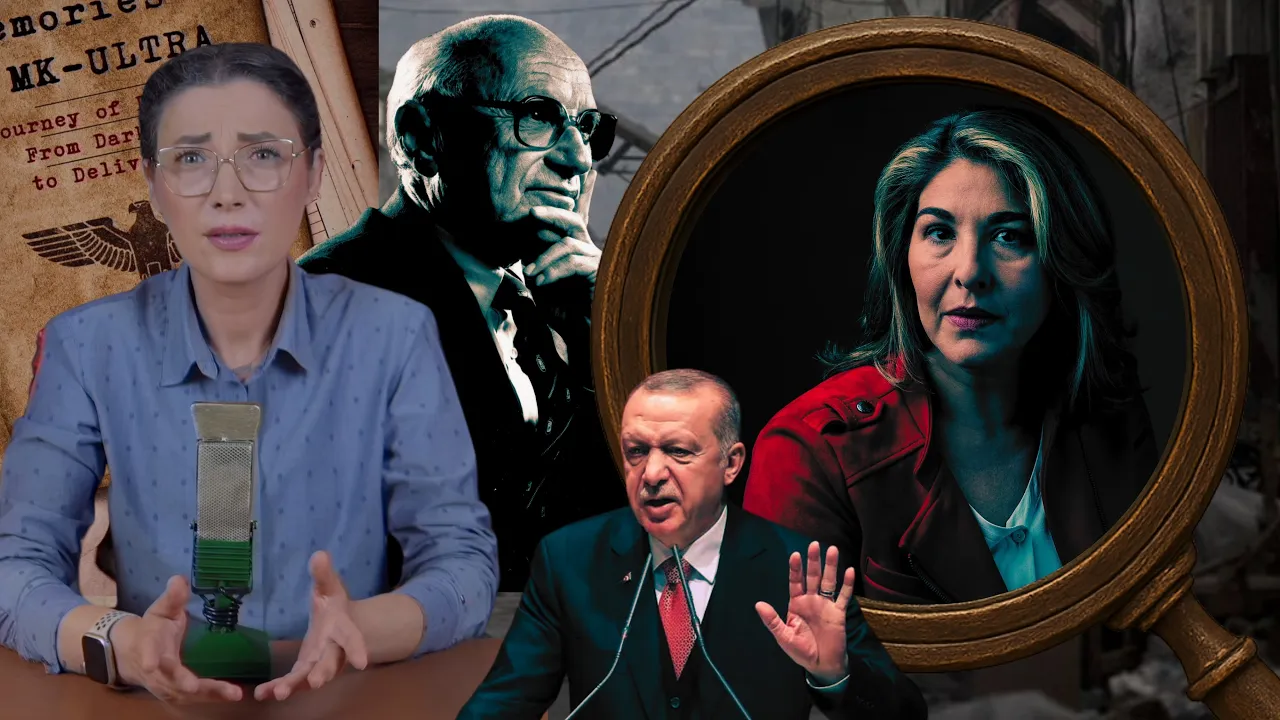








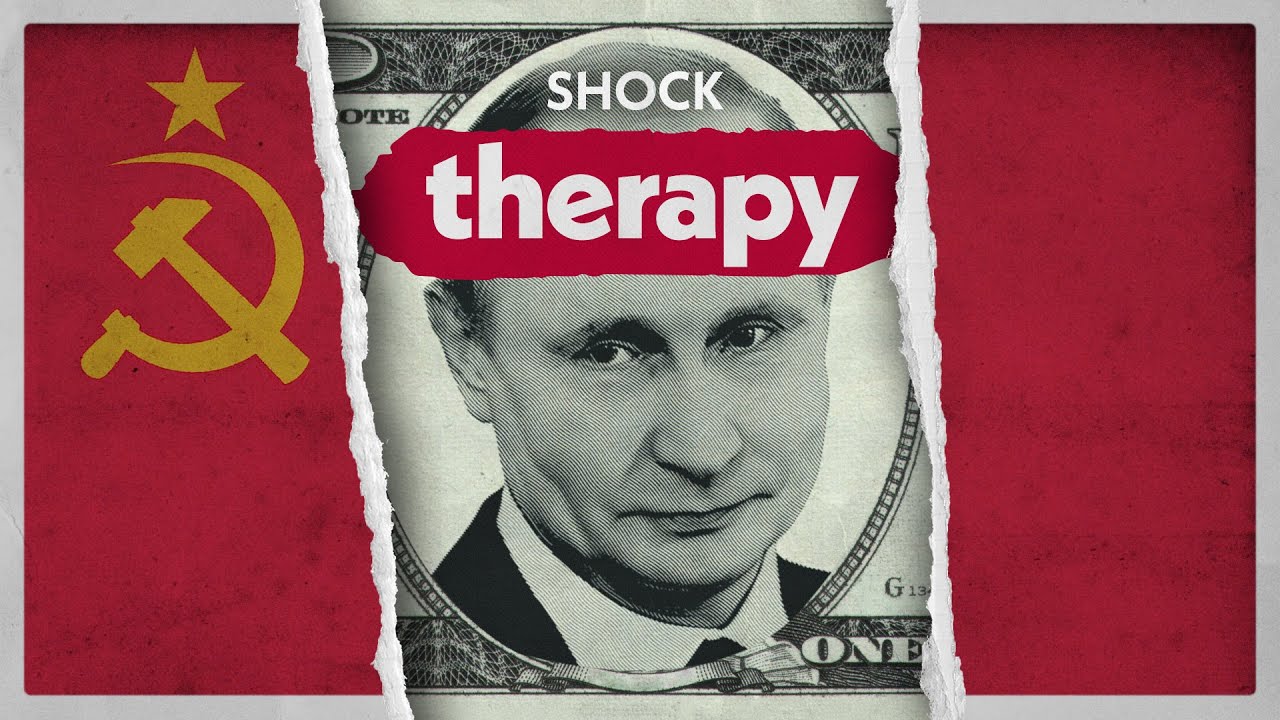




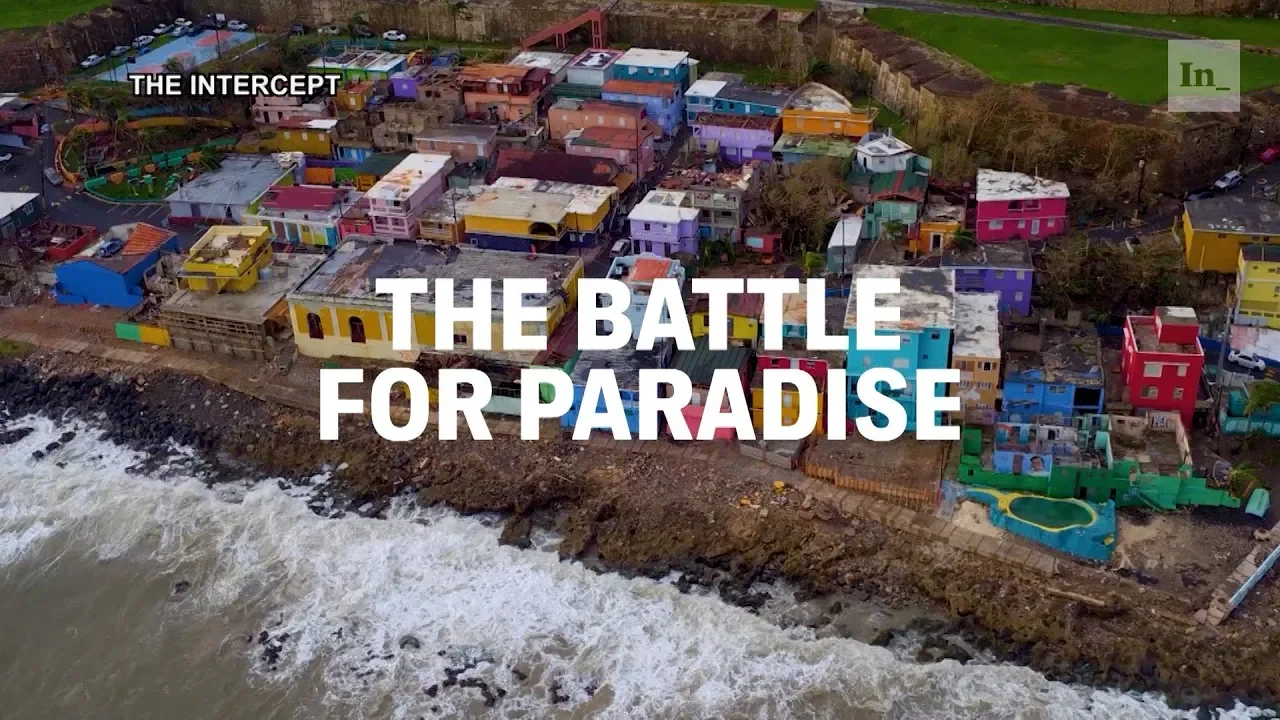





The Shock Doctrine is a theory explaining how neoliberal capitalism exploits natural disasters, wars, and terrorist attacks to implement unpopular economic policies like privatization, deregulation, and cuts to social services. When populations are disoriented by crisis, pro-corporate reformers aggressively push through free-market measures while citizens are still reeling from the shock, then quickly making these reforms permanent. This strategy, originating from Milton Friedman's Chicago School economics, was first implemented in Chile under Pinochet's dictatorship in 1973, where the 'Chicago Boys' used economic shock therapy to replace Allende's socialist policies. The documentary traces how similar tactics were used in Argentina, Britain under Thatcher, Russia under Yeltsin, and Iraq after 2003, demonstrating that disaster capitalism systematically exploits collective trauma to advance corporate interests at the expense of public welfare.
The Shock Doctrine: Naomi Klein on Disaster Capitalism
Added:[Music] a state of shock is not just what happens to us when something bad happens it's what happens to us when we lose our narrative when we lose our story when we become disoriented what keeps us oriented and alert and out of shock is our history so a period of crisis like the one we are in is a very good time to think about history to think about continuities to think about roots it's a good time to place ourselves in the longer human story of struggle the story begins on June the 1st 1951 when representatives of Western intelligence agencies secretly met with academics at Montreal's ritz-carlton hotel this meeting contributed to military funded research into the effects of sensory deprivation at McGill University sensory deprivation really is a way of producing three monotony it causes loss of critical capacity the thinking is less clear the subject complains that he can't even daydream and when you have college students accad daydream or I began to think while we were doing our experiments as possible that something that involves physical discomfort or even pain might be more tolerable and simply the deprivation conditions that we studied have decided to stop work on the research I had no idea when I suggested that what a what a vicious weapon potentially vicious weapon this could this could be what experiments at McGill continued under the ambitious head of psychiatry dr. Ewen Cameron what he did was much more than what we had done we did our work strictly with the understanding this the subject could get up and walk out at any point he he wished true and some of them did Cameron's patients were not so lucky the Allen Memorial Institute where he worked began to resemble a makar prison where Cameron performed bizarre experiments on his psychiatric patients Cameron wanted to deep at nor wipe clean his patient's mind so he could rebuild them from a blank slate Janine Huard was a young mother of four suffering from postnatal depression I used to shiver when they told me about you're gonna get a shock treatment tomorrow I used to Sharon I was so scared of it and I would wake up in another room all mixed up and sad and it used to make me very sad after you're just like a zombie walking the room Cameron combines shock therapy with sleep therapy and the repeated playing give taped messages you are running away from your responsibility you don't want to take care of your husband and children all the time the same thing it sounds like you were being interrogated yes interrogation but for what purpose it wasn't long before the CIA put Cameron's research into practice many of his techniques appear in the agency's kubark counterintelligence interrogation manual these words are from the manual it's a fundamental hypothesis of this handbook that these techniques are in essence method inducing regression of the personality there is an interval which may be extremely brief of suspended animation the kind of psychological shock or paralysis experienced interrogators recognize this effect when it appears and know that at this moment the source is far more open to suggestion far likelier to comply than he was just before he experienced the shot [Music] at the same time as you and Cameron was conducting his experiments in Montreal an exponent of another kind of shock was working not so far away Milton Friedman was teaching economics at the University of Chicago he believed economic shock therapy had encouraged societies to accept a pure form of deregulated capitalism in October 2008 in the midst of the biggest financial crisis since 1929 Naomi Klein went to the University of Chicago to talk about Milton Friedman when Milton Friedman turned 90 the Bush White House held a birthday party for him and everyone made speeches including George Bush but there was a really good speech that was given by Donald Rumsfeld my favorite quote in that speech from Rumsfeld is this he said Milton is the embodiment of the truth that ideas have consequences what I want to argue here is that the economic chaos that we're seeing right now on Wall Street and on Main Street and in Washington stems from many factors of course but among them are the ideas of Milton Friedman [Music] The Wall Street Crash of 1929 led to the depression of the 30s [Music] central to Friedman's thesis was his opposition to the New Deal announced by President Franklin Roosevelt in his inaugural speech [Music] [Music] influenced by the economist John Maynard Keynes Roosevelt started a program of public employment to get people back to work today depression is a fading memory millions of men and women have found employment and with it confidence and hope it wasn't that simple the depression lasted into World War two but after the war the Marshall Plan spread Keynes his model of government regulation and intervention to Europe his principles were widely accepted but not in the economics departments of the University of Chicago Milton Friedman from this University waged a war against the New Deal Friedman was a member of a group called the Mont Pelerin society led by the Austrian economist Friedrich von Hayek they believed that if government stopped providing services and stops regulating markets the economy would correct itself in the 50s they were seen as cranks but over the last 30 years their ideas have become the dominant economic doctrine the thesis of the Shock Doctrine is that we've been sold a fairy tale about how these radical policies have swept the globe that they haven't swept the globe on the backs of freedom and democracy but they have needed shocks they have needed crises they have needed states of emergencies Milton Friedman understood the utility of crisis only a crisis actual or perceived produces real change when that crisis occurs the actions that are taken depend on the ideas that are lying around it was in Chile that Friedman's disciples first learned how to exploit a large scale shock or crisis usually the official storytellers of neoliberalism the official publicists don't even mention Chile they start the story with Thatcher and Reagan because it's much more flattering that way in the 50s and 60s Chile's progressive developmental policies were a beacon in the region the government's invested in health education and Industry American corporations were worried their investments would suffer in response the US State Department began sponsoring students from Chile and the rest of South America to study free-market economics with Milton Friedman the University of Chicago had a joint arrangement with Catholic University of Chile under which a great many Chilean students came to the University of Chicago were trained by us and received PhDs these students went back and sought in Chile the Catholic University economics departments in Santiago became a little Chicago School arnold harberger the economist in charge of the program described himself as a seriously dedicated missionary in 1970 Salvador Allende's popular unity government won the election on a platform of nationalization of large sectors of the economy Chile's phone company was majority owned by the u.s. corporation ITT it's spearheaded attempts to stop my end day becoming president it had the support of Richard Nixon in the White House I was not there but I can tell you what we now know to be a fact he ordered the CIA to prevent IND from assuming the presidency and indeed they tried to get me to lean on the Chilean military right after IND was elected despite the efforts of the CIA I end a was sworn in as president Richard Nixon ordered the CIA director to make the economy string a PPP preparations began for the military to the Chilean Chicago boys started work on a 500-page economic blueprint called the brick with us funding everything was done to destabilize the economy truck drivers went on strike bringing factories and shops to a standstill there was a failed coup attempt On June the 29th 1973 [Music] and then on September the 11th with General Pinochet leading the army the assault began on the presidential palace chillie had enjoyed 41 years of uninterrupted peaceful democratic rule now it was being violently overthrow [Music] finish a and his supporters described the killer's award it was certainly designed to look like one it was a Chilean precursor to shock and oil [Music] [Applause] versus an RC oven Lola waffling spiritual path radhika there's a current funds will cow came for my war dollar Priscilla Tondo will go here no artista disallowed Arjen the Chicago boys delivered their economic blueprint the brick to finishing [Music] in the days that followed more than 13,000 opponents were arrested and imprisoned [Music] thousands of prisoners were held in the National Stadium many were tortured Chile became notorious around the world [Music] at the beginning of November 5,000 prisoners were released the 900 day left behind were transferred to other detention centers [Music] less than a month later FIFA allowed Chile to play a World Cup qualifier in the very same stadium their opponents the Soviet Union refused to play there so Chile were allowed to score into an open goal and went through to the 1974 World Cup with the population in shock Pinochet imposed the policies recommended by the Chicago boys removal of price controls the sale of state companies the removal of import barriers and cuts to government expenditure Friedman later openly acknowledged the importance of the Chilean experiments here was a first case in which you had a movement toward communism which was replaced by a movement toward free markets it didn't work a year later inflation was three hundred and seventy five percent per year the highest in the world so in March 1975 arnold harberger and milton friedman flew into santiago he used a phrase that had never before been used in a real world economic crisis he called for shock treatment he said that he was like a doctor that was going to help a country that was suffering an epidemic and he was simply prescribing the medicine Friedman wrote that General Pinochet was sympathetically attracted to the idea of a shock treatment but was clearly distressed at the temporary unemployment it might cause [Music] it rapidly became clear that Friedman's economic policies benefited the wealthy at the expense of the poor it was calculated that a family trying to live on the average wage had to spend 74 percent of its income on bread items such as bus fares or milk became luxuries and Pinochet got rid of free milk in school a move that echoed the controversial policy of the young education minister in Britain who would later become his friend in order to enforce these economic policies there had to be an enemies affair so that means the Soudan vaccine not Seymour it come on what the mucho tamale burrito [Music] [Music] Friedman and harberger argued that free-market economics went hand-in-hand with freedom and democracy but in Chile where their ideas were being implemented within the context of a military dictatorship the opposite was true many in Latin America saw a direct connection between the economic shocks that impoverished millions of people and the epidemic of torture inflicted on those who believed in a different kind of society one of those was orlando letelier's Litella a had been i-n days ambassador in washington he spent a year in one of Pinochet's prisons before being exiled back to America in 1976 Letelier wrote the economic plan has had to be enforced and in the Chilean context that could only be done by the killing of thousands the establishments of concentration camps all over the country and the jailing of more than 100,000 persons in three years less than a month later but Sally I was killed by a car bomb good evening a powerful bomb today tore through a car that was driving along Washington usually quiet Embassy Row the Chilean was Orlando Letelier who also had been foreign minister during the last months of the late Salvador Allende's Marxist regime Richard Roth reports Michael Townley a member of panache a secret police was behind the bombing he'd entered the US on a false passport with the knowledge of the CIA not just beyond Alberto who is that you know I confusional mera you conceive of liniment in Yahoo TCH elena como Patriota Lucia and Samar Sita you can't eat for Salah Torico sir despite his confidence Sam Lee was extradited to the US and convicted of letelier's murder finish a real Chile is a military dictator for 17 years but in a frank interview harbor gia remained in denial you cannot have a repressive government for long within a genuinely free economic system in the same year is all under letelier's murder Milton Friedman was awarded the Nobel Prize for economics I don't you know you people have such a distorted idea what went on let me tell you some facts number one I was offered two honorary degrees by universities in Chile before I went down I refused to take him because those universities were being supported in part by public funds and I did not want to appear in any way to provide any support to the political system in Chile I'm not a representative of Chile I'm not an advisor to Chile I have no commitments for the government of Chile I now turn to you mean country man I am very sorry for this incident it could have been worse what I'm trying to do in the Shock Doctrine is tell an alternative history of how this savage stream of pure capitalism that we've been living capitalism unrestrained came to dominate the world Chile wasn't the only country in South America to adopt Chicago school policies Friedman's disciples held key positions in Brazil and advised the government of Uruguay then on March the 24th 1976 a military coup overturned the governments of Isabel Peron in Argentina a junta of three generals took over the country led by General Videla Chicago boys landed key economic posts in the military government they seized the opportunity for major economic and social reengineering and within a year of the coup wages lost 40% of their value factories closed poverty spiraled just as in Chile people had to be terrorized into accepting these economic policies Videla learnt from Pinochet's experience he adopted the tactic of disappearing people striking a balance between public and private horror disappearances were often carried out in broad daylight but could always be denied [Music] many of the techniques used by the chilean an Argentinean military had been learnt in the us-run School of the Americas tortured techniques taught from rape to dear Obon to torture with with pointed objects breaking of extremities poking eyes out branding in Latin America their various regimes which at the moment are abusing human rights political murder torture deportations imprisonment without trial using the techniques that may have learned in this establishment you may be right if you can say that the skills which we've taught here have been applied I can't deny that the use of torture of a known enemy soldier to gain some kind of military advantage I think is justifiable and smart to go beyond that to use torture techniques merely to intimidate people is completely wrong unethical and immoral but in Argentina and Chile these techniques were not used just on soldiers or terrorists they were used on students and union members they were used on anyone who opposed the free market economic policies of the regime in 1978 the Argentine junta hosted the World Cup the final was played in the stadium less than a mile away from the biggest detention camp in the country where thousands of prisoners were held in Sochi chambers silicon Hall is canary to a world sit above a la voz de los secretos de todas nuestras really [Applause] [Music] [Applause] [Music] [Music] and Argentina took their terror regime won't step further than Shelly among the disappeared were hundreds of pregnant women women who were allowed to give birth before being murdered NATO's occasion mujeres de Ternay Marisa the permittee Rondinella fujiko's para ver Kinnison sir considers ESS vo Contini entos social universe's disappeared those children many of whom were raised by families connected to the military were a powerful reminder of the junta's project to re-engineer an entire society [Music] while the junta was still in power a group of mothers and grandmothers of the disapear started to protest in the Plaza de Mayo [Music] they turn detective searching for the disappeared children after the junta collapsed some were found them reunited with their families occasionally they found remains mostly they found nothing General Videla was found guilty of murder kidnapping and torture [Music] [Applause] so your voices he was sentenced to life in prison [Music] now these early experiments in Latin America presented Friedman and his cohorts with a serious ideological problem Friedman had promised that these policies would not just make the elites richer but they that they would create the freest possible societies that this was a war against tyranny that capitalism and freedom went hand in hand yet here we see that in the 70s the only countries putting these ideas into practice were military dictatorships Nixon had fully supported imposing these types of brutal free-market policies on South American dictatorships but when it came to domestic economic policy in the United States where Nixon had to worry about getting reelected it was a very very different story [Music] Friedman enjoyed a friendly relationship with Nixon several of his Chicago school colleagues and disciples were recruited to work for the government Donald Rumsfeld was one of them but in 1971 with the economy in a slump Nixon turned his back on Friedman's ideas and imposed a wage and price control policy he put Rumsfeld in charge opposed to the wage and price control I believe it involves government intervention with the freedom of individuals I think it's intolerable the Keynesian policy was a success and Nixon won a second term with a landslide majority it was a blow for Friedman then in 1979 Margaret Thatcher was elected Prime Minister of Britain her intellectual guru was Milton Friedman's old mental Friedrich von Hayek and just over a year later Ronald Reagan was elected president of the United States both Britain and America were now ruled by unabashed Freeman and Margaret Thatcher's program when she came in had four planks cut government spending cut tax rates reduced government ownership and operation of industries or regulation of Industry and have a moderate and stable monetary policy to bring down inflation within her first three years in office unemployment doubled in pastured the economy leading to waves of strikes Sandhya's personal approval rating slumped to 25 percent since major cities even Margaret Thatcher's admirers had their doubts economic performance of the Thatcher government has been mixed to those waiting with bated breath for that favor of media catchphrase the u-turn I have only one thing to say u-turn if you want to read read von hayek third stature to copy Pinochet's economic shock therapy policies Thatcher replied in Britain with our democratic institutions and with the need for a high degree of consent some of the measures adopted in Chile are quite unacceptable [Applause] Thatcher's profound unpopularity seem to be proving once again that free market fundamentalism was simply too unpopular too directly harmful to too many people to survive in a democratic state where governing requires getting the consent of the government unlike a military dictatorship what pulled Thatcher back from the abyss and ultimately saved the project was a crisis indeed it was the ultimate crisis it was a war because for the first time for many years British sovereign territory has been invaded by a foreign power the government has now decided that a large task force will sail as soon as all preparations are complete HMS invincible will be in the lead most people in Britain had never even heard of the Falklands but when Argentina invaded the small group of islands thousands of miles away in the South Atlantic Thatcher seized her opportunity to prove her credentials as the Iron Lady the war was over in less than three months as the troops returned to Britain a wave of patriotic celebrations swept the country Thatcher won the 1983 elections with a massive majority she could now push through a form of the economic shock therapy witnessed in Chile [Applause] the most powerful union in Britain was the National Union of Mineworkers when the National Coal Board tried to close piss down the miners went on strike parts of central London are brought to a halt as thousands of miners and sympathizers marched through the city in support of the miners strike it's Britain's longest and most bitter since 1926 and the most expensive ever the strike lasted almost a year Thatcher used every means at her disposal to destroy the Union eventually the miners were defeated Thatcher used this victory to bring the Chicago School revolution to Britain a series of glossy commercials promoted a massive program of privatizations Thatcher sold off the steel industry water electricity gas telephones [Music] Airlines oily public housing was sold off council services proton to tender in 1986 financial and banking services would deregulate it it was called the Big Bang no one here tonight needs reminding that the Big Bang is only a beginning in Britain before Thatcher a CEO and ten times as much as the average worker by 2007 they earned more than a hundred times as much [Music] in the US before Reagan CEO was earned 43 times as much as the average worker by 2005 they earned more than 400 times as much Friedman openly acknowledged the importance of Thatcher and Reagan in the spreading of Chicago school policies around the world the coincidence Thatcher and Reagan hadn't been in office at the same time was enormous Lee important for the public acceptance worldwide of a different approach to economic and monetary policy [Applause] what I'm describing now is a plan and a hope for the long-term the march of freedom and democracy which will leave Marxism Leninism on the ash heap of history as it has left other tyrannies which stifle the freedom and muzzle the self-expression of the people now we all know the fairy tale about the fall of communism that the West under Reagan and Thatcher looked so prosperous to the people of the former communist bloc that they themselves demanded radical free-market policies now this really is a fairy tale it is true that people who had been living under authoritarian communism genuinely wanted democracy and it's also true that people wanted to be able to go out and buy blue jeans and have Big Macs that is true but that does not mean that they wanted the kind of wild-west capitalism of oligarchs gone mad and no social protections that so many Eastern Bloc countries actually ended up with and suffer under to this day that's in have done everything she could to break the power of the unions in Britain 1998 she went to Poland to show her support for the Workers Union Solidarity [Music] strikes in Poland led to solidarity being allowed to contest the general election in June 1999 this triggered a wave of demonstrations throughout Eastern Europe [Applause] in the past the Soviet Union had used military force to crush Democratic movements but the Soviet Union had a new type of leader Mikhail Gorbachev who was committed to glasnost and perestroika he talked about a third way a gradual transition to Scandinavian style social democracy something between free-market capitalism and communism gorbachev charmed the public and politicians of the west is a world a determined and courageous leader Gorbachev stood and watched as one by one the old communist regimes collapse [Applause] [Music] at the end of the year the most famous symbol of the division of Europe came tumbling down [Music] [Applause] for Friedman and the Chicago boys a whole new world opened up in the Soviet Union Gorbachev was hoping to gradually reform the Russian economy in 1991 Gorbachev was invited to the g7 summit in London he was hoping for financial support for his gradual economic reforms instead he was told that unless he embraced a radical shock therapy there would be no aid at all the next month there was a coup attempt against him a group of communist party hardliners placed Gorbachev under house arrest in his holiday home in the Crimea tanks surrounded the White House the Russian parliament [Music] [Applause] my bid the chaos of street clashes it was obvious that to reinforce their position the hardliners would have to resort to violence such action between the people and the security forces has not been seen since the early days of the Russian Revolution by dawn this morning I made a sea of debris it was becoming clear that the coup was disintegrating the Russian parliament building was unscathed the military had not made their move inside Boris Yeltsin was more powerful than ever this was yeltsin's finest hour [Applause] Gorbachev was released and he returned to Moscow but he had lost much of his power Chris Martinez our principal new prezi sue Rossi annum resilient receiver is Nicola Julian soon in December 1991 the Soviet Union was dissolved a profound shock for the Russian people Yeltsin was now in charge of economic policy for the Russian Federation the free market came to Russia there was chaos the adoption of Chicago schools policies in Russia marked the beginning of a new chapter in the free market crusade it was all shock no therapy despite the public efforts to promote popular capitalism the reality was a small handful of businessmen made vast fortunes State industries were sold off at bargain basement prices the Russian press dubbed Yeltsin advisors the Chicago boys Yeltsin shock therapy Mentats in 1992 the average Russian consumed 40% less than in 1991 a third of Russians fell below the poverty line and wages weren't paid for months one expert today predicted 140 million Russians will soon be living below the poverty line corruption was rife organized crime boomed Moscow became the new Wild West [Music] the majority of Russians opposed the Chicago boys radical vision for their country in March 1993 Parliament made a crucial decision it voted to repeal the special powers in given to Yeltsin Yeltsin declared a state of emergency the Constitutional Court ruled that it was illegal on September 21st Yeltsin took the Pinochet option and dissolved parliament pretty wild auspiciously nears the Canada tenaris predictively he controlled me for six years dinero de patata the West through its weight behind Yeltsin we we feel that Boris Yeltsin is the best hope for democracy in Russia two days later Parliament voted to impeach Yeltsin by 636 votes to two thousands of supporters of the Parliament gathered outside the White House and marched on the television station [Applause] [Music] [Applause] it looked like the supporters of Parliament were winning yeltsin flew back to moscow from his holiday home that night 100 demonstrators were killed as the yeltsin authorities fought back [Applause] on the fourth of October he ordered troops to storm the White House shelling the very building he had defended through his own [Music] [Applause] Warren Christopher the US Secretary of State said the United States does not easily support the suspension of Parliament's but these are extraordinary times [Applause] Yeltsin now had absolute power with the advice of his Chicago boys he ruled through a form of crony capitalism even more state industries were sold off creating a new class of billionaire businessmen with huge political influence the oligarchs by 1998 80% of Russian farms were bankrupt and 70,000 state factories were closed in eight years the number of people living in poverty increased by 72 million meanwhile Moscow would go on to have more billionaires than any other city in the world [Music] thank you for coming today it is my honor to announce that I'm submitting the name of Donald Rumsfeld to be Secretary of Defense I look forward to serving our country again Rumsfeld had been secretary of defense before under Gerald Ford then the enemy we were supposed to fear was the Soviet Union I'm not saying with certainty that the Russians are coming I'm saying the trends are here I'm not saying the Russians were ten feet tall I'm saying he used to be five foot three there now five nine and a half and they're growing now there was a new enemy closer to home on September the 10th 2001 Rumsfeld made a speech laying out his plans to privatize much of the US military Milton Friedman would have been proud he said the topic today is an adversary that poses a threat a serious threat to the security of the United States of America this adversary is one of the world's last bastions of central planning it governs by dictating five-year plans perhaps this adversary sounds like the former Soviet Union but that enemy is gone this adversary's closer to home it's the Pentagon bureaucracy today we declare war on bureaucracy the next day American Airlines flight 77 crashed into the Pentagon killing 184 people [Applause] think about that feeling after those attacks who are these people where did they come from why do they hate us there was a total loss of collective narrative this we were not living in the world that we thought we lived in and we kept hearing from our political leaders that everything we thought we understood before the attacks no longer applied there was a new phrase pre 9/11 thinking and what happened in that moment is that suddenly news stories sort of magically appeared we were in a clash of civilizations that's the world that we suddenly lived in that there was an axis of evil and that we were fighting a war against terror this abstract unwinnable war has had huge economic consequences before 2001 homeland security barely registered as an industry today it is bigger than Hollywood and the music industry combined between September the 11th 2001 and 2006 the Department of Homeland Security handed out a hundred and thirty billion dollars to private contractors this is the disaster capitalism complex a new economy builds on fear this will be a monumental struggle of good versus evil the best defense against terror is a global offensive against terror wherever it might be found the first phase of this wall was the bombing democratise time the Taliban governments was quickly overthrown the estimate of the wall was more complicated our fight against terrorism began in Afghanistan but it will not end we're primarily looking at detainees that we can use collecting intelligence [Music] once Alamo was the first time that the techniques of the kubark manual were explicitly and publicly being used by American forces officially sanctioned in the White House an openly broadcast on television around the world isolation both physical and psychological must be maintained from the moment of apprehension the capacity for resistance is diminished by disorientation prisoners should maintain silence at all times they should never be allowed to speak to each other three of the prisoners were a safe iqbal we won our mint and Shafiq Rasul from citzen in England they spent more than two years in Guantanamo before being released without charge mentally you can speak to nobody you can do nothing you can stand up and just sitting they lock you be in your thoughts all the time thinking what the hell's going on where the hell I'm Way and we're gonna be staying here for the rest of our lives I'm gonna be going back home will we never see a family again of the 779 prisoners that have been held in Guantanamo Bay only three have ever been convicted of any offense [Music] the only thing I know for certain is that these are bad people it was a message to the whole world and the message was clear it was this is what happens to you if you get in our way the war on terror is not about one man and it is not about one country there were many justifications given for the invasion of Iraq but if the US had really wanted to attack a country where the leaders of al-qaeda were thought to be hiding which had nuclear weapons and was selling new killer technology to other countries then Pakistan would have been the obvious choice it had close connections to the Taliban and was being run by a military dictator instead George Bush chose to target Iraq a country with the third largest oil reserves in the world [Applause] now about the Defense Department's war plan it is not like that for the Gulf War it's more along the lines of the Panama invasion of 1989 CBS News has been told it would start on what's called a day a as in air strikes air strikes so devastating they would leave Saddam's soldiers unable or unwilling to fight the idea is to rain down the Thunder so hard as to create quote shock and awe if the Pentagon sticks to its current war plan one day in March the Air Force and Navy will launch between three and four hundred cruise missiles at targets in Iraq more than were launched during the entire 40 days of the first Gulf War the sheer size of this has never been seen before never been contemplated before fallen omen is one of the authors of the shock and all console which relies on large numbers of precision guided weapons so that you had this simultaneous effect rather like the nuclear weapons at Hiroshima not taking days or weeks but in minutes you will also take the city down by that I mean you get rid of their power their water and you begin this relentless campaign to wear them down so that T two three four or five days they are physically emotionally and psychologically exhausted last night a square mile in central Baghdad seemed like hell on earth during the first wave of the bombing the citizens of Baghdad suffered a version of the sensory deprivation described in the Cuba manual in the chaos that followed the overthrow of Saddam Hussein the u.s. did little to stop the looting some US officials even thought it gave them a head start on dismantling the Iraqi state Jonah Grasso director of higher education reconstruction said he saw the looting of schools as the opportunity for a clean start in fact before sanctions Iraq had the best education system in the region 89% of Iraqis were literate by contrast in New Mexico John aggressed holds home state 46% of the population were functionally illiterate in Iraq you had three distinct forms of shock that we're all working together and reinforcing each other you had the shock of the war which was immediately followed by economic shock therapy imposed under Paul Bremer and as resistance to that economic transformation that very rapid economic shock grew you had the shock of enforcement including torture three different kinds of shock in May 2003 Paul Bremer was appointed USM boys who Iraq two weeks after he arrived he declared the country open for business we considered that the Coalition had very broad authorities to determine the direction of the iraq-iran Bremen you little of Iraq but he knew about disaster capitalism he had launched crisis consulting practice at the start of the Homeland Security boom today is a very important day in Baghdad Bremer spent the first four months passing classic Chicago school laws Rumsfeld described Iraq as having some of the most enlightened and inviting tax and investment laws in the free world one of the first acts of Bremer was to fire 500,000 state workers this was partly an act of diversification for slashing governments was also vintage freedom money was promised for Reconstruction our investment in the future of Afghanistan and Iraq is the greatest commitment of its kind since the Marshall Plan but in fact it was just the opposite whereas the Marshall Plan was intended to boost European industry see US aid money in Iraq was spent on US corporations if work came to Iraqis it came at the bottom of a series of subcontractors creative associates received contracts worth a hundred million dollars to draft the curriculum and prints new textbooks for the education system management and Technology consultant bearing points was awarded contracts worth 240 million dollars to build a market-driven system in Iraq North carolina-based RTI received contracts worth four hundred and sixty-six million dollars to advise on bringing democracy to Iraq and Halliburton was awarded twenty billion dollars in cost plus Iraqi contracts Parsons was handed a hundred and eighty six million dollars to build a hundred and forty two health clinics only six were ever completed basic electricity water supplies hardly improved like billions being spent in the first four years we're going to succeed here and when we succeed here we will have done something important not just for 25 million Iraqis we will have done something that serves Western interests in this whole region even the new Iraqi currency was printed abroad let me show you an example of these notes the US even paid private contractors to monitor the work of the private contractors who won contracts I was in Baghdad in 2004 and this is the period when bombs started to go off regularly in Baghdad in fact the night that I arrived a bomb went off very near a hotel but what was really striking to me in this period was that despite the violence and despite the chaos the next day Iraqis were out in the streets protesting nineteen hundred injured at night and what they were demanding at this time was elections the right to actually have a say in what the post-saddam era would look like now in the early days of the occupation the protests were peaceful but as time went on and the protests didn't have an effect more and more Iraqis joined the armed resistance the violence spun out of control [Music] as in South America three decades earlier bodies were often dumped by the roadside as a warning to others these were erect as a bidder [Music] extremely aggressive measures were needed to suppress the opposition [Music] [Music] the first three and a half years of the occupation sixty one thousand five hundred Iraqis were captured by spring 2007 nineteen thousand remained in custody in prison they were interrogated using techniques that could be traced to those devised by the CIA from you and Cameron's experiments in the 50s according to the Red Cross US military officials admitted that between 70 and 90 percent of arrests in Iraq were mistakes [Music] the chaos in a wreck seems like a defeat for shock therapy but in a wreck disaster capitalism moved on now the disaster itself provided the opportunity for profit US military spending has almost doubled since 2001 nearing 700 billion dollars per year as long ago as 1961 President Eisenhower not a noted liberal warned of the danger of a too powerful military now this conjunction of an immense military establishment and a large arms industry is new in the American experience we must guard against the acquisition of unwarranted influence whether sought or unsought by the military-industrial complex we must never let the weight of this combination endanger our liberties or democratic processes the war in Iraq is the most privatized war in modern history the Green Zone in Baghdad is an extreme version of what is happening around the world a privatized secure world protected from the chaos outside in 1991 in the first Gulf War for every hundred soldiers there was one military contractor in 2003 at the beginning of the war in Iraq for every hundred soldiers there were ten contractors by 2006 for every hundred soldiers there were 33 contractors a year later for every hundred soldiers there were 70 contractors by July 2007 there were more contractors than soldiers in Iraq this was going beyond what even Milton Friedman that dads are hope the only things I would not be nationalize are the Armed Forces the courts and some of your edgar roads and highways one of the most high-profile contractors was Blackwater USA during the April 2004 uprising in Najaf Blackwater esteemed command over US Marines dozens of Iraqis were killed during the operation the US had indemnified the private contractors against any Iraqi laws so they were operating in a law free bubble a little like once an ammo I asked your secretary of defense a couple months ago what law governs their actions mr. Monken I asked him go ahead help just as Cameron's shock therapy left his patients confused and broken so the multiple sharks inflicted on a wreck reduced the country to a lawless violent sectarian mess by the time of Saddam Hussein's execution in 2006 a thousand Iraqis were being killed each week [Music] by April 2007 the United Nations High Commission for Refugees estimated 4 million people had had to leave their homes hundreds of thousands of Iraqis had died I think the historians will write very clearly that we did a great and noble thing here then every kind of flora Misha when Hurricane Katrina hit New Orleans in August 2005 the world was shocked to witness a sort of disaster apartheid the economically secure drove out of town while tens of thousands of the vulnerable were stranded with little or no help from the state I went to New Orleans while the city was still underwater and what I saw was that what I had witnessed in Iraq was repeating not in the aftermath of the war but in the aftermath of a tremendous natural disaster the Milton Friedman died in in - in 2006 his very last piece of Public Policy recommendation was an op-ed he wrote for The Wall Street Journal three months after Katrina he said most New Orleans schools are in ruins as are the homes of children who attend who have attended them the children are now scattered all over the country this is a tragedy it is also an opportunity to radically reform the education system he was advocating the wholesale privatization of the school system in this city it was his sort of swan song I witnessed a similar processor Srilanka in the aftermath of the 2004 tsunami people who lived on the beaches for generations were prevented from returning so that the land could be privatized and sold off to luxury hotels [Music] and this is exactly what I mean by the Shock Doctrine the systematic rating of the public sphere in the aftermath of a disaster when people are too focused on the emergency on their daily concerns to protect their interest [Music] maybe the first act of resistance is to refuse to allow our collective memory to be white in 2008 Naomi Klein visited Villa Grimaldi with Isabel Morelle the widow of orlando letelier's Villa Grimaldi is a memorial to the cruelty of the Pinochet regime and to its eventual defeat it is like to sanella henan leo como la casa de uno Purdue no it's not that I loved premature but I think that he was our teacher in many things we learned about evil [Music] in 1998 Pinochet was arrested while he was in London his old ally Margaret Thatcher stood by his side I know how much we owe to you but took 30 years for the economic experiments originally test driven by Pinochet to make its way around the globe to Iraq but the similarities between past and present are startling between Pinochet's concentration camps and Bush's Guantanamo detention center between the disappeared in Chile and those in Iraq between the experiments of you and Cameron and the torture meted out on the prisoners of Abu Ghraib all the pass that's why you gave it a little shocks all the pass from the patient and he would implant some new IDs but Janine resisted in 1998 the CIA agreed to pay compensation to Janine and other victims of Ewan Cameron's experiments Jeannine are you proud that they tried to break you and that you have fought so hard and won in Ohio in a way I am because I must have some willpower seats in this is very very hard to fight a government people would tell me Jenny you don't fight a government what's the matter with you they're too big but I had faith [Music] it is in the nature of unregulated markets to be volatile bubbles are allowed to inflate and then inevitably they burst since the deregulation of the Big Bang in the 80s there have been a number of market shocks in 1987 there was Black Monday markets fell spectacularly it was the largest one-day percentage decline in stock market history in 1992 that was black Wednesday when currency speculators made fortunes betting against the pound in 1997 there was the Asian contagion [Music] in one year six hundred billion dollars disappeared from the stock market's of Asia and then in September 2008 the financial markets imploded the market is not functioning properly there has been a widespread loss of confidence on September the 15th Lehman Brothers filed for chapter 11 bankruptcy protection yes only one week later it was announced that workers at their New York office would share two and a half billion dollars in bonuses it is estimated that Wall Street firms paid eighteen point four billion dollars in bonuses last year the year of the crash despite the torrent of populist rhetoric about taking on the fat cats and standing up for the little guy and saving Main Street not Wall Street we are witnessing a transfer of wealth of unfathomable size it is a transfer of wealth from public hands from the hands of government collected from regular people in the form of taxes into the hands of the wealthiest corporations and individuals in the world needless to say the very individuals and corporations that created this crisis we are in the midst of a once-in-a-century credit tsunami I found a flaw I don't know how significant or permanent it is but I've been very distressed by that fact in the United States it was the financial crisis that secured Obama's victory Americans wanted to change course [Music] [Applause] this place is clearly understood by almost everyone as being the direct result of this particular ideology of deregulation and privatization the scale of the crisis offers the hope of change the shock doctrine as a strategy relies on us not knowing about it for it to work and what I find most hopeful about the current economic crisis is that this tactic is getting tired because that element of surprise is no longer there we're on to them and it's not working we're becoming shock resistant [Applause] the last time the world suffered a financial crisis as severe as this people turn to the Keynesian policies of the new deal more than a million people came to Washington to hear Obama's inauguration speech many journalists made comparisons with FDR now there's been a lot of talk recently about comparing Obama to Franklin Delano Roosevelt so I want to talk a little bit about FDR because there's a great FDR story and it could be an apocryphal one about when he would be visited by some progressive organization or a union and they would be proposing some new progressive policy that they wanted to be part of the New Deal and he would hear them out he would listen to them and then at the end he would say now go out there and make me do it and they did in 1937 which was a pivotal year for the New Deal do you know how many strikes there were in this country 4740 strikes lasting an average of 20 days do you know how many strikes there were in 2007 21 now the other reason to remember this history of struggle is that it tells us something very important something that we need to remember at this moment when so much is at stake it teaches us that if we want responses to this economic crisis that leave us with the world that is healthier it is more just that is more peaceful we are going to have to go out there and make them do it thank you [Applause] [Applause] [Music] [Applause] [Music] [Applause] [Music] [Applause] [Music] [Applause] [Music] [Applause] you
Up Next

Naomi Klein: Climate Crisis as a Challenge to Neoliberal Capitalism
@circulodebellasartes
69.8K views•2015-07-27

Mutual Aid 101: Survival, History, and Community Power
@PrinceShakurYoutube
55.8K views•2025-03-01

FastAPI vs Flask vs Django: Choosing the Right Python Web Framework
@TechWithTim
302.5K views•2024-05-26

Game of Thrones Opening Credits: A Cinematic Analysis
@gameofthrones
46.3M views•2011-04-18
Related Study Plans & Knowledge Roadmaps
Structured learning paths in General & Interdisciplinary Studies