Celebrity Culture: From Hollywood to TikTok
Learning Goal: Analyze the sociological evolution of celebrity and micro-celebrity culture, examining how digital platforms, parasocial relationships, and the labor of self-branding reshape modern notions of prestige, social capital, and identity.
- Prerequisites: Introductory knowledge of sociological perspectives (e.g., structural functionalism, conflict theory, symbolic interactionism) is recommended but not required.
- Estimated Total Study Time: 12 Hours
Module 1: Foundations of Celebrity Sociology
This module explores the historical origins of traditional celebrity culture, beginning with the 1930s Hollywood "studio system" where fame was strictly manufactured and controlled by corporate media structures. You will examine early media studies frameworks—notably Richard Dyer’s Star Theory—to understand how stars function as constructed, ideological, and commodified images. Finally, you will trace the transition from classical stardom to contemporary "spectacles of illusion," grounding your study in critiques of mass media and cultural commodities.
Why this video
This video provides an essential academic breakdown of media theorist Richard Dyer’s Star Theory. It explains how stars are not "real" people to the audience, but rather highly curated "constructed images" manufactured by corporate media institutions. Understanding this construction is crucial for analyzing how media systems shape public values, desires, and ideologies before studying the digital shift.
Knowledge Checkpoint
- Define the three core components of Richard Dyer’s Star Theory: construction, commodity, and ideology.
- Explain how stars resolve or reflect underlying societal contradictions (e.g., being simultaneously "extraordinary" and "ordinary").
- Identify the institutional power structures that historically controlled star construction.

Why this video
This historical case study illustrates the "Golden Age of Hollywood" and the dominance of the five major film studios during the 1930s. It provides a real-world example of how studios recruited, trained, funded, and strictly micromanaged actors to construct their public-facing personas, serving as the perfect historical baseline for how celebrity functioned before democratization.
Knowledge Checkpoint
- Describe the level of control that 1930s Hollywood film studios maintained over an actor’s public and private life.
- Contrast the top-down curation of the Golden Age studio system with modern decentralized content distribution.
Why this video
In this insightful lecture, actor Jack Gleeson unpacks the sociological and psychological reality of modern celebrity culture. He discusses celebrity as a contemporary commodity, detailing the transition from acting as a profession to becoming an abstract symbol of public consumption, detailing the heavy toll of constant institutional exposure.
Knowledge Checkpoint
- Articulate the difference between professional recognition (skill-based) and modern celebrity status (exposure-based).
- Analyze how public audiences commodify actors, treating them as collective symbols rather than individual human beings.

Why this video
Chris Hedges' lecture presents a vital transition point in our curriculum. By analyzing the "Empire of Illusion," Hedges explains how contemporary culture has shifted away from reality and toward hyper-real, manufactured spectacles. This sets up a foundational understanding of how celebrity worship functions as a mechanism of mass distraction and cultural degradation.
Knowledge Checkpoint
- Explain Hedges' concept of the "spectacle of illusion" and its relationship to the decline of civic engagement.
- Discuss how the pursuit of fame serves as a psychological coping mechanism within decaying structural environments.
Module 2: The Rise of Micro-Celebrity & Digital Platforms
This module examines how the transition to Web 2.0 and social media platforms decentralized traditional pathways to fame. You will study how "micro-celebrity" operates on a smaller, highly engaged scale, and analyze how platforms capitalize on and commodify human attention.
Why this video
This deep-dive discussion provides an evolutionary mapping of celebrity from early Hollywood networks to modern platforms like TikTok and Instagram. It highlights the democratization of fame, exploring how personal storytelling and immediate, digital intimacy replaced corporate-sponsored studio narratives.
Knowledge Checkpoint
- Define how "democratized fame" changes who can access public platforms and accumulate social power.
- Compare the media distribution strategies of early television/print with contemporary algorithmic feeds.
Why this video
This video introduces the mechanics of the attention economy, discussing how social media platforms are intentionally designed to capture, hold, and monetize human attention. Within this landscape, the micro-celebrity acts as a crucial dynamic agent, exchanging personal visibility and curation for audience retention.
Knowledge Checkpoint
- Define the term "Attention Economy" and identify its primary currency on digital platforms.
- Analyze the exchange model: what are social media users trading when they consume digital content?

Why this video
This short piece introduces the concept of the "long tail of influence"—the structural shift from a few global, mass-market superstars to millions of highly niche "micro-celebrities." It demonstrates how modern marketing and social capital rely heavily on these smaller, fiercely loyal digital micro-networks.
Knowledge Checkpoint
- Define the term "micro-celebrity" and distinguish it from traditional celebrity.
- Explain how niche audiences can generate equivalent or greater commercial value than broad, unsegmented mass audiences.
Module 3: Parasocial Relationships & Algorithmic Intimacy
Here, you will investigate the psychological and sociological dimensions of parasocial interactions. You will analyze how creators perform "authenticity" to manufacture intimacy at scale, and examine how direct-to-camera filming formats, routine scheduling, and interactive technologies foster one-sided emotional attachments.

Why this video
This comprehensive podcast episode breaks down the psychological foundations of parasocial relationships. It defines how one-sided psychological attachments develop, why the human brain struggle to distinguish mediated intimacy from physical interaction, and the evolutionary biases that support these digital attachments.
Knowledge Checkpoint
- Define a parasocial relationship and explain why it is classified as structurally asymmetrical.
- Identify the cognitive mechanisms that cause individuals to feel deep emotional connections with creators they have never met.
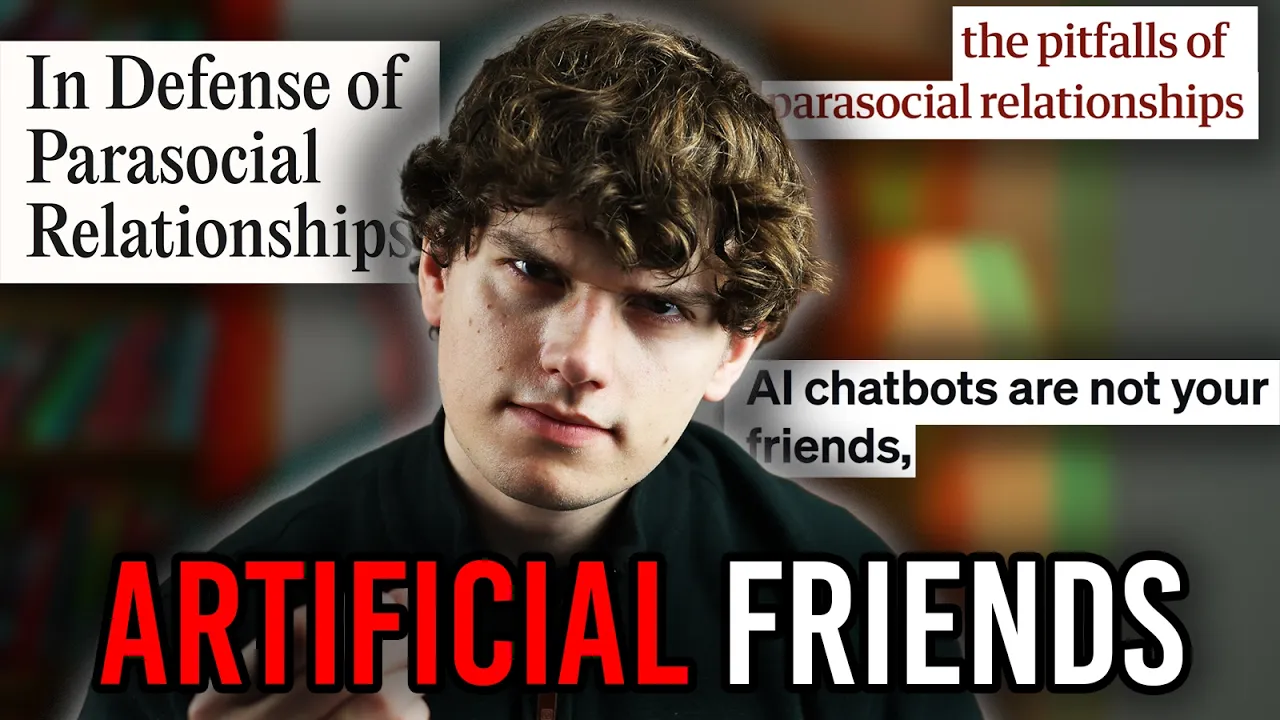
Why this video
This video essay explores the escalating asymmetry of parasocial relationships, mapping them across three distinct axes: attentional, emotional, and financial. It presents a critical critique of how modern isolation and digital platform design have combined to make our global culture structurally parasocial.
Knowledge Checkpoint
- Detail the three axes of parasocial asymmetry (attentional, emotional, financial).
- Analyze how structural isolation in physical society drives the growth and commercial viability of parasocial systems.

Why this video
This video explores parasocial relationships through the lens of adolescent developmental psychology. It contextualizes celebrity crushes, imaginary companions, and digital fandom, showing that while parasocial bonds are normal parts of human development, digital networks scale and exploit these bonds in unprecedented ways.
Knowledge Checkpoint
- Explain how adolescent developmental stages (identity formation, socialization) interact with celebrity fandom.
- Discuss the sociological transition from traditional fan clubs to hyper-interactive online communities.
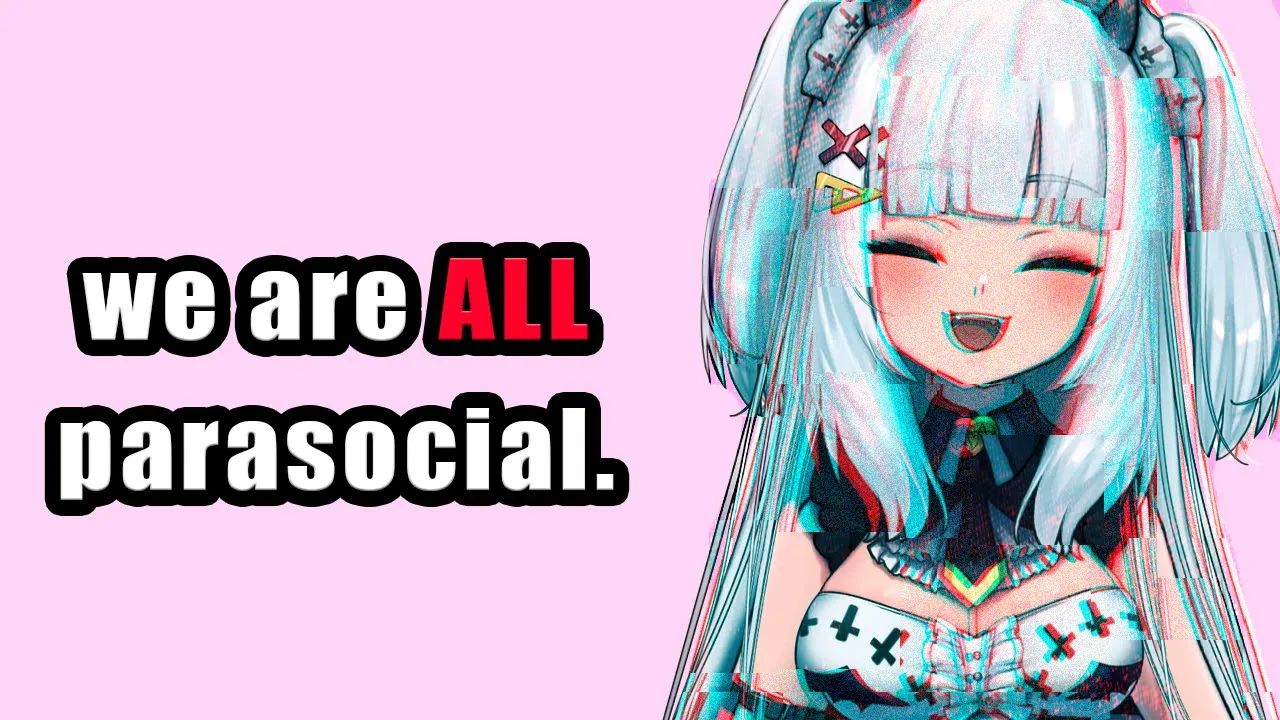
Why this video
This video takes a blunt, creator-focused look at the dark, commodified underbelly of stream culture. It reveals how the streaming format forces creators to manufacture an accessible, authentic version of themselves, turning emotional connection into a monetizable, scalable transaction.
Knowledge Checkpoint
- Define "manufactured intimacy" in the context of live-streaming and real-time chatting.
- Describe the psychological and safety boundaries creators must establish to manage thousands of simultaneous parasocial viewers.
Module 4: The Labor of Self-Branding & Content Creation
This module approaches the creator economy from the perspective of critical sociology, investigating self-branding as a specialized, precarious, and intense form of modern labor. You will examine the concepts of "aspirational labor" (working for free with the promise of future status) and "emotional labor" (the taxing performance of constant positivity and accessibility), alongside the realities of systemic creator burnout.
⚠️ Curriculum Note on Structural Gaps: While our primary resource below directly analyzes Brooke Erin Duffy's seminal work on aspirational labor, the physical and emotional labor requirements of digital self-branding are vast. To deepen your understanding of these specific concepts, we highly recommend searching independent databases for the following academic queries:
"Sociology of influencer burnout and emotional labor""Brooke Erin Duffy aspirational labor and gendered digital work"

Why this video
This video directly introduces the work of media scholar Brooke Erin Duffy on "aspirational labor"—uncompensated or undercompensated creative work motivated by the desire to turn "doing what you love" into a career. This provides a rigorous academic lens to evaluate the structural exploitation inherent in the digital creator economy.
Knowledge Checkpoint
- Define "aspirational labor" and detail how it functions as a mechanism of self-exploitation.
- Explain how the promise of future social and economic capital offsets immediate financial precarity for young creators.

Why this video
This discussion highlights the invisible "emotional labor" performed by digital creators. From managing hostile audience feedback to maintaining a public-facing, highly digestible moral stance on every current event, the video highlights how self-branding turns the creator’s genuine personality into a round-the-clock crisis management team.
Knowledge Checkpoint
- Define "emotional labor" and apply it to an influencer managing their community.
- Analyze the market pressures that demand creators perform public-facing morality and authenticity.
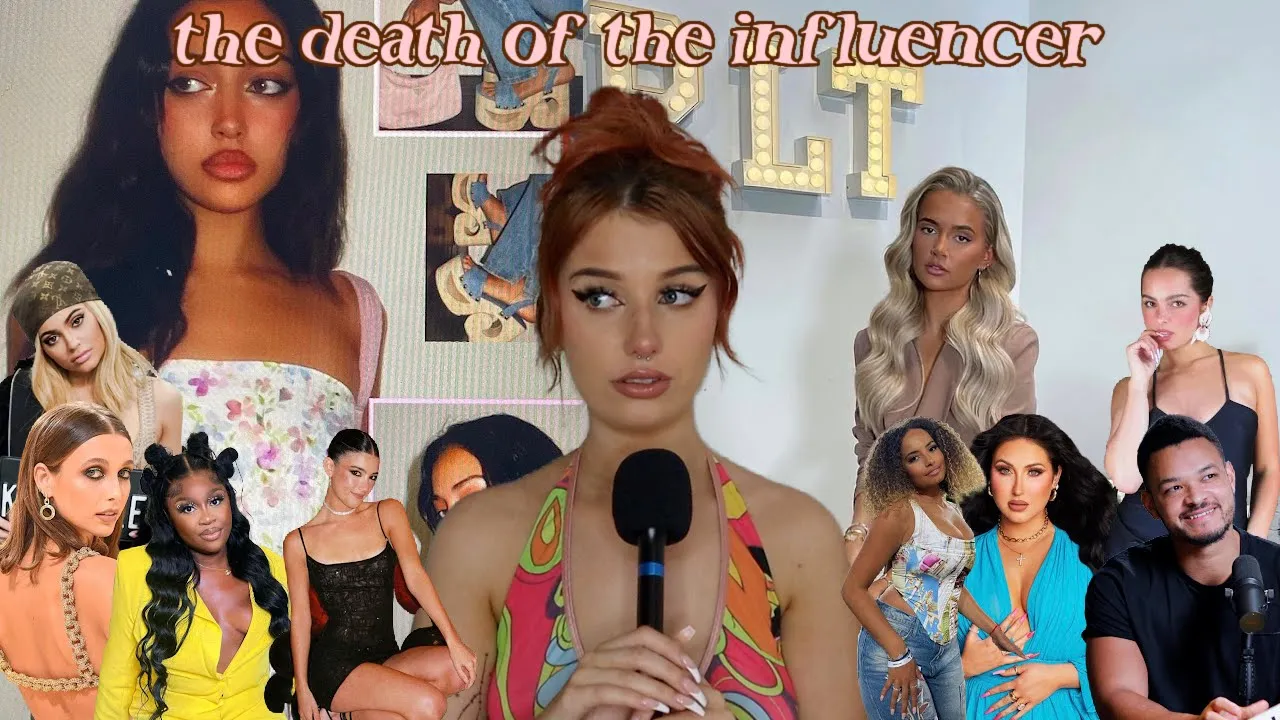
Why this video
This video details "influencer fatigue" and the economic precarity that comes with over-saturated, copycat content markets. It demonstrates how rapid aesthetic shifts, changing audience demands, and corporate platform updates keep creators in a state of constant, highly fragile economic instability.
Knowledge Checkpoint
- What causes "influencer fatigue" among audiences, and how does this affect a creator's market stability?
- Discuss the systemic economic precarity of relying entirely on platform advertisement rates and brand sponsorships.
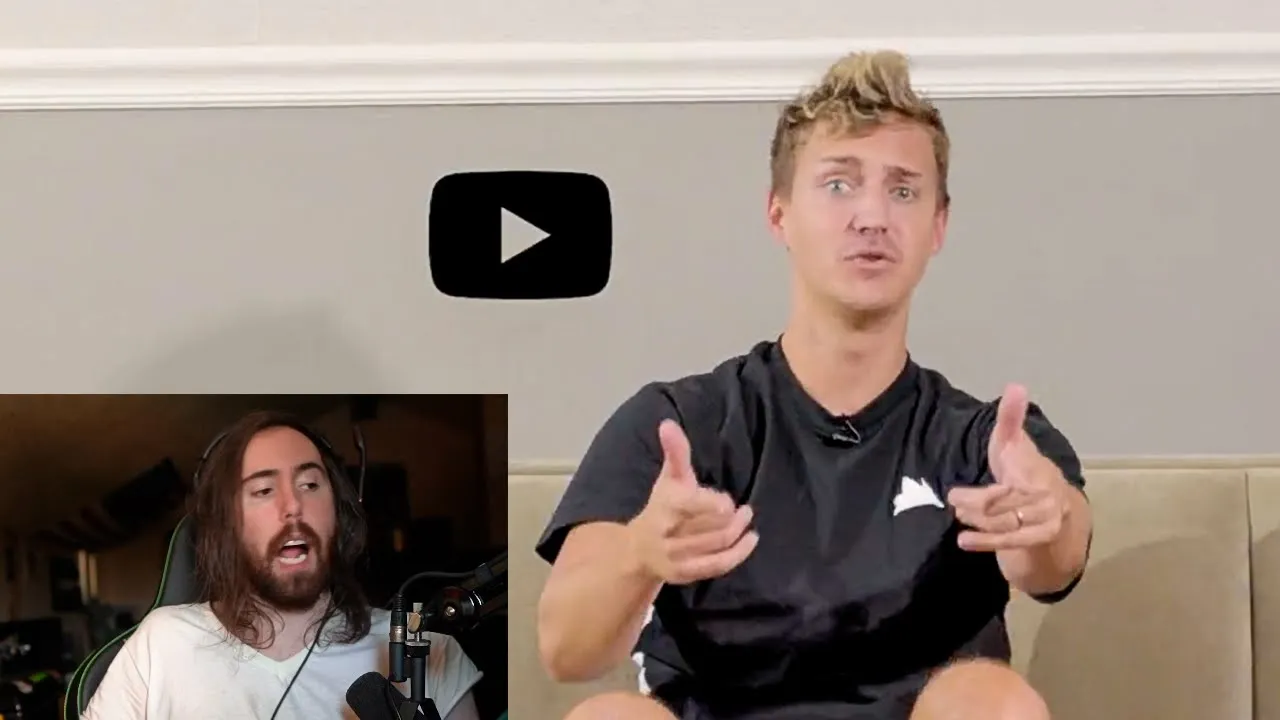
Why this video
Focusing on the highly visible streamer Ninja, this video breaks down creator burnout. It unpacks how algorithm-driven platforms demand constant, uninterrupted production, punishing creators for taking even short breaks with sudden drops in channel traffic and direct income loss.
Knowledge Checkpoint
- Explain how platform algorithms structural reward constant, uninterrupted labor.
- Discuss the psychological consequences of self-commodification, where a creator must constantly treat their own mind, body, and daily activities as business assets.
Module 5: Social Capital, Prestige, and Algorithmic Identity
This final module applies classic sociological theory—specifically Pierre Bourdieu’s concepts of capital—to the architecture of digital networks. You will explore how platforms gamify visibility, how algorithms redistribute and quantify social prestige, and how metrics like likes, followers, and engagement rate reshape modern identity formation.
Why this video
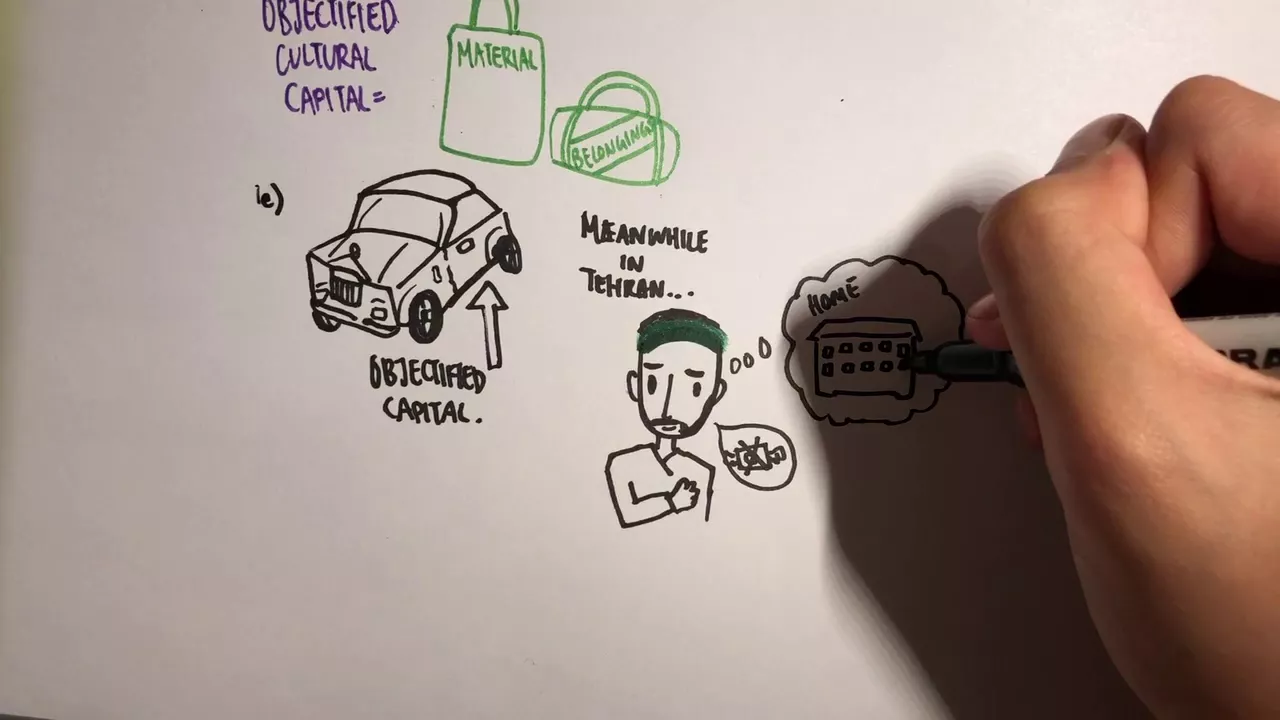
This video breaks down Pierre Bourdieu's foundational sociological concepts: economic, cultural, and social capital. It is an indispensable conceptual tool, allowing us to see how "clout," visibility, and digital influence are actually contemporary forms of capital that can be converted, accumulated, and used to reinforce class structures.
Knowledge Checkpoint
- Define Bourdieu's three primary forms of capital: economic, social, and cultural capital.
- Explain how cultural capital exists in three states: embodied, objectified, and institutionalized.
- Discuss how digital platforms allow creators to convert social capital (followers) into economic capital (sponsorships).

Why this video
Dr. Taina Bucher, an authority on platform sociology, introduces the power and sociality of algorithms. Bucher argues that algorithms are not neutral tech pipelines, but active cultural curators that define visibility, control what is seen, and determine who has social relevance.
Knowledge Checkpoint
- Explain the concept of "algorithmic visibility" and why it is a critical source of digital power.
- Contrast the algorithmic sorting of social spaces with traditional forms of spatial and social organization.
Why this video
This segment looks at how social platforms have disrupted traditional systems of human prestige. It argues that whereas prestige was historically tied to real-world competence or community contributions, modern platform architectures allow users to bypass these traditional routes, gaining high status through sensationalism, vanity, and attention-seeking.
Knowledge Checkpoint
- How do digital metrics hack and disrupt traditional, offline systems of prestige and social validation?
- What are the broader societal and developmental consequences of prioritizing attention-seeking behaviors over skill-based competence?

Why this video
Using a detailed breakdown of speculative media (inspired by Black Mirror's "Nosedive"), this video acts as a case study for the "quantified self." It illustrates how life can become hyper-monitored when social status, reputation, and platform ratings are integrated directly into our economic opportunities.
Knowledge Checkpoint
- Analyze the concept of the "quantified self" and identify how social media likes/ratings act as a gamified status system.
- Discuss the sociological consequences of self-censorship and performative authenticity when economic mobility is tied directly to digital popularity metrics.
Course Map
This map outlines the flow of concepts in this curriculum, demonstrating how each module builds upon the previous one to support your learning journey.
Key People Index
| Scholar / Person | Key Context within this Curriculum |
|---|---|
| Richard Dyer | Media theorist who established Star Theory, proving that celebrity images are not natural but are instead constructed, ideological, and commodified products. |
| Brooke Erin Duffy | Academic pioneer of the concept of Aspirational Labor, highlighting how platform creators perform uncompensated creative work driven by the dream of future status. |
| Pierre Bourdieu | French sociologist whose theories of capital (social, cultural, economic) and habitus explain how platform prestige and metrics operate as digital social currency. |
| Dr. Taina Bucher | Leading media sociologist researching algorithmic power and sociality, mapping how platform distribution networks control visibility and access to social relevance. |
| Chris Hedges | Social critic whose work on the "Empire of Illusion" explains the cultural shift away from physical reality toward hyper-real, corporate-sponsored spectacles. |
Final Self-Assessment
Complete this comprehensive, 10-item self-assessment to verify your mastery of the curriculum's core concepts.
- Explain how Richard Dyer's Star Theory helps demystify the public image of both a classic 1930s movie star and a modern TikTok creator.
- Differentiate between top-down studio-controlled stardom and the bottom-up, decentralized nature of modern micro-celebrity.
- Explain how the attention economy operates as a market system, identifying its primary currency, buyers, and sellers.
- Define the three structural axes of asymmetry that characterize parasocial relationships: attentional, emotional, and financial.
- Detail the technological and stylistic choices creators use to systematically perform "authenticity at scale" (e.g., direct-to-camera filming, casual editing).
- Define aspirational labor and provide a real-world example of how it operates in the contemporary creator economy.
- Define emotional labor and analyze the unique mental costs it imposes on independent digital creators compared to employees in traditional industries.
- Map Pierre Bourdieu's concepts of social, economic, and cultural capital directly to digital metrics (e.g., follower count, sponsorship deals, verification status).
- Explain how algorithmic visibility functions as a mechanism of cultural curation and social gatekeeping.
- Analyze the sociological and psychological consequences of the quantified self, specifically addressing how gamified rating systems shape authentic self-expression.