















Influencer culture, which began with mummy bloggers in 2002 and evolved through YouTube, Instagram, and now TikTok, faces challenges including saturation, authenticity concerns, and fatigue, as audiences become tired of repetitive content and influencers increasingly prioritize brand deals over genuine relatability.
The Decline of Influencer Culture: A Critical Analysis
Added:Understanding the concept of the 'attention economy' and how social media platforms monetize user engagement.
The fundamentals of digital marketing evolution, specifically the shift from traditional celebrity endorsements to peer-to-peer influencer marketing.
The psychological concept of 'parasocial relationships' and how audience connection is built online.
Basic knowledge of platform algorithms and how they dictate content visibility, reach, and creator monetization.
Exploring the emergence of 'de-influencing' trends and the consumer shift toward hyper-authenticity and niche communities.
Analyzing the legal and ethical regulatory frameworks governing digital sponsorships, such as FTC disclosure guidelines.
Investigating the socio-psychological impacts of influencer culture, including consumer burnout, materialism, and creator mental health.
Studying the future of the creator economy, including decentralized media platforms, creator unions, and the rise of synthetic or AI-generated influencers.
758.5K views28.9Klikes54:52Original Release: 2022-07-01
[Music] foreign hello everybody i hope you're all well if any of you if any of you think of leaving a comment saying jordan we can see the tracks in your extensions jordan you look like you're in year 11.
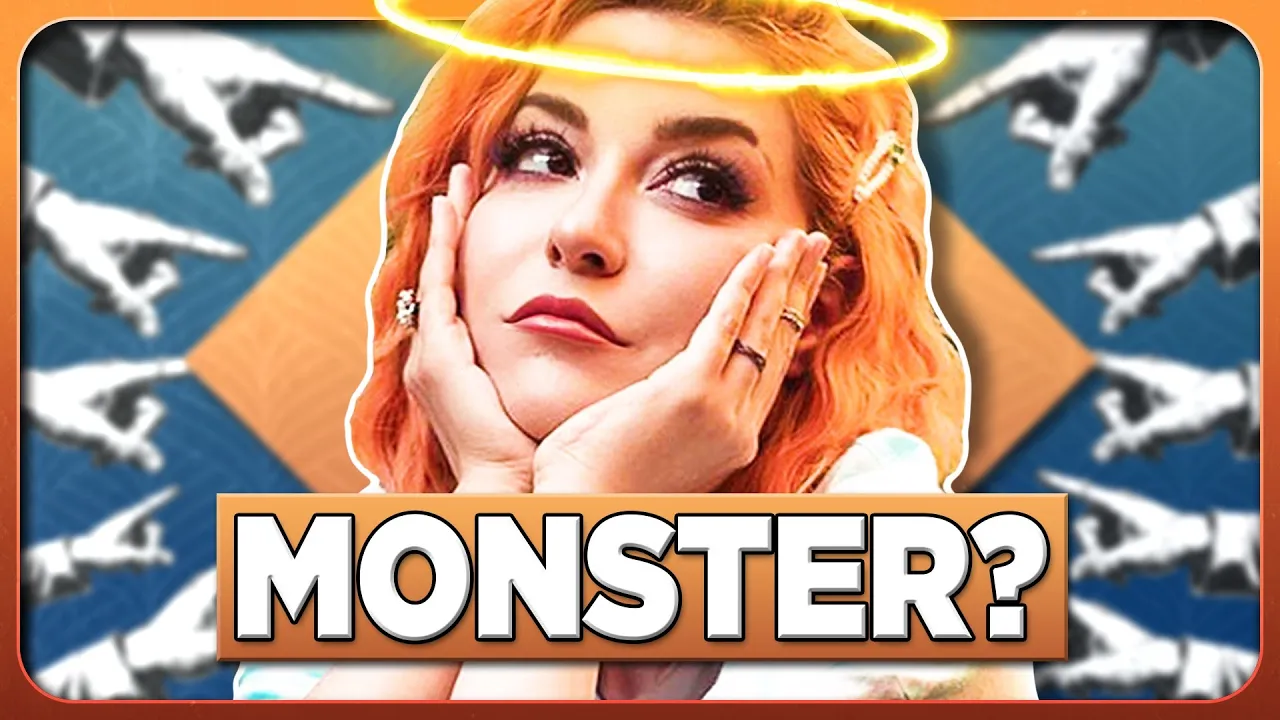
i have literally about five extensions left in my head i'm getting my hair done tomorrow this is what i've had to do last month emma chamberlain discussed on her podcast about how she thinks that influencer culture is dying i think people used to put internet celebrities on a pedestal and now because there are so many it's kind of lost its spark it's kind of a little bit stale it's really interesting how a large chunk of internet celebrities now have no real foundation or purpose for being famous besides the fact that they kind of got famous on accident and then now they're going to all these big and fancy events and people are just kind of checking in because it's interesting to see like what people are wearing what events they're going to so now you're actually following somebody who got famous on kind of accident just to see what kind of famous person activities that they're doing the nature of that is so bizarre and it's rooted in like nothing of real value and i think that that's a problem because i think that or it's not a problem but i think that that's not going to work forever and how most likely because everything has been done before and social media is starting to get very repetitive that a big shift in the influencer space is coming now this stirred up a bit of like i wouldn't even say controversy i would just say that it started a conversation about influences especially on tick tock and twitter and everyone found it very interesting that emma chamberlain of all people one of the most successful influences of our time who would not have anywhere near as many opportunities as she did if it wasn't for her success on social media thinks that influencing is dying and all the discourse that was going on on tick tock really got me thinking about influences and i've been using social media since i was around 10 years old even younger if club penguin counts social media and i have witnessed first hand the life cycle of the influencer so i wanted to talk about it today with you guys so grab a drink grab a snack we're gonna be here for a while oh hey guys you've just caught me wearing my gym gear which is actually very appropriate for what i'm talking about with my sponsor today i would just like to thank intermina for sponsoring today's video i've said it a thousand times on my channel i've worked with intamina before and i carry on working with them because i love working with them and i also love their products just in case you haven't heard of them intamina specialize in a range of different intimate health products such as period cuts intimate moisturizers kegels the list goes on but today i'm going to be talking to you guys about the intimina lily cup but back onto the topic of exercise and my very cute exercise outfit i don't know about you guys but i tend to sort of avoid exercising and any sort of active movement when i'm on my period it's definitely a combination of my cramps also feeling really depressed i'm quite tired and also i don't know whether you guys sort of share the same fear that i have but i get quite anxious and nervous about possibly leaking but one thing i do notice is when i do decide to exercise on my period which is mostly either having sex either having sex or what going on walks i love walking i noticed that afterwards i actually feel so much better like i feel so energized i feel like i'm in a good mood and i don't know whether it's because the exercise is a distraction or there's another reason behind it but also just my cramps actually tend to reduce a little bit as well when i sort of just get my body moving during my period and personally when i am exercising or just moving a little bit on my period i like to use the intermina lily cup compact so how this works is it's very easy to use an insert you literally just roll it up like a tampon and insert it like a tampon it's very easy and it actually collects more than your average tampon it offers up to eight hours of protection so you don't need to be worried or anxious about any sort of leaks and obviously the lily cup compact along with all of other intermediate period cups are reusable so it's a very eco-friendly solution to period and menstrual products and what i love about this is it's a little bit smaller than the rest of the lily cups so if you find uh into mina's other cups a little bit intimidating you can start with this one i started out with this one and also what i love about it is it's collapsible let me try and squish it down i'll probably pop a little clip so you guys can see more clearly it collapses like this literally look how small that is it comes with a little pink case as well which i've actually lost but it's very very good i love it so if you guys want to find out more about intermina and their products make sure you click my link in the description and thank you so much again intermina for sponsoring today's video [Music] firstly let's start out with the basics what even is an influencer an influencer is defined as a person with the ability to influence potential buyers of a product or service by promoting or recommending the items on social media the term influencer is not limited to a single social media website there are influences on youtube twitter twitch and influencers are most associated with tick-tock and especially with instagram and you can tell because a lot of creators on youtube and twitch including myself sometimes try to distance themselves from the term influencer opting for terms such as content creator streamer youtuber etc now before we talk about the origins of the influencer let's talk about the different branches of influencers first i just want to make it clear that i'm not using the term influencer negatively in any way there are plenty of influences that i really like that i follow and i'm sure will be featured in this video firstly we have influencers who got their star on youtube now youtube is a very old website it was created in 2005 and some of the very first influencers and internet personalities got their start on youtube beauty fashion and lifestyle content is massively popular on youtube not only is it perfect for seamless brand integration but also it translates onto other social media websites very well such as instagram because people were invested in them as people and wanted to know more about their lives but influencers who got their start on youtube isn't just restricted to beauty fashion and lifestyle content i feel like we tend to associate influences with that type of content because they're very female dominated fields and we tend to associate influences with women but podcasters like stephen bartlett and joe rogan gaming youtubers like pewdiepie and jacksepticeye i feel like my references might be a bit old by the way comedy youtubers i sound stupid you know the sidemen nico or milana chunks young philly willa knee vloggers like jake and logan paul and david dobrik all of these youtubers are influencers we just don't think of them as influences because they're men but i am going to talk a little bit more about this later but some examples of some beauty slash fashion slash lifestyle influences are emma chamberlin nella rose olivia neal jacqueline hill jackie aina moyama winnie zoella sammy maria jasmine lay anastasia kingsnorth patricia bright and that's just to name a few people who i follow or i used to watch their videos and of course we cannot forget family channels as well which is probably one of the most profitable business models on youtube obviously the ethics of family channels are very very murky and also a lot of these families actually tend to be christian which i think does help with the content and the brand integrations and then we have instagram influencers as i said earlier a lot of people who got their start on youtube and now have massive followings on instagram can also be considered instagram influencers but there are plenty of instagram influencers who are either only active on instagram or got their start on instagram i'm thinking wolvy cindy sydney and devon lee carlson and this one's a bit of a throwback but summer rae and of course there are influencers who got their start on reality tv now a lot of young people would consider the kardashians to be more traditional celebrities but the kardashians are reality tv influences they make massive amounts of money from instagram sponsorships alone the selling sunset girlies are reality tv influencers love island alumni molly may amber gill montana rose brown olivia atwood they're all reality tv influencers and lastly we have tick-tock influences which is definitely the latest wave of influencers such as charlie dimiglio addison ray v'andre lauren gray bella porsche kabayla may zach king even brent rivera brent rivera is still active everyone and this list only includes the most popular creators on tick tock this doesn't include the hundreds if not thousands of popular fashion beauty lifestyle self-help true crime comedy tick tockers the list goes on and i know that i've definitely missed a few genres such as twitch streamers but i don't know enough about twitch streamers i don't embarrass myself [Music] the origins of the influencer and specifically influencer marketing can be dated back hundreds of years the first example of influence their marketing happened all the way back in 1760 when wedgwood began to describe their products as queenswear after they made a tea set for queen charlotte after this their brand was seen as royally approved and still upholds a luxurious reputation to this day and it seems silly but brands with faces and mascots is also a form of influencer marketing one major example being in the 1930s santa claus became the face of coca-cola celebrity endorsements of brands is also influenced in marketing the earliest dating back to 1905 when comedian roscoe arbuckle endorsed murad's cigarettes celebrity endorsements became commonplace by the 1980s some of the most memorable and iconic being michael jordan for nike the air jordan brand is now worth over one billion dollars michael jackson beyonce david beckham and dojo cat have all done campaigns for pepsi cat also does campaigns with taco bell and this is a british one but i always associate gary lineker with walker's crisps and more and more nowadays we are seeing social media influencers doing campaigns with brands and even becoming the face of really big brands but before we talk about that let's talk about the evolution of social media influencing according to find your influence the first wave of online influencing actually started before the birth of any social media websites and actually began with mummy bloggers one of the most notable mummy bloggers being melinda roberts who created the mummyblog.com in 2002 and mummy blogs grew extremely popular extremely quickly obviously they're sharing tips and tricks with motherhood but they were also talking about the real struggles with motherhood which weren't really spoken about in mainstream media and brands clocked on to the fast growing success of money blogs and cashed in offering brand deals and sponsorships to the women who ran these blogs and then social media platforms got into the mix youtube was created in 2005 twitter in 2006 instagram 2010 and twitch in 2011 but before we talk about that let's quickly talk about the evolution of the youtube sponsorship [Music] google acquired youtube for 1.65 billion dollars in 2006 and launched the youtube partner program in 2008 giving creators the option to monetize their videos with ads but most youtubers know that adsense is not the most lucrative part of making youtube videos it's sponsorships so let's actually talk about sponsorships and their messy history the first ever sponsorship can actually be dated all the way back to 303 bce when rich roman elites would sponsor gladiator games to basically get people to like them that's so me coded and so that they could have a better reputation tracking the first ever youtube sponsorships is actually quite tricky because before around 2012 there were either no sponsorship disclosure laws or there were sponsorship disclosure laws but they weren't very well known nor were they enforced so some youtubers would do undisclosed sponsorships fairly often because they probably didn't know that they might have been breaking the law and after 2012 with youtube growing more and more in popularity undisclosed sponsorship started cropping up a lot more often so the ftc in the us and the oft in the uk began to crack down a lot more which is why now youtubers will very clearly disclose when a video is sponsored not only just to cover their back legally but also to build a trust with their audience but just because these laws were introduced slash enforced does not mean that there hasn't been a fair share of messy sponsorship drama since 2012. between 2014 and 2018 the youtube beauty guru space really began to blow up some of the most popular beauty gurus of the time being jeffree star jacqueline hill manny mua and laura lee the reason why i bring these names up is i'm pretty sure they were caught up in this scandal as well now does this sound familiar to you guys if you were obsessed with beauty gurus like i was back a few years ago you'll remember some of the biggest beauty gurus having morphe codes nothing wrong with a nice discount code i want 10 off my 35o palette but one very important detail which a lot of these beauty gurus left out was that they actually received a commission when people used their morphe code at checkout already this left a poor taste in people's mouths and the gifted pr trips only made things worse i know this might seem a little bit petty but if you watched a lot of these beauty gurus back in the day i think you'll understand where i'm coming from if you don't know what a pr trip it's basically when a brand will send you on an all expenses paid for very luxurious holiday in exchange you have to post it whether it's on youtube instagram tick tock whatever but sometimes really big influences were paid on top of having the trip for free and some influencers were very open about the fact that these trips were gifted and that they were pr but other influences were a lot less open about the fact that not only was the trip free but they were being paid to post about it and this just made their audience trust them even less i'm not going to focus on this segment for too long but i can't talk about messy sponsorship drama without talking about kenza cosmetics the scammy makeup brush brand which tana mojo and gabby hannah promoted their free makeup brushes spoiler alert they were not free to their audience and when jake paul promoted online mystery boxes which you had to pay for before you could open them to his very young around five to ten year old audience if it sounds like jake paul promoted gambling to a child audience it's because he did if you guys want to know more about sponsorships i highly recommend rowan ellis's video on the ethics of youtube sponsorship i'll leave it linked down below how influencing has changed over the past 10 years is i think we went from seeing influences posting on youtube doing a few sponsorships on youtube and then sort of posting on instagram for fun to seeing youtubers spreading their following over multiple platforms and doing sponsored content on all of these platforms monetizing all of these platforms and even some youtubers releasing their own lines of products and of course there was the youtube beauty guru boom of the mid 2010s but when it sort of got to the late 2010s early 2020s there was definitely a shift in the youtube influencer field where beauty influences moved from youtube to instagram and tick tock the creation of tiktok has really changed the influencer scene as we know it i really recommend checking out smokey glow's video about the possibility of tick-tock replacing youtube in my opinion i think long-form content and video essays are still really thriving on youtube but i've noticed that audiences are beginning to prefer snappier shorter content from beauty fashion and lifestyle creators instagram influencers were definitely living their best life in 2016. so if this is a little bit random i didn't know where to put this the app was at its peak popularity the algorithm wasn't complete dog [ __ ] you could actually see the posts of people that you follow it was the king kylie summer rae j alvarez blue ass water era of instagram but it was also the extreme face tuning unrealistic body standard secret bbl laxative tea sponsorship era of instagram but one thing i've noticed over the years as influencing has been evolving is that the instagram influencer space is becoming so saturated that follow accounts are actually becoming less valuable and let me explain myself you know when someone usually a man is telling you that you can't just print more money otherwise it will become worthless now i never understood this until someone used the analogy of if everyone's dick is big the no one stick is big i hope you're all staying with me on instagram especially a few years ago well more than a few years ago actually there were so many influencers who were growing fairly quickly and gaining thousands of followers that all of a sudden it seemed like so many lifestyle fashion and beauty creators had over a hundred thousand followers on instagram and unfortunately when so many people have a large following it's no longer considered a large following and recently i've seen something a little bit familiar on tiktok where the algorithm is so good and there's so many people that are growing so quickly that the followers are starting to lose value a little bit or ticktock influencers followers aren't translating onto other social media sites like instagram and youtube this is the outfit from the meet and greet so i will see you soon no one came to my meet and greet did anybody else notice that so many influencers with over half a million over a million followers had empty lines at vidcon if you don't know who i am i'm simplyness15 i'm part of the older generation of youtubers i'm part of the generation when vidcon was packed when people were getting chased from one side to the other side with mobs i'm telling you meet and greets have like 3 000 people standing in line didn't say for me though but even my raggedy ass had a long ass line like come on tick tock completely killed the concept of influencers i feel like it's so easy to gain a following on here but that doesn't actually mean that it's going to translate into like a fandom i guess i was talking to a merch company recently and they were telling me they wanted to work with more youtubers because all of the people that they were making merch for that were tick talkers were not selling anything i feel like with tick tock it's very come and go like you could be super active on here for like a month you could be popping and then a month later people just don't care anymore they unfollow or you have this big following because i feel like with tick tock you don't go through your followers to like unfollow people you just keep scrolling past their videos so then you're left with this big following of like 1.5 million people but your tick tocks are getting like a thousand views so the numbers are just not adding up anymore and i'm noticing how hard it is to transfer to other platforms now i feel like every social media has an era do you guys remember the vine era when people had a ton of followers on there and everybody also went to go follow their instagram also went to go follow their youtube it's not happening on here though i'm seeing 2 million followers on here but on the youtube it's only 1k views 10k subscribers but i just feel like long gone are the days where people are gonna actually buy a plane ticket buy a hotel get the event ticket all this transportation and food money like people are not saving up or splurging like that anymore influencers i think people finally realize they're just normal people and i feel like i'm beginning to sound like a bit of a youtube purist which i'm not i use instagram twitter and tiktok and i haven't cracked 100 000 followers on any of them so i'm not trying to diminish the hard work which goes into growing a following i know it's hard trust me but youtube has never really had this problem of so many creators growing really really quickly because first of all it's very difficult to crack the algorithm on here but also youtube is naturally a long form content website it can take as little as 10 seconds to watch a tick tock or to see someone's instagram post and decide to follow the person behind it but on youtube you need to dedicate 10 20 30 minutes even longer sometimes to watch someone's video and decide to subscribe to their channel which is why it's easier to grow a following on tick tock on instagram but this is why some brands will pay people with a hundred thousand followers on instagram less for a brand integration than someone with a hundred thousand subscribers on youtube because if an instagram influencer with a hundred thousand followers asked for more money the brand can just find another instagram influencer with a hundred thousand followers and offer the sponsorship to them but that being said instagram and tick tock content tends to be a lot more palatable so if you have a large following on instagram you're more likely to get bigger and better opportunities work with brands who have really tapped into the influencer marketing scene rather than if you're just popular on youtube especially if you make quite niche content [Music] in 2019 a survey by lego showed that a third of children between the ages of 8 and 12 aspired to be a vlogger the same survey also found that children were three times more likely to want to become a vlogger than an astronaut and of course this survey did the absolute rounds on uk newspapers a load of 40 year olds saying that children didn't have any aspirations anymore as if influencer marketing and being a youtuber isn't one of the most lucrative jobs at the moment but this study aside it's common knowledge that both thousands of children and adults alike aspire to be influences so i've compiled a list of reasons why being an influencer has become one of the most desired jobs of the 21st century number one money it's pretty well known that influencing and youtubing pays very well i am a full-time youtuber and i have made more money with this job than i ever had in my entire life obviously it's self-employment so there are ups and downs there are months where i'm very worried about money but also there are months where i'm not which is something i'm very grateful for especially because i live in a country which is going through a cost of living crisis at the moment and the fact that wages haven't increased fairly alongside inflation and not just in this country and loads of other countries as well of course people are going gonna want to become influences it's a well-paying job which you don't need a formal education for even if you don't end up being like molly mate who's a millionaire you can still make more money than the average wage of someone who's just graduated becoming an influencer is actually one of the only ways that young people in this country can buy a one bedroom property number two it's an easy ish job now this one will probably stir up a little bit of controversy because on one hand we have influencers saying that their jobs are extremely hard but on the other hand we have a load of 40 year olds who don't even consider it a real job i lie very much in the middle as someone who has worked normal jobs and now does youtube full-time there are a very unique set of pros and cons to this job pros it's flexible schedule you can work wherever you want you're probably doing something that you enjoy the cons this job has affected my mental health in a way that no other job has you also have to do your own taxes i feel like i complain about this a lot but i hate doing my own taxes but the misconception that being an influencer is an easy job and you barely have to do anything is a misconception i found especially recently that my mental health is no longer in the toilet and i've actually motivated to do work i've been working more hours now doing youtube than i have in any of my other jobs but something which a lot of influencers fail to mention is that our job is very fairly compensated it's hard work but it's high rewards which is why even though i'm working more hours now as a youtuber i'd much rather be a youtuber than back in the salon waxing people's vaginas for 9.50 an hour where i was working nearly 40 hours a week and rarely ever made more than 1500 pounds a month and this is where i think influencers miss the mark a little bit because it's very easy to just get defensive because you're hearing a load of people telling you that your job is easy and i understand that it's frustrating if it was easy then everyone would be an influencer but you can still say you work hard whilst acknowledging the privilege that your job hands you and not only is the job easyish but also it's usually something fun and enjoyable most people started posting on social media whether it's youtube instagram twitch tick tock for fun it was their hobby before it was their job number three it's a gateway for big opportunities especially recently we are seeing so many influences break into the mainstream entertainment industry and i'm absolutely loving it emma chamberlain working with vogue and louis vuitton and attending the met gala nella rose presenting catfish uk she also just released a collection with pretty little thing and presented the brits with fellow influencer and tick tocker many chihuahua olivia newell has released two collections with motel rocks works with mewmew and has a spotify originals podcast chunks and young philly and the rest of the beta squad work with foot asylum being an influencer really does open the door for some big opportunities if you're lucky and if anyone wants to know what my dream job is what my dream job is sorry i'm actually going off script if being a youtuber can get me any closer to becoming a presenter on ninja warrior i'm putting it into the universe i'm manifesting everyone start manifesting number four it's a prestigious job this may sound similar to my second point but it's different if you're an influencer with a big following you will get treated really well whether it's free stuff or gifted trips with brands you also can hang out in influencer circles and in general people will just treat you really well as an influencer you will have a lot of social capital and even though some people really do only hang out with influencers because they have large followings some people don't care and they just want to be treated like they're the [ __ ] [Music] as you guys can tell being an influencer has become one of the most sought after jobs because of the perks that come with it more and more people every day are trying to get their foot through the influencer door and with this comes an increase of micro influences according to influencer matchmaker dot co dot uk a micro influencer is an influencer who has between 3 000 to 100 000 followers and despite the smaller follow account brands work with micro influencers regularly for good reasons and for bad firstly working with micro influencers is obviously cheaper than working with bigger influences this is great for people who have small businesses or have smaller marketing budgets and sometimes it can be free and what i mean by that is a lot of brands will offer micro influencers free stuff in exchange for posts now i have mixed feelings about this i think when it comes from you know small businesses depop shops i don't see anything wrong with it at all a lot of the time these people have no money dedicated to a marketing budget they're usually doing it all by themselves especially if the clothing that they make or the jewelry that they make is handmade it often costs a lot of money to just make the products but bigger businesses particularly fast fashion companies like fashion nova and pretty little thing sending free clothing in exchange for promotion is nearly free advertising because these clothes cost next to nothing for these companies to make and not only that but fast fashion companies will encourage consumers to tag them in their outfit posts even when their clothing hasn't been sent to them for free so hundreds if not thousands of girls will tag fashion over and pretty little thing in their outfit posts even if they haven't received any of the clothing for free in hopes that they will be featured on their instagram increasing their reach and in turn increasing their follow account another reason why brands are more likely to reach out to micro influencers is they're actually more likely to accept their work huge influences like molly may and emma chamberlain physically can't accept every single brand deal that they're offered and also accepting a lot of brand deals especially from less reputable brands is more likely to harm their career and branding in the long run but micro influencers will be more inclined to accept any brand deal that they can get really either it's for the money or it's for the free products or they want to get the ball rolling on their influencer career and start building relationships with these brands which is why a few years ago a lot of micro influencers including myself this is more than a few years ago actually would accept gifted products in exchange for haul videos from fast fashion companies like zaful and romwe and because micro influencers want to start building relationships with brands in turn they're actually a lot less likely to bad mouth the brand because they want to come across as easy to work with and this is why you'll watch a fast fashion haul where the creator is talking about how high quality the clothing is and then you order the same thing and it feels like paper mache and speaking of micro influences being less likely to bad mouth companies i recently read the book get rich or lie trying by simeon brown i actually once again i have it right here on my shelf great book by the way what happened oh my god that was so scary i really recommend this book it's really good and i honestly can't recommend this book enough if you want to know more about what goes on in the influencer sphere and one chapter in this book talks about plastic surgery and bbls now some micro influences will fly to turkey to get bbl's sometimes it's gifted sometimes it's not but obviously it's cheaper to go and get a bbl in turkey than it is to go and get a bbl in the states and these girls will experience a wide range of complications afterwards some of these girls bums were leaking they were getting infections some of the bbls looked really disproportionate one girl went to the hospital and discovered that she actually had broken ribs or a broken rib and it was suspected that while she was in turkey getting her bbl she died on the table and the surgeon gave her chest compressions to resuscitate her and she wasn't told about any of this yet despite their negative and sometimes even traumatic experience a lot of these micro influences will not say a bad word about the brand and say on social media about how easy the recovery's been basically make a bbl look like it's a walk in the park either in the hopes of getting it fixed for free or some of these girls even want to become brand ambassadors [Music] reading get rich or lie trying really opened my eyes to how far some people will go to become influences such as lying for brands but some people will go as far as getting plastic surgery such as a bbl to enhance their looks more people are going to like their posts more people are going to follow them and then they become closer and closer to becoming an influencer not only that but plastic surgery and filler actually makes for really popular content something which used to be done completely in secret you can now watch hundreds of videos of people getting filler done and talking in depth about their experiences and because this content is so popular influencers can write their filler offers a business expense they can accept free filler in exchange for promotion or even get paid sponsorships with aesthetic clinics i read an article on the new yorker called the age of the instagram face which basically discusses how the rise of instagram influencers and facetune alongside with filler becoming more and more accessible has ended in this eerie result where a lot of influences both big and small are beginning to look the same some aspiring influences will take the easier route of going on a reality show over here in the uk the golden ticket to becoming a successful influencer is to go on love island if you do well on the show you are guaranteed one million followers at least the contestants who go on love island to kickstart their influencer career see going on the show as an investment but what happens to the contestants who don't do well on the show jade affleck and george day both spoke to vice about how much money they spent in preparation to go on love island jade got a personal trainer hair extensions manicure pedicure waxing sunbeds and six weeks worth of clothes and in total spent three thousand five hundred pounds meanwhile george spent seven hundred pounds on clothes because you weren't allowed to have branded clothes in the villa both contestants didn't make it past casa amor only appearing on the show for just under a week and this isn't even taken into account how many people quit their jobs to go on love island it's all well and good if you leave the show with millions of followers but what happens if you leave love island not with the big opportunities that you were expecting savannah darnell who put her musical theater career on hold to appear on the fourth season of love island during casa amor spoke about how not succeeding on the show severely impacted her mental health she said by the producers that she was promised to be one of the original contestants how embarrassing it was being a part of only two out of six girls that didn't make it past casa or more she fell out with her brother and she spoke about how hard it was seeing contestants who were on the same season as her such as zara mcdermott and danny dyer receiving these amazing opportunities after the show while she barely got any air time there are also people who will go into debt trying to become influences obviously there's debt on a smaller scale such as paying installment plans like clana and paypal credit some aspiring influencers will order a load of clothes take pictures in them and then send them back which i'm not necessarily against because at least the clothes aren't gathering dust in their wardrobe but also they're still promoting over consumption at the same time so i'm torn but on the more extreme end of things one woman spoke to refinery29 about how she got herself into 27 000 pounds worth of debt trying to make her life look more instagramable whether it was her pinterest inspired wedding or her interior decor [Music] i think there's so many negative connotations surrounding influencers that a lot of people forget that people watch and follow influences for a reason and there are so many reasons to actually like influencers firstly a lot of people follow influencers because they find them relatable before a lot of youtubers got big they used to film their videos in their bedroom they used to work and slash or go to school and even as their success grows and their life changes of course they will inevitably get a little bit of kickback for it but their charismatic and relatable personality remains a constant in their content and jumping off from relatability influences tend to reveal a lot more about their lives than a traditional celebrity would whether it's their relationship their family life their everyday routine their mental health and people enjoy it and people get invested and end up building parasocial relationships with these influences because they feel like they know them and also a lot of influences provide aspirational content especially the bigger influencers who have made it they run multiple businesses they're in a relationship they have a beautiful home they go on amazing holidays not only do people find this content very inspiring but they also find it very motivating and on the other side of the same coin a lot of people follow influences for more shallow reasons they are nice to look at and they post things which are nice to look at [Music] dislike for influencers has definitely contributed to this newfound influence of fatigue which is happening on social media at the moment and as i'm discussing reasons why people dislike influences i don't necessarily agree with all of these points nor do i think these points apply to all influences unfortunately some influences can tend to be a little bit out of touch and there definitely is reasons for this this happens with a lot of high earning jobs but it can happen with influencers because they're making really good money they only really hang out with other influencers some influencers come from quite privileged backgrounds and some influencers have been influencers since they were teenagers and have never had to work a normal job before so events such as influencers flying to dubai to avoid lockdown rules in the uk saffron barker complaining that it took her four hours to get home because someone threw themselves in front of her train molly maze we all have the same 24 hours in a day comments which i actually did cover in my very short-lived podcast which i'm planning on getting back to alfie day's entire living off one pound a day debacle something that i saw floating around on twitter yesterday was the amount of people that were calling me a tory and i just want to 100 clear up right now that i'm not a tory and obviously as someone who is present on the internet and has a following mistakes happen people [ __ ] up but sometimes you just hear about these things that some influences do and you just think like why because sometimes it really does just cost nothing to shut up but the points that i did discuss earlier i definitely do think explain why some influences tend to be a little bit out of touch some people believe that influences can be quite superficial and vapid now this isn't really a critique i necessarily agree with because i think it tends to be rooted in a lot of misogyny which i'll elaborate more on later but there's no denying that influencing especially instagram influencing is all about appearances which leads to a bit of truth bending and sometimes just outright lying such as influences buying clothes just for the sole purpose of instagram posts and then sending them back people posing in front of expensive cars which aren't theirs let's never forget the private jet photo studio in memoriam is it still open i don't know i want to go there it's technically an instagram influencers job to make it look like they're having the best time ever even when they're not the next point may cause a little bit of controversy but a lot of people do hate influences because of jealousy and envy they see these beautiful people who have loads of money for not doing much they're going on holidays they're in a relationship they live in a massive house they get loads of free stuff and they're jealous of that now obviously i'm not boiling down all critique of influences to jealousy and envy because i've critiqued influences in the past and i'm critiquing influences in this video but if you read certain forums i have to tread very lightly but the way that some of these people talk about influences who they don't know and they've never met before with such burning hatred jealousy is obviously a driving factor and i just think as long as you're not a horrible person writing really vile things on the internet about people you've never met before there's nothing wrong with being jealous of someone like like i've critiqued molly may in the past but of course i'm jealous of the amazing new house she just moved into we need to start normalizing jealousy a lot of hatred for influences especially from the older generations definitely comes from a lack of understanding of the job because it is a new job at the end of the day therefore a lot of people don't have respect for it and is why you often hear people saying that being an influencer isn't a real job and jumping off the lack of understanding of the job a lot of people see instagram influencers posting one picture a day and making really good money and they see that as people being rewarded for doing nothing and also this can happen in influencer spaces as well a lot of people see very attractive and good looking people posting mediocre content and feel like they aren't deserving of the following that they have that they're resting on their looks that they have pretty privilege and again circling back to the point about older people not understanding the job a sentiment which i hear very often is that there are so many other jobs which should be making more money than influencers are it's absolutely shocking that influences make more money than nurses in this country and the problem is with this argument is that it displaces the blame i can assure you that a vast majority of influencers believe that nurses should be making more money than them but it's not the influencers fault we should be blaming the government who voted against giving nurses pay rises not influencers who just happen to be working in an industry which is very lucrative at the moment a lot of people see influencers as being quite deceitful for a multitude of reasons whether it's possibly perpetuating toxic beauty standards by undisclosed filler and plastic surgery facetuning their pictures to fairly extreme lengths accepting shifty brand deals not disclosing sponsorships not disclosing when they get commissioned from promo codes the list goes on but something which i don't see discussed very often is that i think that a lot of hatred for influences is actually rooted in misogyny instagram influencing is already a very female dominated field and a lot of the women who are doing really well on instagram tend to be more feminine presenting long hair lots of makeup fake nails fake tan and tend to have more feminine hobbies such as makeup and fashion first of all as i mentioned earlier the fact that joe rogan or stephen bartlett aren't considered as influences when very clearly they are but for argument's sake let's say we're just talking about instagram influencers here or influencers who got their start from reality tv like molly may but my point still stands now molly may before she became creative director of pretty little thing she used to release a lot of collections with them and she used to get criticized for it very understandably fast fashion is bad but her boyfriend tommy fury released a collection with boohoo man in fact a lot of male contestants have become brand ambassadors for boohoo man yeah it's it's crickets literally crickets and staying on topic of love island why is it only the female contestants that get criticized for having sex on tv but it's never the man [Music] now following from why people dislike influences i wanted to talk about brand deals and authenticity because a lot of dislike of influences is related to the whole idea of authenticity and how brand deals sort of get in the mix of that a lot of the time you hear from the audience of a once-loved influencer that they aren't relatable anymore or they only post to promote a product they only post when they're sponsored and i find this relationship between brand deals and influencer authenticity very interesting because it does beg the question can brand deals ever be authentic and does accepting more brand deals make you less of an authentic influencer and the truth is we don't really know there are plenty of influencers who will not take brand deals from products they don't like or they don't use but also there are plenty of influencers who will accept brand deals with products that they've never even tried before latin gorgeous agent popped in to admit it is industry practice not to try any of the [ __ ] that they shall now that's ethical do they've not even trying to try on them half the time anyway so you know i'm never trying to get it really excuse me lauren what you said i'm loving my products that i've been using they've helped me so much anyway because we were a bit worried that maybe you'd want to you need to try it before you you mentioned it no not bothered i've even had my own friends messaged no can you get me something skinny coffee like does it work i'm like do you not know this by now yeah robin spoke about this in her video about youtube sponsorships but influencers are very unlikely to bad mouth a sponsor even if it doesn't explicitly say in your brief or your contract that you aren't allowed to bad mouth the brand a brand isn't going to want to work with you again if you say something negative about them in a sponsored video and these unspoken rules don't just apply to sponsored content influencers who just receive pr from brands are far less inclined to speak negatively about them because they don't want to sour the relationship they've built with them this was especially prevalent in 2016 to 2018 beauty guru youtube where youtubers would not breathe a bad word about makeup brands out of fear that they would be taken off their pr list i do really like so this is very pigmented i really do like kylie's lipstick really pretty mob get pretty pigmented really pretty oh i really like the pink packaging i'm really excited about this one really pretty pigmented a lot of influencers would even kiss up to brands hoping that they'd be invited on gifted trips and staying on the topic of brand deals i think a lot more people than we realize are getting really sick of the constant fast fashion promotion from influencers already the ethics are foggy especially when you consider some of the bigger influences are being paid upwards of 10 000 pounds for one instagram post by these fast fashion brands which is more than what their garment workers make in a year and not only this but especially with brands like pretty little thing and sheehan where their clothing is such poor quality that it literally falls apart after a few washes a lot of influences big and small won't tell you this because they want to stay on good terms with these brands [Music] i wanted to conclude this video by talking about influencer fatigue which is why i think a lot of people like emma chamberlain believe that influencing is dying most of us who are active on social media have been active on social media for around about 10 years which means that we have seen the birth the subsequent rise and the fall of the influencer and i think it wasn't really until the mid-2010s with the help of the kardashians and reality shows like love island did we really see an influencer boom in a very short period of time as well and it just felt like wherever you turned there were just influences everywhere smokey glow spoke about drama fatigue in her is tick tock replacing youtube video where a lot of audiences of beauty gurus became so sick and tired of the drama that they just became completely detached from any of these youtubers and their videos and i think the same thing is happening with influences and there was definitely one point in like late 2019 where a lot of these influencers were dressing really similarly to each other they were posting really similar posts smaller influences would take inspiration from the bigger influences where eventually all of these posts just started to look the same and on top of this a lot of these influences were promoting over consumption constant haul videos and never outfit repeating in instagram posts i definitely don't think we saw a shift in influencer culture until at least late 2020. at first i thought maybe the pandemic triggered off this shift which it could have but it definitely didn't happen until later because remember at the beginning of the pandemic in march of 2020 tick tock really blew up and a lot of the over consumption which we saw on youtube basically just moved to tick tock every day it felt like i was seeing a new 500 sheen haul and towards the end of 2020 i think people were just getting sick and tired of the over consumption but also i think people got bored of sort of the stereotypical instagram influencer i think there is only so many times that you can see a minimalist tracksuit ootd this boredom paired alongside people becoming more critical of instagram influencers also paired with the fact that instagram completely killed itself as an app has resulted in the death of the influencer or rather the death of the influencer as we know it i think this newfound boredom with the typical instagram influencer doesn't necessarily represent the death of the influencer but rather the evolution of the influencer influencing is still alive and well especially if you know where to look for it and if we just put aside like the really popular huge names i think tiktok has really opened the door for a whole new and wide range of influences because of his accessibility all you need is a phone and basic tick tock editing skills and you can gain hundreds of thousands of followers sorry editing jordan popping in here and the sun is shining i just like to add the point that simply nessa made in her tik tok which although with tic toc and the fact that it's so accessible the algorithm is really good it's quite easy actually to grow a following on there following nowadays doesn't necessarily equal influence so although it's now easier to gain a following it's actually harder to have influence and become an influencer so as simply necessarily in her tik tok there can be people that have a million followers on tiktok because it's so easy to gain followers on there not super easy not trying to diminish the hard work that goes into growing and following but because it's a lot easier than gaining a million subscribers on youtube you can have a million followers but them not be super engaged with your content nor they can actually be a fan of yours they just follow you to follow you so it's quite interesting that having such a large following nowadays especially on tiktok won't always translate into having a fan base and i think that that's very interesting and not only does tick tock have a really good algorithm but unlike instagram which is a primarily photo sharing app because tiktok is a video sharing app it's a great way to showcase your personality and i just feel like there's so much space on tiktok for whatever like hobby you're into and as much as tiktok could be an absolute hell site sometimes i've been a bit more active on tick tock recently and i'm already beginning to get horrible comments about my teeth i do think tick tock has really changed the influencer space as we know it maybe for positive but also maybe for negative as well and that is the end of my video i hope you guys enjoyed this if you did give it a thumbs up and leave a comment of your thoughts i'd love to know what you guys think and i will see you soon for another video bye
Up Next
11:53
Ninja's Multi-Platform Return: A Streamer's Strategic Analysis
@AsmonTV
284.2K views•2022-09-09

12:54
Triumph of Orthodoxy Icon: Byzantine Art & History Explained
@BenCallan
2.1K views•2024-08-06

9:49
FastAPI vs Flask vs Django: Choosing the Right Python Web Framework
@TechWithTim
302.5K views•2024-05-26

1:42
Game of Thrones Opening Credits: A Cinematic Analysis
@gameofthrones
46.3M views•2011-04-18
Related Study Plans & Knowledge Roadmaps
Structured learning paths in General & Interdisciplinary Studies
general-studies
Elevator Engineering: History, Physics & Cities
01From Hoists to Safety Brakes: The Dawn of Vertical Lift
02Hydraulic vs. Traction: The Engineering Physics of Elevators
03Modern Speed, Safety, and Algorithms
+ 2 more learning modules
12h5 modules
Explore Roadmap
general-studies
Rubber: Material Science, History & Geopolitics
01Origins of Natural Rubber & Mesoamerican History
02The Chemistry of Natural Rubber & Vulcanization
03The Geopolitics of the Rubber Boom & Colonization
+ 2 more learning modules
12h5 modules
Explore Roadmap
general-studies
Containerization: Evolution, Logistics & Trade
01Ancient Trade & Bulk Cargo: Amphorae to Barrels
02The Industrial Revolution & Cardboard Packaging
03The Containerization Revolution: Malcom McLean
+ 2 more learning modules
12h5 modules
Explore Roadmap
general-studies
Textile Tech: Evolution, Labor & Global Impact
01Pre-Industrial Textiles: Handloom & Cottage Industry
02Mechanization: The Spinning Jenny to the Power Loom
03The Factory System & Global Labor Transformation
+ 2 more learning modules
10h5 modules
Explore Roadmap