


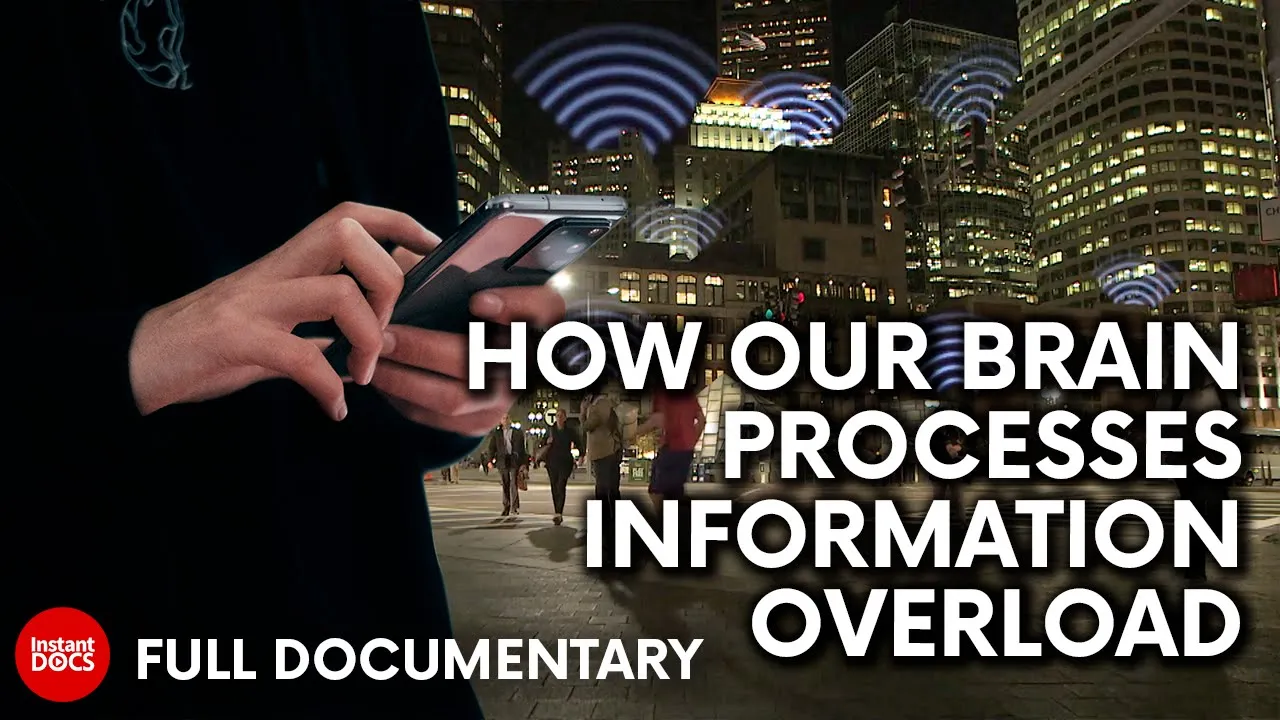

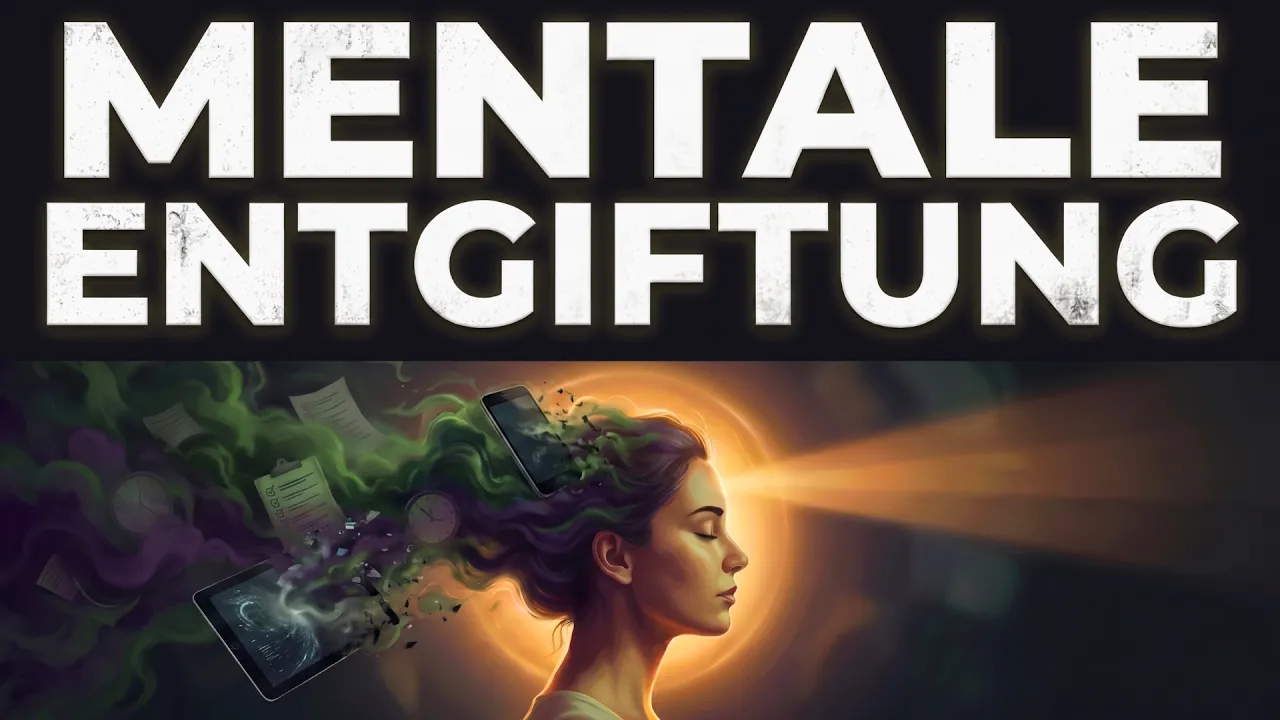
















In the 21st century, the fundamental problem is not time management but attention management, as we have overvalued distractions and undervalued our own attention. We have lost the 'in-between moments' that allowed for daydreaming and insights, which are essential for creativity and problem-solving. Flow state, a psychological state of optimal performance where time perception changes, requires deep focus and cannot be achieved in the presence of distraction. To protect our attention, we should focus on depth over breadth in information consumption, cultivate practices like meditation to reclaim our attention, and recognize that we have total control over what captures our attention.
How to Master Attention Management: Insights from Maura Thomas
Added:The distinction between traditional time management (managing hours) and attention management (managing cognitive energy).
Basic principles of cognitive load theory, specifically how multitasking and task-switching affect brain performance.
The psychological mechanisms behind distractions, including the role of dopamine in digital notifications and internal interruptions.
An understanding of basic productivity frameworks and how personal workflow systems operate.
Advanced 'Deep Work' methodologies to cultivate prolonged periods of high-intensity, distraction-free focus.
Implementing comprehensive digital minimalism strategies to proactively design low-distraction environments.
Applying behavioral design and habit formation theories to automate focus behaviors and rebuild attention spans.
Organizational attention management, including how to design team workflows and asynchronous communication policies to protect collective focus.
2.7K views36likes25:41Original Release: 2019-10-10
so I'm here with Maura Thomas and I've never hi Maura how you doing first of all very very glad to have you so how did you how did you arrive at the point in your career where you are now the most widely cited authority on attention management like how do you get to that point it's been a journey I've had I've had my business for 17 years and before that I was also in the productivity industry and but 17 years teaching people productivity and speaking about productivity and studying the field of productivity and what works for people and around 2009 I started to realize people kept saying when I spoke about productivity people would say oh like time management and I just kept realizing you can't make image time number one and I mean managing time means I make an appointment with myself on my calendar but I mean the first person we're gonna break an appointment with is ourselves so it's like if this is our magic formula make an appointment with yourself like that that is not that we need something new and not having enough time is not our problem every person gets the same amount of time right the problem that we have today in the 21st century is distraction and so you can't solve a distraction problem by trying to manage time you have to manage attention and so you know this is the sort of thoughts that were forming in my head around 2009 and then I started to write about them and then I was approached to write my first book and so and that came out in 2012 I first started blogging and then my book came out in 2012 and the first few chapters my book were about it and then I was invited to do a TEDx talk on it and then I wrote a second book that had um sort of that theme throughout and I just I started writing for all kinds of outlets let me see if I can if I can track this timeline sounds like you were really ahead of your time because 2009 I think is it's just two years after a Facebook and the iPhone really you know hit the marketplace so yeah you really were sort of a front-runner in this in this star area it sounds like I mean who else was thinking about the impacts of these kinds of technologies at that point yeah there was a book um there were some books out it was a book called the attention economy I think businesses caught on to this right we need to get the attention of our audience and of our prospects of our target market but I think not too many people at the time we're thinking about if businesses are working so hard to get our attention what does that mean for us and for our ability to as I say it to live a life of choice rather than a life of reaction yeah it really has become everyday we're on social media it feels like we're we're wearing in transaction for example me dia as an example but we're not really so it's not really transparent right we're exchanging our attention for you know something really quite sure what we're getting out of it but there's no crack out you know we don't really realize what we're doing sometimes you know yeah so what we are exchanging our attention for is revenue for Facebook we we are we are the prior attention is the product that Facebook's helped us but I guess my question is what are we getting out of it what are we being paid for our attention you know yeah I think we're getting a false sense of connection the research is showing a false sense of connection and also a a habit of distraction because the because these sites are manipulating our you know holding the likes so that we so that intermittent reinforcement becomes a part of it and just doing all of these things to keep us engaged at the expense of anything else because it's their you know their revenue model depends on their ability to keep us on their site and you know Facebook isn't the only one they all they all do yeah so I mean how did we get to this point where I guess societally excuse me we we really seem like we really under value our attention how did we get to this point was there a inflection point or a change in technology where you kind of see historically we just sort of stopped caring as much for stop protecting our attention and to the degree that we should I don't think it was I know I don't actually think it's that we are under valuing our attention I think that we are over valuing our distractions and right and and I think that this whole idea of you know what's happening and FOMO and somebody I need to do some research on this a journalist quoted this to me that somebody else said and so I have to find out who it was and I'm sorry that I don't know right now but they called it a communication debt that we're always in communication depth and whoever said that I'm sorry that I don't know your name right now but I will find out because I think it's a great I think it's a great phrase because there's always write those little those little numbers right oh I oh three text messages and I have four voicemails and I owe three you know comment on Facebook and two connections on LinkedIn and four dams on Twitter and right and it's always that we're always behind in our communication and so it feels like we are we have to work all day just to stay out of that debt but the truth is those though many of those communications number one are not things that we owe other people and number two aren't even that important it's certainly not important enough for us to you know some of them are if somebody you know leaves you a voicemail you can't ignore it forever but but but even you know even text messages I feel like we have turned into the society where just because somebody sends us a message I can't tell you how many times I've been asked do you know of a service besides the new one now that Apple does that says I'm driving when you you text somebody and they get an auto response on text that says I'm driving people wouldn't ask me do you know of an auto responder for text and that question drives me crazy because doesn't the fact that I'm not getting back to you right now tell you that I can't get back to you right now yeah the silence is the auto response exactly and the auto response just perpetuates this idea then I owe you a response immediately I don't owe nobody owes anybody a response immediately and so um yeah so I think we're just back you know back to your original question we are just over valuing the distractions so before we move forward I want to sort of touch on some topics that you covered in your book which is which was great read by the way thank you for sharing that yeah you talked about sort of why it's important to I think I think it was four reasons or I think was four phases of thinking I don't remember exactly how you framed it yeah right and there's two areas in particular that I thought were sort of sort of showed why it's important to rid ourselves of distraction or at least focus our attention or protect our attention and you know can you talk a little bit about I think I'm affront to them properly to the states of flow and daydreaming yeah sure yeah so daydreaming so the the quadrants were on the axes of how much effort you have to put in and how much control you have over your attention and so how attentive you are right and so daydreaming to me actually requires some effort to get to that point because we have lost what I call the in-between moments where daydreaming used to happen right those moments of sitting in a stoplight riding an elevator waiting in line walking across the parking lot right all of those little moments we used to have though that where our mind would just wander and do its own thing and I think it's in the book influenced or by Carrie Patterson not the one by Robert calvini which is also a great one but it's very Patterson book I think that's the book where he talks about the elephant and the writer right and so the elephant is your brain and the rider is your consciousness and so if the rider gets off the elephant's right if your consciousness just sort of gets out of the way and lets your brain do its thing the L at the brain like the elephant is a very powerful thing and when we just get off and let it do its own thing like let our mind just wander and daydream that's when insights happen right that's because you can't say to yourself I will now have an insight lady right I will now solve that problem right you can't command your brain like that that's when the learning happens that's when the insights happen but we've lost those in-between moments because now in any positive activity we feel like I could knock out some of that debt right I could I could clear some of those notifications I could read those text messages I could clear those facebook notifications or whatever it is and so so I think it takes effort to do much you're reminding me the movie did you watch inception that Chris Nolan movie with the all right it's the whole premise it's it's a sci-fi movie about sort of invading people's dreams right actual dreams right but the notion is that our brains are actually much more powerful in a dream state in a slightly below conscious state then when we're actively thinking so I don't know for whatever reason what you just said kind of reminded me of that you know it's raining Abell I might have seen but you're right you're totally right I mean so the only time that I can think of where the majority of people will actually allow their mind to wander is if you're on an airplane without Wi-Fi everything else everything else you were whooping your phone out you know playing games and now you have a seat back that's right on them and they have TVs I mean there's really for most people mid Halliwell talks about that we don't like to stare into the abyss right we don't like people find that that that that reflection that internal thinking time to be uncomfortable and so we will do anything to avoid it did you see that study about the people in the room what the machine that would shock them it's ringing a bell but please know fresher I remember yeah so there's apparently and I hope I'm quoting study rights and doing it from memory now but that people were put in a room with nothing in the room no doors no windows just a table and chair nothing else the only thing in the room was a machine that would deliver an electrical shock wait I right right and they told the people they told the people that you don't want to mess with that that will hurt right but there was nothing else in the room and some huge percentage of the people rather than just sit quietly they were asked to just sit quietly and please not sleep I guess but in because there was nothing else to do 80 something percent of the people shocked themselves and not just once but multiple times make for some reason I'm tying this to prison reform and whether or not solitary confinement is a humane effect if that's if that's what we as humans would rather do than be you know alone with our thoughts you know well yeah I mean solitary confinement is extended periods of time I think you all need some quiet time and in fact I think that we could all do with some more quiet time to just be instead of to have to do solitary confinement holder and story so it would you say do you think perhaps there's a there seems to be a trend lately this whole meditation trend there's there's apps to support it and a lot of books out it seems on on I guess teaching you how to meditate do you see that as a sort of counter force to the forces that are pushing us out of our daydream states perhaps I do I think that um that getting outside and taking downtime and meditation and yoga and mindful breathing and all of these things are sort of having another moment now and I do think that that's a backlash to our insanely crazy frazzled lifestyles so then on the other end of the or the other opposite quadrant of the spectrum of sort of freeform thinking which is the daydream state we just about we have the more intense focused thinking end of the spectrum yeah am I getting that right via the flow State well there's there's actually two so there's focused and mind fall which is another state which also takes effort right to stay focused but once you stay focused once you are able to control your attention for an extended period of time and you get what I call this sort of brain power momentum behind you right you get your head really into whatever you're doing that's when you might get lucky enough to tip into flow but and flow is effortless you don't need any once you're in flow you it's just total immersion in the task at hand but flow is again is not something that you can command right I will not be in flow right that doesn't work you have to work hard to stay focused and then if you do your brain might actually reward you by tipping you into flow so for anyone who doesn't know this term was coined by I think it was this a Swedish sociologist is that right a Hungarian psychologist his name and I believe I'm saying it right his name is Mihai Csikszentmihalyi and he's at the University of Chicago I believe hungarian-born but um in the US and yes his book is called flow the psychology I'm looking because I think I haven't I'm sure I have it on the bookshelf right there and flow the psychology of optimal performance and the idea is that once we are we are in this flow state our highest and best self comes out and it says it's a documented psychological state where the part of your brain that recognizes your you are yourself in time and space that says you know I'm in this room and it's a little chilly in here my back kinda hurts in this chairs hard or what you know all of those things I wonder what time it is you know all that kind of stuff all of that part of your brain disengages and it's just total immersion the best way the way I think of it at least is you lose track of time like you just you're just an hour flies by because you were just crap you know jamming out to work or whatever you were focused on it could be art it could doesn't have to be work or it could be anything that requires intense focus yeah Tom yep it could be video games sorry no there's not a great example but that does happen as well I mean it could be it yeah it could be art it could be your hobby it could be could be a task could be an experience right in a movie reading a book yeah it could be an emphasis so the reason I bought those two things up or those to me at least those are the two really valuable states that we are sort of chipping away at the more weight we give in to these distractions it feels like it's kind of one of the points yeah there's no flow in the presence of distraction so one of the tips that you give that I really love that I've been thinking a lot about is to focus more on things with depth than within shallow experience and the example you give is read more books and fewer blog posts or even to the other end of that spectrum tweets I guess right can you give some more examples of where some depth would be or consuming your information with greater depth would help you minimize distraction or just give you more of that focused attention let's call it yeah yeah I mean I think you're right it's a whole spectrum of depth versus nuance but I mean it's we read the headline and maybe skim the subheads instead of actually reading the article we're drawn more a lot of us are drawn more to a listicle type you know you see those everywhere top ten reasons why you should control your attention right or whatever um they're more clique baby then you know a nuanced deep dive article you know now every article says at the top it's a two-minute read or it's a seven-minute read or it's a 10-minute read we're gonna watch a video I bet anybody who goes to watch this video of us on YouTube is going to go to the bottom right hand corner and say how long is it before they decide if they're gonna watch it right and so we so it turns out that we know just the tiniest bit about a breathtaking number of things and we fail to take a really nuanced approach a deep dive to on any of them in fact I really feel like that's the problem with our politics today yeah I was but I was about to bring it there but I wasn't sure if I should well I mean we don't want to go deep into the partisanship but but it's you know we can't solve difficult problems with sound bites and campaign slogans well that statement right there seems like it's been going on for decades actually you know cancel campaign slogans really running the public discourse but yeah it does seem more acute lately it certainly does for sure the and and part of the problem is that being constantly distracted chips away not only in our attention span but it also chips away at our patience I am sconces all over the country all over the world you know do you feel less patients than you used to who feels less patient than they used on every and goes up and it's because that we're so used to the constant distraction that when we don't get a distraction we get we're impatient and so and so now we don't take the time to explore a thoughtful a thoughtfully nuanced argument or exploration of a subject and we just want you know give me the highlights give me the bullet points so this is this is a very personal question for my household because uh I I have more of an entrepreneurial background and my wife has more of a traditional sort of a corporate job let's call it so my question to you is in your experience lecturing coaching and just you know just meeting all these people out there as you discuss these topics who do you find more tethered to their emails their notifications to their distractions is it entrepreneurs or is it folks who work in a more corporate or institutional environment um okay difference yeah yeah those are the two options I think I think so my work appeals I mean it certainly has appeal for other people but I think primarily my audience is professionals who work mostly in an office and used computing devices to do their job right and so that describes corporate professionals and and also sort of you know specialists lawyers accountants those kinds of things and but it and certainly entrepreneurs as well okay so that's a wash great so there's this great author perhaps you've heard of Nicholas Nassim Taleb he has a couple of books out but one of the things he said recently that struck me was that I hope I hope I'm paraphrasing this succinctly but um level one thinking is essentially to have gatekeepers to protect your time and attention from various distractions and so forth but level two is to live your life in such a way that you don't need a gatekeeper right you don't need that administrative assistant or scheduler or coordinator to keep distractions out because you've you've you've you've crafted a lifestyle or business where you're only be allowed or you're only interacting with folks who you actually want to spend time with and you don't need buffers well have you heard of that or you have any thoughts on that yeah it reminds me of an article I wrote I wrote a response to an article in The New York Times about this about the benefits of unplugging and and and the author of the article was talking about how you know that he had to go to his cats his or his cabin in the Catskills in order to get any work done and I was like dude I mean disconnect your internet it's fine like you can't you have total control and that's one of them that's one of the primary things that I hope people get out of the book is that they can be empowered we you have the power to control your attention you can't control time in terms of you can't slow it down you can't get more of it you can't bend it to your will in any way but you can be completely empowered over your own attention and you can decide if it gets stolen you can decide what you allow to get your attention you have total control but only if you exert that control and we what I find is that most people just don't don't exert that control we we we cede control to our technology and other people so the book launched September 9th to have that date right in 10 yeah very good very good congratulations thank you thank you yes attention management how to create success and gain productivity every day and it's a really quick read as you as you probably experienced yeah so how else do you help folks I noticed that you you do speed you do speaking engagements and do you provide I guess trainings in company environments or what what is your your offerings I guess sure yeah I do speaking engagements at industry conferences and various events I also do company annual meeting kind of keynotes and things like that and I do a lot of corporate trainings inside organizations where the department or the team or sometimes the entire organization gets together and goes through training on what I call my empowerment productivity system which is which is a workflow management system that has a foundation and attention management so in the weeks that follow a book lunch for me I'm also an author yeah I feel like sort of a niche enos to move on to the next thing so you know what's next for you you are challenged with being present II got to tell you something guilty guilty [Laughter] so I'm sorry your question was what's next for me yeah yeah what do you what are you thinking your teeth into next I think my next thing is going to be the re the second edition of my first book which came out in 2012 it's personal productivity secrets and that book really outlines my whole empowered productivity system but as you can imagine it has evolved quite a lot since 2012 and so I'm working on the new edition of that book which I hope to come out probably early 2021 because you know how publishers arm takes a while more I think that's all I that's all the questions I have I mean this has been great and I think very educational for you know my audience is mostly New York white collar parents so that's just a total combination of busy busy busy you know being able to enjoy our attention is so important for parents because kids totally get it when you're not paying attention to them kids totally get it when you're phoning it in right they they get it and that matters cool well good luck with you know continuing the the launch and you know thank you so much for jumping on and talking to us and I hang on tight while we sign off and say goodbye to our guests all right sounds great thank you Thank You Maura
Up Next

53:59
Brooke Duffy: Not Getting Paid to Do What You Love | Digital Labor & Gender Inequality
@mannlibrary
4K views•2017-10-11

12:54
Triumph of Orthodoxy Icon: Byzantine Art & History Explained
@BenCallan
2.1K views•2024-08-06

9:49
FastAPI vs Flask vs Django: Choosing the Right Python Web Framework
@TechWithTim
302.5K views•2024-05-26

1:42
Game of Thrones Opening Credits: A Cinematic Analysis
@gameofthrones
46.3M views•2011-04-18
Related Study Plans & Knowledge Roadmaps
Structured learning paths in General & Interdisciplinary Studies
general-studies
Elevator Engineering: History, Physics & Cities
01From Hoists to Safety Brakes: The Dawn of Vertical Lift
02Hydraulic vs. Traction: The Engineering Physics of Elevators
03Modern Speed, Safety, and Algorithms
+ 2 more learning modules
12h5 modules
Explore Roadmap
general-studies
Rubber: Material Science, History & Geopolitics
01Origins of Natural Rubber & Mesoamerican History
02The Chemistry of Natural Rubber & Vulcanization
03The Geopolitics of the Rubber Boom & Colonization
+ 2 more learning modules
12h5 modules
Explore Roadmap
general-studies
Containerization: Evolution, Logistics & Trade
01Ancient Trade & Bulk Cargo: Amphorae to Barrels
02The Industrial Revolution & Cardboard Packaging
03The Containerization Revolution: Malcom McLean
+ 2 more learning modules
12h5 modules
Explore Roadmap
general-studies
Textile Tech: Evolution, Labor & Global Impact
01Pre-Industrial Textiles: Handloom & Cottage Industry
02Mechanization: The Spinning Jenny to the Power Loom
03The Factory System & Global Labor Transformation
+ 2 more learning modules
10h5 modules
Explore Roadmap