
















Aspirational labor is a mode of mostly uncompensated work driven by the ideal of 'getting paid to do what you love,' where workers invest significant time, money, and personal resources into building their digital brand with the deferred promise of future compensation, while simultaneously consuming and promoting branded goods; this system disproportionately benefits those with existing social, economic, or aesthetic capital, reproducing structural inequalities while valorizing a work ethic that keeps workers constantly connected and productive.
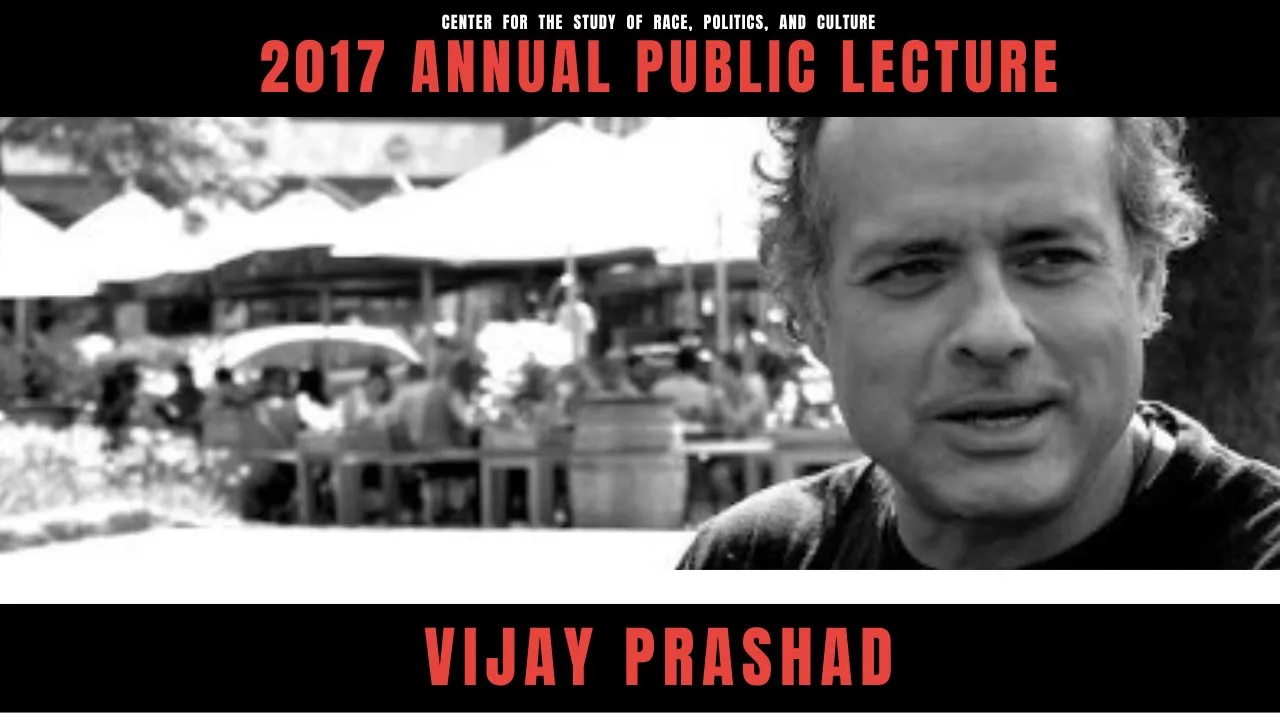
Brooke Duffy: Not Getting Paid to Do What You Love | Digital Labor & Gender Inequality
Added:Understanding the structure of the modern creator economy, including how social media platforms monetize user-generated content.
Familiarity with basic sociological concepts of gendered labor, including how emotional and domestic labor have historically been devalued or unpaid.
An introduction to neoliberal labor trends, specifically the cultural shift toward self-branding, micro-celebrity, and the 'do what you love' ethos.
Analyzing 'platform capitalism' and the role of algorithmic control in perpetuating precarious, unpaid digital labor.
Investigating modern labor organizing efforts in digital spaces, such as creator unions, guilds, and collective bargaining for influencers.
Exploring intersectionality within the digital media landscape to understand how race, class, and sexual orientation compound gender inequalities.
Examining legal and policy frameworks surrounding gig labor, FTC disclosure regulations, and intellectual property rights for independent online workers.
4K views32likes53:59Original Release: 2017-10-11
this is a production of Cornell University library so I'm sure that most of you are well aware of the profound and complex ways in which digital and social media are really changing the nature of work and so this is especially true in the media creative industries and these are the career fields which I have spent close to a decade focusing on it's apologies I'm gonna stay close to here because I have my my signal up here and so increasingly creative laborers have these opportunities or maybe more likely this incitement to burnish their digital brand on sites like Twitter and Instagram and Facebook they peddle their wares on Etsy they Scout out gigs on these new sites like up work and they can also solicit fans and even money on new platforms like patreon we've also witnessed the emergence of these new career fields that seem to have sprung up over the last decade where we see young people being thrust into the spotlight as bloggers vloggers digital content creators and the more nebulous term influencer does anyone recognize her so this is Kiara Rainey I hope I'm pronouncing her name right she is the blogger behind a site called the blonde salad and I think this is the third year in a row she has been ranked the number one influencer in the world her salary over the past few years has been estimated to be around a staggering nine million dollars yeah it's it's kind of this moment you you gasp and there's many other you know examples of this kind of rise to fame in these tales of successes essentially what they do is they valorize self enterprise and they reaffirm this idea of digital meritocracy that is if we have this ideas if these if they're good enough if they are creative enough then we can succeed in the online economy and so when I first heard about these new sort of proto industries or proto professions I was curious about who succeeds in how how do participants make meaning and experience their digital content creations but simply why are people motivated to go online not just but for leisure but also for these very calculated activities and I went to learn more about what cultural and political economic factors seemed to shape or constrain their possibilities and so as a feminist media scholar I was struck by the fact that around the time I started this project there's a lot of research on digital labour the idea that we create these cause this content online and it's providing free work essentially to corporate brands without us even knowing it and for me I found it really important to bring gender into this conversation especially because it tended to be ignored and so I chose to focus on the realms of fashion beauty styling a design which are these areas which where women tend to cluster and they're also perceived as very glamorous and so over the span of about three years I conducted more than 55 in-depth interviews with fashion bloggers YouTube vloggers DIY designers and people who now would most likely associate with the term influencers and the questions we talked about included kind of learning about their education and background their professional experience if any when to learn more about their employment and career aspirations how they saw the outcome of their sites I talked to them about their online and offline interactions with other bloggers vloggers I spent a lot of time trying to learn what the processes of content creation distribution and promotion looked like essentially what are these people doing I think there's this idea in popular culture that they're just you know uploading content and getting rich quickly so I talked about what goes into this there's self presentation strategies as well as increasingly the relationship with advertisers and sponsors my conducted participant observation a number of fashion and social media themed events most of them were held around New York City as you can imagine kind of these creative clusters conferences like blogger which is for female oriented bloggers the fashion-forward event went to tech week spent some time in New York Fashion Week and finally I wanted to see how workers are being socialized kind of the larger discourse is behind this and so I drew upon a range of professionalization resources these are a few of them here I also was involved in observing the independent fashion bloggers Network which is was this very vibrant community of aspiring bloggers and perhaps not surprisingly as soon as I sent the book off depressed I've seen a number of more recent versions of this kind of socialization text so this I actually picked up you can get this at Urban Outfitters for just $12.99 you can read this if you want to be Instagram famous if you're camera shy you can learn how to grow your pets Instagram to 50,000 real organic followers and there's all these kind of buzzy titles along these lines but so in drawing attention and kind of focusing more on the interview component of this I learned much about the very complex experiences and aspirations that tend to drive these online activities content creators view their work as these sort of passion projects that will be fulfilling and in time will be compensated and I used the term aspirational labor to describe the very calculated nature of these social media activities so aspirational labor is a mode of mostly uncompensated work that's propelled by this much venerated ideal as you can tell by the talk getting paid do what you love and it's a practice in a worker ideology that shifts workers focus from now the present to the future dangling this promise of a career where labor and leisure kind of bleed together and aspirational laborers expect that they will one day be compensated for their creative productions but in the meantime they remain suspended in this highly gendered consumption and promotion of branded goods and so in the book I kind of draw out to the continuities in the trajectory from aspirational consumption to aspirational labor where we really see our identity closely tied to how we brand ourselves on the labour market and so I just want to give you a few examples of what these aspirational labor narratives looked like and so these are some quotes from my informants Stephanie was interested in turning her work into kind of a full-time career through advertising sponsorships and marketing affiliate programs essentially she wanted to be an influencer and she drew upon the ideal of flexibility to explain why she wanted to go pro she said I think any girl would want to be a full-time blogger it's a wonderful thing to do it affords you the ability to homed in on something you love and have the flexibility to do other things Jesse meanwhile focused on what might happen after her blog disappears and so she explained it's a great platform for any experiment you want to do in fashion it's something creative with my name on it it shows my style and my writing attributes kind of like a creative portfolio and it gives me a voice to expand upon and puts myself out there and she went on to say if I wanted to do TV host or I want to do styling people can read my blog and essentially know what I'm all about they know what I'm putting out there and so she went on to say that she sees herself as a full-time freelancer essentially and this idea of kind of spreading out your talents across this cross media landscape is very much a form of risk management similar to the kinds of venture labor Gina Neff found among the Silicon Alley crowd and so this idea of developing herself into a brand is essentially a way to contain the anxieties of the employment market other aspirants understood their creative activities is sort of this launching pad to gain a career in the traditional median creative industries be it advertising or entertainment or journalism or fashion it's Meghan confess you know my dream dream job is to be a fashion editor at a magazine someone like Anna Wintour yet most of the young women I interviewed seem to share this view offered by Hillary who said you know I think getting paid to do what you love is the coolest idea ever and the this rhetoric of do what you love has become so pervasive that miyatoko Mitsu in this great Jake jacobim piece a few years ago called it the unofficial work mantra of our time we see this absolutely everywhere this do what you love it's even at Wegmans and so I found that despite kind of these variances there are four features of aspirational labor which seemed to cut across my category of informants first the myth of relatability we're establishing one's ordinariness or authenticity is a way to obscure existing markers of privilege compulsory visibility this directive that really normalizes the blurring of public and private space in a way that presumes of feminine subjectivity the deployment of effective relationships essentially the idea that our friendships can be commoditized and monetize how many likes do we have how many comments how many followers do we have is directly linked into our value and finally what I call entrepreneurial brand devotion essentially this idea that we can ride off the coattails of another brand if we hashtag a brand and they discover us we can kind of ride the fame wave with them so given timing I figured I would just talk through the first two features and then go for questions so I'll start with relatability for two decades now we've heard digital evangelists talk about new media as this great equalizer the Internet can democratize information and educate or so we're told it can challenge resource inequalities and this narrative of digital democratization has found a welcome-home within the fashion blogosphere mainstream press has thus celebrated the genre for democratizing fashion enabling ordinary people to contribute to the the international fashion conversation and we've also seen the emergence of bloggers and influencers that in a lot of ways lie outside the Western beauty aesthetic so plus-sized bloggers Muslim bloggers age 40 and over bloggers which is so funny that's how they define old is 40 and over which is pretty depressing but they've essentially amplified these narratives by suggesting that this so-called glamour industries are so much more permeable in the digital age and so there was this emphasis on being just like us and not being just like us but presenting the self as just like us so my informants often drew upon these these themes of realness and relatability to describe the standards that steered their creative projects so Stephanie said you know I think it's important to be attainable and blog about things the everyday girl can wear I mean who doesn't love a Chanel handbag but not every girl can afford a different Chanel handbag every single day so I think it's important to bear in mind that the majority of your readers are going to you know want to read something a little more affordable so she kind of drew upon these allusions to excessively excessively price goods Eryn mean well said that I think of my blog as essentially a beauty lifestyle blog from what she called the everyday woman and she said I don't have a personal trainer I don't have a personal chef I don't have this lavish lifestyle and so she's essentially inoculating herself against these critiques of class privilege but she's also shoring up her own brand identity this imperative to reconcile one's own social class position with that of the readers was very clear through this whole line again the everyday girl reader which is of course a construction so Danielle brought this into stark relief Danielle was a little bit unique among the individuals I interviewed she actually had a full time blog as a pharmaceutical rep and she blogged for a short time seemed to get a lot of followers and then when I followed up with an interview I guess about a year later she had quit blogging but during our first interview she said how important it was that she showed items that her bloggers would buy she said you know I'm fully aware of the fact that I've been working since I got out of college for the same company I do well in my job and a lot of what I purchase other people can so I want to be conscious of that she said I know this is unachievable for many people she said but I don't want to seem like I'm not approachable or that I live in this place where I can afford all these expensive things she said I want to be approachable and relatable and so I argue that her emphasis here kind of indexes the significance of one's class markers again one social position in constructing realness and so she's swapping out her high status indicators that she would normally purchase for lower-cost goods not necessarily because she likes them but because she thinks her readers will respond to that and so you know her comment also deflates this idea of creating a blog as this individualist self-expression because she has a very clear sense of who the audience is the imagined reader and so while social media creators drew very steadily upon these discourses of ordinariness or relatability these ideals kind of unravel a little bit when examined through this lens of class relations that I've been reflecting on in many cases and certainly not all but in many cases those who have been especially successful at channeling their passion projects into this creative fulfilling job have some form of privilege whether it's social capital who they know economic capital or even aesthetic capital what they look like so Chabon shared the story of a friend who was so-called a big bloggers living in the self US and she kind of disclosed well actually she came from the sort of family that enables her to do with this to begin with I don't even know how much money she actually makes and Rachel meanwhile reflected on kind of her own financial situation she recalled how a friend advised that she asked brands for payment to avoid essentially doing free labor she said but I was in college I didn't need money my parents supported me and everything so I guess I didn't really care about it and again you know not really caring about money is certainly something you would not necessarily expect from someone trying to make a living here in such comments seem to unsettle this narrative of digital democratization that I alluded to earlier by suggesting that existing reserves of capital play a central role in providing kind of again a launching pad for someone's success so is the visible enactment of one's style fashion blogs logically they necessitate participation in the marketplace buying clothes buying accessories buying beauty products and certainly top bloggers and influencers are gifted products as part of this mutual incentive structure that we can talk about later but they still engage in conspicuous consumption to provide fodder for their sites and it's not just the clothing and accessories aspirants must have access to the technologies for producing and distributing their content photography equipment editing software especially youtubers there was really much this emphasis that audiences would call out the youtuber if they didn't have the newest equipment if they weren't showing a clear image and so forth and certainly these technologies not only require you to purchase them but they also require the leisure time or the expertise in order to understand as a result I argue that it's not necessarily a level playing field for those trying to break into the industry Alanna reflected on this to me she she was talking about her experience at Fashion Week and she said you know it's stressful there's tons of other bloggers it's a saturated environment I'm competing against younger people those who've been the end of three longer those who have more money than me it's hard to keep up she said a lot of people think oh it's just a blog it's free she said but you're spending your money on clothes and camera equipment she said I know people hire photographers and I don't have these resources I mean there's even a funny YouTube video about the Instagram husband and what he all has to do because there's this assumption that you have a photographer and aspirational laborers are not just encouraged to purchase material products but they there's also this narrative of invest in yourself attending blog or conferences local and Mees meet regional meetups even New York Fashion Week there is this emphasis on make sure you go to New York Fashion Week so you can be seen and get photographed one of the resources I was drawing on even said organize an event at your house and invite bloggers and designers to and so these directives to engage in what scholars call compulsory sociality the idea that we kind of have our networking and non working non networking time bleed together it's not necessarily available to ordinary people instead it requires student sufficient resources to be able to participate in these events even the fee structure I mean summer is you know supposedly little as $200 they go up to 800 even a thousand for amateurs and so aside from the inherent problems of just barriers to access meaning who can who can join the ranks we also see how this unevenness can lead to a systemic industrial to valuing of work brands are gonna be less likely to pay people if people don't need the money and aren't pushing for that so Alice provided a first-hand account of how this system works and she was talking about her interactions with publicists and advertiser she said some of the PR representatives reach out and ask us to show their product but they don't know what we're doing is actual work they think it's free to ask us to write whatever they send us an email and say hey they don't even put your name in the email and she offered the example of 1 million dollar company who asked her to share promotional material and she said what about compensation and they said we don't have a budget for that youtuber Gaby made a very similar statement she said companies and digital producers and Gaby's a youtuber she was saying they don't compensate us for a worker's image they think youtubers are stupid and that we don't have lawyers and so young people can get taken advantage of another blogger who had been doing this I believe since 2008 and she had a similar experience where she would say companies would all the time just send her products unsolicited and if there was a product she really liked and there was this whole narrative if I have to really love the product she would reach out to them and say ok you know what what kind of deal or what kind of payment will you offer me to promote this among my followers and they said the expectation is oh we'll send this to you and just just do us a solid give us the publicity we want and so in instances such as this the brands offer of visibility rather than through material rewards kind of ironically renders their labor invisible and so this brings me to the second feature I want to talk about this idea of making oneself visible and we're in this era where practices of self branding have taken center stage we all are encouraged to think of ourselves as a brand and certainly many of the young people I spoke with talked about these directives to put yourself out there get your name out there these foundational elements to getting a gig is again being visible and this aim was articulated through the display of these presumably private moments and sentiments with one's followers and it was markedly gendered calling for a dissolved boundary between one's person professional lives in ways that tended to assume a traditionally feminine subject adorning and displaying the body participating in this sort of confessional culture and sharing one's life and career through the prism of one of my informants called the Instagram filter and so this form of Labor must be understood in its proper context where you know I'm traditionally though in a lot of ways problematically constructions of public and private have been demarcated along gendered lines but increasingly we're seeing young people participate in these kind of individualized economies of visibility which ceremony Weiser argues has actually supplanted any kind of collectivist forms of politics and these directives to show your brand to really show your personality to your followers generated some ambivalence as you can imagine among the Pope people I interviewed so some young people like Rachel felt that this mode of personal sharing was specifically a way to let me go back here yeah this way was kind of an accepted she even founded a sort of gratifying element of the profession she described the documentary style of production she said bloggers are our own brand we have to sell our lifestyle and so there's a lot of work that goes into it and she went on to say like I've been dating the same or you know people have I've been doing this since high school so people know who I've dated they know about my relationship status they know about my father's battle with cancer they know about my own health issues and so this documentary element again she found this somewhat gratifying but at the same time she reflected on what the limitations are of this system where you always need to be in front of an audience and so she was experiencing some dissonance between her own self-concept in this social media brand she created and again remember she started her blog when she was at high school she said my readers and followers they see me as this cute little girl in college who puts Barbie stickers on everything and is like the size of a doll I know what my style is I know what my fans like to see and she goes on but sometimes in my like real life or whatever I don't look like the character I feel like these images are not me anymore and so it becomes hard because I think well my followers probably want this cutesy stuff and so she expresses this tension between sharing a you know seemingly authentic version of herself and this brand persona that she had so deftly created I think this is something a lot of people can maybe identify this blurring of personal and professional that happens in social media and so a lot of the bloggers again because success is financially tied to this they bemoan the blurring of their public and private selves after all you know these their career relies upon having moments for a clever tweet or an Instagram post so Helene was only a 4-time of full-time blogger for a short period of time but she was talking about the sentence to which this sense of being on really impacted her and I guess her husband um so she was a newlywed and she said we went on vacation to some tropical island or something and she's like even when you're on vacation you can't be like okay Instagram is not gonna be part of my life and so she was staying on her honeymoon she kept having to have her husband take her picture because she knew she had to upload it and like he's getting annoying and she goes through the whole story and so Helene was not the only one who found this kind of idea of time off to be something of a misnomer Heather talked to me about how her vacations were shaped by a nagging sense of what scholars called presence bleed so Heather was a mommy blogger and she would go through she talked to me a lot about the implications this was having on her family life so again as a mommy blogger she was very successful she's been hailed the queen of mommy bloggers in the early the early aughts but she said she had these brand sponsorships and she had to appease the brand they were paying her bills and so she talked about her her little kids not wanting to have like T's for dinner but you know a P company is sponsoring their food or they didn't want to wear Old Navy clothing but that's who provided the clothing and so forth and then she talked about you know I didn't take a vacation but if I did I'd have to do all this pre posting and so she described this story where they're on vacation and her kids are in the pool and she's up in the room trying to get Wi-Fi and so this notion of being always on was a common refrain among my interviewees and sorry I don't know so goofy looking but it's a hamster wheel you can imagine um and she said it's it's just so exhausting when you have to mine your life for content she said this this career is a hamster wheel it's the fastest wheel possible you don't ever get off there's no rest you're always on always new content always always always updating and so other young women talked about kind of the angst they had from feeling like they have to put their selves out there um some were concerned about how those and their existing social networks might react so Emily said that she didn't want her friends to know she had a blog and she said there was a lot of apprehension of that they might be judgmental if they knew she was a fashion blogger she said it wasn't part of her life life but then a few years down the road she had retold her blog and made it public and told people that she had this blog and she said I kind of regret keeping it a secret because I felt like the people who have been successful at this it the people have been successful started their blogs at the same time and so she kind of like internalized this guilt saying if I had shared this then maybe things could have been different and so an individual's failure to be visible becomes an impede meant to their career success Elena made a similar content she said you know I was super private on social media I made myself hard to find on Facebook and MySpace but you know I in the digital space I should put myself out there but she said that's really hard you know it's hot it's easy to compare yourself to other people and here we begin to get it kind of the implications of this obligation to be visible and that's something Christy and I talked a lot about Christy became a blogger after she submitted a bunch of her work to these contests and she won this blogger conference and she she started to get a lot of followers and started to get rather successful and she said it became too much and one of the reasons was you know what it did to her own feelings of self-worth she said I've never been more overly she was recalling me she said I was never more overly concerned about my body than when I was a blogger which is weird because I was like we need people of all types out there I'm not into hating on models I think they're gorgeous and so on she says but all the sudden it turned me into this person it was like oh my god I need to lose weight she said I was so overly concerned about myself because again all of a sudden I'm out there and so these comments reveal how this this much-vaunted imperative to put yourself out there can be really fraught with contradiction is people have to toe this line between visibility and vulnerability especially for women in these highly public spaces so do any of you know about this site get off my internet it's terrible yeah I mean it's it's awful but it's basically there's a community of people a rather vibrant community who target specifically Internet personalities and bloggers and the idea that they're targets of internet trolls because of their culture of putting themselves out there and excuse me it was launched in 2009 and dubbed the craziest destination for bloggers hate and you know a lot of the time they spend kind of mocking this micro celebrity behavior but it essentially by calling these people web celebrities it deflects any criticism and it argues that by putting themselves in the public eye they're open to this they're opening themselves up to this and so you know essentially what they do on this site is they do a lot of policing of body of content and it's essentially been described as kind of a grownup Mean Girls so the the very real dangers of mediated visibility did not go completely unnoticed there was a Teen Vogue feature on how to make it as a fashion blogger and said you know you have to deal with public criticism or confront cyber bullying yet these practices we're kind of rationalized as just an individual side effect of social media ecology in a Teen Vogue article Leandra Medine who's the author of the Man Repeller said you know success induces judgmental comments I ignore them most of them are rude but these narratives essentially rationalize public evaluation and judgment as a necessary part of the job and something that should remain outside the professional sphere and so they're individualizing this rather than looking at kind of the structural realities that make this possible and so I want to close here to make sure we have time for comments but in this presentation I've mapped out some of the key features and conditions of what I call aspirational labor again participants believe has the potential to pay off but at the same time ensures that we as consumers are suspended in consuming and promoting branded goods and so in a lot of ways of reifies gener hierarchies and I spend time in the book thinking about how this reproduces the structural conditions that leave so-called women's work either unrecognized and uncompensated and so even though we think of laborers as cultural producers we also have to understand how they're straddling kind of the producer-consumer boundary these conclusions do not belie the fact that a lot of the features are shot through with contradiction in nuance and so we take the case of celebrating real women which productively obscures forms of economic and social capital and again I argue that the time the money the investments you need to participate leaves this system highly uneven those most likely to rise above the din are very similar to the types that have long dominated the median creative industries those with sufficient networks the capital or who simply look the part moreover participants are exposed to work not for money but for exposure and so by cloaking these discourses in visibility corporate brands essentially capitalize off the activities of the aspirational labor market so in closing what can this aspirational labor system teach us about more widespread trends in media work in this unfolding digital economy and so we've certainly seen the idea that kind of the the emphasis on social media and abling creative enthusiasts to monetize their passion projects and overturn traditional markers of expertise a growing number of people believe their investments will pay off as they get discovered or become an entrepreneur and it's the same manic rhetoric of getting discovered that has fueled a vast system of unpaid internships unpaid freelance work and user-generated content and so does it pay off I'd argue only for a few I'm a writer for the independent fashion bloggers shared stats and these are from a few years ago that fewer than 15% earn a salary from their sites the majority take in less than a thousand dollars annually this was from 2005 in terms of who actually pays influencers we hear all the time about influencers but how many are getting paid you can see the 69% are admitting to paying influencers rarely or never and so again they're paid in this always deferred promise of exposure again brands promised visibility but that ensures that labor remains invisible so we might conclude that aspirational labor doesn't pay off if the benchmark is the type of compensation by someone like Kiara Ferrini but I'd argue that as succeeded in other important ways it valorizes a kind of work that keeps us going around the clock all hours of the day and it rouses us to keep tweeting updating posting since increasingly we are all only as good as our last tweet thank you so we'll open it up to questions if anyone has a question first thank you this is just really fascinating and I look forward to reading the full book and my question is probably about something that you might address in the book anyway but you produce such a powerful and multifaceted critique of this world and it seemed like in terms of the women that you were interacting with they're kind of positioned at various points in that where some of them are able to produce that critique themselves others aren't or parts of it they can produce parts of it they maybe can't produce and so as but if you could just say a little bit more about your relationship with them they're so into exposure but in your interactions with them did they not want their real names used or you know a lot of the images that you had there were they coming from them and then you know subsequent to publishing the book have you you know had any reaction from them and also just you know when you're sort of engaging with them to what extent do you you know just really listen for their own voice and critique but also maybe help them reach some of the kind of critical conclusions that you arrive it yeah thanks for that so you know it's something as a researcher I continue to struggle with it I think it's a constant negotiation but in this case I'm very explicit at the end of the book that I have tremendous respect for the people I've interviewed and my critique is really waged to kind of the larger structural incentives and a lot of the brands that aren't willing to pay but you know and I've talked to some about some of them about this there is this moment of like am I being duplicitous when I email someone and say interview you for a book project because they're interested in kind of the fame and invisibility and I mean I've had weird experiences where someone at someone's age and has reached out to me and asked me if I could interview with them for the book and it was such a like pitchy this is this term the pitch the Catherine's editor uses where people who are socialized to work in the media and creative industries including many people here are socialized in this kind of advertising language and so you know you get kind of a different sense of the self-presentation moment than you would by someone who has no exposure to this logic of the pitch and so I gave everyone you know like when I first interviewed them when I first interviewed them I asked them about using their name and if they'd prefer a pseudonym and then before the book came out I asked everyone again because a lot of people were in different stages in their lives and so I think only maybe three people had asked that I changed their name and I sent the book to a lot of them and so far I think the responses have been positive no one's been incredibly angry but it is really scary when you are issuing a critique that it's not taken personally and you know the layers you can kind of peel back and how far you can really get it the truth I don't think that's anything I'm we can never really get out on a larger issue but thinking about how they position it how they understand themselves their own level of self reflexivity so is the ultimate goal of being paid to do what you love achieve about seems like it's not that realistic for that any people I'm thinking of what this would be before the age of media how when I was growing up a bunch of people wanted to be on American Idol and they wanted to become famous that way is this another way to become famous or is it really I'm just wondering the realistic part of this being a job in a future yeah and that's again it's it's so interesting because there's a lot of dismissal of these activities as Fame seekers and the people I spoke with I mean they they have creative talents and aspirations but in terms of the big goal I think there's such an emphasis now on being an entrepreneur being your own boss I mean there's all these really interesting hybrid terms like mom from noir and Etsy preneur and femme preneur and Girl boss and it's celebrating this independent work style and there are certainly benefits to being independently employed but what this does is it glosses over a lot of the the problems which are lack of benefits lack of stability you know it's all on you and so the last chapter I profile those who from the outside of it look like they have tremendous success but have really struggled and so heather was one of those cases the woman who said she's on a hamster wheel and she feels like she can never get off because you know in a way it seems great to get paid doing what we're just ordinarily doing but it becomes work and kind of I think the second you start thinking about an audience that whole dream of like creative individualized self-expression is suddenly focused so much more on the external self that you know it can't help but dwindle so you know I hate to boil it down to kind of this traditional framework of creativity versus kind of constraints and challenges but when you're thinking about an audience when you're thinking about an advertiser which is the same thing media industries have always relied on I can't help but kind of see the whole echoes of looking at this through the work world yeah thanks thank you for the very thought-provoking discussion my question is while you were interviewing did you encounter any of the girls particularly let's say Instagram or beauty bloggers expressed feelings of guilt of perhaps instilling some values with young viewers that might not necessarily be as realistic or as approachable as I seem perhaps young viewers don't realize I'm on a Photoshop they use or the way they edit their images and I wonder if there were any discussions of that topic between the blur between reality and yes so the most I guess Arden critique of this was the woman I mentioned Christie who she kind of fell into this by winning this contest and all this that you know she was tasked with blogging for this particular brand and because she started this in like 2009 2010 when it was this was really rising all this sudden she's going to these influencer events and she's surrounded by people in this industry and I mean she basically said it was it just really took its toll on her because she said she said something exactly along those lines like this is not the message I want to be putting out here where I'm chilling corporate brands and you know emphasizing physical beauty and all of these things that I thought blogging was challenging and so I think you know we we do see some level of more diversity just because the the field is so much more is just sprawling but the fact that it relies on the same industrial logics and aesthetics of traditional media and so yeah I think there were a few I mean Christie was again the one I really thought of that it was too much for her and so she completely left it she abandoned social media for a while and then she she just reached out to me when I sent her the book and she's like I don't know what to do so she's getting more success as an Instagram her but she's a travel photographer and she's like I you know she doesn't show herself at all she's just you know shares these incredible images but that kind of sense of putting yourself and contributing to this larger industry which has been deemed problematic for for decades so soon well what a wonderful intense presentation I just came up from Ithaca because I had heard of I saw the sign in Olin and thought well here I am in midlife dealing with the you know the challenge of trying to do what I love and you know thought maybe there would be a little career talk to what you're talking about but I also am trained in media ecology and so you know what you've given in that realm is so strong and so a universal Liza bull it seems uh you know I mean what did you say they do what you love was you know the unofficial work mantra of our time we're all you know a subject to you know the snares and and temptations of that not just women not just young people not just creative people all of the labor market is you know is surrounded in this in you know the the digital marination of our time so I would ask how how your inflecting this work you know beyond you know academic ghettos into you know larger and larger discussions about our time well it's funny you kind of the last comment about the the academic ghettos but one of the things which was surprising / really weird for me was realizing in a lot of ways how similar in some ways how similar what's my informants do to what we do in the Academy and so I actually wrote an epilogue and it was such a you know it was the first time I wrote something this self reflexive but that would happen is I was talking to someone who she was one that she started blogging really late and had gotten a ton of followers and she's like well I follow all these tips like I'm thinking about the timing of my tweet and I was like oh interesting I'm like in my backup I'm like should I be doing that and I was like what is wrong with me what am I thinking and then you know thinking more about the overlaps and so as a scholar it doesn't matter how many Twitter followers I have or how many Facebook friends but thinking about the other metrics that drive the Academy and thinking about and I somebody mentioned this before it's so true but this idea of at an academic conference I mean how is that different than these blogger conferences they're this curious hybrid of socializing and networking and you know these boundaries that are all blurring together and as a junior academics skull yeah I feel like I'm constantly yeah the whole meritocracy and thinking about the the labor pool and hyper-inflated job market with not enough jobs and a lot of talent I mean it's it's kind of surprising the similarities and I think I think a lot of academics would a degree we we don't do it for the money we do it because we love doing this but it is like and I mean there's no there's no off switch I joke I think most students for this semester are gone but like if we just turn email off yeah yeah thanks so I guess my question and I'm looking forward to reading the book but it kind of started out with the talk of like authenticity and so I don't know if you address this in the book but why solely focus on women and not maybe how men cuz there are men fashion bloggers and I think this idea of how women this their account is like their real wife in a sense they're still kind of performing so I think would what do you consider studying men why didn't you consider studying men what kind of insights do you think studying men bloggers could offer in this idea of work and authenticity and kind of why they do it - yeah I did at the time interview just a handful of men and since I've kind of reconnected and with a few of them there are certainly overlaps but I think one of the main differences is the saturation of the market just how much emphasis is out there and another difference which I have I've been talking to with one of my students and she's actually doing a project on it but what and this is anecdotal but what the accounts look like and so thinking about the female fashion blogger account who seems to display again more of herself more of her body versus the corollary the male blogger is showing more of the products and the styles and you know there I have just heard that there are some disparities in terms of salary for gender-based influencers but in terms of who are seen as the key influencers I think women it's based on this historical assumption that women recommend things to other women and one of my former colleagues had this fantastic idea he called it the labor of devotion and it's this idea that marketers assume that if a man likes a product he buys it if a woman likes a product she shares it with her friends and so a lot of this influencer economy I think it's highly gendered for that reason if you look at the trade press of digital and social media there's this emphasis on like women love social media and it's based on these very very gender assumptions and gender biases and so there's an overlap but then you also see the emergence of technology bloggers and you know another corollary which I've heard of kind of the masculine realm are the video game the headset what are they called the commentators yeah the youtubers and so there are some corollaries but yeah I think it'd be interesting I haven't come across anyone who's studying the male fashion bloggers I think I saw a study recently but I can't recall Oh us yeah thanks so it sounds like with the low pay rates and such there's probably people leaving this as quickly as people are coming to it what do they do afterwards do they try and go to something else where they can try and get paid for what they love or do they take this over into being social media working in social media or advertising or what yeah so I would say I don't know maybe 20 percent o guess it but maybe 20 percent of the people by the time we followed up they had gone into different career paths most of them were except for the pharmaceutical rep most of them were centered on the creative industries and so one actually went to work at an influencer marketing firm and you can see how they would really kind of scout out that talent another had actually two of them had kind of succeed and these are the ones I profile later in becoming their own self brand in terms of they were doing TV hosting and so forth but I think more common was the fact that they found more stable employment and so if you're not getting really successful and this doesn't pay off you need to find something that does offer you kind of a longer lifeline so I think it varies but you know some said right at the beginning they were doing this for portfolio building so they could get this traditional creative career and they could see what their aesthetic looks like it so that's why a different project I'm talking to young people about kind of the Instagram aesthetic and like you know why why are you paying attention to kind of the colors and then the looks and a lot of its kind of professional portfolio a question is there one more it's sort of fun it's a follow-up question when you were talking about some of the loggers who are doing this for the love of blogging it reminded me those those bands musicians who are as - oh come to my event and play for free so you have exposure but some of those musicians actually eventually make it and and become famous bands and become rich so do you see that in the future of some of these women who can actually really make it and they don't need to go and find additional jobs in in other areas but what will be able to maintain it until almost retirement just like musicians who do yeah I mean this this whole narrative of work for employment I think is is pervasive in various creative careers again music is another example maybe it's modeling or design or anything that's kind of tied to independent creation rather than kind of a collaborative work and I mean there are always people who who do rise to success in this and I what I think is so interesting is so much of the media coverage of influencers focuses on the wildly successful again the Kiera Ferrini who was a law student and started doing this and now she's she's making the nine million dollars a year so there will always be success stories but I think we tend to shine the spotlight on those and conceal everybody else but yeah I mean it it would completely collapse if like nobody ever made it you know why would it why would this whole system persist yeah thanks this has been a production of Cornell University library
Up Next
14:40
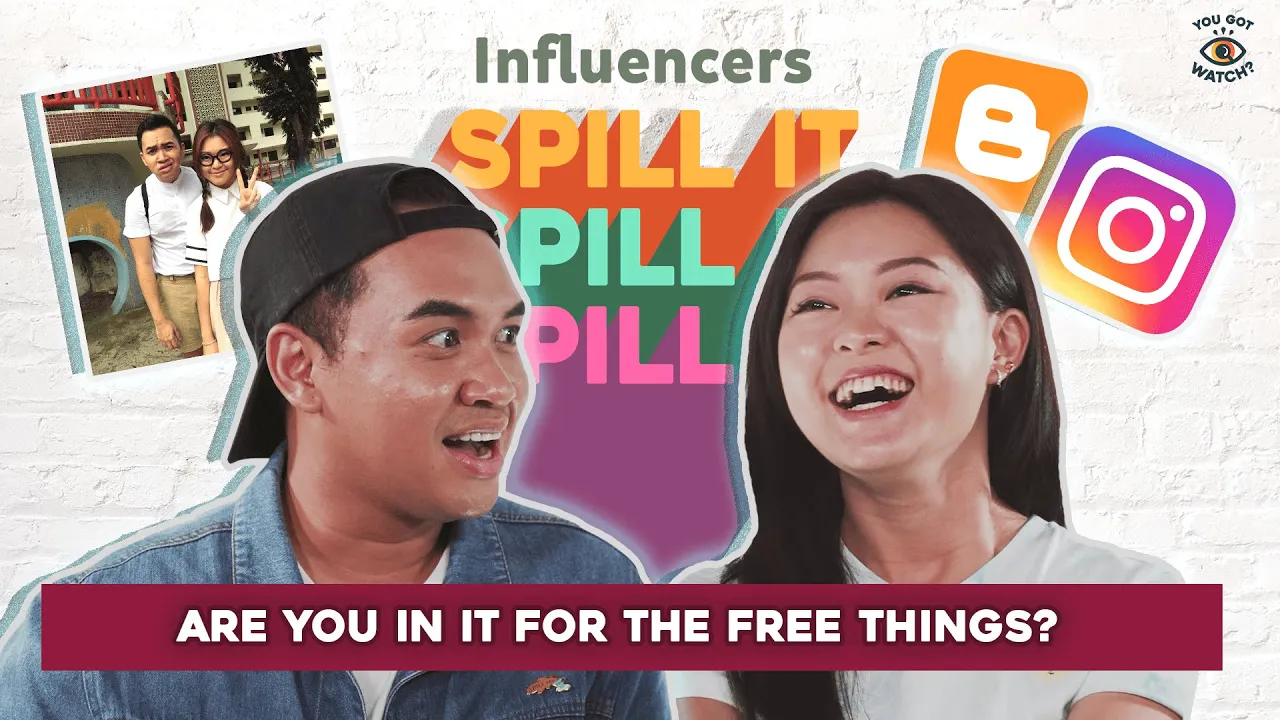
The Realities of Being an Influencer: A Singaporean Perspective
@YouGotWatch
52.7K views•2020-10-23

12:54
Triumph of Orthodoxy Icon: Byzantine Art & History Explained
@BenCallan
2.1K views•2024-08-06

9:49
FastAPI vs Flask vs Django: Choosing the Right Python Web Framework
@TechWithTim
302.5K views•2024-05-26

1:42
Game of Thrones Opening Credits: A Cinematic Analysis
@gameofthrones
46.3M views•2011-04-18
Related Study Plans & Knowledge Roadmaps
Structured learning paths in General & Interdisciplinary Studies
general-studies
Elevator Engineering: History, Physics & Cities
01From Hoists to Safety Brakes: The Dawn of Vertical Lift
02Hydraulic vs. Traction: The Engineering Physics of Elevators
03Modern Speed, Safety, and Algorithms
+ 2 more learning modules
12h5 modules
Explore Roadmap
general-studies
Rubber: Material Science, History & Geopolitics
01Origins of Natural Rubber & Mesoamerican History
02The Chemistry of Natural Rubber & Vulcanization
03The Geopolitics of the Rubber Boom & Colonization
+ 2 more learning modules
12h5 modules
Explore Roadmap
general-studies
Containerization: Evolution, Logistics & Trade
01Ancient Trade & Bulk Cargo: Amphorae to Barrels
02The Industrial Revolution & Cardboard Packaging
03The Containerization Revolution: Malcom McLean
+ 2 more learning modules
12h5 modules
Explore Roadmap
general-studies
Textile Tech: Evolution, Labor & Global Impact
01Pre-Industrial Textiles: Handloom & Cottage Industry
02Mechanization: The Spinning Jenny to the Power Loom
03The Factory System & Global Labor Transformation
+ 2 more learning modules
10h5 modules
Explore Roadmap