












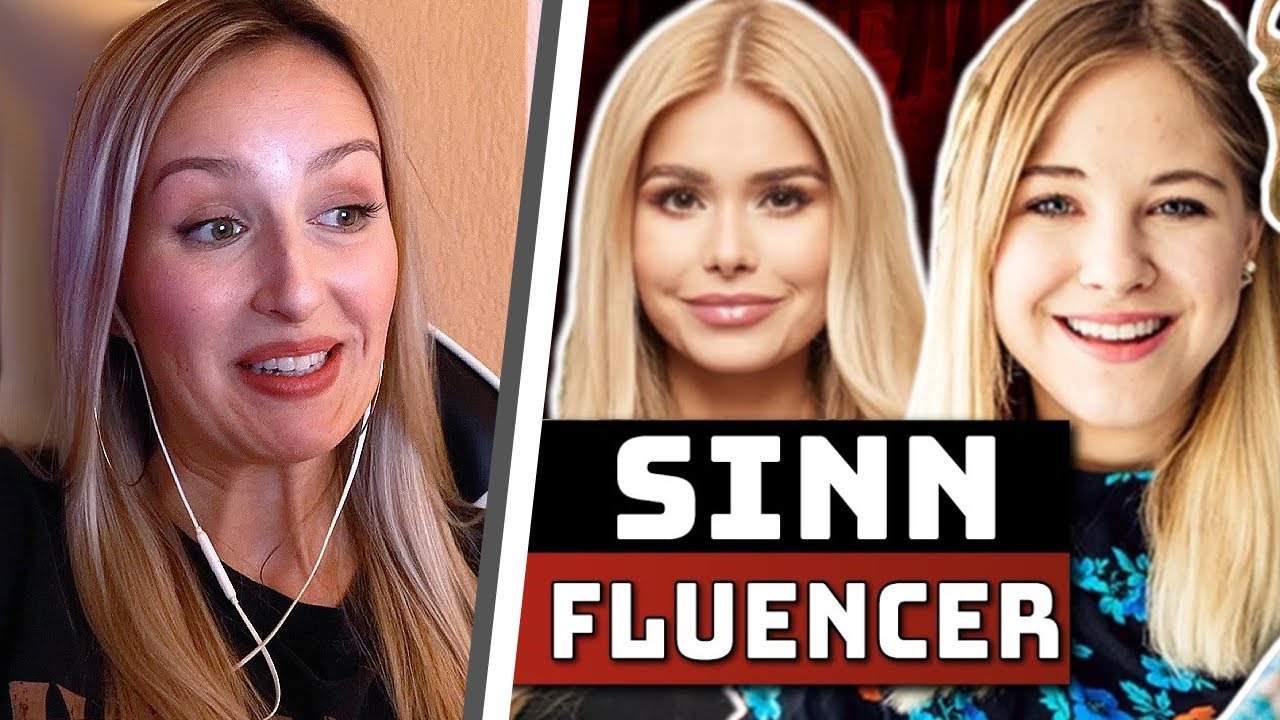





Being an influencer involves significant challenges beyond the glamorous public image, including mental health pressures from social media metrics, the difficulty of maintaining authentic online personas, the emotional labor of pretending to be happy for followers, and the misconception that anyone can become an influencer without developing genuine skills or understanding the hard work involved in caption writing and content creation.
The Realities of Being an Influencer: A Singaporean Perspective
Added:Understanding the mechanics of the attention economy and how social media algorithms prioritize high engagement over user well-being.
The sociological concept of parasocial relationships and how online audiences form one-sided emotional connections with digital creators.
A foundational grasp of Singapore's socio-political climate, including the cultural norms and legal parameters (such as 'Out-of-Bounds' markers) surrounding public discourse.
Basic psychological theories of social comparison and how curated online personas contribute to digital anxiety and burnout.
Analyzing the ethics of digital labor, content creator exploitation, and the lack of traditional labor protections within the gig and influencer economy.
Examining the dynamics of 'cancel culture' and public accountability in Asian versus Western digital ecosystems.
Investigating the intersection of influencer marketing, brand alignment, and the financial risks of social or political activism for public figures.
Exploring policy-level interventions and platform design changes aimed at mitigating mental health issues among high-exposure digital workers.
52.7K views667likes14:40Original Release: 2020-10-23
True or False: Going for events is not as fun as it seems I don't think anyone has asked us that before Yeah!
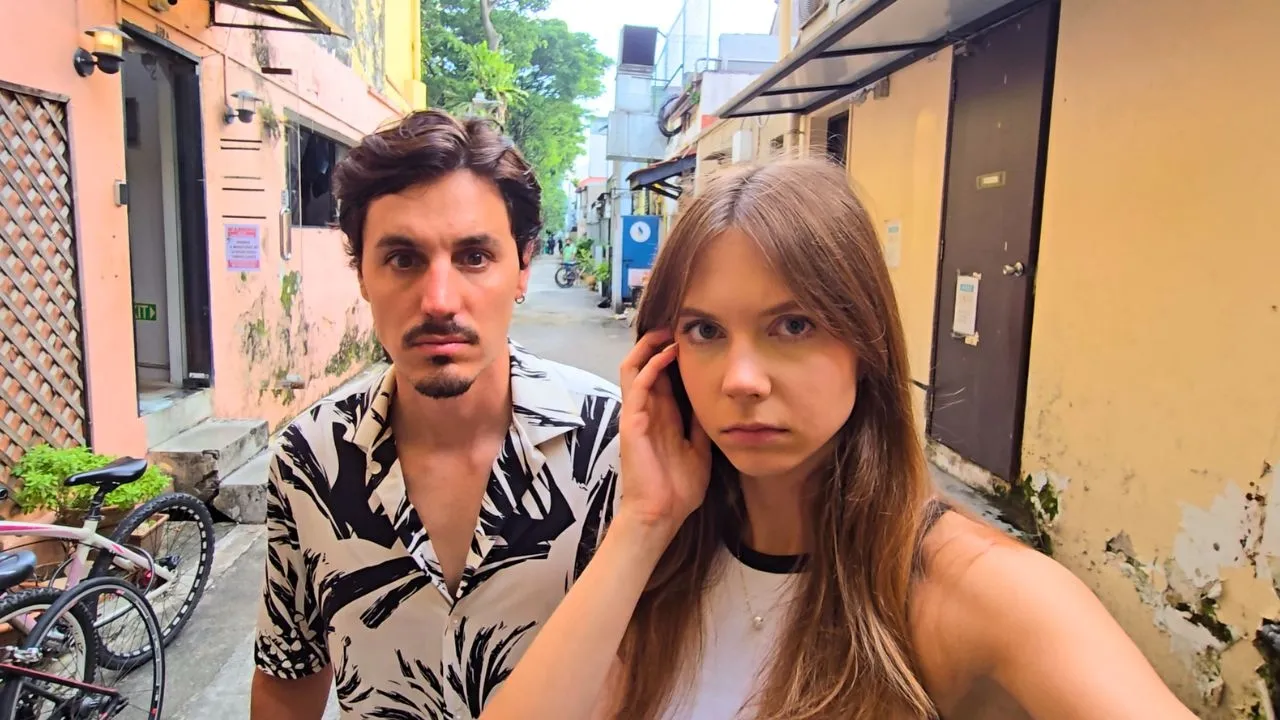
Hi guys, I'm Fauzi I'm Belle.
And today we're on 'Spill It!'
to spill the tea on how it's like to be influencers in Singapore.
Most of you might recognize me as a host and personality on The Smart Locals' YouTube channel and I guess that is where I started my journey to becoming an influencer of sorts For me, I started this journey 10 years or longer than that back before people had the name, you know the moniker, 'Influencer'.
After that, I moved on to Instagram and you know, YouTube and yeah, so now I am where I am.
We've known each other since I first started like... How many years was that?
That was six years ago maybe?
Oh! Six years of friendship!
To start the game, each player will draw five question cards from the deck Players will then take turns choosing a question card from their hand to ask the opponent Players will also be given three action cards each, where they can skip, swap and switch questions at any point in time For skip, skip the question.
Swap, ditch the question and answer the next card from the deck.
For switch, get your opponent to answer instead.
This is fun.
Okay.
Have you ever been stalked in real life?
Ohhhh good question.
I think it's more so like a funny story More so than a stalking story.
Basically, I was walking home from the MRT station.
Just below my block of flats is the playground.
So when I got to my lift, right, I closed the door.
Suddenly I saw through the panels- the glass panels through the lift door, I saw a kid running across and started waving wildly.
So it was very uncomfortable for me because I'm scared lah because they will know which floor I live on, right?
Did you change the level you're stopping at?
I live on a very low floor.
By the time I finally got my mind together, I was already at my floor and had to leave the lift lah This is like- I think one of the things that I remember as kind of the key times when I felt like I've lost my privacy a little Have you ever overcharged your client?
No leh.
Because whenever you give a client a rate right, Yeah.
What would the response be?
"Can it be cheaper?"
Yeah yeah yeah yeah correct correct There's no way or rather I feel like it's honestly quite hard to overcharge a client.
However, whether I've undercharged the client, yes all the time.
I mean because you want that job, you really love the brand and you wouldn't mind let's say uh give in an extra posting so the campaign does better.
How do you explain your job to relatives and friends?
When you say relatives and friends, sometimes also taxi drivers Ah yes yes yes They always ask you, 'So ah girl, what do you do?"
I'll say marketing I do advertising and marketing on social media "So, very fun is it?"
I'm like yeah yeah yeah So when new launches come, I get to experience them first then I think about how I can, you know, share about this You're very kind leh.
Usually my answer is like, "Uh I work in the media."
How do you cope with the pressure to keep up with your online image?
Thankfully from the start, I knew that it would be very very tiring to keep up different kind of images so I made it a point that it has to be as close to how I'm like but I think after being in this industry for about 10 years, I would say that at the start of my career I was more free and comfortable to share anything and everything you know, like fearlessly.
Where I am now, it's just more of like what you see online is half of what I am. The other half is all the not exciting things Like, you know your struggles I would say that for anybody who is just stepping into social media, please never never let your image be too far away from the real person anymore because if not it'll be very tiring Do you think you have impacted someone else's life positively as an influencer?
I don't know if I can say that I've- I have definitely impacted people's lives but I do hope that by being myself, someone out there who's watching any video that I've been in or like see my Instagram whatever they say like "You know what, I can aspire to be like him," and I sincerely hope that I will continue to do that whether it is being in this role or maybe as a future politician, I don't know Who knows, maybe I'll be the president.
True or False: Going for events is not as fun as it seems Wah this is the best!
I don't think anyone has asked us that before Yeah!
Yeah, it's really not as fun.
Half of the people there, or maybe all, are there for the food You will gravitate towards that first because it keeps you moving like you've got something to do there rather like just standing around while you wait for like your friend to come so you don't feel so awkward.
Sometimes people expect like we all know everyone and that's why I always have to have a plus one.
It's so awkward and then like you have to make small talk with people In my head, I'm like okay what do I say first? Hi? Smile?
Sometimes I have better conversations with the staff working there True or False: Being on social media has affected my mental health.
A hundred percent true.
I think back when I was first starting I felt there was an insane pressure for me to need to get a certain number of likes need to get a certain number of views it really did affect my self-esteem in a bit a lot of people don't see that because they see me as the person who's always like you know I'm always so happy la la la~ but behind the scenes right of all these things, there's a lot of work a lot of stress that pressure to like keep up being a certain way or like I feel I'm comparing myself with others and I've many times that I felt like there were people who were going to replace my job True or False: An influencer's job is easy.
I honestly don't think that is easy.
I would say that similarly to all jobs.
All jobs are hard so because people do not see it as a legit job that's why people think that it's easy I think it's time that people know that being an influencer, or working in this space- it's just like any other job.
Can I just say caption writing- people think it's super easy but it takes very long- it takes so long!
because you need to make it sound like you, right?
But you also want it to sound not too pushy, not too promotional but you still have all the info in and it still has to sound like it's in your voice I think one of the biggest challenges I feel with this job is actually the- how public that job is.
Everybody can see what you're doing.
Everybody can critique.
Everybody can see whether you make a mistake, even a grammatical mistake.
Do you think being an influencer can be a long-term career?
A hundred percent no.
My answer is gonna be- Chop no!
I feel like people, especially for kids nowadays, they grew up as digital natives.
I do fear that there will be a lot of people who are interested in being an influencer You know when they ask you like, "What's your dream occupation?"
and they put influencer and I'll be like Why?
If they think that it's so easy and they don't need to have any skills to be an influencer or they just rely on their good looks for example, uh... it's not gonna last forever.
If you want to work in this industry, find some sort of skill that you're very good at.
If you have skills like photography, videography- these are things that you can actually do for the rest of your life Do you feel unsettled when you go completely offline?
I do because when I go completely offline I'll get messages from my friends being like "Are you okay?", "Is something wrong?"
So it became like a- Don't use social media equals to Belle is really sad and we need to reach out to Belle and we need an intervention.
True or False: I'm still an influencer because of the perks.
The freebies, the work trips.
I would be lying if I said false.
There are a lot of benefits being in this job but behind all these benefits there's a lot of other things that you have to do to get these benefits.
Be it you sharing about it or something there is some sort of value placed in it Maybe if you asked me this question two years ago, I would say 100 I love the benefits but nowadays I'm really in the job because I get to do things and I get opportunities that will help expand my career.
True or False: People assume I'm confident all the time.
I think it's true.
because we put our best self forward I mean you cannot be unconfident then you post a photo saying I'm confident For us, work is on social media, our clients are seeing it try to be as confident as possible even though you're really scared inside So I think this job is really interesting it really pushes my boundaries like it makes me conquer things that I'm usually scared of.
Are influencers public figures who should always give an opinion about social issues?
This was the question I was most afraid of.
I like to think there is a distinction between my personal beliefs and my work But I do understand that I'm in a way a public figure that is certain things that people do expect me to share about or to talk about.
So yeah I will definitely share about things that I know I am informed about We wanted to talk about like things like cancel culture and things like that The world is taking so much time to throw stones at all these people.
But the main thing is that do you really need to take another step to throw another stone at this person who everybody is already dissing.
There's also another school of thought that if you share about it, you are going to make the victims feel less alone that you are standing with them.
I mean, I do agree with that but is sharing publicly and airing your views publicly going to help with that or is there like another way that we can do it.
What are some unethical methods of doing ads that you have heard of in the industry?
Oh like that Ohhhhhh... That literally did not come across my mind.
I'd say power to you if you have the financial means to do it You know what, go and do it, whatever.
But keeping up with that is going to be hard.
What other things? People will undercut you la people who like secretly go and find out how much you charge then charge lower to be competitive.
Confirm a lot of people out there who are just you know, trying to compete with each other which is again not exclusive to this influencer industry it's just because between two influencers who do the same thing then suddenly people want to assign people drama to it, right.
What's the weirdest DM you have ever received from your followers?
Oh no that's such an easy question for- Oh my god who's calling me?
Not answering.
I'm gonna use switch.
Okay.
I'm gonna use switch because I feel like I don't really get weird DM's I wouldn't even classify it as weird but it's a nice kind of DM?
I have several DMs that DM me every single day.
Every morning they will send me "Happy Monday!"
Cuteeee and then like "Happy Tuesday!" and like an encouraging picture.
What's the percentage of creepy to nice?
Of course creepy like 80% then 20% is nice.
80% are usually either unkind, uncomfortable.
I mean there's a balance so it's up to you to not get too affected by it.
What is the highest amount you have earned from a single job?
But every job is different, you know I mean?
like if you- it's very hard to compare cos' some jobs last six months.
Yeah, I think skip. I think none of us can answer this.
I'm just gonna just say. I don't think I've ever reached five figures.
Sometimes got thousands lah.
Sometimes got thousands.
Later the taxpayer come and be like "Fauzi!!!"
No, I pay my taxes. I pay my taxes.
Have you ever pretended to be happy when fans approach you?
100% yes.
Maybe not pretended to be happy that I'm seeing them but maybe because I have to pretend to be in a better mood.
And there are some days when you just have an awful day and then someone comes up to you and says like, "Hey! Can I take a picture?"
and because you are talking to them you need to definitely get all the strength you have in you to smile.
And I found that super hard on... on the months that like let's say I was really down.
or like you know you're in between crying then halfway through when you're crying then somebody tap you and be like "Hello!"
then you're like "Yeah?" *wipes tears away* It's True or False that anybody can be an influencer?
Yeah, true.
Whether you can influence- anybody can You know I can influence you to buy anything!
Like this in a card game format!
And influencers as a job- I think that would be a bit more high level in the sense that you need to find your niche, your tone of voice, your branding.
My last question is ask anything you want!
Was there any point in your career that you broke down and cried?
Oh my god.
Yes, 100%.
There are days when you feel like you are overwhelmed with so many things.
And there were a couple of times when I felt there were so many things especially because I had to balance both my full-time job and this.
There were times when I just had to excuse myself and go into a room and cry.
How long does it last for like one minute?
I don't know man.
Sometimes it lasts very long and sometimes it lasts like the entire day.
It's never about other people criticizing me or anything.
It's always about my own pressure.
The own pressure that I put on myself.
Final question! What is the best and worst thing about being an influencer?
From the start, it's actually personal growth.
Without it, I'll probably grow up a little slower than I have.
The worst part of it... is also due to that.
You're constantly on edge because you're constantly worrying and feeling anxious and when I was a lot younger it was totally more manageable but as I get older, you get more anxious about so many things And you have more worries because you have more commitments, as opposed to when you're younger like yeah I just want to live my best life, enjoy myself so it's very different now and... The best is really I think the door's open for you.
I think uh if you ever wanted to do you know a bit of this, a bit of that I feel like being a little bit of an influencer I guess gives you a head start in a way.
Thank you guys for watching!
Do remember to subscribe if you like everything you have seen and if you don't like also please subscribe lah and also if you want to hear Belle and Fauzi talk about more things, also can let us know.
Can can but next time maybe risque.
More risque.
Bye!
Up Next
54:52
The Decline of Influencer Culture: A Critical Analysis
@jordanatheresa
758.5K views•2022-07-01

26:22
Walking in the City: Urban Rituals and the Flâneur in Contemporary India
@PSBTIndia
1.9K views•2016-08-02

9:49
FastAPI vs Flask vs Django: Choosing the Right Python Web Framework
@TechWithTim
302.5K views•2024-05-26

1:42
Game of Thrones Opening Credits: A Cinematic Analysis
@gameofthrones
46.3M views•2011-04-18
Related Study Plans & Knowledge Roadmaps
Structured learning paths in General & Interdisciplinary Studies
general-studies
Artificial Light: History, Tech & Human Impact
01The Pre-Electric Era: Fire, Oil, and Gas Lighting
02The Incandescent Revolution and Grid Electrification
03Gas Discharge and Fluorescent Illumination
+ 3 more learning modules
14h6 modules
Explore Roadmap
general-studies
Elevator Engineering: History, Physics & Cities
01From Hoists to Safety Brakes: The Dawn of Vertical Lift
02Hydraulic vs. Traction: The Engineering Physics of Elevators
03Modern Speed, Safety, and Algorithms
+ 2 more learning modules
12h5 modules
Explore Roadmap
general-studies
Rubber: Material Science, History & Geopolitics
01Origins of Natural Rubber & Mesoamerican History
02The Chemistry of Natural Rubber & Vulcanization
03The Geopolitics of the Rubber Boom & Colonization
+ 2 more learning modules
12h5 modules
Explore Roadmap
general-studies
Containerization: Evolution, Logistics & Trade
01Ancient Trade & Bulk Cargo: Amphorae to Barrels
02The Industrial Revolution & Cardboard Packaging
03The Containerization Revolution: Malcom McLean
+ 2 more learning modules
12h5 modules
Explore Roadmap