

![Cambridge'e Göre Yılın Kelimesi: Parasocial / Parasosyal [ENG DUB]](https://i.ytimg.com/vi/lva7TgiGna4/maxresdefault.jpg)













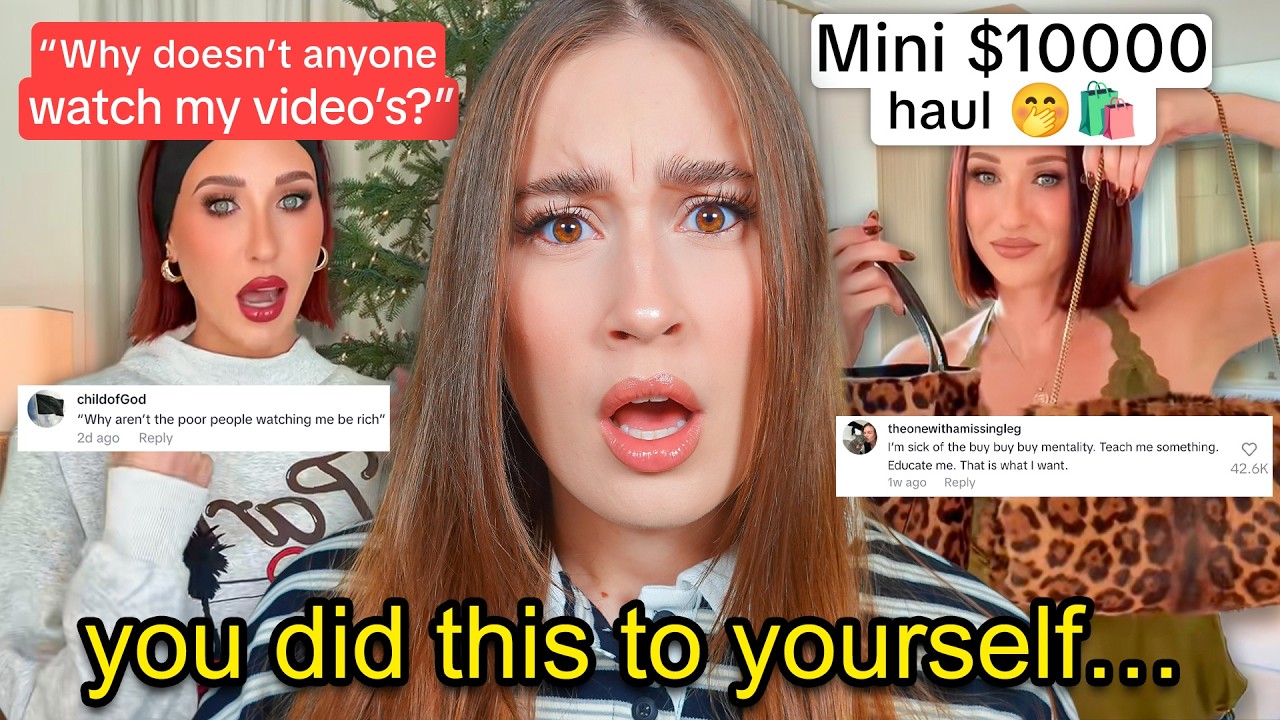
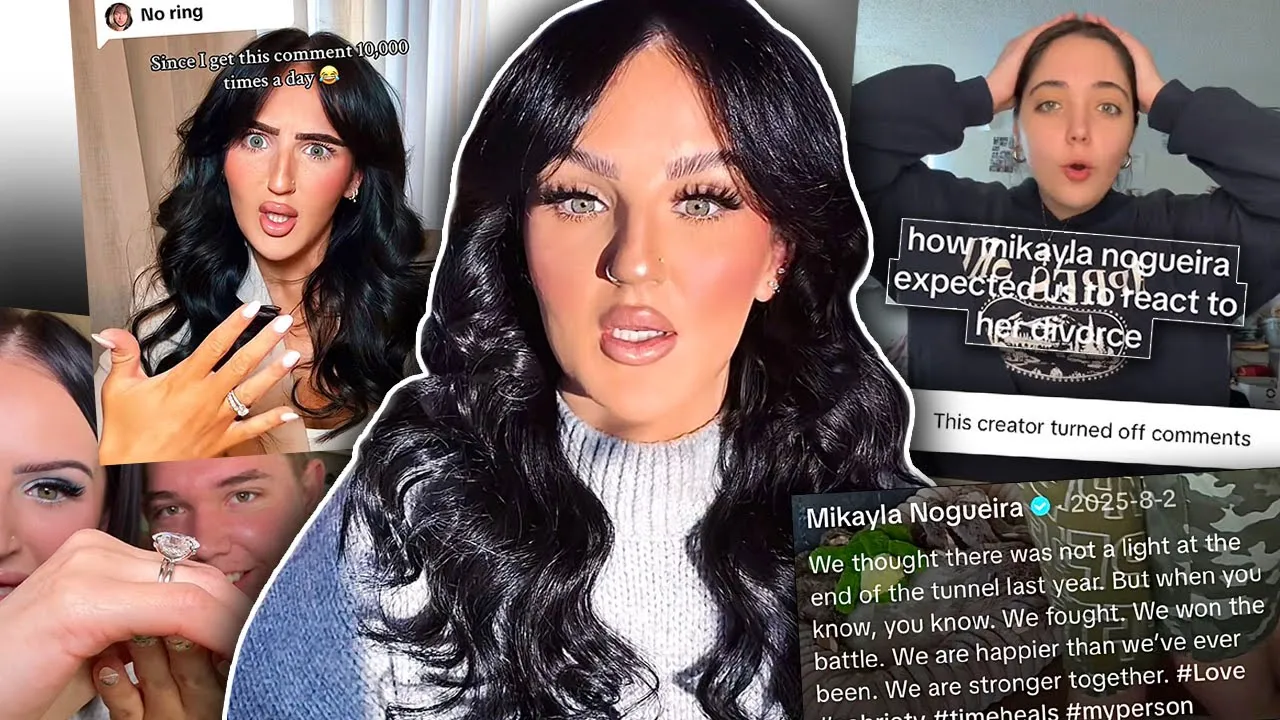

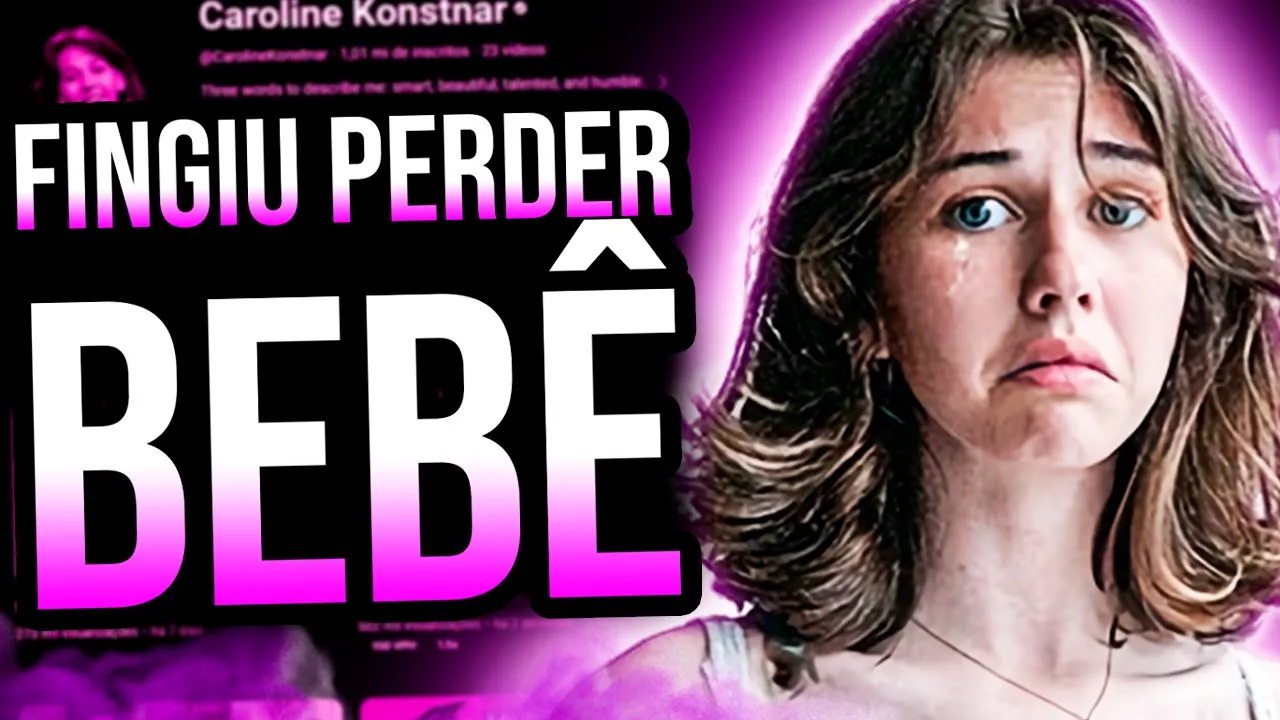
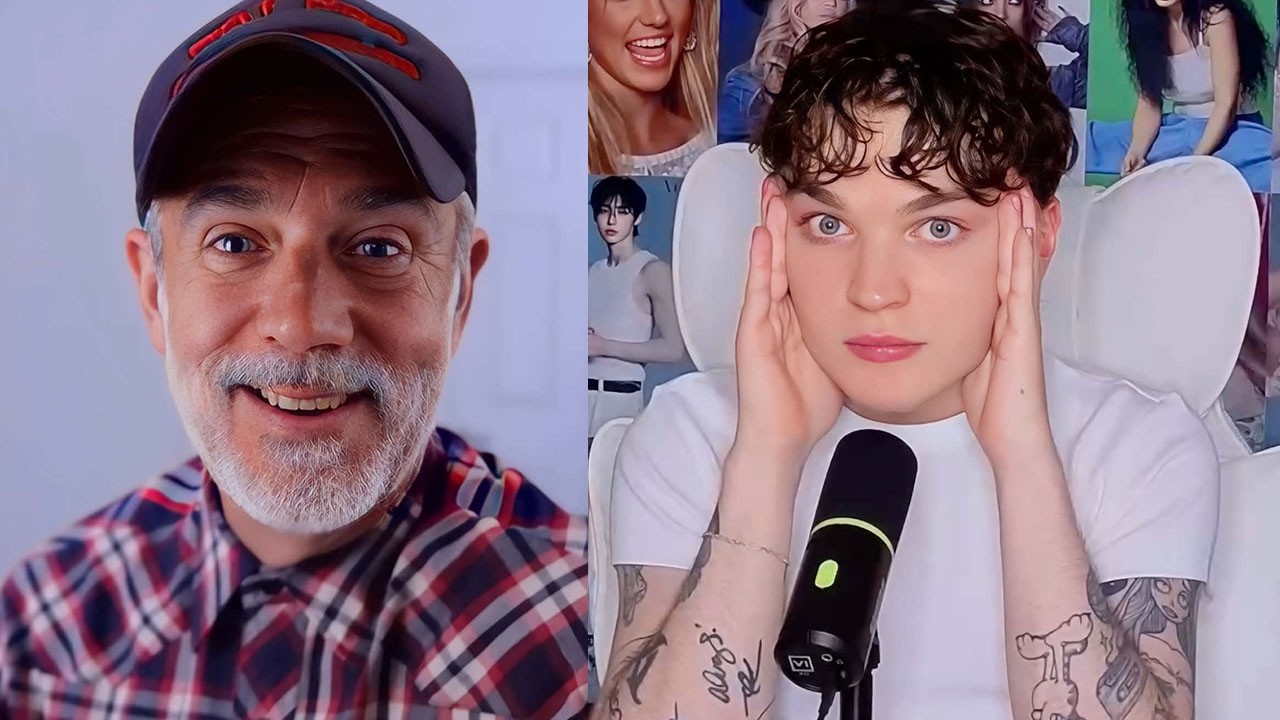
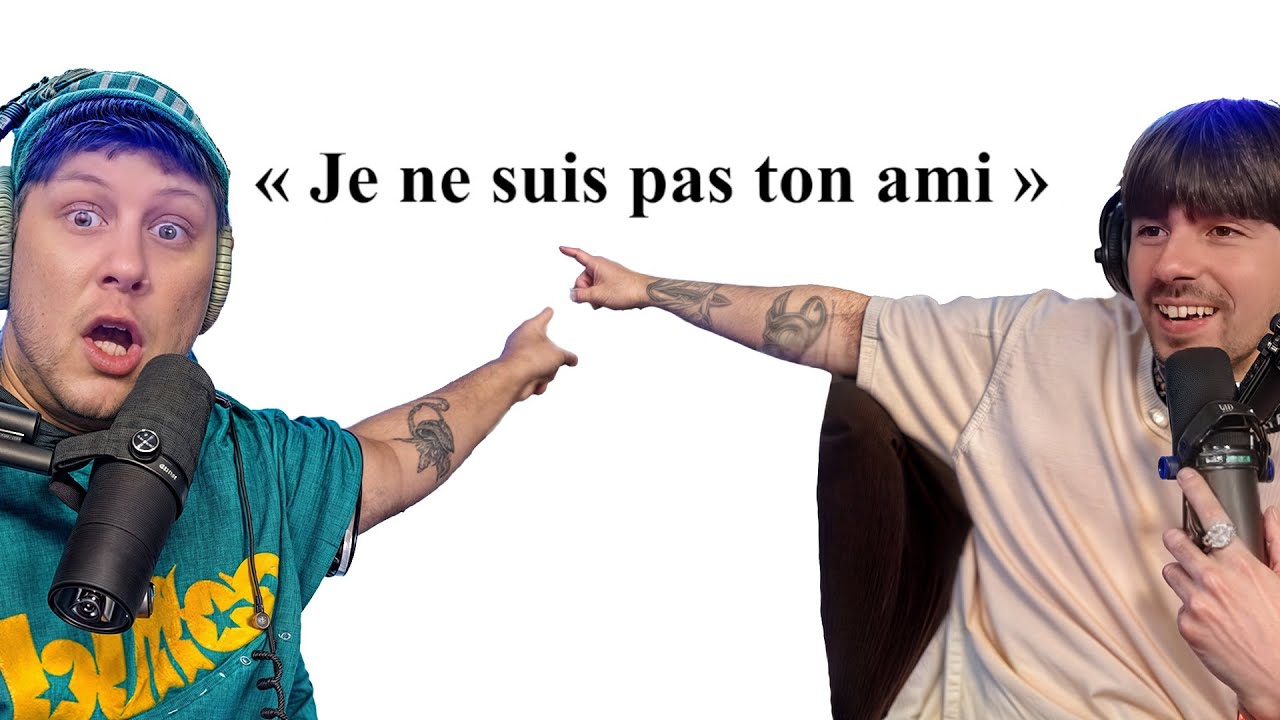


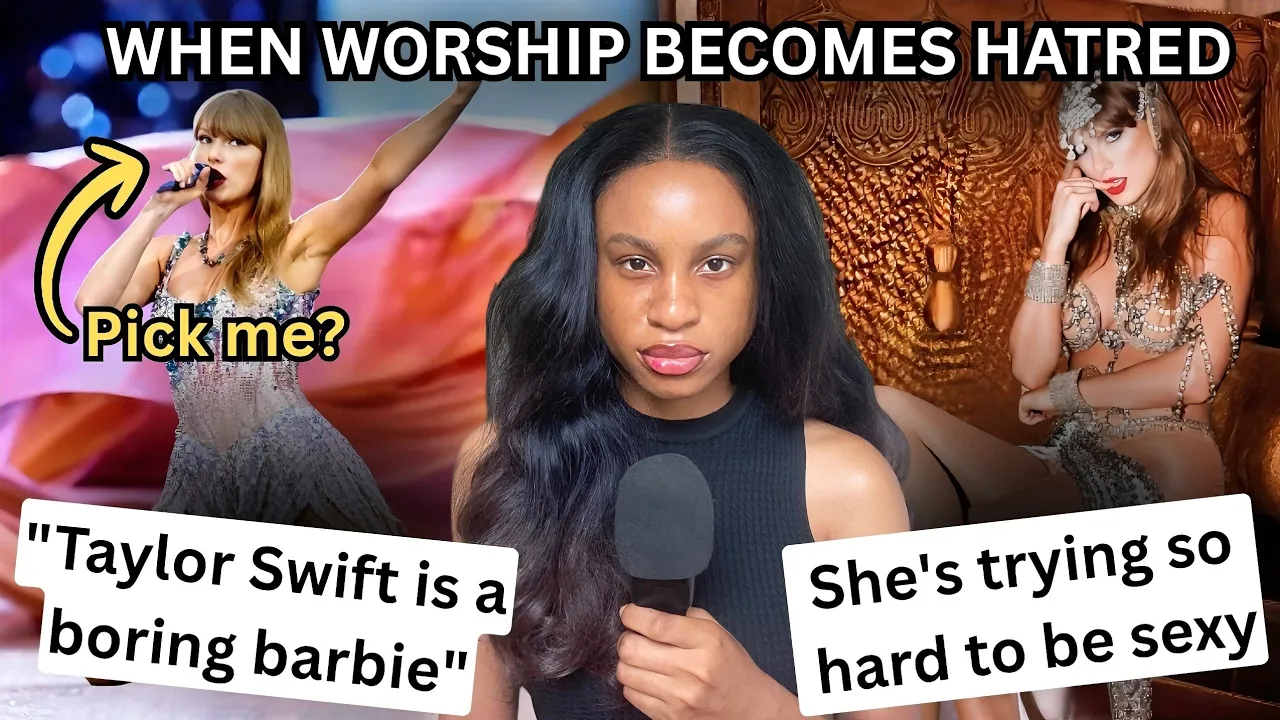
This video explores how parasocial relationships—unilateral emotional bonds with celebrities, fictional characters, or public figures—relate to adolescent developmental psychology, particularly the concepts of egocentrism, personal fable, and imaginary audience; it explains that while parasocial relationships are normal in modern internet culture, they can become problematic when they evolve into delusions like the Truman Show Delusion or Gang Stalking, especially when amplified by social media and online communities that blur the line between healthy fandom and unhealthy attachment.
Understanding Parasocial Relationships in the Digital Age
Added:The fundamental definition of Parasocial Interaction (PSI) as originally theorized by Donald Horton and Richard Wohl in 1956.
David Elkind's developmental theory of adolescent egocentrism, specifically the concepts of the 'personal fable' and the 'imaginary audience'.
Erik Erikson's stages of psychosocial development, with a focus on identity versus role confusion during adolescence.
Basic media effects theories, such as Bandura's Social Cognitive Theory, explaining how individuals learn and model behaviors from media figures.
The evolution of parasocial dynamics on modern interactive platforms, analyzing how algorithm-driven feeds and direct messaging simulate genuine reciprocity.
The psychological phenomenon and coping mechanisms associated with 'parasocial breakups' when a media figure retires, dies, or faces public cancelation.
The monetization and ethical implications of parasocial relationships in digital marketing, crowd-funding, and the influencer economy.
The clinical distinction between healthy, normative parasocial attachments and pathological forms of absorption, such as Celebrity Worship Syndrome.
419.2K views18Klikes13:30Original Release: 2019-01-20
Easily one of my favorite fictional books is Paper Towns by John Green. I read it at a pivotal moment in my life and it really opened my eyes to the fact that we’re not just characters in each other’s stories. We all like to think of ourselves as the protagonist. But everyone else isn’t just an extra in our story, they also think they’re the protagonist and they have their own motivations for doing things. And even though deep down we all know that, we still like to attribute their motivations to us. They’re doing that just to spite me, or they’re wearing that because they know I like that color. No, in fact they probably weren’t thinking about you at all. This sounds intuitive, but it took that book for me to realize I had been doing that for most of my life. You guys aren’t here for me… well okay you’re here for this video r- you guys don’t exist just for… can we just roll the new intro please?
[Intro music] This video is brought to you by Curiosity Stream.
Leading up to your teenage years, you developed egocentrism. It’s a normal part of adolescence, if you remember your Piaget, it occurs during the formal operation stage, when you finally develop abstract thinking. You typically grow out of it, but some people hold onto it well into adulthood. During that time, you think you’re the center of the universe and all of your novel, abstract thoughts are unique, you’re the first person to ever think them. You haven’t quite developed your theory of mind yet either. Meaning that you don’t have the ability to figure out what other people are thinking or the concept that other people have their own motivations, everything is still about you. And everyone else is also thinking that exact same thing.
But during this stage of development, you likely had what is called a Personal Fable, a story you told yourself about how special and unique you are. It can range from rather mild to laughably supernatural. Maybe you’re a pop star who hasn’t been discovered, or a scientist who hasn’t reached their potential. No one is taking you seriously yet, but you’re destined for great things. Or, maybe, you’re Peter Parker or some other superhero with special abilities, but during the day you’re just a normal high school student, nobody knows your secret. This is different from a delusion, because deep down you know it’s not true, but you allow yourself to indulge in the fantasy – at least in your own head. If you were ever asked by a therapist or even a friend, you’d of course deny it. But the next day while you’re walking through the halls at school, you’ll be thinking about how one day you’re going to save the world… and nobody knows it yet. While it may be a little embarrassing, it’s a completely normal part of development.
The stories vary by gender and culture, but there are three subtypes, or aspects, to Personal Fables. They all blend into each other, you very likely had elements of all three mixed in. The first subtype is omnipotence, since everything you’re currently learning and experiencing is new to you, and you’re still incapable of thinking of others complexly, you think you’re the first and only person to know that thing. And really, what teenager doesn’t think that they’re the smartest person in the world, or at least, smarter than their parents. Next is invulnerability, again this isn’t a delusion, deep down you know that bullets can hurt you. But you can totally do a backflip off that roof. It’s thought that this aspect of the Personal Fable feeds into the risk-taking behavior that is so often seen in teenagers, especially boys. You kind of have to take risks in order to learn your own capabilities and limitations. And lastly, uniqueness, what teenager doesn’t think that they’re special, and they’re the only one who likes Britney Spears as much as they do, or Star Wars, or Harry Potter, whatever the kids are into these days. And when they’re sad, nobody has ever been this sad before – this is the most devastating thing to ever happen and you just wouldn’t understand! We do understand, we’ve all been a teenager before and, outside of a few extreme circumstances, we’ve all experienced loss and sadness. That said, this is your first time experiencing it, so of course it feels unique to you.
But because you feel omnipotent, invulnerable and unique, you are the hero of your own story, so naturally, everyone is watching you. Again, this isn’t a delusion, you know they aren’t really… but they might be. This is called the Imaginary Audience, when you somewhat believe that you are the center of attention and that everyone is listening to every word you say, cares about what you’re wearing, and can totally tell that you’re sweating just a little too much. This isn’t true, and you’ve probably heard this before – but every single person is thinking the exact same thing. Like Personal Fables, Imaginary Audiences are a normal part of adolescent development. Having an Imaginary Audience helps you construct a social image and helps you maintain cultural and societal norms. Thinking that everyone is watching you helps you fit in. Now obviously, your friends and people you’re talking to are realistically watching you, but everyone in the school? No… and deep down you know that.
But if you legitimately think they are, you’re suffering from a delusion. There are some people who legitimately believe that they are the star of a reality show, that everyone is watching them, and that everyone around them are just actors and extras. You probably know this as the Truman Show Delusion or simply the Truman Syndrome. It went by a number of different names like Persecutory or Grandiose Delusions, but the reality show aspect makes it unique, because it didn’t really exist until the movie came out in 1998. It’s almost like they took what they saw on TV, and incorporated it into their Personal Fable and Imaginary Audience, and turned it into a delusion.
If you haven’t seen the movie, Truman has had his entire life, since birth, broadcast to the entire world as a 24/7 reality show. You get that from the trailer, it really isn’t a spoiler. But several times during the movie, we get to see the perspective of audience members around the world. People who know every intimate detail about Truman’s life, they basically think of him like a friend or family member, and yet Truman has no idea who they are… in fact he doesn’t even know they exist.
This is called a Parasocial Relationship. This is when you have a somewhat meaningful connection to a celebrity, sports team, fictional character, or social media personality, that isn’t reciprocal.
It’s one-sided, you’re the only one who is really aware of the relationship. You might remember when they used to dye their hair, or what their pet’s name was, maybe you like the same movies as them and you follow them on social media… maybe one day you make a video about BIRGing where you talk about them at length. Ha! You thought I was talking about me and you, didn’t you?
But while we’re on the topic of me and you, there’s actually quite a lot of you now… I can’t even picture that many people in my head. That’s more than the entire population of Iceland.
And it was just sort of an abstract number on my screen until I started getting messages from you, or even meeting a few of you at conventions. The first person to ever come up to me was wearing a light up tie. I'm sorry I don’t remember your name, but I’ll never forget the tie. So now you guys aren’t just a number, you’re real to me.
So now that I’ve been on both sides of parasocial relationships, I thought I might offer a different perspective. Let me start by saying there’s nothing inherently wrong with parasocial relationships. I still have parasocial relationships with YouTubers I haven’t met yet – and some that I have – it’s completely normal these days. But you do have to keep a few things in mind.
While you may have been watching someone for months or even years, when you walk up to them and say hello, that’s the start of the interaction in their mind. You’ve known who they are forever, they just met you. So if you start asking them about intimate details of their life that they haven’t personally brought up yet, it can be a little disorienting.
They’ll probably realize that you heard it in a video, but still. If you’ve ever been working somewhere and a customer comes up to you and calls you by your first name, and you’re like “how did you know my name? Oh it’s on my name tag…” It’s kind of like that.
Similarly, you might have just watched that video the other day that you want to ask them about it, but for them, they filmed that years ago. So there’s a bit of a time distortion and information imbalance in the relationship. They’re also not your lawyer, or accountant, or therapist, and while you may think of them as a friend that you’ve had forever, they just met you. So if you start asking them for life advice, you might come off a bit strong from their perspective. Think of your first date, if you unload all of your problems right out of the gate, you’re going to scare them off. And that’s the natural issue with parasocial relationships, it’s been one-sided up until this moment.
Now, I enjoy reading all of your messages and comments and tweets. I may not be able to respond to them all, but I still enjoy my side of the parasocial relationship. I can’t help you with all of your problems though, I have plenty of my own to deal with. And I’m more than happy to meet you and have a chat – at the appropriate time and place. Speaking of, I’ll be at Vidcon London and Vidcon US this year. But I’m not a vlogger, I don’t invite you into my home… okay well… this is my actual living room, this isn’t like a set or anything. In fact, I pretty much sit right here when I’m playing Fallout 76, or Red Dead, or Smash… whatever the kids are playing these days. The point is, I have boundaries. I don’t tell you about my day or invite you into my daily life, I’m an education channel, and almost all of you seem to respect that, which is great… I don’t want or need stalkers.
Stalking is what happens when a parasocial relationship goes wrong, but what if your Imaginary Audience has malicious intent? You end up with another delusion known as Gang Stalking. Gang Stalking is when you feel your neighbors, coworkers, or even random people on the street, are all secretly watching you and even trying to kill you or destroy your credibility. There are no documented cases of that actually happening, it’s basically just in movies. Gang Stalking is specifically the delusion that it’s happening and studies done on self-identified “targeted individuals” have shown them all to be delusional. Unless the psychologists were also in on it, I guess.
In her book, How to Deal with and Defeat Gang Stalkers, the author lists several ways to tell if you are being gang stalked. Pay attention and see if any of these apply to you.
You notice that your things are not in the same place you left them. Neighbors making extra noise, seemingly on purpose. Frequent appliance or electronic malfunctions. Airplanes flying over the place you stay at timed intervals. People turn on their headlights everywhere you go, especially parking lots. Frequent car repairs. Staged car accidents along frequently traveled routes. Hopefully you can see why this is usually classified as a narcissistic delusion, there are fairly rational explanations for all of those events. And I’m willing to bet most of you have experienced these regularly, but don’t think anyone is out to get you. But there is a section that a lot of rational people do buy into.
The sense that you are being watched and followed everywhere you go. People around you pay attention and listen to everything you do and say. You have a sense that there is no privacy in anything you do. You feel that those around you have access to your communications.
You’ve probably seen people testing out whether Google or Facebook are listening to you to serve you ads based on what you’ve been saying in random conversations. They aren’t, there’s a rational explanation for that too. It’s called the Baader-Meinhof Phenomenon, when you start paying attention to a thing, and then start seeing it everywhere – whether it’s ads for cat food or even something like the Wilhelm Scream. [Wilhelm scream] It’s always been there, you’re just looking for it now.
She wrote this book because she claims to be a victim of Gang Stalking, and she specifically says it’s very unlikely that the CIA or FBI are wasting resources to stalk you. So who was gang stalking her? Google? Facebook? Who would spend the time and effort to hack into her computer and delete the first drafts of this book? The Milwaukee School of Engineering… with a student population of 2600… I’m not kidding. In fact, it’s quite likely that if she ever sees this video, she’ll think that I was paid by the Milwaukee School of Engineering… I wasn’t.
This video was brought to you by CuriosityStream. A subscription streaming service that offers over 2000 documentaries and nonfiction titles from some of the world’s best filmmakers that you can access across multiple platforms. I recommend starting with the series Digits, hosted by fellow YouTuber Veritasium, about how the internet does surveil you. The internet is a medium that watches you as you watch it. And how the internet has shaped our social interactions.
We’re beginning to interact with the internet as if it is the only other social being we have in our lives. You can get access to their entire library for as little as $2.99 a month, but if you head over to curiositystream.com/knowingbetter and use the promo code knowingbetter, you get your first month completely free, you’ll also be supporting the channel when you do.
As he alluded to, the internet is an amazing tool, but it has also amplified some of the less healthy aspects of our psychology. Back in the day, if you thought someone was watching you, that’s basically where it ended. But now, you can go online and find entire communities of people who also think they’re the victims of some grand conspiracy, which only fuels the delusion. And thanks to social media, Imaginary Audiences aren’t necessarily imaginary anymore and it’s completely changed our relationship to celebrities. A parasocial relationship feels as real to you as any of your IRL friendships, and you get the same rush when a celebrity you follow actually responds to you. And if they block you or delete their Twitter, you go through a Parasocial Breakup, which is just as emotionally devastating as a real one. So maybe take a step back and reevaluate your relationship with the internet before you go looking for someone’s wikifeet page, because now, you know better.
Hey look, new outro card! I’d like to give a shout out to my newest legendary patron Alexander, if you’d like your name added to this list of parasocial relationships, head on over to patreon.com/knowingbetter. Don’t forget to gang stalk me by clicking that subscribe button, following me on Twitter and Facebook, and join us on the subReddit.
[Outro music]
Up Next

94:50
Understanding Parasocial Relationships: Psychology and Media
@SciGuys
39.7K views•2020-12-13

68:32
Cognitive Skills for Differentiated Instruction | Teacher PD
@BrainWareLearning
631 views•2017-12-17

9:55
Thinking, Fast and Slow: Daniel Kahneman Animated Book Summary
@FightMediocrity
2.3M views•2015-06-05

6:40
The Nocebo Effect: How Beliefs Can Cause Real Harm
@CGPGrey
10.4M views•2013-12-23
Related Study Plans & Knowledge Roadmaps
Structured learning paths in Psychology
psychology
Neuroscience of Creativity: Networks & Training
01Foundations of Creative Cognition
02The Cognitive Neuroscience of Insight & Fixation
03The Triple Network Model of Creativity
+ 1 more learning modules
15h4 modules
Explore Roadmap
psychology
Imposter Syndrome: Etiology & CBT Framework
01Defining the Imposter Phenomenon
02Socio-Developmental Etiologies
03CBT Fundamentals & Thought Distortions
+ 2 more learning modules
15h5 modules
Explore Roadmap
psychology
Adult ADHD: Executive Dysfunction & Scaffolding
01Neurobiology of the ADHD Brain
02The Core Triad of Executive Deficits
03Executive Dysfunction and Emotional Regulation
+ 2 more learning modules
12h5 modules
Explore Roadmap
psychology
Loneliness: Evolution, Neurobiology & CBT
01Evolutionary Origins of Human Connection and Loneliness
02The Neurobiology and Physiology of Chronic Loneliness
03Maladaptive Social Cognition: The Psychological Loop
+ 2 more learning modules
12h5 modules
Explore Roadmap