










![Shoto asks Kyo out and Enna goes after his man?! [nijisanjiEN]](https://i.ytimg.com/vi/QBpyMKXHeyQ/maxresdefault.jpg)







A parasocial relationship is a one-sided psychological bond where one person develops an attachment to a media personality or creator while the other party remains completely unaware of this connection; these relationships, originally coined in 1956 by Horton and Wohl, have become increasingly common with social media, affecting everyone regardless of their mental health status, and can range from harmless entertainment connections to potentially problematic intense attachments that may require awareness and boundary-setting.
Understanding Parasocial Relationships: Psychology and Media
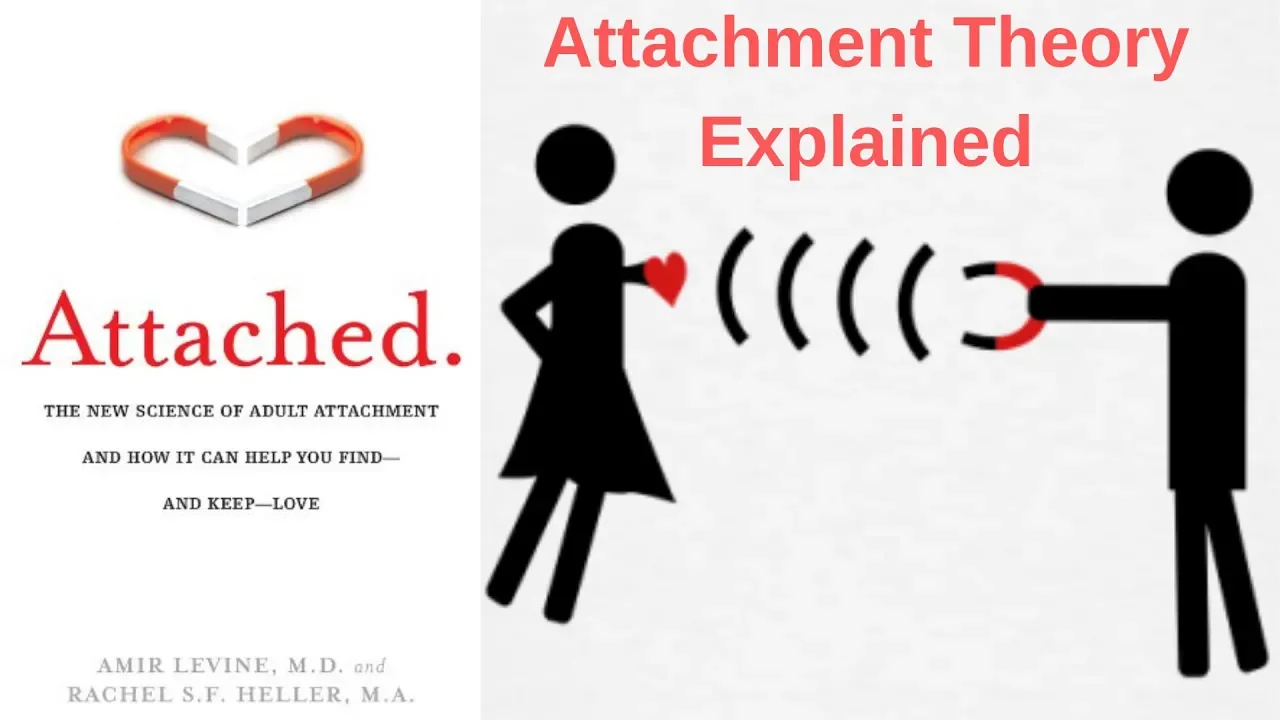
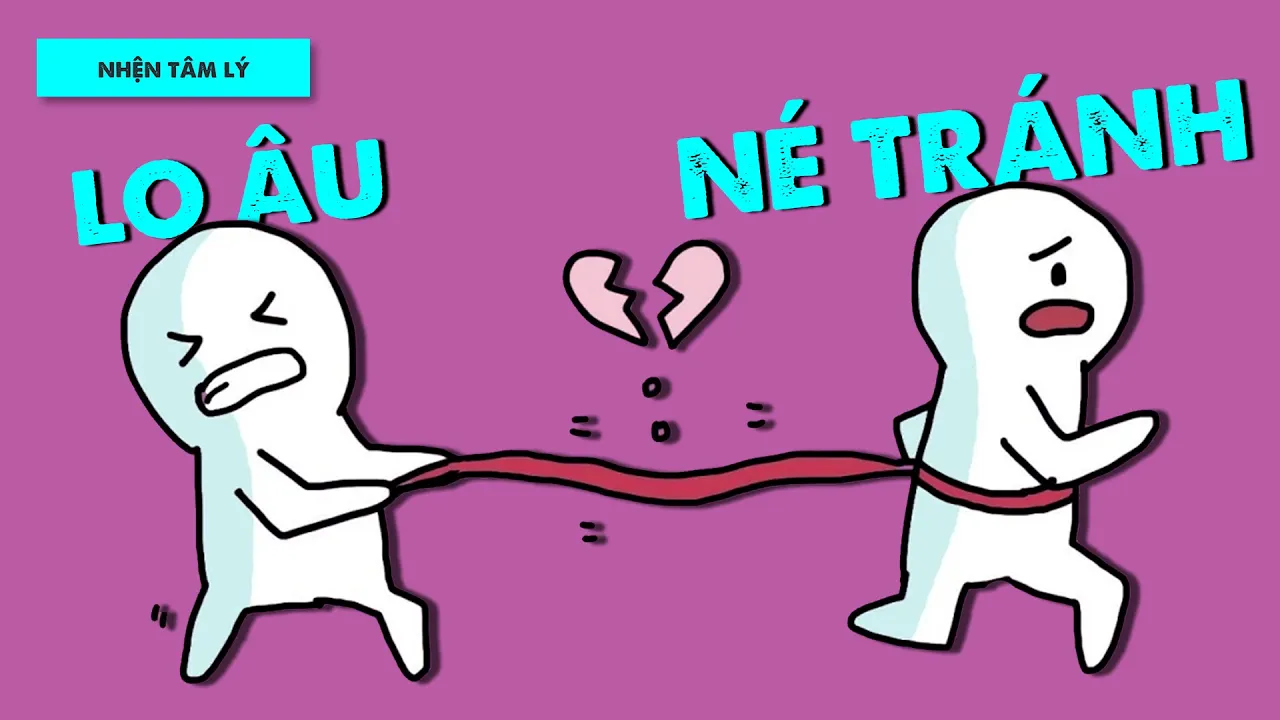
Added:Basic principles of Attachment Theory, including secure, anxious, and avoidant attachment styles in human relationships.
Fundamentals of Media Psychology, specifically how media consumption influences human cognition, emotion, and social behavior.
The concept of interpersonal attraction and the psychological mechanisms behind how humans form social bonds.
The distinction between traditional face-to-face communication (dyadic interaction) and mass communication (one-to-many transmission).
The evolution of parasocial interaction (PSI) into 'Parasocial Relationship 2.0' in the age of interactive social media and live streaming.
The monetization of one-sided bonds in the influencer economy and its impact on consumer behavior and marketing.
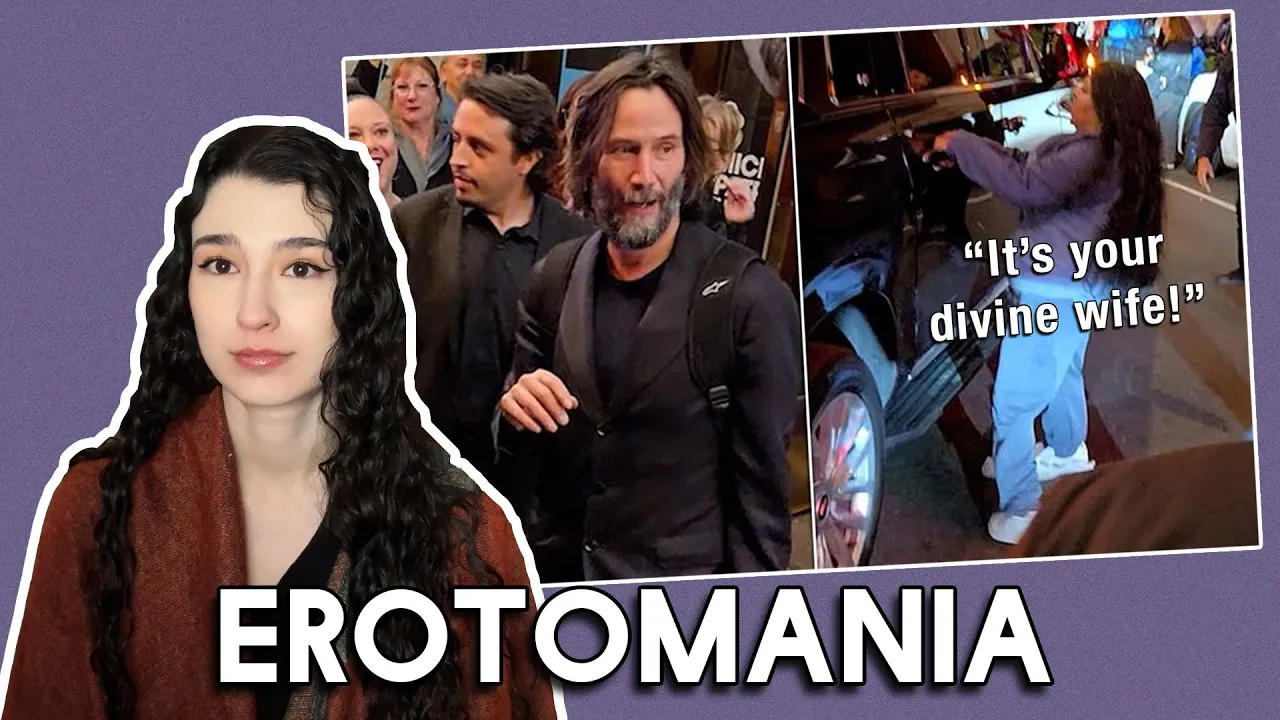
Clinical implications of extreme parasocial relationships, such as celebrity worship syndrome, erotomania, and social isolation.
How political figures and activists leverage parasocial attachment to influence public opinion, voting patterns, and ideological alignment.
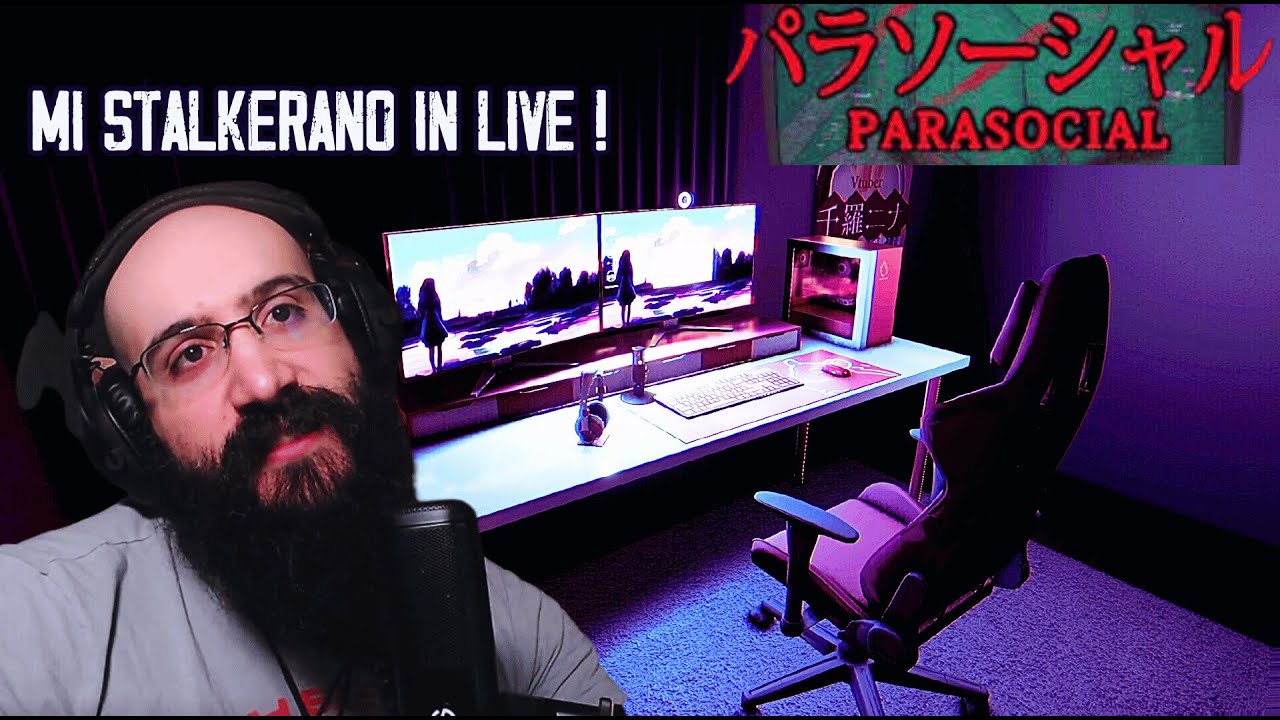
39.7K views2.2Klikes1:34:50Original Release: 2020-12-13
so this week what are we starting with are we review that's right very good no one else to cut you off no no one else luke's not here to cut me off so this one says intelligent chaos i would describe this show as beautifully chaotic very interesting topics and thought-provoking conversations between the hosts sometimes though it's a bit difficult to grasp what they're actually trying to convey jumping from one idea to the next i wouldn't have it any other way and it gives me lots of laughs very good that's such a nice review very nice we do jump from thing to thing and speaking of jumping from things thing we should probably start the show start the show [Music] hello and welcome to the sci guys the show where we talk about the crazy weird and wonderful stories from the science world i'm corey and as always i'm joined by my co-host jem noah vince and special guest shabba [Music] hello [Music] i'm good thanks uh thank you for having me on this is cool your setup is amazing oh thank you beautiful lighting yes i'm loving the purple you give him you're giving me bi vibes oh bye guys by sequel this week we'll be talking about our relationships i don't think we should do that well we're not talking about our relationships we're talking about parasocial relationships have you heard about those before uh yeah i haven't heard of these has anyone here heard about them before anyone anyone at all have any experience with parasocial relationships i'm sure we've all had some at some point i mean i think i've heard about it once or twice is it a hot topic online at the moment it is a hot topic online at the moment yeah that is something that people are talking about a lot but maybe they don't understand exactly what it is so that's what we are here for today so let's jump right into it what is a parasocial interaction and a parasocial relationship anyone know it's like a one-way friendship formed through some kind of medium now a lot it's like social media a lot isn't it so it's like one person gets an attachment to someone but the other person doesn't know that they exist in a way that's pretty much it kind of like a high school crush [Laughter] yeah so um yeah that's that's a pretty that's a pretty good uh description of it do you know what i'm gonna do first what i'll do first is i will read you the original description of it from when it was first described so this is verbatum one of the striking characteristics of the new mass media radio television and the movies is that they give the illusion of face-to-face relationship with the performer the conditions of response to the performer are analogous to those in a primary group the most remote and illustrious men are met as if they were in the circle of one's peers the same is true of a character in a story who comes to life in these media in an especially vivid and arresting way we propose to call this seeming face-to-face relationship between spectator and performer a parasocial relationship oh scary yeah so basically a parasocial relationship it's the well let's first talk about what a parasocial interaction is because you can't have a parasocial relationship without a parasocial interaction we're doing a parasocial interaction right now yeah we are hello hello i was going to say we're your friends to each other oh my god no with you to the viewers if we just don't respond to shabbat at all is not there it will suddenly who's the fourth person on the show again so a parasocial interaction is basically the sort of interaction that you were talking about wherein um it's kind of mediated uh through sort of the media by one person by a sort of personality so it was originally used to describe tv personalities uh but it's kind of broadened out now to describe you know those on social media as well um do you think people have parasocial relationships with ant and deck yes of course yeah yeah absolutely there was there was actually a paper written specifically about them and like tv presenters oh my god paul o'grady comes up um more than more than you'd expect apparently paul grady is a very good example of um everybody's gay uncle [Laughter] sure this is actually something really so uh paul o'grady uh and all these sort of chat shows so if you you might notice this uh with chat shows um in the uk a lot of them look like they're live they're in there you know they're done in their living room allen carr chatty man yeah having a drink with them jonathan ross's set up looks kind of like a living room uh polo grady set up looked exact it looked exactly like someone's living show you're all sitting on a sofa you know oh like you know robin elbows it's like oh yeah i'm sitting with graham norton and my friends natalie portman chris hemsworth and um simon pegg but okay though so it's not interesting yeah it's in the uk but like in the us it's so different it's all like corporate and flashy and they've got the like city skylines yeah in the us it's more like a sort of stand-up thing isn't it i make all my videos on my bed once you're inviting people i think the worst offender is bearing the big boo house literally brings them into his house he speaks directly to you though come on into my house he's encouraging i don't know how he speaks anymore come on come on shadow so we finished describing what a parasocial relationship and interest yeah probably yeah to be honest so parasocial relationships basically uh a regular viewer of tv this is kind of going back to the original description a regular viewer um would come to feel like they know um sort of the television personalities uh almost the same way that they know friends and not friends the show bear in mind friends you know those things that in real life interpersonal friends those things you know those things you hang out with the ones that you enjoy i've learned something today yeah you'll find some one day um so uh they're they're they sort of psychologically resemble um face-to-face interaction but of course uh they are controlled um by one side and they are very one-sided and when i say one-sided what i mean is they are controlled almost entirely by the performer now bear in mind the the performer doesn't necessarily just mean uh sort of the polo grady type it could be um in terms of the movie the person that is sort of you know writing the movie or directing it all of that stuff basically the people on sort of the creating side are in control of the relationship yes whereas uh the people on the sort of receiving end uh all they can really do is experience the relationship or walk away they don't get to they don't as it's presented to them exactly so what if i'm sure a lot of like men in their probably 50s think they have a personal relationship with porn like cam girls but they can directly interact with them so is that still a parasocial relationship if you're if you're like hey if i send you ten dollars you will twerk is that you're throwing me the difficult questions like less than 10 minutes so well okay did you come across this in your research a little bit so this is some gam girls well i thought in the description a lot of the psy guys patreon money did have to go to cam girls this month purely for research purposes i'm sorry there was nothing else we had to do an experiment where corey formed a parasocial relationship i just simply could not find the right cam girl but once i did i had to give her as much money as possible after we tried 22 of them we finally found the right one rigorously tested for about eight hours each you've got to have a very high sample size in order for you to spirit he does this for you significance no look i'm going to be honest i could try and answer this uh i think i think the the fact is that with a parasocial relationship uh the key point is that it is very much mediated and controlled by one side so you could say uh in a sense that cam girls have uh a quite a large degree of control over it in the same way that uh a sort of a youtuber if you know what a youtuber is noah um can read comments from the people that watch them but they still control that sort of interaction there i can delete them i will i'm sure shabba has a much uh a much better sort of view of that than i might uh so that you're right noah but like the concept so the original concept that uh corey's been talking about is from 56 specifically 1956 which is like way before the internet existed when did the internet come into your house did they have email then it's 1950 [ __ ] six it's before the internet moon landing was existed oh okay oh oh sorry for not knowing when the moon landing specifically was to the day [ __ ] i was born in 1919 is the funny number the funny number okay now i will remember you thank you for not being able to always remember that thank you so much oh my god the funny number the funny number the 20th of april 1969 yeah yeah now imagine if it was though but no uh 56 so social media was definitely not a thing there and two-way interaction wasn't a thing so in most recent parasocial studies it's definitely been looked at as a pseudo-parasocial relationship with the idea being that an interpersonal relationship i know you right and you know me and we know each other on equal levels but okay corey's like no oh no i'm enjoying listening to you this is my enjoying listening to your face but if you take the like for example any of you corey you have a creator presence you're on youtube you have thousands of subscribers there is no way that you could maintain an equal relationship with all of these people so even though you might see them at meet and greets sometimes even in person even though you might tweet or like their tweet it's not equal it's still a parasocial interaction okay ah that makes sense you did you know what luke is not here today but i'm very glad that shabba has very very uh you know aptly taken up the role of luke to spoil what i was just about to talk about no it's a good thing it's a good thing it's a good thing no it's how the podcast works so yeah i mean we're talking we're talking about parasocial relationships basically uh what to take away from this is uh the parasocial relationship is one wherein um it is very one-sided because one side controls basically everything the only the really the only thing you can do um when you're on the receiving end like i said of a parasocial relationship it's just to leave if you want there's not much you can do you can maybe send a message that they might read but you can you can really only just leave um you're just along for the ride you are just you are genuinely just along for the ride because if you think about it um there are also these things called parasocial breakups uh which are sort of newer i suppose than parasocial relationships but let's say you're watching a television show as we do and a character apparently dies oh yeah oh no this character that i that i had this very close personal relationship with has suddenly it's just gone i just thought straight away jenna marbles well that's another thing that that was my other example of someone who suddenly stopped making content and i think i'm sure we all felt oh yeah jenna marbles have stopped making videos i don't think i don't think i believed it at first yeah i was like nah she'll be here next week and honestly i i was not someone who i was not someone who consistently watched jenna marvel's videos i didn't know i wasn't someone that every single week i was like yep it's janna time but i was still like oh man there aren't any more coming and that's the thing the thing about these sort of um the thing about these sort of like interactions is that they can happen without you even really being fully aware of them yeah yeah yeah which is which is i think which i think is kind of a dangerous thing sometimes if we're not necessarily aware of how we see these people that we don't necessarily know at all yeah i think it really stresses me out when people are like fans of something and they don't realize how like kind of screwed up their relationship with that person is like it's fine to acknowledge that you have this kind of relationship it's fine to have it i guess but when it's getting to like the point where you're like yes i have a relationship with this person who doesn't know who i am it's a bit like please please please please please for your own well-being like like acknowledge that it's not what's going on you see that a lot though in comments don't you people saying oh how could you do this to me or like yeah oh and and you read them you're like i know better yeah this person doesn't know who you are yeah yeah like they don't like oh i have this phobia how could you do this to me i they don't know you yeah they're not aware of your life or anything going on with you so you know and it's and you can it's very easy to see this from the outside and be like i know what's happening that's a parasocial relationship but when you're in one you're in one it does feel like it does feel like a proper connection like a real connection even though well they are for all of you yeah i mean what makes you feel surely is probably similar to that of an actual relationship that's exactly that's exactly the point 100 okay yeah especially if it's in like a online video format because it's basically like you've had like tens and tons of conversations with this person that it's a one-way conversation but it still feels like a conversation well this is thing about vlogging and i was going to get into this later but let's get into it now the thing about vlogging as well is that that this whole sort of youtube thing has really i would say made this a much easier thing to happen because obviously with tv shows there's very much a sort of like you can tell you can sometimes almost tell there's sort of a performance aspect to it but with a youtube video i can be like okay so now i'm talking directly to you the person that is watching and listening thank you for watching thank you for watching and suddenly i'm not speaking to an audience um you know a live studio audience or all of the people watching their tv i'm speaking to the one individual person who is watching this video right now thank you um but like do you know what i mean so when it comes to youtube and vlogging not only do you get to hear sort of uh what what seems to you the most intimate parts of someone's life uh you also get to hear that in a way that feels like it's only being said to you yeah although this is the thing and this is the thing to be wary of is that you even though you think you know a lot about someone online because they share a lot there are things that you don't know the fact is that we have we have lots of friends that are uh very online almost to a fault um [Laughter] and i'm sure that we we all know things about um our friends personally that just aren't on the internet not that they're bad things no they're good things they're always bad things let it be known [Laughter] just completely they could be completely innocuous things that people just don't know the internet because it's never it's never made its way to the internet and that everybody has to have boundaries exactly yeah yeah like one of my boundaries is that you know i don't like no i talk about how i don't like left-handed people all the time never mind let's move on from that that is well known on this podcast that's not harry despises left-handed people i like to keep that i usually like keep it to myself but honestly my hatred for them is just bubbled over you know spelled out quite a few times no so um so i've been talking about parasocial relationships though just about that topic of boundaries you're right sometimes it's not just people don't know i think sometimes people are very aware of the fact that it is one sided in a social relationship but they just get those boundaries confused they're like oh because i know these aspects of your life because you do videos like controversial opinions or you know q and a's i know about this one thing that you did way back when and now i feel entitled to speak to you as your friend would speak to oh my god yeah i have i've had this a lot um i have this thing like when me and my friends like we take the piss out of each other we're like ah you're a [ __ ] but then i'll i'll i'll get like a message like that from someone who follows me and i'll be like whoa see that's not your place ugly and then someone would be like someone would you have to be like love you you're so ugly and i was like no like it's not that word so why would you say that to me you get to do that because my you're my friend you're not my friend because you do that yeah like you don't become my friend by calling me ugly if that's what you think is happening it worked for me but anyway uh so so uh i was talking about parasocial relationships and parasocial interactions and parasocial breakups now i just want to briefly touch on what the difference between those things are um or difference between those things is look i don't know grammar that's not my strong suit so a parasocial interaction is it's what it sounds like it's just the interaction it doesn't neces it doesn't necessitate a parasocial relationship so um sort of any interaction where it's um this one heavily yeah this one right now for anyone watching yeah this one right now you may be seeing corey for the first time absolutely hate him and not care about him after this whatsoever that's not a social interaction [Laughter] wow thank you for an example that not only explained it perfectly it also hurt my feelings no so then a parasocial relationship is uh is again exactly what it sounds like it's a relationship uh built up across those parasocial interactions and a parasocial breakup is when that relationship suddenly ends and you don't really know why oh maybe you do oh my god let me do nice examples now because i feel bad if you have such a relationship you might then love corey so much that if you're figuring out what to do in a personal dilemma you'd be like hmm what would corey do that's a parasocial relationship you ask him and he doesn't know how to respond because he doesn't know who you are it's terrifying i can promise you that what would corey do is terrible advice in every situation every answer is the wrong thing i've never once done the right thing in my life corey becomes amish he decides to get rid of all of his material belongings and live on a tibetan mountain i'm pretty sure i'm like horribly that's not where the artist is [Laughter] yeah and you feel really sad to the point where actually science has shown you can experience genuine grief like as if somebody close to you has passed away like um princess diana god yeah when that happened the parasocial relationships that people have with the royal family it was so like just i remember destroying it for so many people my mummy cried for like three days when david bowie died like three days she was like i grew up with him like like obviously she knew that she wasn't friends with david buddy but like the impact that he had on her was that of like he was like a wrong it's not weird it's not abnormal that's why we need to know about these things because you know parasocial people do have really old things that happen in our lives and influences yeah i think that's the thing when celebrities die i do often feel like the outpouring of sort of um emotion from people i i do often kind of stand back and think oh this feels very odd for all these people that have never had any interaction this you know obviously this person has touched their lives but the way that they're grieving is as though they've known them personally which is it's interesting and it's so odd that humans are very we very much crave sort of relationships don't we we are pathetic little attention it's wonderful we find relationships even when they're not there um it's just the fact that if ping-poo died i'd be i think that yeah this is my point that's what i was just going to say i would be upset i would but that's not what i was going to say the very first movie that i ever cried to was e.t i don't want to like spoil it for anyone but you know what i'm saying it's been out for it's been out for literally decades i think people have had time what are you doing with your life if you've not seen anything but there's like this thing the scene where like you think he's died i was so sad and there's like this tiny chubby little eight-year-old sharper sitting on the sofa watching this for the first time and like just bawling i like ran to the kitchen and cried because i was so embarrassed that i was crying over a prosthetic alien like what is that like eg clearly doesn't know i exist he doesn't [ __ ] exist but yeah doesn't thanks he doesn't even know i exist he doesn't have a home it's like every single time i watch um whenever i watch iron man die i'm just like oh don't do that oh iron man no no no sir now that was a spoiler ah yes if you if you have not seen end game which is on disney plus by the way you have specifically tried to not see end game at this point or you don't care or you don't care yeah and either way we've spoken about iron man dying many times on this podcast before it's very difficult to start i think we've just spoiled the whole of the mcu people no no no no no you could listen to this podcast and be up to date with what i didn't spoil spider-man homecoming oh no far from home and how at the end everyone finds out he's spiderman so who came up with the term uh parasocial uh interaction power social relationship and when did they come up with it shabbos already pointed that out but i will say it again so uh it was a duo sorry no no it's good no it's good it's never bad it's never bad so he was coined by horton and should have read this name beforehand wall wall yeah okay in 1956 um donald thornton was an anthropologist and uh our richard r wall r richard wall can't remember which one it is i don't know if what i've got written down here is correct begins with an arts i know that's why i'm confused i don't know if they ask that's a richard i'll just say okay uh was a sociologist um and he was also one of the first people to receive a degree in social science from harvard which um i found as a in his obituary uh speaking of his obituary he actually um he died shortly after they published uh this so they published um you know their first essay it was called mass communication and parasocial interaction observations on intimacy at a distance that's what um that's you know the opening paragraph of which i read out at the start of this that's where that comes from now um as i said that was published in 1956 and um richard unfortunately died of cancer november 17th 1957 which is about two days after this episode comes out it will be um i think 63 years to the day wow yes i mean that's just to show you how long ago insane as that yeah right i was because i was because even before technology we've had theater we've had celebrities or idols we've had politicians there was a recent paper that i read from this guy that i kind of idolized vicki who said that well i mean from evidence has found that parasocial interactions and relationships formed with donald trump could be a reason why he was elected president and it makes so much sense and i'm just like holy crap these relationships just eek into so many parts of our lives well there's a brilliant line from it in hamilton isn't there um i say isn't it though as though you know um so it's it's the election of i think it's the election of 1800 um what is it uh you know he's basically the line is he's gonna rap for us corey no i'm not gonna rap it's uh basically saying like you could grab a beer with him like oh i'm gonna vote for him because he seems like a nice guy you could grab a beer with him and that is like a reason that people have for voting for politicians i hear people say that all the time now like people are so stupid no but like obama like like obama seems like a really chill guy oh to be fair right and you'd like to be with him yeah yeah exactly you can you almost forget that there are social relationships with obama yeah you almost forget war crimes war crimes yeah exactly you almost forget that he uh used drone strikes on innocent civilians because he seems like such a chill cool dude this is a crazy situation which has led to the catastrophe of like politics and society these past few years the difference is with trump trump was not a politician if you think about the air time and the exposure that politicians have they're always in debates they're always where you're criticizing them and looking at them through the lens of a politician but mr trump here we know trump as the guy that goes you're fired because he has done the apprentice in america for god knows how wait was it apprentice yeah yeah american apprentice for something ridiculous like 12 seasons that is 12 whole seasons how many hours have people developed a parasocial relationship with him not as a politician on his views but being like holy [ __ ] this guy's like a me a media mogul this guy is a an entrepreneur this guy knows what he's doing he's strong i love him he's funny he's powerful you know he's just got so much air time that no politicians have from this media celebrity personality and that is a very damaging thing which is why as stupid as it sounds like kanye west people should have been worried about that and should continue to be right about celebrities because they have a chance to develop a relationship that politicians would dream of yeah yeah absolutely that's the thing as well you really see that with trump in the fact that people kind of see him as being a very down to earth well they've obviously they've obviously projected this onto them they see him as sort of being a down to earth man of the people who says it like it is despite the fact that he's that he's a very very wealthy man you know not for not for lack of trying a very wealthy a very wealthy man who has could not be any less down to earth you know i mean like yeah they've they've built up this sort of idea of him in their heads they've got this sort of relationship with them and they vote they vote him in for being president despite the fact that he's horribly unqualified uh and that's that's the thing um this is a very old this is a very old idea is what i'm trying to say and yeah the thing is that actually apparently this is i've read this i think a couple places um theater was slightly less effective in terms of power social relationships than uh television and subsequent forms of media because if you think about it theater exists kind of in the moment when you go to see a play you're kind of under you you know that it's actors there that are playing characters you can almost separate yourself from that extent especially if you're watching episode bretty and play because that's kind of the entire point um whereas a what play a brechtian play yeah yeah yeah what's he what what does that mean bertolt brett he was a he was a playwright he was a i'm not gonna this is not for i don't want to say something would be like you know like this and then expect me to know the room it's not to do with the main character it's relevant to the point oh my lord look you have two we love you you have two main schools of thought when it comes to you basically two main schools of thought when it comes to sort of plays you've got sort of stanislavski's sort of idea of it who was doesn't matter who he is stanislavski's idea of it and bertolt breck's idea of it berto breck wants you to know that you're watching something that is a play okay stanislavski wants you to be immersed okay that's where that's that's what that is okay it's not science it's not part of social relationships it's just something somewhat relevant okay so yeah so like i mean and and that's probably why we've seen such a a huge boom in sort of um research on this because initially uh as i said uh this was done in 1956.
uh and then uh one of the guys died the other guy went ahead and got another bloke in and wrote another paper um and published that i think in 1957 um and that was it no one really spoke about it for about 15 years i just kind of laid low i found it really interesting that like theater was less effective less effective at creating parasocial relationships because i feel like i understand why but i feel like if you're seeing a person stand worse and then that's entirely true so no i'm not i'm not saying that so i'm not saying that as an absolute fact i'm saying i read i've read a couple people that have said that oh okay just because i would have thought that like if you're there and in front of the person it would be more likely to but then i guess if you're there in front of the person you can tell that they're acting and they're taking cues and they're walking and on and off stage and all that do you know what i'd like to know so say like people have a parasitic relationship with harry potter oh god let's forget jk rowling okay let's just forget all about that stuff right now can i just quickly say that there are some really really good papers on this which are actually linked in the description about parasocial relationships from harry potter so you should check harry potter specifically harry potter yeah yeah sorry it's a really great one that's just come out um specifically about voldemort and like feeling parasocial connections with villains which is really interesting but my point was about the harry potter imagine having a relationship with harry potter and then imagine really liking daniel radcliffe right surely your parasocial relationship with daniel radcliffe the actor would affect your parasocial relationship with harry potter now imagine daniel radcliffe comes out and says like he eats babies right here first darion radcliffe eats babies will you still think of harry potter the same way i think i think yeah exactly the thing is that you even said like that for getting jk rowling for a minute because your parasocial relationship with jk rowling is obviously going to affect your relationship with her characters yeah it's a little field i remember back in like 2014 tumblr people making posts like oh one day we're going to turn on the news and we're going to see that jk rowling has passed away and we're all going to be very sad and our kids are going to ask us who was that i'm going to have to explain to them and i was like oh that's just age poorly now isn't it thomas is so stupid one day this person i like will die tumblr thought superintendent was gonna happen so like they are very stupid and by they i mean we i was one of them so as i said this was kind of this kind of died for 15 years no one was really you know studying it very much like them seriously at all no no but then obviously uh this was back in the 50s initially so as i said about 15 years nothing really happened but over the course of those 15 years media really started to change didn't it there was a lot more of it if you you know if you understand me in that you know there were a lot more tv stations all of this stuff so people were interacting with media a lot more frequently um and so you kind of see a rise in studies on this so i've specifically got this fantastic there was a really great article that i read uh that was about that was basically looking at the past sort of uh 60 60 odd years of study on this and so this graph i've got here basically you can see that uh there weren't very many there weren't very many studies um you know there were maybe less than five um all throughout the sort of uh 70s right the way up to the sort of mid-90s that's so interesting because like the beatles were huge i would have thought there'd be so much more interest in parasocial relationships like back then because like everybody had like an obsession with the beatles like people would pass out when they saw them they'd like that's great yeah so it wasn't literally boy i mean beatles were the beatles were basically kind of like the first boy band yeah boy bands like live and die on parasocial relationships yeah it's insane if you think logistically as well about like the 70s that's the time where everything just became so much more accessible the poor man got the tv you know phones and newspapers and click bait that's when that sort of thing started so yeah that's really interesting so that and so obviously there was uh like i mean there were bear in mind you go from basically nothing between 1956 and 1972.
jesus um to like a few sort of sporadically sort of one or two uh uh studies published a year um to them the sort of 90s which makes sense because bear in mind the internet wasn't really the internet until sort of 90s you know the internet the way that we think about it um the internet was initially sort of conceived as just a way to share information between people here's how you send an email i will send an email for work because it is important for me to share information scientists use it and now the internet is a place where we are literally hosting this podcast yeah uh and that kind of started in the 90s so then you start to see a massive uptick uh 1996 you've got um over five still under sort of ten um and that kind of carries the way through to the 2000s until you hit about 2008 and then that's when you start going above sort of 15 studies a year being published and then i think it sort of peaks at about 30 in 2014 and this really only goes up to 2016. and 2000 um yeah so this only goes up to 2016.
okay uh but you you're peaking at sort of 30 28 uh studies published per year per year right and a study is like a long it's it's a lot of people involved right like okay it depends it always but this is like peer-reviewed like the proper stuff okay right like yeah it's not good scientific methods actually saying what needs to be said not lies not you know uh just [ __ ] yeah it's not it's uh yeah there are there are there are a number of steps that one needs to go through to get this you can't just decide to do it usually um some of these could have been reviews in fact some of uh some of them were oh no this wasn't even this isn't even counting reviews so you've there are different types of there are different types of papers that get published um some of them are basically are just reviews which are look at other papers and say yeah this is what we find from other papers um but this is this is these are the numbers of studies like actual studies um that use actual data that they've collected um in order to sort of uh reach a conclusion and it it just explodes over that over the course of that time and genuinely it i mean this is sort of me coming up with uh my hypothesis i think it probably has a lot to do with the advent of the sort of internet and again accessibility of new age internet yeah exactly yeah because obviously as more content becomes more accessible you'll probably see a lot more people uh forming those parasocial relationships because you've got more chances to yeah oh yeah when was it no one's gonna know the answer to this when was the show catfish invented is that not somewhat parasocial relationship oh yeah noah that's incredible yeah the ones that don't like video or facetime right you like you grow in love you fall in love with the idea of what someone perceives to be yeah but it shows 2012. it's it's it's more equal i guess other than someone withholding like their like actual information it's kind of weird because i feel like in a catfish situation you fall in love with a person that doesn't exist so it's the your parasocial relationship isn't the person you're speaking to but the person they think they are yeah but like that make sense i i guess but i feel like with catfishes someone could just be using a different picture and being completely authentic yeah interesting they just want to be like a really large man in a sea pretending to be a skinny girl in a seat in a seating so yeah nowadays it's not just this this is a lot of different people are studying this uh so it's not just people that are sort of trying to study entertainment uh but people that are also looking into advertising effectiveness you can understand why why they'd be looking into that that's where most of it is it sucks well horrible i mean it makes sense it makes so much sense and that's what your job is i know for companies with a bottom line but actually those relationships have the capacity for so much more but no one's looking into it oh wow i mean so there are some there are some people there are some people i've seen that are used that use it for some kind of social good which is i am that's the name of my thesis ah social media for social good don't steal that that's a really good name oh that's the name of this that's the name of this episode by the way social media we did it first but yeah um people have also people like uh people are they're starting sort of journalism are also studying this it's a multi-discipline uh multidisciplinary sort of um i guess topic really definitely because it is so broad it can adapt you can adapt it to almost anything yeah where people are having those relationships and they can have those relationships in almost sort of any scenario you can conceive of and so i'm going to talk a little bit about how they form now as far as i'm aware we don't have a solid explanation of how exactly they form shabba you might correct me on this uh but there are a couple of proposed ideas that i found neither of which have a lot of evidence behind them okay so take this with a grain of salt yes because this is i'm not saying this is exclusively exactly how it works please people in the comments he is not saying this is absolutely true okay so there are different models i'm going to talk about two of them the uh the sort of ideas that people have got uh so there's the first one is the absorption addiction model which controversial to say the least uh so uh this was proposed in i think 2002 um basically it was proposed by someone called mccutcheon uh so she said basically that uh people engage in celebrity worship to uh sort of make up for something that's lacking in their life uh you know so oh my god basically if you've got if you're if you're having trouble forming close relations with close relationships with people where you've got um i guess mental health or a lack of identity or any of those sort of situations uh apparently forming a parasocial relationship with a celebrity um makes you feel like a more complete person ah okay sorry no i was just thinking in terms of i was like yeah that's i turned to the internet because i was i had bad mental health and i i didn't really want to relate to other people in person because obviously the trans thing but yeah obviously it's controversial but i can see where that comes from obviously if you're not you're not doing too good in the real world you look for someone outside of it who's doing well yeah yeah who might be like closer to what you're saying so you just said no like if you think about like uh someone in the middle of texas who might be a young boy realizing that they're lgbt plus i'm sure that they won't have a lot of people in their local community that they feel they can relate to or speak to but then click a button all of a sudden you can see like thousands of creators who talk about that experience but then bear in mind obviously trying to say that this is the only this is the only sort of mechanism for it would be um almost silly because this is something that people experience regardless regardless of whether regardless of whether you know yeah um are having those feelings uh and yeah apparently then this is where so this is where it kind of goes a little bit off the rails i think um bear in mind i'm not an expert on this this is where i'm like okay you lost me here so um you you basically uh looking for that sort of satisfaction in celebrity worship uh then makes someone focus um intensively on the power of social relationships um and then you that just kind of feeds into itself so you then want to get more and more attached to sort of the subject of the parasites it's a similar way of like oh i really like harry styles so to feel closer to him i will find out everything about him i'll look through all his wikipedia pages yeah yeah yeah yeah yeah in that kind of way exactly yeah like like like getting really at least as at least as i understand it bear in mind for anyone listening this is not fact i am not saying this is how this works i'm explaining what someone has proposed just so we can tear it down in a minute um i just know that someone will tune out right and then turn back in and be like oh this is how it works it's not what i'm saying so uh yeah so that's the first stage of that's where the absorption comes from that's the absorption part um and then um that sense of sort of like that good feeling that they get from that yeah that good feeling that you get is addictive um and then the uh apparently that apparently leads you to engage in uh behavior like stalking or um like trying to get like mentally or physically closer to the celebrity which i think is a really narrow view of parasocial relationships because i don't think parasocial relationships are inherently unhealthy i think this is this feels to me like pathologizing something that is almost an innate yeah feature of human nature in that this sounds like a boomer who just doesn't like social media right right like okay that's actually what pisses me off about a lot of parasocial research like everyone's like oh social media sucks it's so bad for you social media is addictive yeah it is addictive actually to be fair studies have shown that social media is more addictive than drugs and alcohol like it affects more people it's significantly harder to pull away from i get it i get it but it doesn't mean that the connections that you make are all bad yeah no absolutely no i mean this is the thing right social media is more i would argue is more addictive than drugs and alcohol because drugs and well alcohol is drug so drugs are addictive by chance almost you know they are because they they just happen to sort of um engage those pathways in the brain that uh sort of fuel addiction whereas social media is literally designed to be addictive it is like someone just if someone said this is happening yeah this is how this is how people were creepy right wasn't it this is how people watch netflix why don't we why don't we make a drug like that suits people exactly and that drug is social media because like you know all those i'm stepping that one step further it's let's do that so we can sell this and line our pockets with even more money how disgusting is that but i also think it's interesting because obviously yes it's addicting but at this point nowadays we're working towards everything being accessible online to the point where if you're a kid and your school's on lockdown you have to access zoom and you have to be on the internet in order to learn so it's it's that's scary in it yeah no i think that's what i mean it's it's not that scary but this is the thing i think ultimately social media and okay we are in comparison to some people list some of the people listening we are kind of old school when it comes to youtube i think all of us were watching youtube back when it started and yeah having before it was cool before it was cool over a decade ago yeah oh my god it was over a decade ago jesus i've wasted my life on this hell site anyway uh we were watching youtube back when it was youtube back when it was people just sharing videos because it was fun yeah there wasn't any money in it there wasn't any like huge profit it wasn't even owned by i don't think it wasn't even owned by google back then it was just youtube and social media um is is made to be addictive but it doesn't inherently need to be addictive and you can look at sort of youtube way back when for that or facebook when it when that started when it was just some awful way to rate women um you know you can look at social media all these sort of social media sites when they sort of began and they weren't focused on profit or the bottom line yeah and it's only when they start sort of start focusing on how do we get people to stay on for as long as possible so we can maximize our profits that you start seeing them turn to the addiction models it seems like the design of apps as well they're like the colors they use like blue is supposed to be soothing and relaxing or whatever and like there are whole longitudinal studies not just done on that but like the amount of font or like where you place your finger on your screen in order to scroll like it's insane how much money is invested in yeah keeping people on phones there was something that i noticed with the instagram did that was stupidly obvious and really wind me up the other no no no so this was this was a few updates ago so you might notice that if you when you're on stories right when you're in school i thought that's become a measure of time a few updates ago so when you're in on instagram stories right you click you click through right and you swipe off the last story yeah um they're sort of like let's say there's six stories at the top of the page right if you've clicked through all those six stories and you swipe off those six stories will be done and that's all that's at the top of your page yeah with an update what they made they made it so that like if you swiped off of the stories those six sort of watch stories would immediately be replaced by six unwatched stories yeah which was very frustrating to me because i cannot leave that top bar sort of full of stories that are unwatched i need to watch all the stories which is why i would swipe until i knew i was at the end of the bar then swipe off and i'd see they were all unwatched and i'd ignore the ones that were off the screen i'd see they were all watched like i'd ignore the ones that were off the screen right being unwatched i say they're basically curry oh no but basically what they were they they like the sort of this sort of update they know that people like don't like leaving things unwatched so they make it so that you cannot avoid seeing things that are unwatched it's true it's just like little things like that these little sort of things that they do to maximize the amount of time you spend on the app i thought you were going to talk about the new update where they've replaced the post button with the shop button no that was a that was a horrible thing where they what they did was they what they did they didn't replace the post button with the shop button what they did was they replaced the notifications so initially they moved things around and had the notification the notifications button roughly where it was before people got used to clicking the notifications button to the point where it becomes muscle memory then they swap it around without saying anything so the shopping button is there so you're constantly clicking on the shopping bit i still keep pressing your notifications yeah people suddenly go to the shopping bit a lot and you've probably got quite a few people that are like well what a nice frog what's a nice frog beanie by not corey colored in nice beautiful colors that you should purchase or perhaps perhaps even a scigirls calendar if there are still some left we don't know i actually don't know they might actually be sold out by now by their thing oh god yeah yeah so um you guys are doing exactly what i just said i didn't like about parasite relationships using but you get a lovely calendar you get a lovely calendar with science facts tell what day it is you need this don't buy into the facade people still buy it just buy it because you like the product not because you think you're close to corey that's the point right yeah so that's essentially the sort of um absorption addiction model i don't really think yeah i don't really think it's very a very good estimation of how this works sure it could be an ideal sort of understanding of how it works for some people but trying to claim that power social relationships all stem from a sort of um like sort of lack only to like stalkerism yeah that's like this yeah that's the sort of like saying that that's the the one eventuality that everyone will suddenly get it's not gonna happen i mean like if you've been on youtube for 10 minutes you know for a fact that not every single person that has a parasocial relationship is to end up stalking someone well maybe we just haven't given them enough time i would go as far to say that literally everybody has a parasocial relationship i would find it really hard to find someone in a society that didn't have one someone that was a hermit and this is the thing though right trying to pathologize this and say that it's down to like something wrong with a person i think is silly because i could draw a face on a pencil and tell you his name is gary snap the pencil and then burn it and you'd be like oh no gary people will like form a relationship with anything i feel bad for gary yeah that's my parasocial relationship i used to feel bad for one of my umbrellas when i used the other one so i'd every time it rained i'd change on brothers yeah i i had little bug eyes on them boys you know oh yes it's just i feel bad oh my god not even that like pencils like other little things in my room that like i have multiple of i'm like oh we personify everything yeah this pillow's gonna feel bad if i'm not resting my head on it i better use this pillow tonight because the other ones just had a lot of use i think there's a div a deeper level of trauma and need to strive for unhealthy levels of perfection that probably go into that but sure parasite you know but i didn't invite you on here to psychoanalyze later no okay so there's also the attachment theory uh explanation um so this is um this is nothing but this is not a thing for scotland b-o-w-l-b-y how do you say how do you say bowl cory attachment theory and um essentially what this is what this one is talking about is that sort of um that people that didn't have a strong bond with the primary caregiver when they were young uh trying to find a substitute for that as an adult i see i understand how that can be the case for some people but trying to say that that's the case for people having like this is this is what bothers me with some things in psychology in that i will just say though that is super super generalized like yeah yeah i feel like sometimes it goes from research to papers to articles to how we interpret it and the end result is just a huge sensationalized chinese whisper yeah so this no this is that's that's what i was gonna say one of the things that bothers me about psychology is that uh sometimes you could be talking about something incredibly specific um and that can be people can take that and generalize that out to everyone which doesn't work because the human experience is everyone's incredibly very yeah incredibly varied and we actually saw that um we kind of saw that a little bit in our stockholm syndrome episode which we did recently you should go check that one out yeah um where essentially you take sometimes you take things that happen to individual people and you try to say ah well let's look at let's see what is wrong with all people what do they have in common yeah like exactly so i think this is this sort of explanation this review of it is very very generalized so you know but that's not what we're talking about today okay this is just a general overview of sort of one potential mechanism for it but yeah essentially this sort of posits that people that have that sort of personality type they're sort of clingy or the ones that you know are seeking that sort of oh is this insecure avoidant yeah okay yes yes yeah they may be more susceptible to developing process relationships yeah which in this thing which doesn't not make sense yeah it doesn't not make sense you can't generalize that for everyone yeah but then this is the name and actually i was just gonna say in our research we went to vidcon with a bunch of ipads and got like quite a large sample and my supervisor bless her um was very right in saying this she was like sharba i would like you to add some measures in there to make sure that all of these people are normal and by that she meant like not weird loner geeks who just any other reason no sample size of 300 down to two but seriously parasocial relationships exist with literally everybody you don't have to be a certain type of person to experience one or their benefits i think i think the issue is that people people see power well here power parasocial relationship and they think oh yes that is what happens when someone has too strong of a connection to a youtuber silly i'm not like that okay then why did the entire country and also america completely upheave itself when uh princess diana died this this woman when firefly was cancelled yeah oh my god no hold on that's an actual reason to be upset because firefly a tv show we'll watch it at some point um no but like you know these are the things these are the things that people kind of don't really realize that you've got this connection to someone or this character yeah why is that because it's a parasolic relationship obviously there are different sort of um intensities of those relationships you can take it to different levels um and some people can be more or less aware of it but on some level i genuinely do think everyone will like experiences this in fact if you find me someone that has no parasocial relationship i will be you said a hermit corey but even somebody who's a hermit would have a parasocial relationship with the person they listened to on the radio or the weather person you know like whoever you're thinking about even have like their favorite football team and their favorite players like could they form relationships like parasocial relationships yeah exactly yeah it's mental and that's that's this is it's almost tangentially related i love this sort of idea with football clubs where people say oh yeah we beat uh so like yeah [Laughter] you were not doing anything to get that ball in that goal but no i think it's really interesting that the way that like this kind of this kind of opens up this whole idea of people um how people relate to other people and how much we want to relate to other things like there's a whole bunch of science on that it's called intergroup relations theory but you're so right and the two do go hand in hand that's what the study we're just designing is and that's my point like parasocial relationships have so much capacity beyond uh putting money in business pockets to do to do good uh specifically because of what you're saying and not just footballers eating pies so um i'm going to talk about uh so okay so there are these two people's called uh these two people called giles and maltby um i keep on looking at shabba when i say names because i'm like am i saying like am i saying am i saying the most disgraced person in this field that i just had these are great papers i know what you're going to say go you okay cool so this is the 2006 paper and actually what shabbat is going to tell me now is the 2006 paper is the one where they went completely off the rails and i should be on the 2004 paper now uh the 2006 paper um so they uh they basically identified three different levels of celebrity worship um using something called the celebrity attitude scale uh this was a very this was a big survey they did basically so stage one is entertain social uh this is uh basically um most people engage in parasocial relationships like this uh at some point in their lives apparently um sorry most people engage in parasocial relationships at some point in their lives but the majority people will stay on this first level entertainment social level um basically you see them as a source of entertainment um or as a topic for like you know like fun gossip like okay think about it like uh sort of oh i like watching this person on the tv and also a little gossip magazine yeah it's like the way people talk about graeme norton and stuff yeah i just watched graeme norton last night oh we had this person yeah exactly a little bit of friendly gossip yeah um but you you don't see yourself as sort of being like attached to them in any really meaningful way yeah um and then there's stage two which is uh intense personal uh and that's you know you dig a little deeper with that one uh this is in in this in this case you can see them potentially as a sort of soulmate or have a really strong interest in their personal life um you want to know about their dress sense like their their likes and their dislikes um all of the sort of things that they like all the sort of things that you would know about a friend you want to know about this person this was me with bill skarsgard in 2017.
oh i know got about yes no i didn't reach level three actually thank you is that what you're gonna say no you literally reached level three oh god what is level three so uh so uh looks uh just just to finish level two so stage two is um basically being obsessed with every tiny little detail right and then stage three is borderline pathological um no okay at this point you take it to you you take it to like the farthest street farthest extreme you have obsessive fantasies about the celebrity spend a lot of money um on sort of memorabilia um i printed out pictures for free did you have money today did i have money to spend yeah i had money wait okay just because i had money doesn't mean i spent it on bill scott's girl look if you if you didn't have money to spend and you didn't spend money then you you know that's different than having money and i had money to spend on bills okay that's fine i just didn't get it i think we need to stage 2.5 here so um yeah so you spend a lot of money um you can even start stalking them uh and this is the point and you know this is the thing i i almost disagree with this here so it also says that at this point um it's usual for people to think that if they met the person that they their feelings would be reciprocated oh no but like no but here's the thing right that's stage three now here's the thing i think that most of these stages most people would think that if they met if they met the sort of topic of their sort of parasitic relationship that they would think oh yeah we'd get on i genuinely i genuinely think that terrifying no but i don't have something to say here yeah go on and you're going to be like no you lie i'm doing this from scientific point of view so i'm not that's where you're going in a pub in a paper that i'm literally about to publish um we found exactly that it was so bizarre so um just just to clarify and put on the record as well no you're not stage three i didn't i didn't um but no seriously um we took a huge sample we had like thousands and thousands of people in this study and it really did find that for people who know that the other people don't even know who you are like by name i mean some circumstances are literally fake so some of the people uh that they nominated having like a strong prayer social tie with would be um like i'm trying to think of like animation youtubers like the old one l oh so honestly not real people you know homer simpson he literally does not have the capacity to know that you exist he is fragile i'm sorry i'm sorry i'm sorry corey to boast your bubble oh no no i was thinking about no jam pointed at me when you said homer simpson as the and i had to think so i could get on with homer simpson probably not i i literally could not i could not spend any time with any of the simpsons family not even not even lisa she is so up herself bro i think you're kidding yourself put me in a room with lisa no homer simpson is too stupid and too just much of a pain he's so lovable you would love homer because he's like a middle-aged man that is dumb and generally just quite loving yeah like he's just a sweet dumb like middle-aged man that's that's what you're believing you wouldn't get i'd love to spend a day with him simply he had it no all right oh my gosh you just did it i am 100 i wanted to be absolutely fair by the way like people that have been listening to the show for a long time know that the simpsons is my favorite show if you get the calendar and you spot the simpsons reference send it to me um did you put a bloody simpsons reference in the calendar and then he said he said noah look what i did he was so excited about does luke know there's also a pokemon reference in there as well oh that's fine it's an incredibly obvious one but no like the simpsons is like my favorite show but i genuinely do not think i could spend more than 20 minutes around any of the characters i just i could not again you're only saying this too because of a parasocial relationship yeah maybe one that's less favorable but it still exists no absolutely true yeah yeah but if you look at like in life relationships there are close ties with like our close friends best friends uh sisters brothers blah blah blah and then there are weak ties with like uh acquaintances colleagues that we don't know very well with parasocial relationships particularly the ones that are strong people were actually they found greater perceived closeness and greater perceived responsiveness to these fake people or these people who don't know that they exist than the weak ties in their real life so from the results that we found they honestly felt that a youtuber would like them more respect them more uh you know esteem them more than their actual colleagues neighbors and people in their community that have two way interactions i can understand where that's come from though because like with your colleagues you don't choose them as they're it's like to be close to they're kind of just there but like if you don't disclose as much yeah but also if you feel an attachment to a certain character it's probably because you identify with them some way or it's like a idealized version of yourself so of course you're gonna be like oh yeah well we'd get on because i want to be like damn them whereas like your colleagues are just like there well they're not me they'll love me yeah they'll think i'm so cool we'll be best friends that's people liking your videos because you talk about trans stuff and then them being like oh i have those similar experiences therefore noah and i could really connect when actually no i know it's terrifying no but when actually like that like you're almost ignoring the fact that this is one very small aspect of you know all of the things that make up you and sharing just that just sharing that one sort of connection is not enough to sustain a relationship yeah and it's just i find it really interesting to me i can confirm there was a dick in real life ah you tell lies you said nice things about me on instagram i saw them yeah that's called virtue signals [Laughter] no but it's i don't know it's um the thing is though this is i think this is really why they say don't meet your heroes not because oh they all turn out to be awful but because they're an idealized version of what you want them to be they're not actually yeah you're gonna meet them and they're gonna be just a person yeah yeah like your social relationship can only go so far yeah yeah yeah exactly and when and that's the thing if you try and turn a parasocial relationship into that i mean a normal relationship there's going to be an interpersonal relationship there's going to be sort of friction there there's there's going to be actually you should do more studies on that i mean it's going to be really really difficult yeah but um there have been a few people who have done it though like i i especially in this community you have to admit you've seen people who like and i don't mean this badly like i i honestly i love personalized relationships i think they're great i don't find them terrifying until people cross boundaries yeah stage three but there's so many benefits have been gained from either side so i'm a big fan but that's my point there are people who are there who like you see in our community who started off as like fan girls or fanboys yeah you know little fans who are now like very integrated and they're like my dreams have come true i literally have like the first meetup i ever did i made like some of my best friends yeah and so they they gave some of their closest but the difference is they don't cross those boundaries like that's where the i think this is this is gonna this is gonna sound hard i think we're in a very odd position yeah i was gonna say i feel like we've all experienced well no in that like okay so for example um there are there are friends that you've got shabba that you're quite close with right that we've i guess we've i think we've we've sort of briefly met here and there but our primary interaction with those people would be through watching them in your videos or in their videos and you've then got this very weird sort of it's it's this very weird sort of scenario where it's it's very much a para para social relationship but also you're friends with them and it's like it's part of social relationship one step removed yeah exactly there's also there's also this other step that you don't get in most in most other sort of parasol relationships it's just being being in that sort of like web of connectedness is very odd yeah i guess actually this is it's the same as kind of following um a friend of a friend on instagram you know yeah yeah just because there are troubles like those people who i was gonna say more like those people that we know on facebook like i'm still friends on facebook with people from like secondary school who i have no idea who the frick they are yeah what they're doing but like i know so much about some of their lives like the ones going into rehab she's got a really cute dog and i'm like this is not really stings i should know about someone no that's that's the case where like a sort of interpersonal relationship turns into a power social relationship just the other way over yeah that's so that's so interesting oh my god people used to have pen pals back in the day didn't they would that be like a form of oh my god that's well well no actually because it's mutual self-disclosure that's a relationship that you can't see but that's if if people can take away one thing from parasocial relationships and understanding them i wish it was that there are so many similarities between the two and there's so much that we get to see because it's not what's profitable yeah you know people don't look into that because it doesn't make money i mean some of them some people do i'm doing that and there's a cute tiny little bubble of parasocial research that is but they are good and they shouldn't be stigmatized as long as they're not taken too far yeah because we all have them we just need to embrace it and learn a bit more about it and use it for good well it's one of those things isn't it where we we find out about that we kind of look at this thing we think oh yes there's only people who are sick that have it oh wait no actually we all do this we all have it i think we're all sick i love that i love that so why don't we get on to parasocial relationships and social media we spoke about it just a little bit before but i've actually got i've actually got a really good study that i found okay um yeah so it was a study on beauty vloggers um i don't know any beauty tell me which one unfortunately the study did not say uh no i don't actually know it was it took uh it basically the idea is uh they took uh three groups they took um sort of big youtube uh beauty vloggers like uh with two million or more subscribers um and then sort of what they decided to be average ones with a hundred thousand to two hundred fifty thousand uh subscribers so anyone watching that has that just yours in that range you're average um i don't know uh it's interesting though to me though that scientists were like they had to decide what is the average number like what's that like a decent number of youtube subscribers well they're not just doing like macro influencers and micro influencers that's what i was gonna say i think that happens yeah yeah and then you've got celebrity from like 2 million and above i think that's the standard oh yeah well actually celebrities are ten thousand above now according to the year according to the as now um but actually according to the asa you are uh like a celebrity or an influ whatever if you've got ten thousand or more is it 30 oh it's 30 000 30 000 sorry um you're right so they did a study on beauty floggers okay they had three groups of sort of videos that they showed participants uh the control was just videos of animals not speaking right um because obviously people will connect with anything so they animals not speaking in order to limit as much as possible um parasocial interactions yeah yeah and then uh they had sort of moderately sized vloggers 100 000 to 250 000 subscribers they showed them videos from them and um vloggers with 2 million or more subscribers yes now uh there were i think three sets each set had three groups and each group had 30 people in it what okay so 90 per condition 90 yeah okay and there were three different okay yeah okay so that all adds up to 270.
yeah and um each group only watched one set of videos if that makes sense so one group watch the control one group watched the um 150 to 100 000. you know and the other one's the two million plus yeah yeah okay um in these videos they were basically the beauty vloggers were um you know using products um saying whether or not they'd want to buy them again standard beauty vlogger stuff putting on makeup and all the videos were roughly the same length i think about five to seven minutes or so and all the participants were roughly you know same age as sort of college students the average age for um beauty vlogger viewers 18 to 27 um although most of them were 19 to 22 years old um and so what they found from you know showing them all these videos and seeing what happened basically uh was that they people the people saw uh the sort of youtube vloggers as a credible source um regardless of how popular they were so whether you've got two million subscribers or a hundred thousand subscribers yeah people watching you will be like yeah i trust you these people didn't know that these uh youtubers had they didn't know the amount of subscribers the youtubers had did they uh yes they did they must have right if they were yeah yeah yeah they did but um but they didn't know any of the vloggers beforehand yeah right okay cool so they went in not knowing them but i think they were told they just thought wow you're legit so you must be saying good [ __ ] yeah which is just so damaging oh my god people this is the thing i mean it's the okay so they also um over half of them said that they would apparently purchase whatever products off over half 53 i don't think i guess so they would purchase they would probably purchase one of the items that were being used um and then yeah essentially they also kind of formed they clearly formed some kind of um relationship or not relationship they had some kind of parasocial interaction with with these people um and this whole study was basically to kind of look at look and see uh how much um sort of sort of influence like uh how many subs like how much subscriber number affects these things and influencers yeah that's it uh thank you shabba uh but uh basically the the most apparently the most important practical implications that we found were the um promoting business or products through parasocial uh relationships works yeah which we which we all know um the fact that channel size is pretty pretty much relevant it doesn't really matter um the fact is that you want to look for channels that have got um sort of people who are invested in the sort of channel runner that's why we've noticed like a commentary in the past few years of micro influencers getting more work because people realize that the people that follow them like the tiny creators that i follow i love i'm obsessed with i watch their vlogs i want to know what's in their lives but then like okay i also follow alfie days just because he provides something i'm less likely to buy it but then you know yeah that's the thing if you follow someone smaller it's more likely because you actually care about them mm-hmm whereas yeah you follow somebody because you're trying to keep in touch yeah be in the loop yeah and also you know it when you follow someone smaller that relationship feels more real because when they say you they're not saying you to five million people you're saying it to five thousand you know and actually i think another reason the uh i think another reason that they want to go for micro influencers um more nowadays is because you can really underpay them and actually if they are slightly if they're like even roughly the same amount of effectiveness you could probably pay them less than you'd have to pay larger um influencers who probably have management to like i'm missing a trick there yeah set checks and balances um and so the last thing that they said as well was that um what you want to do if you're a brand is to identify um youtubers that are as close to possible um close as possible to your sort of voice um and values and that way you can really connect with the targeted audiences and essentially what i want to what i'm getting from this and what i wanted to bring to you guys from this is that the studies on sort of youtubers and um the sort of internet and how social media um affects uh parasocial relationships a lot of it is to do with advertising 99 they're in business journals commercial journals it's that that is the only reason i did this phd yeah legit but yeah that is where that is where most of the studies seem to be and shabba you've seen you think that uh that we've got sort of better routes to take with this or better yes can i highlight do you want me to do you want me to highlight some of the benefits that we've got that are not commercial from parasocial relationships maybe that'll make people feel happier about having that yeah so um actually this is a new one that we did but yeah sorry it's not like peer-reviewed yet but again you can trust me um why because they look up to you good one good one okay fine don't trust me look at the research when it comes out but no um we looked at emotion ships so the idea of emotion ships uh stems from our primal need to be happy happiness is something that this is the purpose of life right we want to be happy and the people that we connect with give us more happiness than even money or fame hell well to us that it's a legit thing and um [Music] emotion ships is the idea from chung if you look at paper 2015 i think that the reason that we have relationships with anybody even interpersonally in in our real lives is because they feel an emotional need when we're sad we want someone to share that sadness when we're happy we want someone to amplify that happiness and the more emotionships that we have is actually more important than having one strong one this is like quantity over quality yeah yeah isn't that crazy so like studies have actually found that um women for example tend to fare better because women again this is based on stereotypes but stereotypes exist because they're true um they fare better in uh bereavement circumstances or divorces yeah because um they have more people that they rely on whereas men tend to form connections with only a few people yeah and then when they lose those connections they're kind of screwed in terms of their emotions but then to be fair with men and women a lot of that thing comes from socializing come from socializing socialize that way yeah yeah sorry i heard myself say that a lot of stereotypes are true and i cringed at myself don't take that out of context but you know what i mean yeah yeah what do you mean yeah no you're so right just like in terms of scientific behavior it's just seen and proven that women socialize with more people than men that's what i meant by that yeah okay that's good but parasocial relationships in that again have a really strong effect so they're super effective even sometimes as much as our strong ties so in terms of making us happier our sample found that uh a youtuber that you have a really strong connection with can make you just as happy as your best friend or your spouse that's so interesting because especially with like musicians like you hear like the fans being like oh my god you saved my life but i i guess if if the connection that they get from somebody like that they've never even met is as strong as that from a strong relationship that's so interesting that's true not just in terms of purchase yeah like it makes us happy the connections we have made they serve a purpose they make us happy they make us feel less embarrassed when we feel guilty they make us calm down when we're angry you know it's all good things all good things oh no go on come on no no go uh i was gonna say beyond emotion it's also changed our behavior quite a lot so there was like a rwandan um soap opera on a radio show which is crazy to think that they have a radio soap operas yeah but it was about like a family that did that had experiences with hiv and after that they actually found that in that area where people listened to it there was a significant increase in the use of condoms and a significant decrease in bad sexual health behavior wow they've done like music videos with a lot of muslim people that have um bettered the attitudes towards business people mo salah he's like a really important football player right i wouldn't i don't think any of us i know the name but i i i i i i feel like maybe he's egyptian i think i read that in the study but he identifies as a muslim and in an area i think it was liverpool on twitter they scraped all the data and islamophobia on twitter reduced by over 50 percent in that time that he was signed so this idea of a parasocial relationship can have such huge effects on making society a better place that's so incredible i was just thinking well like something you said there made me think about um how people people look at fame as being something that they want because they're like oh it must make me really it must make you really happy and i think i'm okay maybe i'm really behind on this i think i've just realized why generally people think oh fame must be great because so many people know and like you without realizing that actually all of those people that know and like you on the other side when you are the famous person they you don't know them they may as well not exist you you've still got your normal you've still got your normal group of friends or whatever you don't have any of those connections that people seem to think that you've got because everyone knows you but they probably see the fact that like in their relationships like in real life the more people that they know the more happiness they get from those people they'll be like oh that must what fame feels like because there's all these people that like you well in fact like that's not the same exactly the free stuff yeah the free stuff oh the free stuff absolutely the free stuff the free stuff was great but like you know that's the thing i don't know i think it's i just think it's really interesting uh i mean okay this is something that i've heard a lot online and this is okay i've i've actually finished pretty much all of the actual content i've got i just want to have a chat with you guys about this because there are some things i've heard about online i just want to see what you guys think yeah the um sort of responsibility for parasocial relationships now we've heard a lot obviously that uh creators can sort of i guess manipulate manipulate yeah and uh abuse their parasocial relations the parasocial relationship that they've got what the parasocial relationship that the viewers have got with them and then it opens up all these conversations about who really is responsible for the power so for those parasocial relationships and i think some people seem to think that it's entirely uh down to the creator but i was wondering what you guys think about that i think it depends on how the creator is like upholding themselves on the internet obviously if they're like if you buy this thing i'll love you like i don't know you but i love you and if you buy this it will bring me so much happiness that i will love you even more i think obviously when you're in that position there there's a level of responsibility but i i don't think you can blame someone who's just like talking so like for example like i've had people like no i don't know where i'm going i actually don't i know what you're talking about because i think i think what you're trying to say is like the fact that people will have a parasocial relationship regardless of what you do yeah you can sort of you can feed into it uh but even if you try even if you try your hardest to build that wall those parasocial relationships will still exist oh god yeah like the amount of times that i've tried to set boundaries i've been like hey like this is okay this isn't okay people are going to cross them regardless of whether i tell them to or not i think this yeah i've had people talking about my i've had people talking about my way in and the way that i look uh as though they're my friends being like yeah are you you could stand to do this or i had that i don't know if that looks good and i'm like okay i saw you got that i had that comment the other day they were just like you're looking chubby like we care about your health first off i'm not chubby nothing wrong with being chubby but like this person was like projecting their own things but they're like we're just looking out for you and they cross this boundary where they're like oh like we're friends but that's that's not the fault of the person who's been given that advice yeah it's unwarranted i just i think that with can i just play definitely there just got one second just what you were saying though i completely agree for the context of you all um but i just want to point out have you heard of eugenia i don't know if i'm sorry yeah right and um i think she ended up seeking treatment right because there was like loads of people that did almost like an online love intervention yeah like we love you you need to look after yourself yeah i think where it's warranted i think a lot of circumstances i think a lot of that was hate based though yeah she was getting a lot of negative comments of people being like you should leave the internet she was getting like i think what to be honest i even see this like speaking about this sort of positivity negativity dressed up as positivity or stemming from parasol's relationships you see this um so i actually i i was i've written an entire video on this that i've yet to film essentially um people used to cancel people right yeah that was seen as a let's cancel this person and that's kind of changed now to being holding someone accountable and holding someone accountable is something that only the best and the best and closest fans do because they really care about the person more than anyone else and what that results in is the overwhelming positivity of hey noah we just want to hold you accountable for these things that you've done and it turns into like this constant negativity of bringing up every single thing that you that you might have done wrong yeah and so it seems like people it like in in these situations it seems like people can be really positive by saying like hey we're just trying to help you because we care about you but actually it turns out that that sort of that's just sort of a mask for negativity and it's this kind of like this imagined closeness to someone but i think a lot of time it is is meant well oh no yeah absolutely yeah no like these are obviously what we're talking about in terms of like in these sort of extreme bad cases they are edge cases yeah and that's the thing i wouldn't i wouldn't say to anyone sort of listening or watching that you need to like never try and say anything nice to someone that you would admire online again no i just think that it's you you need to be i think we all need to be kind of cautious about definitely where we where we see ourselves in regards to the people that we interact with online well i think obviously yeah but there are boundaries on both sides as well like there are boundaries in which like followers or fans will cross a boundary but i also think creators can absolutely do that yeah i think a lot of those are to do with greed and money and as you said like changing your opinions or you know i'm not going to name names but some people who have great presence have gone and spoken with other people have given them scripts of things to say yeah and they've completely diminished their own persona for the purpose of social climbing yeah then you have some people who will say hey buy this product i really love it even if you've never used it before right that's not okay i i just think that like the thing is right i think that ultimately creators can totally abuse that relationship and there is an extreme responsibility on that end to yeah to to set the boundaries as much as you can but i yeah i i ultimately have the most power in that relationship yeah okay you do have the most power in that relationship but also i think that i think that some things that they're okay there are things that people aren't necessarily aware of yeah that people should be aware of in terms of like having that power in that relationship doesn't necessarily mean you always have control of the situation for example if you were say at um a convention um or a meet-up and someone was crossing those boundaries it's it could be very difficult for you to set those boundaries again without really really hurting that person's feelings or irritating them because they see you as friends and when you set those boundaries they see that as they may feel as though that's like you're sort of you're being a dick you're being a dick to them because yeah what are you doing we're sort of roommates and yeah like you're saying i think you're better than you should yeah yeah exactly so i think that people can be very very critical of creators on this front and don't get me wrong there are creators that absolutely abuse it and not just for sort of the sort of greed and money and fame sort of thing but literally like in the most sort of disgusting selfish ways to get things from their followers that absolutely exists but i don't think that necessarily i don't think all everyone should be tired with the same brush no in terms of like there are there are sort of creators that um sort of abuse that yeah and there are people that follow them that cross boundaries yeah i think it's a quote spider-man with great power comes great responsibility though it is very difficult to know what to do in a situation where you've got like a lot of people following your word there are instances where like you do need to be more wary whether you like it or not of what you're doing online and the way you're speaking yeah we've seen that so much online yeah because like it's not quite cancel culture but accountability is important yeah absolutely but even for stuff like um like even being wary like like maybe like a few years ago i would post a hate comment and leave the username of the hate comment in the in the tweet and obviously that could send people over to hate that person so even in instances like that like there are there's always going to be some level of responsibility that's held either between you or the person experiencing the parasocial interaction but i think i think it's never it's never just black and white even in the more subtle ways though like there have been studies designed to show that you know making eye contact to the camera is very different to looking away addressing people with certain terminologies or using hands even to gesticulate all of this can increase the strength between like how a bond is formed but like if you're then gonna call people online your friends be careful when you do that if you're going to say love you you know like just be careful because yeah i feel bad that's a scary one because i get like people being like hi can you like it's my friend's birthday tomorrow can you send me a video saying like hi i love you and i'm like i understand all the time i know if someone subscribes to us on twitch i'll be like thank you so much love you you know like or at the end of my videos much love yeah yeah but i try on rare occasions i've said it but sometimes i'm just like i hope you're doing good like it's it's it's a thing where like i'm so hyper aware of like the interaction between me and someone that like is experiencing i think we need to be clear this isn't this isn't like this isn't for this is for the minority because there are there are the mind the absolute minority of people that will take things that you they take that sort of thing and um will really hold on to it whereas the majority of people they can hear that and they could understand oh yeah that's you know and let's not forget as creators we have a parasocial connection too whether it be to that little number like the idea the group the community of followers that's why we're asking you know like how are you doing let me know what you think because we do genuinely care yeah and we have a relationship with the abstract concept of our audience yeah this is the thing i feel really sorry for the people that have because i've seen this uh with a few people recently where people just blow up it happens every now and then someone will just blow up and suddenly have a lot of sort of followers or subscribers and suddenly you're thrust into this world of more responsibility than you you sort of expected to have there's more to it than just picking up a camera and being a pratt yeah and like and i'm not i'm not talking i'm not talking about myself at all here obviously i'm not trying to say that at all i've genuinely seen people um that are sort of unequipped to deal with like all of the things that you need to deal with when suddenly like thousands hundreds of thousands tens of thousands of people um are looking to you for some kind of relationship yeah and i i don't know i feel like we should i genuinely feel like we should probably be a little more understanding of the people that um that aren't necessarily equipped to deal with that because realistically who is truly equipped to deal with that kind of yeah sort of interaction yeah i don't want it to be like oh poor creators but at the same time i think what especially what i've learned today is that it's it's more it's more complex like the interaction between like a creator and their audience and the parasocial interactions going on they're more complex than maybe even i would have thought about the relationship might be one-sided but the effects are definitely felt two-way yeah yeah absolutely oh absolutely yeah your creators are affected by the things you say whether they're nice or not you're so right whether that be like hate comments you know that might really put you in a depressive state like i can't tell you not necessarily now but like in the early days jamie in particular got really hard hit you know there'd be days where he would go into a dark space and not return for a while because he's worried about what some people have said yeah um you know people who he doesn't know and will never probably meet you know but even not just that things like um people asking you for help i've had people i'm sure we've all experienced this at some point because we disclose very vulnerable things about our minority identities where they'll be like my life depends on you answering this you know or hey answer this question for me that in reality only a qualified professional would be able to help me with yeah it's just not your place you know and it's only with awareness of what this relationship actually is understanding its benefits but also seeing what it can't do yeah you'll be able to sort of manage those effectively yeah i wish it was discussed more online because i remember i think i brought it up once and i must have worded it in a way that like came off wrong but people were just like are you saying that like this person hates their fans are you saying that like you hate your fans i'm like no no i'm just saying it's more complex than like you thinking you know this person when you don't it's like there's there's so much going on that like obviously someone someone that isn't in that situation wouldn't understand and that's what they just know that's what people are going to say before before people are like oh per creators the thing is that this does go both ways uh someone who's ill-equipped to deal with this sort of relationship it doesn't just harm them harms the people that follow them as well because if you're not equipped to set those boundaries then there are people who very much need those boundaries to be set uh that will that will it will exacerbate that sort of parasocial relationship they've got and it could it can lead yeah it can lead to those sort of messages where it's like my life depends on this and oh and all of those feelings so it's sort of it's it's not just oh per creator it's this affects literally everyone involved like you said it's just because it's a one sort of just because it's one way it doesn't mean it doesn't affect everyone you know yeah you can see it though there's going to be one person who walks away from this go noah quarry sharpened jump they don't care about us they just see us as numbers i am one of you i am one of you just not for me that's right what we're saying right there it's just you know see don't look don't look at this relationship through rose tinted glasses we know where we stand you should know where you stand and we can still co-exist we can still be internet friends right yes but it's different to interpersonal relationships yeah yeah i just feel like this is the thing i think i one of the reasons i want to do this episode and one of the reasons i want to bring you in for it specifically is because you know a lot more about parasocial relationships than most people on the internet right now in fact i would i would hazard a guess that of pretty much anyone that does pretty much like anyone that does youtube you probably know the most you know especially like in our extended circle yeah almost in our circle yeah i would probably agree because i listen to some people like oh you're a little newbie this is the thing and this is something that people this is something that people think they know about it's one of those things where people hear about it they're like power source relationship ah yes me thinking i know person more than i do i i'm gonna be honest i i was guilty of that i was thinking i i thought it was as that was as deep as it was but i think it's really important to listen to this episode and to understand that it's more complex than just thinking you know someone more than you do there are more layers to it and it's not just something that happens to people who um sort of have sort of issues that result in that that's not for what happens to everything yeah it's not just your like loser like weeb kid in your class that thinks they're like in a relationship with an anime character yeah everybody everybody experiences it whether you want literally everyone and there's nothing and ultimately you can creators can sort of like do good or do bad but even if they do absolutely nothing these things will still happen yeah you cannot you are unable to stop a parasocial relationship unless you turn it into an interpersonal interpersonal relationship literally you cannot stop people from having that so i i hope this episode has kind of like enlightened people to what um parasocial relationships actually are you know well made you feel less afraid of them yeah but so long as you guys have got nothing else to say that's the end of the show so um thank you so much for having me so shabba where can everyone find you uh you can find me on shabba on youtube or sherbet lemon double a7 no reference to harry potter everywhere [Laughter] else [Applause] thank you for watching you can find the full references for this episode in the description subscribe for new episodes every sunday and why don't you leave us a nice week comment you can support the pod at patreon.com forward sciguise or find a contact us at scigirls followed on twitter facebook instagram and now tick tock two i am not corey everywhere i am champion everywhere i have no offense everywhere apart from twitter where i am noah finn adams and tick tock i am the noah finch and i am sharma everywhere thank you very much goodbye you
Up Next
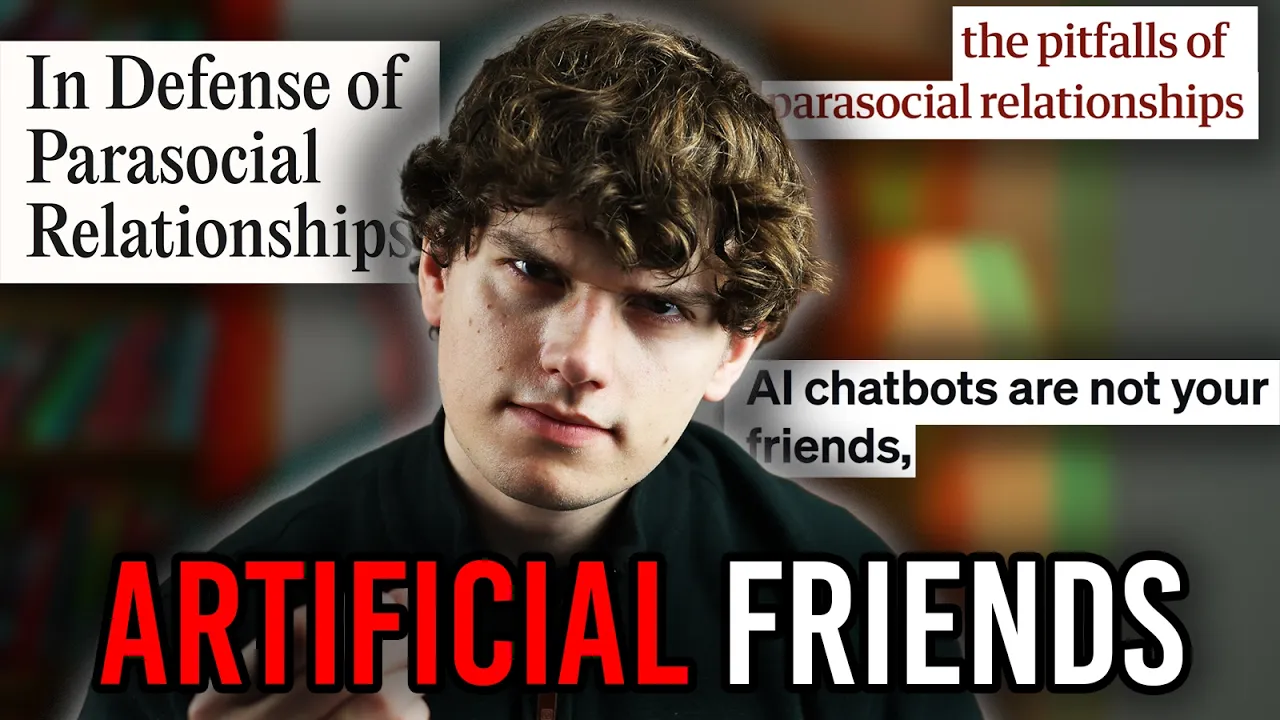
47:46
Parasocial Relationships: Psychological Impact in the Digital Age
@unsolicitedadvice9198
104.9K views•2026-02-04

68:32
Cognitive Skills for Differentiated Instruction | Teacher PD
@BrainWareLearning
631 views•2017-12-17

9:55
Thinking, Fast and Slow: Daniel Kahneman Animated Book Summary
@FightMediocrity
2.3M views•2015-06-05

6:40
The Nocebo Effect: How Beliefs Can Cause Real Harm
@CGPGrey
10.4M views•2013-12-23
Related Study Plans & Knowledge Roadmaps
Structured learning paths in Psychology
psychology
Neuroscience of Creativity: Networks & Training
01Foundations of Creative Cognition
02The Cognitive Neuroscience of Insight & Fixation
03The Triple Network Model of Creativity
+ 1 more learning modules
15h4 modules
Explore Roadmap
psychology
Imposter Syndrome: Etiology & CBT Framework
01Defining the Imposter Phenomenon
02Socio-Developmental Etiologies
03CBT Fundamentals & Thought Distortions
+ 2 more learning modules
15h5 modules
Explore Roadmap
psychology
Adult ADHD: Executive Dysfunction & Scaffolding
01Neurobiology of the ADHD Brain
02The Core Triad of Executive Deficits
03Executive Dysfunction and Emotional Regulation
+ 2 more learning modules
12h5 modules
Explore Roadmap
psychology
Loneliness: Evolution, Neurobiology & CBT
01Evolutionary Origins of Human Connection and Loneliness
02The Neurobiology and Physiology of Chronic Loneliness
03Maladaptive Social Cognition: The Psychological Loop
+ 2 more learning modules
12h5 modules
Explore Roadmap