































In a society where personality ratings determine social and economic status, individuals may sacrifice genuine relationships and personal authenticity for numerical approval, ultimately discovering that true freedom comes from rejecting external validation systems and embracing authentic human connection over algorithmic measurement.
Black Mirror Nosedive: Social Credit & Rating Systems Explored
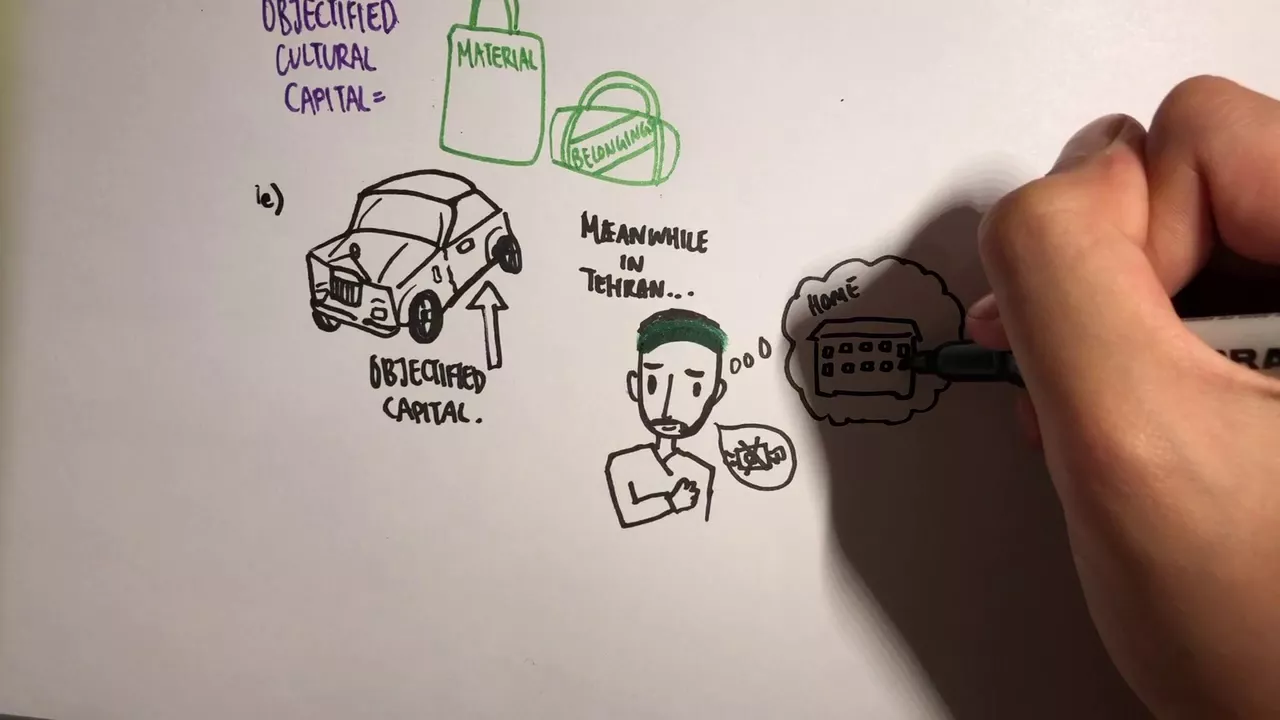
Added:The concept of Social Capital Theory (e.g., Pierre Bourdieu), which explains how social connections, prestige, and networks can be converted into economic and systemic value.
Basic principles of behavioral psychology, specifically operant conditioning, and how gamification techniques like likes, scores, and ratings are designed to influence human behavior.
An understanding of Michel Foucault's theory of Panopticism, which describes how the perception of constant surveillance forces individuals to self-regulate and conform to societal norms.
The fundamentals of algorithmic filtering and profiling, explaining how computer systems categorize, rank, and sort users based on behavioral data.
A comparative analysis of real-world social rating mechanisms, such as China's Social Credit System, Western financial credit scoring systems, and the rating structures of gig-economy platforms like Uber and Airbnb.
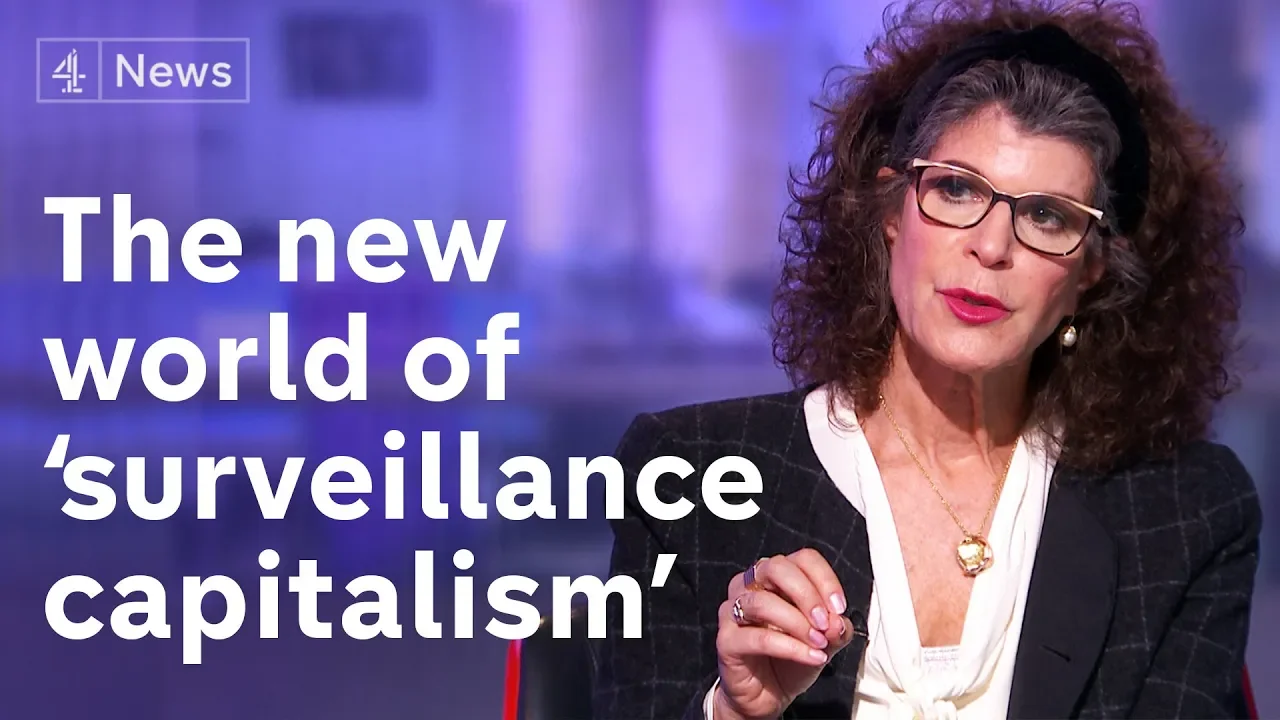
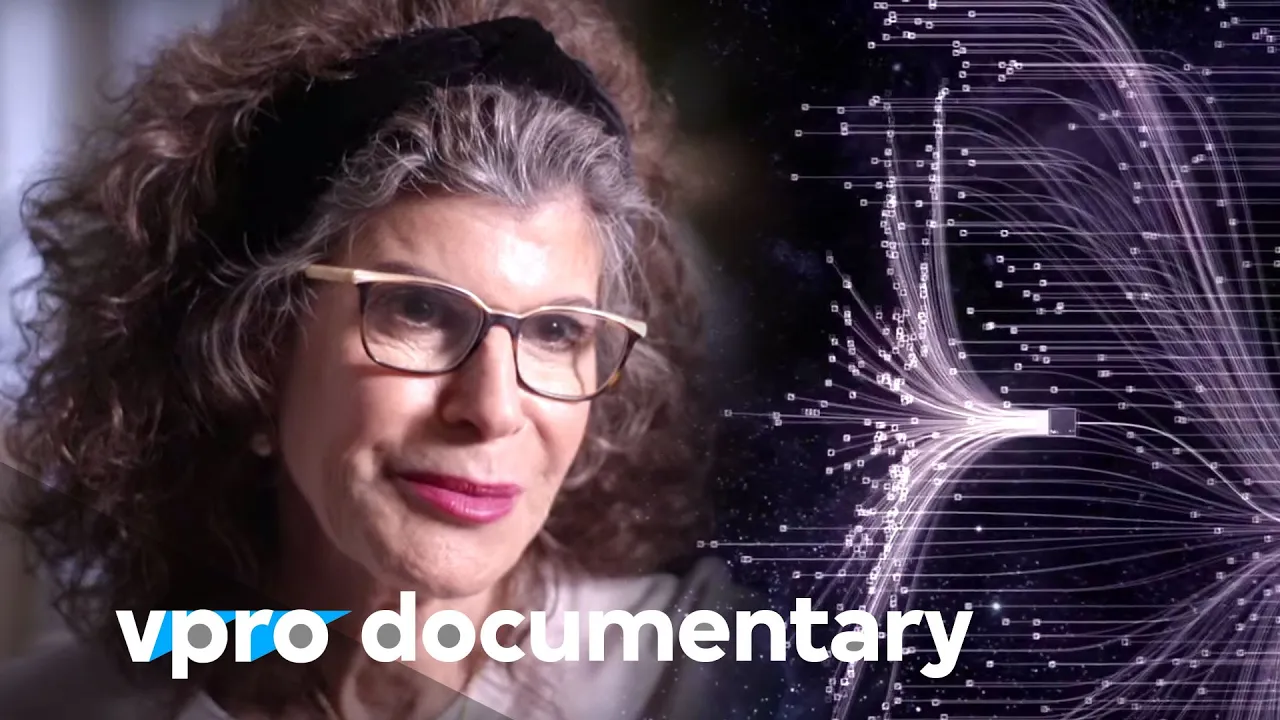
Shoshana Zuboff’s theory of 'Surveillance Capitalism,' exploring how private tech corporations extract personal data to predict and modify human behavior for profit.
The study of 'Affective Labor' and emotional commodification, analyzing the psychological toll on individuals who must constantly perform curated, positive identities for economic survival.
An exploration of digital ethics, platform governance, and legislative frameworks (such as the EU AI Act) designed to regulate biometric surveillance, social scoring, and algorithmic bias.
2.6M views72.1Klikes8:38Original Release: 2021-08-24
Hi, Mystery Recapped here.
Today, I'm going to explain an episode called "Nosedive" from the British science fiction series "Black Mirror."
Spoilers ahead!
Watch out and take care!
The movie sets in a possible near-future scenario, in which society is dictated by a rating system ranging from 1 to 5 stars.
In this kind of society, each individual gives a "rating" to one another, depending on their interactions.
The social and economic position that one has in this kind of society, is determined by that person's overall rating, there are benefits for those with 4 and 5 overall ratings.
On the other hand, those with 1 to 3 overall ratings, receive little to no benefits.
For this reason, inside this society, one must always act positively, or else they will get a low score.
The episode begins with a woman jogging in a suburban village, while holding a phone.
The woman, Lacie Pound, is looking at her phone, inspecting what seems to be postings from other people, which she gives a rating of 5 stars each.
After jogging, she looks at the bathroom mirror and practices all kinds of giggles and laughs.
In her eyes, a faint light can be seen, indicating some sort of technology.
Lacie lives with her brother Ryan, who has a lower approval rating than her, and she is eager to move out.
Lacie then leaves the house to have lunch.
Outside, she buys a coffee with a cookie.
As a response, she gives the clerk and everyone else around her a 5-star rating; everyone else in turn gives her a 5-star rating as well.
Lacie can see each person's overall rating and information through her eyes, and other people can see it as well, including her overall rating of 4.2 stars and other information.
She tries the cookie and coffee—which she did not like—and takes a picture of it afterwards, which she posted online, despite her not liking both.
The picture receives multiple 5-star ratings, and her overall rating goes up slightly.
She goes to work after that.
In the elevator, she meets a woman that she frequently interacts with.
However, the details of their conversation are based only on each other's posts and information, which they could access through their phones and eyes.
After that, Lacie goes to her table to work.
There, she meets a co-worker whose overall rating is low; her co-worker is giving off free smoothies to raise his rating.
Upon taking one and drinking it, she receives low rating.
She notices this and decides not to interact with him anymore.
Soon, she learns that her house is being bought, so she decides to look for a new, more expensive house to live in.
She goes to "Pelican Cove" in an exclusive neighbourhood.
It is an expensive place, but she learns that she needs to raise her 4.2 rating to 4.5 for a discount on this luxury apartment.
She also learns from a consultant that she has to socialize with people outside her circle, particularly those of higher ratings, to raise her ratings quickly.
She tries at first to act friendly to all people, but only receives average ratings.
She then sees her co-worker with a low rating, but he cannot enter the building this time because his low rating does not qualify.
Lacie's co-worker asks for her help, but Lacie ignores him to preserve her rating.
Later, Lacie uploads a photograph of Mr. Rags, a ragdoll that she and her childhood friend made together.
Her childhood friend, Naomi, sees this picture, which prompted her to contact Lacie.
Naomi informs her that she is getting married, and she wants Lacie, her oldest friend, to be her maid of honor, which Lacie delightedly accepts.
Naomi has a rating of 4.8, and has many upper-class friends and lives on an exclusive and idealistic island.
Lacie believes if she nails a perfect maid of honour speech, she will be flooded with enough 5-star ratings, to pull her approval up to the 4.5 she needs.
Her brother finds it strange that Naomi is asking Lacie as her maid of honor, when their relationship was not that great in the past.
Lacie insists that Naomi is her friend, and that her being the maid of honor would definitely raise her overall rating.
Because of this, Lacie prepares for her speech at the upcoming wedding, even practising one last time before leaving for the wedding.
Her brother stops her, wanting her to think about this obsession with ratings, but Lacie already made up her mind.
This leads to an argument between them, ending in giving each other a low rating.
On the way to the airport, Lacie receives low ratings from two incidents, dropping her rating from 4.2 to 4.1.
First, she accidentally bumps into a woman holding a cup of coffee, spilling her coffee; and second, the taxi driver gives her a low rating for being so loud while talking in the phone.
What is worse however, is that her original flight has been cancelled, and she needs 4.2 rating to get a seat on another.
She insists on taking the seat, causing a scene that results in her overall rating going down.
As a precautionary measure, the airport security guard turns her overall rating to 3, which would last for 24 hours.
Additionally, she also receives, as punishment, a devastating "double damage" effect on her rating, which means that all downvotes will incur a double multiplier.
Because she is going to be late to the wedding, she decides to rent a car.
However, she has a low rating and cannot avail of a higher quality car, so she has no other choice, but to rent a car of a much older model.
While driving, she practices her speech as the maid of honor, but her trip is cut short when the car needs to be charged.
She learns that the car, being an old model, needs an adapter to charge.
Because she cannot charge it, she leaves it, deciding instead to walk and hitchhike.
Because she has a low rating of 3, cars avoid her, but eventually, a truck stops by and offers to help.
At first, Lacie is hesitant, seeing that the driver has a low rating, but she agrees later on.
While driving, the truck driver, an older woman, asks Lacie where she was going and why she was going there.
Lacie tells her that she is the maid of honor in an exclusive wedding.
The truck driver tells her that she was once like her: she had an overall rating of 4.6, and she was always aiming to receive a high rating in the belief that it will lead to a good life.
However, her husband got cancer, and she did everything for her husband, even taking him to an exclusive hospital, but he was rejected because his rating was deemed not high enough.
After her husband died, she decided to become honest with everything, learning in the process that her so-called "friends" did not like her honesty that much, so she ended up having a low rating.
However, she says she feels much freer without obsessing over ratings.
Lacie replies that unlike the old woman who got nothing to lose, she still got something to live for.
The trip takes all night, and in the morning, Lacie is awakened by the truck driver, telling her that they must part ways because she is heading in another direction.
As a parting gift, the truck driver informs Lacie that she placed alcohol in her bag.
Then Lacie goes to a nearby toilet and practices her speech again.
She overhears two women talking about a convention; to Lacie's surprise, the convention is near the wedding reception.
After pretending that she is heading to the same convention, she takes a ride with some cosplayers in a van.
Soon after, Naomi contacts her again, telling Lacie not to go to the wedding anymore.
She has heard that her overall rating had gone down to 2, and that she cannot have someone like that at her wedding.
The only reason she invited Lacie was that it would add her ratings exponentially.
Lacie, surprised and heartbroken by this, learns that she is just a number to Naomi; likewise, Naomi responds that she knew Lacie's intention all along, and that is just to accumulate high ratings in the wedding.
In actuality, both of them never saw each other as a friend, but rather as a tool to gain higher ratings.
However, despite this, Lacie still wants to go to the wedding and deliver her speech, to which Naomi responds with a stern "no."
This doesn’t stop Lacie; she decides to trespass and crash the wedding reception.
The cosplayers left her behind after she tells them that she doesn't know about the convention at all.
She drinks the alcohol that the truck driver gave her and stops a few cars, but eventually, she sees a four-wheeler bike and borrows it.
She finally reached the reception by sneaking at the back, but not before falling into a swamp and getting dirty.
After dressing up, Lacie—all dirty and drunk—delivers her speech to the audience, who in response, all gave her a rating of 1.
She reveals that she wants to be like Naomi: someone beautiful, with high ratings, a good circle of friends, and a good life.
She is forcefully removed from the reception and is afterwards put in jail.
The technology in her eyes is removed, and, for the first time, she sees the world without any rating of any kind.
In the adjacent cell, a man is looking at her; Lacie tries to check his information out of habit, but of course, she sees nothing as the technology has been removed from her.
The man insults her, and Lacie replies with an insult as well.
Without any fear of rating, they insult each other to their hearts' content.
The episode ends with both of them shouting at each other, their anger and frustration eventually turning to happiness at this newfound freedom.
Subscribe for more videos like this, turn on notifications, and leave a like to help the channel out.
Thank you for watching.
Up Next
75:40
Childhood Flourishing in the Digital Age: A Conversation
@EzraKleinShow
264.8K views•2025-04-01

26:22
Walking in the City: Urban Rituals and the Flâneur in Contemporary India
@PSBTIndia
1.9K views•2016-08-02

9:49
FastAPI vs Flask vs Django: Choosing the Right Python Web Framework
@TechWithTim
302.5K views•2024-05-26

1:42
Game of Thrones Opening Credits: A Cinematic Analysis
@gameofthrones
46.3M views•2011-04-18
Related Study Plans & Knowledge Roadmaps
Structured learning paths in General & Interdisciplinary Studies
general-studies
Artificial Light: History, Tech & Human Impact
01The Pre-Electric Era: Fire, Oil, and Gas Lighting
02The Incandescent Revolution and Grid Electrification
03Gas Discharge and Fluorescent Illumination
+ 3 more learning modules
14h6 modules
Explore Roadmap
general-studies
Elevator Engineering: History, Physics & Cities
01From Hoists to Safety Brakes: The Dawn of Vertical Lift
02Hydraulic vs. Traction: The Engineering Physics of Elevators
03Modern Speed, Safety, and Algorithms
+ 2 more learning modules
12h5 modules
Explore Roadmap
general-studies
Rubber: Material Science, History & Geopolitics
01Origins of Natural Rubber & Mesoamerican History
02The Chemistry of Natural Rubber & Vulcanization
03The Geopolitics of the Rubber Boom & Colonization
+ 2 more learning modules
12h5 modules
Explore Roadmap
general-studies
Containerization: Evolution, Logistics & Trade
01Ancient Trade & Bulk Cargo: Amphorae to Barrels
02The Industrial Revolution & Cardboard Packaging
03The Containerization Revolution: Malcom McLean
+ 2 more learning modules
12h5 modules
Explore Roadmap