




























Pierre Bourdieu's theory of capital explains that social position is determined by different types of resources: cultural capital (divided into embodied—skills, accent, posture; objectified—material possessions; and institutionalized—credentials like university degrees) and social capital (relationships and connections with influential people). Capital functions as the currency that determines one's position in society, with more accumulated capital providing greater social power and access to opportunities.
Pierre Bourdieu's Theory of Capital Explained | Social & Cultural Capital
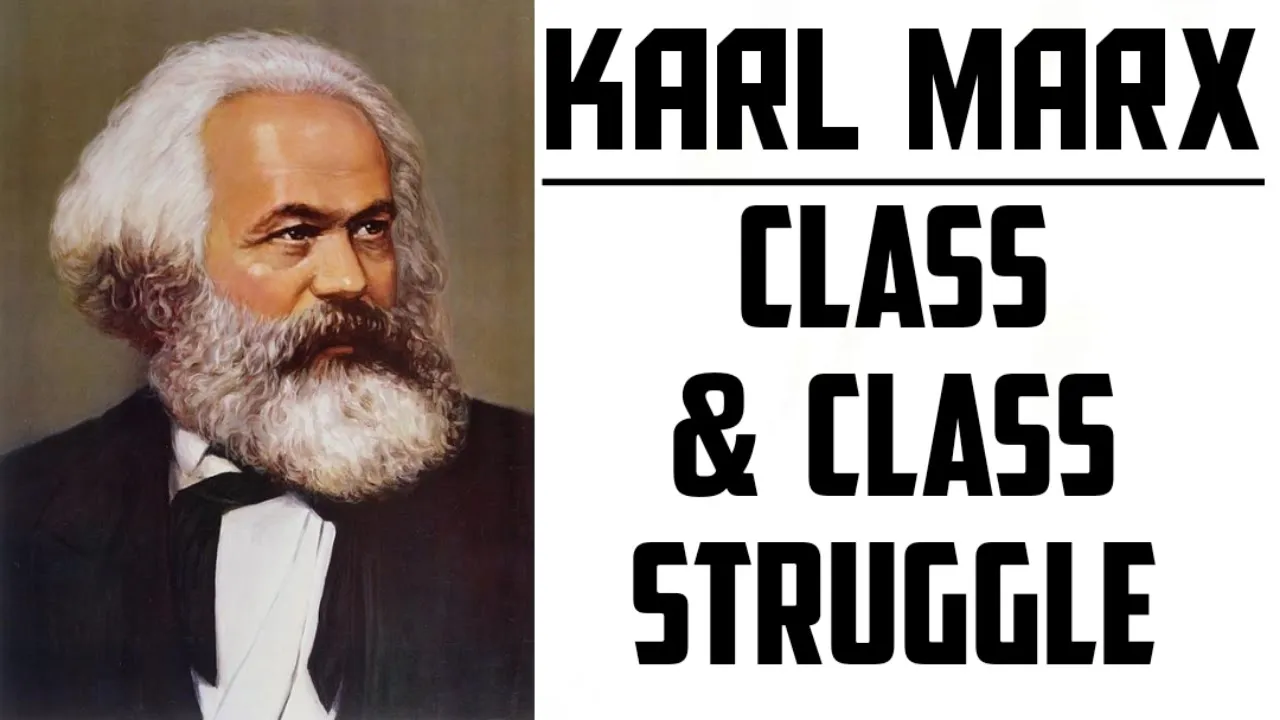
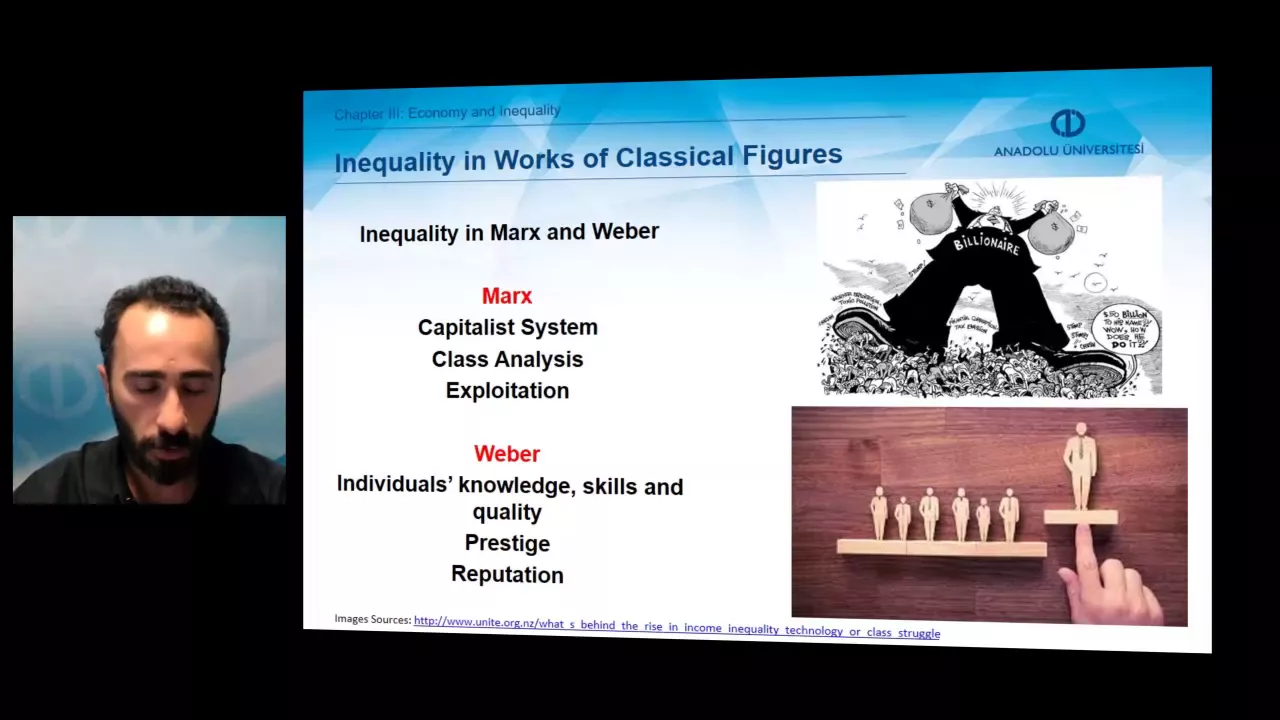
Added:Karl Marx's traditional definition of economic capital and class struggle.
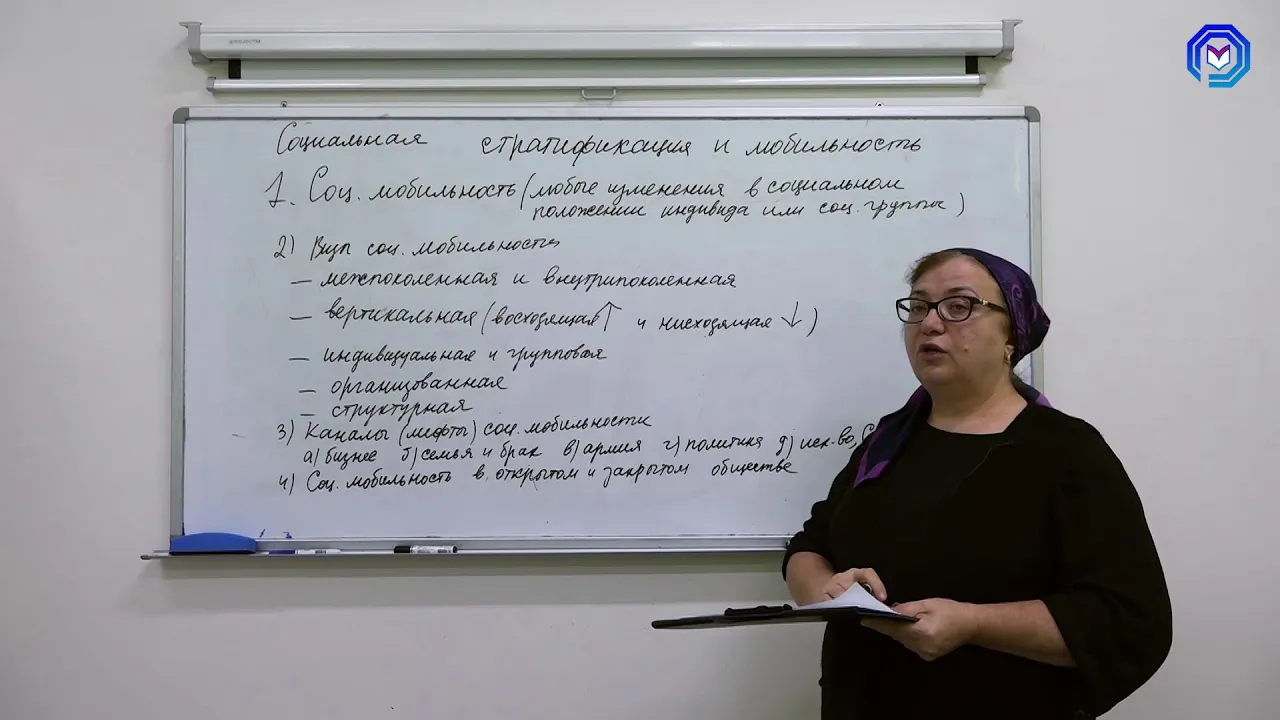
Basic concepts of social stratification, inequality, and social mobility.
An understanding of socialization and how individuals acquire cultural values and norms.
The distinction between structure (social institutions) and agency (individual actions) in sociology and anthropology.
Bourdieu's complementary concepts of 'Habitus' and 'Field' to understand his complete equation of social practice.
The concept of 'Symbolic Violence' and how capital is weaponized to maintain power dynamics and inequalities.
Application of cultural capital to the sociology of education, examining how academic success can reinforce class divisions.
Contemporary critiques of Bourdieu's theory, such as the concept of 'cultural omnivorousness' and the emergence of 'digital capital'.
276.5K views4.2Klikes9:53Original Release: 2017-12-19
pierre bourdieu was born in the year 8 1930 in a rural area of southern france he grew up in a modest household but eventually moved to Paris where he attended the prestigious secondary school the Lisi Louis Legrand and then the even more exclusive and prestigious University the normal superior his life changed when he witnessed the Algerian war which lasted from 1955 to 1958 Algeria was feisty fighting fiercely for their independence from France atrocities were committed for on both sides hundreds of thousands of people died during this time Bordeaux provided a unique view into the conflict by undertaking an ethnographic study of the qabil people once published his ethnography was a huge success and it became the start of his career in sociology and anthropology in ib social and cultural anthropology one of the main theories from Bordeaux that you will need to know is about his theory of capital so what is capital capital is the currency that buys you a higher position in society it is the foundation of social life and it is what decides your role in the social world capital is the result of labor and over time the amount of capital you you can accumulate increases however not all labor for example forms of capital are equal the more time you spend accumulating a form of capital the more valuable the capital is so there are two main types of capital social and cultural capital cultural capital can be described as what you have and what you know badou divided cultural capital further into three subtypes embodied objectified institutionalize cultural capital so first of all we're going to look at embodied cultural capital which is the qualities of your mind or body these include things like the skills that you have your accent dialect posture and mannerisms it also includes your tastes such as your taste in music art and literature embodied culture cultural capital is important because more powerful social classes tend to differentiate themselves from others by how they look and behave therefore you essentially need to buy membership into these classes with embodied social capital in the UK for example people with received pronunciation in other words a posh accent traditionally have higher social prestige because that accent is associated with power money and influence meanwhile and young and defiant in Tehran we saw that young men and men in general are encouraged to express a very significant kind of emotion sadness especially crying since suffering was valued um is valued in their culture since crying and sadness represents and is a symbol of maturity and wisdom next we're gonna look at objectified capital objectified capital are your material belongings that have cultural significance for example a very luxurious car such as the Rolls Royce usually gives you a lot of objectified capital in society however this varies in all societies in young and defiant in Tehran we saw that the PCG the youth moral police in Tehran made sure to present themselves as poor even if they came from rich families they wore they wear ragged clothes eat simple food and drive cheap cars this gave them higher social because poverty is associated with the revolutionaries who were considered heroes and are considered heroes to this day now finally institutionalized cultural capital are symbols of cultural competence and authority so this refers to things like credentials and qualifications even even seemingly small things such as the title doctor can give you a large amount of institutionalized cultural capital university degrees are a powerful form of institutionalized cultural capital going to university gives you things like skills which is a type of embodied cultural capital but this isn't the only benefit to going to university a university degree in itself does add to your capital no matter what where you went and how you got your degree however the more prestigious of a university you went to or go to in the future the more institutionalized cultural capital you received or you will receive it's important to note that when someone shares cultural capital with others they tend to have a feeling of collective identity this happens amongst groups such as the alumni of german-swiss who have the same educational qualification or even amongst the BCG in Tehran who share the same values beliefs the same way of dress and behavior this leads us on to social capital if cultural capital is what you know and what you have then social capital is who you know your amount of social capital depends on your social network you gain social capital in two different ways one by being connected to a lot of people or by having connections with a few people who have a lot of capital in other words being connected to a smaller amount of people who have more power basically your social relationships give you social capital there are two ways that this occurs first of all through the relationships that you make in your own life these are enacted maintained and reinforced through exchanges such as gift exchanges over the holidays or during birthdays this there is a second way for you to build social capital and that is through relationships you inherit this happens when you are born into a family or when you graduate from a same University of someone else so why is social capital important well social capital is important because of several aspects number one groups share their capital so that it becomes part of their collective capital by joining the group you gain access to that collective capital this means you have more overall capital and therefore are more powerful in general when you have more social capital people want to know you more because if they had you in their social network then their own social capital would increase because of their willingness to have a connection with you they want to mate form a connection between you and them easy this means they need to lower their standards so you don't need to spend as much effort into creating and maintaining that social connection with them this makes it even easier for you yourself to grow and maintain your social network and social capital alternatively if you have very little social capital it could be more difficult for you to start and maintain and build on social capital and social connections so what did we tell you guys about today we told you a short biography about Pierre Bourdieu and introduced you to his theory of capital whereby capital is the currency that buys you a higher position in society and hopefully remember that there are two different types of capital social and cultural we're in cultural is separated into three parts embodied objectified and institutionalized we're embodied is about the mind and the body objectified is material belongings and institutionalized are symbols of cultural competence and authority whereas on the other hand social capital is mainly about the connections that you have and who you know and how powerful these people are however these aren't the only species and types of capital that board you came up with these are two there are two more symbolic and economic however we won't go too much into those there are also very important theories such as his theory on habitus and fields if you're interested in his work you should check those out as well thanks for listening
Up Next

24:51
Haitian Vodou: History, Beliefs, and Rituals Explained
@ReligionForBreakfast
565.9K views•2021-08-25

38:41
Astrobiology Through an Anthropological Lens: Field Insights
@georgiatechastrobiology
128 views•2021-04-14

4:45
Proxemics Explained: The Study of Personal Space
@Vox
536K views•2016-07-05

10:38
Psychology of Internet Trolling and Pranks Explained
@AzzyLand
10.7M views•2017-12-20
Related Study Plans & Knowledge Roadmaps
Structured learning paths in Anthropology
anthropology
Space Anthropology: Analogs, Culture & Habitats
01Foundations of Space Anthropology & Cosmic Imaginaries
02Extreme Isolation & Micro-Societies in Orbit
03Space Analog Habitats & Earth-Based Simulations
+ 2 more learning modules
15h5 modules
Explore Roadmap
anthropology
Legal Anthropology: Customary Law & Pluralism
01Foundations of Legal Anthropology and Social Justice
02Legal Pluralism: Coexisting Legal Systems
03Customary Law and Indigenous Dispute Resolution
+ 2 more learning modules
15h5 modules
Explore Roadmap
anthropology
Global Tourism: Gaze, Authenticity & Heritage
01Introduction to the Sociology of Tourism
02The 'Tourist Gaze' (John Urry)
03Staged Authenticity in Tourism
+ 3 more learning modules
14h6 modules
Explore Roadmap
anthropology
Modern Kinship (ART, Adoption & Chosen Family)
01Foundations of Kinship and Family
02Assisted Reproductive Technologies (ART) & Relatedness
03Transnational Adoption and Global Kinship
+ 2 more learning modules
12h5 modules
Explore Roadmap