Space Anthropology: Analogs, Culture & Habitats
Learning Goal: Apply anthropological frameworks to the study of outer space exploration to analyze how extreme isolation, space analog habitats, and orbital infrastructures shape human sociality, cultural adaptation, and cosmic imaginaries.
- Prerequisites: None (an introductory background in social sciences or sociology is helpful but not required).
- Estimated Total Study Time: 15 Hours (including video lectures, recommended academic readings, self-study, and activities).
Module 1: Foundations of Space Anthropology & Cosmic Imaginaries
Understand the emergence of space anthropology as a distinct academic subfield. This module explores how traditional cultural frameworks apply to extraterrestrial environments, how humans construct cosmic imaginaries, and the historical-cultural roots of our drive to explore the cosmos.
Recommended Videos
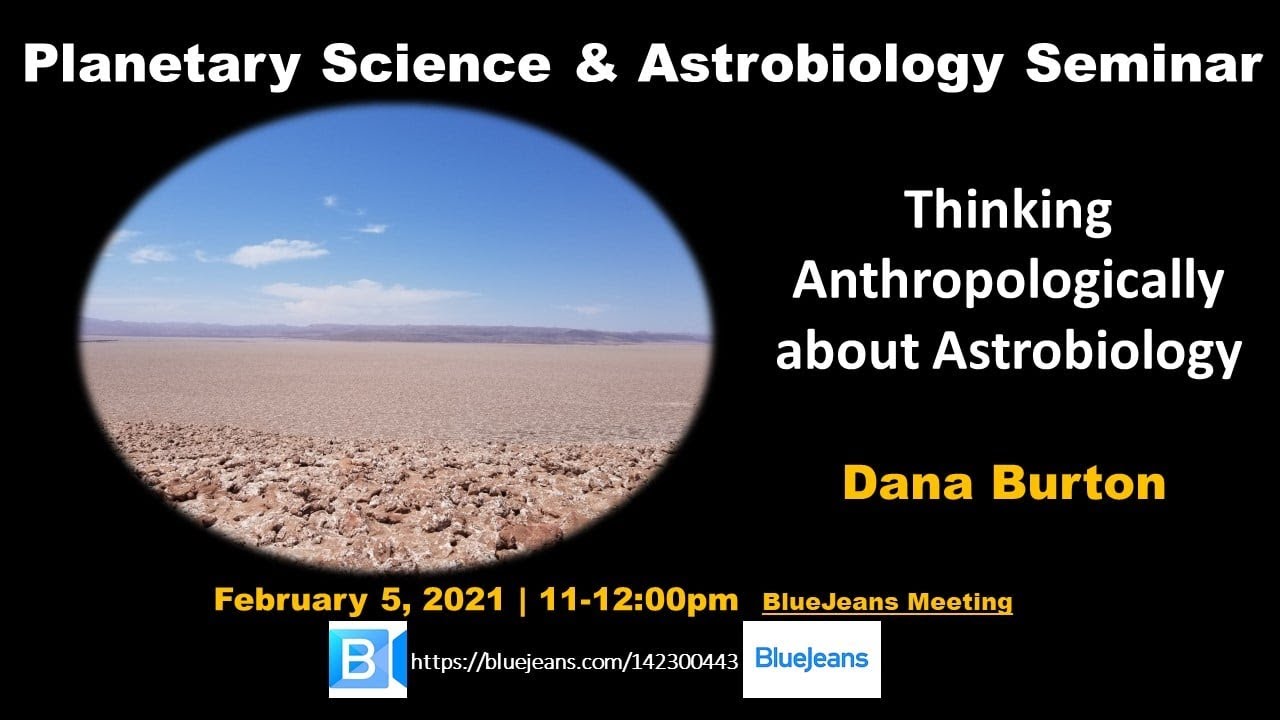
Why this video: This snippet introduces Dana Burton, an anthropologist researching astrobiology. It provides a rare direct glimpse into how professional anthropologists define the field, focusing on how human institutions make sense of potential extraterrestrial life.

Why this video: Adeene Denton, a planetary scientist and geophysicist, looks at space through a humanistic lens. She argues that space flight historically strips away human culture to focus purely on engineering. Denton shows why art, dance, and leisure are not optional luxuries but biological and cultural necessities for long-duration space survival.

Why this video: Dr. Deana Weibel discusses how anthropologists enter this specialized field. She explains how space exploration acts as a form of pilgrimage, introducing concepts like the "Ultraview Effect" and showing how religious frameworks can help us understand human views of the cosmos.
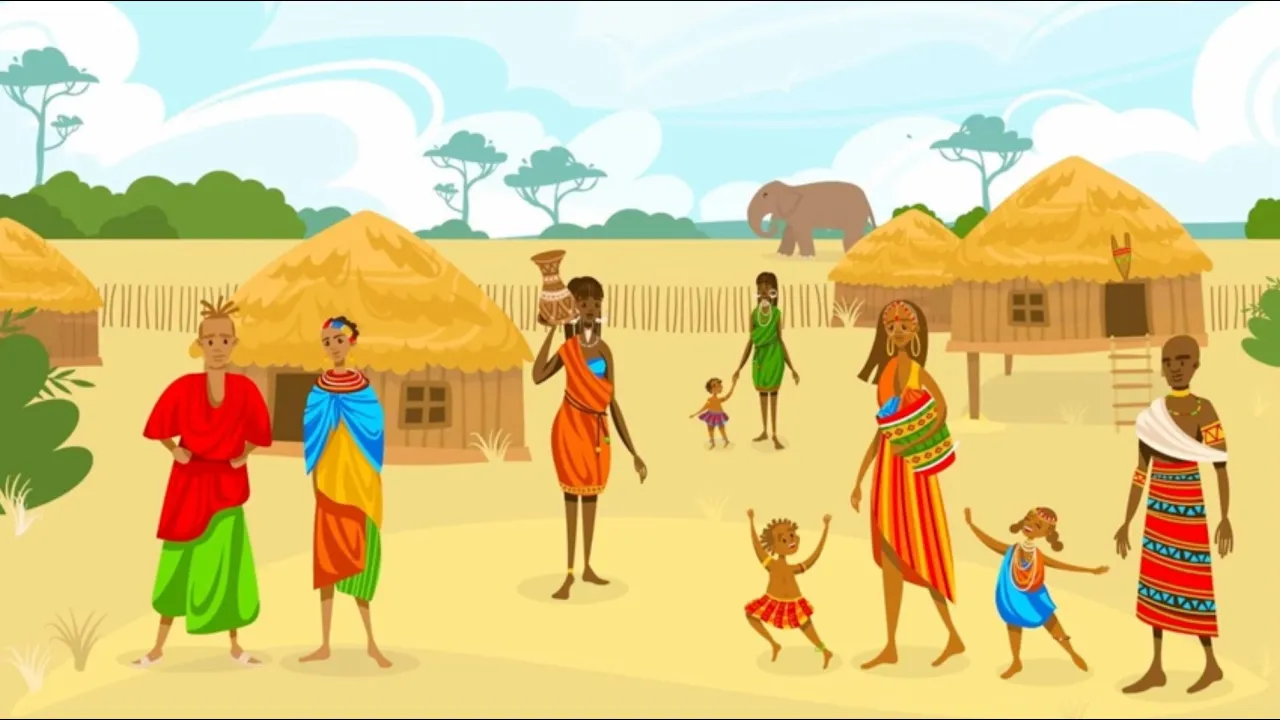
Why this video: To study space anthropology, you first need a solid footing in general anthropology. This video reviews the four classic subfields: biological anthropology, cultural anthropology, archaeology, and linguistic anthropology. It shows how these tools apply to humans transitioning to orbital environments.
Curriculum Gap Acknowledgment & Self-Study Guide
- The Gap: While the videos above introduce speculative culture and pilgrimage frameworks, YouTube lacks a comprehensive, multi-hour academic lecture defining the history and theory of "Space Anthropology" (or "Astroeanthropology").
- What to Search For Independently: To fill this gap, use academic databases (like Google Scholar) or university catalogs. Look up lectures or articles with these search terms:
- "Anthropology of outer space social science"
- "Lisa Messeri Anthropological perspective on exoplanets"
- "Valene Smith Astroanthropology pioneering papers"
Module 1 Knowledge Checkpoint
- Define the term "astroanthropology" and state when it first emerged as an academic interest.
- Explain how the "four subfields" of anthropology (biological, cultural, archaeological, and linguistic) can be adapted to study human off-world migration.
- Describe the "Ultraview Effect" and explain how it differs from the traditional "Overview Effect" described by astronauts.
- Analyze the functional role of expressive culture (like art, dance, and music) in maintaining psychological stability and social cohesion on a long-duration space voyage.
Module 2: Extreme Isolation & Micro-Societies in Orbit
This module examines how humans adapt socially to life in extreme, confined, and microgravity environments. Students will analyze the social dynamics, communication protocols, command structures, and emergent micro-cultures of crews living on the International Space Station (ISS) and in historic space missions.
Recommended Videos
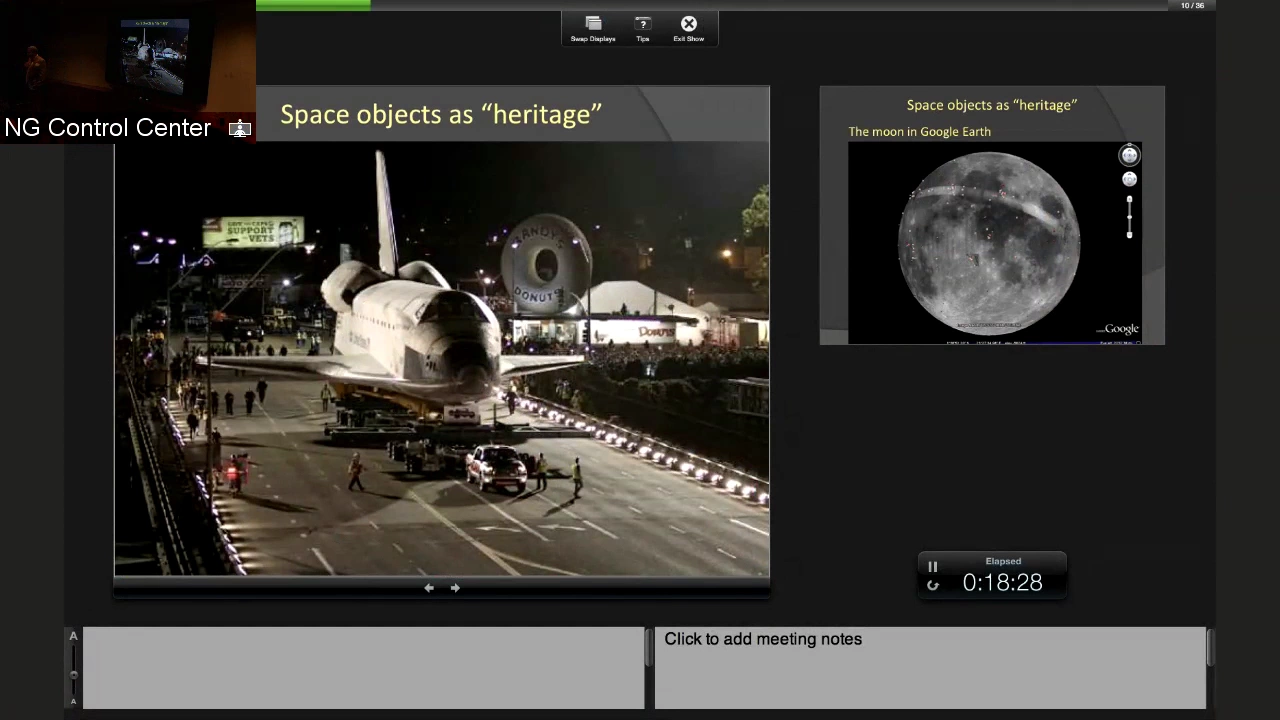
Why this video: This video introduces the International Space Station Archaeological Project (ISSAP). It explains how researchers treat the ISS not just as a laboratory, but as a "microsociety" and a "mini-world" of continuous human habitation. It details how physical items reveal how a multi-national crew builds an orbital culture.

Why this video: This video focuses on the psychological and sensory effects of long-term isolation. It looks at how sensory deprivation and separation from Earth disrupt time perception, cognition, and mental stability—key factors that shape crew dynamics on deep-space voyages.

Why this video: This official broadcast of a Change of Command ceremony shows space rituals in action. It highlights how crews establish pseudo-familial structures, manage hierarchical transitions, and build a unique international community in orbit.
Curriculum Gap Acknowledgment & Self-Study Guide
- The Gap: Public space videos often focus on the daily physics of zero-g (like how to use the toilet or float) rather than the complex social systems, interpersonal conflicts, and power dynamics that occur during long-duration confinement.
- What to Search For Independently: To find deeper academic and ethnographic material on ISS crew dynamics, search for:
- "International Space Station Archaeological Project ethnography"
- "Sociology of astronaut crews in confinement"
- "Jack Stuster Bold Endeavors: Lessons from Polar and Space Exploration"
Module 2 Knowledge Checkpoint
- Describe the primary objectives of the International Space Station Archaeological Project (ISSAP) and how it treats the ISS as a microsociety.
- Detail the physical and psychological effects of long-duration sensory deprivation on an astronaut's time perception and cognitive health.
- Explain how ritualized ceremonies, like the ISS Change of Command, help manage structural transitions and support social harmony in a multicultural crew.
- Define "confinement-induced regression" and explain how sub-groups can form in isolated environments, potentially leading to friction with ground control.
Module 3: Space Analog Habitats & Earth-Based Simulations
This module explores earthbound analog environments—such as Antarctica, the HI-SEAS habitat in Hawaii, and Biosphere 2 in Arizona—as scientific and sociological testing grounds. We will study how these simulated habitats help us analyze human behavior, social friction, and survival strategies for future bases on the Moon and Mars.
Recommended Videos

Why this video: Jane Poynter gives a first-person account of living inside Biosphere 2 for two years. She discusses the ecological challenges, oxygen drops, and social struggles that occurred among the eight biospherians. This makes it an essential case study for understanding closed ecological life-support systems (CELSS).
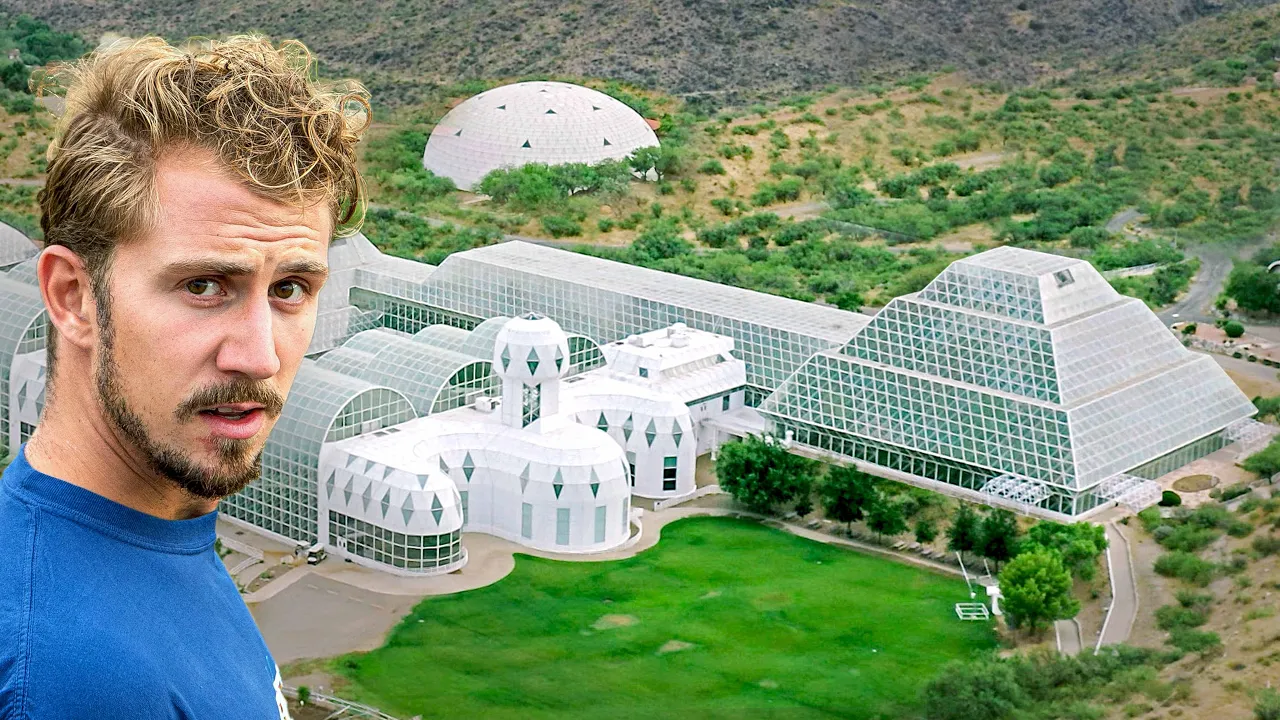
Why this video: This video tour of Biosphere 2 focuses on its architecture and design. It explains the project's background and shows how the physical environment was engineered to mimic Earth's ecosystems. This context is vital for understanding how design choices can affect human psychology and social dynamics.
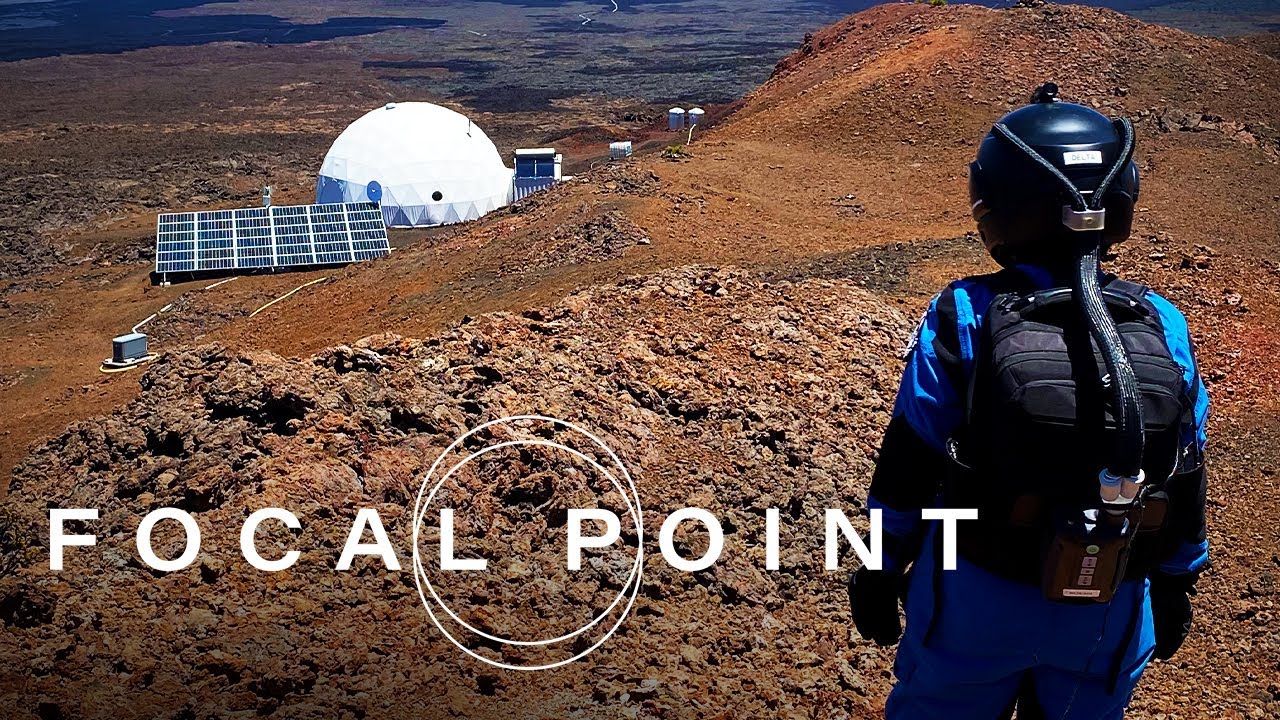
Why this video: This video focuses on the HI-SEAS habitat on Mauna Loa, Hawaii. It shows how researchers use volcanic isolation to simulate Mars missions. It details how scientists study crew communication lags, isolation stress, and social dynamics.

Why this video: A quick but insightful clip of NASA engineers explaining why they run analog missions in extreme places like Antarctica and deserts. It covers how these environments help us understand human factors, equipment durability, and habitat design.
Module 3 Knowledge Checkpoint
- Explain how Biosphere 2 was designed as a prototype for space settlement, and identify three biological or systemic issues that occurred during its two-year mission.
- Contrast how closed-loop ecological life-support systems (CELSS) and open-loop supply systems differ in their demands on crew labor and resource management.
- Define the term "space analog" and list three distinct Earth environments used to simulate conditions on the Moon or Mars.
- Discuss the sociological factors that caused crew division and "factionalism" during the Biosphere 2 project, and explain how future mission planners can prevent these issues.
Module 4: Orbital Infrastructures & Space Archaeology
This module analyzes the material culture of space exploration. It applies archaeological theories to human-made objects in orbit, studying how space station architectures shape social behavior and examining the cultural heritage value of space debris and abandoned lunar landing sites.
Recommended Videos

Why this video: Dr. Alice Gorman ("Dr. Space Junk") introduces the core ideas of space archaeology. She argues that items like obsolete satellites, space debris, and orbital rubbish are not just trash, but crucial parts of human cultural heritage that tell us how our relationship with space has evolved.
Why this video: In this talk, Dr. Gorman explores the cultural, historical, and geological impacts of proposed lunar mining. She argues for protecting historic sites like Apollo landing spots from industrial activity, explaining why preserving lunar heritage is vital for humanity's shared cultural memory.
Why this video: This segment highlights the scientific results of the ISS Archaeological Project. It explains how archaeologists analyzed designated work zones on the space station to show how crews repurposed physical spaces and adapted tools for tasks they weren't originally designed to perform.
Module 4 Knowledge Checkpoint
- Define "space archaeology" and explain why human-made orbital debris can be classified as cultural heritage.
- Describe the methods used by the ISS Archaeological Project to study space-station life without physically visiting the station.
- Identify two ways that orbital habitats (like the ISS) must be designed differently from planetary surface bases to support healthy human social interactions.
- Explain the ethical and preservation arguments for protecting lunar heritage sites (such as the Apollo 11 landing site) from industrial commercialization and mining.
Module 5: Decolonizing Space & Speculative Futures
This module examines the ethics, language, and politics of future human life in space. It critiques colonial terminology like "colonizing" and "conquering" Mars, introduces Indigenous cosmic worldviews, and addresses the ethical issues of human labor, governance, and resource distribution beyond Earth.
Recommended Videos
Why this video: Astrophysicist Erika Nesvold presents a detailed look at the ethics of settling space. She asks critical questions: Who owns space resources? How will laws, criminal justice, labor rights, and reproductive choices be managed on remote planetary settlements?

Why this video: Gamilaraay astrophysicist Karlie Noon critiques commercial space exploration and corporate plans to colonize outer space. She offers alternative Indigenous perspectives that emphasize environmental stewardship, sustainability, and treating the cosmos as a shared home rather than a resource to exploit.

Why this video: This panel discussion explores why we need to change how we talk about space exploration. It critiques colonial terms like "colonization," "settlement," and "the final frontier," showing how these frameworks can bring terrestrial inequalities and biases into our plans for space.
Module 5 Knowledge Checkpoint
- Explain how calling space "the final frontier" reflects historic colonial attitudes, and suggest three non-colonial alternatives for describing human space exploration.
- Contrast corporate, market-driven space settlement with Indigenous cosmic worldviews that emphasize environmental stewardship.
- State three major ethical issues related to labor rights, medical emergencies, and justice in a corporate-run space habitat.
- Define the term "space environmentalism" and explain how it applies to both Earth's orbital debris crisis and the preservation of the lunar surface.
Course Map
This flowchart shows how the modules link together. It is highly recommended to follow this order, as earlier concepts build a foundation for later topics.
Key People Index
This index lists the key researchers, scientists, and educators featured in this curriculum:
- Dr. Alice Gorman ("Dr. Space Junk"): An associate professor at Flinders University and a pioneer in space archaeology. She studies space debris, orbital material culture, and lunar heritage.
- Erika Nesvold: An astrophysicist and author of Off-Earth: Ethical Questions and Practical Answers for Deep Space Colonization. She is also the co-founder of the JustSpace Alliance.
- Karlie Noon: A Gamilaraay astrophysicist and science communicator who focuses on Indigenous astronomy and critiques colonial structures in modern space exploration.
- Dr. Deana L. Weibel: An anthropologist of religion at Grand Valley State University. She studies the intersection of religion, aerospace culture, and pilgrimage.
- Jane Poynter: An aerospace executive and one of the original eight biospherians who spent two years inside Biosphere 2.
- Dana Burton: An anthropologist researching how astrobiologists conceptualize life, biosignatures, and scientific discoveries.
- Dr. Adeene Denton: A planetary geologist and historian of science who studies how physical movement, dance, and human art can adapt to low-gravity environments.
Final Self-Assessment
This comprehensive self-assessment covers all the material in this curriculum. Try to answer each question before checking it off:
- I can define space anthropology and identify its main areas of study.
- I can describe the "Overview Effect" and contrast it with the anthropological "Ultraview Effect."
- I can explain the goals, methods, and key discoveries of the International Space Station Archaeological Project (ISSAP).
- I can discuss the psychological, sensory, and social effects of isolation and confinement on a multicultural crew.
- I can outline the history of Biosphere 2 and explain why its social and systemic failures are useful for future space habitat design.
- I can describe what Earth-based analogs (like HI-SEAS and Antarctica) teach us about human behavior during long missions.
- I can analyze space debris and obsolete satellites as material culture using archaeological frameworks.
- I can explain why preservationists want to protect historic lunar landing spots from commercial development and mining.
- I can critique colonial language (like "colonizing" and "conquering") in current space media, and suggest alternative terms.
- I can discuss how Indigenous worldviews can offer more sustainable, collaborative models for outer space exploration.
- I can identify three key ethical issues (such as labor, legal, or reproduction concerns) that future off-world settlements must address.