







![KSP: Building The CANCELLED Soviet Space Station! [Mir 2]](https://i.ytimg.com/vi/dzpz_Sd7B30/sddefault.jpg)










NASA engineers are developing advanced inflatable and expandable habitat systems for lunar and Mars missions, balancing innovative technologies with proven heritage systems to ensure reliability; these habitats must address critical challenges including radiation protection, thermal management, power generation, life support systems, and dust mitigation while maintaining strict mass constraints for launch vehicles.
NASA Habitat Engineers: Designing for the Moon and Mars
Added:Fundamental differences between Earth, Moon, and Mars environments, specifically atmospheric pressure, gravity levels, temperature extremes, and radiation exposure.
Basic principles of Environmental Control and Life Support Systems (ECLSS), including oxygen generation, carbon dioxide removal, and water recycling.
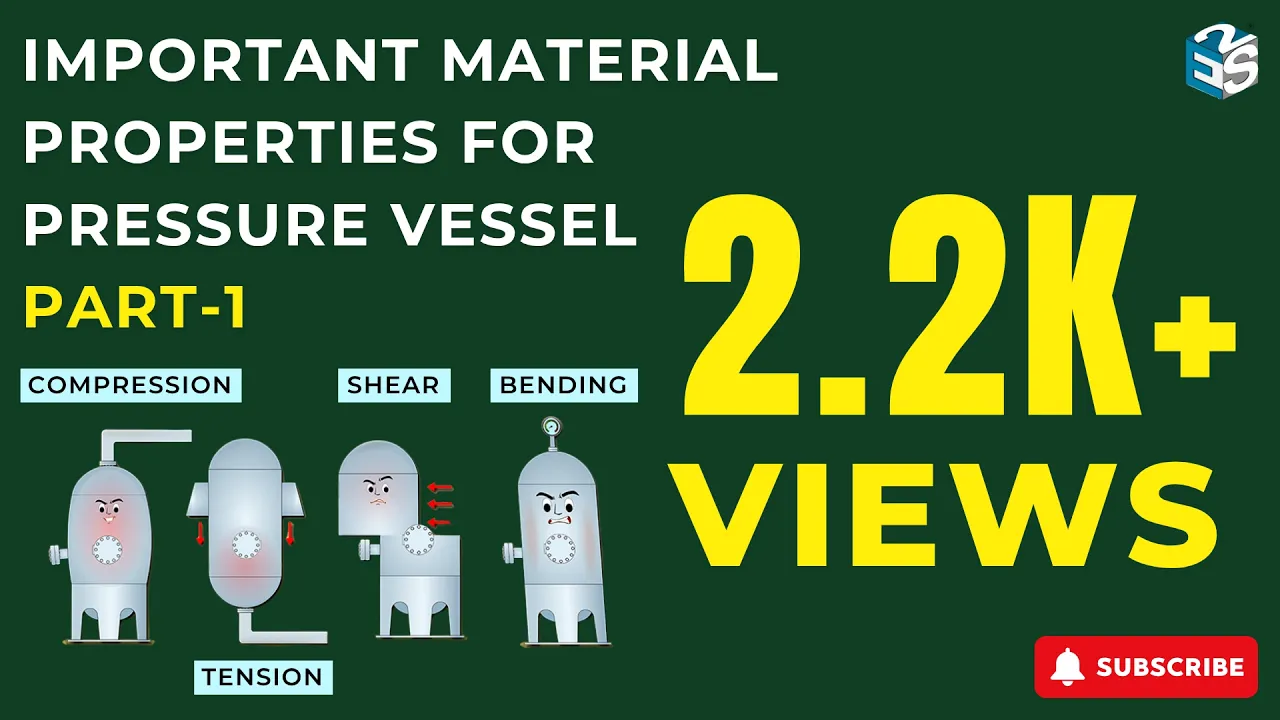
Basic structural engineering and materials science concepts, particularly pressure vessel design, tensile strength, and the differences between rigid and inflatable structures.
The constraints of space logistics, specifically payload mass and volume limitations of current and near-future launch vehicles.
In-Situ Resource Utilization (ISRU), focusing on how lunar and Martian regolith can be used for 3D-printing habitats and radiation shielding.
Bioregenerative Life Support Systems (BLSS), exploring how plants, algae, and microbes can be integrated into habitats for long-term food production and waste recycling.
Human factors and habitability design, studying the psychological and physiological impacts of long-duration confinement and isolation on crew dynamics.
Terrestrial spin-off applications of space habitat technology, such as sustainable off-grid housing, disaster-relief shelters, and deep-sea exploration vessels.
44K views2.1Klikes2:05:55Original Release: 2022-05-22
[Music] pressure looks good [Music] yikes you bet concur we don't need any more of these i'm always scared to say something at the beginning in case i say something but it's like no words come out you don't hear it but you see that i'm talking that's why there's always a little bit of a hesitation there but let me know if you can hear me john galloway for nasa space flight and with the intrepid museum and virtual astronomy live and all the different things that we do here kerbal space academy there's lots of stuff we do give me some five by fives in chat wherever you're watching from right now to let me know that we are ready to start the show like i mentioned it's time for another one of our cool partnered broadcasts where we are going to do a virtual astronomy live with intrepid museum a little bit of a disclaimer not a lot of astronomy happening today it's an old sort of holdover from the original in-person events where they would actually have cool telescopes out on the deck and people could come listen to a cool speaker and then they could go out on the deck of the aircraft carrier that's now a museum in new york city etc etc um and actually look at the moon and stuff and that was always the astronomy night events and when we went to the virtual sort of format we continued calling it virtual astronomy live but i'm not going to be looking through a telescope today uh i'm seeing five by fives on twitch i'm seeing it over here on youtube i see it on facebook i see it on the other youtube channel this is like five or six different places we're sending the stream today so wherever you're watching from thank you so much for joining us again this is virtual astronomy live it is a monthly uh virtual event that we do with intrepid museum we've been doing it for over two years now and we come up with different cool guests we get astronauts we get engineers that design things we had the guy that flies the mars helicopter on here a couple months back we always come up with new interesting things to cover once a month and well it's that time of the month it's time for us to do the show here it looks like everything is going correctly you all don't actually need to read this this is just here behind me to show what the show is supposed to be but like read the thumbnail or something you've been staring at this for like an hour now so uh let's see here we're gonna do a little bit of a pre-show just making sure everybody has time to get in but it looks like it's time for us to bring up our i don't even want to call it a pre-show anymore likes to start the show with our friend i'm going to click here elisa siegel with the intrepid museum she's the producer of public programs out at the museum alicia talk hi let's see if they can can you hear me i think i think they can hear me give me some 5x5 look it's like you've seen the show before or something maybe once or twice i don't know kind of um nice we have the alicia fan club in chat already it looks like love you all thank you excellent uh we've got a really cool show to talk about today and we're gonna kick it off talking about some of your experiences at cape canaveral that's right oh i'm so excited for this particular pre-show guys uh so i had the opportunity to participate in the latest nasa social out at kennedy space center so today we are going to be talking all about that experience but but before we get into that i do have to make a quick shout out to the late great scott carpenter of the mercury seven who is actually believe it or not part of the reason why i am even on here today talking with you all in just two days we are celebrating the 60th anniversary of scott carpenter's historic mercury atlas 7 mission in which he rode his capsule aurora 7 up into space for about five hours before infamously coming back down really really off course and his particular mission had a lot of scientific experiments on it he was eating solid foods he was studying things like atmospheric drag and liquids and photography in space among a lot of other things but during his trip very famously something happened maybe he was going on a joyride maybe he just accidentally bumped his control stick too much maybe he got distracted but for some reason he ended up coming back on re-entry about 250 miles off course from where he was supposed to be the whole world waited crossed their fingers and eventually they did find him after about an hour um but as luck would have it it was in fact the uss intrepid that sent recovery helicopters to pick him up and take him back to cape canaveral so this was actually the first of two very special spacecraft recovery operations that the intrepid participated in during the space race and it is of course why today we are a sea air and space museum so just want to say happy 60th anniversary to that historic mission uh something that is you know also kind of in a way tying into unusual otherworldly habitats too though uh for our mission uh our mission our mission our show today our mission for our show today yes um though is that scott carpenter was actually sidelined from future missions because of that event so in 1964 he ended up leaving the space program all together and joining navy's sea lab program which involved living in an underwater habitat for a while um but that's you know a whole other show a whole other story this is actually like if you go to the museum there is a replica mock-up capsule like hanging off a crane on the side right there's a little window and you can go up you're on the the flight deck like not or on the hanger deck and you go up to the on the hanger deck and there's like a little window in a little hidden alcove and if you look out of it there's like a capsule hanging in there and you're like what's this there's a little plastic that's the gemini capsule because we also picked up gemini excellent so intrepid uh not just a generic museum that we do stuff with not only do you have the enterprise on the deck i mean that's pretty cool too it's kind of cool i mean it's you know um there were some actual space missions that intrepid was out there in the ocean uh assisting with recovery or assisting with recovery primary recovery anyways we have like 15 000 pictures from your nasa social experience yeah okay so let's get to that that's the fun stuff too right it is it's quite fun all right so just as an overview for those of you who aren't familiar nasa social is this amazing exclusive opportunity for space influencers on social media to get a really behind the scenes look at some inner workings of nasa around specific events um and uh dos i believe you also had the opportunity to attend one of these i did yes back before i knew nasa's space flight i uh randomly signed up and i'm like hey i play kerbal and love space can i come to your social and they somehow somebody messed up that day and let me go so yeah actually and you never know some of the other people who participated in this one come from all walks of life i mean there's a lot of photographers obviously um a lot of you know just people on tick tock and stuff but also like artists there was uh somebody who actually designs beer labels and like murals and stuff so she's gonna be using this to inspire that it's it's fascinating no kidding that's like a headline on it because a lot of people are like oh i'm not big enough i don't have enough followers or whatever and i always encourage people to apply like even if you've got 200 followers or whatever apply make the case for yourself i love it i tell everybody about it yada yada and it doesn't mean that you have to have 30 000 people following you in order to get in yeah you never know you never know and this one actually um was the first one back on site since the pandemic right um and it was all themed around crew 4. so the crew 4 launch at kennedy space center which just happened last month that was these nerds yes we had unbelievable access to you know the the facilities we got to meet nasa experts um and you know of course actually attending not one but two launches from the press site because starlink happened to uh have a launch going up while we were there too so we got really really lucky for that you lucked out you were supposed to go to one launch yeah and then that launch got slipped back but then another launch happened to happen and you got to see two launches on one social yes so that's a great point for those who might not have been following crew 4 as closely as i was that particular launch had a number of delays because they kept having to keep pushing back the arrival of the axiom crew they were still up on the iss and in a nutshell what i tell people is there just weren't enough parking spaces up there nice so they had i mean it's true right so they had to leave before crew 4 could go up and dock so it was actually kind of a nail biter for all of us a lot of delays um there were a lot of high winds at the cape so they were worried about axiom coming back down and landing safely so i will say if you do ever get a chance to do a nasa social make sure that your tickets are extremely flexible and cross your fingers that everything goes according to plan because my trip was supposed to be three days and it ended up being about a week it's like the gilligan's island tour of like watching rockets like it's just supposed to be three hours and you end up out there for a week yes but i can't complain because i got to do a lot of really amazing amazing stuff so yeah that picture that you pulled up there that was me first day all right got our press credentials we started off with 32 of us actually i believe 50 had been accepted but because of delays even before it started only 32 of us could make it for that first day um so we were there we had some social media representatives from nasa headquarters and kennedy uh and of course our wonderful bus driver and our tour guide greg who has uh he was a long time employee of nasa so gave us lots of fun behind the scenes stories too uh our first stop here as you can see this side here we go um this is the nasa news center at the press site um this is where they have the auditorium where all the big press conferences are and they let us sit there in the seats where the press sits and also we got to sit behind the desk look at me oh my gosh uh where the astronauts and the administrators get to sit during the broadcast too and then also we got to tour the broadcast control room yeah in the back where all of those live feeds are streamed from uh and meet you know a ton of just those hard-working people who make the broadcast possible that we also like to watch if you're not watching nasa's space there's like a pile of cables there like i i associate like i identify with these guys that have like a pile of cables on the side of the room you're having ptsd looking at cables aren't you it looks like they were nice and neat uh yeah yeah but these guys are amazing they work so hard and everything that you see on the nasa broadcast comes through these rooms here um so while we were in there though we also got to hear from some experts they gave us some updates about iss operations and logistics you know they told us about the parking spots basically um we also got to learn a bit about some of the science experiments that were happening up on this mission so um they're manufacturing artificial retinas and smart tech shirts that are going to help to test out crew biometrics for future missions so things like going to mars uh and then also appropriately for tonight too they were studying uh or today i should say cons construction alternatives for building habitats so the way that certain materials kind of set up in microgravity testing out their strength and that sort of thing so it's not just like you go to the social and then it's like okay everybody sit down and watch the launch okay let's leave like you're going to go all the way down there people travel from all over to the cape and then they have like a whole list of stuff that you get to see not just the launch actually filled some extra time here on this one with the slips but uh it's so cool that you get to like walk into the nasa newsroom and stuff yeah and again the people who were talking to us were really it's all about educating our followers too right so yeah we got to do a lot of cool stuff but we also want to convey this information to you um one of the things actually that really stood out for me and specifically regarding you know the space shuttle which is you know why i'm here um is also that the the sls rocket so when you see that and you'll see a picture of that later on um that orange that big orange fuel tank right might kind of remind you of oh you jumped ahead i jumped ahead sorry i kind of remind you of the big uh liquid fuel tank for the space shuttle too right so what's actually very cool that i didn't realize is that that's actually all foam yeah and it's uh it's a foam insulation that they use the same type of thing that they used for the space shuttle um and the color itself is actually created by oxidation so because the different areas of the foam oxide oxidize at different rates depending on how old it is or the sun exposure or what have you you look at that picture it's actually got tan lines i think i can zoom in yeah there you go yeah there's actually tan lines from where it was like held which is so fascinating um you know we do always tell our visitors they used to paint it white they painted it white for the first couple of uh shuttle missions and then they realized that is just adding so much weight that's scary they don't care what color it is but i just love that it's got tan lines it's got tan lines it says that's what they said it's literally what it is it's a sophie i think they call it sophie the spray on foam installation because everybody loves their acronyms with nasa right oh they do and speaking of acronyms actually the next thing we got to go visit was the vab the vehicle assembly building there i am in front of it uh this was an unforgettable experience i have never been in a building quite like this um this is the building where historic rockets like saturn 5 space shuttles sls obviously that are gonna take us back to the moon um were assembled for launch and it is impossible to convey just how big it is in pictures but i'm going to try here with this video nice um this is the largest one-story building in the world by volume yes 525 feet tall and for new york viewers to give you a sense you can fit three empire state buildings inside of the vad uh and actually what's even cool is that the original designers had these steel pilings that went up through the roof of it apparently so that the idea was this was built in the 60s right the idea was that eventually as our rockets got bigger ideally right they they would hopefully keep going to the moon right right now as it was getting bigger they could remove the roof and then keep building taller over time so there's uh there's platforms there that were actually used for the saturn v rocket way back in the 60s and it's just an incredible incredible building it's so hard to capture just how large it is this is your footage too this is like all the stuff you're looking at is looking around and the memorials inside as well yes and so this is actually uh kind of honoring the shuttle program everyone that's worked on the shuttle program they signed that wall and there's also a memorial to um well it is actually it's the remains of uh the columbia uh shuttle are actually on one of the upper bays there as well and i have to admit i'm really embarrassed by this but i used to think that the vib when i was a kid was an office building really and i'll tell you why um and it's related to something else you'll see later i was a huge fan of the show i dream of jeannie right on like nick at night and any time they ever set up a shot of like oh you know uh colonel major nelson is you know over at nasa did show the vap and i thought it was his office i thought it was an office building did anyone else ever think that let me know it's like a very new york sort of thing like oh yeah there's all sorts of big buildings and if there's a big building clearly it's filled with offices and stuff like who puts rockets in buildings in new york city right exactly i didn't even grow up in new york city i grew up in orlando of all places i was like trying to come up with an explanation there but uh let's see here okay so let's keep going right so after doing that we grabbed a quick lunch because we realized yes starlink was going up there we go yeah you could definitely hear it i'll turn it down we grabbed some uh subway just you know from headquarters and we got to go out to the press site and watch as you can see here uh the starlink group 414 launch um this was actually for many of us including myself our very first in-person launch no kidding which is so crazy because i again i grew up in orlando you know right down the road really uh i remember uh hearing the sonic booms and wondering oh is that fireworks at disney world or is that you know a sonic boom from a space shuttle yep it was a wild time to be alive i remember uh being let out of um class in like eighth grade to go watch from afar john glenn go up on his second launch but i never actually got to see one in person and so this is really really cool um and apparently the sound was just incredible yeah go ahead no no you caught it through the hole in the clouds like it was like straight into the clouds and just for a second there was a hole i have to ask i have to ask because we deal with this all the time let me rewind the video here did you frame this intentionally because the rocket almost exactly fits watch right when it goes into the clouds right there in the amount of framing that you gave it was almost exactly framed correctly you didn't have to move the camera at all i'm a natural i guess i don't know we're going to send you down there with a camera at some point have you shoot for nsr i had my little tripod i was holding it and i was watching it separate because i wanted to be there you know i wanted to be present uh and then i i think i missed it as it was going up and then i kind of did like the lean but yeah it was it was just breathtaking and it was amazing you know it hurts your eyes almost when it happens it's so bright and you're thinking oh i should really look away but that you can't you just can't and then the sound you know it's it i was surprised actually i forgot there was sound if that makes any sense when you watch like a nasa broadcast you don't hear the sound which is something i love about what you guys on nsf do is you kind of shut up for a while and let the sound come through yeah you can hear it but i forgot there was sound because it's so far away it took 20 seconds for us to hit it and then you hear it's just this rumbling and then it gets louder and just overtakes you and it's like rumbling around in your chest and it the crackling and it's just like alive it's beautiful it's amazing i will never forget that was amazing it's it's so cool like it's something we tell a lot of people like when you go you'll experience it you don't just see it with your eyes it's not just like oh good iraq it goes like you you feel it the sound and the environment and just everything it echoes off the vab sometimes the vab it's just something that you experience when you're there right it's a full body experience yeah um yeah and then we kept going right so then we had um the veggie lab so this was the international space station processing facility um they are studying plant biology with an eye kind of towards crop production in space and supplementing astronaut diets with more uh densely nutritious food and long duration flights uh with this you know really this idea that in on mars they're gonna have to either send prepackaged food way ahead of time or have them travel with it but they're gonna start to lose their nutritional value over time so they're testing out things about how to use different lights to to make everything kind of grow better pink light apparently is really good for making the leaves really big but not so great for other parts of the process of growing plants so testing all that stuff looking at different imaging looking at different ways of harvesting stuff for instance too um that woman was just demonstrating with the bag there if you cut you know greens it's going to start floating around everywhere so this bag system that they created it seems so common sense but you don't really think about it till you're up there i guess just being able to collect that and then also looking at roots and being able to study roots of things which is this next thing you're going to see on the video this is their maker space so they have a 3d printer and they're trying out all different kinds of things but this system here is a way to take the roots out to study them without also then getting some of that arsenite substrate that like clay soil that they use up there without getting that all over because you know we don't want another corned beef sandwich incident you know from gemini nice um so yeah so really really cool stuff with this particular lab here and again really with an eye towards long-term space habitats which is on theme for tonight as well learned so much here uh and then one last stop after that was we got to go to the launch pad 39b which is of course the current home of the sls rocket uh oh he's holding up the substrate stuff there i guess i'm getting ahead of myself there you go it's cool they were really really nice they gave us a lot of their time just explaining all of this stuff it's going to be really neat to uh see how it all kind of goes in the future oh and this is my favorite part they had this door they had this door they've got such a great uh sense of humor and you know aliens working on is it like i was trying to figure out if you put that over the face like it was a real person that you didn't want to show your face but that's like no that's them that's on a door that they have there they're the best shout i see the keypad on the door now like that's the graphic on the door i thought you meant there was a door behind the keypad and they're like do they open the door the door that's the graphic on the door inside the door there were aliens working on okay okay sorry sorry all right so sls sls um we got to go out there that picture that you saw earlier that is basically the closest you can get without actually climbing up onto the launch pad and what was even cooler was that the crawler was right there too uh you probably heard sls was having some leak issues and so of course they had to roll it back to the vab but we got to see it right before that happened nice and it was gigantic i think there's a picture that i gave you of that too um the the crawler has been around for ever since the apollo era there it is you can see me kind of you know to scale there to scale like right in the middle yeah it moves 0.8 miles an hour because we don't want the rockets you know rocking around left behind it takes about i think like eight to ten hours to move it from that launch pad back to the building the vib that we showed you earlier um and it itself actually you notice there was that kind of that platform that um angled to get up there right so it can actually like jack itself so that it keeps it straight as it's going at that angle too it's remarkable um and something else that i think is really funny there's two crawlers and they are named hans and franz after snl characters do they have that like written on them somewhere tell me they do it's just like you have an unofficial nickname yeah okay uh so that was our first day believe it or not we did have some uh free time as i mentioned because of the delays um you know we got to go to kennedy space center got to see space shuttle got to see the rocket garden where they have all of those old you know decommissioned rockets t-38 talon which we have at the intrepid museum so come and visit that rapid firing now like here's all these things that happened like but of course atlantis had to go see our sister shuttle yeah beautiful the way that they lay it out if you've ever been there um it just it looks like it's in space its doors are open you see the canada arms standing out there and actually just a really stunning different view obviously when the doors open you see the nose which is you know a view you can get here at the intrepid too because you get nose to nose with ours the enterprise but the inside here we do some behind the scenes programming inside of our space shuttle we have one coming up actually in a couple of months but it looks totally different than this one it is not all outfitted with all of that padding and everything all the extra stuff yeah because enterprise never went into space but we still love it uh but so it's a little different on the inside which was really cool to see that yep so really really breathtaking there um and also uh you could skip ahead to the next video which one uh well this one probably the next one spoilers yes this one one of the coolest experiences that day was a complete fluke we were on the bus tour heading up to the saturn 5 building and on the way we passed this a spacex booster that was being driven out to be loaded up on another launch pad for another upcoming starlink launch it was massive it was charred to oblivion and we wrote right next to it so that was just so cool to see that up close to you and it's riding on the old shuttle transporter that thing that it rides on used to transport space shuttles and then nasa sold it deeded it whatever it is to spacex and then spacex uses to move boosters it's the coolest thing the one thing i don't understand though is why don't they just give it a little bit of a bath it's so dirty they don't even pressure wash it yeah um we are coming up on the end of time there's still so many cool things you got to do what else should i show um all right well up next i think let's see we saw uh the the yeah so there's the tracks after the vap got rolled back speed running the spacex falcon 9 crew dragon freedom up close uh there it is out on the pad again also completely filthy um then we got to drive around and see a bit of complex 26 complex 26 where the explorer one launch happened uh you can maybe scrub through some of this again there was a little eye dream of genie exhibit in the star thing oh nice a lot of buttons uh but yeah so a lot of different rockets out there a lot of the historic nasa stuff that i really loved um we got to see the launch pad 5 which is where alan shepard went up all those old computers yeah you saw that um also uh the the uh place where they actually put the monkeys the chimpanzees ham uh and the real program and then also this the demo to the spacesuits we're on display we got so lucky and hang our sea to see that bob and doug's suits very very cool um and then also what they believe is uh werner von braun's office is in that building too so really the father of rocketry yeah it's right after this um his desk and stuff or something i guess or like the building like actually where he sat that's right uh and they believe they're 99 sure it's his office because out his window there it is they have pictures with that same tile floor and they know that he looked out his window and could see the cape canaveral lighthouse which you can see right now this one down here and there you go it's almost like you put together this video from stuff that you took yourself and know what you're talking about almost almost but then of course the big finale we have one minute we can cover this finale the crew 4 launch we were out there 3 52 in the morning oh my gosh but it was i mean we were wide awake adrenaline was running and it was so cool we only had 10 of us at that point because of all the delays but being able to see that launch and uh you know oh my gosh we were on the broadcast also um they put us on the nasa tv broadcast which was so just special and just amazing and so kind of them to you know feature us like that um we get to meet you know megan macarthur and just incredible and then of course yeah here's the launch i can roll this let's please listen closely you can hear chris let's see here chad you should be able to hear this [Applause] [Laughter] you can actually hear uh chris gephardt in the background go ah as it takes off yeah at the moment i did not remember hearing that but when i played back my footage i was like wait is that who's that and then uh yeah sure enough i went back and watched you guys speed and uh indeed it is chris so also mad shout out to him thank him thank you to him so much for uh being so kind we got to hang out for a day as well i was going to be out there doing the sls roll back with you guys but it got delayed too yeah and you know also just meet an astronaut no big deal like all sorts of stuff happens when you're out this was at 5 30 in the morning by the way after the launch had gone back to the hotel and uh we both were wearing our launch shoes which was very special she had sparkly shoes and i had planet shoes on nice so we bumped it over that but yeah in a nutshell i mean it was just an unbelievable experience i was so sad to leave i had such a wonderful time such a life-changing experience and really just you know getting able to meet everyone and uh just seeing how much of a team it is out there they are so supportive of one another and just you know the photographers at the press site even everyone was just cheering each other on so thank you so much nasa social thank you kennedy space center thank you intrepid museum for allowing me to do this amazing experience and extend your stay like yeah i mean it's allowing me to stay there that's true but it was just unbelievable and uh highly recommend it if anyone ever gets a chance to excellent it's it's such a cool experience it's such a cool thing to be able to do and like i said at the beginning y'all um if you love space if you have a social media account you share it with some people you post it on facebook i don't even care what you do um don't think oh i only have 100 followers like you should try to apply um that's right and so i have to plug our social media now please do follow at intrepid museum on all of our channels and if you want to follow me too feel free i am at alicia siegel my name uh and i actually am going to be posting a lot more cool like behind the scenes stuff at the museum on my channel as well so be sure to follow both of us excellent it's true i follow her so oh thanks and also just a quick plug too for what we have coming up i know we're running on time fleet week though is coming up at the end of next week it never stops at the intrepid museum come on out we've got a free movie night on uh friday may 27th coming up we're gonna show crimson tide uh and it's a free friday so free for everyone to come visit the museum and then activities all throughout memorial day weekend out on the pier for free as well get all the plugs in there elisia thank you so much for joining us again y'all uh we're still going strong with the with the show today the virtual astronomy live alicia coming through sharing some of her experiences a lot of her an entire folder filled with her experiences from the nasa social um elisa of course producer of public programs out there at the museum always a pleasure to see you on the show alicia thank you so much thanks so much for having me have a wonderful astronomy live everyone all right so folks uh give like a round of applause to alicia she had a blast down there quite literally so lucky to see two launches in one trip i am going to go and get our next special guests on we got a couple nasa engineers coming up who are going to be talking about this the headline here building habitats for the moon and mars i gotta lean out of the way uh but that is coming up just in a few minutes i'm gonna roll a little bit of a cool video about what's going on at intrepid museum sort of how their outreach and all their stem programs and all the cool stuff they do work and when we come back we'll have the nasa engineers and live q a asking questions about their work designing habitats for the moon mars space etc etc so don't go anywhere it's going to be about two minutes and we will be right back as i find the right place to click there it is don't go anywhere [Music] every year more than a million visitors embark on a voyage of discovery at intrepid a museum on board an aircraft carrier devoted to the intersection of history science innovation and service they come to the museum to learn to explore to engage and to see firsthand the artifacts that marked critical moments in history and spark our future they are up close and personal with living history learning about the past while contemplating the possibilities of tomorrow through 21st century technology within intrepid steel walls are moments a sense of wonder when a student sees history come alive goosebumps when a memory is sparked and understanding when a returning service member connects with a fellow veteran but intrepid's reach extends far beyond this great carrier steel walls and decks every day it is making a difference in the lives of so many in our immediate neighborhood and all around the world intrepid also brings learning experiences to students participating in casa new york city's cultural after-school adventures program throughout its five boroughs designed to support the diverse needs of learners in new york city public schools intrepid's casa programs integrate history science technology engineering arts and math into out-of-school time experiences to help build in-school success our vet video chats reconnect veterans with the legacy of service my name is charlotte i'm really happy to be connecting with you all and these are artifacts that are related to work but also to leisure we are a ship of ideas sailing forth to communities near and far to schools libraries housing projects senior centers correctional facilities veterans centers and children's hospitals to engage and inspire those who can't come to us [Music] all right i see the little bar jumping over here zoom how does it work like every time there's a little bit of a hiccup but i think we've got all of our special guests here now summer paul and andrew are here to talk to us about space habitats like i was mentioning we're gonna get going here in just a second chat let us know that we've come back correctly i'm reading over here just let us know that everything's working as anticipated because we did have one little hiccup but i think we're good to go here i think we're good to go as we wait for chat to come back in and tell us that everything is working swimmingly now i see a lot of five by fives all right so now it's time for the main event talking about designing space habitats we've got our nasa engineers we've got our moderator summer ash on as well get everybody introduced properly in just a second but uh that is our topic housekeeping really quickly remember it's a live show if you've got a question for us ask us in chat tag at nasa space flight put the word question tag me whatever and over the course of the show i'll be taking some of your questions and passing them on to the nasa folks here about space habitat make sure they're relevant about space habitats um and also remember that the virtual astronomy live shows are supported through a nasa cooperative agreement awarded by actually to the new york space grants consortium is the way that that goes but summer paul andrew you all ready to go yes sir all right will y'all take it away and uh let's find out who you are and what you do summer go away or go ahead don't go away please go ahead take it away and go ahead thanks das no problem uh hi everybody uh super excited to talk about space habitats um joining us today are andrew chote who is currently serving as a mars transit habitat systems engineering integration lead for the habitat systems development office at nasa marshall space flight center that doesn't all fit on a business card does it that is a mouthful yes before joining the team at marshall he has also worked and supported several large scale defense aviation and space exploration problems and andrew did i get your last name correct because i forgot to ask you before you you nailed it somewhere yeah it's choked like boat so that's an easy way to remember it awesome and also with us today is paul kessler he is currently serving as the lead architect for the lunar surface habitat design for nasa also at marshall space flight center and he has worked in both human space flight performing systems analysis concept design mission design as well as in earth science with the committee on earth observation satellites and paul i really wanted to say space architect on your business card does it it should [Laughter] yeah right um so before we dive deep into the actual um content of your jobs i really would love to start off just learning a little bit more about you both um so if one at a time you could just speak a little bit about how you first got interested in engineering technology science and how you came to your current position at nasa so andrew do you want to go first sure yeah thanks and it's it's so great to be here talking with everyone today real pleasure to to get a chance for paul and i to talk about what we're doing so um a quick quick background on me so i studied mechanical engineering at carnegie mellon university in pittsburgh and uh quickly got my hands dirty doing solar electric boat design now that slowly got my interest in complex projects that i knew very little of but wanted to learn more so i ran the team there called solar splash kind of like formula sae but on the water um so after uh graduating uh from carnegie mellon i went off and started my my work in industry for um working on the submarines for the navy so uh kind of like a spaceship but instead of you know up in the up in the atmosphere and beyond we were going to the depths of the ocean so a lot of similarities to what we're working on now for space habitats um then yeah i've switched twitch careers a couple of times you know always staying with these complex engineering problems so i was in commercial aviation for a while working on some new jet engines so kind of a different side of the world and came here to the marshall space flight center recently and really have just been thrown in the deep end getting my hands dirty understanding what what we're doing as nasa and all of the support contractors and industry to put our brains together to get a habitat for the surface of the moon for our eventual transit out to mars but also replacing the iss our beloved space station right they're all kind of tagged together which is a really interesting part of what we're doing so i forgot to mention but i also in the in the midst of a couple different career changes um i spent quite some time on the orion capsule so this is a really exciting time and i i don't believe i missed it um the capsule that's sitting down there at kennedy space center has some hardware work done years ago so i'm really really excited to see uh the sls launch here hopefully in a couple months over the summer and and finally see my hardware go to space so it's a really exciting time to be back in the space industry um to be doing some cutting-edge work with the habitation office and yeah just super pumped up to get going and have the talk today um i love that you've pretty much worked at every like altitude possible like below sea level in the air now you're in space so after this i propose that you need to get like some sort of galactic project going inter-dimensional like sign me up yeah my wife always wants me to make a time machine and a transporter so maybe that's a next step yeah the transporter i vote for the transporter for sure get to mars first yeah okay paul what about you hey i've i started out actually doing a science and doing a bachelors in biology i was actually planning on going to be a medical doctor i had worked in surgery for a number of years decided you know this isn't for me and i started a career change i went into a masters of aerospace and that was at the university of colorado and then after i had done that i actually was working with the department of defense in the space regime in actual space operations eventually transitioned over to a contractor job at nasa langley research center and i started that in about 2008 it was about four or five years into my career and i loved it we did a lot of science analysis campaign analysis and manifesting and things like that for science missions specifically a lot of those were earth science missions uh you know earth observing satellites and things like that and uh as i worked through for a number of years i even got to work as it says in my my bio as i got to work with the committee on earth observation satellites so i got to help in societal benefit areas like deforestation and water availability and all those types of things around the world and got to meet a lot of different people and help them in their analysis problems and help them to defend the decisions that they might be making with their particular governments and officials and then after i had done that i transitioned over to the civil servant realm as a nasa engineer specifically for the civil service side and i had done that in about 2017 where i went into human exploration in space and specifically working with the mars integration group and doing mission design and things like that so that's like you know orbital mechanics type stuff and then also things like campaign analysis like how do we get everything to where we want it to be eventually transitioned to work a lot more in the next step habitation broad area announcement or broad agency announcement which is related to vendors trying to design habitation concepts and trying to advance them and buy down all the risks that we would associate with that so that we can actually build habitation things for like gateway or things for the surface of the moon or or even for transit to mars and as i work through that i eventually got to transition over to marshall space flight center where i have been working as the lead architect so that's been my journey i know it's not exactly right but i feel like you could say oh i tried brain surgery that wasn't for me so i became a rocket scientist well it sure does when you work in a surgery in a perioperative surgery level one trauma center you learn that things that people think are very much emergencies or really not so much so i believe that um so paul actually could you give us a little bit of an overview of the lunar surface habitat project as it currently stands and where it kind of pieces together and some of the things that you mentioned like gateway and artemis sure yeah the the lunar surface habitat is a habit that's that's designed for uh two crew to live in uh for about 30 days and it is supposed to be land landed on the moon about in the 2030s and it is uh something where crew would go down from the gateway where they would rendezvous with whatever lander they're going down in and then they would go down to this this base camp that would be developed and that would include the lunar surface habitat itself a pressurized rover a lunar terrain vehicle which is just like a an unpressurized rover really and yeah here's a great deal is this the right one i have so many renderings of potential habitat i just brought one up yeah this is this is great you did a did a good job okay cool so you could imagine that at this base camp this surface habitat itself is being designed to be really a hub for communications it's supposed to help in giving us capability to do a lot of science operations and it's really just to be a home base for crew when they're on their 30-day surface missions now at those at that time we're expecting there'd be about four crew on the surface one out of the pressurized rover and uh one set of crew not one person but but actually two crew members uh in the pressurized rover and two in the surface habitat and the surface habitat that we're showing here is is the concept that we've been working on there's there's a lot of technology that's been looked at in recent time and it's these inflatable designs now a lot of times when we think of inflatables we might think of things like balloons that we might blow up for a birthday party and you'd say well i don't want to live inside of a balloon that just sounds extremely dangerous and and don't run with scissors sounds sounds like a real problem in space but these things in all honesty are quite a bit more sturdy than a balloon in fact when these things are inflated even with about 0.5 psi of pressure that's that's pounds per square inch of pressure these things are as hard as a rock and they have a lot of protection on them but they they offer us a lot of capability in terms of if we are restricted to a smaller launch vehicle fairing that's the thing that we have to put it inside of then we want to have but we want to have more volume well you really can't do that with the traditional can type concepts that would be the metallic portion that you see there at the bottom so we try to do more of a hybrid version here where we have a metallic portion at the bottom where we would have an airlock yeah right there and it would it would sit on top of that lander as you see at that lander deck and then you'd have this inflatable portion on top that would have about two floors of actual capability there and then and then of course you have to you have to imagine there's a there's a lot of systems that need to go in here they have to support not only the systems themselves but the crew and they've got to have space so you want to make sure that they can actually live in there and and be comfortable and and not only survive but really thrive and then there's there's one more floor of a solar panel from kerbal space program on top that's that's right yeah power right yeah that's exactly right so i mean these systems when you land them they've got to be fully self-sufficient when we think of habitats on earth of course we're thinking of homes uh we do want some power in our homes right uh we want some ac hvac well you gotta have hvac in a habitat as well uh but there's something a little bit different and that is there's no air out there that's why they call it the vacuum of space it's not because hoover has a has a corner of the market or something like that it's the vacuum of space because we really don't have any air that we're going to be able to breathe out there so we actually have to bring our oxygen with us or generate it in situ which means while we're there generate the oxygen from things like water and when we do all of that and contain it we have to realize that unlike our houses where they don't have to be hermetically sealed where we don't have to worry about whether or not there's a leak here or there we have to make sure that we monitor leaks and make sure that we don't look leak too much because otherwise eventually we run out of the commodities like air that we need to breathe so yeah that's uh that's a rough overview about what we're doing yeah i was curious for both of you because since you andrew are working on sort of a mars transit habitat and am i right in assuming well i'm not going to assume is that just for transit or is that something that would double as transit and on surface that's a great question so i i think to to back up a step there's there's a lot of um translation for all of the habitat designs that we're working on which i mentioned before so what paul just described for the the lunar surface habitat is extensible to what we're doing on the mars transit vehicle and also relates to what some of the um our colleagues at nasa are within the nasa community are working on for the iss replacement um in in the current design architecture that we have currently for the for the mars transit hab um it is only designed to take us from you know earth's orbit out to mars so there would be there would be other vehicles that would then meet up with the transit habitat and then take the crew which is four currently for the mars mission down to the surface and then back up to the transit half so you can think of the transit hab as maybe it's down down playing a little but kind of like the school bus there you go kind of taking us from from gateway which is orbiting the moon and we can say goodbye to paul and his habitat down below and then we dock with the mars transit system which you can see here in the pictures is you know giant i mean it's a it's hard to tell the scale from these pictures but rest assured they're very large elements here so we dock with the transit system and then we spend about roughly a year going from from earth's friendly familiar orbit out to mars and and this brave crew that'll be you know the ones selected to go they will spend a year roughly getting to mars getting into the mars orbit and preparing for their their surface mission and um i i keep trying to put my my mind in their shoes and then just imagine what they would be going through but there's a huge amount of preparation and differences when we're we're talking a mars mission the the duration is like nothing we've really ever done before which makes it exciting and challenging uh for all the reasons that that paul just mentioned here below it's it's a it's an out-and-back trip and we you best bring everything you need with adequate spares and food so yeah so you're talking four people but for a year and paul you're talking two people but like 30 days at a time so that's quite different although i assume a lot of the big concerns are the same like keeping the astronauts alive and being able to reuse things so that you're not creating too much trash or single-use stuff what about the different well the prolonged radiation exposure um because both of those are way outside of the space station's orbit and the van allen belts so what have we learned or what have we developed now that in a better way to do that for our astronauts yeah i'll take that one paul there's a great amount of focus and work that that our great team here is working on to address that because that that is you know from a person from a human perspective that's a you know concern number one is can we keep our astronauts safe and there's a laundry list of things that will try to kill us while we're in space and radiation is really the one that we may not have um as much information given our our heritage space exploration than what we'll be experiencing right um so so what we do on the habitat design is say how do we prepare and configure our our habitat to create a radiation barrier for the crew whether that's with how we store all of our logistics which is like you know food primarily water spare spare parts for our components inside but storing those in a way around the habitable volume to preclude as much radiation as as reasonable so it's it's certainly something we're thinking about and and need to plan for because there's there's not only the kind of the baseline radiation effect that is always coming at us but there's also solar flares and and solar weather that we need to keep in mind too and that's that's something we're also designing for is kind of they call it a safe haven situation where you need to build um kind of a radiation barrier and make sure that for a certain amount of time that the crew is extra safe for those those flare-ups yeah it's kind of like a space version of a basement if you're in tornado alley yeah or something which being here in huntsville we can uh speak you know about [Laughter] um i forgot to say to everybody uh listening that you can submit questions at any time and we're gonna sort of try and ask them as we go so i think dos has a question right now if you want to jump in i've got lots of questions now um i like that they're flowing you all used the term there's a backstory to this but you use the term inflatable on the habitats and i did i did a show with uh the folks at previously bigelow aerospace about the beam module the bigelow expandable activity module that's on the iss right now which is the proper term for what you're working on is it expandable or inflatable because every time they like wrap my knuckles with a ruler if i said inflatable but then you all said inflatable is there a difference is the same thing like whoever whoever wants to take that one well we use a lot of different terms uh to mean the same thing right inflatable soft goods expandable uh there may have been sensitivities that they didn't want you to say that because inflatable does sometimes conjure up and which is why i really prefaced all that discussion with what i mean by it right because again inflatable if they if everybody thinks of just a latex balloon they're a little bit concerned about astronauts going in that and so i could understand why some people would say let's not call it an inflatable because that's going to give the wrong impression okay but really we and we even have a term called soft goods and soft goods doesn't sound good either does it is that the astronauts the astronauts or soft goods or what like that's right wait it's really soft is that really right go ahead yeah yeah so uh yeah so i could exci i i i can i can sympathize with uh engineers correcting you on that just because it gives the perception of things being soft or easily punctured yeah so i guess expandable as a way of of addressing that their acronym wouldn't work either if it was inflatable it'd be like beyond or something instead of beam beam made sense expandable activity module super simple um let me see here i've got it we need to make good acronyms in this business so that's that's key exactly the acronyms have to worry about um this is a really quick question um but i think we've been watching maybe too much sci-fi uh when you design an a habitat either on a spacecraft going to mars or something on the surface of the moon do you think about being able to segment parts of it like somebody gets a moon virus or whatever right and you have to lock them in the airlock or something like is that a design consideration that you might have to separate the crew or once you're there like it's not really like you put in air locks to keep the aliens out yeah i think there's an inherent capability with with the the habitats that we're designing right now because we have to to build in the the design criteria for for um an eva so for a uh extravehicular activity so essentially a spacewalk right so you you have i mean it wouldn't be an ideal situation to spend you know x number of days in an airlock confined from your crew so that's really not the the key design uh focus but if you know part of part of just the general crew health and monitoring capability is such a huge part for long-duration space flights so you know granted you know we've all gone through the last two years with covet and being you know slightly afraid and bold you know depending on the day and and that's something that the crew has to consider and is trained for too so they they know and there's there's they're trained for health um yeah treatments and what to do yeah exactly so yes and it's it's likely that on a year or three year mission right that folks are going to get sick um and it's it's it's a matter of all the the proper planning and availability of treatment um that that we hear the engineers on the ground are responsible to make make sure they're they're there when they need them right that you know we as we engineers spend a lot of time trying to ask a lot of these what-if questions because we do have to consider them in all of our designs everything that we do with regards to space sometimes it can look easy and it's boring you know some people could look at launches and say oh so boring it's it was successful nobody around here says that right like that's not something anybody watching this should say go ahead that's right well there's there's so much that goes behind it and there's so many risks and this is a highly risky business and it's highly risky for those crews so we make sure to ask all those what-if questions so i think it's it's great that somebody's already thinking like that perhaps they have an engineer inside of them yeah excellent and then one more one more thing and i i don't want to take up too much time uh so we can get back in but somebody in chat pointed out this and i told y'all when we did the tech check that somebody would point this out the solar panel it's not pointed up it's pointed sideways and i'm just going to read what they said they said oh my gosh that render is so cool the solar panel is vertical because the base is at the poles so the sun goes around and is that actually why that panel is like that yep that's exactly why it is there you go yeah so if you if you think about it the earth with regards to communications if you were to look at that same picture the communications dish could point directly to earth and earth is not going to move right because it's tidally locked with ear but the sun is going to be going around that pole and that's and that's totally right so we have one thing that's fixed that's the earth and then we have the sun going around there's like a dish over here and the dish is pointing back at the earth but it doesn't have to turn and the solar panel is going to go 360 degrees because the moon is very slowly going to turn relative to the sun but not relative to the earth i had never thought about that before we get in the show now that you wouldn't have to re-aim your comms dish if you were at the pole because it's always pointed at earth well if you're static anyway if you're snapping around you're gonna have to all right that's the end of the show i learned something today um i always try to do the show and i want to learn a thing and now i've learned something no um summer continue on i'm gonna grab some more questions from chat and y'all if you have questions tag us i'm just pulling them aside and asking them as we get a chance um well i want to go back to that location at the poll because there's really is it true that there's no one area that's perpetual sunlight right yeah let's look at that permanent it's kind of uh that i gave you you'll get like a lot of sunlight but not all the time um so actually what i was curious i'll let you explain too but i was really curious about the differences between the thermal systems that you both are going to be having to work with because the mars transit in transit will still always see the sun whereas the lunar habitat won't right yeah well there'll be moments where if you go behind a planet that you're not going to see the sun right if you're if you're in orbit and for the habitat since it's just sitting on the surface it's going to be more of a function of what sort of terrain is in my way like if there's giant mountains or anything like that that are in my way where is the sun relative in the sky and those things are going to going to put me through particular shadows depending on where i land it i could have longer or shorter periods of that shadowing with regards to orbits it's really about what your specific orbit is and how it's blocking the sun and here here you can you can see this like there's some craters here you could see like some of those areas in those craters they're just never seeing the sunlight and it's going through entire you know years of data and you're not seeing any sunlight in those things because they're being shattered by the rims of those craters and then there are other areas where you see quite a bit of light and at times there's little islands of darkness and if you were to try to traverse a lot of that either with a vehicle or even walking you may have to walk through areas of darkness or you may have to stop and wait until you can get some light to drive through so it's like having a dynamic road if you will in some ways yeah and we just recently had a lunar eclipse so there will also be those periods because those are every two and a half years so those are going to be regular periods of like a blackout of sorts yeah more so for the uh for the eclipse of the earth and in the sun right for the for the moon right the other yeah but that's what i meant still oh yeah right you're right sorry yes but no but that's the lunar eclipse because it's the earth shadow that we see over the moon yeah okay just wrapping my head around that um but yeah so have there been uh big advances in like thermal protection um that are going to be used on both of these projects yeah i think there's two two ways to look at what what we're doing in terms of the habitat development for these longer duration missions is there is a lot of new technology that that we are looking at and implementing and hope to implement for these designs but there's also you know a huge amount of heritage experience and hardware that we have both on the iss and other you know related systems which are just a gold mine in terms of data and knowledge and confidence right so one of the one of the big things that we need to think about in and balance is new technologies which are you know could be more efficient they could be you know less mass which is you know the golden two words that we want to hear but but how reliable are they right so what one thing we need to really think about for both the surface habitat and and the mars transit habitat is the the the reliability and the capability of of not just the thermal um components but all of the eclipse the environmental control and life support systems and and power systems and so forth and so on because reliability for these types of missions and what the habitats are for are are equally as important as maybe the you know the bluetooth capability uh you know and and smart watches and that type of thing there's a lot of cool stuff going on um in tandem and in parallel that we're trying to balance and as paul said kind of weigh the risks of what makes the most sense for this type of mission for all of these um you know nominal situations for these off nominal or you know uh casualty cases do we want hardware that we have high level of confidence and data behind so that we can troubleshoot with that or do we want to take the latest and greatest which hasn't been uh you know fully proven out in a space flight application so really it's a great design problem to have because at the end of the day i think we end up getting some sort of hybrid of both which which is good for everybody yeah that makes sense i would imagine there's sort of like a fuzzy uh year line where once something launches you know it's got technology from this point up to here and then we on earth like really go past it and so things like on jwsc like that's been built for so long that it doesn't have some of the cutting edge stuff that we have now because they had to finalize their design and all of their products and manufacturing um right before lunch and just to add one more thing there another feature that we are trying to build into these habitats is the ability to switch out hardware so so if we have like a rack system that allows us to plug and play hardware that is available now and we can we can launch this you know this summer um but in 15 years or 10 years when we're launching the the transahab or the surface hub there's something new and proven and ready to go we want to make it you know an easy switch out sure um but make sure it's we have some sort of future proofing for these designs because they are you know long life vehicles i mean just look at the iss we're 20 years running so that's uh amazing to look at as a baseline going forward yeah well both of you are at marshall and you're both working on habitats do you work together on a daily or weekly basis or does your work overlap or what's that like for you both pollenizing each other daily yeah yeah we do we we don't live we don't live in the same state so so paula's up in virginia closer to our langley center um i'm down here in huntsville and that doesn't stop us from being productive and and working together and that's true of the whole team um we're you know our our habitation office is based here at marshall space flight center but we're integrating with folks throughout the nasa community whether it's johnson or at langley or even kennedy so we're really a dispersed team that is centralized out of the marshall space flight center got it um so on i know there's no sort of real thing as a a typical day but sort of day to day and week to week what types of of work are you doing or what types of things are you doing throughout your day well uh we decided besides meetings besides meetings right okay so yeah we're doing meetings uh yeah that's a good one to mention we we also are identifying areas where we we will oftentimes realize there's some threats or some opportunities or risks if you will that we want to address or understand and so we might we might see some risks rate related to the entire architecture when i say architecture what i'm talking about let's say for the lunar surface uh and i'm talking lunar surface here but i mean uh andrew could certainly talk about the whole mars architecture as well because there's a lot of elements that play a role in an architecture when i say elements i don't mean like boron and nitrogen or anything like that but what i mean is yes exactly all these different vehicles are elements within that architecture and they all play a role and they have some commonality that we want to try to leverage but then there's also some risks that we identify when we're utilizing these we see what sort of performance capabilities they have and we say well is there is there some risk that we've identified shall we go study that and so we might do things like trade studies uh where we would say well let's let's choose to use this technology versus that technology a lot of the questions that you were just asking to andrew right and how would that impact the entire architecture when you make a decision on things like habitation and that habitation has to interface with crew that may be operating out of a pressurized rover or a human landing system that's on the surface and you say well if if i do this change then i'm going to have to change an entire group of elements in order to work with that particular element or i'm going to have to change the entire amount of supplies that i have to provide to the surface or even to space so when we make those changes those trade studies uh that that really helps us understand what's the risks what's the performance of doing something like that and then and then what are you know what is the benefit of having all of those things so that's the kind of things that we're looking for we're looking for benefits we're looking for risks and we're trying to figure out solutions for those now that also spans into the area of sensitivity studies we could also just adjust things in slightly different ways turn our little knobs that we have and every time we turn that little knob what you see is something else changes downstream let's say i don't want to carry this much contingency gas i want to carry that much contingency gas i want to change it just a little bit okay well now i've got to have a whole nother let's say tank that carries additional gas because you change that knob that would be an example of doing those types of sensitivities and and that's the kind of things that we do on a daily basis besides the fact that we also develop documentation so we have to develop right requirements we have to work with our vendors and contractors to help refine and define those requirements for those systems the more that we do these designs the more that we do trade studies the more that we do sensitivity analysis the more that we refine our designs into what we think is the most appropriate we're able to understand what vendor concepts bring to the table we're able to understand their values and their risks and the costs that are associated with that and when we do all of those things we can make better decisions so it's really about informing decision makers to do that and then to develop those requirements that would go out into a request for proposals so that we could actually get somebody responding back do you want to add anything andrew no that was that was great paul and all of that's done through a series of various meetings i'll just understand a series of various meetings nice paul you're giving me flashbacks to when i was a systems engineer with requirements tracking and all of that good stuff um so let's uh jump from sort of the higher level questions back down into some nitty gritty ones because i think dos has some really good technical questions that have been coming in it's funny you say nitty gritty because there's a lot of people that are asking us about moon dust no sorry that was a little bit cheesy that was on my list too great it's funny you should say grit um no quite a few people have asked when designing the pressurized rover or even the hab in airlocks and stuff what do you all do to try and mitigate moon dust like wipe off your shoes some sort of electrostatic thing um what have you all done in terms of mitigating moon dust or mars dust i guess either one yeah yeah it's um it's it's an area that we're doing trying to do a lot of innovation looking at a lot of new ideas and technologies to try to solve uh there are the standard ways of doing it which is like cleaning uh but yes they are electric electrolytic statically charged particles so they have a tendency to be very sticky yeah if you imagine anything else that's electrostatically charged maybe a balloon and i hate to keep bringing back the balloon but anyway you could make those get stuck and then your hair is getting stuck you can imagine all those dust particles getting stuck and it's just really hard to vacuum up something like that so there's a lot of technologies being looked into this because you can imagine the dust not only getting into the lungs of our astronauts which is not what we want we have to mitigate that we also don't want it into the systems themselves because it could create shorts it could create other problems that we just don't want to have and we also have to think about how that affects seals so every time you close an airlock door it has to seal and if it's not going to seal perfectly there's always going to be some sort of leaking but we don't want it to degrade over time and to a point where oh no now we have to replace an entire seal what are we going to do about this there's a lot of people doing a lot of research in this area but i think uh i think this is one of the areas that we're doing a little bit differently than what was done in apollo if you looked at the apollo days it was just dust all over those astronauts and it was it was a big problem trying to deal with that when you get to something like mars it's it's a little bit bigger concern uh just because of what the makeup of the dust is but this is the reason why learning on the moon is is very helpful for when we try to do mars missions gotcha is is it like a real thing i've heard that oh moon dust is so abrasive because there's no weather there there's no erosion to round out the little pebbles or whatever right the little grains of dust is that a real thing like do you really have to worry about moon dust a lot more than earth dust i guess is the opposite i don't know yeah it's it's it is it is true that they're they're a little bit sharper particles than you would find on earth uh for the the various reasons that they're being bombarded by uh different particles in space but they're really not being eroded like we would be dealing with on earth with wind and water and other things like that there's no river rocks on the moon i guess right maybe on mars we're still looking for them on mars i know yeah well i don't know maybe they're underground rivers maybe they're underground and honestly underground is a great segue to another question that's come up quite a lot um are you doing like everything we see we see the renders and stuff and it's like expandable inflatable habitats on the surface are you doing any work with living in tunnels or lava tubes or underground or put out this hab and then dump a bunch of regular phone with a moon dozer or whatever um how does that work like why don't we just go there and dig a hole and live in that how do you sort of get to that point i guess well i think there's there's certainly a lot of advantages of doing that right so to go back to the radiation question having a couple meters of you know moon dirt the moon foundation right that's that's a wonderful thing that we wanted to get to and and maybe someday we'll get there there's a lot of work going on within um various academic arenas and in the private sector to look at how we 3d print um using regolith and you know how how do we you know have the infrastructure to get an excavator on the surface of the moon for instance right i think that's one of the primary challenges that we have and an opportunity that we have to go for moving forward for for you know a more sustained presence either on the surface of the moon or or beyond um but first we need to get there and better understand all of those considerations to build a more permanent structure and whether we're building in a tunnel like a lava tube or you know any of these really cool renderings that we see uh you know across the internet well we still need some sort of um airtight uh soft good inflatable whatever you want to call it similar to what we're doing with our habitats to protect the astronauts right so if if we find um a lava tube for instance that we could we could be you know starting uh some sort of um colony that's great but we need to start off with an environment that is protecting our our crew our astronauts um as as we understand this new environment that we're looking to populate so a short short answer is it's it's within the realm of what we're doing um but within the the workable time frame uh that's that's still being developed and it's it's fascinating we're involved like i said with a lot of different organizations um putting that together and i just came back from a conference last week where we got to see a lot of the 3d printing that is going on using a regolith like uh uh material very cool stuff um definitely check it out uh it's it's a chapia uh uh mars analog and uh very cool stuff going on down at the the johnson space center excellent i uh like to sort of expand on that a little bit i'm going to bring this back up again but i hope i don't say the wrong thing here um this sort of design is still a temporary base right like you go down there and you're not living in this hab for 20 years right this is this is how has like a shorter i guess design life where it would be viable and then when you start to dig underground or whatever that's when it's more of a permanent installation is that a good way to say like you start off here on the surface with these sorts of things at this technology level and then even more permanent bases you start to do things like build into a lava tube or dig underground or whatever is that a good way to sort of say that you step into it that way or not yeah i think go ahead go ahead andrew no i i think that's the way to look at it so so right now like i said we're working within um the artemis program right that's that's maybe we didn't talk about that at all as we jumped in but but for those who aren't aware which hopefully most are you know artemis is our generations our our society's apollo right so we're doing lunar exploration as our primary focus so so the surface habitat is depending if your glass is half full or half empty a permanent or temporary right i see it as a major first step so we're not starting with we're sandals we're going full you know mountain boot you know hiking boot this this habitat allows us to stay on the surface of the moon um for you know about a month at the time maybe longer and as iterations and the mission may change but this is a very robust starting point for the us and our partners and humankind to get back on the moon and explore and understand what is there we we haven't been on the moon even during apollo for only a few days at a time and now we're designing systems that are we're talking a month time frame weeks which is just amazing to think about and i i think it's important to keep that reality check between our love of the sci-fi right and the reality of how harsh it is living in space no matter how hard we try and and for me that's the challenge the ultimate challenge which paul myself and our our team is working on is how do we facilitate as much science and learning and exploration as possible through our habitats because we we need a comfortable place to sleep at the end of the day right all of that and and really it's it's the short answer is it it's a it's a pretty permanent situation to have our habitat which is which is great yeah that's why i was like geez am i going to say it right because what you're looking at is more permanent when you compare it to what apollo did right but it's not the same as oh yeah there's 10 000 people living on the moon right now like certainly different types of structures would support 10 000 people versus this next foray that we're going to stay there longer than we have before right exactly um the questions don't stop coming in there's so many technical questions um i'm going to ask this one really quickly because i think that it's interesting and there's a lot of sci-fi have you ever thought about putting a swimming pool in the hab somewhere no this is actually a joke that uh we actually really might have said it's a joke i said on the meeting uh because i was like i wonder what it would be like to swim on the moon right uh because you're now in one sixth gravity i'm already lighter but and that now i'm swimming in this water i don't i just don't know what that would feel like so uh it is it is just that right now it's a joke i mean we got to keep that pool heated yeah it gets pretty cold at night so it takes a lot of power to heat that pool uh but hey one day it would be great if there was a pool on the moon and all sorts of other facilities because i'm sure everybody would love to see a good swim match on the moon and see whether or not that turns out the way you would expect it to yep or even maybe tennis batches and stuff i just don't know how they're gonna they're gonna get the top spin to get that thing back down i just don't know what's gonna happen they're gonna have to have bigger quartz i guess they're gonna be like a kilometer apart hitting a tennis ball at each other like we all saw what happened with the golf swing right um it's an interesting question i mean if if you had enough water with you to swim in on the moon you're like a moon millionaire i think like once we get to that point and we've melted enough ice or whatever to have a swimming pool like we're doing good we're doing something right that's right that's right uh let's see here somebody had a question with the mobile i guess the mobile habitat the transporter we were calling it right and why does it not seem that that has a spinning segment everybody wants to know why like are you designing that to have some sort of segment that spins to simulate gravity or whatever um or is it again the first step we do this and then we design a spinning ring station or whatever is there anything like that in the works great question so to my knowledge the the there's no no work going on there that's that's not in our current uh mission uh scope um but but what what is interesting to think about is is maybe the volume that we all need um during that long duration trip so there's there's plenty of space within the habitat for for those four crew to have their own private quarters and you know space to be around and and what you're looking at there is actually a little bit of a deceiving picture because the habitat is still on the wrong end you're on the wrong end i threw it on the wrong end didn't i didn't it's all right i think this is interesting because the habitat is kind of that little white bubble behind the x-wing right there and exactly so we're kind of snug snugged in between um this is a nuclear electric propulsion hybrid with a chem stage so um essentially we're kind of snugged in between the two transportation systems um so so we're not rotating the sense to create you know artificial gravity and the habitat um actually if you think about it there'd be some serious health benefit to having gravity right some um our our bodies love gravity we thrive in gravity and being in anti-gravity for a year actually has some serious health effects that we're considering as a mission profile but also with gravity you you lose a lot of the usable space within the habitat so being able to float around and use 360 degrees and all axes of orientation for storage and for moving around i mean that's a huge benefit when you're on such a long direction so it's a catch-22 um it's it's certainly i hope to see that in the future for sure uh but but currently that's not part of our our design space at least at the moment maybe tomorrow it changes we have another requirement to look at so i did i had that's a that's a really great point because if you're not simulating gravity and there's no down right then every surface is a wall or whatever and you have a lot more places you could have like here's this on this and when you look this way you're at this station or desk or whatever and you look down here and there's these other experiments but if you're simulating gravity and there's a down you end up limiting the amount of workspace you had i had never thought about it that way before follow-up question on this what is all this for then is it just for show it looks cool it does look cool i will say that it's my desktop background nice nice um but so this this kind of shows the the kind of a rendering idea you know government reference we call it um for what the what a nuclear electric propulsion system they look like so this is part of a an announcement that the agency came out with a year or two ago where they're putting some funding into what a nuclear type propulsion system may look like so going out to industry and saying hey we we want to look at this and just as much as nasa loves good acronyms we have a amazing rendering and graphic design uh group of people here too so nice um it's a lot of the stuff you see here is is exactly that to communicate what we're looking for or or kind of what we're working on in uh in a you know a rendering perspective so gotcha that's it because again like i i warned all the people we're going to want to ask questions about renderings because we love renderings and it's like are those radiators or those solar panels what sort of engine is that so those are giant radiators they're giant radiators all right cool okay yeah and the length there is is to at the end of that the tip is where you would have the nuclear fission taking place and that metal behind it would be stopping that from hitting humans because you don't want to add more radiation to humans okay or the systems themselves so having it way out there makes a bigger cone that protects it's it's the cone of safety i guess you would say if you're in those uh yeah if you're at the radiators or behind you're in the cone of safety okay so it's it's distance which is important because something something about the square of distance um and then you also have some shielding there to make sure that you can have nuclear bits up here and then people bits over here because they don't really play very nicely over long durations middle durations whatever okay um i'm gonna keep looking for questions here somewhere i've got one oh go ahead um so i have a question for paul um what do you actually how do you inflate the inflatable on the moon pump how do you insulate it inflate it inflate it yeah inflate it right so is it you're just bringing along the the air that you're going to put in it on one trip uh and then yeah that's yeah either that or we're gonna be mean to some crew that has to kind of blow into a little like a pool floatie none of that yeah that's right pool floating like oh no that's our first job when we get there i don't wanna blow this thing up no there's a hyperventilate on them that's right who got that job you know i guess they get to go to the moon so i guess they're okay trade off i'll go i'll blow up the moon inflatable if you need me to like hey whatever man that's right uh the it's actually we do have some tanks that would be carrying the gases themselves and then they would they would just be able to open a valve and all the gases would go inside and fill up the balloon and you would have backup tanks as well i would assume there's backup tanks yeah there's plenty of there's plenty of tanks uh and you have to be able to have tanks a lot of additional tankage too just for when you need to refill for the gases that they're gonna have to breathe because eventually they're going to breathe a lot of those gases that that they're in the inside the inflatable yeah i think when we were talking about the beam it was not the air pressure that was inflating it but it was actually a mechanical system that expanded it and then it would sort of suck the air in versus a different design which is you actually use the pressure of the air to inflate it and that's how it was always explained to me like oh no it's a big piston that actually expands it and it's like a bellows that sucks the air in versus we're actually running that was me making an air pump noise um pumping the air in and using that to blow it up so cool right yeah there's multiple ways and actually that's part of the the whole technology is how to build these inflatables in fact you could bring up the picture of me standing next to uh oh yes sierra space they had they had developed this this life module and they have a mock-up that's actually sitting at jsc you see how small i am relative to their mock-up but it's about how you make all those different straps inside of it what you make them out of how you stitch them together and then you have all of the things that are below that including things that protect against micrometeoroids and orbital debris you have insulation or thermal insulation like mli that you'd put on top there's all sorts of things that go in between you and the bladder and knowing how to deploy all of that how to fold all of that and how to store all of that is is all you know technology and and uh it's a very important aspect of these systems trying to understand what that looks like i i found in this picture how they actually inflated it there's a shop vac right there and if you put the uh hose on the output of the shop back then you just attach it to the hab module blow right up clearly kidding clearly kidding it would be a space shop vac if y'all were using it um yeah speaking of uh how to fold it up you know we did a program with um a woman who's a mathematician and studies origami so if you need a hookup in that way we're happy to provide it awesome back to the space stop vac that's also dust mitigation you could use the shop bags for the dust i don't know if shop vac is like a brand name or whatever but anyways industrial floor vacuum or whatever um it's multi multi-purpose um anyway summer keep going sorry uh well i have a little bit of a random question for you both if uh you had the opportunity to become an astronaut and live in the habitat that you're working on would you do it i i mean i i love the idea of going to space i i am a an adventurous person a risk taker but i also have three kids and i have a wife that say um no no no we can't we can't take those kind of risk fall you need to just kind of simmer down we'll find a different risk for you to take so whether or not it's it could actually happen i think i have to get i have to get buy-in from the wife you know it's it's just that we both are on the same page you know i don't want to just show up in caller one day and say oh hey honey i'm on the moon right now sorry i'm not going to see you for a while right you'd be like whoa whoa whoa we should have talked about this is a big decision in a marriage so i went to the profiles on the website and they both say uh live in in place with wife and three children children et cetera et cetera it's the same thing i always give my answer is well i'd have to i have the family here i'll let other people go to the moon and do the thing you'll have to find somebody else to inflate your habitat for you so well as a the single person in this event i volunteer as tribute there you go awesome a lot of people in chat are volunteering as well i don't think that you'll you'll have any has any problems rounding up people to go to the moon um speaking of your kids though what do they think of the the cool jobs that you both have or can they be bothered yeah so well it's kind of funny so we we've we have i have three children there they're two five and six and so they are just amazed by the idea of living in space um my eldest is is my son he's a lego holic i i won't try to get my legos on on camera here but he's built and he's excited about you know rockets going to to space and to living and being in space and so for me coming from the private sector and industry there's a whole different world of inspiration that comes from working within the nasa umbrella um and so for me it's been fascinating and really exciting to see how that trickles down to to my kids who are starting to have their eyes open to the space industry um to see that you know it's realistic to think that they could be on dad's habitat or pulse you know so yeah that's cool it's really cool to see them their eyes open their their imaginations start to just expand and it's not something untangible they they they can see they can believe it right but they're gonna be or you know their friends or colleagues they'll be the ones going to the moon and to mars and so forth and how exciting that is i mean to be able to say you know all of us here on this call that we're going to see folks going to the moon again we're going to see folks heading to mars like that's mind-blowing to think about um and especially with with children it's it gives you another motivation to come to work every day which we don't need any but it's another motivation to work hard and make make this a reality make this happen and uh yeah so for me it's it's been really fun as a father because i'm too scared to go in space i wouldn't pass any of the training i'd get sick or cry or something so it's not for me i'm happy to watch it from the camera or from my seat here um but yeah yeah and the other thing is i i have a six eight and fourteen year old and uh what's really neat is that nasa really values outreach uh these kind of activities that we're doing now right talking to the community and getting people inspired about science technology engineering math art all of those things and i think i've had a lot of opportunities even to go to my my child's school my 14 year old school and he says even he's right now he's in eighth grade going into high school here soon and he he says his friends still talk about the day that i came to his school and when he was in fifth grade they still talk about that right they're just wow nasa and let me ask you all these questions and and have an opportunity to to hear about the kind of work that's done for doing anything with regards to space and exploration and science and engineering and it's just it's an inspiring thing for people and i i'm excited and i am inspired i i cannot wait to see us landing on the moon again and doing some more amazing stuff and this community this this world the time that we live in right now i mean just the amazing stuff that that these contract partners have been doing like like spacex and and uh you know northrop grumman and ula and all that that they're just they're trying to get us to space and i think it's just amazing and inspiring yeah you talk about seeing um people live on the moon again or just land on the moon again and i feel like that's so much more despite it being so far away it's a bit more tangible to imagine like when you're looking at the moon to think there's people there versus like when you see the space station fly over you know it's just a bright light that kind of goes uh really fast but like you stare at the moon all night long and you can be like there are people on that that's right it's actually interesting when you talk to younger kids there's a lot of younger kids i've talked to where they're astonished that there isn't anybody on mars right now wait nobody's on mars right now what there was people on mars right and i think some of that also just comes from we've watched so many movies now we're just like yeah we've done that we're all there we got probably thousands of people on mars right now right no no just tell them no we got mark back we got him back look it's fine he's not there anymore that's right you got some more questions to us oh i have lots of questions i am going to say that this show probably has the most most in-depth technical questions we've had on any show in two years that we've done um i think it sort of speaks to the breadth of what y'all work on it's not just like one system or one thing so many things have to be designed and built and go right and tested and all this sort of stuff to live on the moon and there's so many great questions here um a good one was what sort of power is available for when you're in shadow because we know that the moon moves it rotates tightly locked to earth but it rotates and has a lot longer nights than earth you got a couple what eight hours of night on earth but on the moon it can be half of a month of night or something like that depending on exactly where you are uh what sort of power systems are you all looking at yeah so for the the 14 days or half of a month that's we're really talking about more towards the equatorial regions that's one of the reasons why we're looking at the polar regions right we get a lot more light so we can have solar arrays that generate the energy that we need but you know the reliability of solar arrays when there is no sun is not very good right and so trying to get as much sun on them is what we really need when we don't have that we have to have energy storage so you can use things like regenerative fuel cells which is an interesting technology where you can regenerate the actual fluids that uh the actual fluids that actually create the energy that you need right and then you've got things like like batteries right but batteries can can weigh a lot so we want to try to deal with the mass problem with new technology sometimes that means more efficient batteries or better energy storage capabilities and then there's other things that we could utilize that don't require any of those systems and that would be something like nuclear fission so if you use nuclear power kind of like we're looking with the march transit system you have a capability there during night periods to still generate a great deal of power but power is definitely something that we need a lot of and in those time periods it's it's a real challenge to try to deal with yeah did you want to add anything andrew no i think that's an equal challenge that we have on top of managing how how much mass we're trying to take to the moon or wherever is how much power we're consuming um we take for granted that we just plug and play everything right um and everything the power is always on except maybe some states what i've heard this summer but you know it's it's it's really an important factor that we have to manage um from the habitat system level is understanding from each subsystem how much power are you going to use right you know what's your worst case what's your average power and so forth so that we can book keep that and it's just as valuable as a metric that makes you know the decision makers act as how how much mass does your system weigh because you don't want to drain you know for the i'll say for the transit have in particular um one thing we haven't talked about much is the gateway which which is our our mini uh space station that goes around the moon and so the the transit hab is is a what we call visiting vehicle to the gateway for a substantial amount of time and we have two-way resources so if the transit hab is using too much power then we're going to be drawing power away from gateway and it's its systems and it's you know maybe hls is docked there too so every every piece of the puzzle needs to have their house in order in terms of their power usage um because it's it's a delicate balance we're operating on very understood but fine margins and that includes power too so even in and how the orientation in which we dock to gateway or or our orientation to the sun has a huge impact to our power generation so these are the really fine details we're looking at very early in the in our design process to make sure that in all situations we understand how much power we can generate from our solar arrays or how much battery or fuel cell capacity we need to build in so it's really the ultimate integration problem that we're having to solve from the habitat side of the house because people expect power to be there um but the sun's not always shining like paul said so we need to make sure that there's adequate capacity in every respect um i would assume uh i've recently learned from my day job at the vla the importance of uninterrupted power source so i would assume that's equally a problem for you guys too so it's not just having power but it's preventing if one system goes down another one kicks in and nothing else gets power cycled because i know electronics do not like to be cycled well that's how you fix everything you just turn it off and on again that's right all right um if you want you could also put on the uh the video how we go and yes even andrew could walk us through some of the some of the mish cops i think we have a did you clip it out yes i did area the basket clip awesome so that that'd be a great area that depends around to talk through this there we go so yeah you can see here the apollo days right now let's uh talk through andrew you want to talk through artemis here sure so yeah like i was saying before artemis is is the the sibling to apollo right so we're doing kind of apollo 2.0 and we have this gateway system that is going to be launched in the near future a couple you know years from now not decades and what that's going to allow us to do is have a an outpost outpost at the moon for crew to be sent and then take the human landing system the hls from from gateway down to the surface of the moon and it's going to be operating um in a in a different uh orbit than what we did on apollo so like paul said we're going to be focusing on the south pole where there's water been seen that we'll be looking at and investigating more and doing some interesting science um but we'll essentially meet gateway will be the meeting point and kind of the space station equivalent at the moon for not only our lunar expeditions but also for our our departure to the to the mars sphere so we'll take our orion capsule which you're seeing here docking to gateway that's where the crew will come into the picture so they'll they'll use orion which will launch here in the summer on sls and we'll go to the moon and then they'll transfer over into the human landing system which you're seeing now which will then leave gateway and then rendezvous to the south pole in a smooth and stylish way and then that's when the the the surface mission will start so the first landing will just be with hls there won't be the surface hab at that point but eventually the surface have will be launched independently and then the crew would meet it there on the surface and start their long duration month-long stay so it's gateway is such a critical part of this whole picture of uh moon exploration and then future mars missions as well and and really we're using that as you know the outpost that it is and and it's a it's a stepping stone to to mars but it's also a a consistent presence around the moon and that capability is just you know so cool to think about to be honest um that it'll be not just a an out and back type of trip like we did with apollo which was incredible for its time but we have now a larger scope and purpose with our missions where we're not just looking to to go and come back and repeat rinse and repeat but we want to have that sustained presence on the surface and i think through through gateway and through the interaction with the various other programs that that intersect there it's really that allows us to be excited for the future because it does give us that capability to to go to the surface of the moon of course but then for my for our habit the mars habit mass transit habitat excuse me it gives us a chance to test our system in a relatively safe proximity to earth so we're able to test out all of the systems uh do analog missions um kind of like a dry rest or a dry dry run or dress rehearsal in the loon lunar orbit and in proximity to earth rather than say okay guys let's go to the let's go to mars right let's make sure everything works first and that's such a huge thing as we you know step out the door and go towards you know a multi-planetary uh exploration endeavor so it's yeah really exciting um you only go on so many camping trips where you don't set up your tent in the backyard first before you learn that you take the stuff out and you make sure it's all still there it made it back in the bag the last time you went champion or camping or whatever um you learn how to do it you don't want to be learning how to set up your tint when it's raining out at the campsite you do it in the backyard first and that's always how i sort of view going to the moon getting experience with stuff it's literally our bed literally figuratively our backyard whatever before you go all the way out there to mars because getting to and from the moon is a lot faster than getting to and from mars um i did want to i hope i don't get in trouble here i was going to annotate this because i think it might be a little old and i feel like i need to draw the landing system over here somewhere that's this massive starship that's not going to fit on the screen at all yeah i don't even i can't even draw the whole thing on there allegedly um but this is a concept it's like there will be something that goes up and down right correct okay so it's not like you know gateway yeah that's a it's a fun been a fun conversation and design challenge incorporating the different uh hls designs and and that that'll be a continuation when when the transahab uh goes out to bid someday as well is you know we are doing our our best as the nasa team um to develop a government reference but you know there's a lot going on in the private sector which makes this a very fascinating time to be in this business is designs like starship are are are great i mean i i have no no rhyme or reason to hate it it's just another design consideration we have to incorporate and i think it's great what what we're doing on the hls program and we're working jointly with them with from the habitation side too um but it's another thing we need to keep in mind as we design how do we how do we implement design interrupters and you know technology progressing it's a good thing i mean that's that's why we go out and get partnerships within uh the industry yeah so i was drawing the heat tiles there sorry i was keeping myself they're not hexagons but whatever um because they're also snack plates i saw this week you can use them as a fun thing you'd never get what my coasters on my desk are right all the coasters that i have on my desk are black hexagons um but a lot of people have been bringing that up and you know these renderings aren't showing that um but it's not just this was sort of the idea we want something that's going to go from the gateway down to the surface i'm doing all this emotion with my hands and i'm not even on the screen um like we we we're going to have something that goes from here down to the surface and the astronauts are going to transfer over from here to there and this was sort of like the design like you said the representation and what that exactly looks like is it a massive shiny starship that's parked to the side of this thing or is there some sort of going back and forth um that's where working with the partners starts to make it really cool like these other designs that sort of i guess change things and that's another question i've seen looking at starship it's a massively like order of magnitude difference in mass and volume and stuff in theory that you can get down to the surface does that change your designs at all where well suddenly who cares if he weighs too much just toss it in the trunk and we'll take it down like how does that change knowing that it hasn't actually landed on the moon yet or taken anything to the moon how do you keep working i mean it's it's i mean you you do have these systems that come online over time when you're doing these designs that are disruptors to what you're doing now i'm not saying disrupters in a bad way right a starship is doing what they're doing spacex is doing what it's doing it's just more that it's it's a disrupter in the basic ideas of what you've thought you always start with a standard way that you expect things to happen and then you start to infuse innovations into that and try to understand what the implications are so we are working to try to understand the implications of those types of systems on architectures but we also have to think about where we can understand whether or not there's a reliable belief that that is going to be available in all situations and what that's actually going to look like right there's always a difference between what we see on paper and what we see in reality and so we can't take too much stock in any one thing that a contractor is bringing out but we also want to take in serious consideration in understanding what that impact could be so in the end we do we do try to still keep our options open and understand what those options are while still trying to understand what this new thing that's coming online might look like in the overall architecture yeah and what does that bias and yeah i mean if if everything works out as we see it planned it would be an amazing foot forward but that doesn't mean that we should just limit ourselves to any one system anyway right right that diversification of our portfolio allows us to have a lot more reliability in the long term and to really help cultivate and create a space industry which ultimately that's going to help us on the moon into mars as well as on earth itself once we create some space industry itself there i mean the sky is literally the limit no longer the limit almost like maybe maybe not right yeah so so we have to take that into consideration we we want all of our contract partners to be successful but we only have so much money right in order to accomplish that right and uh so if unless we can get congress to give us even more money hey more money right i'd check that box on my taxes i'd be like what how much do you want to go to nasa yes that much please i'd do it like that's right so we we but we either way we need to be good stewards uh as civil servants even contractors working with nasa we have to be good stewards of the taxpayer dollars that were given to us and so we have to utilize them in the best way understand the system so that we're not just wasting money time and creating additional risk to crew so in all those cases we have to we have to take that into consideration yeah it makes good sense and it's not oh there's this one crazy thing that might work out like i say crazy in the most affectionate way um but it's it's this one amazing thing that might work out but you still sort of work towards the the widely available things that we know are i'm going to use air quotes reasonable right because it's going to be wacky to see a huge silver starship sitting on the moon um but it's you sort of still design towards that level and then all of a sudden it's wildly successful and what 20 tons of the moon who cares just toss it in we got room for more um that's when you start to make those changes you don't put all your eggs in one basket i'm sort of talking it out here but a ton of people there's been so many questions about that like why do you need to inflate it just it's smaller than the starship well it might not be the only way to get down we want lots of different options to get there it's not just all your eggs in one basket so great questions i didn't want to completely avoid that but let me see if i can grab some other things summer do you have anything oh no i was just going to ask a silly question about what's the coolest thing about your jobs i just talked to andrew i figured i'd let you i just talked yeah the cool the coolest thing i think for me is seeing you know i'm just coming back from a conference i was in dc talking about humans to mars and sitting through all the presentations that week and seeing all the moving parts that are necessary outside our little silo of habitation right so listening to people on how to grow food both within a vehicle and then on the surface of of mars how to create a biological uh environment to make plastic out of plants and so forth so it's like seeing how many different pieces have to go together for us to do these types of missions and it blows my mind the amount of smart people doing incredible things for the overall mission of getting humans to the moon to mars and beyond and i'm humbly probably not the smartest guy in most of the rooms that i go to but i'm i'm really inspired and for me i'm motivated by hearing all the the creativity the innovation and and truthfully just just some cool stuff so like it's hard to say one thing is is is my favorite but you know living here in huntsville maybe i'm reminded that daily inspiration as i drive by the space and rocket center where you see the out uh right the saturn v rocket yep or at marshall you have these large test stamps so you see all the history where we where we've been um but then you're going to work and logging on and getting on conversations with paul and the rest of our our team and be like this is our path forward so for me it's really the people aspect that really blows my mind is geez we're we have the team and the capabilities to do this um wow i need to learn more work harder to make sure that this this comes to fruition so i don't know if i really answered your question much but i'll let go of that no you did i don't think of that andrew it's it's and that's where i am like we're not going to answer you in the stereotypical engineer way or at least what people believe right the people you know the people are one of the greatest things they they're passionate they're just so brilliant and you get to learn from them and that passion is infectious it's incredibly infectious and i'm sure a lot of these vendors that are out there i'm sure spacex could attest to that right i mean it's just infectious when you're around passionate people that are just really smart and they care about doing the right thing and they care about doing their best and you get to work with them i mean that's that's an amazing thing yeah no i think that's the best answer because i agree it's it's working with people um and people other people who are curious and want to ask more questions and figure out how in the world to go about answering those questions and then actually doing it because you're nasa and you can that's incredible it is it's one of the biggest things like like launch day gets so much hype like oh launch day oh the rocket's taking off and it's great and so many people don't realize the number of people and hours in thinking and problem solving that went on for years before that so that that rocket could take off and get into orbit and then even after that supporting it going forwards whether it's a communications satellite or a crude mission or something out to the moon or whatever like the team that's still there making that happen before and after launch day a lot of people don't think about that and it's really great to uh to hear from people to hear their passion and their story and how they solve problems and this one teeny tiny niche or this big wide thing like it's just really cool to be to see a window into that you know what i mean all right and maybe one thing to just expand on that yeah it's definitely my passion is is the global sense of this whole thing right so it's not just the united states that is spearheading this it's really a global effort you know we have esa in europe we have canadian space agency jax so this is not just like centralized to the us going forward on our own cavalier to the moon to mars and so forth it's really like a global response right and i know that i'm not going to go into where the world is at this moment but for me the the silver lining of anything that's happening is that we're really going about this in a global sense and i think that's a really great thing that that nasa and all the supporting organizations is doing is you know together we're stronger and i think that's a really important message to kind of to bring home my my passionate response of i love the people yeah yeah it's been the joke that we should sign off our meetings as uh do great things for the agency and all of humanity so nice so like a local effort right yeah well we're coming up on the end of the show here like every single time people are like oh we're gonna run out of stuff to talk about we can't talk about that for an hour and a half and every single time we run out of time i have like a hundred questions in the queue here as well uh so i guess what i'm going to ask if i'm interested in learning more are there things that i can go and check out like blog posts or or a website for the like is where else can i tell people to go and look if they want to continue reading or looking at pictures or something [Laughter] now we're shy sorry i asked you both like uh we did we did release um on the nasa nstrs the the nasa um report server yeah yeah we did release this moon to mars habitation considerations a snapshot as of january 2022 i think that's a really good thing we also have some links to i think i did a houston we have a podcast it's a great podcast that's out there and i did one i believe it was on the march transit habitat so we had a lot of good discussion on that i got one on the moon and there's another yeah there's a couple of them in there there's the one on mars right there i'm gonna put all these links in chat and folks if you're watching and we didn't get to every single question we can only do so much in an hour and a half um there's a lot of other great resources where you can go through and just continue there's animations and there's renderings and image of the day in there i'm just going to put a couple of these other links into chat so that you all can check it out because we know and paul i listened to your episode it was awesome nice oh thank you and hey toss if you want we could do a rapid fire questions and we can answer quickly hey i i have some real quickly um if we can use the rest of our time we'll do andrew me and remain okay go ahead all right all right uh let's start with andrew um are there any other ways beyond going to the moon that we're simulating living in confined spaces like in the antarctic or desert are there other programs you're building on yeah there's there's a lot of analog missions that are going on globally whether antarctic arctic circle the desert um nasa is involved a lot of these uh they're called analog missions so that's that's your google term um for for uh for that type of thing nice analog missions like a mission analog i guess i'm gonna keep going with uh more questions this worked out perfectly paul if an astronaut in a hab had a heart attack would cpr work yeah cpr cpr would still work and yes in fact that would be things that we would have to plan out medically they they do consideration consider all the medical issues that could happen and how to address them yeah like you'd have to like strap yourself down or something and lower gravity or micro gravity like lock your knees into something so you could get some leverage i hadn't thought of that um for andrew what will the soft body sections utilize to mitigate punctures i'm like reading this question straight up so think of it like a composite if you're familiar with with how any composite is made its strength is in its layers and its orientation so our our soft goods inflatable however you want to to dial it in is made up of a series of different layers and materials that protect it and give it strength but also protect it from mmod or the the micro meteorol so in short this there's strength in the the number of layers and the thickness and the materials we're using to ensure that it's safe from the inside and the outside uh environment gotcha i had a this green like goop in my bike tube once and if it got a thorn in it it would self-heal i don't know if that's a thing um let's see uh heat differential we were talking about power have there been any ideas about using the heat differential between the dark areas that y'all were talking about had constant darkness and the light areas that get lit by the sun this is like a sterling cycle or something there's some cycle that you can use that to generate energy anybody thought about that uh we haven't particularly looked at that but i have heard of things like that i don't know if it'll produce the amount of power that we're looking for but yeah gotcha um let's see here there's a bunch i think we've already answered ah this is a good one we get this one a lot andrew do we have prototypes for this stuff or is it all just powerpoint rockets right or i guess powerpoint tabs in this case so the exciting thing is that we're getting close to that point where we're getting prototypes and kind of you know human human scale models that we can start looking at but a lot of the design work we do is is um in digital whether it's you know powerpoint designs or or 3d you know virtual reality things so if we're cutting cutting the corn not cutting the corner rounding the corner right to get cutting the corners we're not cutting the corners right no scissors especially around the inflate anyways um so last question here and this will be for both of you um the work you're doing is awesome when do you think you're going to see some of your work on the surface of the moon and mars paul you're up there i'm gonna go for 2033 or 2032. that's what i'm shooting for for the moon and for mars i'm gonna uh i'm gonna defer gonna defer on mars all right what do you think andrew yeah i i agree with paul so it's it's the 2030s maybe the 2040s depending on how the world goes but i think the bottom line is it's it's not so far in the distant future so it's it's like i said our kids are going to be able to to train and be astronauts on this paul and i are going to be able to to finish this in our career it's not going to be a retire and watch type of thing yep so that that's the that's the takeaway is it is happening it is relatively soon whether it's the 2030s or early 40s yeah but soon gotcha it's already 20 22 for goodness sake so that's not too far away it is it's like halfway through 2022 now like where does the time go um but anyways y'all that puts us just a minute over our time budget for the show here today uh much like rockets taking supplies to the moon we have a limited amount of time we have to fit our shows into and we have uh exceeded our our budget for the day like there's a whole payload mass fraction or whatever it's the show fraction um but uh andrew paul thank you so much for joining us today it's always a pleasure to hear talented people who are working on really cool things and have the opportunity to talk in real time not just and now my next slide is on the moon you know what i mean um thank y'all so much for taking the time to join us here today and summer as well always a pleasure having you on the show folks these shows we do on a regular basis this is the awkward part where i do the outro but we're all still on the screen but that's okay because we're gonna wave at the end um we do these shows on a monthly basis we're gonna have another one of these next month it's like the sunday after the third thursday whatever just like subscribe to the channel and then you'll know when the next show is um so we do these on a regular basis it is with the intrepid there the intrepid museum again virtual astronomy live is made possible through a nasa cooperative agreement awarded to the new york space grants consortium i'm not ashamed to read that off the script there and we are going to have another show coming up next month which is going to be june 26 and the topic next month is going to be music from space so talking about astronauts that have made music in space and what astronauts listen to on their playlist when they're i guess go into space i don't know that's just what it says here um anyways make sure you head on over to intrepidmuseum.org to get more information there's a little reminder you can set up over there again the program is called virtual astronomy live so if you look for virtual astronomy live you can like sign up and they'll send you a one week reminder or whatever some some things like that also follow the channels wherever you're watching we were here on the nasa space flight channel today we're on the intrepids youtube channel on the intrepid's twitch channel on the intrepid's facebook channel uh wherever it is like and subscribe or whatever um so that you can make your way back when we do more shows in the future but uh for now that is going to be the end of the show today a massive thanks again paul andrew summer thank you for spending time with me here on a sunday and we will see you nerds later now everybody wave all right thanks thanks so much thanks y'all you guys i forgot to show my props oh you did where that show the legos real quick could you oh yeah or no andrews legos you can't just like say there's legos but then is it possible every time i move it it breaks okay don't break them i is yeah okay don't do that all right trust me it's cool that's fair it's it's like a it's like the rule with dogs and cats like if you talk about oh my dog's here you have to show the dog on the zoom call right so it's next time all right um again thank you all so much and we'll see y'all later thank you bye all right let's see here what should i play for the outro i guess i'll play this for the outro this will be good [Music] yikes you bet we don't need any more of these you
Up Next
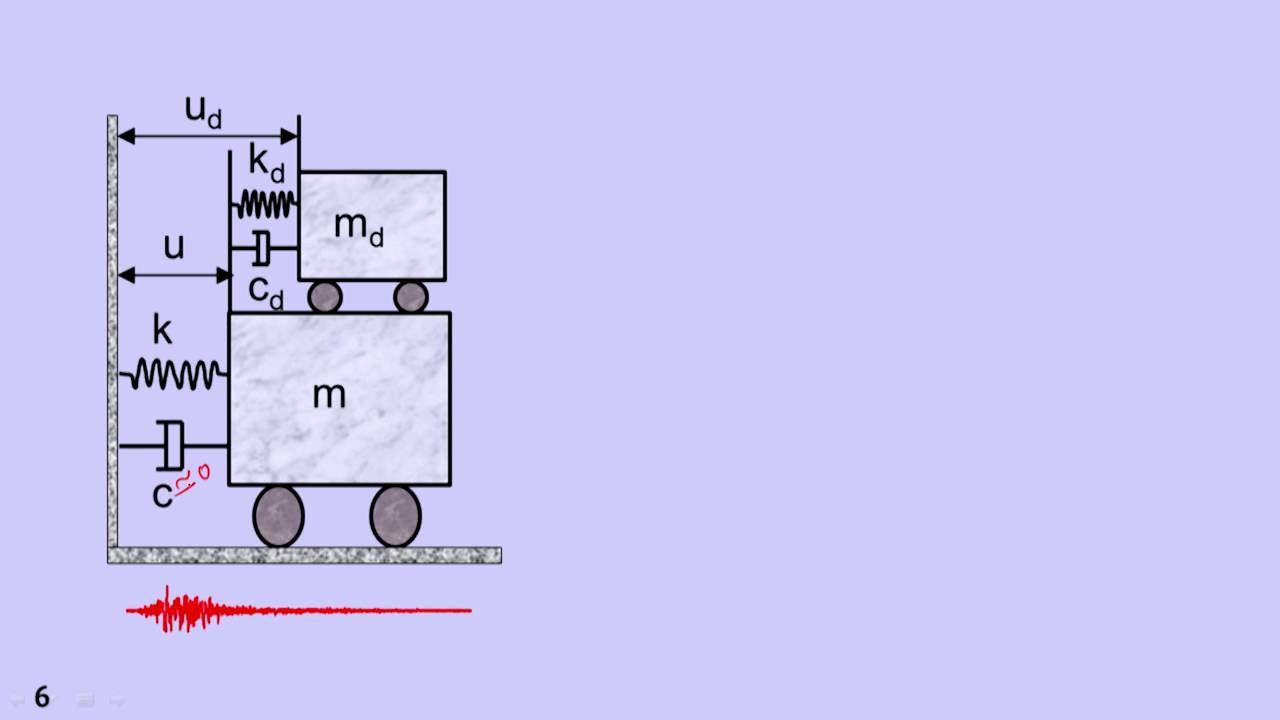
10:55
Tuned Mass Damper Design: Structural Dynamics Explained
@structuraldynamics466
31.7K views•2016-10-02
30:32
Ultrasonic Transducers: Resonant Frequency Measurement and Horn Design
@imajeenyus42
229.9K views•2017-02-22
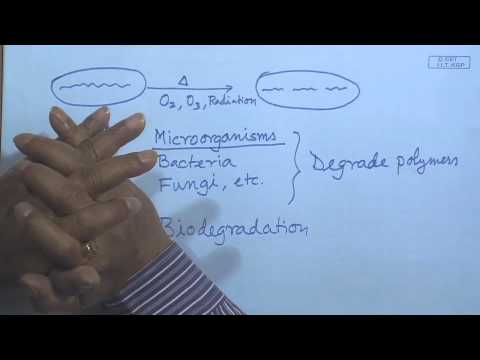
54:16
Polymer Environmental Degradation: Mechanisms & Stabilization
@iit
1.8K views•2012-07-10
33:39
How a Student's Question Saved a NYC Skyscraper from Collapse
@veritasium
22.8M views•2025-04-26
Related Study Plans & Knowledge Roadmaps
Structured learning paths in Engineering
engineering
Building Acoustic Levitators: Physics & Arduino
01The Physics of Sound and Standing Waves
02Piezoelectric Transducers and H-Bridge Drivers
03Arduino Programming: Generating 40 kHz Signals
+ 2 more learning modules
14h5 modules
Explore Roadmap
engineering
Building Peltier Cloud Chambers: Particle Tracks
01Cosmic Rays & Cloud Chamber Physics
02Thermoelectric Cooling (TEC) Fundamentals
03Custom Liquid-Cooling Loop Design
+ 2 more learning modules
18h5 modules
Explore Roadmap
engineering
Yagi-Uda Antennas: Modeling, Build & VNA Test
01Introduction to RF and Antenna Fundamentals
02Yagi-Uda Antenna Design Principles
03Antenna Modeling and Simulation in 4NEC2
+ 2 more learning modules
18h5 modules
Explore Roadmap
engineering
ECG Monitor Design: Op-Amps, Filters & Noise
01Electronics & Breadboard Basics
02Op-Amps and Instrumentation Amplifiers
03Bioelectricity and ECG Fundamentals
+ 2 more learning modules
18h5 modules
Explore Roadmap