





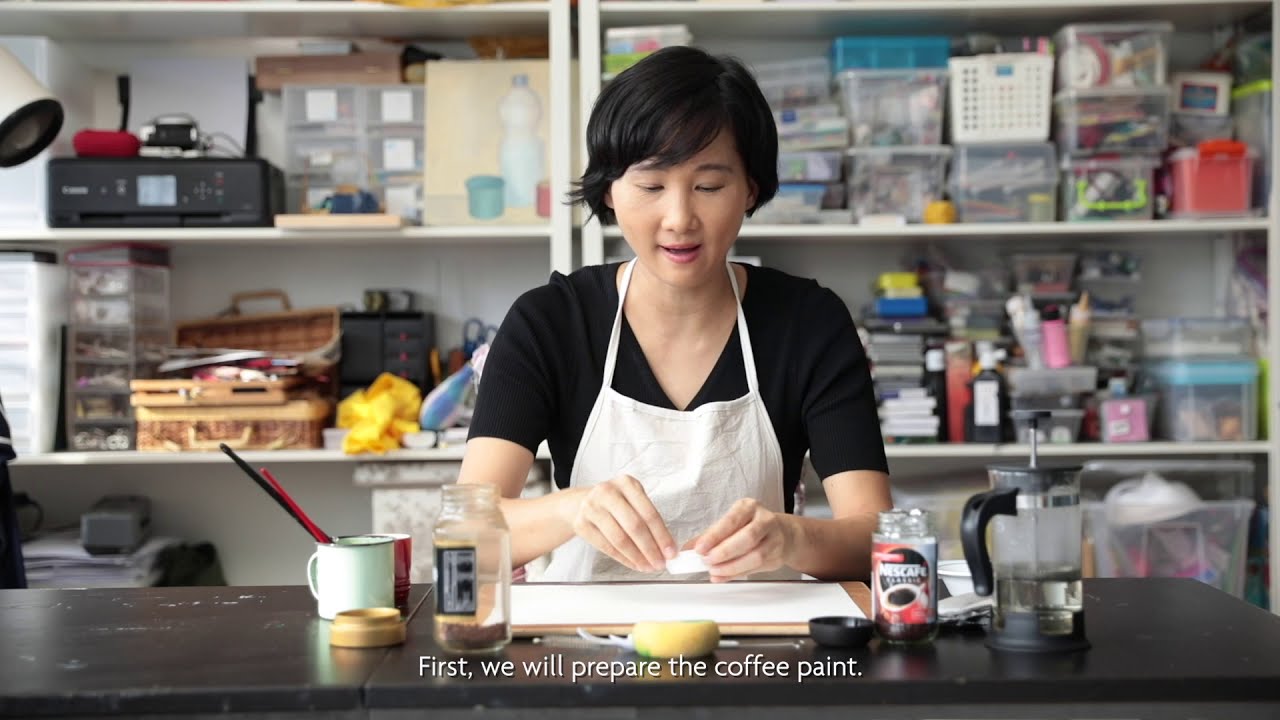



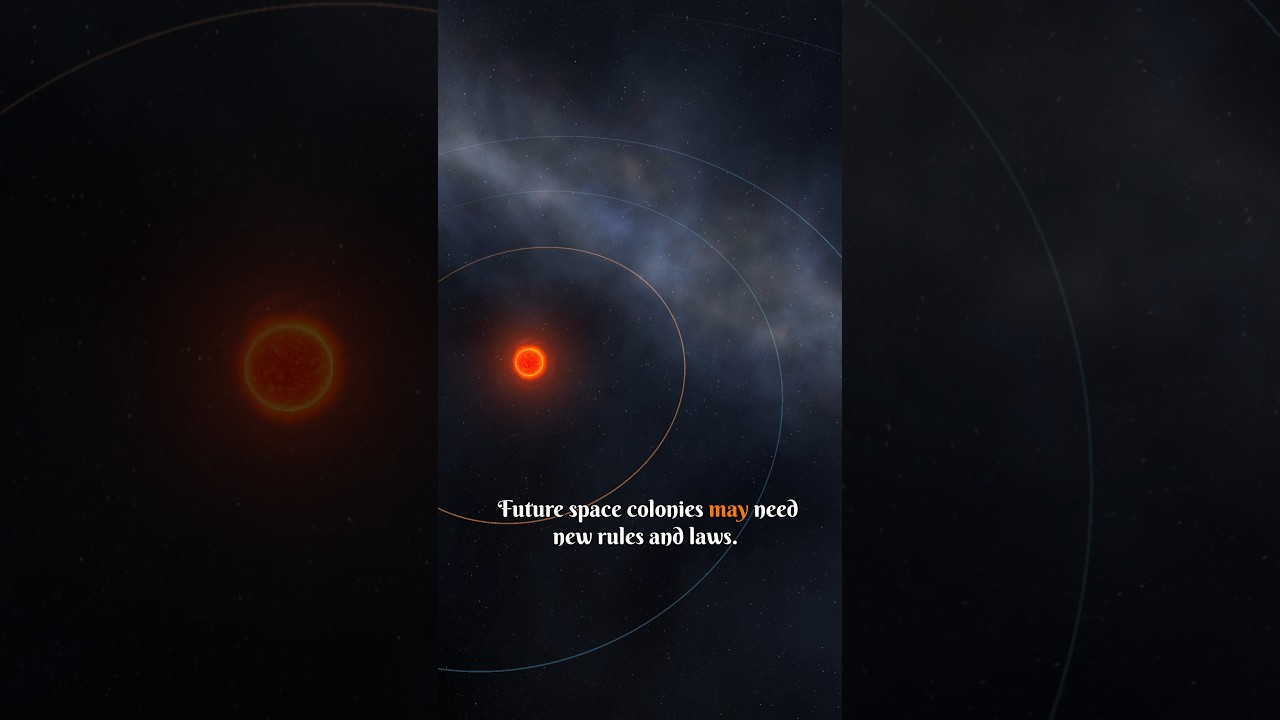








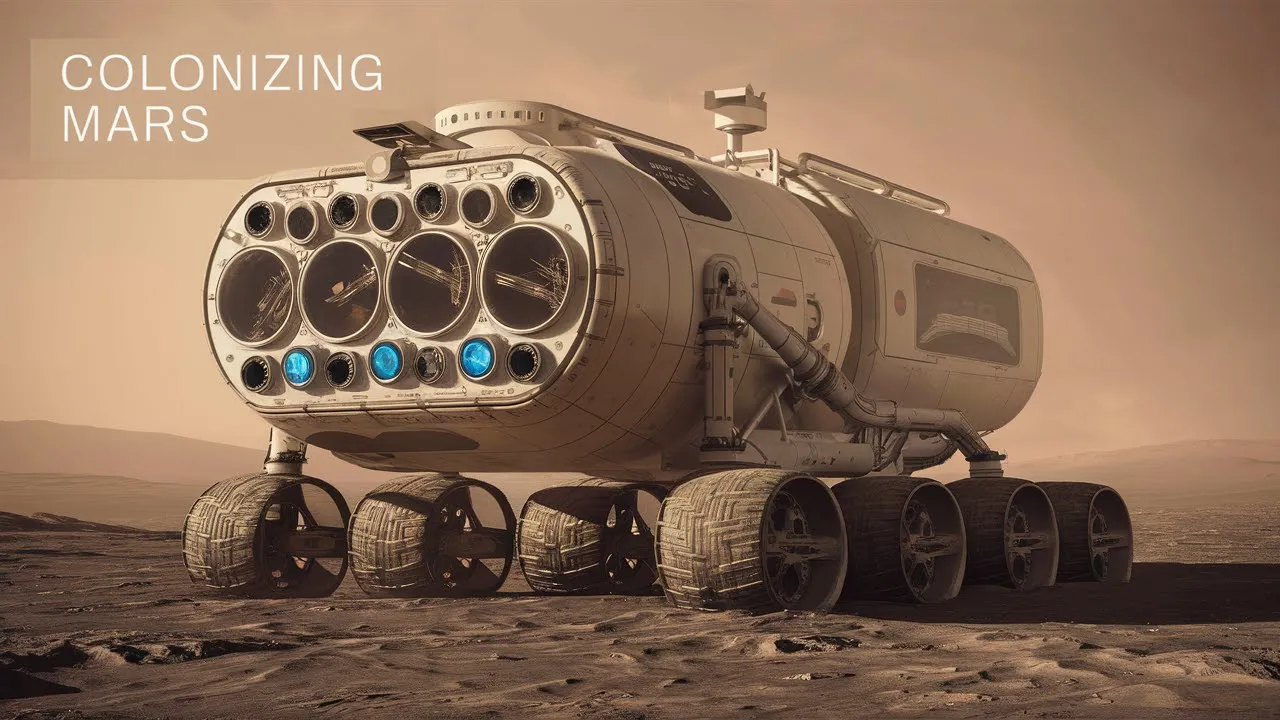

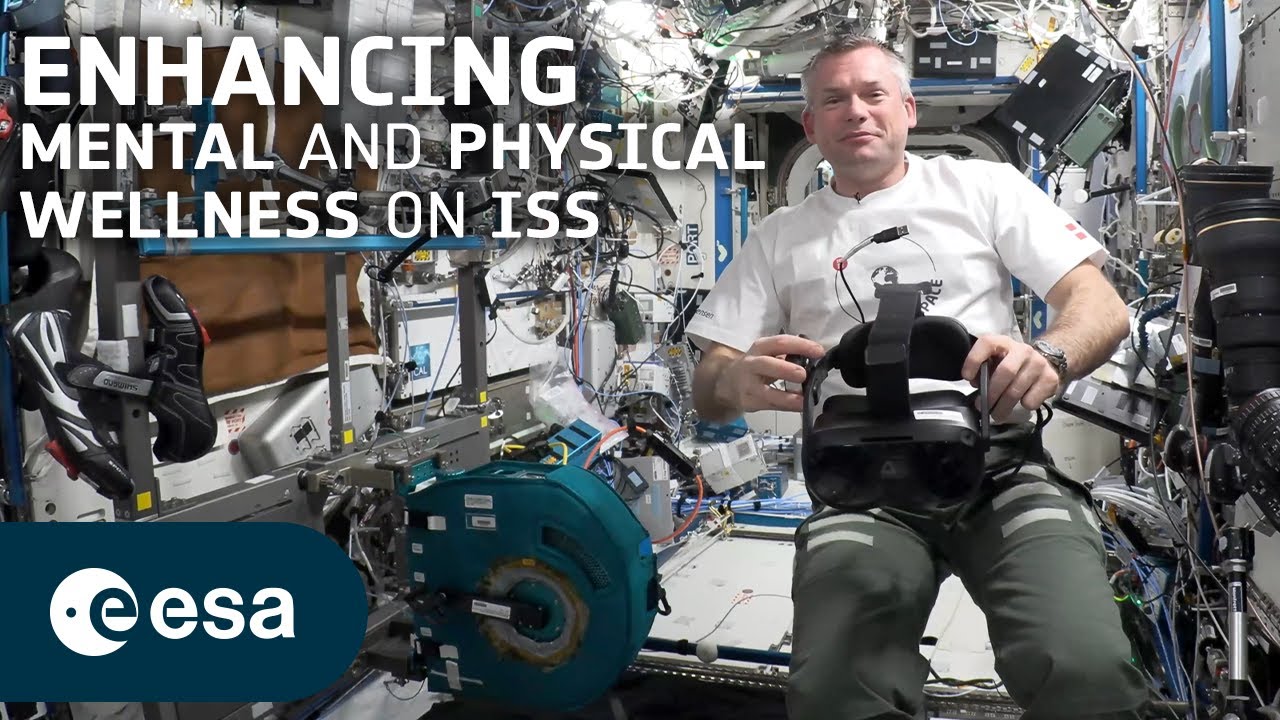


Astronauts require cultural and creative activities—such as watching movies, knitting, or dancing—not just for entertainment but to maintain psychological well-being and a sense of humanity during long-duration space missions; as space travel extends beyond Earth's orbit, humans will develop a distinct 'space culture' that adapts terrestrial cultural practices to microgravity environments, transforming how we understand human identity and creativity in extraterrestrial settings.
Human Culture in Space: Why Astronauts Need Art and Connection
Added:The psychological impacts of Isolated, Confined, and Extreme (ICE) environments on human mental health.
The history and daily living conditions of long-duration missions on the International Space Station (ISS).
The fundamental concepts of 'human factors' in aerospace engineering and mission design.
Basic principles of expressive arts therapy and how creative outlets mitigate chronic stress on Earth.
The field of Space Sociology and how isolated micro-societies develop unique cultural norms and dialects.
Advanced habitat design and environmental psychology, focusing on how architectural spaces incorporate art and nature.
The logistics and ethics of cultural preservation during multi-decade deep-space exploration and colonization (e.g., Mars missions).
The role of virtual reality (VR) and augmented reality (AR) in providing sensory and cultural enrichment for astronauts.
8.8K views81likes18:09Original Release: 2017-10-30
[Music] astronauts watch movies too there's hundreds of movies available for their viewing pleasure on the International Space Station because just like the rest of us astronauts have to do things to relax however the dichotomy between life in space and the movies on their screens has led to some unusual occurrences over the past 17 years that the space station has operated one such moment was born out of unexpected tragedy on February 1st 2003 the space shuttle Columbia disintegrated upon re-entering the Earth's atmosphere killing all seven crew members NASA's launch program was suspended indefinitely in the wake of the catastrophe effectively marooning three astronauts in space on the International Space Station Don Pettit Ken Bowersox and Nikolay boo Daren they floated on the ISS wondering when their trip home would come rationing their coffee and watching their supplies shrink there's different kinds of a loan there's going into the woods to get away from human contact kind of alone and then there's floating in space not knowing when or if someone's going to come for you these three astronauts were alone in a way the rest of us cannot understand in this difficult time they found themselves consciously and unconsciously isolating themselves from what we think of as terrestrial media things like music movies and connections to news and life on earth all of which are traditionally available on the ISS even as it hurtles past us at five miles a second to deal with living life in space in the face of an unexpected challenge they threw themselves into the business of being astronauts doing experiments collecting data focusing on easy achievements that signified their ability to do their jobs however after months of isolation they began to feel as though staying away from connections to earthly life was causing them serious harm staring out the window at the vastness of space and the earth below could not slake the need for something more so these three highly qualified yet very isolated astronauts sat down or rather they strapped themselves in to watch their first movie in months which was Tank Girl Pettit Bowersox and who Darrin watched Tank Girl a post-apocalyptic bloody can't be masterpiece full of violence sexuality and a sentient tank it was total culture shock for them they couldn't finish the movie that night as they floated in their sleeping bags they couldn't sleep going from the quiet regimen of Space Station life living in the shadow of their grief and fear to watching glory petty in iced tea she's a cybernetic villain across the Australian outback overloaded their brains so why did they do it to understand this unusual moment in our history as a spacefaring species we need to understand a little bit about science and a little bit about art likewise how the two intersect to produce some of the most fundamental parts of the human experience I'm a planetary scientist I am devoting years of my life to studying the early geologic history of Mars however I'm also a dancer for me being a dancer means committing myself to a lifetime of experimentation of probing the connection between the physical what is shown or can be produced by the body and the metaphysical what my body moving can evoke in you the intersection between science and art is an unusual thing because most of I've been told that there isn't one however like water flowing through a porous membrane each of them has shaped the creation and development of the other those three astronauts learned something the night they watched Tank Girl it's what researchers are still reckoning with today astronauts like regular people need contact with cultural media with reminders of home not necessarily because it reminds them that they have something to go back to but because it gives them a sense of purpose of being a part of humanity rather than just three people floating in a heavily engineered tin can when we make the choice to send humans out into the void rather than our cleverly engineered robots we have to reckon with the ramifications of what that means that in addition to needing to eat sleep and exercise to operate at full capacity astronauts also need to have a healthy vibrant inner life they like the rest of us need to connect and create when we boldly go further out into the solar system we will carry our culture with us we'll have to in order to survive the journey in the end it's just a matter of how this is not a new concept NASA scientists have been considering how to best prepare astronauts for long-duration spaceflight since we first began our forays into space where it is clear that even if we ascend to live among the stars we are human and humans will get bored or lonely we're tired just like they do on earth those people that we send on those first big missions back to the moon and on to Mars will be there to do a job their job is to learn and explore and discover but it's still a job at a highly demanding one at that an astronaut workday on the ISS today is 12 hours long including mandatory exercise like astronaut Mike Massimino once said you gotta have a hobby something to do that centers your mind Karen Nyberg brought knitting supplies Scott Kelly brought paperback books to read while he floated in bed a guitar and a keyboard have lived on the ISS for at least a decade and of course there's always Tank Girl but why thinking practically there's no reason to knit in space or to bring paperback books there's no purpose for it in a world full of high-tech space food and space science they seem like anachronism but this dichotomy between old mundane things and the newest and best technology human minds can dream up is a sign it's the beginning of space culture space culture the culmination of living in space both physically through spacecraft and mentally by building a home their home for us on earth isn't just the sights and sounds of the planet it's all the little habits that have become ingrained in us over decades of life that's why astronauts all eat dinner in a facsimile of Earth life placing their bodies around a table and strapping themselves down in order to sit even when there's no scientific justification for it provides a physical reminder of home as astronauts live and work in space they're doing more than just figuring out how to efficiently complete their tasks they are finding ways to make themselves comfortable in an environment where simply living is a Herculean feat right now space culture is in an unusual place because it's still being born the ISS functions as a remote outpost of semi terrestrial life linked to the earth by a relatively consistent supply chain on board astronauts are doing the work of figuring out how to live in space long term how much we can produce in a low gravity environment versus what we need to take with us but as we embark on bigger missions including longer missions to the moon and on to Mars the supply chain that currently does most of the work of keeping the astronauts on the ISS alive will either drastically decrease or disappear completely going to Mars is simply too far for a lot of what we do right now to work resupply trips to a human crew on Mars would take too long the same conundrum also goes for our less corporeal needs right now astronauts on the ISS can blend their lives in microgravity with reminders of Earth sometimes successfully because they're enabled by that very same supply chain to do so they can receive care packages from their families physical reminders of the people and things they care about going to Mars makes everything harder but those longer missions are where space culture will truly come into its own when Pettit Bowersox and boot Darren were effectively stuck on the ISS they tried to turn their days into space life which to them meant focusing exclusively on the science however space life is so much more than that it's the act of being human in space and if that sounds like a trivial distinction it's really not cutting out the fun things that make astronauts people in favor of trying to approach the efficiency of robotic spacecraft isn't the crucial part of what makes a good astronaut that's not why we send people to space when we could easily send robots instead it's not just space life we're building up there on the ISS or in future missions in the Orion module it space culture a weird future world where people can watch a weird movie like Tank Girl after doing a six-hour spacewalk if they want to humanities space culture despite obvious genetic similarities will not be identical to that shared by those of us who live on earth our culture that is terrestrial culture is dependent on gravity the gravity of the earth makes us who we are not just in how our muscles and bones are designed to work but how we operate them in pursuit of more abstract goals the gravity of the earth defines how I pursue that object over there or that object down there and we have evolved so perfectly that we barely notice that is until we engage in activities that resist it we run we jump we dance when gravity is removed from the equation each of these actions will change think about dance as dance artists we examine this precept of earth life the experience of gravity and how to resist it I jump knowing that I have to return I stand on one foot knowing that as I move the pole of the Earth's gravity moves with me the dance moves that we think of as impressive like large leaps are impressive to us because they play with gravity but it's not just fancy dance though even the little moves each of us do and we think no one's watching usually involve bopping up and down or shifting our weight from side to side it's gravity at work a more energetic version of this might involve a little bit of jumping to communicate enthusiasm so what am I supposed to do good song comes on the spacecraft on the way to Mars how am I supposed to shake it off to answer that question is to answer a deeper question why do we dance why are we so invested in doing things like knitting or making music or watching movies that we expend the extra effort to do them in space there is no reason to knit in space the air temperature is easily controllable and the astronauts have plenty of clothes but clearly producing warm clothes isn't the explicit goal of the knitting to make the effort of doing dance in space to the point of removing it from its context gravity we need to distill it down to its basic qualities that we value it's not movement itself that we crave we move around all the time we navigate the world by propelling our bodies through it in a series of efficient movements dance is something different and not just because it's a frequently unusual or inefficient way of moving through space astronauts on the ISS have already established the basic movement patterns for life on the ISS and microgravity they have a movement vocabulary for traveling from one place to another at various speeds and for various purposes that are analogous to walking and running on earth these are the baseline of their lives acquired and practiced until they are used in service of practical goals other astronauts can observe their movements and infer information from their body language they've already accomplished an amazing feat they have choreographed their space in space but it's not dance yet even if it looks graceful or otherworldly from our terrestrial reference frame I am certain that dance will happen in space maybe it already has and we on earth just didn't recognize it for what it was dance no matter where it is done is the act of reveling in our own humanity in the fragile physicality of what we are and it's the constant of terrestrial cultures across the globe in space astronauts are constantly wrestling with their own bodies to survive trying to trick themselves into experiencing gravity so that their muscles won't deteriorate and they can keep their eyesight as they explore the hazards and wonders of their new living space outside of their assigned tasks I believe that they will dance the truth of space culture and building it is this we might bring things from Earth with us either as physical reminders or carried within our psyches but the moment we begin to produce cultural work in space its outward qualities will change even if its intended meaning or purpose remains the same space travel is a journey it's not just about the technology though that's important we want to survive but it's also about building a future in which humanity can live in space and do so long-term and that means encouraging astronauts to create rich cultural lives up there there will be the life on Mars one day there will be life and there will be culture people will get bored on Mars and they will create they'll probably even dance thank you [Applause]
Up Next
37:26
Space Archaeology on the ISS: A New Frontier
@issarchaeology4309
158 views•2016-11-22

12:54
Triumph of Orthodoxy Icon: Byzantine Art & History Explained
@BenCallan
2.1K views•2024-08-06

11:43
Indigenous Astronomy: Rethinking Space Ethics | Karlie Noon TEDx
@TEDx
15.1K views•2025-11-30

1:42
Game of Thrones Opening Credits: A Cinematic Analysis
@gameofthrones
46.3M views•2011-04-18
Related Study Plans & Knowledge Roadmaps
Structured learning paths in General & Interdisciplinary Studies
general-studies
Elevator Engineering: History, Physics & Cities
01From Hoists to Safety Brakes: The Dawn of Vertical Lift
02Hydraulic vs. Traction: The Engineering Physics of Elevators
03Modern Speed, Safety, and Algorithms
+ 2 more learning modules
12h5 modules
Explore Roadmap
general-studies
Rubber: Material Science, History & Geopolitics
01Origins of Natural Rubber & Mesoamerican History
02The Chemistry of Natural Rubber & Vulcanization
03The Geopolitics of the Rubber Boom & Colonization
+ 2 more learning modules
12h5 modules
Explore Roadmap
general-studies
Containerization: Evolution, Logistics & Trade
01Ancient Trade & Bulk Cargo: Amphorae to Barrels
02The Industrial Revolution & Cardboard Packaging
03The Containerization Revolution: Malcom McLean
+ 2 more learning modules
12h5 modules
Explore Roadmap
general-studies
Textile Tech: Evolution, Labor & Global Impact
01Pre-Industrial Textiles: Handloom & Cottage Industry
02Mechanization: The Spinning Jenny to the Power Loom
03The Factory System & Global Labor Transformation
+ 2 more learning modules
10h5 modules
Explore Roadmap