


![अंतरराष्ट्रीय अंतरिक्ष स्टेशन: एक अनूठी अंतरिक्ष परियोजना [The ISS]। DW Documentary हिन्दी](https://i.ytimg.com/vi_webp/0mB3pCQnPEA/maxresdefault.webp)







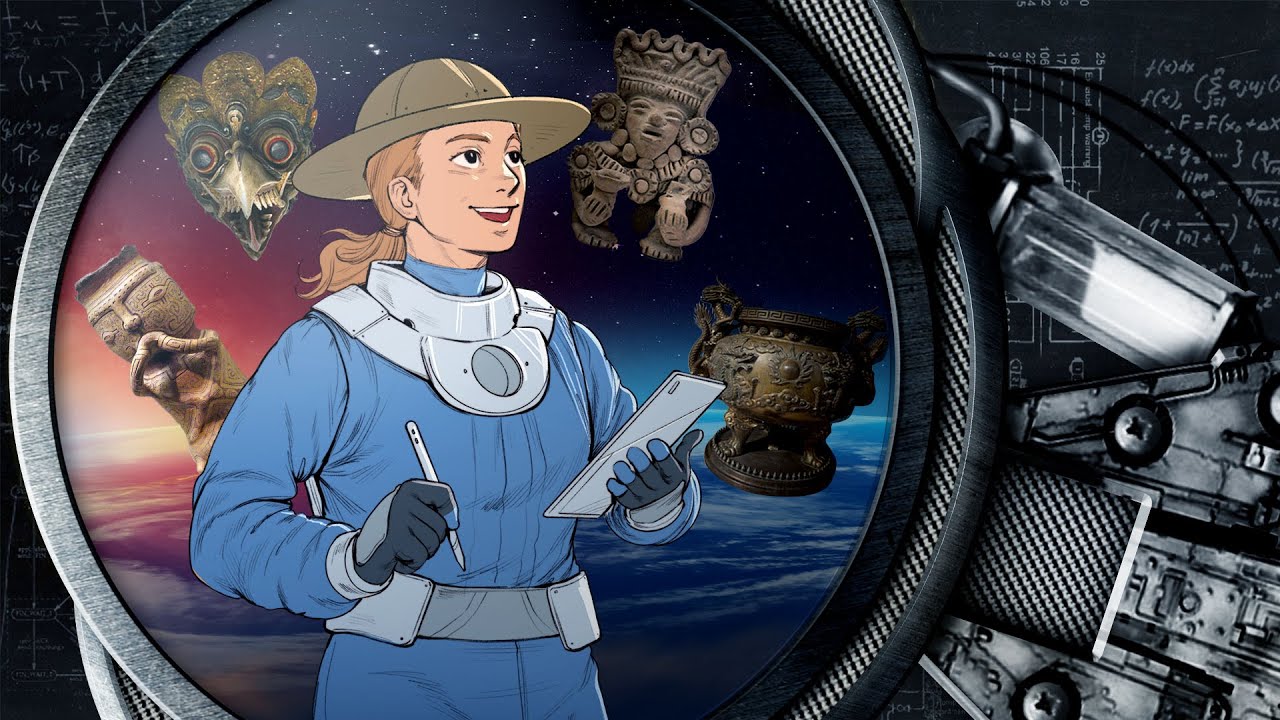
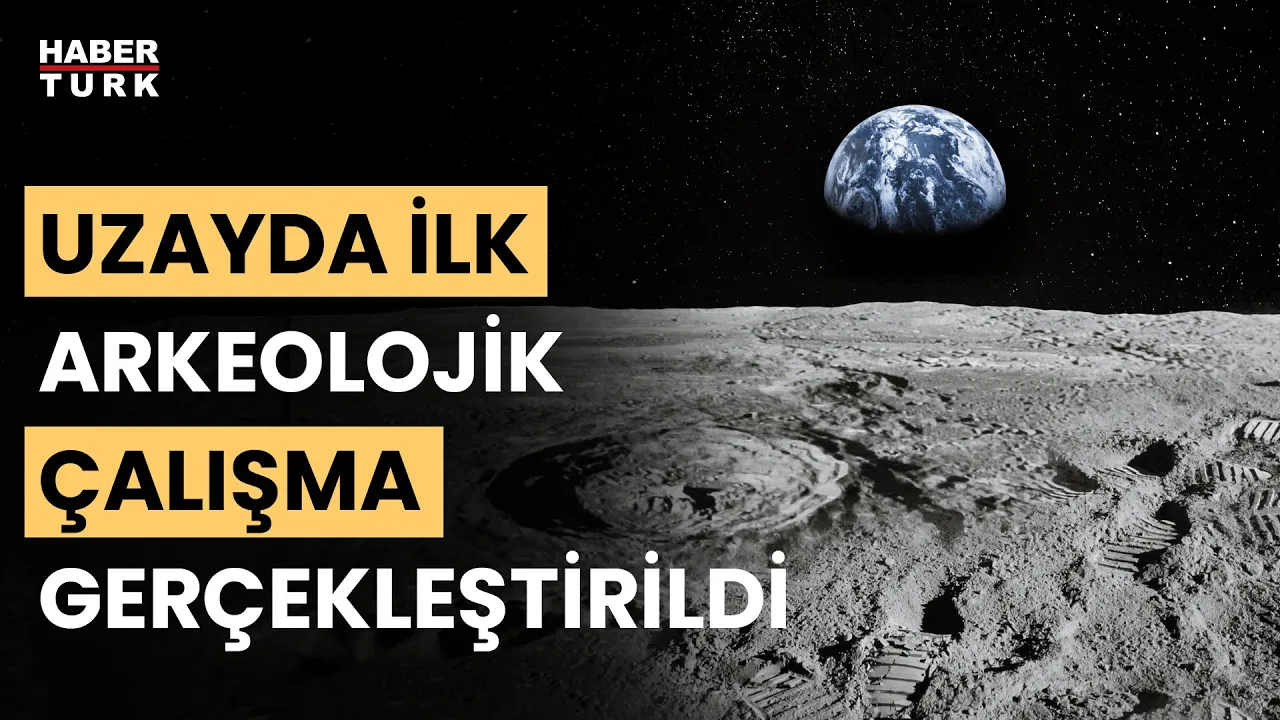

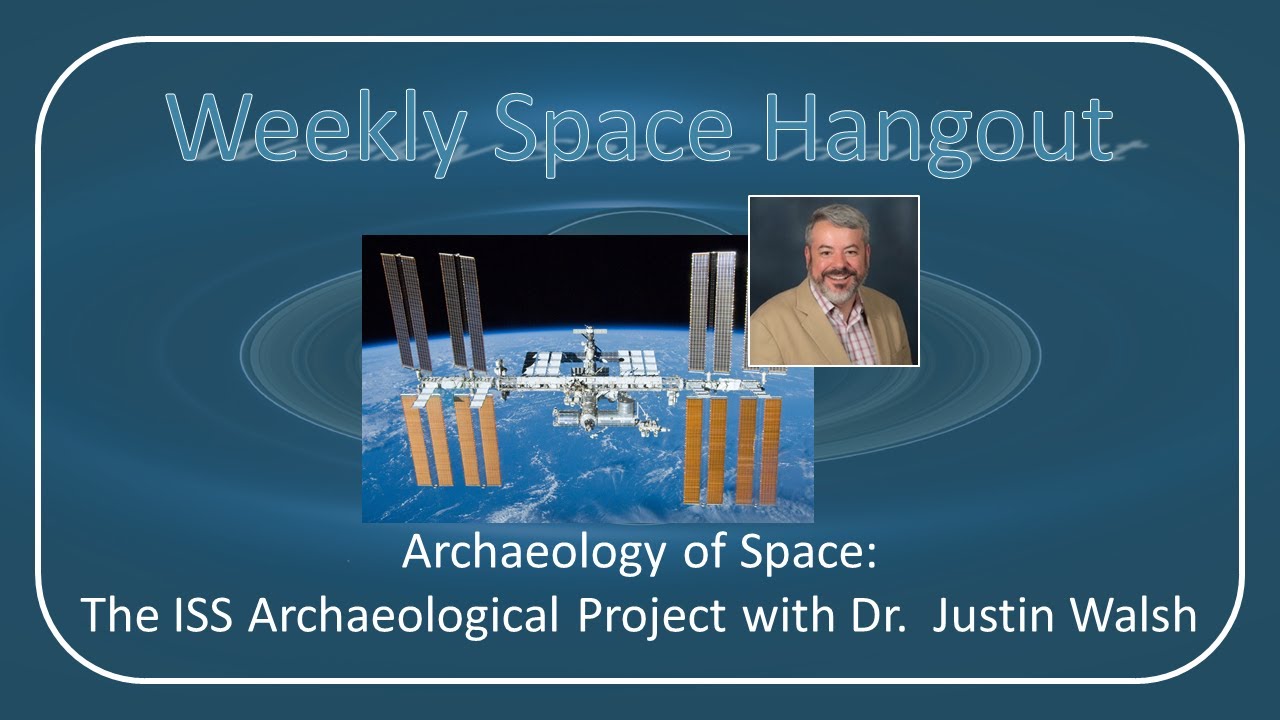






Space archaeology is an emerging field that applies archaeological methods to study human behavior and cultural practices in space environments, using digital reconstruction and analysis of existing data from the International Space Station rather than physical excavation, as demonstrated by Dr. Justin Walsh's project examining the ISS as a 'microsociety' to understand how humans adapt socially and culturally in confined, isolated space habitats.
Space Archaeology on the ISS: A New Frontier
Added:Basic principles of archaeology, specifically how researchers analyze material culture and physical artifacts to reconstruct human behavior and social structures.
An understanding of the International Space Station (ISS) environment, including microgravity, confined living spaces, and the nature of multinational crew rotations.
The concept of contemporary archaeology, which applies traditional archaeological methods to study modern human life and active, living spaces.
Fundamental concepts in ethnoarchaeology, the study of living societies to help interpret material remains and understand human-material interactions.
The specific methodologies and results of the Space Station Archaeological Research Project (SARR), the first archaeological study conducted in outer space.
Applications of space archaeology data in designing future long-duration space habitats, such as Lunar or Martian bases, to optimize astronaut physical and psychological well-being.
The legal, ethical, and practical challenges of protecting space heritage sites, such as the Apollo landing sites and decommissioned space stations.
Advanced studies in the anthropology of extreme and isolated environments, exploring how confinement and microgravity alter human social structures, tool usage, and cultural adaptations.
158 views2likes37:26Original Release: 2016-11-22
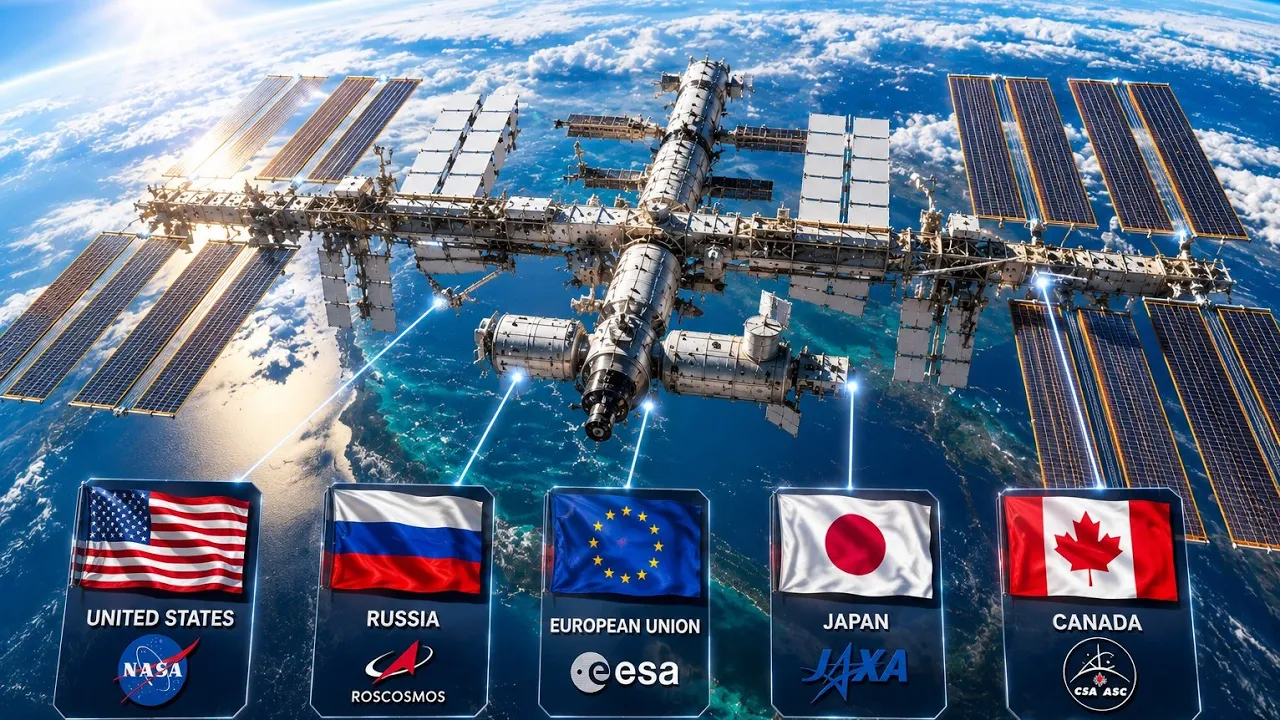
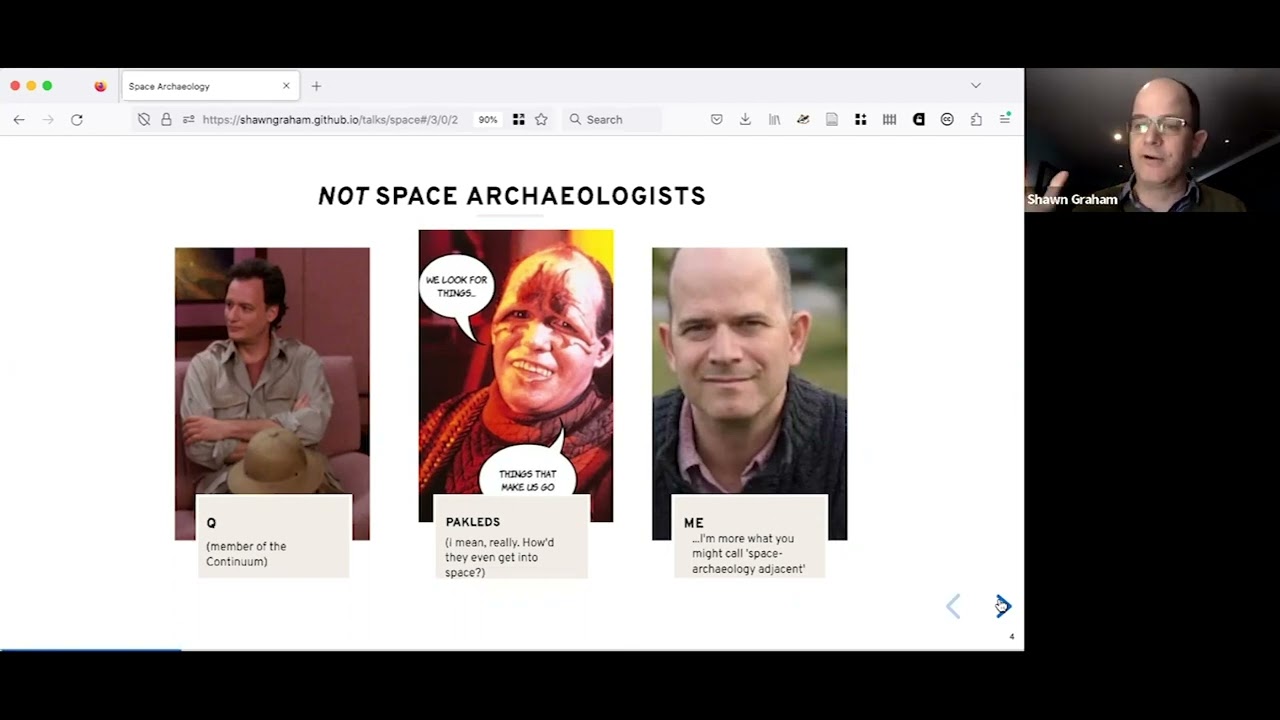
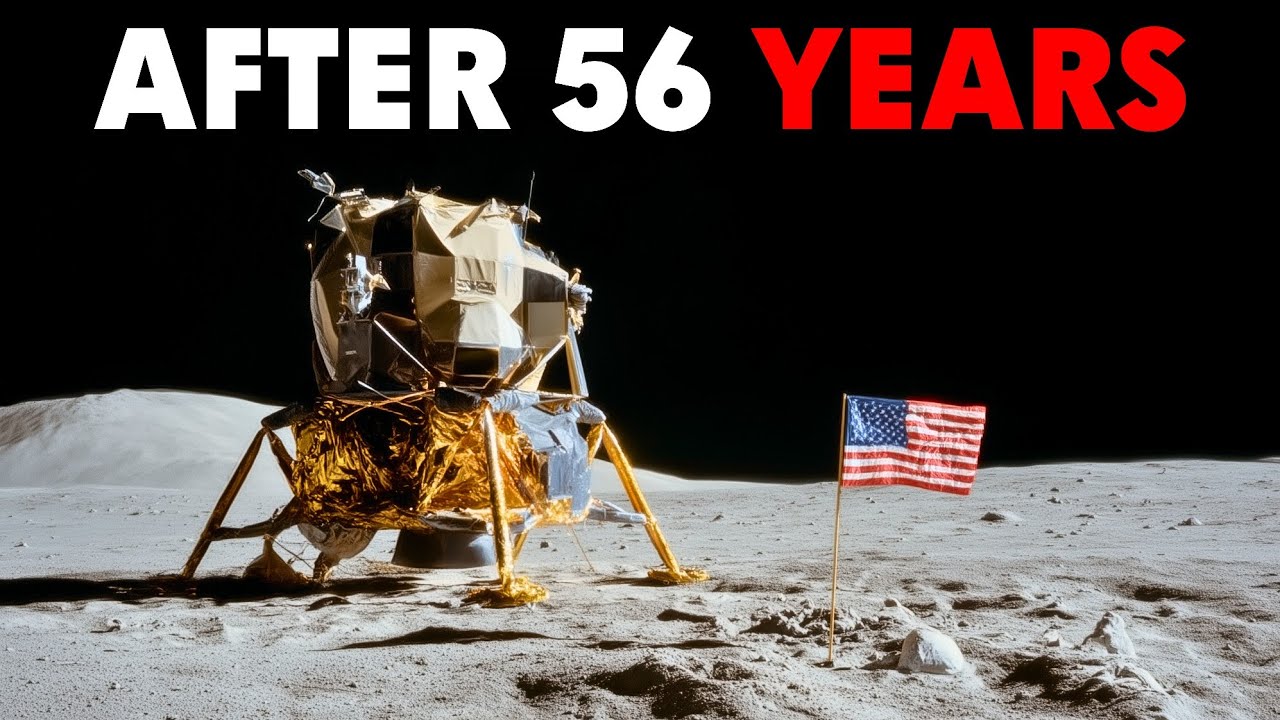
all right good afternoon and welcome everybody to Nash Geographic come on in today it is a distinct pleasure because how often do you get to say indiana jones and the alarms robin same sentence but today's one of those days so the fanboy inside newspaper that's because we're fortunate today to have dr. Justin Walsh is associate professor of art district and archaeology of chapman university he's also one of our grantees who funded in for his work in spain but he has a full new project to investigate human behavior and what a real space archaeology may look like and he'd like to share sort of what he's doing now with his own now so let's give a warm [Applause] thank you for inviting me is a great letter to be here again at this matt said i did receive a cre grant this year for an excavation when i'm running in the south Staind which was incredibly helpful for helping us get a lot good work done there but as he said at least talk about another project that i'm trying to get off the ground at the moment together with my co primary investigator dr. alex gorman who is at Flinders University in Adelaide Australia so we're not just going up to space but around the world as well and before I really get into the nitty-gritty of the project what we're proposing to do I need to explain a little bit about this term space archaeol i just saw her face 15 behind into the cafeteria um that's perfect Sarah partek I'm sure you're all aware of her and her work which is tremendous work she's obviously doing really exciting things with what she's referring to you as space archaeology but which is a little bit different from what I'm talking about and so obviously she has been a real face for archaeology to the public over the last couple of years with her work in discovery news sites around the world and bringing them to and see her here presenting at some of the satellite imagery she's been working with and that is actually what she does but she is working on is using imagery that's taken from space but that's focused on terrestrial sites what I'm talking about when I am talking about space archaeology is an archaeology that focuses on human activity in space or human activity on earth it's directed at States so we could talk about Cape Canaveral and the launch sites there that could be stays archaeology and in fact actually we have somebody here in the audience who is a federal preservation officer at NASA headquarters and who was also an archaeologist and she's concerned with a lot of those issues but also thinking about what archaeology might be in space itself and i know that this might sound like a really kind of new topic or really kind of surprising idea that we might perform archaeology in space but in fact it's actually something that my colleagues night discussing for the better part of the last 15 years or so it's worth thinking about the human impact on space my Cokie I has has written about how this new kind of putative geologic period that we may be said to be entering the Anthropocene you might have heard that term before this idea that that human humans have had as a species such an impact on the earth that now we could be safely set to be entering a new geologic period called the Anthropocene she is arguing fact that this could be that you're not just on our planet but for example obviously the radio waves we've been sending out to the universe 400 years 100 light-years from us and even the voyager 5 your space probes that are now exiting our solar system the piece also represent our our culture and our our footprint on the universe and in fact those just saying too mad at lunch you know we really talk about Voyager at Pioneer as being cultural objects because they're intended to communications with father life or should they encounter them here is an image that that represents a kind of a conceptualization lower orbit and the objects that we've placed there thousands and thousands of objects in fact actually if you want to be really serious about it we can talk about millions of objects that have been placed in space since nineteen fifty-seven and these are orbiting at various altitudes they are whizzing around and there are so many of them now people who were two spaces were concerned about the possibility of the damage they might create and because most of this over eighty five percent of it is non functioning we're just debris it's often referred to as junk I don't know how many of you saw the film Wally when it came out this is one of my personal favorites actually not just because of the space at it I think it's a terrific film actually happened to be on my last weekend so I was able to to see it again and really just struck me thinking about when the spacecraft lifts off from the planet the planet is literally in clouded by by space junk and the robot Huawei is kind of hanging on to the sideways a little blurry here but the spacecraft flies out of her push it through that cloud junk and then what's the first thing that it's shown doing it's flying past a heritage site I can get fairly argue one of the hollow landing sites with a sign that flickers on presumably triggered by the passing of the spaceship saying there's an outlet mall coming soon I don't know and then the whole movie is really about this tension between humanity's greatest achievements and our are also our propensity to damage and destroy the world around us and so I don't think it's my accident that's showing those aspects of our space heritage that is to say the satellites orbiting the Earth but also the Apollo site and obviously we can think of these sites as historically significant and culturally significant and we do think about this thing's there's an entire review on them all that's based around this idea right and in fact actually it turns out that that museum is the single most visited historic collection in the world more than the which would be the number one art museum by annual attendance if you combine the main campus here and out at Dulles it is something like half a million or a million more people visit that that that institution than any other historic collection of the world which shows the interest that people have in it and the significance that we attribute to it and having been so here you've seen it but it actually this is an old photograph but is added yesterday enough so they change things around this is no longer in the entryway of the museum it's removed have been replaced by the lunar module that they have in their collection it's no longer either in its Plexiglas casing it's actually just out there for you to see so we have public and private collections that contain this stuff we can start to think of it as heritage that kind of what I'm try to lay out here is how space archaeologists have started to think about and conceptualize our potential subject and the first thing we kind of have to do is say how do you how do we claim this as a legitimate subject how do we how do we make sure that people understand but it really is something archaeological and so here's another example of a piece of space heritage in this case being moved to a new institution just one of many gigantic things that been moved around la 08 they don't know if you've that seen anything about this but we had we had endeavor here we have the external tank a couple of months ago from space shuttle moved through we have a giant rock moved right what's next big thing we move around la anyway uh half ship is too because this is the Randy's donuts and this was around the corner for I used to live up until about three weeks ago but in any case there are other ways in which we can talk about or see that we talk about space objects as heritage and google has been a big part of this if you go and Google Earth there's a section where you can choose actually the moon and if you look at the moon all these little dots here are things that we put there you can even visit tranquility base in there there's clickable video etc and a little kind of 3d model of the lunar which actually couldn't look like this because the top half is still attached but in any case it is possible for us to virtually visit sites like this and indeed it actually is possible for us to treat these objects as heritage as in fact the states of California and New Mexico have recently done with regard to the objects that were left behind at tranquility base kind of quirk of international law that because of the 1967 outer space treaty no government have jurisdiction over anything in space it is totally international territory and for those of us who are in market archaeology or have a parrot advantages for the present certain issues because we can't protect anything right there's no law that can be created no policy can be created says this stuff should be preserved but I think we can clearly argue that the site is a landscape and also the objects are worthy of preservation because this for example particularly a tranquility base will always be the first place that humans ever set foot on anything that wasn't the earth so it's it's undoubtedly maybe even the most significant archaeological site that there is you might say well it's not under threat so why do we need even these kind of thing wait maybe potempkin sort of protections because California can say its protective it's not really protected why do we need that maybe you have heard of the Lunar XPrize competition which is sponsored by Google which is going to award 20 million dollars to the first team that can put a rover on the moon move at 500 meters and send back video this is actually supposed to happens early 2012 but it still hasn't happened yet there's a bonus prospect called the heritage bonus worth about a million dollars and it says if you can send back video of a previous landing site that you get that extra money I was concerned after I or co-author affect student life and I been calling for them to withdraw the heritage of us because I'm concerned what if there's a catastrophic near success and they crash into love these sites by accident right or the rover rolls over part of the site so NASA a few years ago in consultation with our geologists who have done this particularly bethel erie recently retired in mexico state university has put out in white acre with guidelines requesting that entities other entities do not encroach on certain of these sites particularly about 11 and apollo 17 true first and last missions and the XPrize competitors have agreed to respect that but but we can see that going forward as the commercial space industry increases particular its tourism my increase that these are going to continue to be potentially threatened so in any case we think about these objects circlings junk but we can also think about them its heritage here's actually this is the California record objects associated with tranquility because they only protect the objects Orion claimed that the objects because again the landscape cannot be protected so the footprints for example are concerned to the extent that they survive this is Beth O'Leary's map that she created of the archaeological site at Apollo 11 which included not just the lunar module and certain specific objects that we know too but we also know that they were concerned NASA was a potential way of lifting off moon mal moon rocks all these lunar samples on words they they were told you have eight minutes throw everything you're not going to need out they created a trash pile outside of the outside of the liver module so so that we can compare to a big on earth and the objects sometimes that are left behind had cultural significance Charlie Duke with Apollo 16 left a photograph of his family on the moon although he said that it started to turn brown almost immediately from the heat of the lunar day but here you can see in the act that actually had an inscription on the back of it saying the same does family has its picture taken in Houston there's art on the moon like this sculpture which was a memorial to astronaut so that died prior to Apollo 15 both Russian and American astronauts who had died it was just as bad 34 inches tall there it is with a card listing the names of all the apt rots we're going to evaluates so there's a memorial and then of course there is this is a scene from a lift off of one of the lunar modules but you can see all the footprints so this is these are currently archaeological sites with traces of human activity or even Rover tracks as well left I did we can see these images by the way there's a terrific exhibition in the it's basically the photographs taken by the lunar reconnaissance orbiter camera that shows the sites with the footprints clearly visible still today the flags are still visible so what about doing archaeology and space doing archaeology in space well this is a real problem right traditionally when we use archaeologists we go and we dig right we dig up soil and record the locations of those objects and then we try and piece together a story about what happened in that location about the culture that was there and the society that was there and how people lived their lives so I'll just admit at the beginning that this this project Hank me kind of out of a bit of frustration but a frustration when I saw I think you'll understand I saw the call for after a patient's november of last year and it specifically precluded people with social science degrees from applying you could have a BA in science PhD in archaeology was no good and so it's not only did it say no social sciences that said in parentheses archaeology anthropology turning to you geography and I was thinking boy this really tells me that they don't value what we do they don't understand how what we can do my used to them and how can i possibly get that story across that's the social science it might have some real benefit for what they're trying to accomplish because undoubtedly you know they've done decades of research for example on the physiological effects of spending time in space we know about Scott Kelly who actually just talking if I university on Wednesday night and we know that you spent a year in space and they can compare him to his food brother it spent time the same time time on earth and my hands are the two of them over that time span they've also done is exciting logical size lots and lots of psychological studies so what it means to spend time these days but up until now there hasn't been any kind of study of what it means to look at the society or the culture that's created in these contexts so it occurred to me that ISS might be a perfect place to do this it is a there's no doubt that it could be treated as an archaeological site it's it was first conceived in 1984 first element went up in 1998 and it's been continuously occupied for almost five thousand eight hundred days they're actually currently three people in orbit or on their way there to be a part of my expedition 50 that were live there tomorrow five space agencies and people from 25 nations have been a part of this so it's a really different kind of thing going on and say the Apollo missions right where we were talking about two countries that were involved in this military struggle and that were competing with one another very masculine we're talking about multi-ethnic multi-generation in human habitation of space 1000 cubic meters of habitable space is light and normally to a five-bedroom house orbiting above us in low Earth orbit and is the single most expensive construction project that humanity has ever undertaken with rough estimates of its cost today than 150 billion dollars but I think it's also really compelling to think about it using this particular phrase suggestion come from a 1972 report from the national academy ensign of Sciences I love this phrase a micro society and a mini world this project that that's what if the interior of a spacecraft is and as NASA for example plans for three year long or longer missions to Mars and and wherever that it might behoove them to understand better what that means the society that's created in this space and the culture that goes along with it's an incredibly complicated space with multiple modules they've been put up over time the habitable modules are mostly along vic this axis and a couple down here and then we've got the trust that holds the solar panels for power and we can think about the social structures on a number of different axes and how those then might be visible to us mission objectives and goals that philosophy value systems the composition personnel that how they're organized hierarchy or lack of hierarchy tech the technology that's being used the physical environment that these people are inhabiting and that they can't get out of and they're there for six months at a time or a year at a time the cultural and social environment and of course the actual passage of time though all of these are things that archaeology is good at investigating as it turns out and so we can and we should take a look at them but the questions how do we get from this sorry i should say from this to this that's mean stable how do we get from a space like this to approaching of archaeological and that's really been the puzzle that's in the block to stays archaeology it occurs to me though that NASA and the other face agencies have been recording what they've been doing the whole time with thousands and thousands of images video audio can we do something with that data I mean look at this space there's religious objects in here this is actually the table that they eat at he's exercising these are crew quarters where they sleep and where the where they can get some privacy maybe so my idea is in this project to build a 3d model of the space station I should say we don't need to build necessarily the whole space station because there's probably too much for us to do the whole thing or all the missions of it probably concentrate just on one for two modules and one or two missions to start with now we can iterate Allison that of course but we can build a 3d model of it and we can take those images and that audio and that they we actually place them as lasers on the inside of that space and index them for time using the metadata attached to those images and then we can catalog all of the things that we can people that we see in there and how those objects move over time as we observe them and how those people interact with those spaces and with those objects and start to do archaeology that way here and just hold on a second don't click yet here we have a screen capture from an ISA as the European Space Agency virtual model virtual tour of the site so now if you want to click and see if we can go to the web browser this is a this can give us some imagination of first of all its feasibility and second of all what it would be like this is a weirdly empty version of the ISS there's no people visible in any of these images but to create something like this where we also have a timeline a slider right I'm going to choose any moment in the station's history of habitation and catalog what we see one of the other things that I'd really like to get my hand I can get permission is the inventory management system that is a database all the objects that they put up there cuz that we really great seemed for the database that we want to create right it also plates locational information we can actually move through space and actually if you maybe you can click on this right here just right here where it says Destin yeah so this is actually a u.s. well I guess that's actually where we work click on the next one up no to unity yeah this is where they actually where the crew actually or four of the crew sleep you can turn around and see we've got a work table there all these different objects right we can catalog all of this so there are crew quarters here there is a galley here there is there is toilet facilities here there are exercise equipment there's also working so i think the destiny of node two are probably going to be a likely target for us actually down here at the bottom this is actually one of the cabins there's another one that the crew sitting there four of them going around in a circle oh yeah show us show us the crew quarters in any case you can look videos on this as well mine so there's Samantha Christopher ready who's showing there's amazing she gets into it so thinking is we don't think about all kinds of issues here hierarchy think about gender in of spaces we can think about how people from different cultures interact with one another in this kind of environment we can think about intimacy and privacy in this is almost you know that I give the panopticon where you're always on view their cameras throughout NASA monitoring what's happening where are these people find prize where do they find time for any what kind of leader activities of the reveal to the other than just looking out the window all right sometimes they bring usable instruments and things like this but on Skylab for example we know that they came up with games like trying to shoot themselves through the entire length of this without hitting any barriers that was a game that they came on right you know but so here's here's a galley right here this is in des des the Spanish Succession Russian module we again the crew quarters are either side but this is where they eat we know that there are kinds of conflict on the space station for example expedition 19 x to the guy you were just looking at the exercise of the image i was showing you before if we can go back to the PowerPoint actually that might be him there as well gennady padalka was concerned about whether he was allowed to use the American exercise equipment blew up into this whole thing I thought I could use it no we can't use it and they actually but the crew was told okay the Americans eat their own food in their module Russian deep they're moving their level this must have been terrible for crew morale how is that reflected in the material record we study that so those kinds are some kinds of issues that we're talking about there sorry the food that they is the lettuce that they actually grew in space but again as I've just in showing you men for the most part here so what about the female experience on space or hierarchies so so we have a commander and crew in this image and different aspects of their lives so that's really kind of quick and dirty explanation of one of the things we'd like to do could also do a questionnaire of astronauts but we can even train an astronaut to go into an archeological survey VK codes that cost 75 million dollars don't think any branding agency will give us but we could train an astronaut to do this just as they are trained to do physics or chemistry experiments why not so these are this is what we're hoping to get off the ground so if you have any questions I'll be happy I think I've got over my time anyway there you have every collection gets weaker india will flow to each other any questions for Justin yes um one thing I liked about what your two men on the moon cuz i remember when they did the first moon landing the Native American communities this is the famous that our couch or Native American communities were outraged because they considered the moves they say growing yes so when you were 20 means of these the cultural heritage of these sites are such incredible way to think about them but it's also whose heritage absolutely and we like as academia mr. world say well as global human heritage but actually won't step 44 who write none for you by the way just for man that was a gendered statement absolutely anyway I just it's kind of interesting to think about different like whose heritage would account for Native Americans rejected Native Americans rejected as not approved yeah absolutely alice and i have been talking actually about people we'd like to include in the project in various ways we were really enthused about the idea of finding something was from a country that didn't participate didn't have a space program and seeing with what kind of response a reaction they were able to bring to the project as well so that's something we've certainly considered in my pursuit it seems like such a good idea already well yeah i'm having a hard time articulating question in my head what I'm thinking is this sounds more like anthropology that archaeology because it's occupied right now yes so there is a branch of our building called contemporary archaeology that I find extremely well it's what we'll be doing but there are certain people doing it are turning inspirational there's the school of archaeology at the University of work dug their own big van in 2006 the van they took the sites they actually excavated that and published then groups that was really cool and one of the people there that we are hoping to work with John Schofield was the chair of that at school he actually done at an archaeological project concern studying the culture of CERN in Switzerland so to be very analogous right because it's an ongoing thing but it's also scientific technological so if you've done a survey externe from our theological perspective and I think you're absolutely right though about an from heating sociology they could really be key so I said do it questionnaire that's a sociological kind of technique right and I'm personally very inspired by the work of Jason Bedouin you know if its recent both the land of open graves about the undocumented migration project looking at people were coming across the us-mexico border and he used a variety of these kind of techniques experimental archaeology but we also interviewed migrants he actually gave cameras to migrants and they cross the border took photographs of their own this is like me asking an astronaut to go survey the site right and so I find a lot of that really is creational really helped me need a fake outside the box which i need to do if I'm going to do a project like this I think you're absolutely that's a good question i don't think we even gotten to the stage of thinking about what we asked them to do be unloading we can ask them to to to survey you know what the experience of being up there is and sights sounds smells those kinds of things we know for example that astronauts frequently played up the amount of noise but i am stats which they can't escape from the ventilation and things like this so that all they can do is put in earplugs what is that how does that affects their experience being on board in their ability to communicate with each other as well we can also happen to sample the surface for dust and hair cell by actually talking so maybe isss they clean it all the top of me even so I'm sure there's some residues there that indicate as if there's a soil being creative and there actually are geologists who are working on the anthro anthropomorphic assets or ever advertised I guess it's a aspects of soil creation and so we can we can also look at that kind of thing how long will it take to train do that I mean it wouldn't have to be like they're learning all the techniques of how you survey a site using instruments like a total station you know what the space looks like so i can get to be relatively limited so what ya media platforms pinpoint where you been to this living like is it a VR experience yeah yeah so thinking about the 3d aspect of it absolutely so I turns out my cousin works in game design so they were that was a lot of ideas off of him about this and so I think what we would really love to do in a perfect world is to hire a video game designer and a model designer a model artist and interface specialist so that we could move around the way that we're moving around that that bottle the blue line except better I can actually move like in all dimensions that are just being stuck in one point in each module like that is and then we would put it online I think public outrage will be a part of this yeah and that would that that's definitely a bigot want to do I mean the part of it is going to depend on the agreements that we come to you with NASA that the public dissemination of the data we have but but as long as that's possible I think we would love to it I would think if you've got I was thinking of it what this would be as a video game and that itself that is it would give you an azalea that oh really there is a B again that was released in 2005 called space stations in the days of mine I was able to buy it still available on em it only runs so you have the pin in your disc drive and it's an outdated version of what the state station was going to be a good plan to change but it is really like a Sims thing where you have to sustain your astronauts and they have to carry on tasks and i love the reviews it for usefully this is so boring all you do is you keep fixing you have to look after experiments and say who wants to play this that's what it actually is like for the astronauts up it's like that's a really interesting i think that response was reviews and the interaction that gaming community would have with this data is another whole layer of memory with anthropology or health or what but that sort of like sending a thousand extra astronauts out to enhance the space and see what it would do absolutely on that day another hole so there actually is now a nascent sub-discipline of our chemical archeo game really yes where you are you are both looking at video games themselves as artifacts but also you can be exploring games as archaeologists and there's a lot that's interesting there too because the archaea are counted often used as a kind of a paradigm within those worlds so you are an archaeologist or you're asked to do things like new sites that happen all the time and trade the things that you find right so using the ways in which people who are not archaeologists understand archaeology to try to prove that in games and that's something you can investigate yeah and so combining some the insights on these my colleagues who are into arcade game combining some of those insights with what we're doing I think you'd be very well yeah contemporary college is a cool new thing yes how many different countries are currently using ISS and has it started with this to Rome to name a lot well no front so originally this was Space Station freedom as it's announced by ronald reagan in nineteen eighty-four say it was initially being trumpeted as something that convert particularly gain benefit from it's interesting how NASA come back to that and current discussions for what's what happens to stay station but the idea has informed since the 1990s that it was good at the orbit is in specific whenever they decide to stop using it but at the moment 20-24 appears to be the days beyond which no plans are being made and the Russians are saying that they want to take their modules and create a new space station from those who want to attach them and make something new and NASA that's insane it appears that they want commercial entities to take over what they've been doing that they move on to other projects so we'll see what happens with that Bell that is also obviously transformative in the way the ways that we think about who's working in space what they're doing there and answered your question about who's involved so in added the fall of the wall of communism the idea was to bring the Russian space agency you know if they had so much experience Space Station's much more than we do and then also bring in ISA and the Japanese and Canadians so it's always that Sorcha since then these five states demonstrations but NASA's always been lead and basically a lot of bandages although the Russians have their own inventory because they actually got set it's like there's two sides of the state station and that they have their own food next to something to pop out of the factory the Russian food comes up at Cannes I mean the NASA food comes up in tubes music culture of the other cultural and engineering differences right and so we can we can talk about those sorts of things in those interactive eight but they share food often the astronaut asleep so so there's a lot to talk about their as I said there are 25 different nations that have take apart so for example a hidden leaves built cycle tomorrow the Brazilians have some input or some some some done some work with it'd probably countries that don't estar even have their own space programs food must be incredible in the Italian para-project yeah it's funny you even learn about things like if they're going to eat hummus what are they going to eat it with they don't eat peanuts they use tortillas because no crumbs which would be a problem in microgravity things like that and also actually another point is that mandatory management system is talking about i was told by something you work on it that they actually don't know where something like two percent of the aliases that up there are lost if they float a way to get things done so that's I mean thinking about object material culture right thank you very much Jeff will be around a little bit longer and we're on twitter now you're on to hammer we have we've just launched this week we already have a hundred and seventy followers right thank you all for coming thanks
Up Next

89:12
Space Anthropology: Religion, Pilgrimage, and the Ultraview Effect
@PsychologyofPilgrimage
1.2K views•2026-01-27

12:54
Triumph of Orthodoxy Icon: Byzantine Art & History Explained
@BenCallan
2.1K views•2024-08-06

9:49
FastAPI vs Flask vs Django: Choosing the Right Python Web Framework
@TechWithTim
302.5K views•2024-05-26

1:42
Game of Thrones Opening Credits: A Cinematic Analysis
@gameofthrones
46.3M views•2011-04-18
Related Study Plans & Knowledge Roadmaps
Structured learning paths in General & Interdisciplinary Studies
general-studies
Elevator Engineering: History, Physics & Cities
01From Hoists to Safety Brakes: The Dawn of Vertical Lift
02Hydraulic vs. Traction: The Engineering Physics of Elevators
03Modern Speed, Safety, and Algorithms
+ 2 more learning modules
12h5 modules
Explore Roadmap
general-studies
Rubber: Material Science, History & Geopolitics
01Origins of Natural Rubber & Mesoamerican History
02The Chemistry of Natural Rubber & Vulcanization
03The Geopolitics of the Rubber Boom & Colonization
+ 2 more learning modules
12h5 modules
Explore Roadmap
general-studies
Containerization: Evolution, Logistics & Trade
01Ancient Trade & Bulk Cargo: Amphorae to Barrels
02The Industrial Revolution & Cardboard Packaging
03The Containerization Revolution: Malcom McLean
+ 2 more learning modules
12h5 modules
Explore Roadmap
general-studies
Textile Tech: Evolution, Labor & Global Impact
01Pre-Industrial Textiles: Handloom & Cottage Industry
02Mechanization: The Spinning Jenny to the Power Loom
03The Factory System & Global Labor Transformation
+ 2 more learning modules
10h5 modules
Explore Roadmap