














![[2023] Research Aptitude Ugc Net In Hindi- Ugc Net Paper 1- Most Repeated Questions 2012-2023 #1](https://i.ytimg.com/vi/4yfihbw_G6c/maxresdefault.jpg)
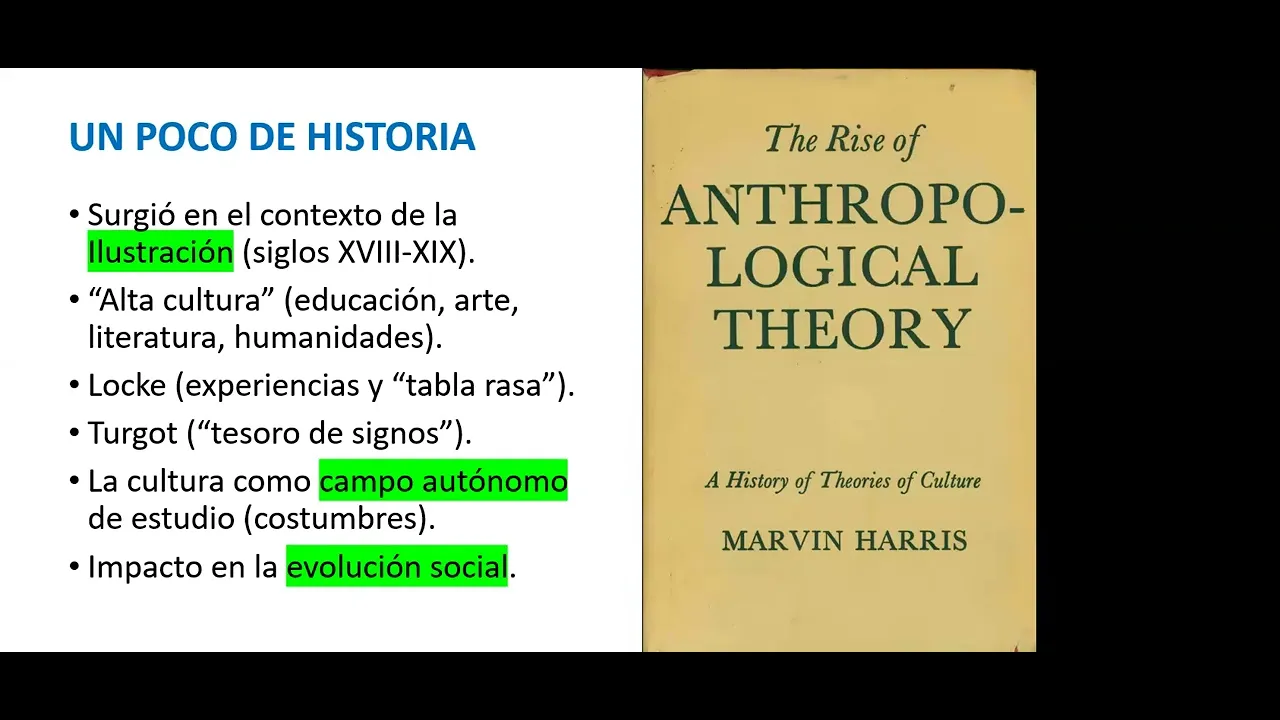


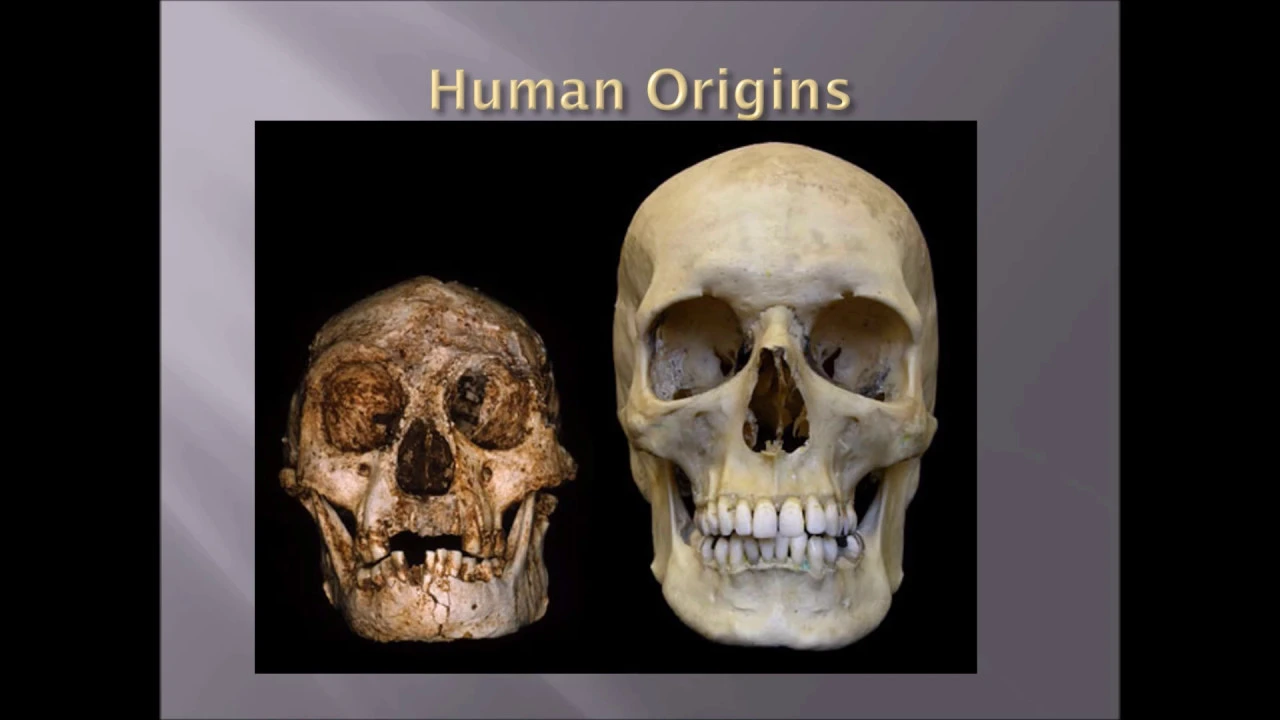


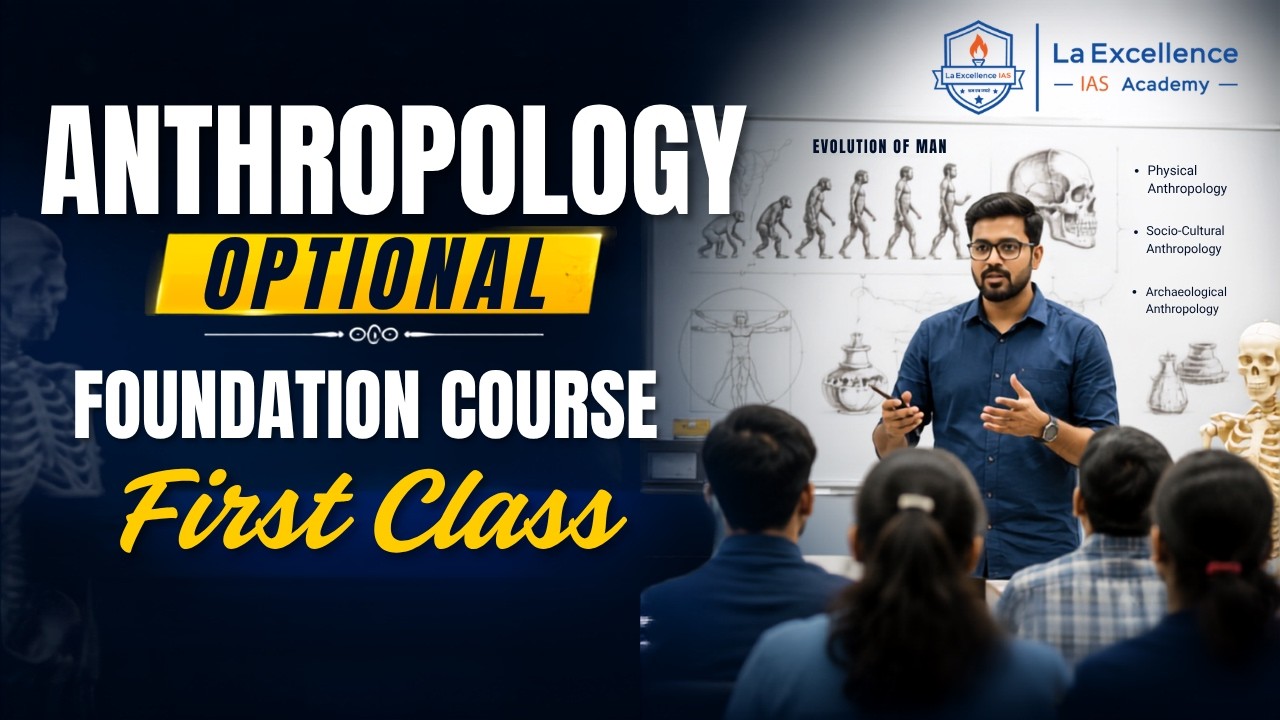
Anthropology is the scientific study of the human species across past, present, and future, divided into four main subfields: cultural anthropology (studying human cultures, customs, and behaviors), biological/physical anthropology (examining human evolution, anatomy, and primatology), linguistic anthropology (analyzing human language and communication), and archaeology (studying human behavior through material remains). Franz Boas revolutionized American anthropology by introducing cultural relativism—the principle that no culture is inherently superior to another—and promoting historical particularism, which argues that cultures develop along their own unique trajectories rather than progressing toward a single superior endpoint. This holistic approach allows anthropologists to systematically study what it means to be human by examining all aspects of human existence.
Anthropology 101: The Four Fields and the Study of Humanity
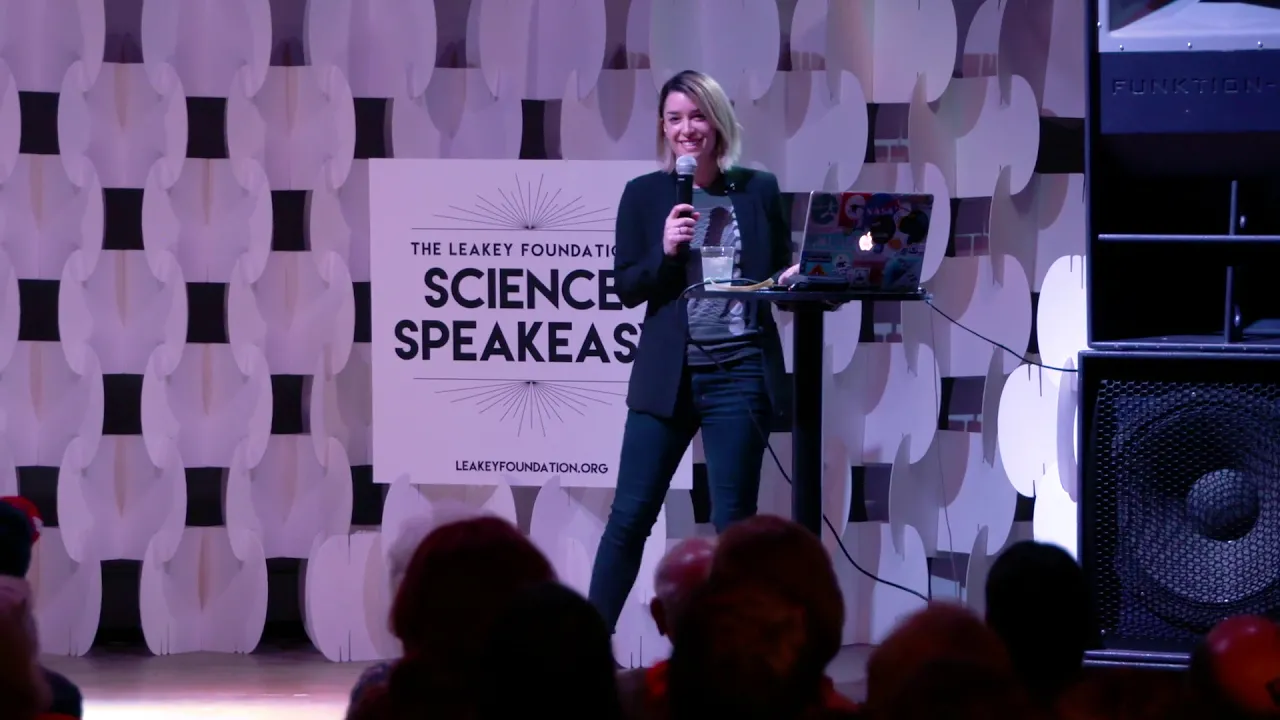
Added:i commissioned an artist to tori mazza to illustrate what an ancient dog funeral might look like i now use this to introduce new audiences to anthropology i asked them to look closely and notice that these upper paleolithic people are fully clothed not shirtless that there are men they're a woman and there are children that there is a shaman adorning the dog with symbolic ochre and that the people have adorned themselves with tattoos and jewelry i explained to them that all these material details are supported by the archaeological and ethnographic records i asked them to look for the postulated emotion maza painted on their faces the sadness they felt burying the dog i asked them to look at the woman consoling the child holding their leg while carrying an infant on their back i point out the person behind them who could not bear to look at the scene finally i asked him to take note of the other clan members in the background respectively observing from afar as his family leaves their loved one to rest then i tell them this is how people used to live they weren't less than human they were us a lot of you are probably familiar with the term anthropology uh either as a store or just as a discipline but if you're not familiar and maybe you're just more familiar with archaeology in general or history let me explain what anthropology is it's my favorite subject very passionate about it and honestly i don't see myself studying anything else it's i love it anthropology in its simplest terms is the study of the human species and that's the human species in the past human species in the present and the human species in the future and if there was a symbol for the human species as you can see here in cueva de los manos it's probably the coolest example of them i've ever seen uh but obviously that's kind of why i drew them behind me i find them very interesting and intriguing so before they were mirrors and you can only really see your reflection in like a still water you just had these so if you wanted to leave a message to somebody all you could do without literacy is just to put your hand on the wall what stands out to me is that it's people saying that look i am human and i was here and like i mattered you're putting that onto the wall and i i can't get into the psyche of people that lived in the past but we just like to draw stuff on things and like leave like a mark behind whether intentionally or purposely but it it at least lets us know they existed and they have lives and i think it's cool [Music] so let's get into anthropology in america we can divide anthropology into four different subfields and that is cultural anthropology which studies human culture customs religions and behavior and then we have physical or biological anthropology which studies [Music] hello yeah i'm doing a video well yeah but what i thought it was physical or biological i've been saying physical for almost 10 years now okay well yeah i could see how that has negative connotations so it's just biological now all right bye biological anthropology which studies anything from skeletal anatomy to primatology to human evolution to uh paleoanthropology digging up ancient hominins and things like that there's linguistic anthropology which is not the same thing as linguistics but very similar and this is the interpretation of human language and human symbols so it's not just the language we speak and disseminating where different languages come from but it's how languages arise how environment shapes language and things such as that and critically looking at the discourse between two people or a group of people and seeing how that plays into their culture and their customs it's very neat and lastly we have archaeological anthropology i'm biased it's my favorite but archaeological anthropology it's not gray robbing it's not studying pharaohs and their tombs and in part it is but it's the study of human behavior through time that's the best way i can describe it all right moving on when it boils down to it what you're asking is what does it mean to be human and anthropology is the best science we can use to help us ask that question we're never going to know and it's a little selfish of us to ask that because we're the only people that can kind of make elephants and maybe whales and stuff can then can ask like what does it mean to be a whale but a squirrel doesn't say what does it mean to be a squirrel and who are we to say like why what does it mean to be well that's not fair think about the squirrel why does he get to think about himself just he's evolved to scavenge nuts and stuff we're just evolved to be really social and intelligent we're not that special but we are really cool and it's really cool to study us so let's talk about the history of anthropology now it wouldn't be anthropology day without thanking papa franz he's the father of american anthropology and he's the guy that changed the game boaz had a degree in physics over in germany and that eventually emigrated over into new york there he became a professor of anthropology at the at columbia university and was very much associated with the museum of natural history in new york right outside central park i interned there once and they gave you a pass to go to any museum for free in new york so i spent the whole summer doing that it was awesome he had a physics based mind research based mind and looked at the world scientifically and then he was really interested in humans and human culture and archaeology and was really interested in indigenous americans and wanted to study them and then the turning point in anthropology that he created was before this people kind of were just treasure hunting in a way and you have this thing called culture history and culture history is what britain did and what nazi germany did and what every colonial power did is try to go get artifacts in other places in the world or and this extreme artifact collection in their own countries trying to prove that their culture is like the most superior or the oldest or you know like it's kind of bad when you do research that way because you're you're going into it biased thankfully we moved away from that because make no mistake it made a lot of problems in europe point is boaz was like why are we just collecting these masks from the pacific northwest and like just taking them as artifacts and putting them in a museum what about the the people that made the masks what about what do the masks mean what is like the culture behind them how do they get made other people probably had those ideas but he was the first one to be like let's go and he made this happen and he studied people's cultures and the term you're probably most familiar with that associates with boaz is cultural relativism cultural relativism is the idea that no one culture is superior to another i can't sit here and say that my culture is superior to a culture of people that live in the amazon uncontacted it's not they still have culture it's infinitely complex why because i don't know i can't walk into their culture and know their language and know how to hunt and know what every tree like looks like or how it tastes or whatever i don't know that and there's so much we don't know yeah we have like cities and like quite literally empires like it's civ 6 but said 5 was better every culture has its own intricacies and every culture has its own complexities and we can't say that one is more complex than another ours is built upon other cultures that are is compounded upon and shared with other cultures it wasn't for that we wouldn't have what we have right it's we're no different if you plopped me in the amazon with them i'd probably die i'd probably fare for like a day or two but i'd probably i'm not worried about surviving and getting food and not getting bitten by anything i'm mostly worried about like the mental breakdown i would have anyway in your daily life if people have different religious views or different political views than you it's putting yourself in their shoes to understand why why do these people have these beliefs are mine better because it's based in this reason or that reason who's to say it's it's all relative and going off that boaz also was a proponent of historical particularism and historical particularism is contrary and opposite to cultural evolution which was the dominant theory at the time and it's a lot of words but to put it simpler people before him thought that cultures evolved and they got to a stage where one is the top it's like the best superior culture and that other cultures were always advancing towards that whereas the historical particularism is more about like every culture is more complex and goes in its own direction it doesn't necessarily have to become like the roman empire it doesn't and then fall and then go to something it doesn't have to and you might say yeah of course it will well no it doesn't because those people have lived in the amazon for upwards of 10 000 years and have survived this entire time and their culture has changed but endured so it doesn't matter and that brings us to cultural anthropology which is my second favorite field i don't know doesn't matter they're all interesting i said this earlier but cultural anthropology is the study of human cultures belief systems their behaviors and all that but obviously animals can have some kinds of culture too but in the sense of anthropology culture is shared and learned human behavior and as a science cultural anthropology is able to systematically and scientifically study human cultures i sound like a broken record but you might be familiar with margaret mead or you might be familiar with jane goodall who went in and studied chimpanzee culture and margaret mead who studied samoan culture who am i going to tell the ethics board of time traveling anthropologists hello yes i know jane goodall is not a cultural anthropologist what she did was discover that chimpanzees actually are very complex creatures that have their own kind of culture i know i lump them in together with margaret mead and other cultural anthropologists but they get the point i don't have a teleprompter i'm not a professor i'm i'm on youtube all right sorry i love you too bye but it doesn't have to be some exotic place what we can do with cultural anthropology is study goth culture in high schools you want to study inmate culture at the maximum security prison in colorado you can do that if you want to study youtubers as a culture you can find a way to study that got it got it like and share this video what's like and with cultural anthropology you can translate that into a corporate job right you can be a market analyst you can especially do this with social media or for marketing but you can study a target audience and help people sell to them and this next balding european dude has a controversial history as well but we're gonna well that's another video let's just talk about the major impact that he had in anthropology bronislav malinowski which apparently in polish means a little raspberry man he went you guessed it to the south pacific to study the troller brand islanders and what he discovered living among these people is something pretty profound in a way is that these people have an elaborate gift exchange system which involves a lot of ceremony and pomp and circumstance and and and the customs and the traditions that go around it and what he learned was that okay every culture does this and we're all kind of similar in that way we we have elaborate things around interpersonal gift exchanges not to say that's the one thing that unites all humans but what he realized was like okay we do this too back in europe like we throw elaborate parties for our two-year-old when they have a birthday party the two-year-old doesn't care about all the adults that come to the party but the party's really meant for the adults to socialize and fraternize and to you know play with social status and whatnot and yeah people give gifts to the child but there's the social function behind it you ever go back and watch your old childhood videos of your birthday party when you look at it you're like oh i remember getting that n64 that was awesome but i think i got that for christmas doesn't matter but when you go back as an adult and you watch those videos what sticks out to you it's the people that were there like oh i didn't know aunt whoever was there or grandma was there it that means more to you it's the culture behind it it's not what you're getting and he called this civilizing the savage and savaging the civil or something like that savaging the civilized civilizing the savage not a good thing to say either way in today's day and age but you get the gist he's saying that we're all equal in a way but then we found his diary and people read it and uh had he been starring on the mandalorian he would not be hired for the next season less intense subject linguistics actually it's my least favorite class in grad school it was very hard but also fascinating at the same time so kind of like math linguistic anthropology is the study of human language and communication and that can also be signs and signals doesn't have to just be language i'm from new york and a cultural stereotype of new yorkers is that we talk with our hands a lot you probably saw me doing that a bunch it helps visualize what i'm saying and convey it to you in a visual format in addition to my verbal speech right that's linguistic anthropology signs you know what this sign means you just know that octagon means stop same thing with the green light no one's there telling you go it just means go it's a symbol also some people cross their arms when they're talking that like some people believe in psychology that means you're a little more closed off but again it's an outdated theory but you can use linguistic anthropology to test that is it really a thing is it not a thing i think the leading science says no it's not really a thing another sense of linguistic anthropology is critical discourse analysis this is analyzing the language between two people or a group of people and seeing what the underlying messages are a good example of this is advertising if you look at the app store and see what all the food apps are they're mostly red why is that red is a comforting color it's also a food that makes us hungry i'm sure there's people that object to that but look at it a lot of stuff is read but you can do that with language watch a presidential debate some ten thousand thousand centrifuges spinning uranium preparing to to create a a nuclear threat you're conveying a message of like yeah i'm really pissed at you but like i'm just gonna smile because i gotta show this appearance right nothing governor romney just said is true and every fact checker and every reporter's looked at it governor has said this is not true that's critical discourse and lastly there's a superior warf hypothesis and sapir was a student of france boaz franz boaz has actually taught a lot of students margaret mead and a few others that are well known that went off and taught their own anthropology schools but back to that the superior warf hypothesis is the idea that language shapes your culture a good example of this comes from the movie arrival where they explain the superior war hypothesis you know i was doing some some reading um about this idea that if you immerse yourself into a foreign language that you can actually rewire your brain yes that biomorph hypothesis hmm the theory that um it's it's the theory that uh the language you speak determines how you think and yeah it affects how you see everything it was uh i'm curious are you dreaming in their language but one thing to know is no one's like born with a predisposed way to speak a language it's i mean yeah your mouth probably is genetically more similar to that of your mothers and your fathers but like does that mean you speak chinese better than someone else no because i could be born in china raised there my whole life and i would speak fluent mandarin does that mean i'm like predetermined to speak english absolutely not here's another one blue is a very uncommon word in most languages in the world it's blue in english because we have a word for it i guess but in most hunter-gatherer societies there's no word for blue it's just like there's sky and there's water there's no blue because it's so uncommon in the world a cool example of this is in the original pokemon games in the concept art bulbasaur was supposed to be green in japanese the word for green and blue i think was interchangeable or it doesn't exist in the same way so when they tried to say that the guy drew it as blue not green your language shapes your culture what's what now physical anthropology which is also my favorite they're all my favorite you this is a study of human osteology anatomy forensic anthropology human physiology primatology you name it human evolution the whole thing the good stuff think about the history of physical anthropology go back to the greeks or anybody who was doing studies on people um that gets pretty dark real quick if you go down that rabbit hole just think about da vinci he was uh that famous drawing right that's physical anthropology in a nutshell and you can see the classic image of human evolution how humans got to where we are and from human evolution we can look at paleoanthropology which is digging up lucy or digging up arty or digging up all the various hominins that once lived very heated and contentious field if you want to watch some like cool drama show they should get a reality tv at a physical anthropology conference because it's wild and then that also gets into primatology which jane goodall and the like who was a student of a paleoanthropologist but what that is is you're studying our closest remaining relatives which are the great apes and like saying further back is our monkeys monkeys and apes are a different thing i know joe rogan goes on this tirade all the time no apes make nests they don't have tails monkeys have tails they live differently and live in huge big like things most of the time or have they vary it doesn't have a tail it's probably an ape what can we learn with physical anthropology that's probably the question you're asking or not you're probably clicked off of this by now don't do that what's the difference between this grave and that grave clear difference right well first off this one's a neanderthal and that one is a modern human also known as pharaoh buried in an elaborate tomb that took years to build and took human lives to build why are they different this gets into archaeology a bit too but we're not studying like the gold and like just oh look at these antiquities like no it's not that at least in america what we look at is the behavior what culture and what behavior led to that pharaoh having such an elaborate burial like an afterlife situation how did he get so much control over people to put so much effort and blood sweat tear and life into his afterlife after he already died like come on what the hell and then this little grave here why why is there a difference what leads to this but anyway food for thought but let's look at the grave this is a neanderthal buried in a lined grave does this mean neanderthals had religion does this mean they had complex belief enough to have an afterlife i don't know but they buried their dead uh maybe it kept them from eating grandma neanderthal grandma a lot of people think they did have ceremonial burials a lot of people think they don't you can learn a lot from people's bones they they're a map of your life in essence if you have parry wounds on your arms when you die like some neanderthals do we can tell that there's probably interpersonal violence between them uh or at least like hunting accidents we can't tell but who's to say you can tell like oh he died in a panic or this person's bones were broken this person died of old age this person was cremated this person was missing a leg this poor hominin died of a toothache brutal i don't wish dental pain on anyone but one of the coolest things in physical anthropology i've ever seen was a lecture by dr tiffany tung she's at vanderbilt university and dude this is awesome let me set the scene found this site in the andes with a lot of human sacrifice went on like stone tool cuts the finger off stone cools cut the heads off like a lot it brutal stuff the problem they wanted to know were these people or were these captives from the local area like were they part of that civilization where did they come from other areas so what they did was an isotope analysis so what that is it's like a road map of your bones of what you were eating it largely remains in your bones they got guinea pigs little witty pigs to eat grass all over different areas of the andes and then tested their isotopes with the human isotopes and learned that these people were taking captive i think like dozens if not hundreds of miles away from where they were being sacrificed which is just one so violent and then two like wow that's amazing but like not at the same time anyway amazing lecture and lastly let's talk about utsi otzi the iceman when we found him eroded from the ice and the alps along with his clothes and his material culture which is all archaeological i'll get into that he had two arrows in his back so we knew that he was murdered this dude was definitely whacked i don't think it was an accident and someone left him it was an accident they would have brought something back to say like oh no he died and brought his axe or something like that uh yeah that he got whacked secondly he had tattoos that tattoo's a physical anthropology thing my friend aaron does a lot of cool work with that at archaeology inc check it out the archaeology of tattooing is also fascinating but the point is he had these tattoos around places where his joints would have been aching him right and why were his joints aching him well when they did an analysis on his blood and like his you know body the dew had lactose intolerance gluten intolerance lyme disease and also low-grade arsenic poisoning so maybe he wanted to die anyway a lot of stuff physical anthropology can tell us lastly let's talk about archaeology i've mentioned it a bunch because obviously it sneaks in everywhere archaeology is life but as i said earlier archaeology is the study of human behavior through time and you can use this by studying human material culture also known as artifacts and what you're looking at is how people lived in the past and you interpret that through their material culture they left behind so their artifacts their food their bones their homes things that you can pick up and interpret or through the geology of the site like geo archaeology or through the animals at the site with zoro archaeology and anything like that you're just trying to piece together what clues you have that's left behind physically by humans to infer their behavior and learn more about them another way to look at it is archaeology is about asking questions you don't just put a shovel in the ground to see what's there and then write a report about it no contract archaeology is because it has to be dug out and you have to know what's there but in the general sense of like the discipline of archaeology and academic research archaeology is about asking questions yeah there's a mammoth at this site we see the bones and it was killed but like the question is to what extent is the campsite that was there what period of time was this and how many people were there that's the question and how does that fit into the larger aspect of paleoindian archaeology my thesis question was trying to ask is there a point at which large projectile points are too big to be fired from a bow so what i wanted to know is like could paleo indians have been using a bow with their big points turns out yeah it's totally possible i don't really think they did but it's i use science to prove it's possible science but i'm going on a tangent again but i'm gonna hammer this in with what's important and pull this into why anthropology is important let's watch one of my favorite youtube channels primitive technology look at him building this structure he needs to make the stone tool to build the structure so he whacks some stone flat knaps it makes a sharp edge uses that to cut wood cuts that wood then he makes post holes with that wood and then using the post hole he then sticks in the larger wood to make the beams for the structure and then he puts the structure together using cordage that he made from around his environment when he's done he makes a fire and he cooks some food in it now imagine all that's gone imagine all you can see now is a couple stone flakes you can see his axe head you can see his hearth and you can see what food he had in the hearth and you can see a couple post holes and how big his structure was let me ask you what language did he speak what music did he play did he have music what was his gender what kind of clothes did he wear what was his religion these are questions we really can't answer without a time machine like here's the plain and simple of it all of that is gone the clothing they wore the songs they sang and the beliefs they had and their general aspect of daily life is gone it's lost to the record it's lost to time it's gone but what we can do is analyze what material remains he left that fire pit that food his post holes so we can really get from there but when we pick that piece of the puzzle and put it in with another piece of the puzzle another 10 miles from that site find another site and another site we can get an idea of okay people in this area did this they made their tools this way until we find a burial to see their bones and analyze what they look like we're not gonna know anything more about them but it's neat this person lived his life mattered and he was human just like you now to end this i'm going to bring you back to the picture there's everything that i just taught you look at it now you can see that they're sad and they're burying their friend or a well-regarded dog or wolf in their pack so long before we started burying dogs we started burying each other and that shows that we had some kind of thought of maybe there's an afterlife or at least grandma's going to start the stink and you don't want hyenas to eat her so you got a barrier but then it later became probably a ceremonial practice and it was a whole ritual and going to the next world or the underworld or something like that we do that for thousands of years and eventually for the first time we do this with dogs and it's the first time humans transfer this idea of like we are human to another being and put that being in the ground with dignity i think that's amazing that makes me sad that we'll never know what these people's names were or the really awesome language they probably spoke or what cool stories they had or the jokes they had it's sad to me but it's also awesome because we can always ask questions about it but we can tell with anthropology that they lived and they wanted us to know that by putting these on the wall they were human oh my [ __ ] hello yes i know there are a lot of critiques to all the theoretical paradigms that i talked about today but that's the beauty of anthropology you can learn these things and you can read all about theory and you can go to graduate school and learn all the different ways to think that's the best part it's all about critical thinking i know right it's so cool yeah so go ahead and go do the squirrel outside i like squirrels uh yeah so guys do your own research i'm i'm not a professor i just i just have a master's degree so what does that mean nowadays i basically work at mcdonald's uh yeah all right and oh yeah okay i forgot thank you okay okay all right i forgot to thank my patrons i really appreciate it i'm gonna put you guys up right here um yeah actually if you guys can just go ahead and like and subscribe i hate saying that but that's the thing i gotta do dogs coming inside just you know subscribe to the patreon more videos coming soon if you want to vote on topics you can do that there and really appreciate having you so thanks for being human
Up Next
Anthropology of Food: Why Food and Culture Matter
@GoodAnthropologist
6.5K views•2011-01-13
Astrobiology Through an Anthropological Lens: Field Insights
@georgiatechastrobiology
128 views•2021-04-14
Proxemics Explained: The Study of Personal Space
@Vox
536K views•2016-07-05
Psychology of Internet Trolling and Pranks Explained
@AzzyLand
10.7M views•2017-12-20
Related Study Plans & Knowledge Roadmaps
Structured learning paths in Anthropology