Sensory Anthropology (Culture & Perception)
Learning Goal: Analyze how culture shapes human perception by applying sensory anthropology frameworks to study how different societies navigate and understand their worlds through soundscapes, olfactory landscapes, tactile practices, and the politics of taste.
- Estimated Total Study Time: 14 Hours
- Prerequisites: None (Module 1 serves as the foundational gateway for all subsequent modules).
Module 1: Foundations of Sensory Anthropology
This module establishes how sensory perception is not merely a biological constant but a culturally constructed phenomenon. You will explore how different global societies organize, prioritize, and experience the world through varying sensory hierarchies (or sensory ratios). By engaging with the foundational work of David Howes and the legacy of Claude Lévi-Strauss, you will learn to look past the Western "five-senses" model and understand how the "sensory turn" has revolutionized ethnographic study.
Recommended Videos
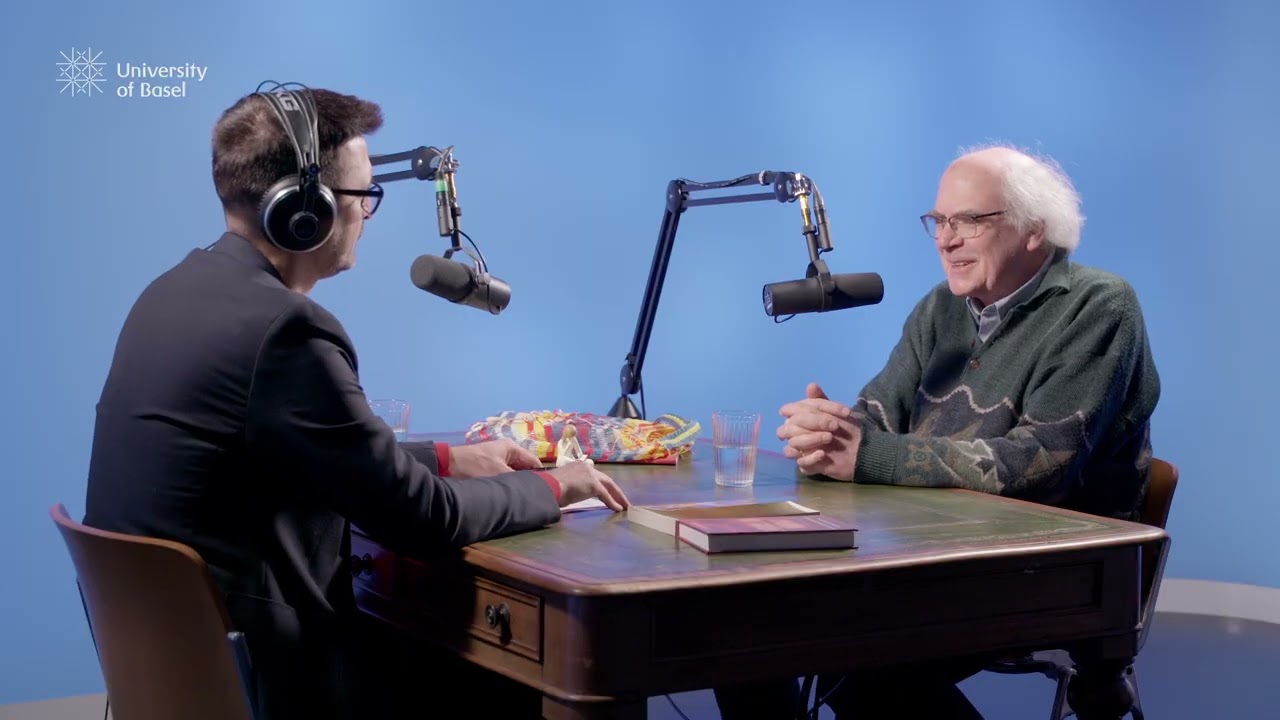
Why this video is valuable: This interview features David Howes, one of the founding fathers of the anthropology of the senses. Howes details the origins of this subfield, explaining how human senses are culturally shaped rather than just biologically hardwired. He argues for "sensory pluralism" and challenges the default Western bias toward sight. Understanding his paradigm of sensory construction is vital for establishing the theoretical baseline of this entire curriculum.
Why this video is valuable: This video bridges classical anthropological theory with sensory studies. Howes explains how Claude Lévi-Strauss's concept of the "science of the concrete"—using sensory qualities (hot/cold, raw/cooked, loud/quiet) to construct cosmological order—forms the intellectual scaffolding of sensory anthropology. It helps learners connect cognitive structure directly to sensory experiences.

Why this video is valuable: This video highlights the critical distinction between pure sensory science (which isolates senses in sterile laboratory settings) and sensory ethnography (which studies senses as lived, contextualized, and interconnected social realities). Learners will see how contemporary scholars critique scientific reductionism in favor of cultural holistic models.
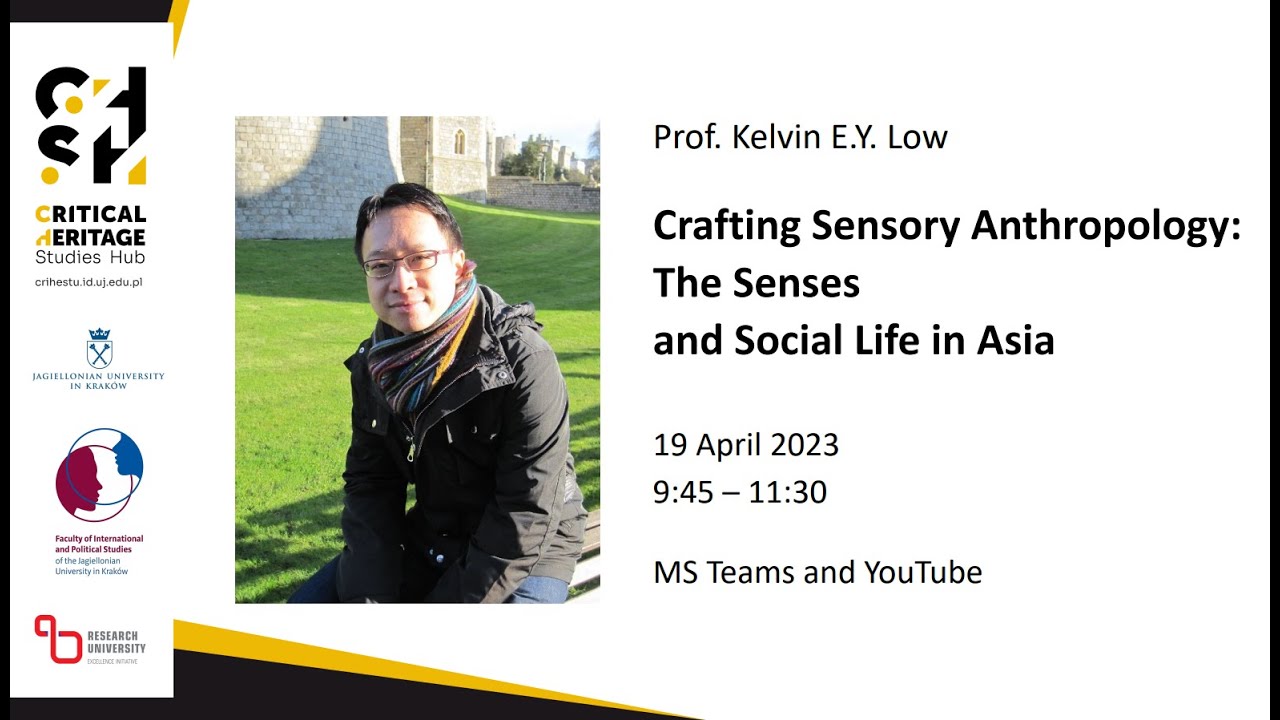
Why this video is valuable: This lecture applies foundational theories to empirical case studies in Asian societies. It provides concrete proof of how sensory hierarchies operate outside of Western contexts, focusing on how sensory experiences are historically contingent, socially constructed, and deeply intertwined with regional politics and spiritual paths.
Knowledge Checkpoint
- Explain the difference between sensory science (laboratory-isolated) and sensory anthropology (contextualized in culture).
- Define "sensory hierarchy" and explain how different societies prioritize senses differently.
- Connect Claude Lévi-Strauss's "science of the concrete" to the sensory construction of the cosmos.
- Contrast the traditional Western five-sense model with a culturally pluralistic model of human perception.
Module 2: Soundscapes and Acoustic Ecology
This module explores how human communities use sound to orient themselves, build relationships, and understand their spatial realities. You will dive into acoustic ecology—the study of relationships between humans, their environments, and the sounds that populate them. Discover how researchers map acoustic spaces and analyze the cultural meanings embedded within shared soundscapes.
Recommended Videos

Why this video is valuable: Hildegard Westerkamp, a pioneer of the World Soundscape Project, discusses the roots of acoustic ecology. She explains how our relationship with soundscapes shapes our social consciousness and geographic belonging. This video teaches learners how to listen to environments deeply, transforming sound from background noise into primary ethnographic data.

Why this video is valuable: In this rare presentation, R. Murray Schafer—the theorist who coined the term "soundscape"—shares his vision of acoustic ecology. He emphasizes how industrialization has changed human hearing patterns and discusses the ethical and social values tied to preserving natural, balanced sonic spaces.

Why this video is valuable: This video provides a deep dive into acoustic ecology, breaking down the elements of a soundscape (keynote sounds, sound signals, and soundmarks). It analyzes how different types of sounds—natural, human-made, and cultural—fuse to create distinct ecological and geographic markers.

Why this video is valuable: This documentary segment details how ancient spaces are designed with specific acoustic properties in mind. It shows how past cultures perceived their worlds through hearing and echoes rather than just visual aesthetics, linking acoustic design to ancient sacred rituals and socio-spatial configurations.
Knowledge Checkpoint
- Define "soundscape" and list its three main constituent elements according to R. Murray Schafer.
- Explain how industrialization changed human acoustic ecology and sensory relationships with nature.
- Describe how archaeological spaces used acoustics to generate spiritual or social authority.
- Differentiate between a "keynote sound" and a "soundmark" in a cultural environment.
Module 3: Smellscapes and the Anthropology of Odor
This module investigates how smellscapes (olfactory landscapes) operate as mediums for memory, spatial organization, and cultural categorization. You will study how olfactory values vary globally, examine how olfactory systems can mark social boundaries, and analyze how communities utilize scent to navigate space and construct cosmological meaning.
Recommended Videos

Why this video is valuable: In this interview, David Howes explores the olfactory dimension of the "sensory turn" in anthropology. He details how smells are omnipresent, emotionally charged, and culturally classified. It reveals how olfactory cues—often ignored by ocularcentric Western scholarship—serve as critical mechanisms for mapping social boundaries and emotional landscapes.

Why this video is valuable: Using indigenous Amazonian communities (like the Machiguenga) as case studies, this clip demonstrates sensory categories that challenge the five-senses division. For instance, learners discover how the Machiguenga sensory group "kim" translates as "hearing" the odor of something. It shows how olfactory landscapes are parsed through unique epistemological frameworks.
Independent Research Note
The current video pool has limited video resources on the history of deodorization and class-based olfactory politics. To round out your studies, we highly recommend searching independently for:
- “Class, race, and deodorization history of smell lecture”
- “Constance Classen anthropology of odor and social boundaries”
Knowledge Checkpoint
- Explain how some indigenous systems (like the Machiguenga) group smell with other sensory pathways like hearing.
- Detail how olfactory values differ globally and how Western models of scent differ from indigenous non-Western models.
- Describe the concept of a "smellscape" and how it acts as an emotional or spatial anchor for memory.
- Analyze how odors can be used to construct boundaries of exclusion or inclusion in urban settings.
Module 4: Tactile Practices and Haptic Cultures
This module transitions from sound and smell to touch, analyzing how physical contact, personal space boundaries, and somatic experiences are defined and governed by culture. You will learn about proxemics—the study of space and proximity in human interactions—and evaluate how touch behaviors reflect deep-seated social hierarchies, respect, and emotional communication.
Recommended Videos
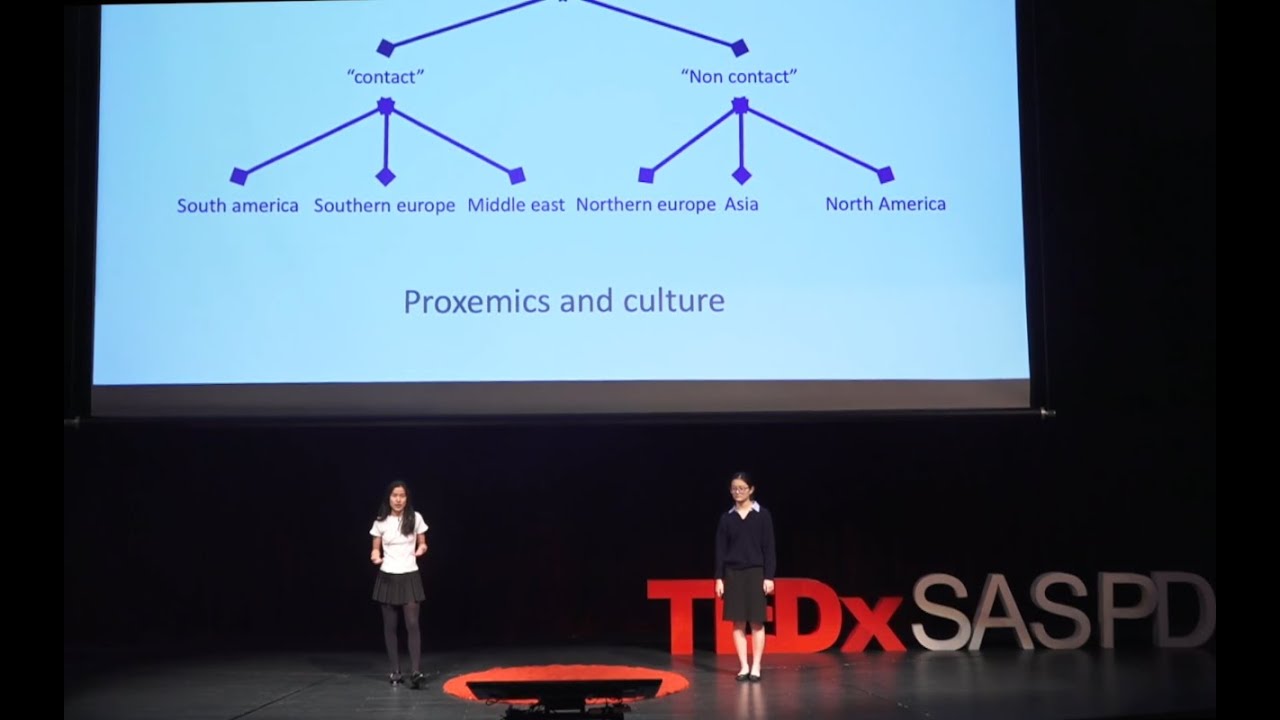
Why this video is valuable: This presentation explores the dramatic cross-cultural differences in physical proximity boundaries. It introduces the difference between "contact cultures" (which welcome closer distances and frequent touch) and "non-contact cultures" (which require larger personal bubbles), detailing the social friction that occurs when these groups interact.
Why this video is valuable: This video focuses on the formal principles of proxemics and the social parameters that regulate comfortable conversational distances. It offers a comparative perspective on why some geographic regions tolerate crowded conditions while others consider close proximity a violation of individual rights.

Why this video is valuable: This training segment uses real-world cross-cultural examples to show how tactile communication expresses values of respect, authority, or distance. It outlines a famous case study showing how cultural differences in touching (e.g., placing change directly into a hand versus placing it on a counter) can be misunderstood as hostility or disrespect.
Knowledge Checkpoint
- Define "proxemics" and state the core differences between contact and non-contact cultures.
- Analyze how a simple action (like returning cash or greeting a stranger) can have varying tactile rules across cultures.
- Explain how personal space boundaries function as non-verbal signs of power and respect.
- Outline how somatic standards of touch shape ideas of comfort, discomfort, and privacy in urban public environments.
Module 5: The Politics of Taste and Gastronomy
This module shifts the focus to taste, examining how food preferences are tied to social class, power dynamics, cultural identity, and the politics of disgust. You will explore how taste translates from a simple biological reflex into a sophisticated cultural practice. It will examine how language and social conditioning shape flavor profiles, how "distinction" marks class status, and how the multi-sensory nature of food experiences can dictate global culinary hierarchies.
Recommended Videos
Why this video is valuable: This video analyzes food anthropology through Jean Anthelme Brillat-Savarin’s core 1825 theories on taste. It details how humanity converts eating from an basic biological necessity into an intellectual and social tool that defines class, national identity, and social boundaries.
Why this video is valuable: This segment discusses how taste is structured by broader socio-economic systems, including labor, technology, media, and class frameworks. Rather than treating food as purely an aesthetic choice, the video reveals how modern culinary aesthetics and eating patterns are molded by economic realities.
Why this video is valuable: This comprehensive discussion examines the complex, multi-sensory experiences of eating. It highlights how soundscapes, olfactory elements, and somatic environments interact to mold individual flavor perceptions. It presents the case that what we perceive as "pure taste" is actually a sensory orchestra influenced heavily by cultural factors.

Why this video is valuable: John Prescott explores the biological limits of taste (like innate preferences for sweet versus bitter) and shows how different societies override these settings to appreciate complicated foods (like spicy or bitter dishes). This serves as an excellent case study of how culture can override biological conditioning.
Knowledge Checkpoint
- Differentiate between biological taste receptors and cultural definitions of "taste" and refinement.
- Explain how class "distinction" (e.g., via Pierre Bourdieu's frameworks) uses culinary tastes to validate social hierarchies.
- Detail how auditory or environmental sensory inputs can alter a person's physical perception of food flavor.
- Discuss the cultural logic of "disgust" and explain how what is delicious in one context can be repulsive in another.
Module 6: Sensory Ethnography in Practice
This final module bridges sensory theory and anthropological practice. You will learn the methodology of sensory ethnography, formulated by Sarah Pink, which calls for going beyond visual and auditory notes to embrace non-verbal, tactile, olfactory, and multi-sensory records. You will study how to map physical environments using sensory markers, analyze how body movements track through physical space, and discover how to design environments based on sensory insights.
Recommended Videos

Why this video is valuable: Presented by Sarah Pink herself, this lecture defines sensory ethnography. Pink explains how to move past traditional ocularcentric or text-based research models, showing how researchers can gather deep data by attending to "sensory ways of knowing," body-space interactions, and multi-sensory patterns.
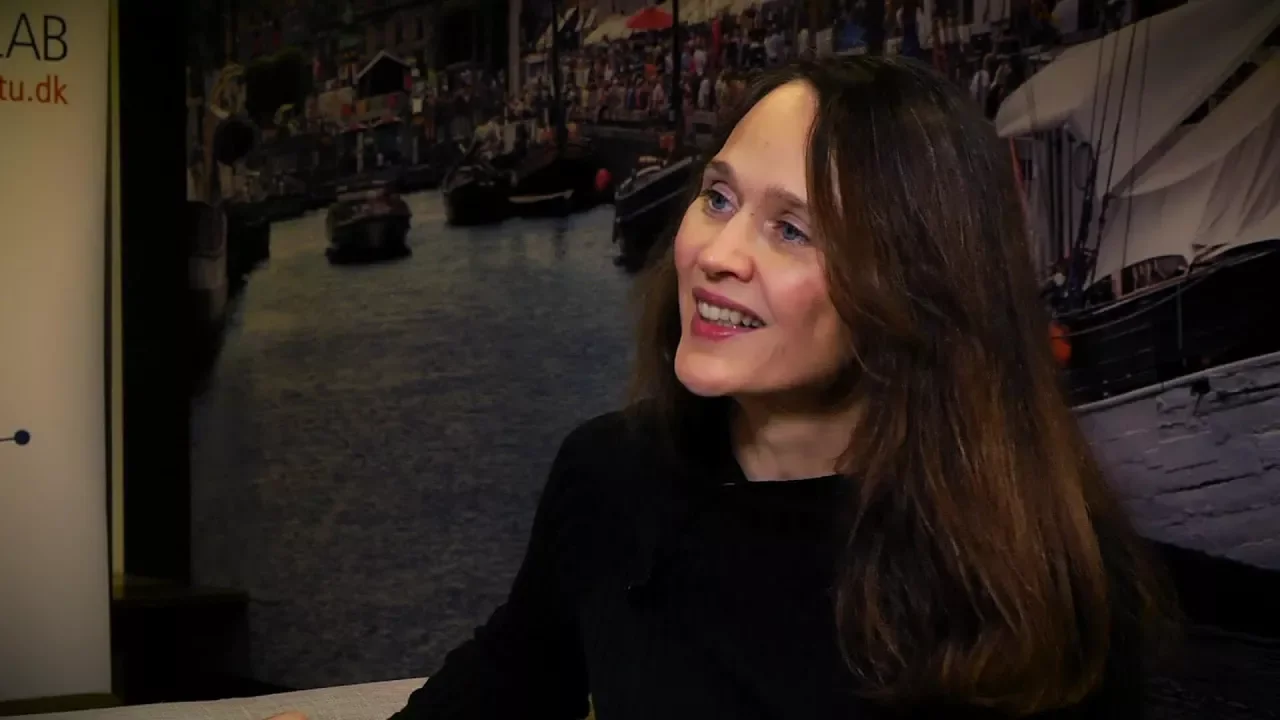
Why this video is valuable: This presentation explains how sensory ethnography maps onto digital landscapes. Pink illustrates how contemporary life fuses physical and digital sensory environments. It teaches learners how to track human experiences through video, photos, and digital interfaces by looking at them as traces of physical movement.
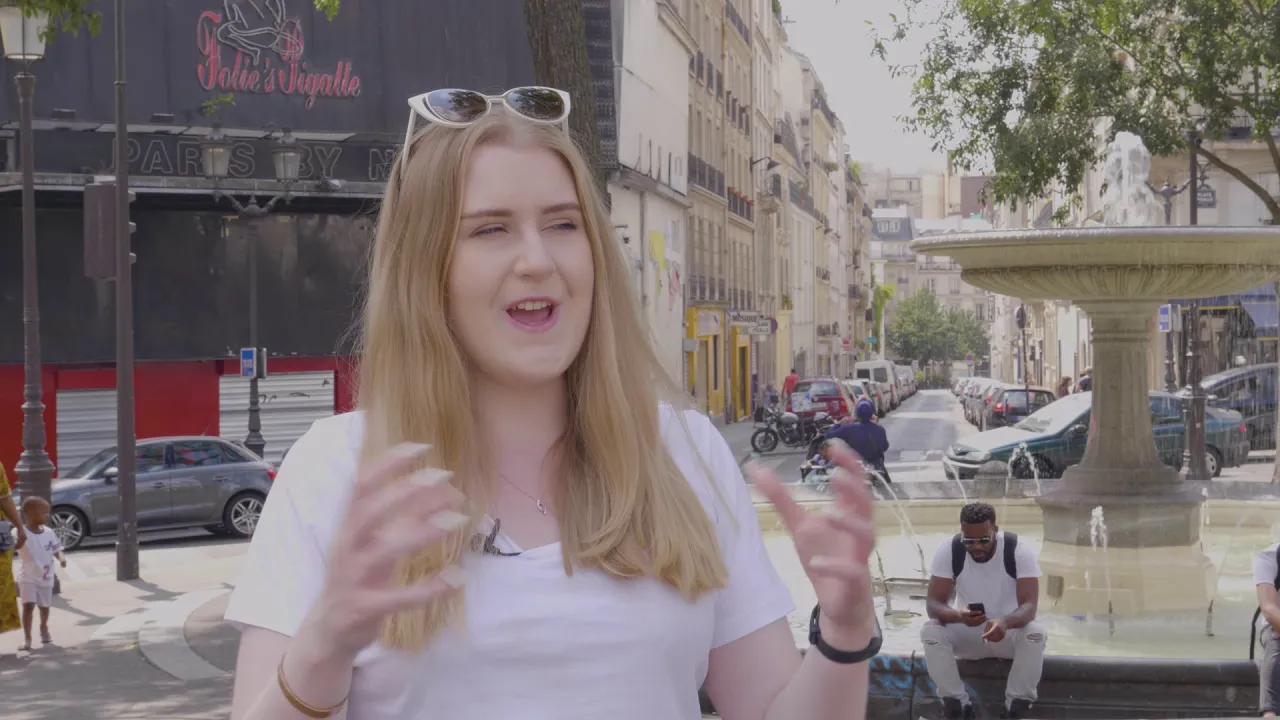
Why this video is valuable: This concrete case study shows how researchers mapped the Pigalle district in Paris by cataloging sight, sound, smell, taste, and touch. It acts as a clear field guide for conducting a multi-sensory audit, showing how multi-sensory maps capture the real atmosphere and historical subtexts of urban spaces.
Why this video is valuable: This short video highlights how researchers can pay close attention to the human sensorium—not as split-up senses, but as a combined multi-sensory matrix. It introduces proprioception (the body's awareness of movement and space) and explains how to systematically catalog somatic and bodily movements during fieldwork.
Knowledge Checkpoint
- Define "sensory ethnography" and contrast it with traditional, visual-centric observational research.
- Design a template for a basic multisensory audit of a public urban square.
- Describe how digital tools (like video and audio) act as physical traces of an ethnographer's movement through space.
- Explain how proprioception and bodily movement relate to understanding spatial safety or spatial design.
Course Map
Key People Index
- David Howes (Ph.D.): Professor of Anthropology and co-director of the Centre for Sensory Studies at Concordia University, Montreal. Pioneered the "sensory turn" and the concept of "sensory hierarchies" to show how sensory systems are culturally modeled rather than biologically fixed.
- Sarah Pink (Ph.D.): Director of the Emerging Technologies Research Lab at Monash University. Famous for developing "sensory ethnography" as a concrete methodology that integrates visual, digital, material, and sensory environments into qualitative research.
- R. Murray Schafer: Canadian composer, writer, and environmentalist. Founded the World Soundscape Project and coined the term "soundscape," establishing the parameters of acoustic ecology.
- Hildegard Westerkamp: Composer, radio artist, and sound ecologist. Worked alongside Schafer on the World Soundscape Project to champion active listening and soundscape mapping.
- Claude Lévi-Strauss: Iconic French structural anthropologist whose formulation of the "science of the concrete" serves as the theoretical springboard for mapping the sensory elements of cosmology.
- Jean Anthelme Brillat-Savarin: French lawyer and politician whose 1825 text The Physiology of Taste laid the theoretical groundwork for the study of taste as a socio-intellectual force rather than a purely physical reflex.
Final Self-Assessment
- I can explain why the biological "five-senses" model is limited and list alternative ways societies organize human sensory experiences.
- I can describe the core historical shift represented by the "sensory turn" in cultural anthropology.
- I can identify and analyze the three core elements of a soundscape (keynote sounds, sound signals, and soundmarks).
- I can explain the socio-political dimension of acoustic ecology and how industrialization alters listening practices.
- I can define the concept of a "smellscape" and demonstrate how different cultures categorize and assign values to scents.
- I can analyze how cross-cultural differences in proxemics and touch boundaries can lead to social misunderstandings.
- I can distinguish between biological taste sensations and the cultural "politics of taste," linking flavor to class and power.
- I can demonstrate how a multi-sensory environment (such as noise levels or ambient lighting) affects a person's perception of food taste.
- I can define "sensory ethnography" and explain how it departs from standard observation methodologies.
- I can explain the concepts of embodiment and proprioception and utilize them to evaluate how people experience physical space.
- I can design, execute, and document a multisensory audit of a specific public environment or digital-physical crossover space.