














Sensory anthropology challenges the dominance of Western five-sense models by examining how sensory practices in Asian contexts are culturally constructed, socially significant, and historically contingent, with three key theoretical frameworks: (1) models and modalities that go beyond the Western five-sense categorization to include culturally specific sensory frameworks; (2) sensory moral economies that examine how morality is expressed through sensory idioms and behaviors; and (3) sensory interfaces in colonial and migratory contexts that reveal power dynamics and cross-cultural negotiations.
Sensory Anthropology in Asia: Senses and Social Life | Keynote
Added:Introduction to Cultural Anthropology: A basic understanding of how human cultures shape behavior, beliefs, and social institutions.
The Cultural Construction of Senses: The concept that sensory perceptions (sight, sound, smell, taste, touch) are not purely biological but are deeply influenced by cultural norms and histories.
The Concept of 'Moral Economies': Understanding how social and economic relationships are guided by shared moral values, obligations, and cultural expectations rather than just market forces.
Socio-Cultural Diversity in Asia: A general familiarity with the historical, religious, and social pluralism across East, South, and Southeast Asia.
Sensory Ethnography Methodologies: Learning how to design and conduct anthropological research that captures non-visual sensory data like soundscapes, smells, and tactile interactions.
Sensory Politics and Urban Space: Investigating how states and institutions regulate sensory environments in modern cities, such as through noise ordinances, deodorization, and gentrification.
Decolonizing the Senses: Critiquing the historical dominance of 'ocularcentrism' (vision-dominated thinking) in Western philosophy and exploring diverse sensory hierarchies globally.
Sensory Heritage and Commodities: Examining how traditional sensory experiences—such as culinary heritage, traditional medicine, and acoustic practices—are commodified and preserved in globalized markets.
591 views13likes1:47:45Original Release: 2023-04-19
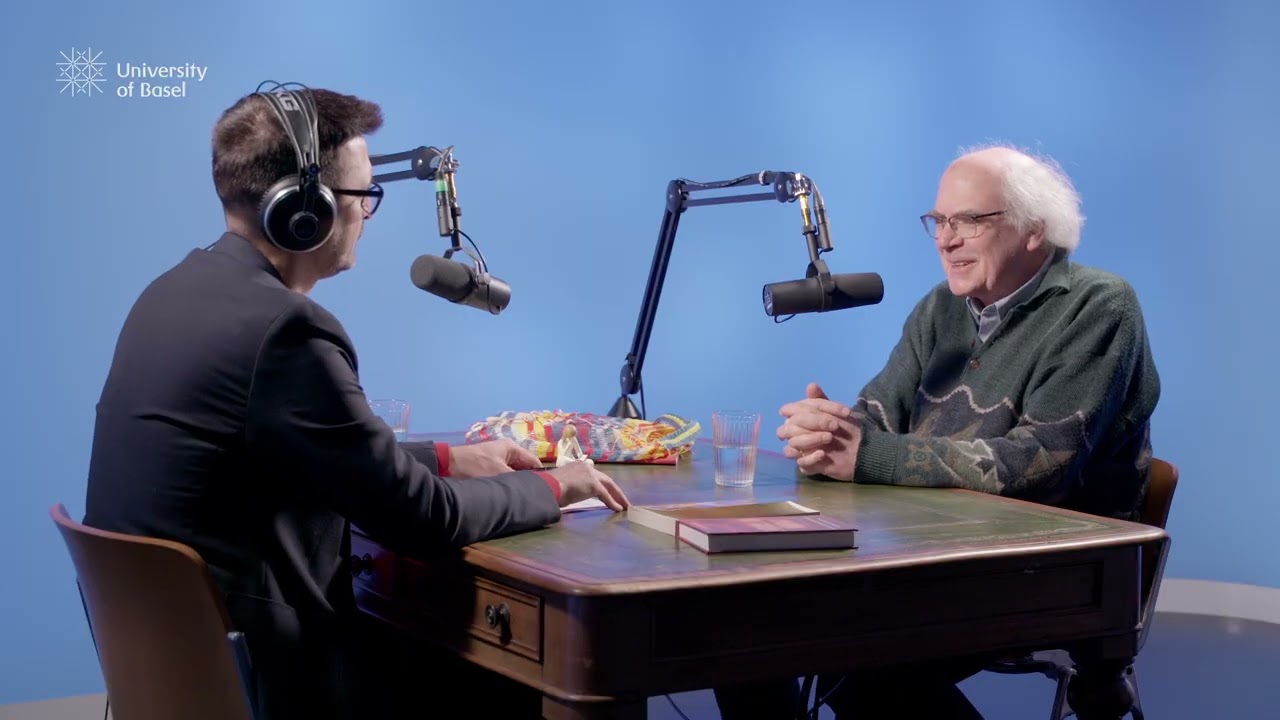
okay distinguishing their colleagues I'm very very happy very glad that I can welcome you to yoga University and the faculty of international and political studies uh for your research group for meeting research group Workshop a Heritage and mobility in the multi-sensory perspective and please let me say two or three words about the critical Heritage status Hub because your project in fact operates within the broader project exactly critical effort is satisfied and so the main aims of this our Hub is to conduct interdisciplinary research in the broader Corporation and thanks to you also your involvement we can do it we are working on it from more than one year and when I look at the schedule of your uh today and tomorrow's venue I see I'm convinced absolutely that this aims so interdisciplinary research and and operation broader Corporation are fulfilled it is wonderful that experts from so many countries from Belgium and Brazil from Italy Germany Norway Portugal Poland and Singapore are participating in into events in this in this meeting ah I promised myself not to encourage this introduction but please let me say uh thank you many thanks to persons who organized this this meeting to Magdalena to Carolina many many thanks to you for your huge work and involvement and I would like to thank you also to Anna Dragon she's not present with us perhaps you know her from emails and without her organizational support we couldn't with you thank you very much and I I wish you fruitful and interesting discussion all the best and have a nice day in your life thank you Marty for this nice welcome and introduction and I also welcome you I welcome our distinguished guest Professor Kevin Calvin law from the National University of Singapore Calvin is the head of the Department of sociology and at the National University of sociology and anthropology at the National University of Singapore and he also serves as a president of the temity group census and Society within the international theological Association he is with us to deliver a lecture based on his latest book titled sensory anthropologic culture and experiences in Asia um the lecture is titled crafting sensory anthropology that that senses and social life in Asia we invited Kelvin because his research combines what is very crucial for this seminar the issues of Heritage and Mobility especially migration and very important for us today but also for contemporary anthropology and sociology and generally cultural studies and multi-sensory perspective uh Kelvin the floor is your yours we welcome you again and please thank you very much um hi good morning everyone um I'm from Singapore it's actually good afternoon um I just want to begin by thanking the organizers especially in Carolina Adelina and Elsa beata for bringing us all together and and two apologies before I begin the first of which is that um I'm absolutely um sorry I can't be there you know in Kaka with all of you um I remember my last visit to Krakow in Nickelodeon University was in 2015 and there was really a very pleasant and fruitful travel there I wish I could be there with everyone but because of various circumstances I've had to share my work through online uh Ms teams at State um the second apology comes because of my voice um sorry that I'm a bit under the weather so I hope the sensory challenge is for me rather than for colleagues if you can hear me um clearly so I wanted to thank the organizers again for this wonderful opportunity to share my latest book which came out just last month which is titled um accessory anthropology culture and experience in Asia and through that I wanted to share the slides that I prepared for today can you see them okay I wanted to share thank you I wanted to share ideas on how I've put together this book through this title for today um crafting sensory anthropology the census and social life in Asia So based on on the book which has a slightly different title um my interest in sensory studies as with broader sensory scholarship is anchored in the social sciences and in Humanities however the focus is mainly either on euro-american contexts or on non-industrial societies there seems to be a lack in both primary and secondary research especially on non-western contexts so although there are many sensory depictions that are found in different genres of writing on Asia they mainly remain at the level of description or what David house would call surface impression the wider scholarship still seems to be shy of some deeper examinations of their social cultural significance and that possibility can run across a whole gamut of domains from morality to religious beliefs race class gender Dynamics as well as power relations so through this book I indicate my ethnographic interests in Asia as a key context for theorizing sensory empirical phenomenon now how then can one regard Asian as a region of focus and how to approach it for sensory theorization my emphasis on Asia lies within the different sensory practices and interfaces that occurs within the region and also Beyond so I am intrigued by the Dynamics of sensory encounters that are not only rooted to a specific Locale but which are grounded in cultural Frameworks emanating from Asian societies so thereby availing the possibility to compare with non-asian frames where relevant now if I take Asia to be a product of interaction with other regions now this view would also parasitically carve out for the trans-regional analytical space for addressing sensory mobilities in terms of diaspora and migration as well um as we understand and know Asia it is a densely populous region it is steep in religious Traditions philosophies linguistic practices that both converge and diverge across different webs of connectivities and relationships and therefore Asia and his connected historical contexts would serve as a fertile cross-cultural site for developing newer theoretical interventions in examining sensory knowledge and practice now um to build on my study of census in Asia I want to refer back to extant works on sensory history so works on how sensory relations and experiences transpire in historical contexts are crucial because one Accord knowledge on how Societies in earlier times regard the census they also provide opportunities to trace shifts and changes in sensory practices therefore they add importantly to the meaningfulness and social significance of history as well as to inform how we understand contemporary cultures and contexts so I think colleagues in the room would appreciate and be aware of such important Works in sensory scholarship such as this one by Alan Corbin uh the fall and The Fragrant which is about France in the 17th and 1800s I explores different range of ideas including class sensibilities and stench of factorious vigilance in public Arenas issues to do with health and hygiene as well as social control and discipline so these are similar domains or terrain of inquiry that my book aims to add on to if not contribute and another existing work would be that of sensory historian Mark and Smith who's written amongst many other things um the title that you see here sensing the past now I'd like to borrow from his idea of how to approach uh what a sensory history might entail right so the four points that you see on the screen here has to do with how one should historicize a particular sense including how it is constructed socio-culturally right but beyond that I like to go further to also address inter-sensory relations I'll explain that in a little while we also have to think about how sense perception unfolds in a particular context and climate of which it influences people's experience both in the cost and to which I add in the present so being on the same page with Smith I acknowledge that less research is conducted on the non-west about what's important to put forward is what kinds of questions should we be asking then how are we able to theorize the senses in Asia so this is my response so one of which is to think about how the hegemony if not the visibility of the western 5 sensory model continues to Overlay sensory scholarship by and large and there are different points entry points that I'm also borrowing from um David house from Constance Classen on how to rethink Beyond a western model right so we are not just interested in counting the number of Senses so it's not just an exercise in enumeration but rather the symbolism the social significance not just um one sense but the different types of one sense within a particular culture and how they are also emplaced within different social hierarchies right so I think engaging with these queries would allow one to move quite profitably away from the euro-american model and also to critically examine and unpack different cultural practices and ideologies foreign so um to continue my very brief overview of existing works on census and history and now come to house in Classen recognize as leading figures in the field of anthropology or the census and it's quite interesting to see how they've deployed the anthropological and historical methodology to cover the different social spheres of everyday life running from medicine to Art and to law now what's exciting for me is that such an approach avails for cross-cultural comparability and this is important because we acknowledge both the porosity as well as the mobility of the senses so I wanted to read to it here again as that I take Asia as a product of interaction with other regions and therefore that shows that potential inter-asian connections and comparison and also to take Asia not as a unitary continent but as a continent they come with multiple frames of cultural perception and reference so the direction of the book is to problematize the Dynamics of sensory encounters that are grounded in cultural Frameworks emanating from Asian societies but to do that I rely on different sources of data that have collated and Amalgamated over the years to look at different existing ethnographies as well as different genres Beyond academic scholarship to think about literature novels life history folktales myths and legends and also the archives right as an important repository of information and glimpses into the social life of your senses perhaps on a more personal level would be travel writing as well as letters that all together encapsulate how the senses were deployed and what sort of resonances might they have in today's context so these would all be in line with what Mark Smith argues concerning how Prince constitutes the principle medium through which we can access the census of the past and present and their meanings so together these sources would highlight sensory encounters among different social groups or classes and I take these ethnographic accounts as social historical data as the body of data for sensory analysis um in the interest of time and scope of discussion I wanted to limit today's presentation to three out of the five theoretical propositions that have built into the book um depending on how time runs I hope to be able to sneak in the fourth one so let's see how that goes so um these theoretical propositions the three out of five for me are a systematic way to embark on sensory anthropology of Asia and also to respond and continue from existing scholarship that focuses mainly on Western cultures so the first one has to do with models and modalities where in my attempt to go beyond the five census model I query what else constitutes a sense could it be the sense of balance or could it be the domain of bodily energies as we can find them in Java Indonesia uh what about the census vis-a-vis cultural diversity how do we appreciate different senses they're very modalities across different frames or sense experience so that's the first theoretical proposition or theme the second has to do with morality I ask how is morality expressed through sensory idioms and behavior how does answering that question shed light or moral socialities or cells and of community the third team has to do with how context of colonialism of migration in history and in contemporary times provide the platform for interrogating sensory interfaces as well as negotiations of different sensory reasoning so um this is my agenda for today's talk and then I wanted to venture into a history and anthropology of the senses through this different theoretical lines of inquiry um just a bit more background as in how I conceive of um anthropology of the senses in Asia and how that is a response to existing scholarship now uh when we comprehend sensory formations in non-western societies that requires not only Western terrorization but importantly that of those ideas that are developed within the society that is being studied right so this is where the work of alatas my colleague becomes instructive now where he argues that and I borrow a concrete step towards a sensory anthropology and history of Asia should attend to I quote indigenous local and Regional ideas and Concepts end quote about the social cultural significance and relevance of different sensory models I therefore take my earlier three theoretical propositions as concrete moves towards sensory relevance in terms of analysis that's grounded on the basis of what the census mean in the context in which they transpire so to localize this idea I'll give a brief example of what I mean by relevance and context through huang's work on 19th century Shanghai now her study of Shanghai in historical times sure this whole Urban landscape of filthy streets stench of manure rubbish heaps that are smelling so bad to the Western nose and were regarded as anti-tartical to montenegal but human waste is actually important and it contains economic value at least in Chinese agricultural traditional practices right so where on the one hand colonizers see the need to eradicate filth and stench that represents the imposition of one's sensibilities onto others and which is reflective of power relations at work on the other hand such imposition in my view counts as a case of epistemological irrelevance right social actors they differ in what will constitute as sensory modernity or sensory civilization therefore importantly relevance and context are crucial and we therefore should focus on differentiated terminology differentiated discourses and it is precisely due to the asymmetric attention on Asian context the undergirds the theoretical impetus for the book so with that I wanted to begin now with the first theoretical theme which is that of models and modalities so one starting point would be for me to investigate as a polar departure linguistic descriptors of the census however I remind that this is not only an exercise in description or enumeration rather language is harnessed to identify different senses including their variant cultural nuances so I analyze sensory nomenclature in a threefold manner first I engage with the numbers of modalities percents in order to acknowledge alternate sensory models that go beyond the hegemonic romena Grecian five sense categorization second I query the social significance of the nuances of each sense and Third I raise examples of how two or more senses may be employed synesthetically so these three prone approach already goes beyond just counting or describing right the sense and it's accompanying modalities um let's go first to Eastern Indonesia in borrowing the work of Corpus 31.
um we understand that I will talk Aristotle's test vocabulary right comprising sweet sour right down to pungent or harsh mean not always readily reflect upon taste sensations of other cultures so in that sense um Western Notions are not always compatible with local sensory epistemology as evidence through the differentiate sensory nomenclature or vernacular as I will also illustrate later I hear what we have an example from cubers is that of the descriptor for mint plant you know as draft rough translation describes it as having the tastes of mintline so it's an approximation but the more important point to take away with is that taste is a rich as well as multimodal experience for which such a western figure as Aristotle and his vocabulary of taste may fall short in describing taste sensations and is accompanying modalities in different other cultures foreign another way of comparing the five Western five senses uh five models of the West versus other models is through Genie's work on early Chinese thought you know from the era of 50th Century BCE uh Genie's work notes that even if early Chinese fought referred you know to the five-fold classification of the census the Western model it differs from it in some other ways as we are aware um vision is very much privileged in Plato's in descar's perception models while the eyes and ears were of parallel importance in Chinese philosophy so quite an interesting distinction there in Chinese philosophy the eyes and ears were ranked above the other senses in terms of the audio visual pairing in relation to the acquisition of knowledge right um these senses have also been labeled as the five officials thereby portraying them as control and orderly and includes the heart mind and body as the fourth and fifth senses respectively so these and other examples that one can draw from early Chinese thoughts would reiterate as well as they requisite for a more sustained analysis of how different cultures derive and interpret their own sense models even if they may borrow from the hegemonic pantat Western model yeah now um to go further on the idea of the sense of sight I wanted to use the next examples to illustrate how one sense can be comprehended through its variant modalities and thereby to also emphasize the different symbolic associations accompanying Vision here we have bad his work discusses two different Notions of seeing pertaining to the Hindu milieu where worshipers they aim to have the dashan or sights of the deities multi or image this is where devotees now they both want to see and be seen by their deities in order to embark on the road to Salvation so the the sense of sight is both to see and be seen for which both carry religious symbolism yeah now on the other hand well the deities Clans can as well be destructive instead of being benevolent or instead of being positive the example that that shows us instead of shiva's third eye which he says I quote can be can reduce the god of love to ashes or will consume the whole world in fire at the end of The Cosmic cycle encode so interestingly where devotees move one to C and be seen when deities deities carry both benevolent as well as destructive gazes so what an interesting way to think about Vision Beyond perception Beyond seeing because in the case of the Hindu milieu we are really talking about visual interaction per se moving on to the next example by deshalik he looks at uh Tibetan Buddhists living in north central Nepal and for them vision is a conduit either of harm or malevolence or friendship and intimacy if you look at the first example on the left mizuke referring to a piercing gaze now that stems from an envious position yeah the Gaze will pierce or stick into another person's body making that person sick hence you know a poisonous position whereas for me zingye which refers to the mutual report of eyes there is I encounter for instance the flirtatious exchange of the glands or in other contexts of familial or friendship ties so together the work of bad the work of digital importantly Illustrated for us vision is a differentiated modality it implies what it means to see and that's importantly accompanied by localized cultural meanings now from Vision I move to taste and ritual statuses here I want to reiterate right um the social cultural significance of the census Beyond description and Beyond just recognizing different sense modalities what do I mean right um to continue from quickness now his research shows that taste substances are meaningfully ordered and a multifunctional signs that fit into the context of views right so he makes an argument across how taste ritual and prohibition or permission come together thereby looking at the metaphorical uses of taste right as you see from the examples here on the slide the taste of bitterness or bluntness now they are not used with reference to actual gustatory Sensations but ritual statuses of both prohibition as well as permission and therefore that really brings up crucially symbolic and ritual significance of taste metaphors um further examples and now to think about both taste and smell is where it brings me to another part of the region in Southeast Asia and uh this is where cross-cultural comparability can be found in enfield's work on taste lexicon between two languages of Lao and kri in the context of Laos along and create their austroesgetic languages and they are ancient language families where the communities live across much of Southeast Asia and of India so Lao is a Southwestern Thai language Tai spoken by people in Laos Cambodia and Thailand and its vocabulary now it comes with a very distinct set of flavor terms that is contrasted against the English language as you see on the screen here so while law has the basic set of taste sensations sweet and sour there are further nuances right not salty enough or too salty now compare long with cream which is a language spoken by Upland Central laotians which has some similarities with love for instance if you look at hot and minty right h-u-n versus h2l in terms of his spelling so these example suggests that there could be a borrowing of terms between these two languages and therefore opens up the possibility to inquire into intra-asian connections so this is what I mean by to look at Asia as a site and product of interaction purchased within itself but also across and perhaps even between different regions for sensory analysis now when we talk about comparison I also want to think about intercessor reality so just not to look at a sense modality on its own but the thing about relationships between the senses here I want to think about sensory conjoinment and bring us now to early Japan in order to set light on census and class Dynamics if we trace the history of incense in Japan kodo or the way of incense is a favorite past term of Japanese aristocracy where connoisseus would compile incense and then guess the ingredients after burning in conjunction with a tea ceremony in the 14th century interestingly sensory vocabularies are linked to tastes and smells of incense for instance a syrup-like Aroma Chronos sweetness saltiness refers to perspiration and a medicinal Aroma Chronos bitterness but what's more interesting is the links between scents texture and class standing what do I mean by that now according to the research here in the history of incense now since from manaban or South India are unrefined it comes with a sweet and gritty texture and it's therefore used in the Japanese context to refer to the figure of the coarse peasant now in Converse rakuku from Thailand comes with bitter and pungent Sensations and it exhibits a Warriors Dem Nina right and is therefore known as the samurai so it's quite interesting to see how olfaction textures come together and in connection with different socio-economic standing in 14th century Japan and also what's interesting is that there is also a practice of listening to incense encodo where um listening instead of smelling took place from the 50 14th to the 15th century which far better convey the required concentration in kodo or way of incense that underlies here a cosmological explanation right where Buddha's teachings are both to be centered as well as heard so according to the Mahayana Sutra of Buddhism Buddha's words are both fragrant incense and therefore devotees would listen to Buddha's words in the form of incense instead of smelling them so quite an interesting way to think about smells textures and also the different modalities of smelling and listening cross-cutting social status as well as being interlinked with religious values yeah so so that in a nutshell is my first um theoretical theme that I wanted to share to consider how the senses assume different socio-cultural violence and significance and therefore is important to go beyond existing five sensory models to look at how senses occur in and of themselves in comparison with other models across cultures in Asia and here so that's the first theme the second theme I come to now has to do with morality as well as social structures now links between census and morality can be traced to such domains of everyday life from religion music to food and various other metaphors or consumption right what's interesting here for Morality and social structures has to do with values that are desired and positive as well as those that are negative and frowned upon and which are indicated through particular sensory Behavior right the senses therefore serve as intermediaries of borrowed binaries between the good and the bad between the desired and the undesired so in this context um it illustrates how propriety Improvement of the self and moral decorum come together as reflected by sensory behavior and sensory exchange so in order to get at how morality and senses are conjoined by proposed in the book the term sensory moral economies in order to underscore the links between sensory elements and moral principles so sensory moral economies comprise a constellation of one ethical conduct two moral obligation and three bodily knowledge these three are derived from prescriptive religious philosophical and other texts that together represent moral decorum in any given society and for me this constellation or sensory model economies serves as is an important moral compass that is articulated through sense X which I examine next all right now um I've already mentioned that the governance of good behavior the assertion of moral Scruples and decorum are expressed through the different senses so here I borrow from the work of wilker and Oliver in 2011 where they think about the road and the moral positioning in Sanskrit Hinduism by looking into music and sound so for these authors sound is crucial because it possesses that ability to create the sacred and also to act as a latent reinforcement of class and social standing so here worker and Oliver say that sound is God show that in a singing meditate on it cleanse your karma by it all right and in the next passage they argue that in Sanskrit Hinduism religious reading constitutes a type of knowing severing testing where religious readers they do not always just link importance to content but they maintain that relationship with text and more importantly attitudes that articulate their relationship yeah so in this case these examples reflect upon everyday religion in very corporeal very sensorial Ways by denoting as well as connoting certain moral principles now um similar links between census and morality from Sanskrit Hinduism can be traced in early Chinese texts here I look at Stark's work on virtue and taste in early Chinese texts in order to illustrate the links between foodways and taste as well as ideas of virtue and of theology now still examines Regional food varieties and dietary Customs through archival Chinese texts and in these texts now Chinese attitudes revolving around the following can be changed according to stick's work that of human virtue of self-cultivation personal salvation moral governance and various other related themes so in that sense if we follow stick's argument between his archival Enterprise on early Chinese texts is that it's quite interesting to see how dietary practices right dietary items food dishes core notes particular virtues such as we see here you know a vegetable broth that seem to typify the diet of a popper is associated with frugality as a virtue and therefore in order to find peace sages were these officials who are virtuous they would stick to a course type of vegetable broths or stews that's lacking in condiments in that sense these sorts of food waves traced to early texts in the Chinese pastry shows us that virtual conceptions of moral governance and scruples illuminates that sensory Attunement is a lens to apprehend Marvel economies and social structures as well I wanted to further what I mean by moral binaries of Good and Evil desired and undesigned by looking at the relationship of Good and Evil in religion as an example and rituals so here are three examples that I wanted to share and which is captured in the book where I think about first the relationship between smell and religious symbolism so through Classen at all's work she argues with authors that the order of sanctity or a mystical fragrance usually is used to describe or signal the presence of the holy spirit in Christianity now um in comparison frankincense in Buddhism can indicate the golden countenance of Buddha from afar so quite interestingly if I were to juxtapose these two examples together in this slide it shows us in a nutshell that fragrances they importantly denote the presence of gods and moreover they also connote such Virtues Of Purity or the virtue of cleanliness now on the converse incense and perfumes they are also deployed to ward of evils beings and Spirits so it's quite interesting how sense fragrances or stenches can Traverse both the positive and the negative be used within the domain of the good or and the evil to further this idea of moral binaries and polarities I go next into the example of sound this is where I borrow the example of an Indonesian tale that is drawn from now this is genre of traditional literature that's written by the meaning of Sumatra in the late 18th and early 19th century quite interestingly in the Indonesian tale what is captured is the laughter of the devil versus the laughter of the Prophet for the laughter of the devil um it is described and characterized as loud and roaring sounding like a shrug combined with kikling uh contrast that with the laughter of the prophet right which is quite simply described as not expressed aloud so interestingly the binaries emerge once more to think about how on one hand the love flow of the devil is characterized as excessive if not transgressive potent and very visible sonically as opposed to the left of prophet which is measured which is a firm you can hear it but you know that it is a particular sound that is not transgressive not excessive but Larger than Life pressing okay so it's interesting to see how good versus evil or desire versus undesired the two polarities are actually dichotomized with different types of laughter as a Sonic example now and the third example that I wanted to share and which comes even closer to what I mean by sensory moral economies is to borrow from the work of funabia who writes about the rituals and rights and myths of the booking on of Northern Mindanao Philippines now for booking on and the northern living in Northern Mindanao smells uh employed to deal with one malevolent Spirits right so evil spirits but also true as offering and as bargaining tools with guardians and helpers of humans so in order to deal first with malevolent Spirits ritual prayers require the blowing of Ginger onto a chicken in order to weaken learned Spirits so the smell of Ginger is supposed to weaken evil spirit series now in terms of using smells as offerings or as a bargaining sense modality with guardians chickens are presented as offerings to Guardians the chicken is black in order to demonstrate sincerity and honesty in the delivery of prayers so that's the act of using food and the senses to present to the audience okay where is the exchange here now if the smell of the cooked chicken and other Foods play important roles in praying to Guardians it is a sense act that becomes recruited in a transactional negotiation with booking on Guardians right when these Guardians receive these smells in prayers and through offerings they are expected to reciprocate by granting the wishes of those who have offered and have prayed to them so it's quite interesting to see that offerings and prayers are put forward to Guardians through the sense of smell and taste if you like but there is an expectation of reciprocity God is expected to reciprocate by granting the wishes of these devotees so all in all the three different but yet um convergent examples that I just shared Sora ideas what's good and evil what's right or wrong and importantly reflect upon sensory binaries of fragrance versus stench which are mirrored upon moral binaries of Good and Evil right so these are for me complementary sets of polarities which are mapped onto how social actors negotiate with Spiritual Beings you know through sense acts and exchanges benevolent or malevolent in different cultural contexts of sensory moral economies so when I pull all these examples together of how the census and morality work the overall analysis for this second theoretical proposition show us that sensory moral economies are in effect the product of specific sensory action I I argue that social actors are expected to perform particularly with being that would actualize alignment with ideal righteous States or dispositions mediated through the senses now consequently these acts reflect upon normative moral meaningfulness in a given society and the outcome the outcome of such sense acts is a combination of immaterial interests as well as moral sentiments therefore my deployment of sensory more economies Express processes of exchange where social like tests are supposed to enact particular moral acts through the senses in order to acquire interests beyond the material the senses therefore bring to light the moral organization of society and social life so um first of all with the first and second theoretical themes I have attended to local epistemologies where I examined how sensory scripts or particular cultures structure everyday life now in the third theoretical proposition if not the fourth Depending on time I want to come now to address more closely cross-cultural Encounters of two or more sets of sensory scripts by analyzing a wider literature on colonialism migration and other cross-cultural interfaces so this brings me to my third theoretical domain where I ask a a simple question right how do social actors react to dissimilar sensory ways of being um the impetus for this theoretical line of inquiry is this to investigate into how the census help to create Mutual impressions of the Agents of imperialism as well as their subjects the local populations but I want to make more important takeaway points here which is to mention that sensory scrutiny is bi-directional it is important to point this out because the colonizers view is usually privileged in primary sources but over time with further expansion of sensory scholarship I've been fortunate enough to look at primary sources from the colonized point of view which is important in order to pick the case for how sensory evaluation Cuts both ways right the other impetus for this theoretical domain is to examine the different forms of cross-cultural sensory contact right like I mentioned through colloidalism migration Commerce food and food base Etc in order to study and interrogate the different processes of negotiation adaptation alteration and these for me are the different modes of sensory engagement that would warrant further social cultural investigation the example that you see here which I borrowed from motor if not paid shows us the case of Singapore in terms of its food scale in terms of vegetable hygiene I think landscape basically social life as it occurs in Singapore from the point of view of a visitor record through the senses so this author is characterizing Singapore is smelling very hot and humid it's a noisy place and it is the whole Kaleidoscope of smells and size that combat your senses if not assault your senses so what's interesting here is that food with peoples or different backgrounds and jobs all this constitute assaults on one's senses that envelop you in eternity right so this is a sort of disagreement if not how different this similar sensory scripts come together at a point of interface yeah now to further elaborate what I mean by cross-cultural encounters and sensory interface I want to come to the example of the durian I think colleagues over in Krakow would have at least tasted or know the idea of the durian this fruit you know usually ingested in the region is a green heart spiky case I'm not so fond of durian per se I can tolerate eating them but I reduce eating them you know for good reasons of preferring custard if you like rather than durian pudding yeah but I think there's a story to tell in Tessa durians so quite clearly through these examples um people disagree on the taste and smell of Turin right so for murder right the fruits rather pungent order gets sensitive European noses and quite dramatically triggers nausea triggers vomiting right it's not fragrant it's a stench and locals yet you know run what they know as during fees right but it's not just sufficient to say people like or do not like particular foods and their smells and taste there's a need to go a step further Beyond such likes and delights to examine taste smell social status Empower relations more nuance and critical ways to do that I want to borrow from montenari who Ventures into the relationship of durian and Empire where she makes an important statement that tastes needs to be conceived of as a product if not commodity of social historical circumstances now her work demonstrates how the fruit is an index that eliminates shifting practices of social class distinction and civility over time if we trace the social life of durian across social historical Colonial periods the early colonial days tell us that it was received as delicious described as charming and that was because of less rigid social structures over time and therefore culturally things were more fluid now when we go on to the next stage of colonialism from the 17th century onwards things change travel accounts they compare the fruit unfavorably to for instance the onion right characterize in Spanish Philippines as coming with an ungrateful taste of onion to the nose so something that's quite powerful and overwhelming practically an undesired taste when we go from the 17th to the 18th century Montana retails as the rejectionist attitudes become more apparent and this is linked to natives diets right legolonialism in the 18th Queen to the 19th century describes durian is smell and taste as unclean and chest and it connotes such undesirables of gluttony of one being in temperate as well as irrational so this is where in the stage the later stage of colonialism the boundaries between Civility and barbarism were made pronounced now what's the larger Point here to note is that of colonial sensory pathology and this idea of colonial sensory pathology can also be applied to other Colonial contexts within the region what do I mean by that um Colonial sensory pathology is charged upon local populations in both contexts of the British in India as well as the American in the Philippines according to rotten's historical work so a game that avails an opportunity for comparison right local sensory Behavior has been interpreted as transgressive and thereby pathological which importantly then serves as justification for sensory paternalism control and regulation so the next two examples that want to show including the one here indicate how sensory scrutiny runs in opposite directions right like I mentioned before even if archival historical data privileges the point of view the colonizers is also important to bring back the balance by looking at the experiences of the colonized or the local populations yeah so these are examples that I want to borrow from Kalo who talks about ethnic otherness mediated through affection so callow study sensory experiences in World War II and she makes a case for how older evaluations illuminate American anti-asian prejudice against the Japanese where American soldiers racially stereotype Japanese including the nisei who were American soldiers of Japanese descent calling them I quote third grade sardines pigs skunk cabbage who come with the heavy odor of fish and garlic now on one hand such isomorphic dehumanization widen the distinction between self and enemy and ethnic denigration argues translates into cultural inferiority on the other hand the Japanese also have similar animalistic views of The Americans calling them ibisu or Savages who come with I quote the breath and body odor of the Beast so when sensory scrutiny is presented as bi-directional they come together with similar themes here we are looking at the notion of pollution the notion of otherness through animalistic characterization and such scrutiny Cuts both ways now so this is what I mean by when two different groups come together and when they adhere excuse me when they adhere to different sensory ways of being that moment of interface tells us how sensory hierarchies are built into the picture now I want to further the example by borrowing from Ann Stoller who examines Colonial categories and intimacy where she conducted oral history interviews with Indonesian men and women who worked for the Dutch in the 1920s to the 1950s and to think about oral history interviews as a form of sub-autumn memory her research tells us that if Dutch Memoirs Shore up sensory Nostalgia you know the Dutch remembering I quote the view-like material of the servants kabaya gently grazing my cheek or a fragrance of her body and her clothes off a sorrow especially and good it's interesting to see the other side of things what about these Javanese servants accounts of the Dutch right so the Dutch did not allow their children to be always carried by the servants because they didn't want the children to be soaked in the sweat of the Javanese and interestingly the response comes from one of the Javanese servant IBU Ruby who says I quote the Dutch sweat smells worse because they eat butter milk and cheese so interestingly this is an exemplification of this name of rejection of the colonizers sensory conduct thereby uttering them as well now um as I saw to uncover these moments of sensory interfaces I also wanted to derive a template to explain and to analyze how these interfaces come about and what's the social cultural significance so to do that I came up with four modes of sensory engagement what I label as reception rejection regulation and reproduction and these four hours I conceive of them in order to problematize Colonial local sensory encounters where these encounters importantly stem from contrasting if not unequal power positions and through these four hours I hope it avails a different understanding of Empire through all its sense of realities so I just briefly run through with examples of the four hours reception we've saw initially to the example of the durian that will at first positive attitudes towards the durian right Charming Pleasant delectable rejection is where we Trace from reception to later this approbation against the durian right revealing the emergence of a colonosensory pathology charge upon local populations or the foreign other hence rejection through rejection then also comes regulation then this is where the British in India and the Americans in Philippines saw themselves as civilizers of backward societies where they assume the role of regulating Sonic behavior um belching farting were deemed impolite Sonic manners were taught in schools English was taught in I quote native schools in the hope of making quote Asians sound less strange and more like civilized people unquote so that's from rotter 2011. when it comes to reproduction I take reproduction to mean the imitation of the others sensory script and both colonizers and colonized dual reproduction right so for instance indianized habits and tastes now they will brought back from India to the UK in the 1700s for instance Curry and rice became an important feature in the UK and on the other hand sub-alterns also strove to acquire Western manners by championing sanitation Health campaigns or eat with forks and lines and not with fingers right so the four hours collectively demonstrate the importance of tracing shifts and changes in sensory habits for different social groups and how such sensory habits can Traverse between regions countries between colonized locations as well as Empire the for us therefore Avail further insights into how social structures status differentiation and cultural norms revolving around the senses develop across time both within and between particular social groups and locations now additionally I iterate that rejection and reproduction are not always the sole privilege of those in power just as in the case of IBU Ruby shows for her the Dutch smelled worse because of the foods that they consume now apart from the four hours that I've used as a template to explain sensory interfaces in cross-cultural encounters I wanted to stretch the idea of reproduction or rejection to see these as a response both to settler colonialism as well as the colonial cultural hegemony I wanted to use the next three examples from Taiwan to British Malaya and China to illustrate what I mean by responses to hegemony as well as to settler colonialism um the first example I draw from Hatfield's work on indigenous peoples of Taiwan uh for many centuries these peoples have endured the arrival of colonialists of different groups the Portuguese the Spanish the Dutch cynophones that look loneliest as well as Qing Dynasty Imperial armies um in 1877 Ching Army's annexed sepo Panka with a massacre and then they absorbed the place into the state system now in response Cebu Panka asserted their presence through frog voices School times or songs what do I mean by that now or other what did Hatfield mean by that the Frog voices resemble the laments of elderly women in the wake of the massacre of 1877 where youths were ambushed at the banquet and who were killed subsequently right so for the offer these frog voices have been recruited as media for indigenous histories they can be interpreted as a decolonizing strategy and to be conceived as sensory rejection forming a political project so quite interesting snippet there of how settler colonialism is being responded to if not rejected through fault voices that has already been recruited in the historical Narrative of the 1877 Massacre from Taiwan initially I come to Southeast Asia to look at British Millennia Malaya during the colonial times of the 18 and 1900s now this is where local Malay entertainers and musicians they produce their own hybrid theater and music now they did not merely replicate anglo-american culture but instead merged diverse cultures in their performances and therefore crucially challenged Imperial Aesthetics and cultures through hybridity one example is traced to how Malay Oprah Blended new stories and songs from European and other parts of Asian performances and cultures elements were also from India from java from the Chinese as well as Arabic cultures so this is another interesting way through the medium of theater music and performance that instead of a clear-cut rejection of colonial aesthetic imposition that was a borrowing and hybridization thereby forming their own version of what is art right so this new repertoire of Malay modern songs for instance consequently paved way for advocating change among Malay audiences ideas pertaining to reform to progress and advancement formed part and parcel of these new musical forms and the messages that they conveyed now when it comes to the third example I want to quickly go through the case of water and China and Japanese Gods by borrowing against work so the Japanese Occupation in World War II saw the imprisonment of many in internment camps all over the region against example of one such Camp is traced to the Shandong Province in China where internees in the camp they forged a sense of belonging and Community through their creative engagement with music and sound they express their views on involuntary confinement in these camps uh what's interesting here through her research is that music and sound had a dual purpose in these camps on the one hand Music and Sound were used to discipline to manage in terms right the Japanese gods are closely monitored music that is performed and practiced by the interns they can only practice and perform in vaccinated places and the Japanese Gods also forbade musical activities that may proclaim the internees allegiance to their kings their queens or to the Allied governments so that meant that no national anthems or patriotic songs could be performed they would otherwise be upload right any musical production that portrayed the Japanese government or Army negatively were also not tolerated doing so may result in harsh punishments binging from solitary confinement and beatings as well right so that's one hand on how music and songs are tools of discipline accepted by the Japanese cards on the other hand the internees they created new forms of auditory expression in order to defy to protest and to visit Japanese control they use music to warn their fellow attorneys of the approach of patrolling gods they creatively improvise the lyrics to transmit secret messages or the omitted lyrics of forbidden songs in order to be able to practice them even in secret so overall the author suggests an important rethinking of How Sound and Music are deployed in context of Oppression occupation and persecution and importantly shows us that such reproduction calls as important response or as a decolonizing strategy right two Colonial powers that may be in different countries across different Power relations so through the various examples that I've just shared I think it's important to not just present Colonial but also local subjectivities or the colonized through closer examination of these different examples of sensory interfaces as a result these three examples that I'm presenting of responses of resistance demonstrate how the senses are articulating different Vantage positions and they are called shape and meaning to asymmetric relations across variety of colonial contexts and spaces okay um I'm thinking I should have enough time to venture into the fourth theme I promise that this is my final theoretical proposition before I wrap up my presentation so just to add on beyond the three theoretical themes a fourth point on gastro diplomacy which comes a little closer to um today and tomorrow's Workshop the book project on Heritage census and Mobility now um this fourth theoretical theme has to do with the gastro diplomacy where I was interested to locate the Nexus between food census and political life right I make a case for food as a political object in diplomatic relations how food as gifts and acts of commonality of eating together are routinely built into both local and foreign policy my argument for this theoretical domain is that gastropolitical encounters they form the Nexus between the political and the sensible the political clearly has to do with manifold State craft and political Behavior while so sensible refers to the capacity for sense perception including the deployment of sensory metaphors now the key takeaway that I wanted to express through gastro diplomacy as a theoretical theme is that food as gifts serves as an intermediary of sensory power now what do I mean by that if you look at the pictures that have been borrowed from online on the right of the screen this is an American couple um the U.S American ambassador in Singapore together with his wife was invited by a local food blogger Dr Leslie Tay the one here to appreciate and consume Local Foods so here they are trying bucket day or pork rib soup with intestines rice and vegetables as a local dish for them to try what's interesting is that the reportage tells us through the process of trying learning how to eat with chopsticks this is where football blogger let's be team introduced to them using the opportunity a brief history of Singapore's food right and thereby conjoining it to the national identity of Singapore there's a second episode to that and this for me nicely comes full circle to the example of durian so Kirk and his wife they enjoy the pork rib soup they appreciated the intense tapes because this is a soup made up of different spices and herbs it's got a peppery strong flavor consumed with Meats with intestines with vegetables and eggs so they were pleasantly surprised despite the intensity of the dish and the accompanying dishes and condiments and then lastly take challenge Kirk and his wife two years later to eating the durian right um I think you can see from the picture that Kirk was not at all happy his initial reaction to the durian was that this looks like a string of yellow intestines whereas his wife remarked that Row the texture looks a bit soft like custard what's interesting is that his wife was able to take to The Taste but Kirk wasn't happy at all with the taste although he was game and adventurous enough to try now when I put these different examples together it is not just a case of what foreign dignitaries or political leaders or representations Representatives eat rather built within those gastro political Encounters in the realm of gastro diplomacy is how food as gifts can serve two purposes the first of which is to convey even briefly a sense of heritage heritage of a nation of the sculpture of its food waste through food as a gift and through food that is sincerely experienced and two the more important purpose in this case would be how as a gift food also assumes a kind of soft power in mediating both local and foreign political relationships what do I mean by that well that's because if political powers and relations are always similar objective formal structured food and food ways and Heritage gifts provides an oblique connection and oblique connection between locals and Foreigners for which then gastro diplomatic ties are furthered yeah so in that sense I'm interested to venture into the political life of sensation in this fourth domain and to think about how metaphors of taste and other sense experience come with socio-political consequences and aims so with that as promised I come now to my final slide which is to wrap up the presentation now to the three if not four theoretical domains and multiple examples that I shared my quest in this book project was to respond not just to oculocentrism but also to Western Centric Endeavors in sensory scholarship so my book therefore I hope have expanded and further explore the terrain of sensory inquiry using Asia as a point in case now I've raised both theoretical and methodological directions in studying sensory practices and ideologies emanating from Asian contacts through the four theoretical propositions shared today but I also wanted to stress the different skills of analysis right in terms of local indigenous framing in terms of the different points of Engagement as well as different possibilities and potentials of comparison I want to emphasize finally that the census quite clearly do not work in isolation as Western Aesthetics would have it they are not always static in practice and experience importantly historically contingent yes socially constructed and they are definitely operative through multiple frames of cultural perception just as my template of the four hours illustrate in some sensory practices are interactive they are dialogic and they do change and modify over time so this within the hour has been my attempt to share different parts of the book sensory anthropology and to Anchor my talk this keynote address to the four theoretical propositions and that that brings me to the end of my presentation thank you very much for your time and attention foreign lecture and you have shown us a very constructive and informative overview of The Works uh that go Way Beyond uh the Western perspective on census and multisense reality um we um I think have received from you a good more theoretical and methodological tools to proceed with our chapters uh and what I especially liked about what you've presented is that that you indeed showed us with examples the desensis and multi-sensory sensoriality is very much culturally rooted and constructed even though we take it prevent it within our own cultural contexts so um I would like to open the floor for uh for the discussion now for questions we will be accepting the questions from both the room and from um our online participants so uh please feel free to write the questions also in the chat or to just uh raise your hand in in case you wanna you wanna ask it orally vocally we are not we are not following the chat on YouTube so um our followers on YouTube please just switch to the link on teams if you want to ask questions all right so um I welcome questions okay right um thank you very much uh I just have perhaps to start a very broad question the relevance of vision in Western context is well known and I was just sort of wondering uh if there is any sense that you think there is predominant in the nation context as there is in a western context Edition uh thank you thank you for the question um there are actually a lot of examples that one could think of and and Venture into for instance um smells um I think in was it in Indonesia that the sense of smell has to do with um two Realms one is the spiritual realm and one is the human realm so it's a matter of local cosmology religious Association and symbolism that they organize social life according to Smells in the two different Realms so as a quick example I think this importantly shows us that even as Vision May sit at the top of the hierarchy particularly in Western context if not history this is important to to shift the lens around to think about whether there are other senses beyond the visual that also occupy a primary positioning and that's what I meant by it's not just enough to know how the other senses operate within a given culture and the modalities but also how they end place within hierarchies uh so so this one amongst many examples to think about how it can serve as an equivalent of how its site is recorded that sort of an algebraic position in this case smell is the one occupying the hegemonic position on the hierarchy of the census thank you any other questions yes please there you go thank you very much for your lecture it was very inspiring but I wanted to ask you what are you encountered some accounts about people who have restricted senses and what's their role I would say in a social hierarchy because in Europe probably you know in ancient Greece we have this figure of blind wise men yes who are studying professors even bringing so here restriction of some senses can like put people higher in their social hierarchy but I was interested how it goes with Asia or some Asian cultures um well both in Asia and Beyond and this I'm referring to my very first book that came out many years ago on smell where I've encountered and interviewed a lot of people not only people with a sense of smell but also those who do not have the ability to smell so individuals who are a no smoke and for those of us who are familiar with the medical literature there are different categories of no smear right those who are born without the sense of smell are those who might have gone through a terrible cold or an accident for which then they lose their sense of smell later on in life and then there are those who whose body imagines smells that are evidently not there so there's all different kinds of ways to think about the absence of a sense medically what's the range but socially what's the consequence so when I've interviewed people who do not have a sense of smell either through accident or by birth um my question to them was that if you can't smell it smells still important in your life you know all of them say yes and in different degrees what do I mean by that for instance someone who had an accident and subsequently lost his sense of smell said I very much regret not being able to smell the smell of my children when they were growing up I very much miss you know the smell of autumn in the air you know I can only hear the crackling of dried leaves on the ground I can see the colors changing but I'm missing smell and that affects my quality of life that intrudes into my relationship with my family if I can't appreciate their unique bodily orders as their bodily signature on the other hand when I spoke to someone who was born without a sense of smell he said of course smell is still very much important because I had one discussion where we talked about the presentation of self right through cosmenian approaches how is it important to prepare yourself in the backstage to make sure you are wearing clean clothes you do smell bad you may use body deodorants perfumes or colognes to smell nice before you socially interact so I said how do you do that if you can smell he says number one whenever he goes shopping for cologne he will bring along his brother you can smell and use him as beginning pay does this scent fit me what you know of me my personality my character if so I'll purchase this cologne because you told me so I'm borrowing your nose um another example he says that um I have a free ticket to fart because I can't smell the the older transgression the Eminence from my body I do not have to follow the so-called social protocol love inhibiting our bodily gas release and he says he is able to use toilets anywhere in the world because he can smell so nothing affects him so I think it's interesting to see how one is a whole range where we think about the absence of a smell or a sense and also more importantly to come to now the interface between the biomedical as well as the social cultural and in the case of my research on smell in Singapore and Beyond it was interesting to see how the absence of smell signifies a lower quality of life at the same time it can also mean a further bolstering of one's identity because he feels confident that he wears a clean shirt to end of this example uh how do you know a shirt is clean if you can smell it apart from looking at it he says I will wear a shirt two times before I wear it the third time I would take that shirt dangle it in front of as you can guess his poor brother if it's not stinky he will wear it for another time so so there you go right the absence of a particular sense makes people respond in very creative ways and also self-introspection of how has their life been affected positively or otherwise any other questions yeah please please thank you very much for your speech Kelvin it helps it helped me a lot to reflect about senses and I was thinking about the better ways that we as researchers can can do this kind of Investigation so methods and techniques that we could that could help us to interpret and analyze the especially the interests or realities thanks uh thanks for your question I think it is both a question about methodology as well as analysis so I think um all of us who are already now very much involved in sensory scholarship would appreciate that uh the census as a point of inquiring both as an object and subject of inquiry requires a bit more creative methods of research and data generation uh so one of the the important ways to do that would be through what David house calls as participant sensation you know for which the senses of the researcher did not necessarily be parked at the door when we conduct sensory studies right precisely because we as social beings as social actors have also been socialized with a particular set of sensory scripts and behaviors which may or may not be ill alignment with those whom we study so I think that is the point of interface for which we should acknowledge and be reflexive about now with that positionality I think that is important if we were to do for instance smellscapes uh Walkabout with respondents so that's what I did where I brought my interlocutors to different uh ethnic enclaves in Singapore Chinatown Little India Little Bangkok and um being very mindful of how I would smell the area i instead opened up with a broader question right in the lives of phenomenology and ethical methodology by asking tell me what you experience here so I was also very careful that although it was a a study a book on Old faction I did not want to use affection as a part of departure unless in interlocutors tell me so right and then it's interesting to see how smell also works quite clearly and in conjunction with the other senses now what I mean by that um so for instance they would say look across the road um there's a group of people there I think they are foreign workers from South Asia working in Singapore and therefore they probably would smell bad so I said how why how do you know that we are like you know across the street and so they were saying yeah you know uh Salvation populations in Singapore a segment of them working construction work so quite clearly right bodily sweats are the owner of the day um even if they are dressed in their Sunday passes so it was a Sunday that we were walking in Little India she said I can see that they're wearing shirts starting into pants you know they're Sunday Best But it's crumpled um as much as they've tried their hardest I think they are from South Asia they are in foreign construction work and therefore they are smelly so they're kind of a judgment right both through the sense of smell or imagined smell Associated beside becomes the media through which different populations in the example of Singapore is being constructed to affirm that when we walk closer to this group of people she consciously took a deep breath and said seek out right they don't smell so nice but that's her point of view but it's interesting to see how smell sight conjoined together to uh construct for her a particular group in Singapore as a foreign population yeah so I think in terms of analysis we have to be mindful if not reflexive about how we can convey different sensory experiences which for me continues to be a challenge because if the senses are embodied visceral corporeal are words sufficient to articulate sense experience you know so the answer is sort of yes and no I mean yes quite clearly because apart from Prince as a medium what I said earlier about Mark Smith to both articulate and identify sensory experience there are different other ways to to illustrate the senses right through all the visual methods um there's a researcher by the name of Simon Chu someone whom I like to share and quote quite often because he was looking at student migrants from Malaysia to Australia and how they maintain their sense of identity through food Heritage and the mobile senses right so they eat a particular kind of skewered meat Satay right Satay Barbie pork Satay and in the conference presentation that he was presenting his work he was cooking and preparing that dish to share with members of the audience so for him as a researcher he was literally bringing the senses to the academic environment that is the conference in order for participants to experience firsthand how the senses for the student migrants that he studied felt like Institute right so I think in some ways for us who are invested in the sensory scholarship the challenges are there that are thrown in us for methodology analysis but I think the creative impulse and provision can be Limitless so long as we find a durable ethical and clear way of articulating the data that we collect and the analysis that we put forward thank you and your students I do have a question if you allow me so um we know it it's clear from from from your answers from your lectures that senses are a crucial part of of social life and are especially um important in the in the context of well I don't want to call it a cultural meeting but in in the context of Intercultural encounters and Multicultural studies as well migration studies uh but somehow uh even though as you showed um as you have shown and as we can reach from the literature even though the census can project on uh social inequalities in a very serious way uh they have not made their way as as a topic as as a methodology as theories to the mainstream migration studies Mobility studies sociology so I guess this is the question that goes beyond your lecture but I guess I would like to ask you to reflect a little bit on the challenges this sensory approaches encounter in entering the main student well I don't know if you can comment on how we can what we can do to overcome it but but at least to reflect on these challenges thanks thanks Carolina for pointing that I'll um to reframe this for me a lifelong challenge in Academia because when I first started on sensory research through smell um I think a good 20 years ago those were precisely the reactions that were triggered and generated oh so are you going around smelling people ha ha you know um oh so you go to smelly places hahaha so so forth and people found it difficult to place sensory research in mainstream domains of inquiry so labels were thrown all over the place this is postmodern is Ivanka is unorthodox his marginal it's not mainstream um but I like to be optimistic that was 20 years ago and I think with colleagues smiling in the room as I can see through the screen now sensory scholarship has come a very long way and importantly so to stand on his own as a legitimate and important source of research and inquiry why do I say that now there are indicators to think about it if you look at broadly speaking sociological anthropological curriculum all over the world in different departments in the world in universities you can find a module on the census in conjunction you could most likely also find a module on emotions and effect and you could find a modular sociology or food that might not have been the case 20 even 30 years ago so I think that the pace of research on the body emotions and now senses as we come has taken traction quite rapidly and you know sort of intersected with the different domains of Orthodox or mainstream to think about migration to think about Heritage Mobility politics you know class inequalities that's one way to think about it now and another way to consider why the senses were always submerged and never quite um sufficed until recently is through the archives I've just come off finishing two two different chapters of food Heritage in the senses and one of the arguments I made was to have to revisit this the archives to taste the senses to smell the senses through the archives again because there's a treasure truth an important repository of historical data that will sell them if not at all analyzed through the census right but in today's context I think it's such Rich material and platform to think about how the senses have always been present as we all know in everyday life because it is both biological and social cultural you know so I think if you were to to draw the lens back and brother he's always been there but the the nature and dynamic of disciplines such as um sociology and anthropology and the social sciences or in the humanities history philosophy geography somehow there's a a what David house would call as a sensory Revolution right we can go into the archives we can go into a sociology of literature we can look at Travel writing personal letters photography and provide the sensory spin which I think increasingly becomes more and more important and and I like to think that Us in this group together are also contributing pertinently to developing the film so Carolina I absolutely agree with you that the beginning was difficult it will still take time for sensory scholarship to grow that could be detractors but never mind I think a newer field such as sensory scholarship has its Beginnings but I think we are also starting to see his Glory Days as well so I I like to be optimistic it is aware sensory scholarship May develop from from here on and the book that you guys are all invested into now is definitely one important step moving forward I think we can accommodate two quick questions maybe we can collect them Sabina and it's just also about methodology and I was asking myself I recently saw a couple of Citizen science projects working with sense like trying to maps and Scapes of certain cities and so I didn't Czech Republic and Austria and so on so I was just wondering if you have any experiences um about this idea of participatory uh research not only with having um Partners like respondents working with you as a researcher but using this kind of quantitative citizen science approaches um I haven't had the opportunity to do that but I think I'm aware of colleagues both at my University and Beyond where they harness such a quantitative approaches or Technologies to think about how different segments of a population in urban neighborhoods right respond to and use different parts of a housing estate so I was previously collaborating with a colleague from architecture and design and we were trying to figure out for the elderly as a population in a particular housing estate in Singapore how do they maneuver right build infrastructures in their neighborhood through the senses knowing that biologically there are sensory capacities are starting to diminish right so even the angle of a slope the number of steps the height of the steps railings or otherwise are very important for Urban Design not just for the general populace but also for other populations for which a sensory may be a challenge rather than to be a medium of knowledge and bodily information so there are these various other um studies that are going on and this is one great example of how the sensory is important in for instance such a mainstream topic of elderly mobility in built-up environments so I think it's important to also acknowledge and come face to face with not just the qualitative aspects of social cultural meanings and senses but also qualitative Dynamics and more importantly digital technologies that can further broaden the scope of sensory inquiry so there's another feather to the cap of the sensory methodology platform Amanda oh thank you very much I was wondering if we could retrain our senses like after 20 years of studying that do your do you have new senses and and the second uh with uh do we have also creative ways to disseminate so not only how can we collect in a multi-sensor away but actually convene this to other audiences that can be further away or I'm thinking about like this academic event for instance like rather than the visual or uh would you thanks thanks for your questions um the first one uh uh I think I'm a biologically sensitive person so I react to smells and sounds but in terms of acquiring new senses probably not exactly in terms of cultural differentiation but I shared through my presentation earlier on uh but coming now to the second question I think is that I mean there's a lot of possibilities in terms of how we can disseminate sensory data and material and and if you think about for instance uh magazines right fashion magazines now this started in the since the age of Prince advertisement that there is a scratch and sniff you know component to advertising perfumes and colognes right so that's a way of harnessing print media as an olfactory technology so to speak um I understand in in the field of e-commerce um inventors are also trying to come up with um smells and envelope and characterize product or commodity and for which can be emitted through the computer our heart this the the CPU right um I remember one of my birthdays someone who knew me well enough that I'm a sensory scholar but for me a USB stick that could act as a Rome an aroma diffuser by simply sticking it into the USB portal putting a few drops of essential oil and there you go it generates that room scent uh so I think there are plenty of possibilities especially in e-commerce you know that avails itself to disseminating sensory experiences one final example could be that of museums I think over time at least in the last five to ten years museums have become even more interactive right they're not just presenting the cards or two-dimensional three-dimensional ways of interacting with um Museum goers within locals or foreign visitors and tourists but they are providing Hands-On experiences for Museum Growers take for instance in Singapore a few years ago we had a Singapore history gallery of four other galleries fashion Foods occupations and and something else so in the food Gallery this is where they wanted to allow consumers to pull the canister which was of course prepared that contained the smell of different spices and herbs right and for consumers to guess is this Pepper or cinnamon or what have you but interestingly before they were able to produce such small canisters for consumers or visitors to pool and with um I I asked them what other smells did you experiment with so they were saying since we are a national museum we need to present national identity we thought food and smells was the usual suspect the easiest suspect um for those in the audience who knows examples of Singapore's national dishes chicken rice chili crab so the museum said they did try to reproduce the smell of chicken rice but it became too complicated because of different components right clearly the chicken itself the chicken stock the chili the rice the vegetables so they were not able to come up with multi-modal reconstruction of smells of a dish but instead had to go down to individual singular herbs in order to be reconstructed and reproduce in the context of a museum so I think all these would be lined up as different forms and avenues of sensory consumption that uh that we can see and experience around us and I think again coming back to digital Technologies you know possibilities are pretty much infinite but if you were to ask me frankly I think a more old-fashioned rather than forward-looking digitally speaking sort of a tech dinosaur so for me I think pen and paper is still the way to go um I might take on Simon choose approach to treat people to saute in the conference you know if I were to venture further into my area on food Heritage in a sense but I think by and large you know possibilities are infinite form how sensory data and experiences can both be collated as well as disseminated thank you very much thank you Kevin for this inspiring lecture we don't have more time for questions but I'm sure um I'm speaking not only for myself when I say that uh what you what we've experienced here will help us to to go out of our sensory Comfort zones regarding our theories methodologies and approaches so thank you very much thank you for the discussion uh thanks to our online audiences we continue with our program please our participants Kelvin Julia Lucy switched to to another room and we meet again at 12 o'clock as the program ties many thanks again to everybody thank you everyone thank you
Up Next

21:49
Sensory Turn in Anthropology: Smell, Culture, and the Senses
@lespossedesetleursmondes7215
286 views•2024-05-16

26:41
Sensory Ethnography Explained by Sarah Pink | Research Methods
@NCRMUK
26.1K views•2015-03-27
4:45
Proxemics Explained: The Study of Personal Space
@Vox
536K views•2016-07-05
10:38
Psychology of Internet Trolling and Pranks Explained
@AzzyLand
10.7M views•2017-12-20
Related Study Plans & Knowledge Roadmaps
Structured learning paths in Anthropology
anthropology
Sensory Anthropology (Culture & Perception)
01Foundations of Sensory Anthropology
02Soundscapes and Acoustic Ecology
03Smellscapes and the Anthropology of Odor
+ 3 more learning modules
14h6 modules
Explore Roadmap
anthropology
Space Anthropology: Analogs, Culture & Habitats
01Foundations of Space Anthropology & Cosmic Imaginaries
02Extreme Isolation & Micro-Societies in Orbit
03Space Analog Habitats & Earth-Based Simulations
+ 2 more learning modules
15h5 modules
Explore Roadmap
anthropology
Legal Anthropology: Customary Law & Pluralism
01Foundations of Legal Anthropology and Social Justice
02Legal Pluralism: Coexisting Legal Systems
03Customary Law and Indigenous Dispute Resolution
+ 2 more learning modules
15h5 modules
Explore Roadmap
anthropology
Global Tourism: Gaze, Authenticity & Heritage
01Introduction to the Sociology of Tourism
02The 'Tourist Gaze' (John Urry)
03Staged Authenticity in Tourism
+ 3 more learning modules
14h6 modules
Explore Roadmap