


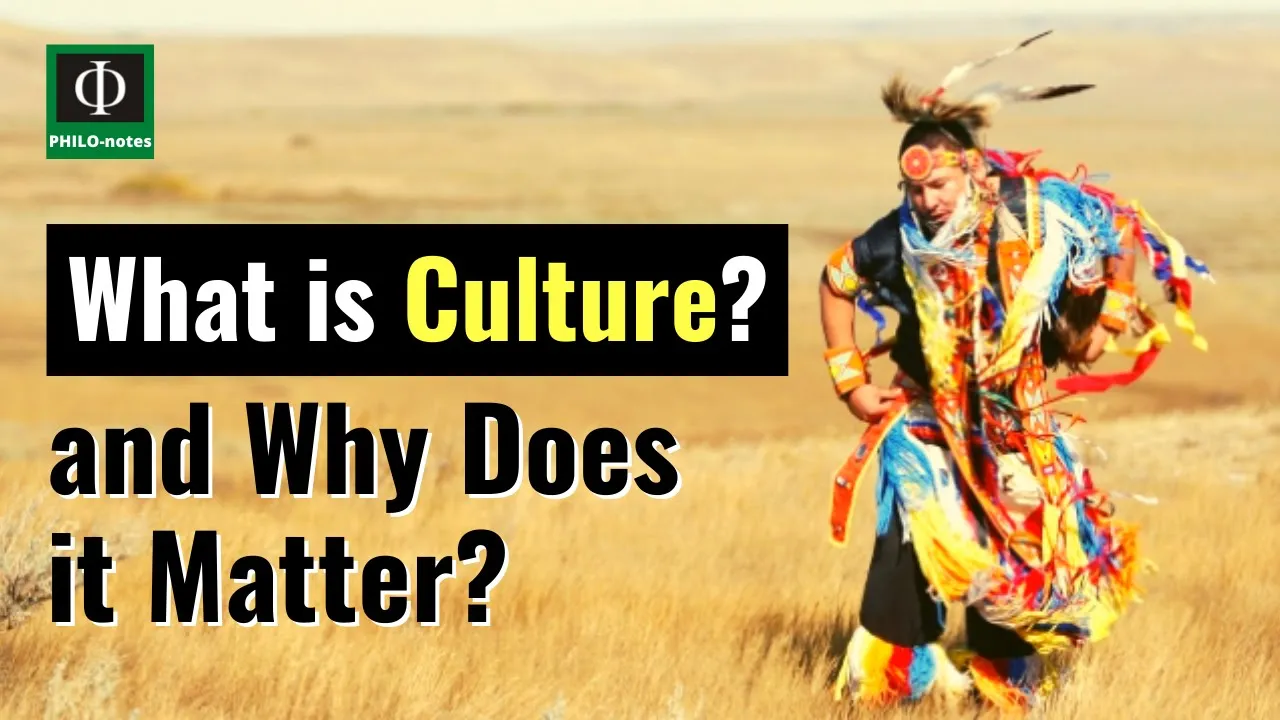













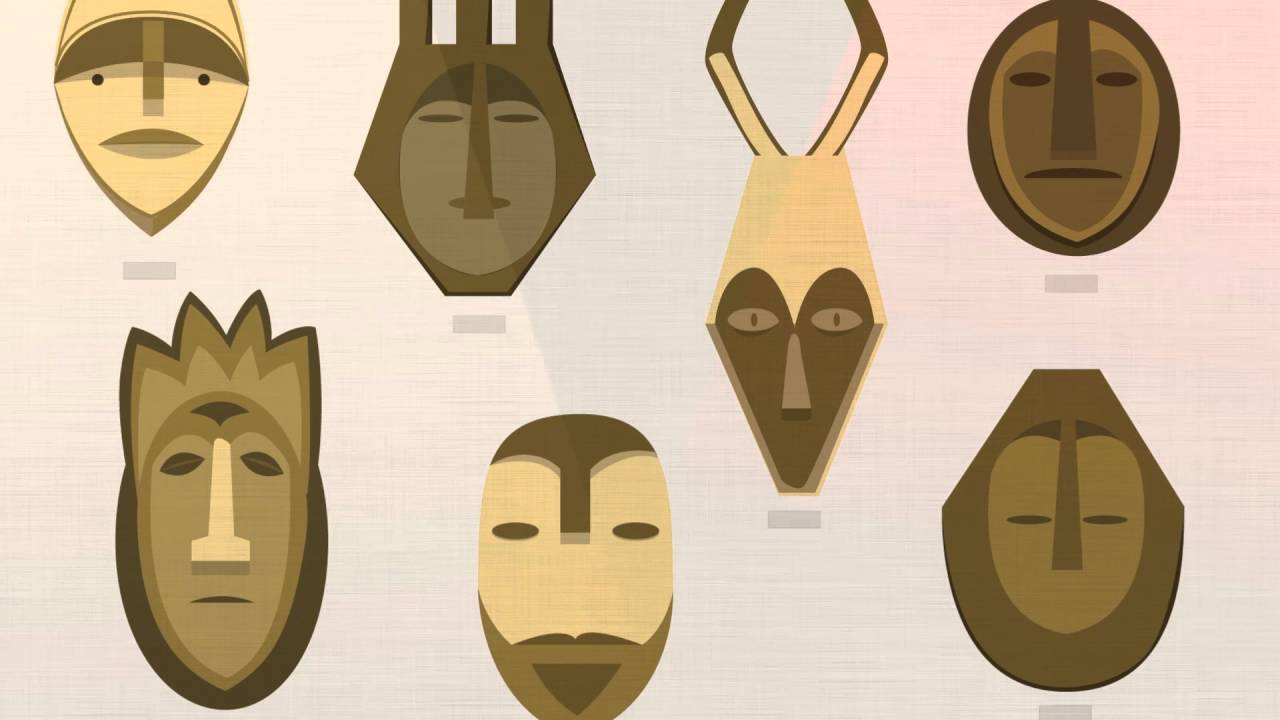









Cultural anthropology is the study of human cultures through ethnographic fieldwork and participant observation, employing a holistic four-field approach that examines physical anthropology (biological evolution), archaeology (material remains), linguistic anthropology (language and worldview), and cultural anthropology (living communities) to understand human diversity and challenge ethnocentric perspectives.
Cultural Anthropology Intro: Key Concepts & Course Overview
Added:A foundational understanding of 'culture' as shared systems of beliefs, practices, values, and symbols.
Familiarity with the distinction between social sciences (which study human behavior and societies) and natural sciences.
An awareness of the concept of ethnocentrism—the tendency to view one's own culture as superior—and the need for cultural relativism.
Basic knowledge of global geography and the historical interconnectedness of diverse human populations.
Deep dive into ethnographic fieldwork methods, including participant observation, interviewing techniques, and research ethics.
Study of key theoretical frameworks in anthropology, such as structural-functionalism, cultural materialism, and symbolic anthropology.
Detailed analysis of specific cultural systems, including kinship structures, economic organization, political systems, and religious beliefs.
Application of anthropological concepts to contemporary global issues, such as globalization, migration, climate change, and digital cultures.
21.2K views397likes28:46Original Release: 2019-12-18
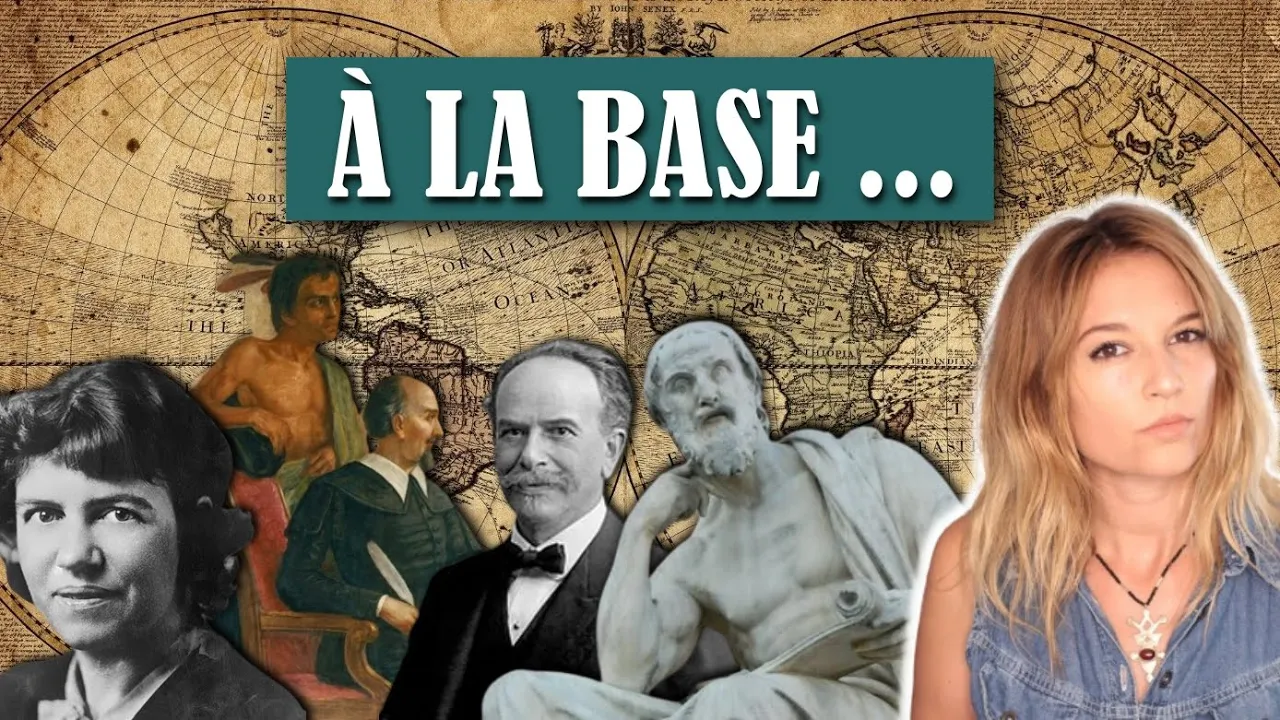
hello and welcome to your course introduction to cultural anthropology I'm your professor dr. Angela Montagu today I will be giving an overview of the course and answering the question what is anthropology this lecture will cover an introduction to my work a description of the course structure and objectives I will give an overview of the syllabus and course requirements as well as provide an overview of the field and subfields of anthropology my name is Angela Montague I received my PhD in cultural anthropology in 2014 from the University of Oregon my research focuses on international development and I am particularly interested in the uses of tourism for social political and economic goals my research takes place in the landlocked nation of Mali in West Africa my fieldwork so far has centered around the city of Timbuktu which is located on the southern edge of the Sahara Desert in Mali's northern region of the same name I work with Cal unser toric and ethnic groupings of nomadic pastoralists who traditionally herded camels goats and sheep and had Asus gardens throughout the Sahara I have been following disputed notions of nationalism as some Tuareg have been fighting for their own nation in an area of the Sahara called oz Awad in Thomas Scheck a would be labelled Berber language that Tuareg speak I spent several years researching a globally acclaimed world music festival in northern Mali called the festival in the desert where Tuareg Malian African and non African bands performed for largely Western tourists and local festival goers it was upset in 2012 when a group of extremists from North Africa joined with Tuareg rebels to attempt to found an Islamic state in Mali's northern regions the area is still rife with conflict something that I am continuing to follow in research but which has been mostly subdued by foreign forces I strive to make myself available to students so if you have any questions or concerns please email me and I will get back to you as quickly as possible I'm happy to meet online or in person where possible and I hope you enjoy the course this course is an introduction to cultural anthropology and is particularly aimed at giving students the tools necessary for understanding world cultures from an anthropological perspective anthropology is the study of human beings from biological archaeological cultural and linguistic perspectives we will be focusing on the anthropological study of human cultures and the field of cultural anthropology broadly we will investigate ways of comparing and contrasting the structures of social relationships and belief systems that operate in different cultural settings aiming to in the words of Melford Sphero quote make the strange familiar and the familiar strange end quote my goal is to put in context the worldviews and belief systems of a diversity of the world's people while simultaneously investigating our own aiming to overturn previously held notions and prejudices that perpetuate misunderstandings and conflict course objectives and outcomes after completing this course you should be able to explain and apply key concepts and cultural anthropology understand the process and issues of anthropological fieldwork be able to put in context certain cultural practices understand some of the commonalities shared by all cultures as well as the diversity of human experience and to see the modern applicability of anthropology and anthropological way of thinking this is a non-traditional course in that there is no face-to-face interaction with the instructor some have a hard time being motivated to complete online courses because much of the work is dependent on the self-discipline of you the student as such you have the responsibility of learning the course materials yourself by keeping up with the assigned readings watching films and completing thoughtful and analytical written assignments in addition you will need to have access to high-speed Internet in order to take timed quizzes and also to watch a signed video clips you must have access to these resources resources if not at home than on campus or somewhere if you cannot for whatever reason access these resources consider taking the course in a traditional classroom setting we teach it several times a year this course is broken into modules on canvas each week you will do the readings and listen to audio lectures that correspond with the readings there are several films as well I have tried to make sure that I have links and that the videos are available available for free occasionally you will need to purchase a film if you do not have say Amazon Prime or a Vimeo account and that will be made clear on the syllabus or on canvas the learning objectives for chapter one are to answer the following questions what is anthropology what are its subfields through what lenses do anthropologists gain a comprehensive view of human cultures what is holism what is globalization and why is it important for anthropology and how is globalization transforming anthropology you find the answers to these questions in your chapter what is anthropology starting with the basics the word anthropology derives from Greek roots and throw posts means human logos generally means the study of so literally anthropology is the study of humanity the study of humanity is a very broad topic many other definitions have been offered for anthropology and everyone has their own twist on them your textbooks definition states that quote anthropology is the study of the full scope of human diversity and the application of that knowledge to help people of different backgrounds better understand one another end quote this is still quite broad human diversity comes in many forms from family structures or kinship to religion from language to politics for this lecture we will examine anthropology's approach to the study of human diversity first we want to start with a background for anthropology as a discipline of study we are in an academic setting after all where did anthropology as a subject of study come from anthropology largely derived out of European colonial expansion in the 18th and 19th centuries transportation and communication technologies rapidly grew in sophistication train systems became more widespread ships became faster and more reliable both trains and ships improved the speed of mail service eventually the Telegraph allowed for even more rapid communication and these technologies effectively Shrunk the time required for travel and communication around the world these changes this led to more rapid travel and communication which brought Europeans into closer contact with the world's population these changes brought diverse cultures into contact with one another Europeans no longer had to rely on the reports of distant travelers and they could see these peoples and places for themselves increased contact with foreign cultures brought about increased interest in foreign cultures and this interest thereby laid the basis for anthropology many credit James Fraser 1854 to 1941 and his book the Golden Bough as an origin point for the study of anthropology in his book Fraser collected myths from cultures throughout the British Empire he attempted to classify them into similar forms while his work was groundbreaking at the time today Frazier's work would be seen as quote armchair effort that is he never left his armchair at home instead he relied on other people's descriptions as in any discipline anthropology has many other famous scholars who helped found and develop the field bronislaw malinowski studied the inhabitants of the Trobriand Islands in the South Pacific we'll look at him more closely next in the next couple days his work represents one of the first comprehensive ethnographies and ethnography is a study of a living culture more on ethnographies in a bit Margaret Mead very famous 1901 1978 worked in Samoa studying family dynamics the stress of adolescents what leads to say teenage rebellion was at the time seen as universal but it was not seen in Samoa this really fascinated Margaret Mead anthropologists have long worked with direct interests of their own societies franz boas 1858 to 1942 for instance was one of the founders of anthropology in north america he worked with many different Native American groups his work had a particular focus on documenting native groups before they were completely lost to the cultural and economic expansion of the United States on many occasions boas worked directly with the US government the United States was facing increasing immigration from Europe as well as from other parts of the world and even immigrants from Europe often faced prejudice and stigma to stigmatization upon arrival in the US so beau has worked with the government to help educate the public about cultural and biological variability a less discussed and virtually taboo version of anthropologists working with their own governments involves covert surveillance operations due to their cross cultural knowledge linguistic skills and practiced observational skills anthropologists are logical targets for recruitment by spy agencies engaging in such activities is now considered to be a violation of professional anthropological ethics we'll talk about that more but in both World War one and World War two many anthropologists were recruited by the US government famous one of these anthropologists turned spies was Sylvanus morally morally he's best known for his groundbreaking work studying the ancient Maya but his knowledge of modern day Mexico and Central America was considered to be a primary asset during World War one so he was tasked with surveillance to make sure that German agents were not working in the region anthropologist today work from both their positive and negative legacies and work to expand the boundaries of the field fan anthropology has a unique approach and right now we're gonna look at some of the features that define modern anthropology those that set anthropology apart from other disciplines of sort of humanity such as sociology or political science first anthropology is global in scope we are interested in kind of the global reach of humanity every individual on this planet makes up part of the continuum of human culture thus every person is of interest to our larger studies anthropology traditionally focused on small-scale societies it's the focus particularly upon those that are not technologically sophisticated and which are minimally integrated into global systems this is really an outgrowth of European colonial history Europeans were interested in studying people different from themselves today anthropologist strived to focus on all types of cultures in recent years there's been an increasing emphasis on studying urban cultures cities are composed of an amazing diversity of distinct yet integrated cultural groups and urban anthropology has been an increasingly productive field second anthropologist starts people in their local communities so anthropology has traditionally started with the small-scale and worked up or out that is to say an anthropologist primarily focus on individuals families and local communities this is in contrast to a top-down approach for example political scientists often approach topics from population wide demographics how would many women and men live in a nation or how our ethnic groups distributed within a state these can be important and productive approaches but are traditionally not considered starting points for anthropology cultural anthropologists traditionally start their research with ethnographic fieldwork ethnographic fieldwork involves living with the community under study for a prolonged period of time as noted earlier malinovski pioneered this method methodology he lived with the Trobriand Islanders he was studying for a full year it is our argue that the only way to understand a different culture is to truly live within that culture shorter periods of time do not allow for an anthropologist to truly become involved within activities of day-to-day life to learn a culture and a language you must be engaged in what is called participant observation not simply watching people around you but actually participating in their way of life this bottom-up ethnographic approach is part of what makes cultural anthropology a unique field of study third anthropologists study both people and the structures of power anthropology has long been particularly interested in how people are organized by quote structures of power structures of power are pervasive throughout all cultures to understand power we cannot simply look at the top of the system of control that is to say we do not want to simply study social and political leaders but the many stages and types of power for example families and their interactions are included in anthropology study of power structures not all cultures view family and kinship in the same way and some family systems are organized by purely patriarchal power systems so in these systems all power including decision-making economic matters and even property ownership is controlled by male family members less common but still present our matriarchal family systems in these systems all powers controlled by female members of the family family power structures extend in many directions for example many cultures have strict marriage rules for example many Westerners are familiar with arranged marriages in these marriages parents decide who their children will marry the Western world with its strong emphasis on romantic love has long decried such marriages the West has its own marriage rules that seem strange to other cultures for example marrying a cousin is considered inappropriate in many Western cultures in other parts of the world quote cross cousin marriage is common if not consider the preferred option beyond the family cultures have numerous power structures throughout their economic political and religious systems anthropologists want to know how these structures vary between cultures how people negotiate these power structures and their day-to-day lives or how people express their agency forth and finally anthropologists believe that all humans are connected as we discussed at the beginning of the lecture we are more closely connected than we think people have to think that anthropologists seek to study quote uncontacted tribes end quote even today there are cultures living in the Amazon rainforest that are classified as uncontacted but the term is really misleading all peoples are aware of and interact with their neighbors to some degree with rapid globalization today more than ever all human beings are connected this means we must learn how to understand one another and live together specifically anthropology challenges us to move beyond ethnocentrism now though centrism is a belief that one's own culture or way of life is normal and natural using one's own culture to evaluate and judge the practices and ideals of others it is a judgment or a belief that one's culture race ethnicity religion etc is superior the only right way the only good or moral way and other ways are bad evil or wrong Africans have long been treated as the other and in the early years of European expansion Africans such as Sarah Baartman were taken from their homelands and put on display Sarah Baartman was a Khoisan woman of South Africa and became known as the Hottentot Venus she was put on display in freak shows world fairs and circuses in Europe during the early 1800s the image on this page is a drawing of Europeans staring at her naked body with fascination the opposite or corrective of ethnocentrism is cultural relativism a term coined by Franz Boas all cultures have their own measures of what is good moral and normal in order to understand an individual practice we need to look at the culture in which it is found cultural relativism emphasizes historical cultural economic and political aspects of practices so take a look at the comic included on this slide the woman on the left and the bikini is saying everything covered butterface what a cruel male-dominated culture the woman on the right in a burka is saying nothing covered butter eyes what a cruel male-dominated culture they are both being ethnocentric to a certain degree they are both judging what the other is wearing based on their own standards of what is normal to understand the way that they are dressed as well as their assumptions about each other we have to understand their cultures both items of clothing the bikini and the burqa are given meaning by the cultural context in which they are found neither is right or wrong from an anthropological perspective only different through what lenses do anthropologists gain a comprehensive view of human cultures as an academic discipline within the United States anthropology has traditionally been defined as a four field discipline we'll look at each of what these four fields are broadly speaking the four field approach can be equated with a holistic approach that is to say we're interested in a broad analysis looking at human culture from as many different directions as possible in anthropology kinship systems can be considered as important as political systems for instance the four field approach also embodies an interest in studying human cultures throughout time this term will be largely focused on living cultures but some anthropologist study past cultures and the origins of human beings themselves the four traditional fields include physical anthropology archaeology linguistic anthropology and cultural anthropology physical anthropology or biological anthropology is the study of humans from a biological perspective there is particular emphasis on their evolution and adaptation to environments physical anthropology necessarily involves a great deal of the of biology the origins of physical anthropology as part of anthropology have to do with studying human modern human variability as Europeans explored the globe they noticed physical differences in local populations physical anthropology originated as an effort to chart and explain these differences for example today we can explain the distribution of skin tones by the linked relationship between UV exposure and the body's need for vitamin D higher levels of melanin in the skin ie dark skin tones help to protect the body from excessive UV exposure exposure to UV also triggers the production of vitamin D in the human body vitamin D is a necessary substance for healthy growth and development just as too little vitamin D can result in a disease and deformation of the skeleton too much UV can be deadly deadly the result is a balance between skin colour and exposure to UV light since its origins Physical Anthropology has diversified into several subfields paleoanthropology is one of the most prominent of these fields paleoanthropologist study the evolution and origin of humans the study is primarily carried out by studying the fossil record of hominin ancestor this study is difficult and detailed work thanks to the dedication of paleoanthropologists we now have thousands of specimens that help chart the development of the human species modern paleoanthropology x' began to move beyond the study of fossils to incorporate genetic analyses these genetic analyses include modern living populations also in rare instances paleoanthropology involves the analyses of still surviving genetic material from our ancestors primatology is also a significant part of modern physical anthropology primatology is the study of living primates including new and old world monkey species as well as the great apes the study of primates within anthropology is part of an effort to better understand ourselves human beings are classified as primates and we are more biologically akin to other primates than any other mammals thus the study of our fellow primates can help us understand both modern humans and the evolution of our own species physical anthropology includes other specialties such as forensic anthropology and overlaps with medical anthropology let's move on to our other primary fields of anthropology archeology archeology is the study of human cultures by the materials they leave behind or material remains most archaeologists study the distant past studying culture is either without writing or within limited historic records in order to do this archaeologists must learn to read the material record this is composed of all physical objects left behind by people these objects include their tools their homes even more ephemeral traces such as campfires and food remains using these traces archaeologists attempt to reconstruct the culture of the people that left them early anthropologists focused most of their attention on large monuments for example they studied monuments such as the ancient Egyptian pyramids or the monuments of the ancient Maya kingdoms while these studies provided important information archaeologists realized they were focusing on a narrow vision of cultural elites modern archaeology attempts to focus equally on the grandiose monuments of the elite and the simple homes of commoners such a balanced approach can provide us with the more accurate view of the total culture archaeology also does not it does not focus exclusively on the distance distant past as a discipline archaeology attempts to understand people and their culture through what they leave behind thus once something has been abandoned it is possible for archaeological analyses to be done the most famous example of contemporary archaeology is the garbage project directed by William raske in Tucson Arizona the garbage project carried out excavations in Tucson sland fields to gain a better understanding of contemporary city residents linguistic anthropology linguistic anthropology is the study of human language and how it affects our culture and our worldview language is a complex system of communication we assign meaning to arbitrary sounds we build grammatical structures so that we can have meaningful communication human language is flexible and innovative we can describe and communicate information about experiences that we've never had before we can even use language to describe things that have never existed think of the literary literary genres of fantasy science fiction we can further adopt our languages to new circumstances circumstances emerging technologies result in new vocabularies and ideas texting skyping googling etc are good examples of these the languages we speak also affect how we view the world around us when American students learn a European foreign language one of the first weirds words they often learn is the verb for to be yet many languages do not have a verb that is equivalent to you to be try to go a whole day without using forms of to be this means not saying I am she is they are etc it forces a different perspective of the world the way other people use language also affects our perceptions of the world for example a person's accent often affects the way we think of them in the United States a British accent is often associated with intelligence while an Appalachian accent is associated with a lack thereof despite any actual judge of the speaker's intelligence linguistic has three main subfields descriptive historic and sociolinguistics descriptive linguistics is dedicated to documenting and recording languages many languages that are spoken or have been spoken around the world do not have a written form without a written form or recording of native speakers these languages are in danger of being lost with the growing influence of globalization and Western political powers there's been a push toward linguistic homogenize Asia descriptive linguists are dedicated to preserving linguistic diversity before it is lost historical linguistics is the subfield that's focuses on studying how languages have changed over time languages can change substantially over time as different dialects rise or fallen prominence a simple use patterns change occasionally different language dialects become so different that new languages form historic linguistics attempts to reconstruct the history and processes of change within languages lastly socio linguistics this final field focuses on the interaction between language and society that is how our language affects our society and how our society affects our language as a crude example there are times when it is not appropriate to use curse words other times such words are considered a mark of status sociolinguistics examine the varying uses of language and what it can tell us about a culture okay we are finally to the subfield that brings you all together today cultural anthropology this is the study of living cultures the everyday lives of people in their communities including their behaviors beliefs and institutions as we have discussed the principle research methods of cultural anthropologists involve ethnographic fieldwork and participant observation this kind of fieldwork is considered essential to anthropology to understand another culture we must not simply look at it from a distance but live amongst it for taking the activities of daily life ethnography alone can be thought of as a descriptive cultural anthropology each individual ethnography describes a group of people or a culture studied by an anthropologist cultural anthropologists also engage in ethnology ethnology looks beyond the specific beyond the descriptive ethnography ethnography ethnology seeks to compare cultures to better understand general patterns of human behavior it is through ethnology that anthropologists have seen that despite Sir first differences observed in ethnography human cultures have more in common than they have differences cultural anthropology has traditionally focused on small-scale societies in remote regions of the planet now it increasingly focuses on the study of urban and integrated communities this is due in part to a growing need to understand globalization
Up Next

8:17
Anthropology Research Methods: Participant Observation & Interviews
@AliviaBrown
14K views•2022-02-06

38:41
Astrobiology Through an Anthropological Lens: Field Insights
@georgiatechastrobiology
128 views•2021-04-14
4:45
Proxemics Explained: The Study of Personal Space
@Vox
536K views•2016-07-05

10:38
Psychology of Internet Trolling and Pranks Explained
@AzzyLand
10.7M views•2017-12-20
Related Study Plans & Knowledge Roadmaps
Structured learning paths in Anthropology
anthropology
Space Anthropology: Analogs, Culture & Habitats
01Foundations of Space Anthropology & Cosmic Imaginaries
02Extreme Isolation & Micro-Societies in Orbit
03Space Analog Habitats & Earth-Based Simulations
+ 2 more learning modules
15h5 modules
Explore Roadmap
anthropology
Legal Anthropology: Customary Law & Pluralism
01Foundations of Legal Anthropology and Social Justice
02Legal Pluralism: Coexisting Legal Systems
03Customary Law and Indigenous Dispute Resolution
+ 2 more learning modules
15h5 modules
Explore Roadmap
anthropology
Global Tourism: Gaze, Authenticity & Heritage
01Introduction to the Sociology of Tourism
02The 'Tourist Gaze' (John Urry)
03Staged Authenticity in Tourism
+ 3 more learning modules
14h6 modules
Explore Roadmap
anthropology
Modern Kinship (ART, Adoption & Chosen Family)
01Foundations of Kinship and Family
02Assisted Reproductive Technologies (ART) & Relatedness
03Transnational Adoption and Global Kinship
+ 2 more learning modules
12h5 modules
Explore Roadmap