Legal Anthropology: Customary Law & Pluralism
Learning Goal: Analyze the social construction of justice and dispute resolution by applying legal anthropology frameworks to investigate legal pluralism, customary law, and restorative justice practices across diverse cultural contexts.
- Prerequisites: Introduction to Cultural Anthropology or Basic Sociology is recommended but not required.
- Estimated Total Study Time: 15 Hours
Module 1: Foundations of Legal Anthropology and Social Justice
This module introduces legal anthropology as an academic subfield. You will learn to challenge the positivist notion of law as a static set of rules handed down by state authorities. Instead, you will study how law is culturally constructed, exploring the critical tension between formalist approaches (which project Western legal frameworks globally) and substantivist approaches (which evaluate legal practices within their local social fabric).
Recommended Videos

Why this video: This lecture serves as the perfect foundational gateway for the module. It explains how legal anthropology operates as an interdisciplinary study of law within culture and society. It provides a deep dive into the discipline's core concerns: how different cultures conceptualize disputes, why communities choose to categorize certain issues as "legal" rather than merely "social," and how legal frameworks reproduce or challenge power dynamics.

Why this video: This short lecture unpacks a central methodological obstacle in legal anthropology: the intellectual tension between formalist and substantivist approaches. It details why applying rigid Western legal categories to non-Western customary setups distorts the actual mechanisms of local justice, prompting you to adopt more local, context-driven analytical lenses.
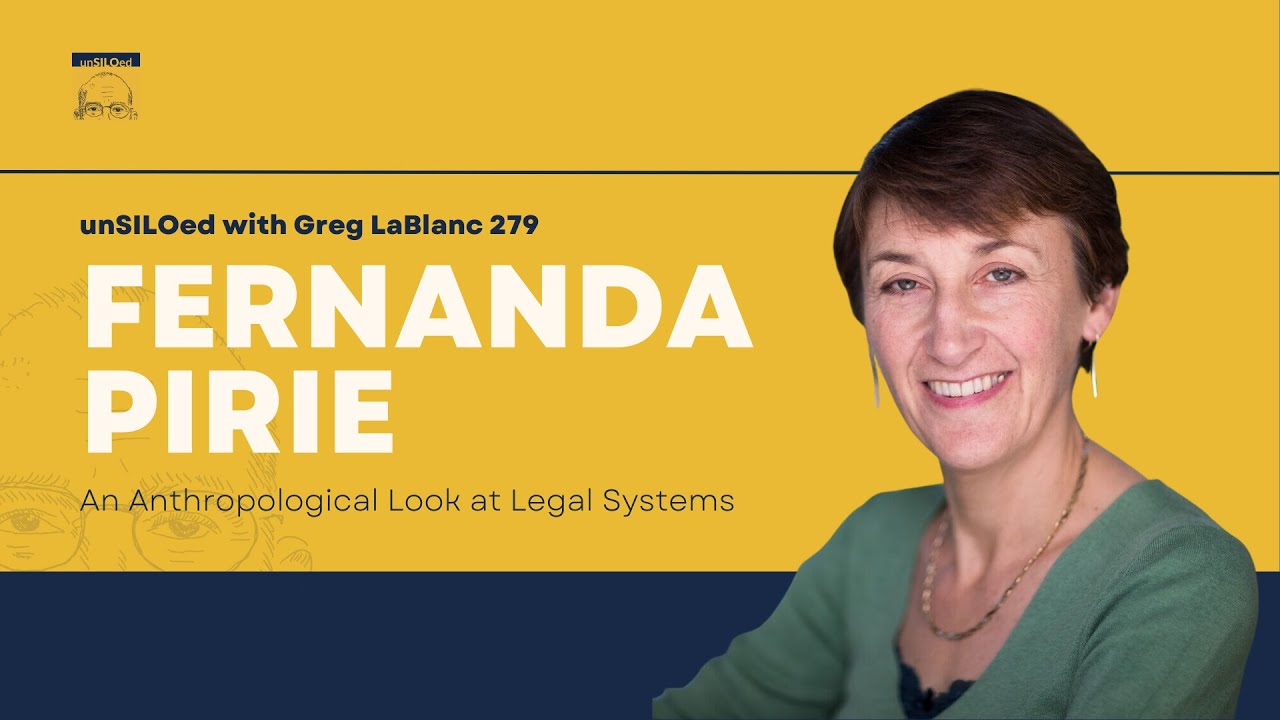
Why this video: Featuring scholar Fernanda Pirie, this segment discusses the practical value of legal anthropology. It illustrates how stepping back and analyzing diverse historical and global legal traditions allows legal practitioners to realize that modern state legal systems are highly specific, historically contingent products rather than universal templates of human justice.
Independent Study & Gap Coverage
While the videos above offer an excellent theoretical outline, visual animations detailing the basic differences between unwritten social norms and codified laws are limited. To support this portion of the module, please independently search for:
- Search Query:
Law vs Social Norms anthropology animation
Knowledge Checkpoint
- Contrast the formalist and substantivist paradigms in legal anthropology.
- Explain how disputes transition from "social conflicts" to formal "legal issues."
- Describe how legal anthropology exposes modern Western civil law as historically contingent rather than a universal baseline.
Module 2: Legal Pluralism: Coexisting Legal Systems
In this module, you will analyze "legal pluralism"—the coexistence of multiple, overlapping legal systems (such as state laws, customary laws, and religious jurisdictions) within a single society. You will study how these systems interact, compete, and collide, with special attention to post-colonial setups where European civil codes were superimposed onto preexisting indigenous legal systems.
Recommended Videos

Why this video: This introductory primer defines legal pluralism clearly and concisely. It lays out how state legal frameworks, religious codes, customary traditions, and private codes can simultaneously assert authority over individuals in a single society, showing how this coexistence continuously shapes human behavior.
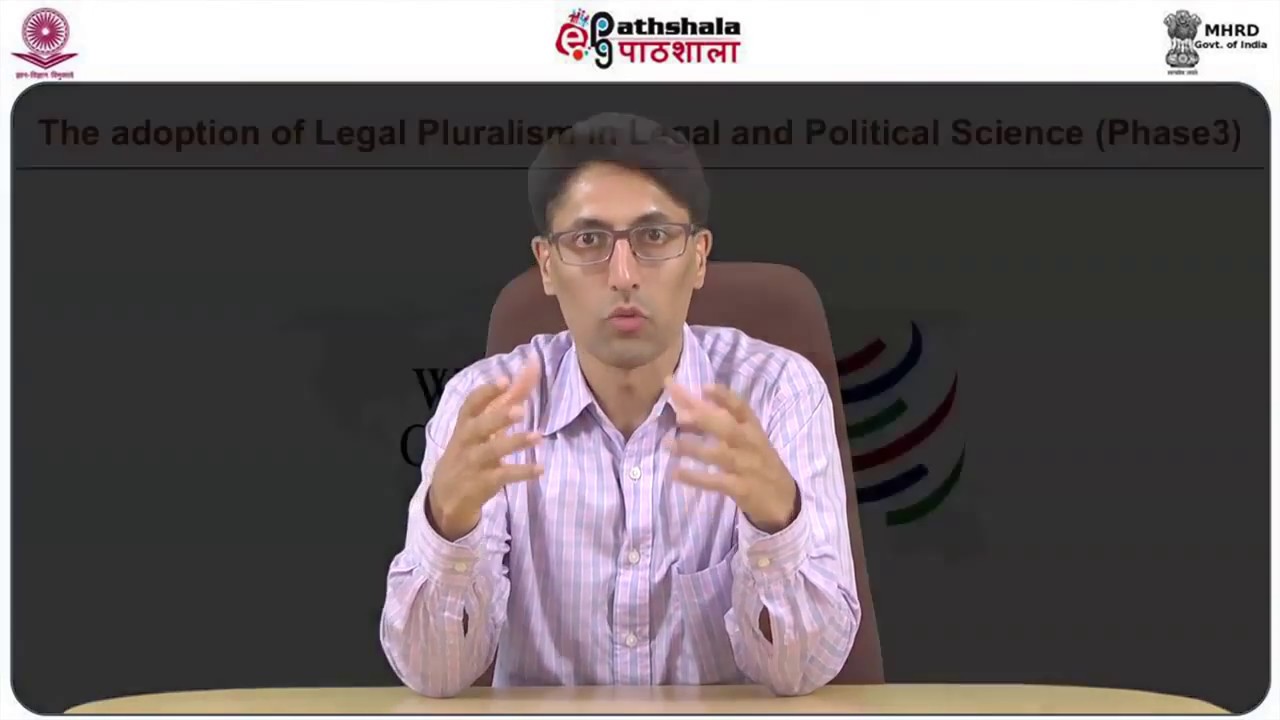
Why this video: This lecture traces how the theory of legal pluralism evolved. It contrasts classical legal positivism (the Austinian view of a singular, hierarchical state law) with the realities of normative pluralism, showing how legal anthropological research forced scholars to admit that state laws do not hold a monopoly on legal authority.

Why this video: Renowned scholar Mahmood Mamdani explains how colonial states weaponized legal pluralism. He discusses how administrative censuses bifurcated populations into "races" (governed globally by civil law) and "tribes" (subject to localized customary laws). This is a critical text for understanding how overlapping legal spheres were used to enforce colonial control.

Why this video: In this detailed lecture, William Twining explores legal pluralism from a global standpoint. He highlights "normative pluralism" as a basic fact of daily life, presenting a framework to track how globalized, transnational trade codes intersect and conflict with domestic state laws and local community rules.
Independent Study & Gap Coverage
While these lectures provide an outstanding theoretical foundation, specific visual documentaries showing the direct day-to-day friction of these coexisting legal structures in post-colonial regions are limited in the current pool. For real-world focus, you are encouraged to independently search for:
- Search Query:
Colonialism and legal pluralism documentary
Knowledge Checkpoint
- Define the classical Austinian model of legal positivism and explain how legal pluralism challenges it.
- Reconstruct Mahmood Mamdani’s argument regarding how colonial regimes utilized tribal classification to institutionalize dual legal tracks.
- Differentiate between "normative pluralism" (the day-to-day reality of coexisting rules) and formal "legal pluralism" (state-sanctioned parallel courts).
Module 3: Customary Law and Indigenous Dispute Resolution
Customary laws are unwritten legal systems developed over generations within communities, maintained through cultural practices and social consensus. In this module, you will investigate how customary systems resolve disputes, restore harmony, and preserve social order without relying on state infrastructure.
Recommended Videos

Why this video: This BBC culture documentary offers an inside look at Aboriginal customary law ("Bush Law" / Ainal law) in Australia's Northern Territory. It demonstrates how indigenous communities continue to enforce ancestral codes to lower crime rates and resolve disputes, while exploring the complex relationship between traditional bush justice and Australian federal law.

Why this video: This interview outlines how customary law can be integrated into modern constitutions. Focusing on Nagaland, India, it explains how Article 371A of the Indian Constitution formally protects tribal customary laws, allowing community dispute systems to function alongside formal state police forces.
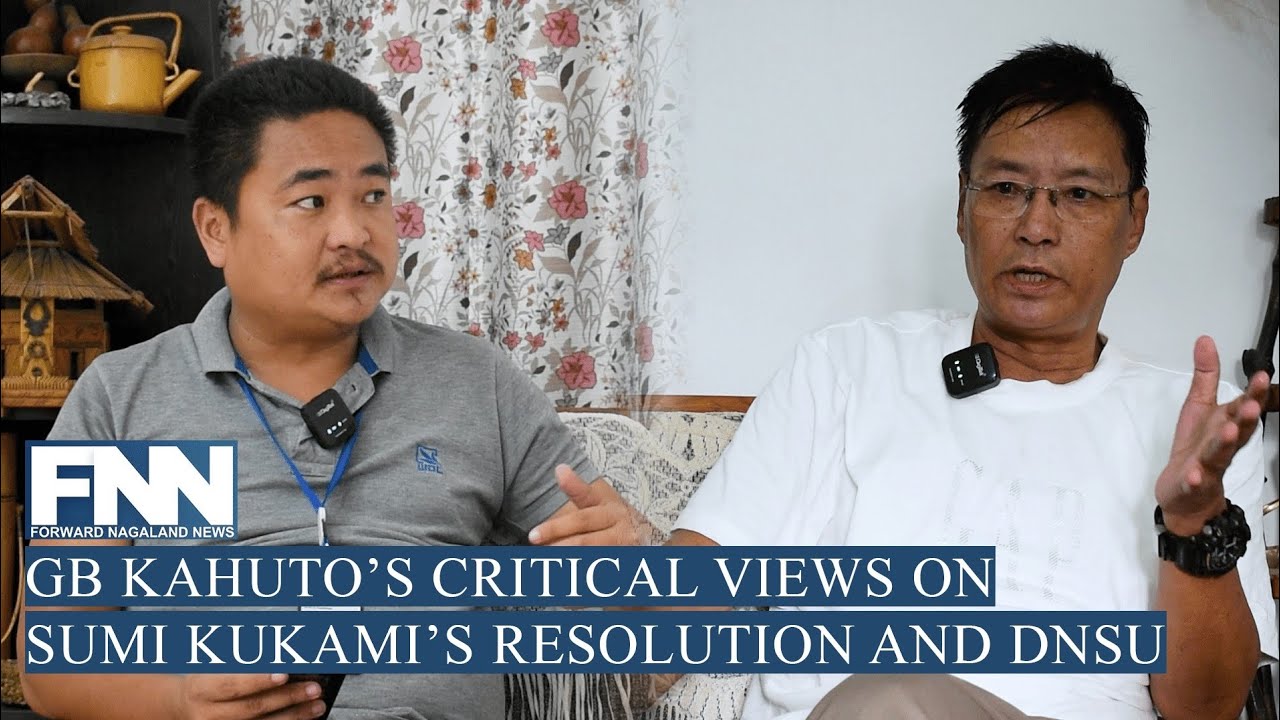
Why this video: This short clip defines customary law as "accumulated wisdom passed down through ages and traditions." It offers a concise, indigenous-led perspective on how customary regulations derive their legitimacy from community history rather than state structures.
Independent Study & Gap Coverage
While this module features excellent case studies from Australia and Nagaland, detailed step-by-step anthropological breakdowns of African customary dispute procedures are limited. To broaden your perspective, search for:
- Search Query:
Legal anthropology case studies of customary law
Knowledge Checkpoint
- Detail how Australian Aboriginal "Bush Law" maintains social order and lower crime rates within indigenous territories.
- Explain how Article 371A of the Indian Constitution accommodates tribal customary courts in Nagaland within the national legal framework.
- Identify where customary laws derive their authority if they are not written or enforced by a centralized state apparatus.
Module 4: Restorative Justice: Cultural Roots and Practices
This module examines restorative justice, contrastingly comparing it to Western retributive justice. While Western systems focus on assigning guilt and punishing offenders via state-managed courtrooms, restorative frameworks prioritize healing relationships, repairing harm, and reintegrating both victims and offenders into the community. You will trace the cultural roots of these practices back to indigenous peacemaking traditions.
Recommended Videos
Why this video: (Recommended cross-study) This documentary is highly relevant for Module 4. By showcasing how Australian Aboriginal elders handle disputes, it highlights how restorative practices focus on repairing community relations rather than relying purely on state prison sentences.

Why this video: This cinematic clip portrays a traditional West African village assembly trying to resolve a serious internal conflict. It illustrates how community-based justice meetings emphasize collective decision-making and restore peace through traditional reconciliation practices.
Independent Study & Gap Coverage
The provided video pool lacks a direct comparative overview comparing Western retributive law with indigenous restorative models (such as Māori peacemaking circles). To fill this gap, please independently search for:
- Search Query:
Restorative justice vs retributive justice comparison - Search Query:
Maori restorative justice peacemaking circles
Knowledge Checkpoint
- Contrast the core goals of retributive justice (state-focused punishment) with restorative justice (community healing).
- Describe how a community-based village assembly acts as a forum for restorative reconciliation rather than purely punitive sentencing.
- Explain why the participation of community elders and extended families is essential to indigenous peacemaking circles.
Module 5: Global Justice: Human Rights and Cultural Relativism
This final module examines the tension between universal human rights and local cultural practices. Using the theoretical frameworks of legal anthropologist Sally Engle Merry, you will explore "vernacularization"—the process by which global human rights concepts are translated, adapted, and framed in local cultural terms to make them meaningful on the ground.
Recommended Videos

Why this video: In this video, Sally Engle Merry critiques static definitions of "culture" within human rights debates. She argues that culture is a dynamic, continuously changing system of ideas and practices, showing how human rights advocates can work within local cultures rather than trying to override them.

Why this video: In this lecture, Sally Engle Merry presents her research on how human rights spread locally through "vernacularization." She also warns against "the seductions of quantification," analyzing how relying heavily on standardized indicators to track human rights compliance can oversimplify complex local struggles.

Why this video: This video introduces Keebet von Benda-Beckmann’s research on how transnational human rights concepts interact with local religious and state legal frameworks. She highlights how human rights laws are adapted and integrated with traditional laws in West Sumatra, providing a clear example of vernacularization in action.

Why this video: This short lecture unpacks how quantitative indicators (like metrics for violence against women) simplify complex social phenomena. It offers a helpful entry point for understanding how measuring compliance through numbers changes human rights work, sometimes stripping away essential cultural context.
Independent Study & Gap Coverage
While this module offers exceptional coverage of Sally Engle Merry's theories, finding videos that present detailed case studies of the integration of state and customary law in South America or Africa is recommended. For supplementary materials, search for:
- Search Query:
Modern integration of customary and state law
Knowledge Checkpoint
- Explain Sally Engle Merry's concept of "vernacularization" within human rights work.
- Detail how treating culture as a "dynamic, evolving process" changes the debate between universal human rights and cultural relativism.
- Outline the limitations of using standardized, quantitative metrics to evaluate local human rights struggles.
Course Map
Key People Index
- Sally Engle Merry (1944–2020): A highly influential legal anthropologist. She is best known for her theory of vernacularization (how global human rights ideas are translated into local contexts) and her critiques of human rights metrics (the "seductions of quantification").
- Fernanda Pirie: Professor of the Anthropology of Law at Oxford. Her research focuses on legal systems across cultures and how studying global legal history helps modern lawyers better understand their own practices.
- William Twining: A leading British jurist who pioneered global perspectives on normative pluralism, showing how transnational legal rules coexist with local systems in everyday life.
- Keebet von Benda-Beckmann: A prominent researcher at the Max Planck Institute who focused on global legal pluralism and studied how global laws, local customs, and religious codes interact in communities like West Sumatra.
- Mahmood Mamdani: A political scientist and anthropologist who analyzed how colonial states used legal pluralism to control populations by separating them into "races" under civil law and "tribes" under customary law.
- Sally Falk Moore (1924–2021): A legal anthropologist who introduced the concept of the "semi-autonomous social field," studying how communities generate internal rules while remaining influenced by state law.
Final Self-Assessment
Complete this comprehensive self-assessment to verify your mastery of the curriculum:
- I can explain the difference between formalist and substantivist approaches in legal anthropology.
- I can define "legal pluralism" and explain how it differs from traditional state legal positivism.
- I can describe how colonial powers weaponized legal pluralism to divide populations into racial and tribal categories.
- I can identify how unwritten customary laws establish authority and resolve disputes within indigenous communities.
- I can detail how Indian constitutional law (Article 371A) accommodates Nagaland tribal custom alongside state law.
- I can analyze how Australian Aboriginal "Bush Law" functions as a parallel mechanism of crime prevention and community cohesion.
- I can contrast retributive justice (punishment-focused) with restorative justice (healing and community-focused).
- I can explain Sally Engle Merry’s concept of "vernacularization" and how it helps translate human rights across cultures.
- I can critique the use of quantitative indicators and metrics in global human rights monitoring.
- I can explain why treating culture as dynamic, rather than static, is essential for resolve tensions between human rights and cultural relativism.