Modern Kinship (ART, Adoption & Chosen Family)
Learning Goal: Analyze how modern kinship, family structures, and concepts of relatedness are being reshaped globally by examining assisted reproductive technologies, transnational adoption, and chosen families.
- Prerequisites: None (Introductory knowledge of sociology or anthropology is helpful but not required).
- Estimated Total Study Time: 12 Hours
Module 1: Foundations of Kinship and Family
This module establishes the foundational vocabulary of kinship studies. You will explore how classic anthropology and sociology distinguish between biological ties (consanguinity) and legal/marital ties (affinity). By looking at structural theories of the family, you will understand how societies have historically constructed order, belonging, and parental authority.
Recommended Videos

- Why this video: Nicholas Herriman provides a rigorous introduction to classic anthropological frameworks of kinship. It challenges the assumption that kinship is simple, demonstrating that family systems require highly active social and conceptual construction—comparable in structural complexity to mathematical systems.
- Knowledge Checkpoint:
- Explain why anthropologists treat kinship as a complex social system rather than a basic biological fact.
- Distinguish between descent-based systems and alliance-based kinship structures.
- Why this video: This video summarizes the core sociological perspectives on family and marriage. It outlines how kinship acts as a foundational social institution that determines lines of descent, inheritance, and social care, showing how "family" is historically defined by common ancestry, marriage, or adoption.
- Knowledge Checkpoint:
- Identify the three primary bases of social bonds that historically define a kinship group.
- Contrast functionalist and conflict-theory views of the family unit.

- Why this video: This video offers a structured breakdown of anthropological kinship charts and classification systems. It serves as an essential guide to mapping biological relations versus culturally defined connections, showing how human societies historically organize lineage.
- Knowledge Checkpoint:
- Describe the fundamental unit of social organization according to classic anthropology.
- Draw or conceptualize a basic kinship diagram showing patrilineal vs. matrilineal descent.

- Why this video: This lecture segment provides clear, concise definitions of the two core pillars of anthropological kinship: consanguinity (relationships defined by shared genetic/blood descent) and affinity (relationships formed through marriage, such as spouses and in-laws).
- Knowledge Checkpoint:
- Define the term consanguinity and provide three examples of consanguineal relationships.
- Define the term affinity and explain how it differs structurally from consanguinity.
Module 2: Assisted Reproductive Technologies (ART) & Relatedness
This module examines how in vitro fertilization (IVF), egg/sperm donation, and surrogacy challenge the biological boundaries of parenthood. You will analyze the commodification of reproduction, "biological splitting" (separating genetic, gestational, and social parenting), and the ethical, post-colonial paradoxes of the cross-border commercial surrogacy market.
Recommended Videos

- Why this video: Dr. Amrita Pande delivers an authoritative lecture on the geopolitics of cross-border commercial surrogacy. She analyzes the structural paradox of a market that produces intimate human relationships while relying on deep racialized, national, and economic inequalities between global buyers and local surrogates.
- Knowledge Checkpoint:
- Explain the "paradox of cross-border surrogacy" in terms of global labor exploitation and bodily commodification.
- Analyze how commercial surrogacy separates gestational labor from genetic maternal lineage.
- Why this video: While presented from a conservative theological perspective, this video details the process of "biological splitting" in modern ART. It unpacks how a single pregnancy can involve separate actors (an egg donor, a sperm donor, and a gestational surrogate), challenging traditional definitions of unified parenthood.
- Knowledge Checkpoint:
- Define "biological splitting" and map out the potential parties involved in creating a child through ART.
- Discuss how separating genetic material from gestation disrupts traditional legal definitions of a "mother" and "father."
- Why this video: This case study highlights the psychological, medical, and ethical assessments required in modern fertility clinics. It explores how egg donation and advanced maternal age shift family structures, forcing families to navigate questions of genetic disclosure and biological identity.
- Knowledge Checkpoint:
- Analyze the ethical considerations surrounding genetic disclosure to children conceived via egg or sperm donation.
- Describe the role of clinical psychological screenings in mediating non-traditional routes to family-making.
Module 3: Transnational Adoption and Global Kinship
This module explores how international and transracial adoptions intersect with race, national borders, and systemic inequality. You will study how children navigate cultural displacement, how adoptive families must engage in anti-racist labor, and how geopolitical imbalances shape the flow of children from the Global South to the Global North.
Recommended Videos
- Why this video: Filmmaker Amandine Gay provides a powerful critique of the politics of international adoption. She outlines how international adoption operates as a political act embedded in racial and post-colonial power dynamics, demanding that adoptive parents move beyond "colorblindness" to actively protect their child's racial identity.
- Knowledge Checkpoint:
- Critique the concept of "colorblind adoption" using political and sociological arguments.
- Explain why international adoption should be analyzed as a political issue rather than just a private humanitarian deed.

- Why this video: This Al Jazeera documentary follows an adoptee's journey to uncover her origins, exposing the historic systemic corruption and illicit baby markets that occurred between Sri Lanka and Norway. It reveals the deep psychological trauma of separation and the ethical challenges of international adoption systems.
- Knowledge Checkpoint:
- Discuss the legal and ethical risks that can arise when international adoption is commercialized across borders.
- Identify the psychological challenges transnational adoptees face regarding their biological roots and personal identity.

- Why this video: Host Emmanuel Acho sits down with white adoptive parents to discuss the unique challenges of raising Black children. The conversation moves past simple "love is enough" frameworks, addressing the social reality of systemic racism and the parental responsibility to prepare transracial adoptees for a racialized world.
- Knowledge Checkpoint:
- Contrast a "love is enough" parenting model with an anti-racist, culturally conscious parenting model in transracial adoption.
- Explain the concept of "racial isolation" as experienced by children of color adopted into white families.

- Why this video: This panel discussion explores the systemic realities of transracial adoption. It highlights how adoptees navigate racial isolation, cultural erasure, and identity struggles when raised in communities that lack racial diversity, while emphasizing the critical need for systemic reforms.
- Knowledge Checkpoint:
- What are the long-term consequences of isolating an adoptee from their native racial or cultural peers?
- Explain how the "narrative burden" forces transracial adoptees to constantly explain their family's structure to the public.
Module 4: Chosen Families and Queer Kinship
This module explores how LGBTQ+ communities and marginalized groups redefine kinship outside of blood and legal ties. You will analyze the history of chosen families as life-saving mutual aid networks, study how queer kinship functions as a fluid system of care, and explore the concepts of "making oddkin" and voluntary support structures.
Recommended Videos
- Why this video: This academic lecture reviews Kath Weston's landmark anthropological study Families We Choose. It demonstrates how San Francisco's LGBTQ+ community in the 1980s constructed chosen families as resilient, non-biological kinship structures to survive homophobia, alienation, and the HIV/AIDS epidemic.
- Knowledge Checkpoint:
- Summarize Kath Weston's main arguments regarding how chosen families challenge traditional biological kinship.
- Explain how shared experiences, mutual aid, and emotional commitments can create kinship ties as strong as biological bonds.

- Why this video: Charlotte Ross explores queer kinship as a fluid, open-ended "mesh of possibilities." She explains how non-traditional families consciously build relationships outside of rigid heteronormative frameworks, treating kinship as a creative, lived process of accountability and care.
- Knowledge Checkpoint:
- Define the concept of a family as an "open mesh of possibilities" rather than a fixed structure.
- Explain how queer kinship detaches parent-child and partner roles from traditional biological or legal expectations.

- Why this video: This short analysis defines the fundamental social purpose of chosen families within queer communities. It explains how chosen families act as crucial support systems for individuals who face rejection, offering unconditional acceptance and safety.
- Knowledge Checkpoint:
- Define the term "chosen family" as used by marginalized and queer communities.
- Explain the historical and sociological reasons why LGBTQ+ individuals have had to construct alternative kinship structures.
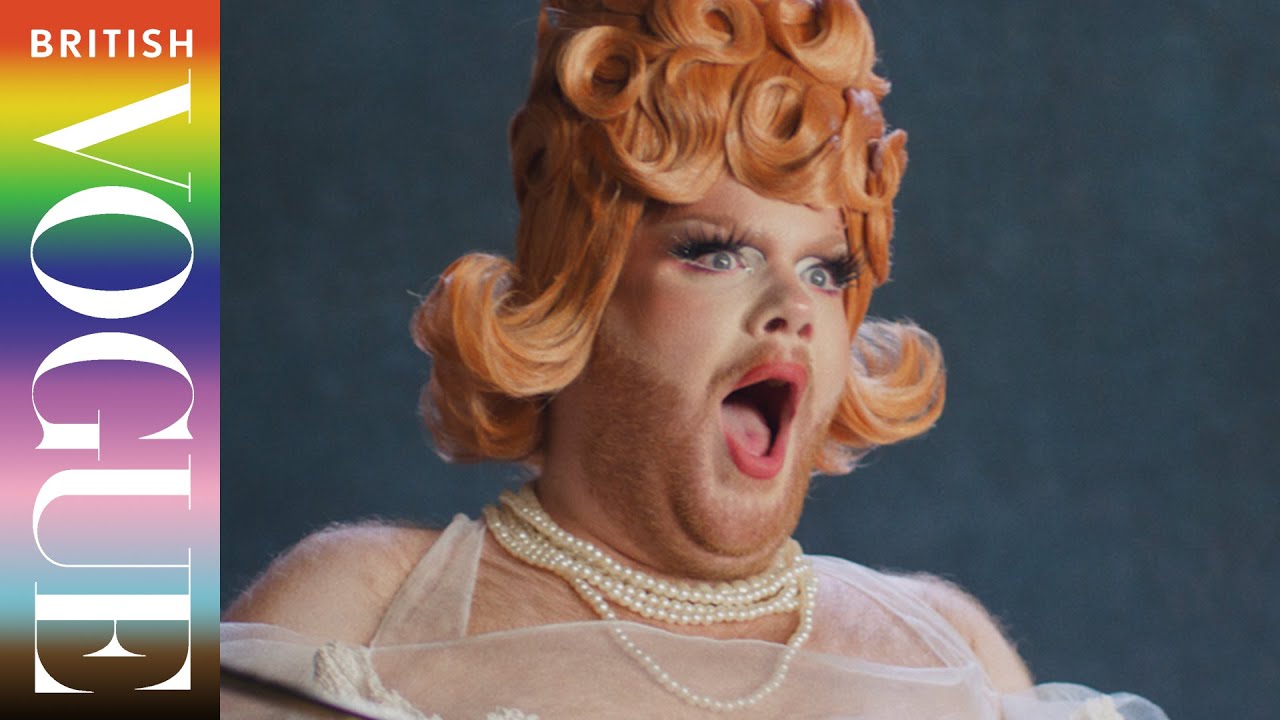
- Why this video: This short feature illustrates how creative queer collectives build chosen families. It highlights how these networks transform personal struggles into collective power, providing safe spaces for artistic expression, mutual protection, and deep emotional healing.
- Knowledge Checkpoint:
- How do creative or community-based subcultures function as mutual aid networks and chosen families?
- Discuss the role of chosen kinship in helping individuals heal from biological family rejection.
Module 5: Global Legal Battles and Policy
This module looks at how modern family structures clash with state regulations and legal frameworks. You will analyze how globalization, cross-border migration, and new reproductive technologies create legal conflicts over "void" marriages, parentage rights across borders, embryo ownership, and state-level regulations of surrogacy.
Recommended Videos

- Why this video: This video uses accessible legal concepts to explain how state laws define the legal limits of marriage based on consanguinity (blood ties) and affinity (marital ties). It shows how state-level policies regulate kinship by declaring certain unions legally invalid or "void."
- Knowledge Checkpoint:
- Explain what makes a marriage legally "void" under state laws regarding consanguinity.
- Analyze how the state uses laws on affinity to define the boundaries of the family unit.

- Why this video: This news segment highlights India's Assisted Reproductive Technology (ART) Regulation Act, illustrating the legal battles over genetic material ownership. It details a real-world case of parents fighting for their deceased son's sperm for surrogacy, showing how medical technology clashes with state bureaucracy.
- Knowledge Checkpoint:
- Discuss the primary goals of India's ART Regulation Act in regulating clinics and commissioning couples.
- Analyze the ethical and legal questions regarding who owns and has rights to posthumous genetic material.
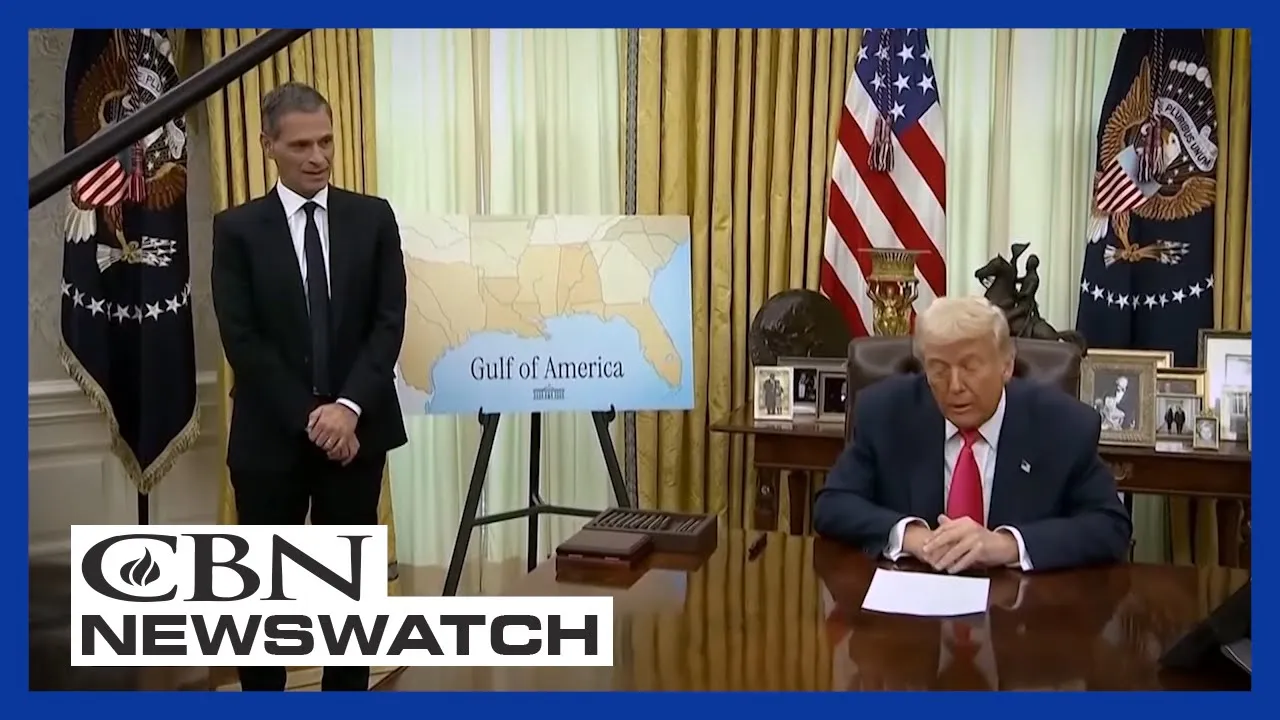
- Why this video: This segment (focusing on the featured report on embryo disposition) explores the complex legal and ethical status of frozen embryos in the United States. With over 1.6 million embryos in storage, it highlights the legal battles couples face over unused genetic material during divorces or changes in reproductive plans.
- Knowledge Checkpoint:
- Discuss the legal status of frozen embryos (are they property, persons, or something else?) in modern court disputes.
- What are the ethical and legal responsibilities of clinics and couples regarding the ultimate disposition of unused frozen embryos?

- Why this video: This lecture explains how globalization structurally transforms the family unit. It analyzes how global migration patterns, changing gender dynamics, and legal reforms shift decision-making authority and break down traditional, localized patriarchies.
- Knowledge Checkpoint:
- Identify three distinct ways globalization and economic migration structurally alter traditional family units.
- Explain how the shift from traditional authority to equalized gender relations reshapes modern family laws.
Course Map
Key People Index
- Dr. Amrita Pande: A leading sociologist and researcher who wrote Wombs in Labor: Transnational Commercial Surrogacy in India. Her work focuses on how gender, reproductive labor, and global inequalities intersect in the commercial surrogacy market.
- Kath Weston: An anthropologist whose groundbreaking 1991 book Families We Choose: Lesbians, Gays, Kinship revolutionized the study of kinship by showing how LGBTQ+ communities built resilient families outside of traditional biological models.
- Amandine Gay: A prominent French filmmaker, activist, and transnational adoptee whose work (such as the documentary Une Histoire à Soi) critiques the colonial and racial power dynamics of international adoption systems.
- Charlotte Ross: A researcher whose work on queer kinship explore how non-traditional families navigate everyday life, social expectations, and legal policies outside of standard nuclear family models.
Final Self-Assessment
Complete this comprehensive self-assessment to verify your understanding of how modern kinship is being transformed globally:
- Explain the structural difference between consanguinity (blood relations) and affinity (legal/marital relations) with examples of how each is defined by state laws.
- Define biological splitting in Assisted Reproductive Technologies and explain how it separates genetic, gestational, and social parenting.
- Describe the global economic and post-colonial inequalities that drive the cross-border commercial surrogacy market between the Global North and Global South.
- Explain why a "colorblind" approach is insufficient for white parents raising transracial adoptees, according to modern sociologists and adoptee activists.
- Identify the historical origins of chosen families in the LGBTQ+ community and explain how they function as mutual aid networks during times of crisis.
- Discuss Kath Weston's pioneering work and explain how it proved that kinship can be defined by shared experiences and commitments rather than biology.
- Explain what makes a marriage or family structure legally "void" when it conflicts with state laws on consanguinity, affinity, or non-traditional unions.
- Discuss the legal and ethical dilemmas surrounding the disposition and parental rights of frozen embryos during divorce or after death.
- Analyze how globalization and economic migration disrupt traditional family patterns and localized parental authority across international borders.