

![Ep.25 - Racial Trauma & How to be Anti-Racist [A Better Normal Series]](https://i.ytimg.com/vi_webp/sY0JPGTfV5c/maxresdefault.webp)






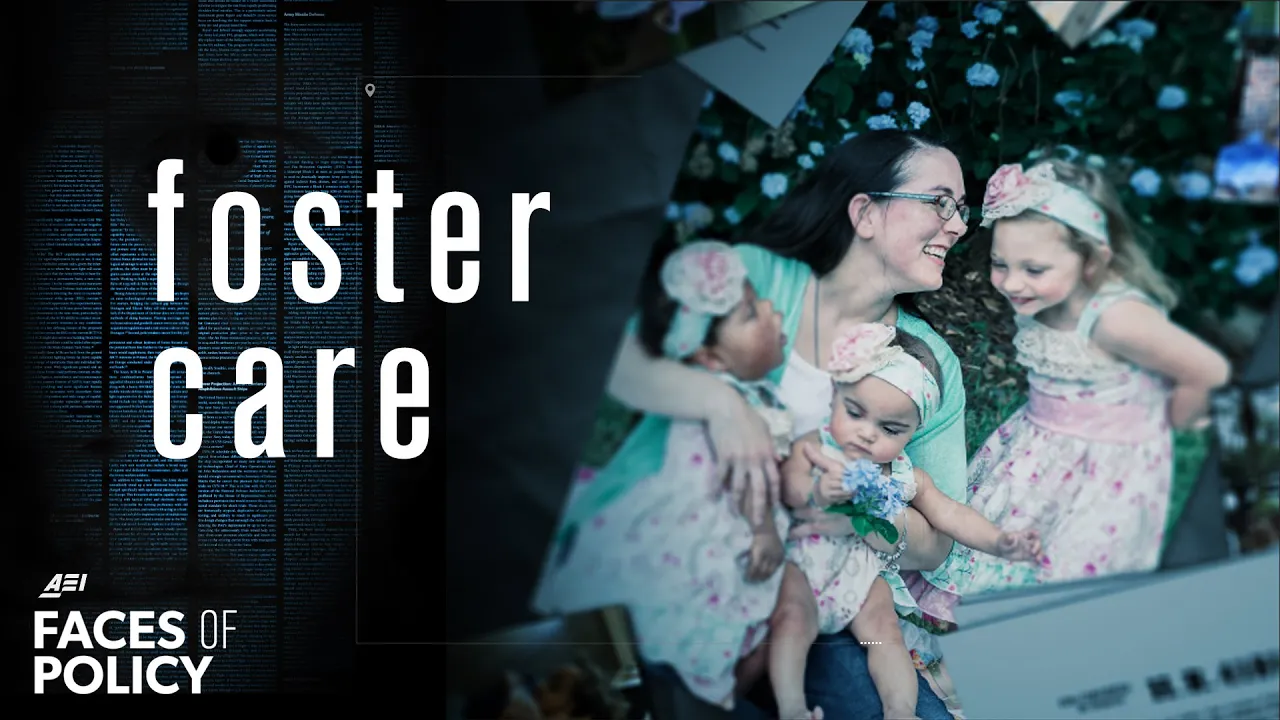


White parents raising Black children must actively work to preserve their children's Black culture and heritage, as racial identity is inherent at birth but cultural connection can be lost without intentional effort; effective parenting requires embracing discomfort, educating oneself about systemic racism, and acknowledging the unique challenges Black children face in America, rather than assuming color-blind parenting approaches will suffice.
Transracial Adoption: White Parents Raising Black Children
Added:The sociological definition and history of transracial adoption, particularly within the domestic foster care and private adoption systems.
An understanding of systemic racism, racial socialization, and the distinction between 'colorblind' parenting and race-conscious parenting.
Basic theories of childhood identity development, specifically how racial and ethnic identity forms in minority children raised in dominant-culture households.
The concept of cultural competence and the psychological impact of microaggressions on children of color.
Analyzing qualitative research and memoirs written by adult transracial adoptees to understand the long-term psychological impacts of transracial placement.
Examining the legal history of transracial adoption, including the Multiethnic Placement Act (MEPA) and debates surrounding race-matching policies.
Studying clinical frameworks and support systems designed to help transracial adoptive families build healthy racial coping mechanisms.
Exploring the intersection of transracial adoption with international adoption, socioeconomic status, and global geopolitical dynamics.
1.4M views56.4Klikes16:42Original Release: 2020-07-22
[Music] welcome to another episode of uncomfortable conversations with the black man last week's episode featured two interracial couples who spoke about the fear of raising biracial or black children in america i've had people say to me you know how can you consciously bring a child into this world of mixed race knowing the difficulties that you will bring upon them but it's a whole nother thing when you have to think about the child that you're going to bring into this world that's going to navigate this world as a biracial person that is a whole nother door that you're opening up well let's open up that door i'm joined now by jamie and aaron ivey white parents of a trans-racial family uh jamie i was scrolling through instagram uh just what a few days ago and i saw a picture that confused me i looked at this picture and i saw a black girl a black boy a mixed boy a white boy i was perplexed i texted you and i said what is going on here and you said well emanuel this is my family uh lovely to have you all both jamie and aaron from austin texas jamie can you introduce me us to your family yes so we've been married 19 years this is our oldest on the end caden he's our only biological son okay next is amos who was born in haiti and joined our family at age four and a half okay next is deacon who was born in san antonio and we have an open adoption with his birth mom and he's been with us since he was born and last but not least is our only girl story she was also born in haiti and she came home almost she was almost two so that's our family got you how are you all nervous okay i love it um aaron as uh the as the patriarch of this household i have to ask why did you all choose to adopt um black children when you could have adopted european children you could have adopted asian children could have obviously adopted white children yeah well after we had kaiden um we knew that we wanted to adopt but we didn't intentionally adopt black kids so we didn't go into it of like we want to adopt this kid from this country we were just open we were open-handed i mean i would say when we walked into that adoption agency and they said our greatest need is someone to adopt black and biracial boys and we're like okay that sounds great like i would say that we would have said we were color-blind like we would have just been like what does it matter who cares we're like we'll love any kid so i don't think we understood what it meant that not do i think we did not have any idea what it meant to be a black person because neither one of us are black story how i guess awkward is it and correct me if that's not the right word um when you're introducing your friends to your parents but your parents are white it's hilarious when like my friends would come over they would like say wait these are your parents when they aren't looking so like i would be in that they would come upstairs in my room and they would go those were your parents and i'm like yeah i was adopted and i'd be like oh okay we live in a small town outside of a suburb outside of austin a little bit and i think one of my greatest fears with having black children is wondering what people think about my kids wondering what they think about them meaning what always wondering what do these people out here really think about black people because i think white people can be like oh i like black people but do you like what are you saying what are you saying behind closed doors when colin kaepernick takes a knee or when george floyd is murdered or when ahmad aubrey is killed in his neighborhood running like what are you saying then because to me ahmad is amos amos runs in our neighborhood all the time that scares the living daylight out of me do you all fear for your do you all fear for your black children's life every day yep amos what do i always tell you when you when you go out places go with the brother you can't ever be alone amos let me ask you this because we we brought up ahmad are barry who was um hunted and essentially killed george floyd his life was taken from him when you see those black men get their lives taken be murdered by white people does it make you feel any differently about your white family no um it makes me scared but like they love me but like i i don't think they'll ever want to do that um what about white people in general yeah i i get scared yeah in public or something like that um why i don't want that to happen to me story i see there are tears in your eyes why it's just sad to know that somebody might do that to people that look like me or aim us just because out of a hatred of our skin color it's just sad that someone would want to do that it's scary about i might lose a brother or i i might lose like i might lose my life and then i don't want to leave this family and it's just sad that people would do that well we know this has been happening for centuries this is nothing new it's not the first time a black man's been murdered at the hands of a white man in power so i'm thankful for the video i mean every time it happens i call my friend andrea she's a black mom raising black boys and i'm like i'm so scared and for me i think i've only understood this fear for 15 years black moms have been struggling with this fear decades after decades story is is tears were in your eyes because you were fearing for your black brother's life along with your own i just want you to know that i understand that pain i acknowledge that pain i too live in and have lived in that pain and in that fear and that's why i'm just grateful that you would have this conversation so that everyone else can see the pain and the fear that you have to live in on a daily basis that amos has to live in on a daily basis the deacon has to live in on a daily basis that i have to live in on a daily basis but don't let that fear weigh you down but instead continue to have conversations like these so that you can encourage so so so very many people yeah someone asked me they recently said emmanuel they asked me via email they were a white woman and she adopted black kids and she said how can i maintain my black kids blackness she said how can i make sure that my black kid stays black and i wanted to answer this not only obviously for for you all in this conversation but for those watching it's simply you're black by birth if you come out the womb black then you're black you don't lose your black knits that's not possible now what can occur is to lose your black culture what can occur is to lose your black heritage i'm reminded of tarzan in the jungle tarzan was a human and he was always going to be human even if he grew up amongst animals if even if he grew up amongst apes and i think that if white parents aren't careful then they can strip their black child's black culture and black heritage from them even to the point of tarzan wasn't actually tarzan's name tarzan in ape language as a movie has it means white skin i think about my name emmanuel china do acho china do in evil language nigeria where my parents are from means god guides me now growing up everybody called me manny man he doesn't mean emmanuel doesn't mean god with us manny sure is hat isn't china do as my parents would say with the nigerian accent um so whenever my parents call me by name they call me china do to remind me of my heritage and so i think it's a matter more so of you can't maintain blackness but you can maintain black culture other people ask me this question which i'll quickly ask you all white guilt it has obviously been a huge thing not only over the last decade but very pressing right now would you all say jamie that white guilt played a factor in you adopting black and biracial children no i because i'll tell you this i think 15 years ago i wouldn't have understood that term white guilt so 15 years ago these conversations i wasn't happy they didn't happen yeah i wasn't having them i know you were probably having them we weren't having them why because we are white and we didn't have we have that privilege and we don't have to have these conversations i think that's been one of the most major thing that's happened in our life i won't speak for you but for me with having a family that looks like ours is that i now had to come face to face with these conversations about what it is to be black in america what white privilege is i'd never heard that word before in my entire life i remember when we first started adopting people would say like man thank you thank you for what you and jamie did and we were just always like what are you talking about why were they thanking you because of that because of the white house the white guilt white privilege thing it was all white people saying it like oh man what you guys did is so amazing thanks for saving the world and for us we were like no no you're like you don't understand like they changed us way more than we feel like we've changed anything because it's forced us to think deeply about conversations in the world what we've learned is proximity matters and so if you're white in america and you don't have any friends who are people of color or fill in the blank of anything that's different than you you don't have to face those challenges and those realities you get to turn the tv off you get to not look but we don't ever get to not look anymore yeah because these are people i love it i love it well let's go to your babies caden um you are the oldest uh you are white um now the world the world tells you so much as a white person about black people right the world tells you hip-hop culture movies which you've told me that you love and you want to start creating it tells you a lot about black people well with growing up and in growing up with black siblings amos story deacon what have you realized is a lie that the world told you um we were like all black people are like gangsters but like obviously not because when we don't live anywhere like that and uh it's like different because black people are so much more than that like they had like themselves so like amos deegan and story the they're their own people you know a mrs amos deacons deacon story story they have like their own personality what they like and it's just like if most people could see that like everyone we're all the same we're all humans but we're all different you know we all have different personalities we all like different things it just it'll bring more people together i guess that there's not like a split difference between what white people are like and what black people are like um deacon you might actually have it the hardest because you're mixed and people don't really understand the struggle of being mixed and when i say struggle what i mean by that is are you white are you black or are you mixed um what do you when somebody asks what do you consider yourself i i probably say black like i might say mix but like if if you're black you still have black in you so like like i do have a little white in me but like when a cop pulls me over uh it won't be oh you have a little white i'll let you go it's you have black so you're black wow the story i'm gonna ask you a question i don't know if you've been asked at least publicly do you ever think about or wish that your parents raising you were black or looked more like you no because that's a hard question take your time no um because like i love my parents the way they are and like i don't mind if they're white or black because they're raising me and they love me and really all i need is someone to love me and take care of me and they're doing that totally fine how does that make y'all feel wow i was like i guess i wouldn't have cared if she would have said yes that would have been real but you know it feels good to hear that that's awesome erin like it takes more time more work more heart more soul on my part to make sure i love you guys in the right way as a good dad because i don't know what it means to be black i never will i was asked another question via email and this woman said how can i parent my black children she's a white woman how can i parent my black children from wisdom rather than from feet jamie how would you answer it's so hard it's so hard because my go-to is fear like of the worst thing like i'm i constantly i would say i probably worry more about them than even aaron does because that's my tendency is to worry so wisdom would be man educate listen to black people listen listen listen um and a lot of white people just think i don't need to listen and i'm like you have to listen aaron how do you add to that fear comes from wanting to be comfortable and what we've realized in trying our best to parent black kids is we have to be willing to be super uncomfortable in conversations in what we're learning and embracing our own history and embracing um the reality of the country we live in like we have to be uncomfortable because we cannot parent in a wise way if we're just going to try to be comfortable all the time yeah so we embrace being uncomfortable caden now that in hearing this whole conversation um you walked in feeling one way how do you feel just in hearing and then being a part of this dialogue feel uncomfortable i want to go to my school and teach my friends about how to appreciate black culture and how to how to have a better view on the world because a lot of my friends don't have a good view yeah and i can see that easily a lot of my friends just they don't they don't have any black friends they don't have any black family and since i do i feel like it's my job to teach them about that and like teach them how to understand i guess their pain more and um understand how to react to that vegan um honestly i really like this conversation like felt like it was good to have um why uh just cause like people don't know like kaden said if you don't have black family members black siblings um you you don't know and this is like just teaching people more well this conversation has made me feel encouraged in closing i was asked immanuel how do black people feel when you see a white family adopting black children i can't speak for everybody and i can't speak generically but i can say personally i'm grateful i'm grateful that white parents choose to look beyond race and see love for exactly what it is unconditional but i will say just make sure that you allow your black children to keep their black culture and their black heritage and make sure you as parents you keep an honor and acknowledge their black culture and heritage as well thank you all so much for tuning in to another episode of uncomfortable conversations with a black man if change is truly gonna come you'll have to look beyond skin color look beyond race and look to love we'll see you all soon [Music] you
Up Next
12:22
Rosa Diaz's Coming Out Story in Brooklyn Nine-Nine: A Case Study of Authentic Bisexual Representation
@RileyJayDennis
357K views•2019-09-04

12:54
Triumph of Orthodoxy Icon: Byzantine Art & History Explained
@BenCallan
2.1K views•2024-08-06

9:49
FastAPI vs Flask vs Django: Choosing the Right Python Web Framework
@TechWithTim
302.5K views•2024-05-26

1:42
Game of Thrones Opening Credits: A Cinematic Analysis
@gameofthrones
46.3M views•2011-04-18
Related Study Plans & Knowledge Roadmaps
Structured learning paths in General & Interdisciplinary Studies
general-studies
Elevator Engineering: History, Physics & Cities
01From Hoists to Safety Brakes: The Dawn of Vertical Lift
02Hydraulic vs. Traction: The Engineering Physics of Elevators
03Modern Speed, Safety, and Algorithms
+ 2 more learning modules
12h5 modules
Explore Roadmap
general-studies
Rubber: Material Science, History & Geopolitics
01Origins of Natural Rubber & Mesoamerican History
02The Chemistry of Natural Rubber & Vulcanization
03The Geopolitics of the Rubber Boom & Colonization
+ 2 more learning modules
12h5 modules
Explore Roadmap
general-studies
Containerization: Evolution, Logistics & Trade
01Ancient Trade & Bulk Cargo: Amphorae to Barrels
02The Industrial Revolution & Cardboard Packaging
03The Containerization Revolution: Malcom McLean
+ 2 more learning modules
12h5 modules
Explore Roadmap
general-studies
Textile Tech: Evolution, Labor & Global Impact
01Pre-Industrial Textiles: Handloom & Cottage Industry
02Mechanization: The Spinning Jenny to the Power Loom
03The Factory System & Global Labor Transformation
+ 2 more learning modules
10h5 modules
Explore Roadmap