


















International adoption is fundamentally a political issue involving complex dynamics of race, identity, and global inequality, requiring adoptive parents to actively engage in anti-racist work rather than assuming they can simply provide love without confronting systemic issues; adoptees deserve agency and recognition beyond being seen as grateful recipients, and governments must address historical injustices including illegal transnational adoptions and forced assimilation practices.
International Adoption Politics with Filmmaker Amandine Gay
Added:Postcolonial Theory and Global North-South Dynamics: Understanding how international adoption historically reflects and perpetuates power imbalances between wealthier Western nations and developing or post-colonial countries.
Critical Race Theory and Intersectionality: Familiarity with how race, class, gender, and nationality intersect to shape systemic privilege and individual identity, particularly in transracial families.
The History and Legal Evolution of International Adoption: General knowledge of post-WWII international adoption trends, geopolitical influences, and international frameworks like the Hague Adoption Convention.
Standpoint Epistemology: Understanding the philosophical concept that marginalized individuals (such as adoptees themselves) possess unique, authoritative, and essential perspectives on their own experiences.
Ethical Reforms and Abolitionist Movements in Adoption: Investigating contemporary global debates surrounding the reform, regulation, or potential abolition of international adoption programs due to human rights concerns.
The Psychology of Transracial Adoptee Identity: Deepening knowledge on how transracial adoptees navigate racial socialization, grief, belonging, and the 'clean slate' myth of adoption.
Activist Cinema and Counter-Narratives: Analyzing how marginalized filmmakers, such as Amandine Gay, use documentary filmmaking as a medium for self-advocacy and political resistance.
The Right to Origins and Legal Reunion: Exploring the legal, psychological, and technological (e.g., commercial DNA testing) challenges adult adoptees face when searching for biological families and original birth records.
1.1K views22likes12:31Original Release: 2021-06-03
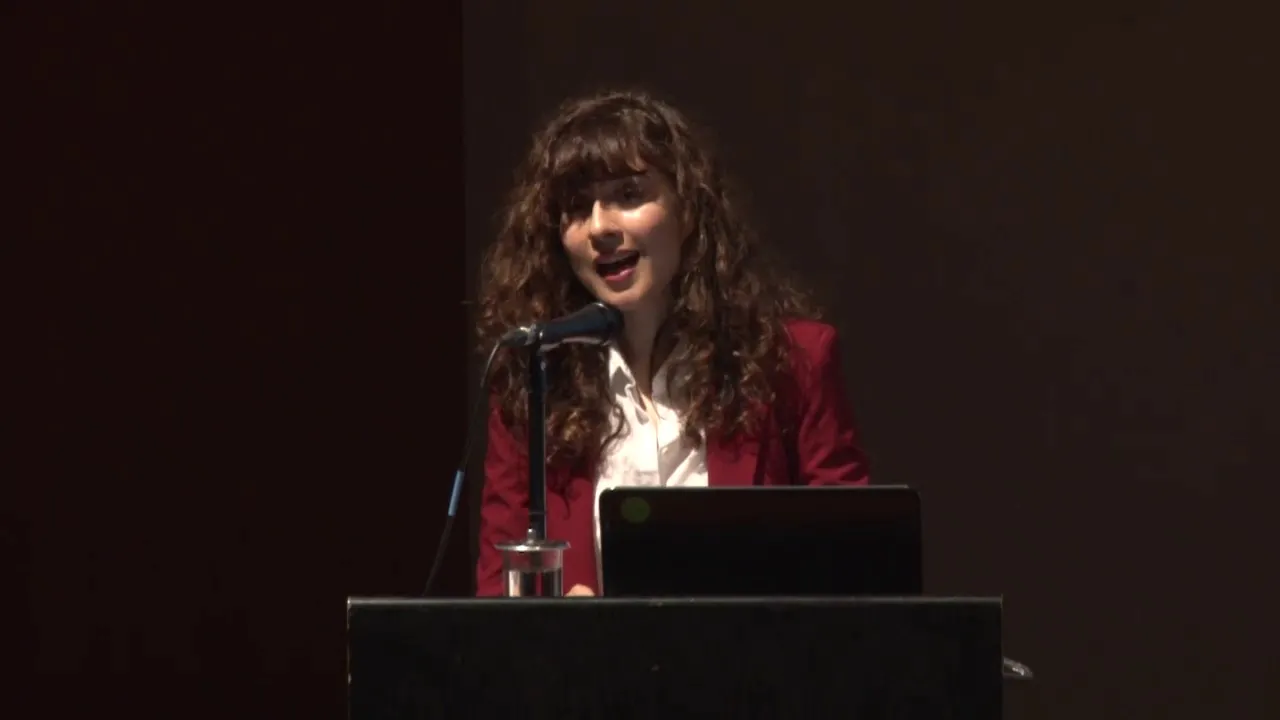
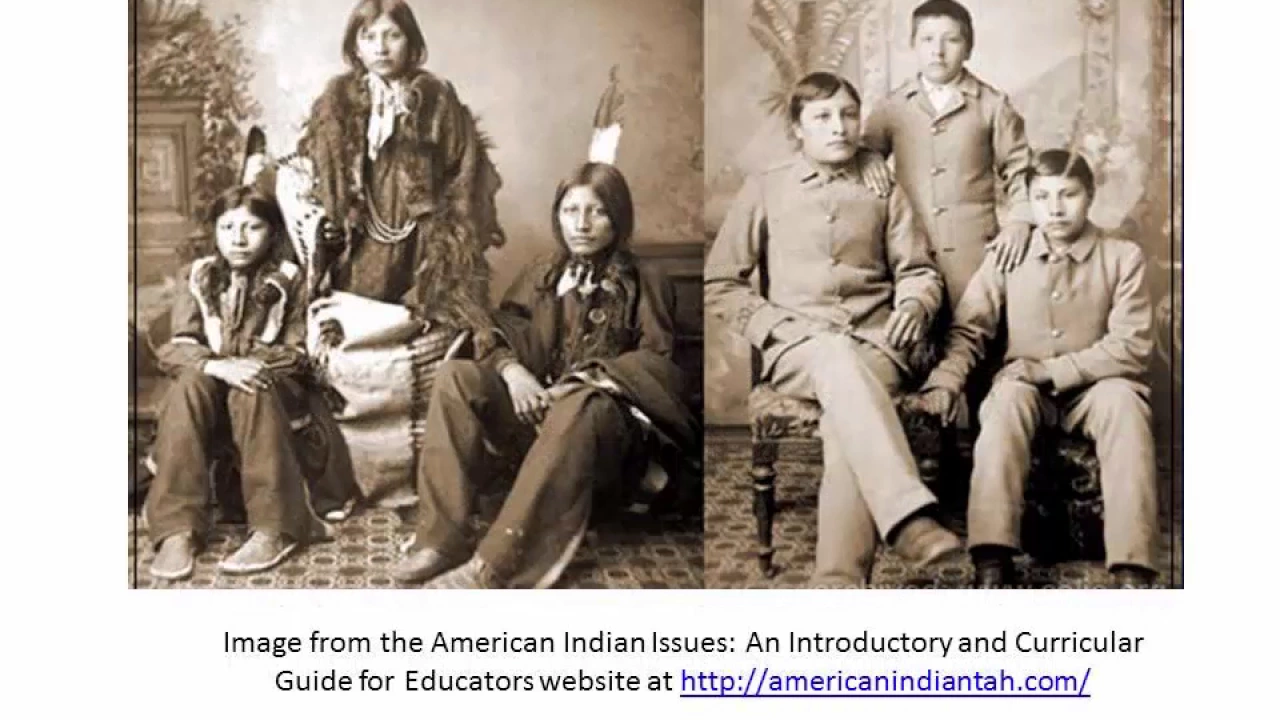
[Music] [Applause] [Music] now that was a clip from amandingi's upcoming documentary unistua or a story of one's own gay is an afrofeminist filmmaker and researcher she wrote the forward for the french translation of bell hooks's seminal book on black feminism ain't i a woman she's also an adult t and the founder of a francophone adoption awareness month and she joins me on on set thank you so much for being with us thank you for having me now iniesta was a documentary about international adoption it's made almost exclusively from interviews with five people who were born outside of france uh who but who are adopted by french families in it we hear them talking about race identity and belonging how important was it for you to approach this very complex issue from the point of view of adoptees well i'm always trying to make the film that i needed to see when i was a teenager and so i think it's really important to start with life stories because everybody can identify to them but it's also a good way to politicize the issue because quite often when you're talking about adoption especially in the media or for the general public it is quite centered on emotions and sentiments and of course those are parts of you know all families history but in adoption you have racial issues you have displacement issues especially if it's transnational adoption you have a whole range of political things that are happening even in the relationship between you know parents and children and it's really rarely tackled so it was important for me to bring that forth but using people's life stories so that adoptees could relate to the stories and feel empowered by the political aspect of it indeed i'm gonna bring a quote from your film of one of those people you interviewed he says that people always say thanks to our parents we got a family and they never say thanks to us our parents got a child your documentary really challenges that notion that adoptees are or should somehow be always grateful to be in this kind of relationship tell us a bit more well i think first no one asks biological children to be grateful or not in in such a public way as is asked for adoptees and i think it's really interesting to realize that because adoptees didn't have a voice for a long time and we mostly heard either prospective parents or adoptive parents this issue of gratitude was centered on adoptees but never on the people who could have never started a family without children who were displaced and who are separated from their families so to me it's just that it's important sometimes to try and reverse the ankle on an issue the angle you know so that people can realize that maybe it's not as clear clean cut as they thought you know all right let's take a look now at a clip from a story of one zone [Music] now in your film some of your interviewees talk about what it was like to be raised by white parents when they themselves aren't white is it possible to extract interracial adoption from white savior complex well i think it's possible as long as parents are prepared to be political about racial issues and that's where you see that there's a tension in france because there's such a taboo on race and so it's really complex to have children of color black children for instance which is my case brought in white families where sometimes those families won't be able to discuss race to accept even race as a social construct that's where we're at in france right now it's a debate whether race has an impact in people's lives so when you're an adoptee your well-being is going to depend on how political your parents are on the race on racial issues and how willing they are uh to really um you know engage it as anti-racist you know there's a ibrahim excandi that start that released the book last year and it says that there's nothing there's nothing as such as non-racist and i think it's really important either you do the work as an anti-racist or you are part of white supremacy and i think that's something that all uh white adoptive parents need to understand there's no safe space of like oh you know i'm open-minded and i'm a citizen of the world you have to work actively to dismantle white supremacy for the well-being of your children absolutely now you've also lived and worked in canada before that that's the country that attempted to forcibly assimilate indigenous children by adopting them out to white families france too was accused of deporting minors from reunion and ireland for example from the 60s until the 80s in cases like this what do you think government should do today well nowadays governments should really be prepared to face the history and even to address the need for reparations and i think that when you look at france um they've been willing to do it to a certain extent from the people from the reunion island that were displaced possibly uh you know in the from the 60s to the 80s but so far there's nothing that's been done or said from all the indigenous people in french guyana who've been placed in what was called and yeah who were you know modeled on the residential school system in canada and the us and it's um you know decades if not centuries of indigenous children um also in new caledonia et cetera who have been surfered suffering the same types of of practices so i think that and even if you look at illegal transnational adoptions i think that the french government in that particular case has still a lot to do because so far um you know million adoptees have been trying to get a trial for two times last year and the judge refused to uh move forth and there's a recent there's a recent case of adoptees and adoptive parents who have been trying to go to trial regarding illegal transnational adoptions in ethiopia and we're still waiting to see if the judge is going to accept and put the case forward so to be able to do something you also need all the instances around adoptions uh to be able and willing to again do the work do the work indeed now in france people can give birth anonymously and you've been very vocal about the rights of adulteres to have access to medical information for example of their biological parents and currently lawmakers here are debating a new bioethics bill in which the anonymity of ivf donors could be lifted how if at all are the two issues linked well i think that what's interesting is to see how you can use the experience of adoptees to not make the same mistakes over and over again and so what the situation of adoptees born under x which is my case as shown is that we do need our medical history and we do need our medical history throughout our lives so for instance um a donor could be very healthy in his twenties but then later on develop some some illnesses that the family or the person who was born from ivf will need to be aware of and so that's why to me there's an importance to maintaining link with donors or with birth parents because of course your medical history is going to evolve throughout your life and so the the information you're going to need as an adoptee are going to be different from the time you're born to the time you're trying to have children yourself or even when you're older now your first film speak up gave a voice to black woman in a way i'd never seen before in french cinema he used very close-up shots that and to interview black french and belgian women of different faiths different sexualities who all face discrimination because of the color of their skin let's take a look now at the moment where you asked interviewees if they could name five black french actresses or sweet [Laughter] now what you just saw there is uh the part of speak up that inspired actress isa mega herself to organize a collective manifesto called black is not my profession lamenting the stereotypical roles given to black women in films france 24 recently had the opportunity to interview asa mega here she is speaking about the importance of representation france has a history of colonization france has colonized asia and africa some many countries in africa and in asia and this is why today our population is so diverse we have we have a diversity in terms of ethnicity in terms of race and to me it's not about complaining it's about telling okay what do we do now with what we are and i think we should be very proud of that of who we are as french people in a very diverse society and we should bring this on screen now amanda you yourself used to be an actress and now you're a filmmaker do you have any concrete suggestions for better representation of french society in french cinema like isa mega suggests not just ethnic minorities but also sexual minorities well i would say first give us the money you know like we are uh we are completely capable of making our own films and i think that as long as you have diverse voices you're going to have diverse and complex ways of representing all minorities so i'm thinking of a group now that's called represent trance and so they have an instagram account and a website that is available for all filmmakers when they want to either represent trans people on screen or if they want to hire transactors and i think you know of course we can give all those tools but i think the basics is do uh producers or film institutions see us as human beings and do they feel that all our stories and narratives are worth telling and so i think that if you think that's the case then you're gonna start friending our films properly and if you do then you're gonna have all types of stories that are bringing forth and that will be of course less stereotype because when it comes from us um it is uh about us as human beings and not just us as black people all right your film is coming out in french cinemas in june your autobiographical essay called chocolate doll is being published in september and the fourth edition of lumoades adobe adoption awareness month is taking place in november good luck with your very very busy schedule ahead and as with all our guests we've asked you for your cultural pick of the moment and you chose the album noir brazil by musician yinzi in just one sentence how would you describe it i think it's a really both fresh but also profound in a way at least for me it moved me i'm in a moment when i need uh sort of like um something that's really uh sweet and this album has that too so that's why i picked it all right we'll leave you with a music video from that album remember our website we're also on twitter facebook and instagram there's more news coming up on france24 after this [Music] please
Up Next
12:57
Analyzing the Epstein-Trump Letter: Political Fallout Explained
@friendlyjordies
265.8K views•2025-07-18

24:30
BRICS Pay and de-dollarization: A New Financial Order Emerges? | 55 chars
@DannyHaiphongYT
164.6K views•2024-10-22

7:33
Government Surveillance Methods: 10 Ways You May Be Watched
@BeAmazed
1.6M views•2017-04-09
10:19
Explaining the Saudi-Iranian Proxy Conflict in the Middle East
@Vox
18.2M views•2017-07-17
Related Study Plans & Knowledge Roadmaps
Structured learning paths in Political Science
political-science
Economic Statecraft: Sanctions & Chokepoints
01Foundations of Geoeconomics and Economic Statecraft
02The Mechanics of Weaponized Interdependence
03International Sanctions: Types, Implementation, and Efficacy
+ 2 more learning modules
12h5 modules
Explore Roadmap
political-science
Central Bank Independence: Politics & Policy
01Foundations of Central Banking and Monetary Policy
02The Time Inconsistency Problem & Inflation Bias
03The Delegation Model and Designing Independence
+ 2 more learning modules
12h5 modules
Explore Roadmap
political-science
Consociationalism: Power-Sharing & Stability
01Democratic Dilemmas in Divided Societies
02Introduction to Consociational Democracy
03The Four Pillars of Consociational Design
+ 2 more learning modules
12h5 modules
Explore Roadmap
political-science
Rebel Governance: Legitimacy, Economy & State
01Foundations of Rebel Governance and Statehood
02Establishing Political Legitimacy and the Rebel Social Contract
03Wartime Economies and Rebel Resource Management
+ 2 more learning modules
14h5 modules
Explore Roadmap