


This video presents a scholarly framework for understanding how politicians mobilize voters through material benefits, distinguishing between three types of patronage (micro-particularism targeting individuals, meso-particularism targeting communities, and macro-particularism hijacking national programs) and three network forms (party-based machines in Malaysia, ad-hoc teams in Indonesia, and local machines in the Philippines), which together create distinct electoral mobilization regimes shaped by historical patterns of state-building, party development, and institutional evolution.
Patronage and Political Machines in Southeast Asian Elections
Added:Definition and mechanics of clientelism, patronage-based politics, and vote-buying.
Basic political histories and governance structures of Indonesia, Malaysia, and the Philippines.
The concept of a 'political machine' and how party networks mobilize voters.
Fundamental theories of electoral democracy and comparative politics.
Electoral reform strategies and anti-corruption policies designed to curb patronage and money politics.
Comparative study of clientelistic networks in Southeast Asia versus Latin America or Sub-Saharan Africa.
The impact of digital campaigning, social media, and big data on traditional political machines.
The relationship between patronage-driven governance and long-term economic development and inequality.
511 views11likes1:28:38Original Release: 2023-04-05
foreign [Music] Scott with your New York Southeast Asian Network and I don't know how many of you have joined us but thank you for doing so uh we're having a very exciting book talk today but I just want to make just two announcements and a thank you uh to East pool for putting this together a coordinator of the New York Southeast Asian Network and anybody who's watching please subscribe to our newsletter and become a member it's good for the organization and you'll get a lot out of it too the events that are coming up on the 21st we have a very interesting program in the upcoming elections in Thailand uh then on that's the 22nd sorry the 21st is uh Elliot s Freeman is to be speaking about the ninja and camps and uh sort of an overall look at Myanmar these days the ever-ending never-ending tragedy uh and then we have a very interesting program that will be up at Columbia our partner on the center for Commerce studies is going to be doing a a wonderful introduction on all the work they do uh so but today we are extremely lucky we published last year mobilizing for elections patronage and political machines in Southeast Asia was a long-term project by poor unbelievably uh brilliant Southeast Asian Scholars and I'm going to introduce them very very briefly Alan hicken sadly had to join us by Zoo because he's teaching today and he's a professor of political science at the University of Michigan uh and he's published many many books and he's involved in many centers his work focuses on political institutions political economy uh policy making with a special focus on southeast Asia and he's written about all the countries that we are going to be discussing today then we're going to start off with Paul hutchcraft who's on my right left and he is a scholar compared to the Southeast Asian politics he's at the University Anu Australian National University and we have some people coming in please join us and welcome uh and he's also written many books he's now at the coral spell School of Asia Pacific affairs for a number of years he was on the Congress to 2013 to 2017 in the Philippines where he is a particularly bonus scholar uh next we have uh Ed aspinel Edward aspinal who is the head of the Department of political and social change at the Coralville School agency Affairs at Australian National University he's written four books and co-edited many more and um he knows just about everything to do with Indonesia and or Broadway Southeast Asia uh and last but not least is Meredith wife she's the professor of political science at Robert Woods college or public affairs and policy at the University of Albany part of the sunnis so uh particular expertise is on Malaysia but she also is a Southeast asianist and has written in many many books which you can look up if you want and read them read each one of them and with that I'm going to turn you over to oh thank you very much Margaret and on behalf of all of us uh thanks very much to you and the uh New York decision networking yeah uh organizing that's a great honor to be able to present some of the key ideas from our a recent book and just to say a word about the the larger project um that culminated in this volume mobilizing for elections patronage and political machines in Southeast Asia which came out with Cambridge University press last year um all four of us are are Avid observers of electoral politics and our uh major countries a specialization uh at Indonesia uh Meredith Malaysia Allen Thailand was also very significant work in the Philippines and then my work on the Philippines so it was hard for us to ignore money politics and patronage but also as Scholars of comparative politics certainly in my own teaching of comparative politics I was always struck at how term money politics means very different places from One National context to another uh so that its meaning in the Philippines is not quite the same as having uh Malaysia and not quite the same as Japan etc etc so all of us led us into this uh inquiry and Alan had written uh already quite significantly on uh clientalism and building party systems uh I had interrogated uh what I found the faulty uh completion of patronage and client tourism um and um that served as uh one of the founding Foundation one of the core foundations of our our theoretical framework so all of that led us into this uh project that um culminated uh in this volume uh mobilizing for elections um that came out as I said last year so um we uh begin but I wanting to better understand uh this term money politics which is ubiquitous uh and uh not necessarily fully accepted as you can see the photo on the left reject money politics from Malaysia and obviously something on the right that puts it in quite pejorative terms uh in the Philippines shall I move this uh what will they maybe just cancel out that one up there so yeah so it's gonna make any questions so we see this recording this one's visible to everybody and then right so hopefully that's a little more visible so we're on we're interested in understanding this both from the uh uh perspective of of the voter uh and also a political uh candidates and where they're important political parties as well uh what are the Dynamics of uh the exchange of money and patronage resources more more generally uh during and uh also between uh elections uh and so we're we're focusing on these three countries and we begin with a basic distinction between patronage and clienteleism this is a term that is often uh conflated in the literature but we want to untangle these things and highlight that patronage is a material resource uh generally but not uh always from public sources um that is used for party or political advantage clinicalism on the other hand is a personalistic relationship of power here we go back to the classic Patron client literature of James Scott and others uh enduring multi-purpose uh face-to-face relationship and then we point out that not all patronage is client holistic because much patronage is not personalistic uh similarly not all clientalism is patronage that is used for party or political Advantage because you can think of the classic Patron client relation of landlord and tenant and that may or may not have an important role in the uh political sphere so we start with that uh and uh trying to understand this but we also go beyond a lot of the literature that focuses quite narrowly new on just the relationship between candidates and voters because we think it's important to look at the whole ecosystem of politicians at the local level as they articulate with those at the provincial and or state level onwards at the at the national level so we're looking at it in a much broader perspective I think than a lot of the literature does uh so um see if I can get this thing to click downward I might need to put the mouse back oh I see very good okay so the goals of our project uh we start off with with five different questions um the first two are are very straightforward empirical questions and that is what is the what are the types of patronage that we find now this is not only the money that gets exchanging on um quote unquote vote mine at election time but also uh pork barrel also a the spoils system a range of of different uh elements of of patronage then we want to look at the the networks um through which patronage is distributed and we'll be saying uh more about that later then in our third question how do the network the types of patronage and the networks come together and out of this comes our uh basic concept of electoral mobilization regime we find different electoral mobilization regimes across our three countries then our our fourth question uh looks at how this how the distinctive patterns of patronage actually works uh how and to what extent do they influence voters and as well beginning to later in our talk um we go against we have some contrarian views relative to uh much of the literature in this regard as well and then finally we need an explanation what explains the patterns we observe across and within countries and here we start with but go beyond a historical institutional perspective uh and we'll be getting into that in a little bit as well so um of course we build on this literature that goes back uh now almost or 50 to 60 years Carl lunde's work on Patron client networks in the Philippines James Scott who extended it across southeast Asia but then interest in clinicalism and patronage uh has been a major focus in other areas as well from Japan to India to Africa to Latin America so we are interested in all of um building on all of that literature as well but refocusing attention let's go back to Southeast Asia and I think everyone here in New York southeast Asia Network would find that a worthy goal let's go back to Southeast Asia uh while also contributing to larger comparative debates so um as I alluded to earlier we have three primary countries Indonesia Malaysia and the Philippines three secondary cases Thailand Singapore and timor-leste we had collaborators in each of these countries including universities uh one major university collaborator each in Indonesia Malaysia and the Philippines and we had a we had a beautiful um Royal Flush uh if you will um all set up Malaysia 2013. uh Indonesia 2014 then Thailand 2015 we hoped uh and then Philippines 2016. so we're gonna look at these countries that the calendars seem to line up line up perfectly um but um alas there was that military coup in 2014 in Thailand so thanks to the generals um we could not have Thailand as a primary case and it became relegated to a secondary case so just a brief word about our methods we engaged in what we call extensive ethnographic research we had a very significant teams around 50 researchers in each country and we set them out to be shadowing candidates conducting interviews observing the election events um I think we estimated that we there there's something like 3 000 interviews uh in all that went into uh this project uh we also traveled as the four of us throughout each country um I had to step away from the project is Margaret had mentioned I worked in the Philippines for the Australian aid program as governance specialist from 23 to uh 2013 to 2017.
um so I missed a lot of the fun in um Indonesia in in particular um but um we did get around to um uh the four countries uh three countries the four of us and uh had a number of uh additional interviews and focus group discussions as part of the project as well also very importantly the extensive ethnographic research was uh complemented by surveys including survey experiments um and surveys of local Brokers and voters using uh vote buying lists so um this has been a uh quite a productive collaboration and all with um uh edited volume on Malaysia and then another one to go with it on uh the Sarawak election then edited volume on Indonesia translated into Indonesian and then a special issue on the local elections Calcutta in Indonesia in 2017.
um edited volume on the Philippines and then um as part of my work in the uh the aid program um I edited a volume on electoral system redesign in the Philippines and all of this doesn't even include another book that um Ed co-authored with uh Ward Baron shot uh Cornell press on clientalism in Indonesia so um there were also PhD dissertations lots of Journal articles that came out of all of this so these were these were the uh outputs that we had along the way um but it um all culminated in the volume that we are discussing today and which were trying to tie together a lot of the uh comparative and theoretical insights into the one uh volume uh so now I will turn it over to Ed thanks very much uh everyone so here are some of the contributions that we hope uh to make through the volume in the first place we we show how patterns of patronage so the forms of patronage that are distributed and the sort of networks that politicians use to uh to distribute uh patronage uh I'm I'm mutually constitutive so we see these sort of clumping together or particular patterns of patronage distribution with the particular Network analyze how these different uh electoral mobilization regimes as we call them uh arise as a result of long-term patterns of state-building party development and the development of political institutions so to show how these combine to reduce coherent self-sustaining patterns and systems for patronage challenge a lot of the contemporary literature on the understanding of the meaning of and the motives behind this form of political mobilization we distinguish amongst types of patronage and we're talking about that in a moment we explore the ways in which patronage politics interact with identity and group politics of various kinds and we explore how and why it happens of patients politics vary within countries now we'll just focus on some of these highlights in our um uh presentation today but happy to touch on any of them so just to summarize our sort of core idea uh in this paper in the in our book is the idea of electoral mobilization regimes so this is this idea that the forms of patronage that are distributed and the networks through which uh Mission occurs clumped together in these distinctive patterns and you can see along the top um the description of the different distinctive National patterns of networks used for the distribution of patronage or party machines in Malaysia local machines in the Philippines and ad-hoc teams in Indonesia then if you look down the left hand column uh and the the gray bands uh horizontally down the down the table you can see three major patterns or three major forms of patronage which we just need so and these really refer to different scales of distribution so micro uh patronage or micro particularism refers to the distribution of money Goods services to individual voters and household are in hopes of exchanging their electrical support generally but not exclusively at election time so this is of course this incorporates the most famous example of this form of page short musical vote by um miso particularism involves the distribution of patronage groups and communities commonly referred to pork or Plum pork barrel politics or Club Goods so this is paid for examples of communities to repair birds or other community facilities facilities assistance to groups fund their activities or fund the equipment or other facilities that they need whereas macro particularism in our analysis refers to the hijacking of ostensibly programmatic policies so these are policies that are distributed on a on a national or perhaps a province-wise scale and they're supposed to be distributed without any sort of political favoritism but macro particularism therefore refers of hijacking by politicians of that distribution and again just to emphasize our course or the point here that the distinctive patterns of patronage distribution that we see in each of the major columns and coinciding with the different network forms we see summarized at the top we see these combinations as being very much mutually constituentive and acting uh clumping together according to distinctive political logics let me just briefly go through each of the four uh each of the three distinctive forms of network that we identify uh through the book and I shouldn't stress that we do also emphasize a lot of um uh exceptions to these rules uh within country uh we'll come back to that later so but in Malaysia uh campaigns political campaigns revolve primarily around parties this is overwhelmingly National parties on the peninsula and in East Malaysia so Sava shirawa are both National and State art based parties campaign teams are composed largely of party loyal loyalists including members of Affiliated Youth and women's organizations and the individuals who are involved in election campaigning in Malaysia therefore can hope to build lifelong careers through these political so we expect a generally much higher degree of political loyalty uh in Malaysia than in the two other cases and because these parties especially in the case of the long government long the very resilient governing parties that were part of the national and and uh state-based coalitions were in power for very long periods of time the primary sources of resources for their Patron institution are from the state so we see a big emphasis for example on pork barrel politics miso particularism as well as the hijacking of national um of national programs so macro particularism in Malaysia with parties coordinating much of this distribution we see here and there we see spots of micro particularism boat buying and so on but comparatively little targeting of individuals and households compared to our other country cases Indonesia is almost at the opposite end of the spectrum here we see campaign um teams that are largely to a large extent assembled by individual candidates rather than being coordinated through large party so each candidate typically assembles an ad hoc unique campaign team that's often called a team successor a success team and to build these teams candidates usually draw on family Business Association or other links so they'll begin by targeting their electoral District calling upon a few Close Associates pointing them as say some decision coordinators those something still coordinators would then recruit through their own personal networks and recruit through their own personal networks so you can get these massive um teams or sometimes thousands of Boat Brokers all working individual Panda day very often candidates are forced to rely on pretty much people who have guns for hire and you can see why these are people who are often motivated by the material or other benefits they can get through education in the team and because they're recruited through these layers of Brokers they often don't have any personal protection uh to the candidate themselves um uh these workers or or brokers in these teams and I don't identify voters who have been to vote yesterday and they'll collect their names contribute that list of names up to this pyramid and then the money or other Goods that it should be the back down to um pyramid distributed to individual photos it's like a classic finders and importantly when we compare them to the other two countries which are our major Foci these organizations tend to be temporary they dissolve after an election and part of the reason for this uh is that precisely because these are individual efforts assembled by individual candidates and as you can imagine assembling an individual a team like this listing of thousands of people Distributing massive amounts of patronage are highly expensive events candidates often going to um personal debt in order to fund these campaigns so therefore we see a lot of disillusion of these teams after election and part of the reason for this which we explained in the volume is that Indonesian um political candidates are just much more much less successful at accessing long-term sources and reliables from within the state and their um the counterparts thank you uh the counterparts uh in uh Malaysia and the Philippines and parties play a much lesser role in terms of coordinating access amongst individuals to that patronage the next our next sister our next sort of uh ideal type of um uh of electoral mobilization machine are those based are those in the Philippines uh where politics is characterized by this massive role played by local political machine these are often branded with their own team name and logo and this is the dominant political form for former political organization at the local level in the Philippines some a lot of similarities would be intonation model these the machines are usually censored around but locally and Powerful politician and his or her family that but they extend before this family for by a personal or client relationships to incorporate layers of the Brokers or leaders who do the candidates campaign work they tend to be headed by Mayors and governors but if you look at the form of the machine it resembles at least in its sort of pyramidal structure that which we observe in Indonesia but unlike in Indonesia these machines continue to function as patronage distribution networks between elections and endure from election to election and this is largely because they're built around the capture of local power at the local level by the individual politicians and the families that control them they're built up over time and much more enduring and therefore they have fewer guns for hire um and stronger tiles of loyalty among their members than we do than we see in the Indonesian examples um local machines that usually Ally or form coalitions with national parties at for general elections but they remain uh distinct why the differences um here in order to explain how and why I think any forms of paging these machines evolve in each of these countries we really look at the long historical sleep and historical development of the state of political parties electoral systems and of bureaucracy so we observe when and how elections and parties developed when and how did a strong state bureaucracy develop um and what the incentives for cooperation and coordination that arise from these uh patterns of sequence um importantly the in the screens here um so in Malaysia we we find the development of a strong and autonomous relatively autonomous bureaucracy first later a strong party capturing power and using its domination and its um its control of national political power in order to organize access to patronage for the long term um so we have strong incentive for coordination therefore amongst politicians in the Philippines we get this early development of Elections during the first part of the 20th century during the U.S period and local political power therefore being captured by families with strong bases in the provinces um prior to the establishment of or the building up of a strong effective and autonomous uh bureaucracy so we get incentives for coordination that very much at the level of these locally dominant party oh sorry machines in the Indonesian case we get quite a different story with a strong authoritarian regime dominating politics for three decades between the 1960s and the 1990s it was very much a patronage system assisted in English coordinated and distributed through the bureaucracy in which political parties played very little role and this Legacy still continues to limit uh to access that uh elected politicians have to uh to resources and therefore we see things for coordination I should add that part of the picture here uh is also constituted by the choices that these countries make in their electoral systems in Indonesia we've had these choices of very much candidates and electrical systems which also undercut coordination incentives amongst politicians they'll hand over to Meredith I get to do the juggling autism okay okay so um I will I'll go through this part um fairly quickly just uh to make sure we stay on time but um so we spend a lot of the book talking about micro particularism and that's the handouts to voters or families so that can be pretty much anything it can be bags of rice packages of noodles we had candidates who talked about that they use the high quality instant noodles rather than the Cheapo ones uh paramaths different sorts of services legal services and so forth or just plain old cash and again this can be for individuals or um or households um and um you know I'm on the wrong um um and the these can be for individuals or households mostly these are during the campaign but sometimes they might be at other points this type of particularism a patronage is ubiquitous in Indonesia in the Philippines it's less common in Peninsular Malaysia but it's more so in the East Malaysia this is the type of money politics a patronage that gets a lot of press and a lot of condemnation that's being illegal nobody likes it everybody got it um but there's very little social stigma we found attached to this practice or these practices in the countries we study so we found uh candidates and campaign teams in Indonesia in the Philippines quite happy actually to talk very specifically about how they fold the cash that they're Distributing and things like that um and so that led to Justice saying some really fun conversations um so what are these um and how should we think about these handouts so the standard view is that this is contingent that the expectation is that I give you money you give me a vote um and that there's a targeted process and an expectation of reciprocity that's that's insured by monitoring and enforcement in other words that there's some way of knowing whether people followed through on their agreement implicit as it might be to vote um and so we find different forms of this practice in the literature we find vote fine which is that you target undecided voters with cash or other goods and they then come to your side there's turnout buying which is that you go to the people you associate your core supporters and you can give them cash or other Goods to ensure that they actually show up to both for their substation line which is basically paying people not to vote we did see some of all of this but much less than we expected and so that led us to this question of what we do find and so we think that a lot of what others colors tend to treat as contingency-based clientalism as contingent is in fact not contingent at all and so instead when candidates distribute patronage to voters or to groups they're frequently engaging in things that we call and again I'll run through this quickly but happy to answer questions credibility buying Turf protection or brand building so these are non-contigent strategies that are common they're rational and they're viable the first brand building brand building is non-targeted distribution in other words everybody gets something that's meant to increase name recognition and Signal generosity okay so these efforts they're not discriminatory so if you go to a campaign rally everybody there gets a free meal or everyone along the road gets a t-shirt or everyone in the neighborhood gets a bottle of water with that candidate's uh face on it there is no real expectation we find from the candidate that those who get this handout will vote for them you get the keychain that's not really making you so beholden um nor do recipients feel that they have any special moral or social or cultural obligation to reciprocate the goal is really to advertise to to build the brand by Distributing these things as widely as possible and so this really does look more like political advertising rather than targeted contingent handouts okay so um screen again okay so um if it's not contingent again we then might still ask all right so brand building but is that all no it's also what we call credibility buying so this is going to our presumed supporters to Signal viability as a candidate that the candidate is serious and capable so we can then see these payments as really a price of admission or an entry ticket if you don't buy votes if you don't make these payments you're going to lose even if you can't be sure that you'll win if you do spend this money and so if you are the one candidate who is not Distributing Large Ass who's not being generous that's fatal the Brokers and voters judge candidates because it's also the campaign teams they want to see that there's money going around if you fail to distribute funds they see you as not serious as a contender those candidates will have trouble recruiting reliable Brokers the Brokers they recruit will be more likely to share either to not distribute what they have or to um to work for other candidates and voters will likely dismiss you all together so candidates we find are trapped in a prisoner's dilemma they could if they choose to be the one candidate who doesn't distribute money they get the suckers payoff they lose um and so we have some colorful quotes if you don't have money you can't stand so the minimum of candidate needs to do is provide some of the pocket money that's all um and the election is Harvest time for us it's from a voter of course so we take advantage of the blessings as much as we can um all right so lastly we we determined that part of what this money does is also Turf protection so the presumption in much of the literature on populism is that these voter candidate or voter party relationships are relatively stable in binding that candidates can say who their core voters are their base um or an Indonesian yeah that is who is who's your your your your pool of Voters on whom you can rely but we found that candidates in our countries tend to assume that even their loyalists can be quite fickle and prone to detection so ongoing clienteleste relationships May persist but there still is that worry that candidates that voters will detect so candidate campaign after campaign expressed that same sentiment if the Loyalists aren't paid they will cease to be loyalists loyalists will defect from the right price and so we have what we call Turf protection which is targeting presumed supporters to hedge against their defection or defending their presumed supporters from poaching by rivals in an environment of weak attachment to party and again this is something we see less in Malaysia than in our other cases in part because Party Loyalty until the last election does tend to be stronger there okay so we have some uh again colorful quotes here if voters can't take cash or incentives for electoral support from one candidate politician they will vote for the opponent who can have a better offer it's a real competition we give them money just to bind them so they are not pursued by others but it is like hurting goats into a holding pen you can be sure that some will run off tempted by the green grass over there in my personal favorite blood is thicker than water but money especially if it's a bundle of a thousand pesos it's much thicker than blood okay so that's my bro how about miso particularism this is the middle level this is to a village or Community um local public goods sometimes called Club Goods or work so this is distribution of patronage to groups um and this may be by Geographic targeting so the people in this one Village or neighborhood or maybe by groups are the people who are in one uh social network for instance now we see miso particularism in all of our cases it's very popular it is less costly than dispensing cash or individual patronage to voters because you can Target a lot of Voters at once it carries less social and legal stigma so candidates and teams brag about this you'll see that they put up a not always calling it the pork barrel building book you know call a state of spade um but they'll tell you that this this is the the thing that will will build the one on the um left we'll build a thousand units of low-cost housing in that area if the party wins okay so this is not under undercover it allows politicians to provide benefits to voters throughout the Electoral cycle and it provides efficient monitoring by focusing on groups of Voters rather than individuals okay so the goals of of me some particularism it's often not contingent um as as we've said so we get the same sort of brand buildings or protection and so forth if contingent only where there are reliable command voters and what we mean is if for instance we found in some long house communities in uh East Malaysia there may be uh the head of the long house who is um who's really able to command the votes to drive the votes of the resident they're in so that's where this sort of patronage to the long house can be quite effective but otherwise it's really there's no really strong expectation that it'll turn out votes um and their transition we have from what we call networks of effect these are networks that are organized around religious or cultural or social groups so about some sort of shared Identity or belief transition from that to networks of benefit over time so networks of benefit could be a trade Union but it's something that's tied to income generating or employment or other material needs so we see a lot of farmers cooperatives or Fishers cooperatives that candidates Target for instance for this type of sort of patronage so those networks over time in our countries increasingly rely on government officials to Channel or access benefits that they need infrastructure and so forth and that's where we may find a shift in the ways in which patient is distributed through those networks um in in delivering for instance a platform for Fishers to use so um and this may also be for instance Mayors and barangay Chiefs in the Philippines or Village heads or the airte airway the neighborhood association heads in Indonesia and so forth and this then serves this miso particularism can serve to mobilize voters even if it's not fully contingent oops okay so lastly we have macro particularism which we also call hijacking so we it's it is possible to to distinguish between programmatic policy those that are not based on even an assumption of contingency and those that and and policies that are really patronage targeted at groups or individuals but that's actually a pretty blurred line so we have in the literature of these criteria for how do we know it's programmatic um that the recipients are publicly the criteria are publicly identified they're followed and so forth but in practice that could be quite hazy because of what we call hijacking so this is sometimes not actually changing that content of the program or the way of distribution but sometimes it's a matter of spin to make it look like a given programmatic policy is actually to the advantage of a particular party or politician so classic example of this would be Malaysia that um this um uh cash distribution program um called brim the the um the one Malaysia people's age so it's programmatic there are neutral criteria the criteria followed it's just an automatic process but politicians would have voters come to their office to pick up a check so it looks like it's coming from the party that's what even guys this has been so from the voters perspective the programmatic policy appears particularistic or partisan but it may not be so this is imputed contingency and we we identify here you can see these three types of hijacking distinguished by the degree and type of discretion that the politician or candidate exercises so the first is credit claiming this is really just changing the character or the appearance of an initiative by trying to claim credit so for instance this would be the the hashtag unconditional cash transfer program I mentioned there is no actual discretion or very minimal but it looks like there is so that's claiming credit for the policy the second has a little bit more discretion that's facilitation so this is when the candidate or politician connects individuals or groups of Voters with resources for which they are qualified under a programmatic policy but they may have trouble assessing so this might be when um the candidate or the party helps citizens apply for welfare benefits or apply for enrollment in a new health care initiative in Indonesia for instance the third has the most discretion and that we call more civilization so this involves the carving up actually borrow the term mothers The Carving up of public projects or programs so they're produced and distributed for political rather than economic or programmatic criteria so this essentially takes a programmatic look uh welfare services for instance for Education funding and turns it into micro or mesoparticularism there is discretion involved so you have education funding and it carves that up into scholarships and decide who gets those scholarships okay so these play out differently across our cases Malaysia parties have been strong ruling Coalition has had access to the state we've seen mostly hijacking in the form of credit claiming uh which favors a ruling party and facilitation um and we see that also in our secondary case of Singapore in Indonesia where parties are weak and legislators have less discretion the state to access State resources opportunities to claim credit are are more limited though they try to um and so instead they may try to facilitate access to state provided benefits and there's not much more civilization that's because of again the way that access to stay determined in the Philippines we have a weak national parties but strong local political machines a lot of discretion in allocating public benefits so here we see a lot of more civilization and then some um right moving on from that we also do have non-patient education Fields we're not trying to imply that everything is patronage so in particular at the national level not the local level we find that patronage and financialism are generally less attractive it's just too expensive might build resentment and so forth so we have a candidate for president they're less likely to rely upon patronage but also we have for instance programmatic policies again these are ones that are just public services for instance with growing urbanization we find in Malaysia greater Reliance on just programmatic provision of urban infrastructure we find normative appeals which might be religious or ideological appeals so the place of islamist parties for instance we find appeals based on an ethnic or Regional or other identity that may not rely upon patronage and we may find simple Charisma including a degree of populism with people like duterte all right we do also note in the volume importantly that there are what we term islands of exception so these are places in which there's sub-national variation so politicians might either rely more intently on patronage than elsewhere sometimes combined with coercion or especially in urban areas you may find that there's less Reliance on patronage and more programmatic Appeals so we find three dimensions especially important the first is concentration of control over economic resources it's not just underdevelopment it's where there are local monopolies because of the nature of Economic Development so where we have mining or plantations or other natural resource-focused Industries in particular we see these monopolies that develop which allow the economic Powerhouse to control those so that's where we may find really specific forms of local bossism and Elite political capture that and that also sometimes lends itself to coercion patronage can work well there second where we have a different capacity of local state institutions so we're State institutions are relatively well developed especially where there's a strong central organization that's autonomous and effective and contempt down bosses and strong men uh where the state monopolizes coercion politicians then have more limited ability or impetus to reach Beyond programmatic um strategies towards coercion so where the state is weak in contrast we may find that patronage and coercion go hand in hand again this is then an island of exception this is not only norm and in other countries but we do find for instance in parts of Mindanao that we have a weaker reach of the Central State um and some salience of coercion where clients have little ability to choose a different Patron in other words they're sort of single stranded patronage highs there we find that um that there's little ability to turn and set to the state or two to shift their allegiance so the last part here then is this relative autonomy and egalitarianism of local social networks I gave the description before the label so where local leaders are sufficiently powerful to direct the political behavior of subordinates without having to offer some immediate benefit they may be incorporated those leaders into local political networks in ways that don't require them to share the benefits with their clients what that means is the candidate will give the local strong person again often in an area where there's a monopolistic control over the one source of employment and income in the area they'll give them a payout they then can make their single stranded client networks uh vote accordingly without um having even to share that well so the critical issue there is the relative density of civil society and the extent to which local community members can choose among networks who are tied to a single option so regions that are marked by relative economic underdevelopment natural resource endowments State weakness and strong or hierarchical social networks that give rise to patterns that are more intensely clientalistic and often also incorporate more coercion so those are big places like savan sarak in Malaysia Mindanao and the Philippines and aqua and Indonesia by contrast regions with relatively developed and diversified local economies robust State capacity and both dense and egalitarian social local civil societies offer more ground for alternatives to patronage politics and so those are often cities and that's where we tend to see a turn away from patronage all right lastly um we talk about what we can do with all this so our framework cannot explain everything so for instance the coup in Thailand we can't explain that that's different um and our goal is um to explore more um this nature of of turning up mobilizing voters we don't really talk about other aspects of money politics like financing and the sources of patronage okay next um our goal is to present a framework and a method that can be widely used but our three Electoral mobilization regimes are not unique or exhaustive so other countries may fit these same patterns or might suggest additional patterns we really want to present a framework and Method so we do see some parallels and Echoes so we've party-based regimes also in team or less day and Singapore Japan turkey Mexico local machines also in Thailand the ad op networks through Papua New Guinea Solomon Islands and so forth all right we are normative um in the implications of what we examine and we don't see that as necessarily um a bad thing but what we detail we do think to be problematic so um this sort of patient inclinicalism calls for some sort of policy redress but at the same time part of what we're arguing is that it may not be so terrible as the assumptions tend to um project so we find that they're rarely changed outcomes as a result of things like voted buying in Indonesia that in many ways what we may see is redistribution of resources to voters and there's little evidence of what Susan Strokes called perverse accountability or politicians who hold voters accountable but on the other hand this sort of practice leads to inefficient and poor governance and may incur distraction cynicism among voters May incentivize politicians keep the state weak in order to keep themselves useful and it can be really costly and those costs have to be recouped which raises its factor of cashier and Corruption so we do talk about policy remedies especially in our final chapter um and we don't solve the problem uh we argue that there are no quick fixes that reforms your difficulty practice potentially counterproductive when they're implemented if there are unintended consequences so there are some possibilities though so Electro informed working to strengthen parties developing incentives for broke about appeals may help reducing voters vulnerability so they don't need to rely upon somebody who gives them what little payments so things like the 30 Baht Healthcare scheme in Thailand could go far in that direction or the Bolson familias team which is also welfare program in Brazil um bureaucratic reform and reducing discretion May remove politicians as intermediators which may also help we do find importantly that anti-vot buying campaigns are generally not effective that there's not really much Social stigma to vote buying and contains they backfire they smack up elitism passionizing attitudes of poor voters that if only they were better informed they would not take money and they would be I am so in other words we find that there are no quick fixes but there are some longer term solutions that may help on that thank you very much a crowd online and private crowd in room here so we're going to open it up for questions um and if if you know and we're going to bring Alan in to talk a little bit about it and Alan on this question that you're not really prescriptive um that seems kind of why did you do it then I want to ask you to probe a little bit more because in you have a wonderful quote that there's three conditions necessary and you do also make a good case that Democratic governance is very much hurt by clienteleism sense of what it does to democratic governance and then to what you're going to learn how it might yeah so thank you um and and thank you for my uh colleagues and co-authors for a wonderful presentation um I um so I I the the the the sort of lack of of sort of strong uh strong prescription uh comes from this this idea these are really complex phenomenons that um have no single cause uh we also wanted to emphasize that some of the boogeyman that are that are sort of raised up as you know here's the problem of these kinds of activities that it's that um it is capturing voters these relationships and which they can't escape uh that it is um depriving them of democratic choice that does happen but we see much less of that than than we we imagined going in so that doesn't seem to be the problem but what we do want to acknowledge is that um and as Meredith kind of touched on at the end there um these do set up some really perverse uh sort of incentives so um when you think about politicians having to reap uh reap what they sow to be able to recoup the cost that that goes into this that raises the Specter of again corruption and um uh and capture uh we worry a lot about the poor the the poor quality of goodies things are really inefficient right um I I could spend this money other ways it would give me more bang for the buck um I think the incentives for politicians to keep these things uh contingent to keep their discretion uh um uh is a disincent center for improving Public Services generally so we worry about is the voters become disillusioned right they they see Politics as transactionally see uh voting voting as what did you give to me lately uh and which gives less room for uh broader policies broader ideas and less room to hold uh parties collectively accountable for policy and policy making so uh and that that opens up the scope for people like it duterte who come in and and you know promise big things and big fixes uh because voters are are frustrated that democracy is not delivering on the promised Cruise right so that that is that is concerned um there are some things that that I think we we all agree could be done but they're hard to do right so removing and reducing uh politician discretion is really hard uh changing electoral rules is really hard because incumbents are winning under those rules those and those provisions and they're the ones that have to be uh uh that need to agree to change those rules so um we don't want to be naive or polyamish we think there are things that can be done development certainly helps we have pretty strong evidence at least across nationally that um uh that poverty is associated with more of these kinds of activities um and where we see these being less robust are are tend to be in urban areas where they're a more diverse economies and Alternatives alternative networks to which voters can turn um but uh uh but yeah it's it's it's an ongoing process uh and it's not and again we want something was stress it's not unique to these countries these kinds of activities are ubiquitous around the world uh and didn't disappear in places like the United States or or Sweden or Britain until quite late in the process so they took them 200 years may take these countries a little longer as well I'm not sure I'd even go that far disappear after 100 years well the cash the cash the cash giving maybe okay um I'd love to open it up for questions and uh people who are online ah we have one so I can read it but it's from so many Eric White thank you for writing in in your presentation you explicitly conceptualize and analyze types of patronage but what about types of social networks is that worth paying analytic attention to and triangulating with types of patronage I'm sorry my eyesight isn't very good um just some of the important example one could think about the qualitative features of networks such as reference to networks with affect versus networks of benefit or the morphological features of networks such as their comparative scale side density intensity of interactions structural holes Etc um so I'll start off the answer but so we do look very much so the our idea of electoral mobilization routines take the types of patronage and the types of networks and sees how those align and so I'll start with that and then I'll let somebody else take over yeah so I would say um and Allen might want to come in on this as well that one of the key uh or a couple of the key features of networks that we compare are their degree of permanence um and that's a really major distinction that we see between across the three uh cases because this obviously affects things like the um you know the degree to which individuals see themselves building long-term political careers through these networks very possible in Malaysia um uh can be can occur in the Philippines much less likely in the Indonesian case where you have these sort of machines the other feature we and one other feature We examined uh is the extent to which these networks are able to function uh in the coordination and distribution of patronage again we see a lot of that coordinating role being played uh through parties in Malaysia and to some extent um in uh in the Philippines where subordinate candidates who are running through these Network forms are able to access patronage either provided by the national party today or by the head of the local machine in the Philippines but in the Indonesian case they're largely on their own everyone has to pretty much raise their own funding and drop their own team um their own team so that's a couple of Dimensions which we do discuss quite a bit in terms of engineering nature excuse me on the issue of social networks yeah we we look at um the nature of those networks and find this sort of transition from as Ed mentioned these networks of effects um uh um So based on um uh social ties to networks of benefits So based around sort of uh political networks uh over time the other dimension we look at quite closely is again how cohesive uh and command driven these networks are so politicians often behave as if at least hope that these these networks are are these command networks where they can go to the leader negotiate a one one-time payment and those leaders could deliver the vote what we found is that um time and again they overestimate the the ability of of those leaders to deliver and those those kinds of networks are increasingly rare where you have uh that hierarchy and that cohesiveness those networks have just become much weaker much less prevalent as a result of uh of development and then I guess the last thing I'll note on the the social networks is one of the things we wanted this project is whether these these these alternative networks would be um complements to or alternatives to patronage networks and what we found um generally is these networks just get sucked up in and brought in under these Pages Network so if it's uh you know if it's a ethnic Network a religious Network they just become uh part of the Patriots machine that's that's one chunk of your Brokers are you know are the members of your religious community and they're working on your behalf but they don't supplant or substitute for these Patriots networks for the most part and did you want to add something so I think our alternate room and um online and board Baron shot I'm so glad you're you're here with us uh online but Duncan mccargo's in the room so I'm going to turn to him with a question and then we'll go to you ward thanks a lot tonight Alan and I did a podcast about something in this book of wildlife so it's great to see the accountant all four of you here or virtually here uh I have a kind of methodological question which is not about how you did the research which I think I understand before people write a book together how often books are calls and articles but four people writing one book that's something I've no that's a space I've never got into maybe you just talk about the collective process of producing the book as a team we have a series of writing workshops where we would uh get together for a week or two in uh usually one large room around a big table or with different desks um actually now that I think of it as the project moved on we tend to be a little bit further apart perhaps we couldn't find so readily throttle um and with just sort of each we each started by drafting certain chapters and then we would Swap and I'm doing that again and then periodically would stop to hash out an idea um sometimes contentiously and mostly it just over like three times as long as writing a book oh yeah it just took a really really long time that's the main thing so does that mean you don't highly recommend it anybody else three other authors well let me try this because on the positive side certainly there are um just a range of different perspectives that come in and that allows for uh uh uh us to pick up on uh each other's foundational work and and add to it and um I think that the opening product there therefore does reflect all of our uh different perspectives on things and that you know overall uh it was a complementary process but um you know it was certainly not not without I think the word contention came through what's going on uh that was that's a more positive side of it but yeah not without Technologies as well so I just shock my colleagues to know that I'll be the positive one on the uh on the call but um the book at least speaking myself that I couldn't have written myself um uh that really required the four of us in the you know in the room physically and and virtually uh and we disagree about a lot of things uh and generally we were able to resolve those you know um uh you know come to kind of something you know we learn from each other so you know so steel Sharp and steel you know as we as we as we try to get our head around these things and and um so it the transactions costs were were no question higher um uh than they would have been if we were just writing with one or two of us uh but I think the quality of the book uh would have been less under those circumstances as well so uh you know I think we're proud of what we've been able to produce and it is a collective effort something we couldn't have done at least again speaking to myself uh couldn't have done on our own okay so I'm going to read Ward's question I hope uh and I see we have another question from another person John seidelis Joy this is great uh so War writes congrats congrats on this impressive book it's methods and materials as well as the architecture the question concerns future trajectories of these regimes which one is more likely to evolve into or or less piantilistic and more programmatic uh form and why let's just started you want to start Alan you're you're muted or there yeah yeah um you know I I you know we think about sort of um progressions or less to more programmatic less client listed but there's also we want to acknowledge possibly to go the other way so I'm kind of worried about Malaysia um backtracking a little bit as as uh um as at the party system weakens there um I think probably um uh we sort of if we sort of look at in time in the Philippines I don't know if I'd say one is more or less likely I could the more more I would say where where are the sort of locus of innovation and new sort of patterns of politics emerging so where we see these are sort of urban urban cores Urban centers where sort of a new style of politics whether it's reformist Governors in uh in Indonesia or uh uh reformist Mayors in uh in the Philippines uh that's where we see sort of new models being uh being presented but as a massive coordination problem right it's uh um uh one of the things we're looking at very closely in the Philippines is whether these things can last in a place like Naga City right and the sort of pressures to kind of revert to the mean uh over time so not not a great answer to the question I don't think I I wouldn't put money on anything to be um you know who who's first over that finish line but uh I think we know where to look and where these things are likely to emerge from oh sorry gone what one thing I would say is that over time I would I would think that the transition to less plain to listic politics requires the presence of strong National parties now Malaysia shows that you can have a strong National party for a long long time with patients politics but to the extent that those parties are a necessary condition of the programmatic politics Malaysia still represents the strongest candidate for a transition away from claim to this and probably followed by Indonesia although that that seems a long way away uh to me and then perhaps the Philippines lagging behind but that's that's an off the cut and nice to hear a question from Ward who was my long-term collaborator and for whom indirectly contributed a lot of which is to say that um I think in in the way that we approach this within the volume ways we look at the locus for change really the local level so these you know Mayors for instance will introduce a more programmatic politics as and if this aligns with work um chandra's work on India for instance of looking at the ways in which urbanization tends to reduce the pressures for financialism and patronage and increase the pressures for Reliable programmatic policies and we find something similar in relations over 70 uh Urban and indeed uh even in Indonesia and Jakarta for instance we see less micro particulars and than we do in less urban areas um yeah the the disruption of long-stated networks and yet I think the most recent Malaysian election shows the extent to which that local level Innovation and change is not application so there we have just a weakening of party um differentiation um and an increasingly personalized appeal by so many candidates which for many of the super criminal agent raises this factor of a possible ship towards a more Filipino indonesia-like personalistic voting actually Indonesia the sort of warlord politics of its own form in Malaysia but it's not not the same as the local machines in the Philippines yet um so so there are these different countervailing directions of changed I would I would just uh bring back one of the one of the main elements that we address when we phrase the question of well what brings change and we went over that uh a bit in the talk but we give a lot of attention potential for electoral system form um along with uh strengthening bureaucratic coherence limiting politicians discretion campaign Finance reform uh and uh reducing uh vulnerability now uh uh control system reform can be one of the most promising ways of bringing about experience that uh looking at various experiences that small tweaks in a electoral system can lead to very important shifts in how politics is done so we have one positive case that we focus on in the conclusion and that's Japan's electoral system reform in 1994 and then the negative case that Ed has written a good deal about in Indonesia the shift from a close list to an open list of proportional representation system which from the outside looks like a small uh difference but um for those who are focused on you know the the broad difference between party versus candidate Centric electoral systems it's it's huge um so um we we know that those things can bring about change but so it also uh electoral system performance has its own historical baggage it can be very very difficult to bring about um but I think we could focus on uh that plus plus of course the uh shifts in uh Thailand they came about from the 1997 Constitution and uh how there was a more party-centric element more more uh programmatic uh element of politics that came in uh at the beginning of this century and it took a military coup really to kind of uh to smash it down and to uh to weaken those those parties again particularly um toxins parties so um I I you know it's not it's not that we can look at really clear trajectories Ward um uh across all cases but we can by looking at specific cases uh understand that there are occasional opportunities for Change and that those with uh a desire to bring about reform to improve the quality of of democracy uh can look to those as examples and draw some inspiration from them and also understand that it's not always a Magic Bullet there can be some very negative electoral system reforms in Indonesia sort of exhibit a in that regard great thank you so we have another question from the room uh Bob is from Thailand a piece here on the fellowship looking at democracy um hi um I was a computer container in Thailand I worked with visa for as a communication director for his campaign last year my questions are more similar to towards um but but people uh specifically I would like to know that whether all these practices you know Partners Financial generational buildings continue with the new generation of others become like more prominent in the Electoral District yeah I might add there's not much looking at the Digital Life of politics um so with this next Generation that's a that's an issue so yeah I mean I think so some of that varies by place and by the the so and actually look so for instance I'll I'll talk about Malaysia so we do find that for instance um in rural areas we find the same sorts of politics that tend to Prevail and some of that is because if you have for instance agricultural families who rely upon agricultural inputs from um from the United States National Organization as is the case then we find that younger voters tend to remain loyal again setting aside the most recent election that's messing up everything we'll just pretend that doesn't happen and so up until that point um we found that younger boarders who lived in safe like permits which is highly agricultural Phil tended to vote BN because they relied upon this party on a more agricultural inputs that come to remember Parliament that they assume are not state-based but this is again that macro parking so there's some credit payment or if the the plug goods and so in that sense we do have an intergenerational pattern of the clientele's network through which patient age is distributed um where we have shipped is often and the rise of a more programmatic politics has to do with those voters who Moved presidents to the Clinton Valley in central Malaysia from East Malaysia or the east coast of Malaysia who then are part of these digital networks where they get information online rather than from their families or from their local area they then go home to vote and bring those attitudes back so some of the rides in Pakistan for instance in different areas in Malaysia was widely attributed to these outstation voters you know Malaysian term always for those who work out and work from elsewhere go home to vote and so in that sense we do find if you're in the same networks if you haven't moved removed yourself from them they offer perception certainly find this in difficulties but as you have more internal Mobility those patterns are disruptive that's good that's where we'll be able to get back to this question about the client Plus network rather than the patronage itself it's from whom do you get your information and to whom do you feel some sort of connection connection or the bias we have two more questions but does anybody want to add anything on the generational but just just that you know if we look at um contemporary type politics um or yeah we know that you need to take a generational change very seriously um but um I think the Philippines adds a good cautionary note on all of that because for years there's always been I mean going back to the 50s and then the 90s there can be a sense oh this is a different generation of politicians that come is coming forth they're the spice boys in the 90s that were supposed to be new and Innovative and they just turned out to be politicians like like everybody else so it's also very easy for uh new generations to get uh completely absorbed into the old uh system uh as well and you also have the the authoritarian Amnesia that's going on in the Philippines with huge support for um Marcos Jr from the youth um so um I'm not someone that necessarily takes face value oh the youth is a great hope um maybe it is but maybe just on the digital thing very briefly we just to say we encountered a lot of I mean this digital campaign is changing very rapidly so probably what's happening now is even different to what was happening when we were conducting our research a few years ago but at that point at least we did encounter quite a lot of candidates at least I think in Indonesia who had it who sort of differentiated their campaign strategy so they would often have a digital campaign that targeted primarily middle class voters where they would do the retail patronage in Aura districts or chance of their constituents yes yeah okay so I can't read John Seidel hello your question is quite long and my eyes are terrible please thank you John great great uh set of questions um and I will read it first the book refers to political machines a term which is usually taken to refer to an entrenched and enduring form of local power which persists over time how should we understand and explain the very prevalence and forms of such forms of local power and their varying roles in electoral mobilization across the three countries covered in the book secondly um the book takes as its Point of Departure and interest in money politics but there's virtually no reference to Private Business activities interests and involvement in the elections readers of the book unfamiliar with these countries might be excused for coming away from the book with the impression that politics and these countries operates entirely autonomously from local and National Business whereas readers familiar with these countries know very well that politics and business politicians and business persons are intimately intertwined and at times one and the same all levels of the political game why no attention to the role of business can I answer the second question so um John uh that's a very very important uh question and maybe one that we should have highlighted as we go along the book does give far less attention to the supply of of patronage uh and what uh uh entwinement there is with um business interests we are much more interested in uh how uh patronage is dispersed uh uh Ed said early on in the project we can probably take all this to retirement because maybe the next project could look at the supply of patronage and these relationships that that exist and we fully understand and certainly uh draw inspiration from your your own work on uh how um politicians are can be deeply enmeshed in illicit activities whether drugs or smuggling or prostitution uh you name it uh use all of these things to get their patronage resources and that's why we said at the outset when we defined patients primarily but not entirely from public sources we fully understand that a successful politician may have a really good uh gun running drug trafficking uh uh sex trafficking operation on the sidelines that provides resources for uh for patronage but that is not our focus and when our researchers went out there were more uh taking snapshots of the Electoral Dynamics in their area we weren't asking them if they went off to uh uh say uh Lana Del Sur to give us the full political economy of that area and where the money is coming from with the marinade years and and all of their involvement so we fully understand that there is a an entirely distinct Dimension and we would I think I would uh I think my co-authors would would agree we do have full agreement on some things done I think would agree that that would be a project for another book right and we had some pressure to address that we looked at it to the extent we could in passing but it really wasn't our major Focus well and I would add as well that part of the reason is precisely because as John noted his question that this is already very well understood in the literature and if we made the relations with business and we do certainly cover this topic uh briefly in the book but have that been another a major focus of the book and then the book would be yet another analysis of the oligarchic nature of politics and Indonesia the Philippines and so on yeah I feel the contribution would not have been so we wanted to do something new uh comparing patterns of distribution in the book um and there's also as a study of campaign financing the relation between business and politics and so on is perhaps a a project for a later date you see that we have quite a number of questions winning I'll say in terms of John's first question but that's that's really that's actually the core of the book so I'm I'm not I might be missing something of is that that's really what we're that's our ideal electoral mobilization regime says how enduring are these networks where are they you know and what are they based are they from the party are they from families and so forth there's really the the essence okay so we have three more questions uh but I don't want to cut you off and then and Alan do you want to say anything about uh John seidel's question no I'm I I agree with my co-author so okay so um do you think we should try to go through all of these and you I think it's a very quick answer to natina so we had um a part of because it's important in terms of how we did the field research all of those 50 or 60 researchers that we have for each country we did a series of research trainings in which we had an interview protocol that they used we had a set of questions that form without fill out or a campaign events they'd observe and so forth to try to make sure that we have a level of comparability and we trained them on how to do interviews as well as research ethics and so forth so um that was really the the core there and then they they wrote up those um their interviews we drew some quotes um and then where possible just in terms of the way that we worked with those side which I think was was for us an important decision as well we had those edited volumes that you saw um for for each of the countries so where possible Rob doesn't go back to the raw data we we cited our authors so it was their interpretation and Analysis of the results after we had workshopped each of those books which also just helped us to you know give them citations also um so I just asked if everybody can see these questions online so let's just answer them running out of time oh um okay yeah oh okay nutritious then um uh so she's asked she asked us the book make an attempt to compare between these regimes of a non-patronous clientless types of governments I'm asking because I'm interested in whether you think macro particularism or credit claiming or facilitation are specific practices of these types of electoral authoritarian regimes uh do parties that are more programmatic in nature not engage your credit facilitation yeah so um I want to emphasize that we picked these three because they were you know you know Indonesia and Philippines are on this or Democratic side of that uh that divide Malaysia on the authoritarian uh uh authoritarian electoralist regime um uh but yeah we do talk about in that chapter how the you know credit claiming and facilitation or you could call constituency services bread and butter of politics um that happens uh that happens that's we expect politicians to do uh that's why one of the we think that's less um that's that's more innocuous than the sort of morselization in terms of its effects uh but this or the The Twist is not just um hey in a general sense I was here as your representative working on your behalf and I'm cutting the Bridge open but it's the it's the desire to take the extra step to impute to try and impute um uh that you are directly involved in without my involvement this would not have occurred that's a step that that I think moves this from sort of standard credit claiming to um uh to implied contingency so um yeah go ahead Mary you think the book and I think this made it into a footnote Donald Trump signed those checks and so we like we wanted to use that at the time like no it's not just these states that's our point is that this is a framework that applies all sorts of places of like pretending that Donald Trump is giving you that money his signature has no value on that check so there's Victoria and then there's another interview oh I can just replay for natina um so I actually have there's another spin-off book from this project which is my own one on recent resilience so I actually find that in in Singapore for instance we do have a very similar um Reliance upon it just more disguised in some ways or less um less recognized because of the lack of party variation but um but yeah I find that actually Singapore politics is very much the same sort of client holistic private planning background particularism that we find in Malaysia and we expected that Thailand was gonna be part of this book we expected Thailand to look similar although with some interesting changes in time over time in terms of individual versus party-based uh patronage uh and Cambodia again we did it wasn't part of the book but um you know lots of papers there funnel often through the party as well so yeah yeah one of the interesting contrasts we do cover briefly in the book is between Indonesia and timothe where you can really see the impact of different uh electoral systems if you go across the border uh between West to the East Timor you'll just find this really very different form of electoral campaign very party focused much more programmatic campaigning uh in the Indonesian side of the board it is very individual individuated fragmented system of campaigning with um distribution of individual gifts to voters in election time it's really partly important if you start historical legacies the role of um you know the independent struggle and so on and lingering Legacy of that in the teammates party system but partly it's the difference between a closed and open Party list within Indonesia candidates from the same parties competing against each other for the support of the same voters and therefore uh differentiating themselves from candidates from their own party by Distributing benefits to individual voters and in some ways I guess Victoria's question uh that it's not just a question of being Democratic or not Democratic elections but really much more fine-grained questions of institutional rules and electoral rules specifically and uh we would very much acknowledge that those patronage practices have been very important in authoritarian regimes especially important is Indonesia and Marcus's Philippines and let's not forget most recently in in Thailand the uh the generals have as I understand found it useful to be building up lots of patronage and to be restricting the patronage uh dollars of the opposition so all of this can be these are very valuable Tools in authoritarian settings electoral authoritarian settings as well so I actually have a really quick question if you had to break disillusionment in with the whole regime of voting in the electrical systems and democracy for your countries that you studied what would you say and then we have to Malaysia still has really high turnout even when I expected a Sydney that the turnout would be the last election much lower than it was before predicting the 60 to 70 range and it was something like 75 or so even despite the you know just collapse of governments and all that so I think there's still a high degree of faith in elections in Malaysia I would put that probably at the top in terms of illusionment not the solution yeah um and then after that in in Philippines patients politics just seen as far apart it's very difficult to imagine politics um without all because these patterns go back uh a century uh into the American economic period the pork barrel that's uh just celebrated its 100th anniversary a couple years ago so these these patterns are just seen as part and parcel of politics you get very high turnout in the Philippines it doesn't mean that people are are pleased with the system but it's uh difficult to imagine yeah and I think there's a lot of ambivalence so people hold contradictory attitudes often at the same time they'll say oh these politicians are terrible they use money politics well we do take money from yeah of course I do it's our opportunity to make money from These Bars you know that's the but an Indonesia you do see the Gold Coast campaigns and things like that so there might be somewhat higher dissolution in Indonesia then and maybe then the other lights are now I mean that's that's kind of a perverse aspect of this in some ways is that people still vote and that we again we didn't find much evidence that many of these practices definitively will change votes for instance in Indonesia very briefly then sorry I have to slip out for class but the um I think there's there's bigger tension between every if you you pull people almost everybody loves democracy if you start asking them serious questions they're all deeply dissatisfied with the Democracy they have and these practices are part of this um uh they recognize most of those recognize systemically this is a bad idea but um uh individually it's a good idea to protect you know to give to get in on the stuff uh and they realize democracy is underperforming and this is again this is part of part of the problem and part of the challenge a place like the Philippines in Indonesia why people are willing to vote for it they're the orbitable or others who um Can can promise or a promise to to try and shake up a system in interesting ways conversation and it's it's another book if you guys can do it thank you very much
Up Next
106:15
Is India Still a Patronage Democracy? A Political Analysis
@departmentofpoliticalscien8039
213 views•2020-11-27

55:41
Clientelism & Inequality in Electoral Democracies
@UniversitaetKonstanz
181 views•2024-11-14

7:33
Government Surveillance Methods: 10 Ways You May Be Watched
@BeAmazed
1.6M views•2017-04-09
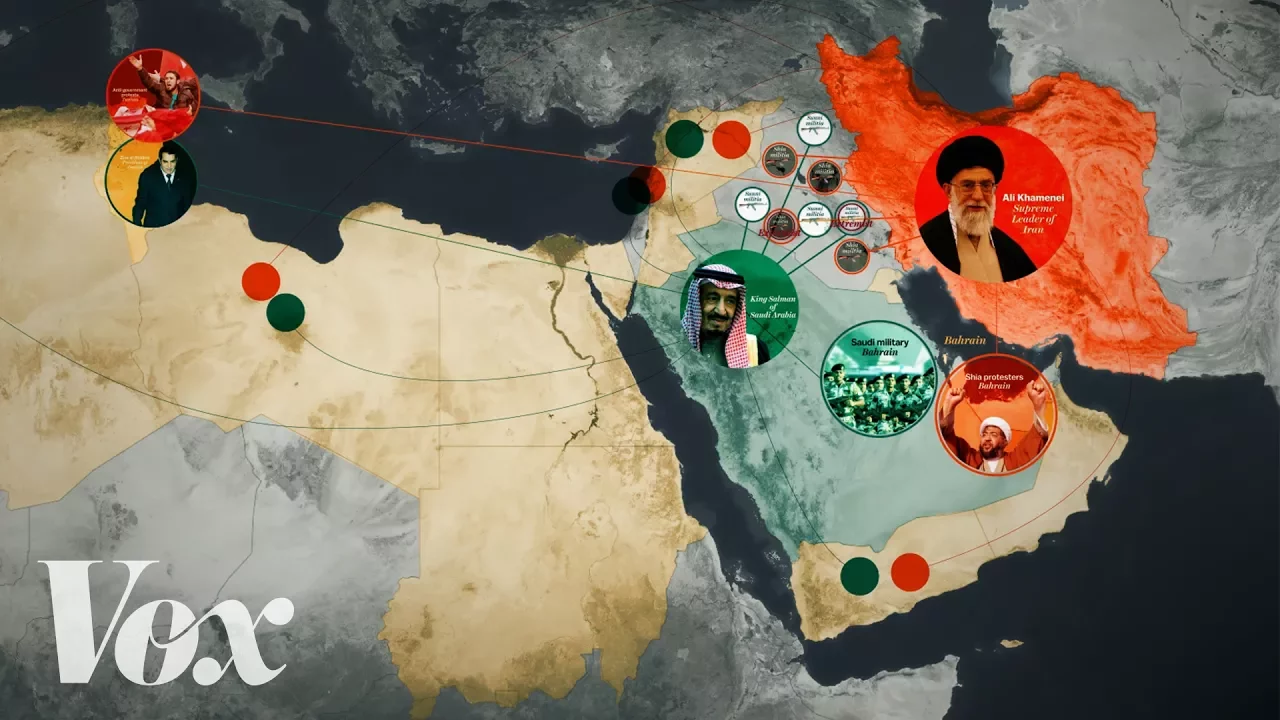
10:19
Explaining the Saudi-Iranian Proxy Conflict in the Middle East
@Vox
18.2M views•2017-07-17
Related Study Plans & Knowledge Roadmaps
Structured learning paths in Political Science
political-science
Analyzing Clientelism: Patronage & Vote-Buying
01Foundational Concepts of Clientelism
02Mechanics of Patronage and Resource Allocation
03Vote-Buying, Turnout Buying, and Ballot Secrecy
+ 2 more learning modules
12h5 modules
Explore Roadmap
political-science
Economic Statecraft: Sanctions & Chokepoints
01Foundations of Geoeconomics and Economic Statecraft
02The Mechanics of Weaponized Interdependence
03International Sanctions: Types, Implementation, and Efficacy
+ 2 more learning modules
12h5 modules
Explore Roadmap
political-science
Central Bank Independence: Politics & Policy
01Foundations of Central Banking and Monetary Policy
02The Time Inconsistency Problem & Inflation Bias
03The Delegation Model and Designing Independence
+ 2 more learning modules
12h5 modules
Explore Roadmap
political-science
Consociationalism: Power-Sharing & Stability
01Democratic Dilemmas in Divided Societies
02Introduction to Consociational Democracy
03The Four Pillars of Consociational Design
+ 2 more learning modules
12h5 modules
Explore Roadmap