Analyzing Clientelism: Patronage & Vote-Buying
Learning Goal: Analyze the structural mechanics of clientelism and patronage networks, evaluating how political actors leverage discretionary public resources, vote-buying, and targeted goods to secure electoral support in developing and consolidating democracies.
- Prerequisites: None (an introductory understanding of comparative politics and democratic systems is recommended).
- Estimated Study Time: 12 Hours
Module 1: Foundational Concepts of Clientelism
This module introduces the foundational definitions of clientelism and patron-client relationships. You will learn to distinguish clientelistic exchange—which relies on asymmetric, personalistic, and reciprocal favors—from programmatic democratic politics, where public goods and policies are distributed based on universal, rule-bound criteria.
Recommended Videos
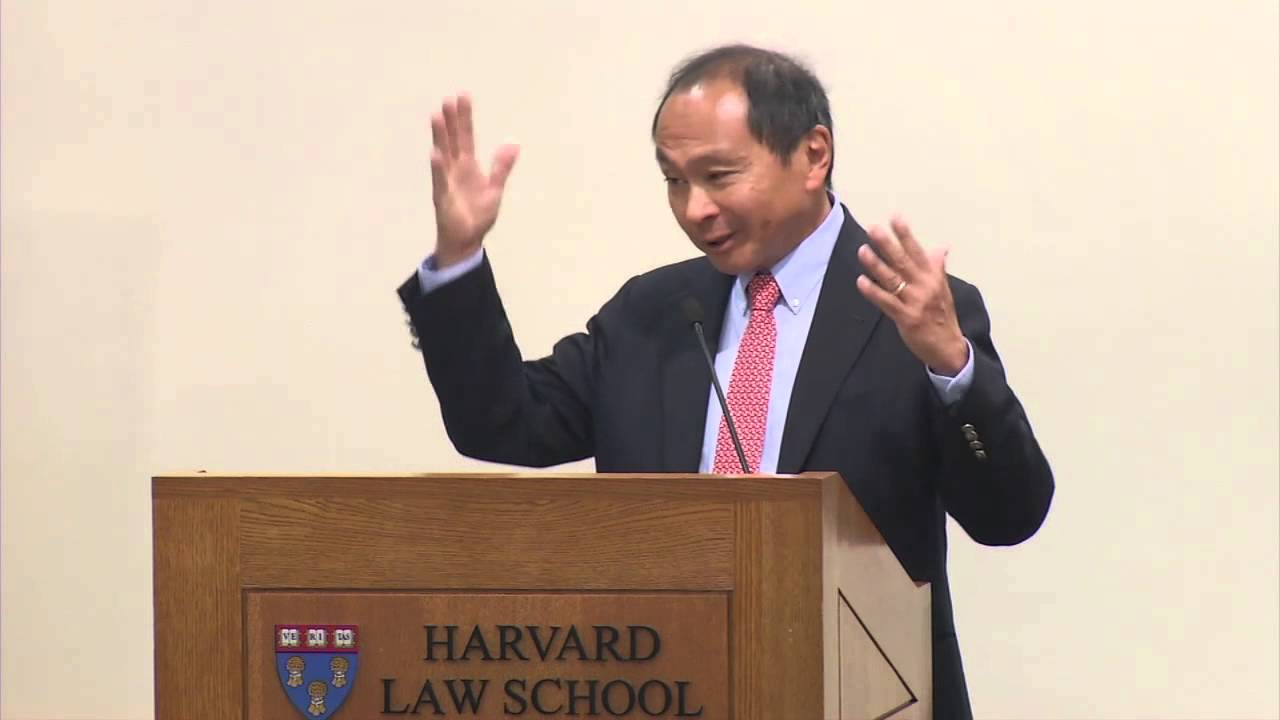
- Why this video: Dr. Francis Fukuyama provides an essential academic baseline, explaining how patronage relationships are rooted in personal, face-to-face exchanges of political support for individualized benefits. He contrasts these ancient, biology-aligned human tendencies of favoring "in-groups" with modern, impersonal state bureaucracies.
- Knowledge Checkpoint:
- Explain how Fukuyama differentiates modern impersonal administration from personalistic patronage.
- Contrast how clientelism leverages "inclusive fitness" (favoring kin/personal networks) versus rule-of-law governance.
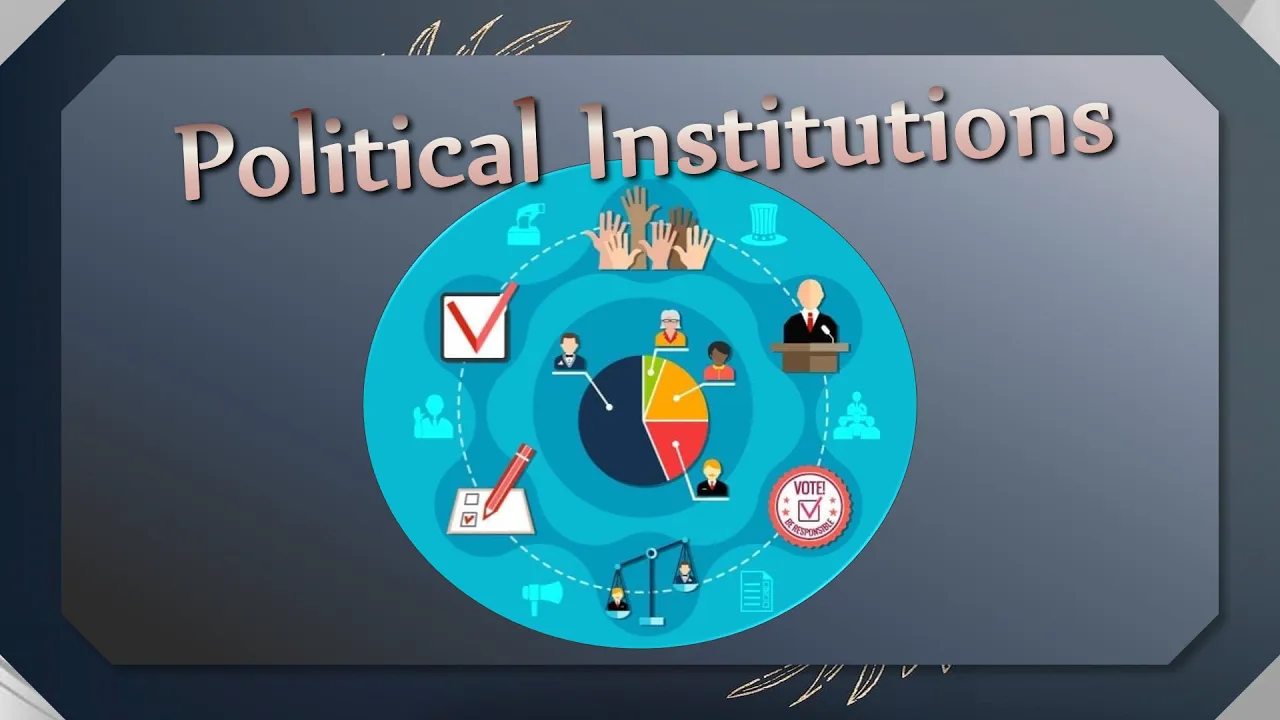
- Why this video: This ultra-brief clip offers a concise, textbook-style definition of political clientelism. It highlights the direct transaction: the giving of material goods by a patron (the politician) specifically in exchange for electoral support from the client (the voter).
- Knowledge Checkpoint:
- Define the core bilateral relationship between a "patron" and a "client" in an electoral context.
- Identify the specific transaction that distinguishes clientelistic linkage from ideological linkage.
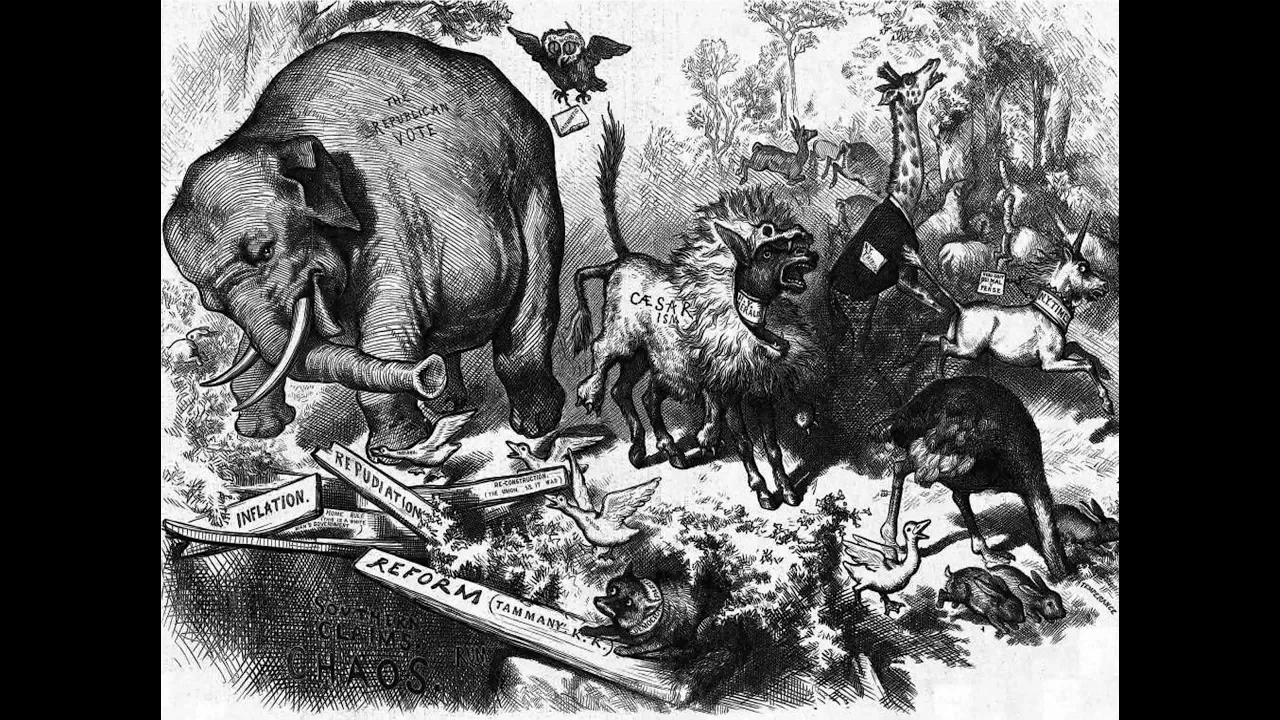
- Why this video: Professor Ian Shapiro explains the structural dynamics of democratic competition. By examining how political parties build coalitions and compete, he helps learners understand why programmatic competition tends to flourish in consolidated two-party systems, contrasting with the factionalized, targeted distribution models seen in fragmented systems.
- Knowledge Checkpoint:
- Define "programmatic competition" and how it differs from clientelistic targeting.
- Describe how institutional arrangements (like winner-take-all vs. highly fragmented multi-party systems) shape political parties' incentives to offer public goods versus club/private goods.
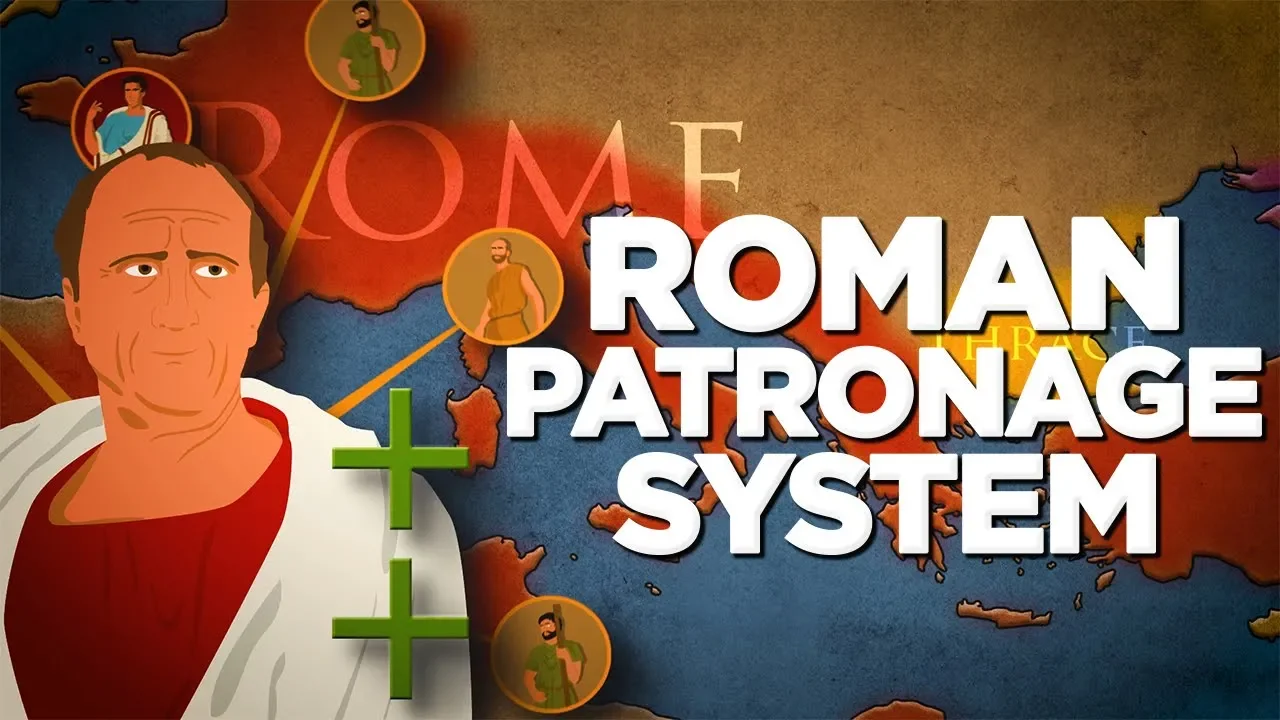
- Why this video: To analyze contemporary clientelism, one must understand its historical precedent. This video outlines the ancient Roman patron-client system, detailing how patrons provided material protection, food, and cash (the sportula) to poor clients in exchange for political support and deference.
- Knowledge Checkpoint:
- Identify the historical origins of modern clientelism in the Roman Republic's social structure.
- Detail what physical and financial resources (e.g., sportula) were traditionally exchanged for political and legal loyalty.
Module 2: Mechanics of Patronage and Resource Allocation
This module addresses the micro-mechanics of how public resources are diverted. You will evaluate how political actors leverage discretionary public spending ("pork-barrel politics"), manipulate public sector jobs, and selectively distribute goods. We introduce the economic models of distributive politics, examining public goods, private goods, and club goods within a political science framework.
Recommended Videos

- Why this video: Renowned economist Jeffrey Sachs references Paul Samuelson’s foundational economic contribution: the mathematical distinction between public goods (non-excludable, non-rivalrous) and private goods (excludable, rivalrous). This distinction is vital for understanding why clientelism relies on turning potential public resources into excludable private favors.
- Knowledge Checkpoint:
- Define the terms non-excludable and non-rivalrous in relation to pure public goods.
- Explain why a clientelistic politician prefers distributing excludable private goods over non-excludable public goods.

- Why this video: Distributive politics often relies on "club goods"—goods that are excludable but non-rivalrous up to a point of congestion. This video introduces club theory, illustrating how resources can be restricted to specific subgroups (like loyal neighborhoods or political clubs), which is a key mechanism of machine politics.
- Knowledge Checkpoint:
- Define a "club good" and explain how it differs from both a public good and a private good.
- Give an example of how a political actor can transform a public service into a club good to reward an enclave of supporters.

- Why this video: This clip defines "pork-barrel politics"—government spending that primarily benefits specific local constituencies or political supporters rather than serving the broader public interest. It provides an accessible entry point to understanding discretionary budget manipulation.
- Knowledge Checkpoint:
- Define "pork-barrel politics" in your own words.
- Analyze how political actors use discretionary public funds to target specific geographic regions to secure electoral support.
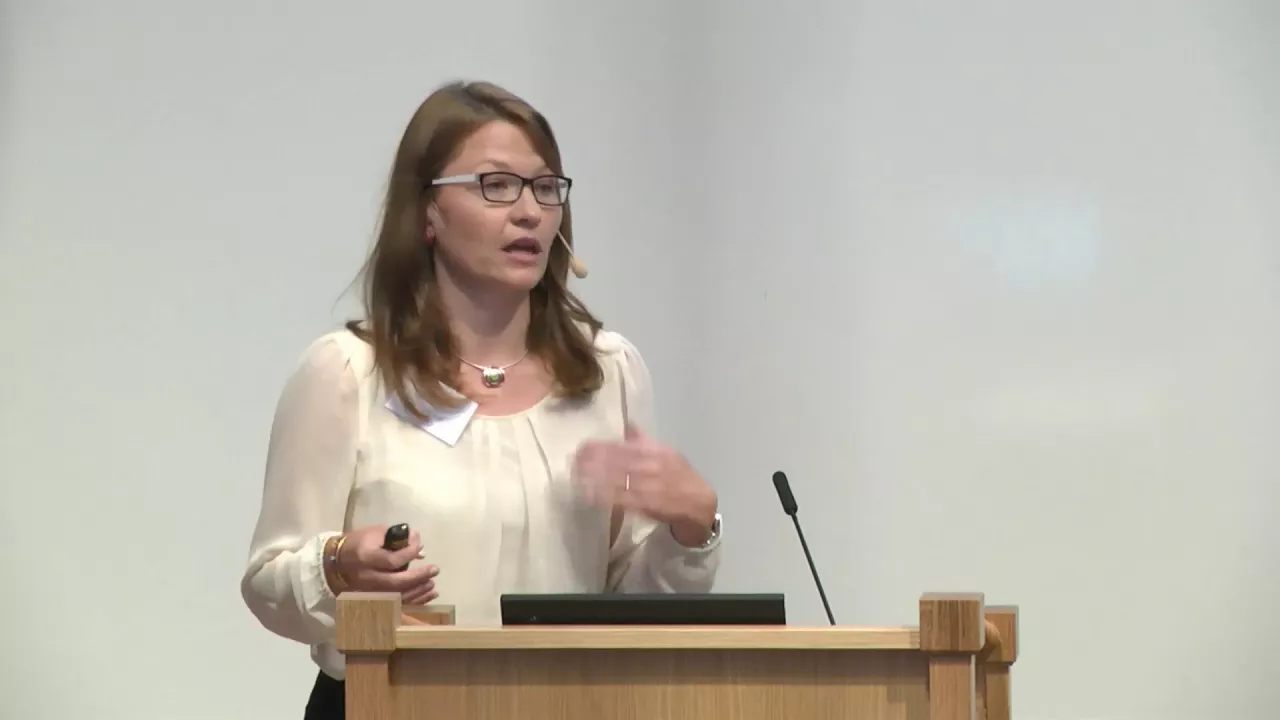
- Why this video: This academic presentation details how political patronage operates through public sector employment. When political parties win power in transitional democracies (e.g., Mexico, Brazil, South Africa), they often fill thousands of public administration roles with party loyalists, turning state jobs into currency for political support.
- Knowledge Checkpoint:
- How does public sector job allocation serve as an excludable patronage benefit?
- What are the consequences of politicized civil service hiring on state capacity and democratic consolidation?
Module 3: Vote-Buying, Turnout Buying, and Ballot Secrecy
This module focuses on direct electoral transactions. We will analyze the theoretical differences between vote-buying (inducing a voter to switch candidates) and turnout-buying (inducing a registered supporter to show up at the polls). Crucially, we will study the structural role of the secret ballot as an institutional reform designed to disrupt clientelistic monitoring, and examine how modern actors attempt to bypass this secrecy.
Recommended Videos

- Why this video: This clip explains the core mechanism of how ballot secrecy combats vote-buying. Because a transaction requires verification (i.e., the buyer must confirm the voter actually cast the ballot as promised), the inability to verify the vote under a secret ballot renders the direct purchase of votes economically and politically unviable.
- Knowledge Checkpoint:
- Explain why vote-buying transactions depend on the "verifiability" of the voter’s ballot.
- Contrast why ATMs issue transaction receipts while voting machines strictly avoid them, using the concept of coercion.
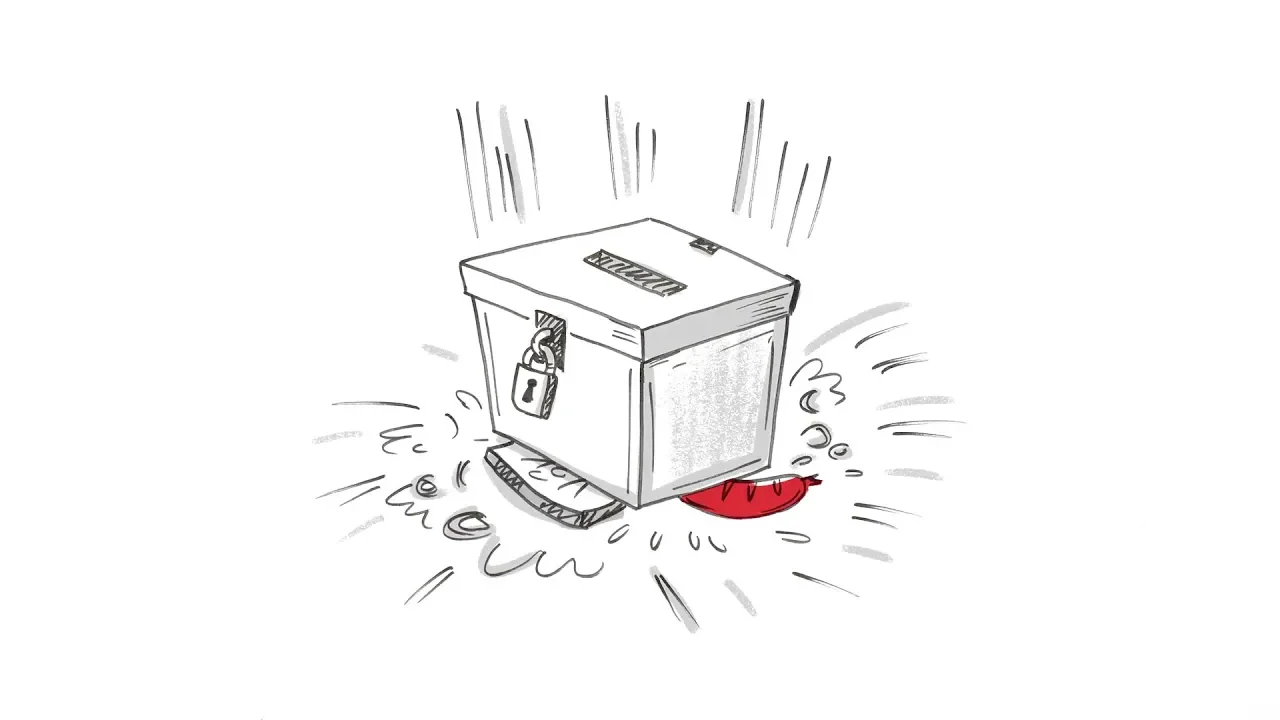
- Why this video: This historical video profiles the introduction of the modern secret ballot (often historically referred to as the "Australian ballot") in 1856. It documents the transition from public voting—which was highly vulnerable to bribery, landlord pressure, and systemic vote-buying—to private voting.
- Knowledge Checkpoint:
- Describe the historical conditions of open public voting in the 19th century and how they facilitated clientelism.
- Explain why the "Australian Ballot" was considered a revolutionary institutional mechanism for reducing aristocratic control over the working class.

- Why this video: This clip touches on a key dynamic of electoral transaction: how turnout affects the efficacy of vote-buying. It highlights that vote-buying is highly effective in contexts of low voter turnout, where bought votes represent a disproportionately large share of the active electorate.
- Knowledge Checkpoint:
- Compare "vote-buying" (changing voter preference) with "turnout-buying" (mobilizing a supporter to vote).
- Explain why low voter turnout increases the marginal utility and efficiency of a candidate's vote-buying budget.

- Why this video: This news segment highlights modern, illicit methods used to bypass ballot secrecy. It shows how political operatives monitor transactions using mobile phones to photograph marked ballots inside the voting booth, illustrating how technology is used to restore transaction verifiability.
- Knowledge Checkpoint:
- Identify two modern techniques used by political brokers to verify how a voter voted, despite the presence of a voting booth.
- Formulate a policy or polling-place design change that could prevent voters from using smartphones to verify their ballots for brokers.
Module 4: Brokers, Machines, and Network Structures
This module examines the operational architecture of clientelism: political machines and intermediary brokers. Through historical and modern case studies, you will analyze how these networks maintain compliance and manage complex distribution logistics between elites and voters.
Recommended Videos

- Why this video: This detailed historical documentary explores Boss William Tweed and the Tammany Hall political machine in 19th-century New York. It provides an excellent, in-depth look at how political machines coordinate municipal resources, exploit marginalized populations (e.g., newly arrived immigrants), and secure power through patronage and graft.
- Knowledge Checkpoint:
- Define what a "political machine" is and outline its primary objectives.
- Analyze the exchange mechanism between Tammany Hall and immigrant communities: what specific services did the machine provide, and what did it extract in return?
- Explain how "honest graft" was used by Tammany officials to capture public treasury funds to fuel their patronage apparatus.

- Why this video: This documentary excerpt highlights the internal hierarchy of Tammany Hall. It describes a structure resembling a church or an military unit: bosses at the top, district leaders in the middle, and neighborhood/precinct captains at the bottom. The captains maintained close personal relationships with local households, acting as the primary agents of monitoring and delivery.
- Knowledge Checkpoint:
- Sketch the hierarchical flow of information and resources in a classical political machine.
- Why is the neighborhood-level "precinct captain" or "broker" the most crucial element for resolving the monitoring problems inherent under the secret ballot?

- Why this video: This video focuses on the role of modern political brokers in regional alliance-building and network maintenance (using case studies from Tamil Nadu, India). It provides insight into how brokers negotiate terms, build trust, and manage the narratives that keep multi-faction clientelistic coalitions together.
- Knowledge Checkpoint:
- What is the role of a "political broker" in mediating between high-level political elites and local electoral networks?
- Describe how brokers manage information asymmetry between political parties and local vote-banks.
Module 5: Persistence in Developing and Consolidating Democracies
This final module addresses the persistent nature of clientelism in developing and consolidating democracies. We will evaluate how poverty, socioeconomic inequality, and weak state institutions make clientelistic strategies highly rational and resilient.
Recommended Videos

- Why this video: This academic video connects socioeconomic inequality with clientelistic strategy. It explains that clientelism is highly attractive to politicians where inequality is high because poor voters discount future programmatic promises and place a premium on immediate, targeted, and highly certain material benefits (e.g., public housing, discretionary jobs).
- Knowledge Checkpoint:
- Why does high socioeconomic inequality lower the cost for politicians to purchase votes?
- Explain the concept of "short causal chains" in clientelistic benefits versus "long causal chains" in programmatic policy.
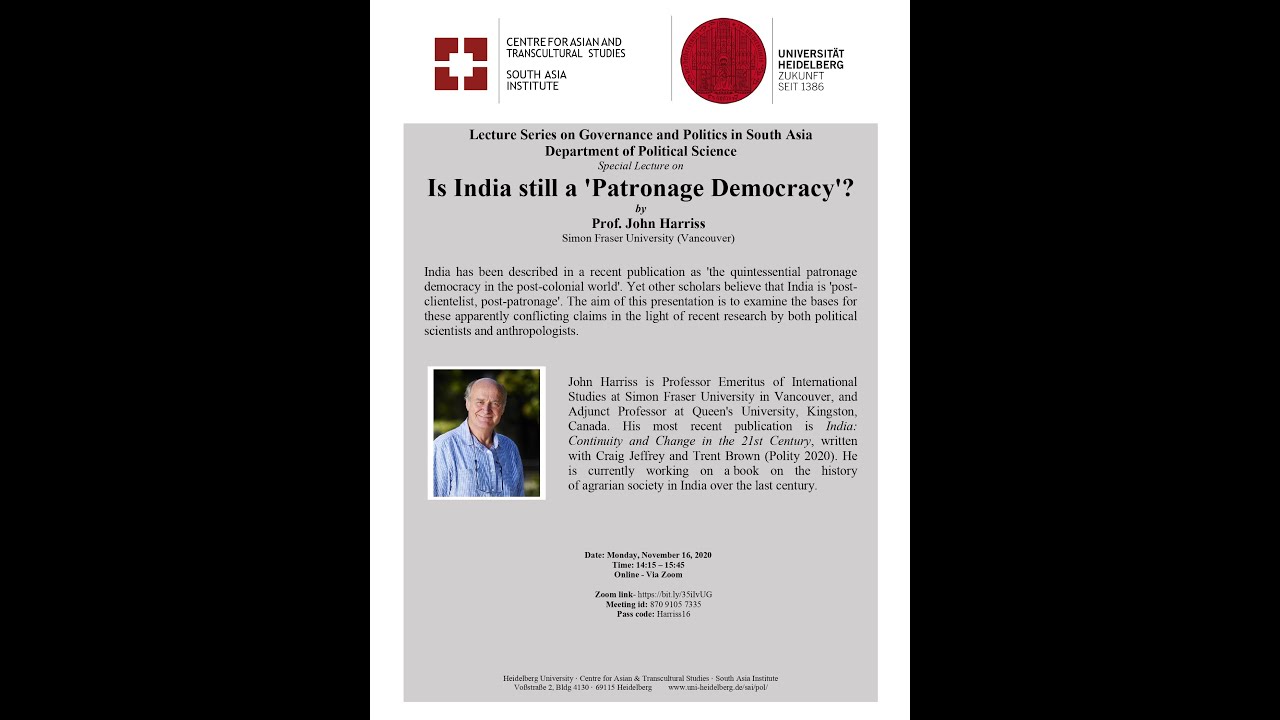
- Why this video: This university lecture utilizes political scientist Kanchan Chandra's framework on "patronage democracy" to analyze contemporary India. It explains how state control over jobs, licenses, and developmental resources drives voters to view elections as opportunities to insert their own group brokers into the state apparatus, perpetuating clientelism even as the country holds competitive elections.
- Knowledge Checkpoint:
- Define Kanchan Chandra’s concept of a "Patronage Democracy."
- Analyze why voters in a patronage democracy focus heavily on electing representatives from their own ethnic group or caste.
- How does state control over basic livelihoods (e.g., licenses, safety net resources) entrench clientelistic relationships?
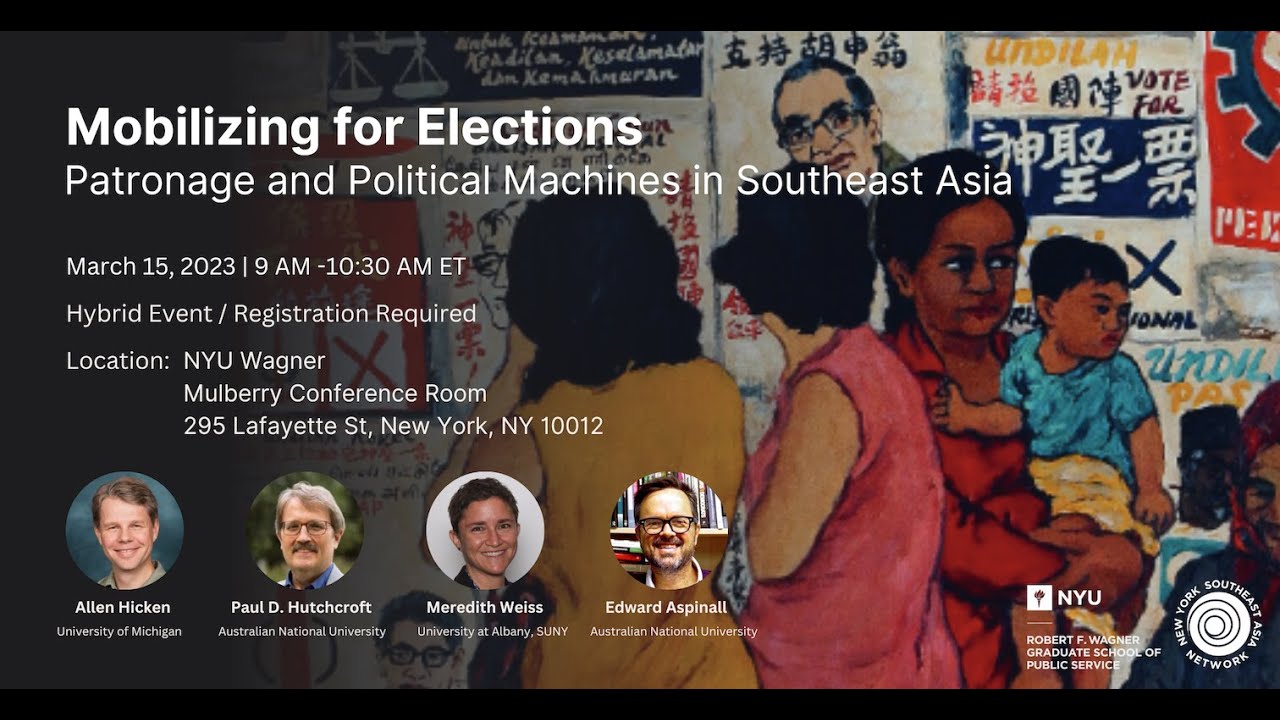
- Why this video: This academic seminar profiles political machines in Southeast Asia (such as Indonesia, the Philippines, and Malaysia). It categorizes patronage into three distinct types: micro-particularism (targeting individuals), club goods (targeting local neighborhoods), and discretionary state jobs, offering a comprehensive comparative framework.
- Knowledge Checkpoint:
- Distinguish between micro-particularism, club goods, and patronage employment in Southeast Asian electoral campaigns.
- Explain how weak democratic consolidation allows local "warlords" or regional political bosses to intermediate between the central state and citizens.

- Why this video: In developing countries, voters have practical, immediate expectations of personal assistance from their representatives. This clip discusses how these systemic expectations generate constant pressure on politicians to operate as clientelistic service providers, who must hand out direct cash assistance to secure support.
- Knowledge Checkpoint:
- Why do voters in developing democracies often develop expectations of personalized assistance from representatives rather than systemic legislative reform?
- Explain how these constituent expectations create an institutional trap, forcing even well-intentioned politicians to rely on patronage networks.
Course Map
Key People Index
- Francis Fukuyama: Political scientist and author of The Origins of Political Order. He provides theoretical context on the transition from personalistic patrimonialism to modern impersonal state institutions.
- Paul Samuelson: Nobel laureate economist who mathematically formalized the distinction between public and private goods, a core foundation of distributive politics.
- Kanchan Chandra: Professor of Politics at NYU, known for her pioneering work on "patronage democracies" and ethnic voting, particularly within the South Asian context.
- William "Boss" Tweed: Infamous leader of Tammany Hall, the 19th-century political machine of the Democratic Party in New York, who represents the historical archetype of political bossism.
- Ian Shapiro: Sterling Professor of Political Science at Yale University, who writes extensively on democratic competition, majoritarian systems, and coalition-building.
Final Self-Assessment
- I can define clientelism and distinguish it from programmatic democratic representation.
- I can explain the differences between private goods, club goods, and public goods in an electoral context.
- I can define "pork-barrel spending" and explain how politicians use discretionary budgets to reward specific constituencies.
- I can contrast the mechanics of vote-buying (seeking to change a voter's choice) with turnout-buying (seeking to mobilize a supporter).
- I can explain how the introduction of the secret ballot (the Australian ballot) historically disrupted clientelistic monitoring by preventing transaction verifiability.
- I can list at least two contemporary methods (such as ballot-photo schemes) that brokers use to bypass ballot secrecy.
- I can describe the hierarchical network structure of a classic political machine (e.g., Bosses, District Leaders, Precinct Brokers/Captains).
- I can explain why high levels of income inequality and poverty make clientelistic strategies highly cost-effective for political actors.
- I can explain Kanchan Chandra's definition of a "patronage democracy" and why voters in such systems focus heavily on ethnic representation.
- I can analyze how weak state institutions and discretionary public employment entrench patron-client networks in consolidating democracies.