Rebel Governance: Legitimacy, Economy & State
Learning Goal: Analyze the structural dynamics of rebel governance, evaluating how non-state armed groups establish political legitimacy, manage wartime economies, and provide public services to civilian populations.
- Prerequisites: Introduction to Political Science, Basic International Relations Theory (Sovereignty and Statehood).
- Estimated Study Time: 14 Hours
Module 1: Foundations of Rebel Governance and Statehood
This module establishes the foundational theories of rebel governance, defining how non-state armed groups transition from mobile, purely military forces to sedentary, governing actors. You will explore how rebel governance challenges classical Westphalian state sovereignty, moving beyond simplistic views of civil war as chaotic breakdowns to view them as competitive, emerging alternative social orders. Special focus is given to defining the threshold of rebel governance: territorial control, the institutionalization of civilian-facing rule, and predictable decision-making frameworks.
Recommended Videos
Why this video: This video provides an essential conceptual entry point into the academic literature of rebel governance. Dr. José Martínez explains how non-state armed groups establish alternate political orders and structures within war zones. By challenging the traditional assumption that civil wars merely represent state collapse, this presentation explains how insurgencies construct parallel forms of sovereignty, asserting their legitimacy through resource and service control.
Knowledge Checkpoint:
- Explain how modern rebel governance literature challenges the classical Westphalian assumption of absolute state sovereignty.
- Contrast the concept of "contested sovereignty" with total state collapse in a civil war zone.
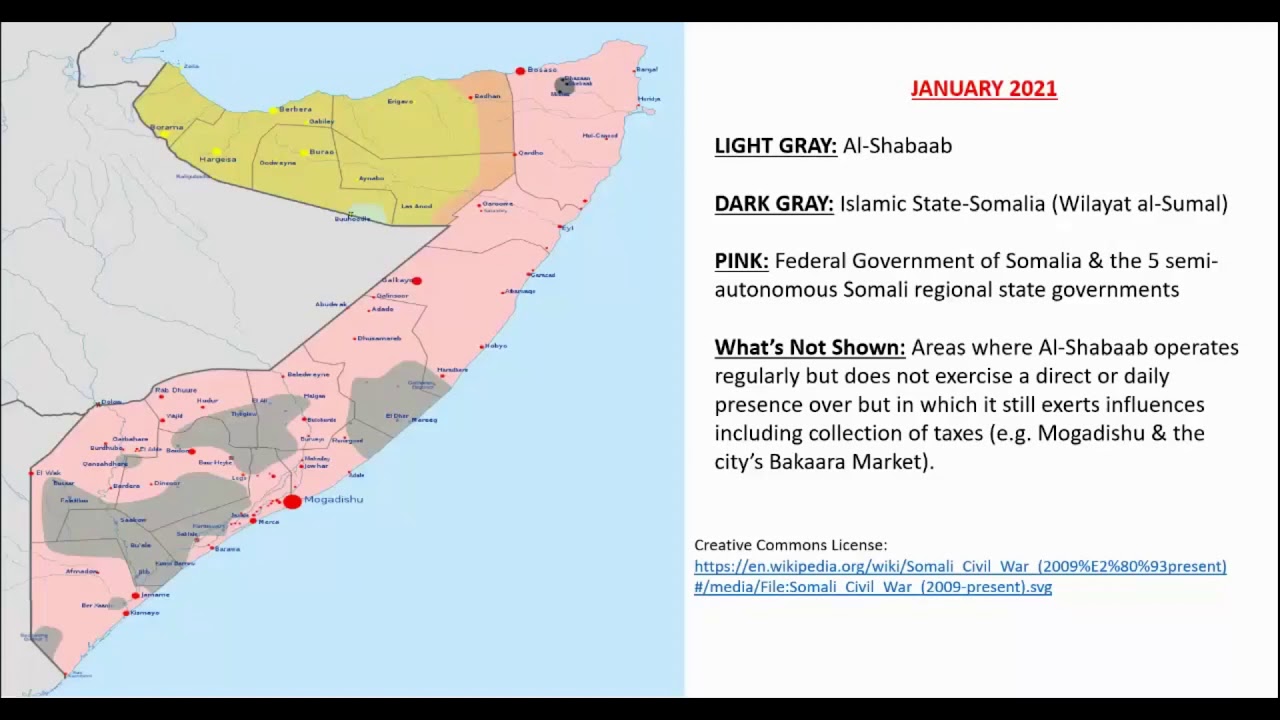
Why this video: Dr. Christopher Anzalone provides a rigorous, criteria-based definition of rebel governance. This lecture is critical for addressing the conceptual gap between simple warlordism (predatory violence) and structured rebel administration. Dr. Anzalone outlines the three key pillars required to identify a system of rebel governance: territorial control, civilian institution establishment, and predictable, formal or informal rules (including taxation systems).
Knowledge Checkpoint:
- Identify and define the three structural criteria required to classify a non-state armed group's actions as "rebel governance."
- Distinguish between predatory warlordism and institutionalized rebel governance using Dr. Anzalone’s framework.

Why this video: Using the prominent case study of Hezbollah in Lebanon, this video introduces how armed non-state actors challenge the state's fundamental monopoly on the use of force. This conceptual overview helps you analyze how parallel military structures disrupt traditional statehood, coexisting with or completely replacing formal state security within a defined national territory.
Knowledge Checkpoint:
- Analyze how a state's failure to maintain a monopoly on the legitimate use of force impacts its internal and external sovereignty.
- Describe the structural relationship between a dominant rebel militia and a weak host state.
Module 2: Establishing Political Legitimacy and the Rebel Social Contract
This module explores the theoretical mechanics of the "rebel social contract." Armed groups cannot sustain long-term governance through raw coercion alone; they must cultivate compliance and perceived legitimacy. You will evaluate how insurgent groups build political authority by leveraging local social structures, ideology, and identity. This module directly addresses the civilian-rebel dynamic, examining how civilians negotiate margins of safety and rights with armed actors in exchange for obedience.
Recommended Videos

Why this video: This academic debate excerpt unpacks the fundamental core of social contract theory. By reviewing the philosophical foundations of why citizens surrender individual liberties to an authority in exchange for safety and rights protection, you will gain the theoretical framework necessary to understand the "rebel social contract" as discussed by civil war scholars like Ana Arjona.
Knowledge Checkpoint:
- Define the classical social contract theory and explain how its core tenets apply to a civilian-rebel relationship in contested territories.
- Evaluate the conditions under which a civilian population shifts its perceived social contract from the recognized state to a rebel authority.

Why this video: This discussion addresses the moral and philosophical "duty to rebel" when a sovereign state fails its end of the social contract (e.g., through systematic oppression or failure of protection). It frames the structural vacuum that rebel groups exploit, demonstrating how insurgent legitimacy is often born directly out of the state's failure to protect its citizens.
Knowledge Checkpoint:
- Explain how a state's violation of its citizens' basic rights lays the philosophical groundwork for rebel groups to construct competitive authority structures.
- Describe the ideological arguments rebel groups use to justify their resistance and establish early-stage legitimacy.

Why this video: This field report from eastern DR Congo offers a concrete look at the "battle for hearts and minds." It demonstrates how the M23 rebel group consciously uses public performances, administrative visibility, and service provision to project authority and build voluntary compliance, moving away from purely coercive tactics to establish a local governance structure.
Knowledge Checkpoint:
- Define the "hearts and minds" strategy as used by modern rebel groups to foster compliance.
- Contrast coercive control with voluntary civilian compliance within rebel-held administrative regions.
Module 3: Wartime Economies and Rebel Resource Management
This module explores the financial survival and institutionalization of rebel governance. To sustain parallel state structures, armed groups must move from opportunistic looting to predictable economic extraction. You will analyze formal rebel taxation systems, extortion networks, resource smuggling, and diaspora/external sponsor patronage. Understanding these mechanisms allows you to distinguish between predatory economic operations (warlordism) and highly institutionalized insurgent taxation structures.
Recommended Videos

Why this video: This video provides a detailed empirical look at the transition of armed groups into predatory economic actors in Eastern Congo. It demonstrates how rebels survive and institutionalize through systematic, informal taxation networks—extracting duties from checkpoints, transport routes, and trade goods. This serves as a primary example of how a wartime economy functions on micro-level extraction.
Knowledge Checkpoint:
- Describe how checkpoint taxation functions as a systematic, non-state revenue generation mechanism in conflict zones.
- Analyze the economic transition of an armed group from community protection to predatory extraction.

Why this video: This resource explains how war economies are sustained globally through the illicit smuggling of high-value natural resources (e.g., gold, diamonds, and agricultural goods). It illustrates how rebel groups integrate themselves into global black markets to bypass state-level restrictions and secure long-term funding.
Knowledge Checkpoint:
- Detail the connection between high-value resource extraction (such as minerals or gold) and the longevity of rebel movements.
- Explain how illicit international smuggling networks interact with localized rebel administrative systems.

Why this video: Using historical context from the Lebanese Civil War, this brief video highlights the strategic necessity of smuggling networks for warring factions. It outlines why insurgent forces need rapid, highly liquid cash flows, and how the collapse of formal state regulatory frameworks allows parallel smuggling operations to become the dominant local economic reality.
Knowledge Checkpoint:
- Explain why rebel groups require highly liquid assets during civil conflicts, and how this shapes their economic policies.
- Identify the long-term governance consequences of a rebel administration relying entirely on informal or illegal black market operations.
Module 4: Public Service Provision and Administration
Rebel groups often secure legitimacy by acting as functional administrative states. This module examines how non-state armed actors build institutions to provide public goods, including courts, schools, healthcare clinics, policing, and infrastructure. Through case studies from the Middle East (Hezbollah, HTS in Syria) and Africa, you will evaluate how the delivery of these services alters the civilian-insurgent power dynamic and constructs a competitive governance option that challenges the state.
Recommended Videos

Why this video: This Al Jazeera investigative segment details how Islamist coalitions in Syria, such as the Islamic Front, moved beyond combat operations to establish comprehensive social welfare and judicial administrations. By examining their clinics, subsidized grocery networks, and Sharia-based judicial courts, you can analyze the mechanics of parallel state administration.
Knowledge Checkpoint:
- List three types of public services that rebel groups in Syria established to compete directly with the Assad regime's state services.
- Explain how the provision of subsidized food and healthcare serves as a political mechanism to secure civilian compliance.

Why this video: This BBC report looks at the transition of armed combatants into civil police forces in rebel-held areas. It demonstrates how armed groups build order out of chaos, taking over the administration of local law and order to signal stability to both the civilian population and international observers.
Knowledge Checkpoint:
- Discuss the challenges armed groups face when transitioning their members from active military combatants into civil police officers.
- Explain why establishing a predictable, local police presence is crucial for the survival of a rebel-administered territory.
Why this video: This documentary case study analyzes Hezbollah's development from a regional guerrilla force into a dominant political-military organization. It highlights their complex administrative networks—comprising schools, hospitals, social services, and utility networks—which run parallel to the official Lebanese state bureaucracy.
Knowledge Checkpoint:
- Analyze how Hezbollah structured its social service networks to build a deep, self-sustaining base of political support within Lebanon.
- Contrast parallel rebel public service structures with official state ministries in weak state contexts.
Module 5: The Trajectory, Transition, and Collapse of Rebel States
What happens when civil wars end? This final module examines the long-term trajectories of rebel-governed systems. You will explore three primary political pathways: the transition of rebel organizations into recognized, democratic political parties; the integration of rebel administrations and military wings into a reformed state military; and the complete collapse of rebel administrations following regime military victories or internal fracturing.
Recommended Videos
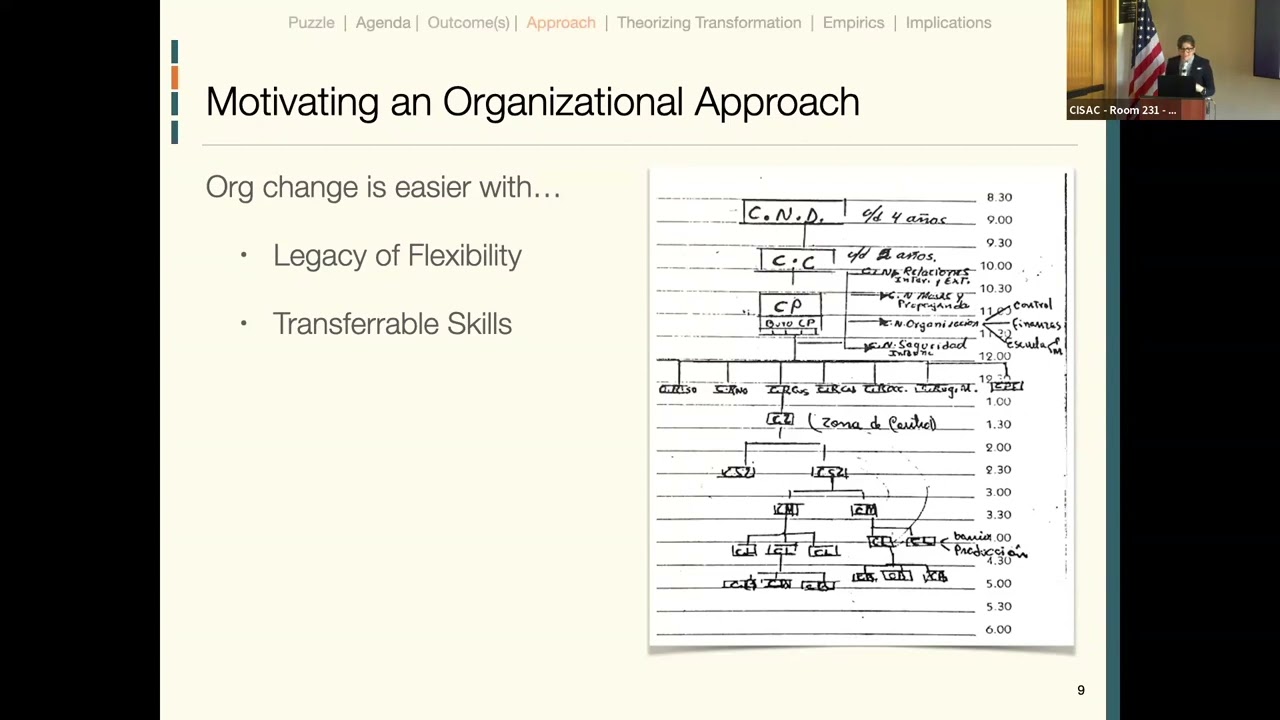
Why this video: This comprehensive Stanford University academic lecture details the structural conditions under which insurgent groups successfully transition into formal political parties. It explains that rebel organizations with developed "proto-party" structures during wartime (e.g., messaging divisions, administrative wings, social welfare operations) are far more likely to make a successful democratic transition post-conflict.
Knowledge Checkpoint:
- Define the term "rebel-to-party transition" and list the main domestic factors that influence its success.
- Explain why the presence of developed wartime civilian wings increases the likelihood of a rebel group transitioning into a viable political party.
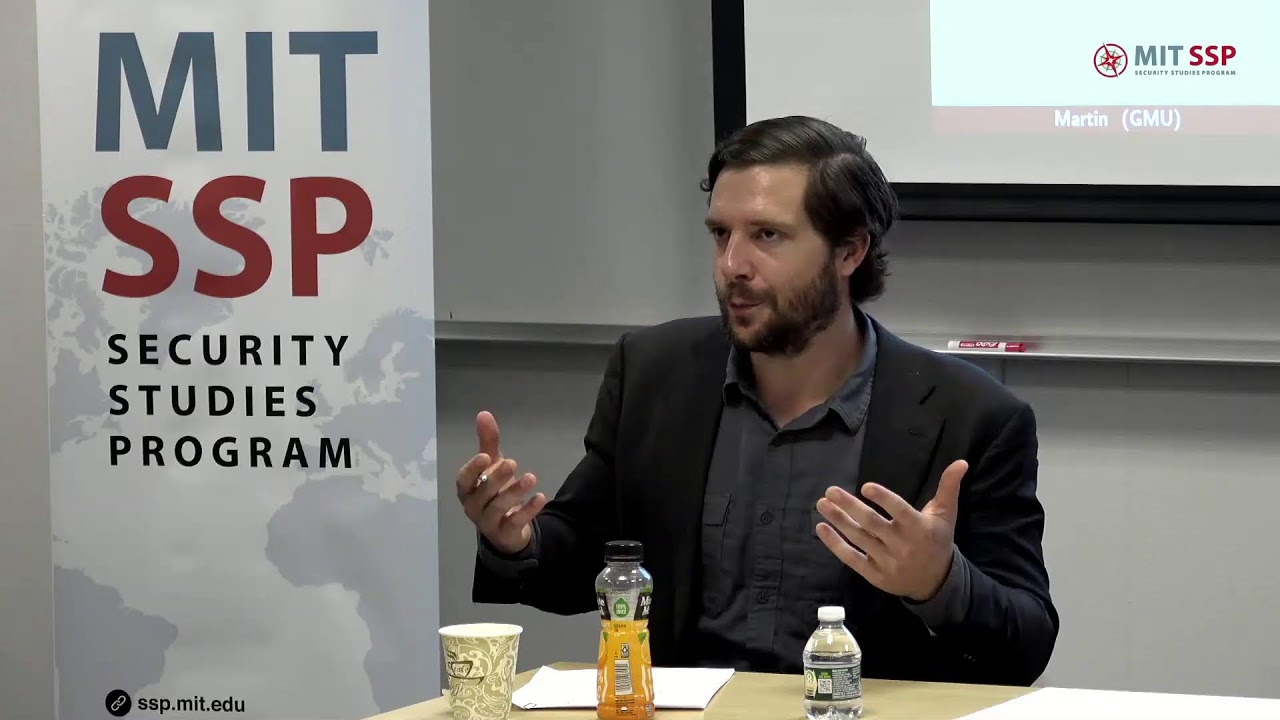
Why this video: Professor Philip Martin’s MIT lecture explains how the administrative style of rebel groups during civil conflict determines post-war stability. He details how rebel governance structures influence whether commanders remain embedded in their communities or become disengaged from the local population after military integration into the state apparatus.
Knowledge Checkpoint:
- Summarize Prof. Philip Martin’s core argument regarding how wartime rebel governance shapes postwar state-building and commander behavior.
- Analyze the security risks associated with integrating highly institutionalized rebel armed forces into a weak state military.

Why this video: This archival footage documents Liberia’s post-civil war election in 1997, showing a real-world case study of a rebel coalition leader (Alhaji G.V. Kromah of ULIMO) transitioning into democratic political contestation via the ALCOP party. This provides a clear, historical example of how armed resistance movements seek democratic legitimacy after conflict.
Knowledge Checkpoint:
- Discuss the contradictions and political challenges of a rebel leader campaigning in a democratic election.
- Evaluate the challenges of establishing democratic legitimacy in a society recovering from prolonged civil conflict.
Course Map
Key People Index
- Dr. Christopher Anzalone (Marine Corps University / Krulak Center): Scholar specializing in political violence, Islamist movements, and jihadi insurgent governance. He formulated key criteria defining the structural baseline of rebel administration.
- Dr. José Martínez (Researcher & Academic): Focuses on parallel sovereignty and state-building by non-state actors in contested zones, developing theories on how resource control builds alternative political orders.
- Prof. Philip Martin (MIT / Security Studies Scholar): Specialized in postwar state-building, military integration, and analyzing the institutional linkages between wartime rebel commanders and local civilian networks.
- Ana Arjona (Northwestern University - Contextual Mention): Prominent academic researcher on civilian-rebel dynamics and author of Rebellion and Trust, defining how local institutions resist or shape the "rebel social contract."
Final Self-Assessment
Complete this comprehensive self-assessment to verify your mastery of the curriculum's learning objectives:
- I can articulate how "rebel governance" differs from predatory warlordism, using Dr. Anzalone's three-part criteria.
- I can explain the concept of "contested sovereignty" and how it challenges classical, Westphalian international relations theory.
- I can define the "rebel social contract" and analyze the factors that lead civilian populations to cooperate with or resist rebel authority.
- I can analyze how rebel groups establish systematic taxation frameworks (e.g., transit checkpoints) and contrast them with state fiscal policies.
- I can describe the integration of illicit smuggling networks (e.g., gold, diamonds) into the broader governance structure of rebel movements.
- I can provide detailed examples of public services (such as healthcare, judicial courts, and policing) managed by groups like Hezbollah or Syrian coalitions.
- I can explain why some insurgent organizations are structurally predisposed to transition successfully into political parties while others collapse.
- I can evaluate Prof. Philip Martin's argument on how wartime administrative styles shape postwar commander behavior and community stability.
- I can analyze the political challenges and contradictions of armed rebel leaders transitioning to democratic election campaigns.
- I can analyze the conditions under which a parallel rebel governance structure collapses or is re-absorbed into the sovereign state.