



![Why the Nation of Liberia Never Stood a Chance [Pt. 1 - First Civil War] - Untangling Africa #5](https://i.ytimg.com/vi_webp/YmN8pFG_B-I/maxresdefault.webp)

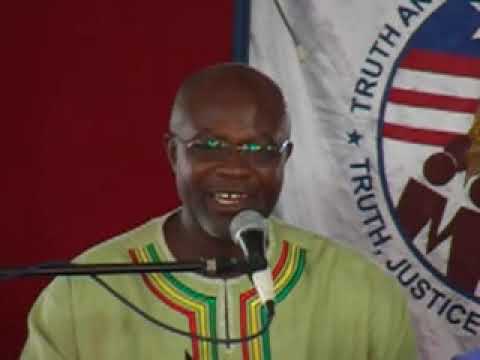








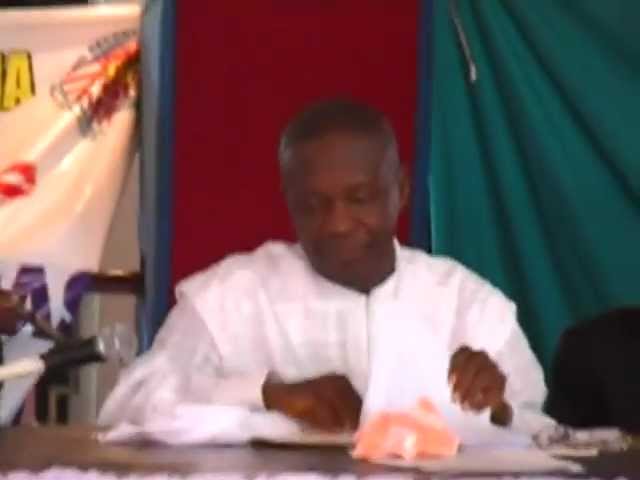


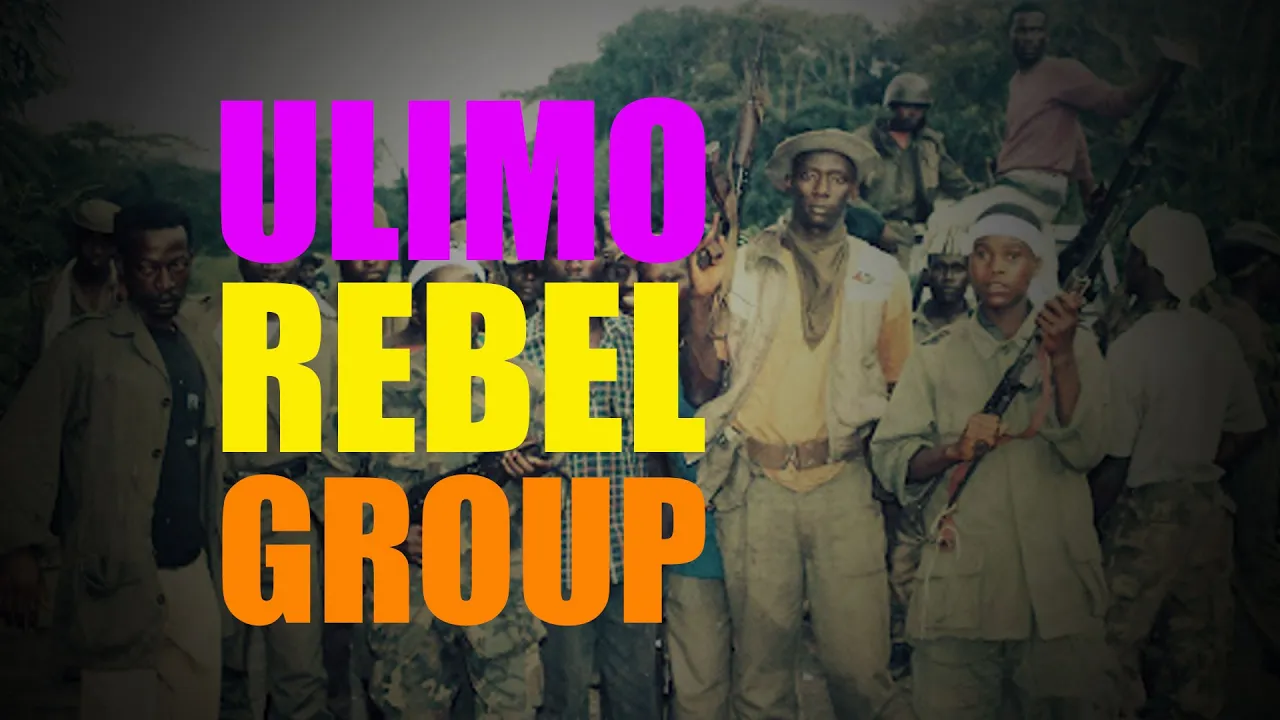
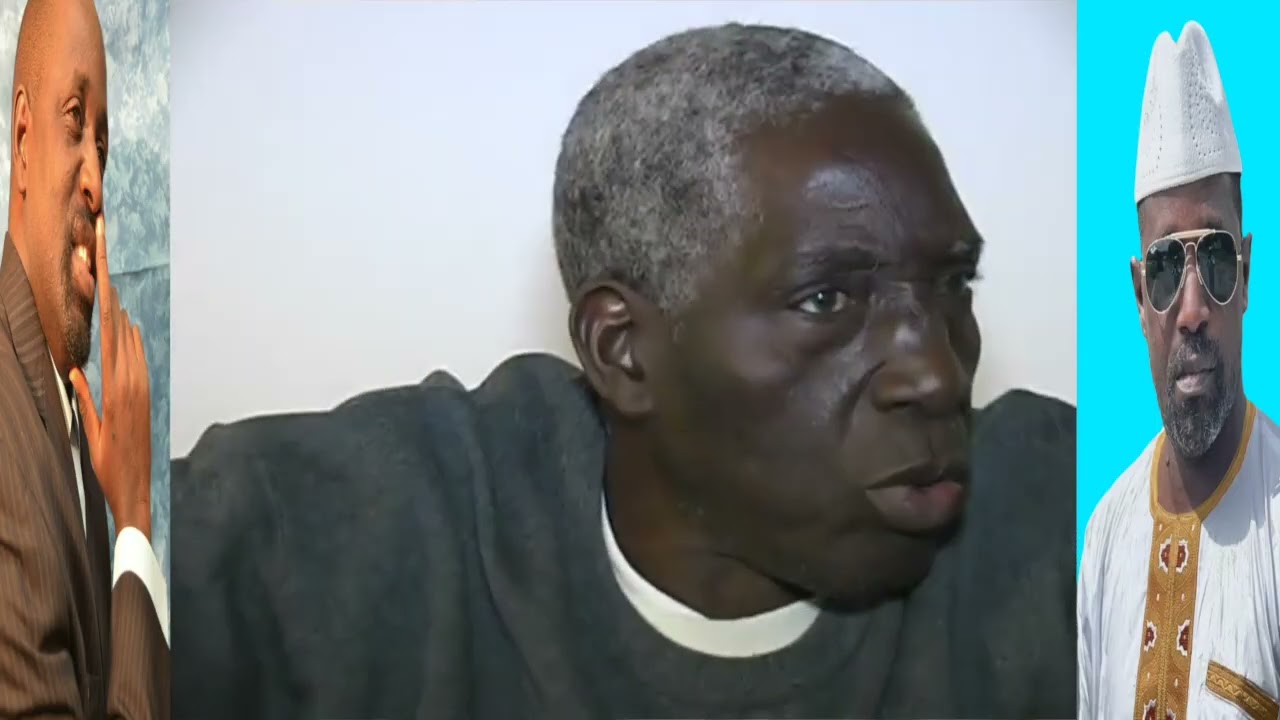
This video features Alhaji G.V. Kromah, former Director General of Liberia Broadcasting System and leader of the ULIMO resistance movement, discussing his All Liberia Coalition Party's platform for post-conflict Liberia. Kromah explains how he transitioned from armed resistance to peaceful political participation, emphasizing security as the top priority, followed by consciousness against injustice, government inclusion, infrastructure rehabilitation, and economic development through compartmentalized privatization. He addresses accusations of tribalism by explaining that his party's diverse appointments reflect genuine commitment to national unity rather than ethnic favoritism. Kromah criticizes the colonial-era divide-and-rule strategy that kept indigenous Liberians marginalized from power, noting that of Liberia's 20 presidents, only one was truly indigenous. His vision for reconciliation includes prosecuting those who organized war crimes while offering opportunities to all Liberians regardless of past affiliations, arguing that true peace requires addressing the root causes of division and building a government based on the rights of the majority while respecting minority rights.
Alhaji G.V. Kromah: ALCOP 1997 Presidential Campaign Interview
Added:hello listeners and welcome to this edition of the program presidential aspirants live in an effort to create a much talked about level playing field the liberal broadcasting system thought it necessary to host this program on a daily basis in order to accommodate all the presidential aspirants indian student elections slated for july 19.
i'm janet johnson along with winston mumble and baba magill your presenters our guest in the program today is professor harji g v chroma he is the standard bearer of the all liberian coalition party arkham welcome to our studio sir thank you very much um mr kruma could you briefly tell us a little about yourself and what you stand for well um firstly we are very pleased to be here [Music] and very much touched by the physical condition of the the lbc studios here [Music] deplorable condition [Music] and i'm so touched by that we have to re-prioritize the reestablishment effective broadcast radio and television station [Music] um the [Music] question you ask is difficult to answer because we cannot talk much about ourself without sounding like boasting but we can only say that we believe in the principles of justice we believe in the principles of bringing about a government through peaceful means we are against putting up a system that discriminates against any sector of the population we are for the establishment of a society that guarantees security and freedom and we belong to a party that embraces all of these principles and philosophies and therefore we are happy that the party has been accepted by a broad spectrum of the liberian electorate and therefore we look forward to the challenge of the management of the government with the support of the people mr kruma i believe you were the uh you are a former director general of the library broadcasting system and former information minister and looking at your your past records one will say you you are a politician now the civil crisis of in liberia why didn't you use a more diplomatic means you know in your contribution in the earlier stages of this crisis but instead you you win the the military way that that means your question means that you have your facts mixed up because uh we exhausted monrovia 1989 1990 right after the invasion of this country by the mpfl all means including all of those means of talk about to the extent that we all were driven out of the country wanting to exile and where into exile by the npfl in the form of the ruf into cerelium and threats against other places including guinea and it wasn't until almost the exhaustion of the series of conferences including the yamasucro1234 that ilimu was finally organized as a resistance movement and we're very happy that we organize it because i do not know whether you were here in 1992 when octopus were threatening you and in their lives your and the lives of others in this monrovia and we came to the assistance and the aid of the people in this town successfully resisting the takeover of this city by the mpfl so subsequently we uh actively participated in all of the conferences serving even as drafters of many of the agreements making compromises fundamental compromises to the extent that we're able to help in forging the current peace that we all now enjoy so very proud of the methodologies approach commitment that we undertook to bring about the current state of peace in the country mr kumar what can you say about this long-standing debate in our community it has to do with this america liberian uh congo man and uh the troubled man to the extent that in fact others are saying that you are not a liberian person but if you read the liberian history you find 16 tribes which of course you are a member of one how could you address yourself to such a debate well i haven't heard nobody saying that i'm not a liberian [Music] i think the issue here is a strategy developed by people to keep people divided not only in liberia but on the continent it's a colonial strategy that is embedded in history inherited by those who wanted to [Music] use power and authority illegitimately and keep exclusive possession of the resources of the country so it is a continuous strategy used by a certain group of people or types of people but it isn't working because from the uh evidence that is clear and apparent with the kind of mass support for a party like aku the 19th of july this saturday will serve as a period for the fundamental correction of those fundamental misconceptions deliberate orchestrations of divisions among the people so it's an old-fashioned thing it isn't working anymore even though people are hanging on to it people wouldn't have any real chances of success in these elections so they're hanging on these kinds of things but as i've said it isn't working and therefore it's nothing to worry about because the vast majority of the people have decided that they will be part of the all liberian coalition party the nomenclature of the party clearly indicates the principles of the party and why people have embraced the party and they want to take a decision on saturday now howard back into proper perspective all of these issues now if you look at the history of liberia we've had 20 presidents [Music] so-called elected presidents ending with president samuel kanindu it is only president samuel canyon do that was an indigenous person 19 perceiving him of a miracle librarian stock interestingly also about 14 or 15 of those 20 presidents were born outside of liberia outside of liberia they were not born in liberia they came here as other children or adults so we've been having immigrants who were born outside the country to come here and become president i would say there was an accidental interruption between 1980 and 1990 for an indigenous person to serve as president and you saw the kind of a frantic move and activities to try to wipe out that portion of history so as to restore a room that was not based on popular legitimacy so we have the opinion that all librarians are entitled to inalienable rights and their rights as citizens of this country even though we've had more than 100 years of america libyan rule no one should exclude any american liberian stock such as charles taylor ellen johnson selif out of the presidential race such as barcus matthews but they should equally be part of anything that a citizen is entitled to but interestingly it is some of these people who quietly or secretly carry on these messages of division among the people and that's why i said that it's not working because the population of this country is going to be very decisive in terms of fair play and justice with respect to the history of this country with respect to the people the configuration of the population those who have ruled the country for so many years and the outcome of that rule so i think a decision is going to be made on saturday to continue or to establish a leadership that is based on the rights of the majority of the people of this country including the rights of a minority mr croma when you limbo was formed sometime in 1991 if i'm correct you told the liberian people in the world that you were coming as a resistant movement and that you were not out for power but as time went by your organization yulemo began to be one of the mayor de members of powell as demonstrated through the various um political arrangements um which put into place you know the current arrangement um please reconcile your initial intent and that of the latest why you want a reconciliation between something that is not contradictory you just said that we started as a resistance movement resistance to what resistance to forcible taking over of power we resisted that we advocated a peaceful and democratic society political arrangement which would involve all sectors of the citizenry [Music] i don't think you believe that we were advocating for a peaceful society that would exclude us then that would have been contradictory so there's nothing to reconcile we are participating freely in the democratic environment that we have helped to well your currency create deviated from your initial intent well what is the deviation i mean we stopped the npfl from taking over the country by force and then we have joined a party that had a convention where is the deviation we would like to apologize to our many listeners for not being able to receive any calls today due to technical problems we won't be receiving any calls today since our phone is completely down we have another reporter in studios with us today bakari musa i think he has a question quite recently lofa politicians resolved to support a presidential candidate healing from this from luffa county but unfortunately all of those that made the promises belong to different parties how sure are you that these people meant exactly what to say well i don't think they were forced to say anything and they seem to be people of credible standing they made public statements in the open place at an open forum so they they stand to be judged by the population and in any case they are opinion leaders but they are not they do not constitute the totality of individual votes so we are sure of the votes of the people in lofar county just as in the other counties so there's a question of proving one's credibility or not mr kruman granted that come july 19 ui declare we know what kind of government do we expect to see leadership well the first thing is that we have become the only party to clearly prioritize security and security must be a natural priority in any setting especially liberia giving the war in giving the impact of the war on liberia and liberians in the west african sub-region therefore we have prioritized a government security system that will prevent the reoccurrence of the type of invasion or war activities that were brought into the country and we do have the capacity among our membership as was proven in activities prior to alco and therefore that would be number one priority and we're very serious about it and we believe that we are the only party that can provide the necessary security balance that we guarantee all other forms of activities in the country [Music] secondly we will prioritize as part of our platform uh the development of consciousness against injustice in society the bringing about necessary awareness among the people of the advantages of the war and the need to realize that we have no alternative but to coexist as one nation and as one people that has to be embedded in the minds of the population through various communication strategies radio television diary communication face to face and other forms so as to establish a mat that would serve as a foundation springboard for all the types of activities then of course the establishment of a government of inclusion will be next on the agenda we as an outcome government [Music] see the country as one people and notwithstanding the differences as expressing establishment of various political parties we feel that we are the same and we feel that a victory for alco is a victory for sanity for security and for progress and therefore we include everybody who asks various political parties to nominate people for the cabinet for the judiciary and other public offices and then we'll move on to the rehabilitation of public infrastructures and the provision of basic public services including electricity water supply because a lot of these things have been destroyed these are the immediate concerns of the outcome government then from there we will get into the mid-range activities of consolidating the gains of the first period in terms of security in terms of consciousness against injustices in terms of establishment of government of inclusion rehabilitation of public services restoration of restoration of public service and rehabilitation of public infrastructures into a full skill implementation of the economic programs which will include what we consider compartmentalized privatization of paris titles public corporations where certain departments of public operations be given out to investors on a franchise basis so as to avoid the psychological collapse of the public corporations because librarians are always afraid that when you're going to privatize they all will be out of jobs and especially those at the top so we will retain the public corporations as regulatory agencies but the effective service departments will be privatized on a contractual basis so as to improve efficiency we also going to encourage small-scale industries being established based on incidence of raw materials that we have in the country it's very strange and amazing that you export logs out of this country and you don't even have toothpicks produced manufactured in liberia toothpicks that that is so elementary you have a rubber being exported out of liberia and you don't even have the manufacturing of rubber bands to put around the 500 and a billion dollars i mean this is a shame so we don't want to go into utopia some big manufacturing type of package but the basic things that can come out of the resources that we have here will be encouraged and those things that look so simple so basic are those that coagulate to provide the basis for bigger employment bigger labor increase income purchasing power for the average person in the society so we are going to be concentrating on that type of economic program we're going to emphasize efficiency in government there's a legacy of laziness that has has been imposed on succeeding generations from the uh america librarian culture of saying that they came to rest at the beginning of the establishment of of the nation people just rested around the place and they never really carry on any development everybody wanted to be so-called civilized weather and sitting offices so the value of labor was never cultivated but over the years we've seen a graduate departure from this the outcome government will put together programs that will encourage a dramatic departure from this lazy syndrome from this lazy heritage into a productive society so that people will be proud of earning and not begging for things people will be proud of making sacrifices and therefore having respect for what they earn so these are some of the major programs we're going to be emphasizing quality in government in terms of officials we we're now going to have people our assistant director director levels everybody receiving presidential appointments no that was a strategy to try to bypass the public civil service system which help to corrode and erode efficiency in the government so we're going to strengthen the civil service system where we will provide for professionals who don't have to be appointed by the president in order to to to to to make a reasonable living in government in order to be respected in government we're going to create a merit system where people will go upwards in in their professional career and be well paid even possibly more than the minister and therefore don't have to be appointed by the president i work in the government for 20 years and i saw all of these errors and and we made corrections in areas that we headed lbas and israel information so as president of the third republic with the cooperation of the liberian people i think liberia will be a different country and i don't think it will take more than two years to put liberia ahead of the rest of the west african countries please just let me i are you contemplating on fiscal poverty a good fiscal policy you didn't touch on that well fiscal policy has to do with overall policy of the government if you are talking about efficiency certainly includes fiscal policy because efficiency means proper management maximizing the profitability the gains of resources whether human or otherwise economically we stand a very good chance we have a very good history of open door policy and less fair type of economic program here and and there's a psychological confidence in liberian business environment so we can quickly recover economically so we're going to emphasize what we've talked about privatizing compartmentalized privatization a small expansion of small-scale industries and you see a movement a gradual movement away from the from government employment by people voluntarily into areas where they see their income higher and when that begins to happen government will automatically be trimmed and then when you deploy the meritorious system of professionals working for for for reasonable pay you'll have to exact and demand from them efficiency productivity and when that happens it costs across fiscal policies uh you can be be specific about fiscal policies in terms of both monetary and fiscal policies with respect to the currency situation but all of these are functions of the overall productivity of of of the economy that will determine the strength and value of of of your monetary of your monetary system and therefore it will give give you the bearing of your fiscal policy so the fiscal policy will be part of the general policy of efficiency in the government mr cronin there is a saying that the the past is the foundation upon which we build the future now you won't serve as a state councilman of this republic you have just mentioned or highlighted programs that you plan implementing in the instance where el alco becomes successful comes july 19.
when you were councilman did you implement any of those programs yes i mean um for example here at lbs uh a lot of things have broken down i think your short wave was up there and many things were not working i think you are even operating on an exciter in place of a transmitter i don't know whether that has changed but a lot of moves were made to to try to replace those broken equipment and try to upgrade at least to a reasonable level and i'm happy at least that you struggling to stay with me on air and i believe that we serve in the government as a balance especially in the areas that we've mentioned security we tried our best to prevent other members of the council all the government from carrying out deviant behaviors that were not proper in the government we undermine most of these kinds of activities that help to keep the government going up until this time we even though we were not the oversight person for these for some of these public corporations we paid our first visits to these areas lec uh albiers uh wallace and seaworld many other places encourage the people there and and conscientise the need to have these things work again i think lec took off and then collapsed again afterwards we visited the hospitals and inspected the facilities there we made some initial arrangements to help these areas but there were limitations because the basic mandate of the government was to guide the peace process as well as the difficulty of of of carrying a six-spare sort of presidency even though you had an area but that area was interrelated with other areas it was difficult to make the kind of bold moves necessary to implement the kind of programs that we talk about sharing power in that sort even though the advantage of that sharing of power reflected in the achievement of the piece we're talking about collective and mutual confidence that was necessary to to implement those programs that we've just enumerated here mr cromwell we have a question here from one of our listeners and it says to hear you are widely believed to be a tribalist as manifested in your nominations to the lntg 2 of which most if not all of your appointees are of the modingo ethnic group how would you comment to this firstly to say widely in all these adjectives i just political strategy who established it widely you know i can tell you that even some of those that were appointed nominated by by uh ulimu i didn't even know some of them whenever we called meeting of uh government officials nominated by illinois people hadn't introduced themselves sixty percent of those who are appointed we we were never in ulimo and sometimes for example people insisted that doctor vampire khanna was madingo simply because his name was kane and you should know that he's not madingo he's gandhi so people are so not not not a lot of people uh few people are very ignorant and they take your name okay now if if you see they're very deliberate in the in the choosing of news and comparing it with tribes okay now because if you want to be logical in doing that if you take a name like taylor it should be a british or american name why wouldn't you assume that he's a white man but if somebody name is kamara you will automatically eliminate the possibility of his being a vai a mende e cola a a timing or whatsoever can you just say he is a madingo you understand why why janet johnson can be a british or american person why they have to be a liberian okay i mean so you see the deliberate tilting of names all of these things are aimed towards uh creating instability in the configuration of the population so as to marginalize their chances of benefiting from the rights as citizens from resources of the country those who serve in the government add themselves testimonials to the openness that we adopt in the government let me tell you something that may not be a secret in the setting up of the various distribution of positions within the aircraft arrangement i can tell you that i was instrumental in ensuring that the lpc stroke coalition got that share of positions because in my room that morning in abuja when when it was finally concluded that george bowler would represent a group on the council of state i think the excitement of that success on their part made them to forget on the issue of power sharing it was i who inserted in the document word for word at the lpcd the the positions that were allotted to the elsewhere ignore we revert to the lpc stroke coalition that sentence word for word was inserted in the document by me and that's how lpc stroke coalition got the positions that they got in the government also we advocated that even though the afl could be attached to that we thought also that general bowen had played a very important role as chief of staff of the afl that was a party so some consideration should be given to them so general bowen got in fact that minister position minister of defense position was allotted to limo so we gave that up plus several other positions in government to the afl we also advocated that individuals like tom hoyu sam doki and uh francoise massacre who have been heads of uh uh some foreign factions even though they all were coalition people but should be given specific positions so they were made they were given specific positions ministers deputy speaker and associate justice support additionally the positions that were allotted to you limu were halved cut into half in consideration of the ethnic configuration with respect to the current people so unimoga was specifically given positions in fact they were the only group whose positions were clearly identified in agreement so what what we did actually was to carry on a division and distribution of positions right there at the conference table so that it became obligatory it became legal it became legitimate and nobody could tamper with it then a little portion that remained with us as mother yulimo that again was spread out among various tribes various categories of people and as time went on we we even replaced people with more efficient people so that is an erroneous thing and it is considered widely as erroneous mr kramer let's go to the issue of this intra-ulambo fighting um hundreds dead and the destruction of property in terms tottenham and other places the organization controlled then um the two major tribes which made up ulaimo to be exact day crown and mandingo have since been divided this pose a lot of threats to the peace process then as demonstrated through the you know fighting that occurred which they generated into the fight for the control of territory then um you had general johnson on the one hand as leader of they defund ulemuj and you were on the other side um what was responsible for this intra fighting really i don't know um what what area of the media you connected with but i would avoid being personal but as a professional journalist you you should have also cited the public declaration by mr taylor during the april 6 crisis when he was apparently disappointed that people of the crime trial were not being grateful to him we're not being appreciative and then when he revealed on radio and he played on this radio station that he fundamentally helped to establish ulimoji financially materially and otherwise and militarily that statement was never reported and uh so you can see why this thing went on it was a successful undertaking by the the enemy group military group the mtfl to try to destroy the resistance movement of ulimo by causing a split and people can be tempted so that was the basis of the split and it is part of the ongoing strategy that we talk about in putting indigenous people against one another importing tribes you saw what happened between the gill and the krantz and taylor came and said he was helping to redeem quote unquote the guild people against the crowns but we saw that uh sooner than later the leaders of the gil and mano people got missing in hindi territory and there's a clear rna that you're trying to redeem the people by making them to disappear and so that's why people like prince johnson immediately came to realization that they were being used so their strategy of using one tribe against the other one tribe against the other okay is is is is the foundation is the bedrock of of the culture pepper treated by people like taylor okay and so he confessed that he went between the crowns and the madingos and incidentally even though those two tribes were the predominant tribes in limo you know no tribe is large enough to organize any warring faction here so there were other tribes in both urimo and yulimuji but essentially just like the people who were fighting each other before the gills and the crowns realized that they had to reconcile they had to reconcile the crimes in the medinas have reconciled to the extent that alco today has a very large crown membership very active and large crowd membership in fact alco has more crown people than any crime-oriented party will have mr cromer you just mentioned that uh during the april 6 of fracas mr taylor confessed that he was instrumental in the split that occurred within the ulema faction but yet you we see you or rather we saw you linking up with uh the npfl during this april 6 linking up with mr taylor do you regret you know coming together with mr taylor during the april 6th focus it was not linking up with mr tiller you understand me and and you know we have to live with these uh propagandas that are built up and and encouraged and pushed people were attacking people and therefore you had the right to defend yourself it's just like when when somebody gets up and say and say the war laws okay for propaganda political reasons they say war laws you know very well that within in various country we organize you limo and stop the npfl but it will not be politically convenient for you to come and say you know and just describe one of the one faction as war laws then people will press yulimo and therefore you as a political opponent you feel that you know this would be giving uh advantage to to to alcohol to you remove so you just try to punch everybody in this warlord situation and that doesn't work it hasn't really worked so it's the same as trying to say you link up with taylor you understand the entire government was there the sixth main council of state okay it is a question of linking up everybody was linked up whatever has happened in the government since 1995 should be shared by everybody including ignored or succeeded by other groups so this was a situation where ekkomok okay retreated from several places and people were left to be killed on their own and by themselves and you think what's going to happen i would sit there and say well because uh uh taylor is gonna be killed when i'm killed or uh when i'm killed taylor is gonna be killed and therefore if we are killed together is a good thing so i will allow myself to be killed no we have to defend ourselves but if you want to be true to yourself you saw the attitude and you heard the pronouncements we made we contained this wall we took decisions and actions that brought an end to that april 6 war we nullify decisions that were taken by other members of the council to try to encourage that decisions that were taken to encourage bitterness to to to to incite people we nullify these decisions arbitrarily we uh play a very instrumental role in bringing the whole thing under control even before the war started you as born general boy we did everything possible to try to peacefully uh had the situation handled but again it was encouraged by by people connected with sawyer grouping because they saw this again as an opportunity to to make a political capital out of a growing and potential destruction and what happened they all ran and went to the ecommerce base and remained there and left the people in town okay so what is their responsibility you see these kinds of people who always put people together and then in the middle of the river they ain't they abandoned them they for example i mean not digressing but look at the alliance situation at the beginning of it we saw people like sawyer actively supporting watterson as soon as bacchus and uh uh tiputa got out of the alliance and uh it looked like things were not working very well immediately uh sawyer and party shifted to ellen johnson's son even left mr wallace in the call so this kind of hypocrisy has been going on and most of the things that you talk about here claiming to be a wildly hell opinion these were things that were propagated by that little click headed by soil and i've never had anything personal against him but it is important to expose these kinds of things at the right time well in case you're just tuning in this is the program presidential aspirants live and our guests and studios today is the standard bearer of alco former councilman alhaji kroma we like to apologize for not being able to receive any calls today due to technical problems here in studios well let me come in your ultimate mr crewman your admirer of sympathizers described you as a decent flamboyant young man who is visionary now you have traveled to a lot of places and you've seen a lot of faces and uh i am sure in political economic and social arena now of these people who do you see as your mentor which people people you met presidents the men down there the men up there well first of all i appreciate the the uh the words intended to be commendation uh i don't know why the instruction of flamboyance i don't know what aspect of me look flamboyant but anyway we we were influenced i have been influenced by the the upbringing the realities that we faced in liberia in in the village that that i grew up in in the villages and towns that i grew up in in in my my days in in school high school elementary school i saw the level of injustice and and contradictions in the society for example um i was three or four years old when i was somehow there uh in civilization where my uncle was was was the imam and i was growing up there what in the 1950s we we i saw uh people being taken and carried to do false labor called portal work i mean they were forcibly taking to go and what for so-called district commissioners who were of the american liberian stock sitting in kuala lumpur and they had to have their farms brushed and other things done and they were they were carried in hammocks people carry them in hammocks on their head can you imagine totally human beings that that were not ill i mean they were sitting comfortably in the hammocks and somebody coming from monroe i was sitting there watching and this was this was like uh out of out of uh uh sanity for me i couldn't understand why people had to be taken to to be put into forced labor and then when i came back to monrovia in my school uh i saw uh young fellas my age group would come in to come to school in in in in vehicles uh driving their own vehicles you know official license plates and uh you know and and and we will go into the bathroom and and they would take up uh uh opium to smoke and and they will say uh chroma media green home and you gotta grow up you know enjoy your life and then when i get back home the environment is totally different and and and that type of life is subdued different things are being said to me and as i grew up i saw more of these contradictions which which actually meant injustice you know and and and then i look at the composition of the government everybody had the same kind of name and and and most of the people were from the same type of places and then and then i started asking you know what what's happening i mean i saw my father he was working in the government uh minister of uh i think the department of the treasury at the time the customs bureau and and i saw his level of dedication and compare it with other people who are not even going to work who didn't even have the kind of education he had and and they were holding uh big positions in government so i just got all boiled up growing up and then just naturally turn out to be an activist uh to to to to to to resist this type of uh reality bad reality in the society and so that was the beginning so as we grew up we read things and and and and got to admire the the pan-african the pan-africanist those who are committed to the the respect respect for the dignity of the black men respect for the dignity of the african and those who were associated with those things we respected them we admired them kwame nkruman patrice lumumba secretary uh acostino neto amica cabral the concept of negritude as espoused by by uh siddha singhal and the war the jomo kenyatta and others were involved within east africa of course france and and and all of these other people who were involved in in struggle to try to to to establish the dignity and in the decency of men uh coincided with with the kinds of things that were naturally imposed on me growing up and that's why uh later on at a university when i saw some of the professors coming and they were preaching communism and they were preaching socialism and other type of things um i i didn't have problem with with the concept of people needing to be equal but i had the portion that had to do with with god you see to try to explain the existence of everything uh without the the the consideration of of divinity i have problem with that and therefore i have problem with the whole concept of communism okay so this is how we grew up and and this is how we develop the philosophies and values that we would follow today and that's why we we feel that we we're committed to to a just society a society that respects the african the black men the right and potential of people uh uh to develop to fulfill their own uh purpose of existence mr crema we have barely five minutes to go on this program we would like to know in case alco becomes successful july 19 what are your plans for those who committed war crimes against the libyan people we don't have plans against things that have not been enumerated in the equals agreement to the contrary we have plans for reconciliation because when you talk about war crimes there will be nobody left out of this country here starting from sawyer and ellen johnson sally all of these people who organized and financed the npfl to bring war into this country we have to start with them we have to investigate how taylor managed to escape from the federal prison in the united states whether he was helped by the government of the united states or not because we we have to also find out who assisted in the bringing and facilitating of these arms and recruitment of people to come and bring war into this country and some of these uh people who are looking very innocent now who facilitated okay and and hit some of these weapons and people who organize these various war activities so when you start as we say in liberia when you hold rope rojo bush so we want to leave that and go go ahead with what equals has put together with the spirit of reconciliation and forgiveness so that you will concentrate on what is common and positive to all of us i think has the final year i want to take you back to the campaign tour recently in in county we observed that a group of ex-fighters of the national petroleum front of liberia presented you a statement in support of your leadership they also complain that they have been abandoned if for example you happen to win the forthcoming during presidential elections what do you have in package for them well i'll tell you it's not only nba belt fighters but all of those who fought the regular indirectly are liberians and are entitled to the fruits of a one nation of a peaceful nation of a nation that is going towards democracy or will become democratic so we consider everybody including mr taylor as part of our assistance package security to benefit from the security that will be provided by the outcome government we are not going to discriminate we don't have the ability to hate personally i do not have that ability to hate so i wasn't very surprised when i saw npfl uh young people coming presenting uh uh statements in nima county in bonn county this wasn't the first time they had been leaving the npfl and joining limo before the disarmament but i think that they believe that we are sincere and that uh we did not uh one day nobody ever heard that we gave orders to execute anybody in your limo and they know that in npfl people used to be executed 10 15 20 at a time and uh when i saw these uh ex fighters i myself i was very much touched by the deplorable conditioned literary system but i felt that the time was too short to do anything between that time and election time so we have a package that is not too specific for any one group but we provide general opportunities for all categories of librarians to be able to benefit from the new society from the new environment and the new nation that will be put forth by our collective decision and as former councilman alhaji jv kroma he is the standard bearer of the all liberian coalition party he's been our guest in the program today presidential aspirants live he would like to apologize to our many listeners for not being able to receive any calls today due to technical problems here in studios a repeat broadcast of this program comes on at 9 30 tonight you may also join us tomorrow morning at 9 30 for another edition on behalf of my colleagues winston mumbo bobo mcgill and janet johnson thanks for listening foreign see and we all remember [Music] foreign we all get to join them [Music] just listen to his presidential experience live you can join the station tonight at 9 30 for repeat of that program this is your bc the radio service of the liberia broadcasting system the time is 4 minutes to 11 o'clock five
Up Next
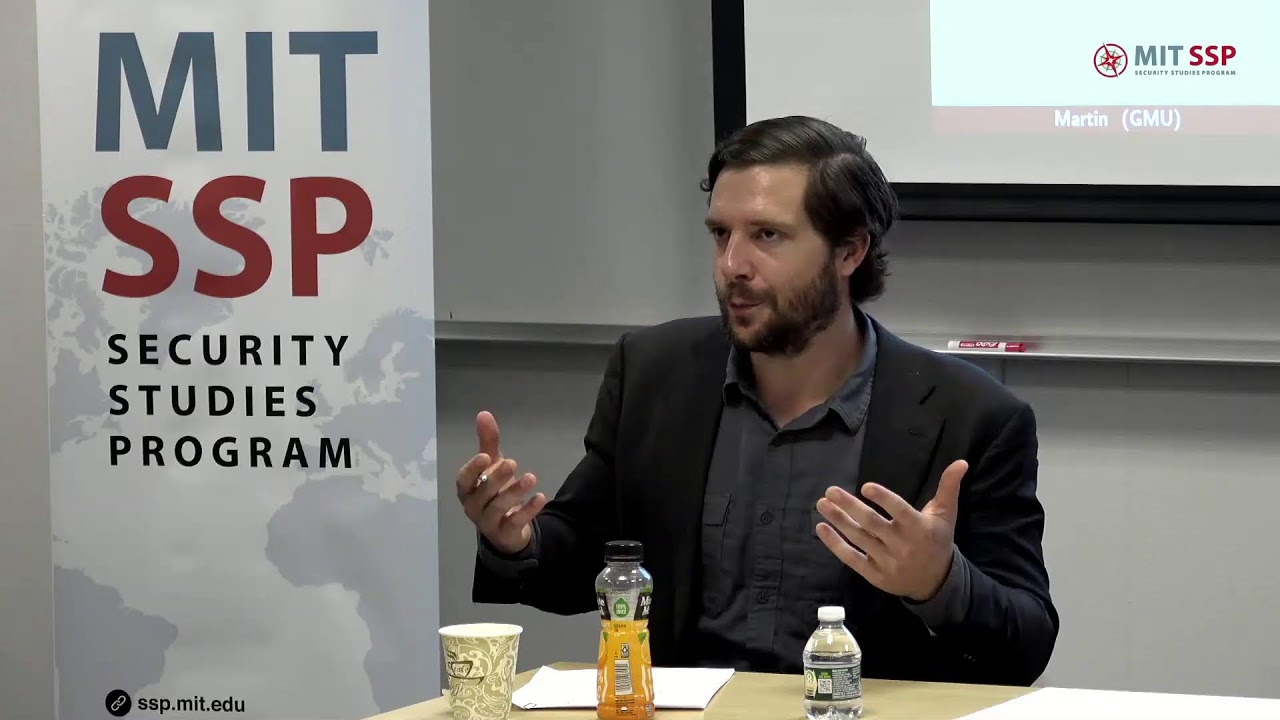
Why Rebel Governance Hinders State-Building After Civil War
@mitsecuritystudiesprogram5272
881 views•2023-10-05

BRICS Pay and de-dollarization: A New Financial Order Emerges? | 55 chars
@DannyHaiphongYT
164.6K views•2024-10-22
Government Surveillance Methods: 10 Ways You May Be Watched
@BeAmazed
1.6M views•2017-04-09
Explaining the Saudi-Iranian Proxy Conflict in the Middle East
@Vox
18.2M views•2017-07-17
Related Study Plans & Knowledge Roadmaps
Structured learning paths in Political Science