











![ジョン・ミアシャイマー教授の思想とは?ロシア・中国をどう見ている?[三橋TV第1110回]三橋貴明・菅沢こゆき ](https://i.ytimg.com/vi_webp/QCdtcDw8_Do/maxresdefault.webp)




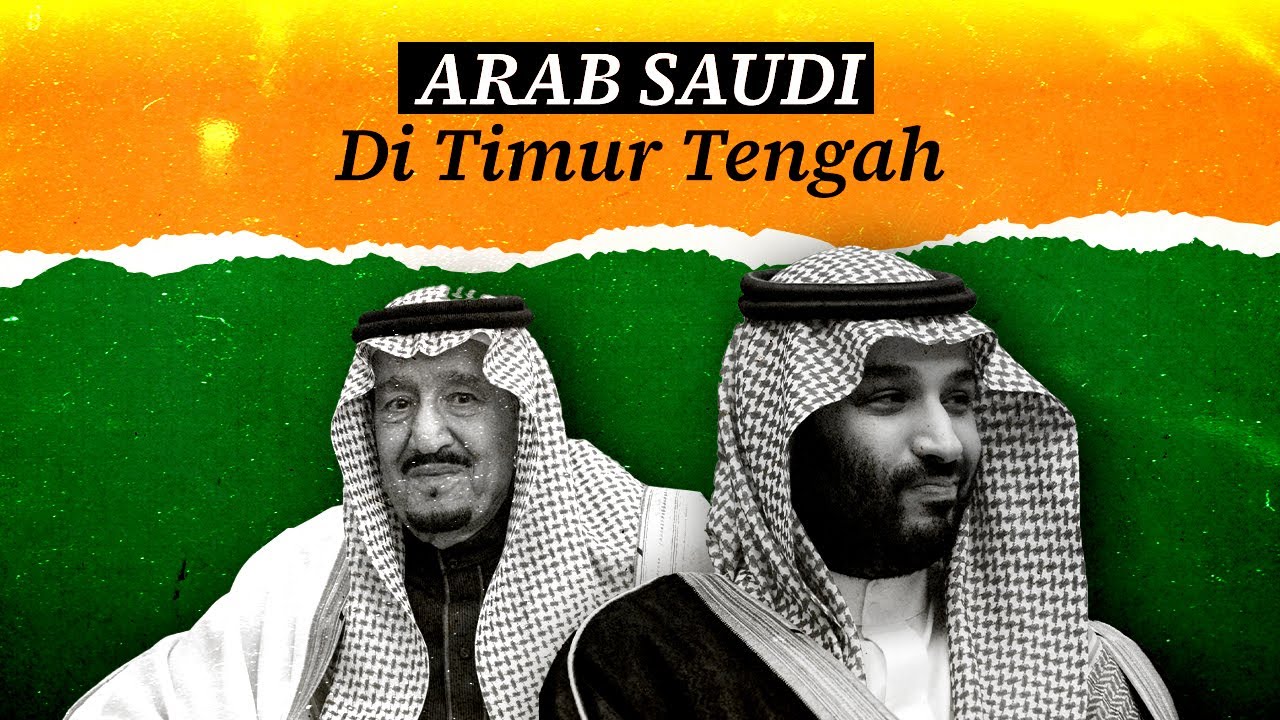
The Middle East's ongoing regional conflict is fundamentally driven by the Saudi-Iranian rivalry, a decades-long cold war where these two major powers compete for influence without directly fighting each other; instead, they support opposing sides in proxy wars across multiple countries, creating instability that threatens regional stability and causes devastating effects on smaller nations caught in the crossfire.
Explaining the Saudi-Iranian Proxy Conflict in the Middle East
Added:Understanding the historical Sunni-Shia sectarian divide within Islam and its regional distribution.
The geopolitical impact of the 1979 Iranian Revolution and the subsequent rise of the Islamic Republic.
The basic definition and mechanics of a 'proxy war', where external powers leverage local conflicts to project influence.
The history of United States foreign policy in the Persian Gulf and its traditional alliances with regional monarchies.
In-depth analysis of specific proxy battlegrounds, particularly the civil wars in Yemen and Syria, and the political gridlock in Lebanon.
The role of rising global powers in the region, such as China's mediation of the 2023 Saudi-Iran diplomatic normalization agreement.
Applying International Relations theories (such as Realism and Securitization) to the concept of regional hegemony in the Middle East.
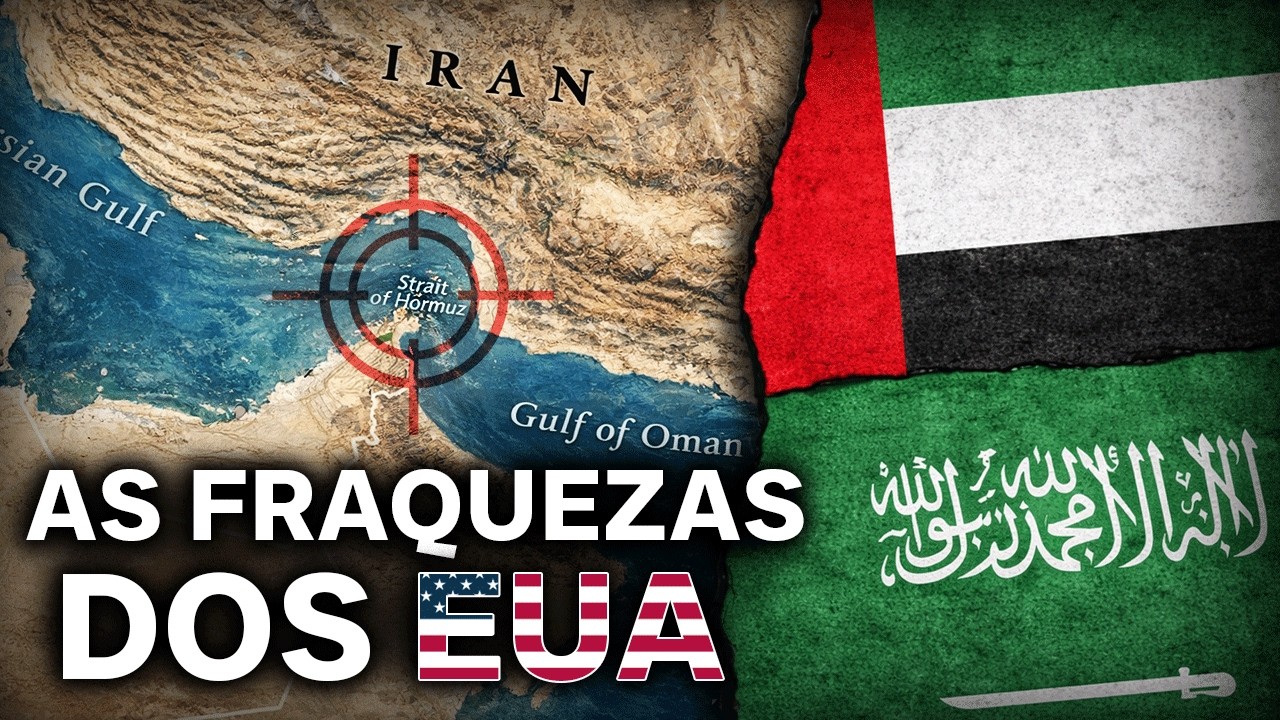
The broader impact of the rivalry on global energy security, oil markets, and the militarization of critical maritime choke points like the Strait of Hormuz.
18.2M views270.7Klikes10:19Original Release: 2017-07-17
The Middle East is one of the most complex regions in the world: Currently there are 4 failing states and 3 wars, with major powers increasingly taking opposite sides.
Countless armed militias and terrorist groups are spreading violence across borders.
The region has seen conflict after conflict going back well into the 20th century.
But among all the uprisings, civil wars, and insurgencies, two countries always seem to be involved: Saudi Arabia and Iran.
They’re bitter rivals, and their feud is the key to understanding conflicts in the Middle East.
The Saudis and Iranians have never actually declared war on each other.
Instead, they fight indirectly by supporting opposing sides in other countries and inciting conflicts.
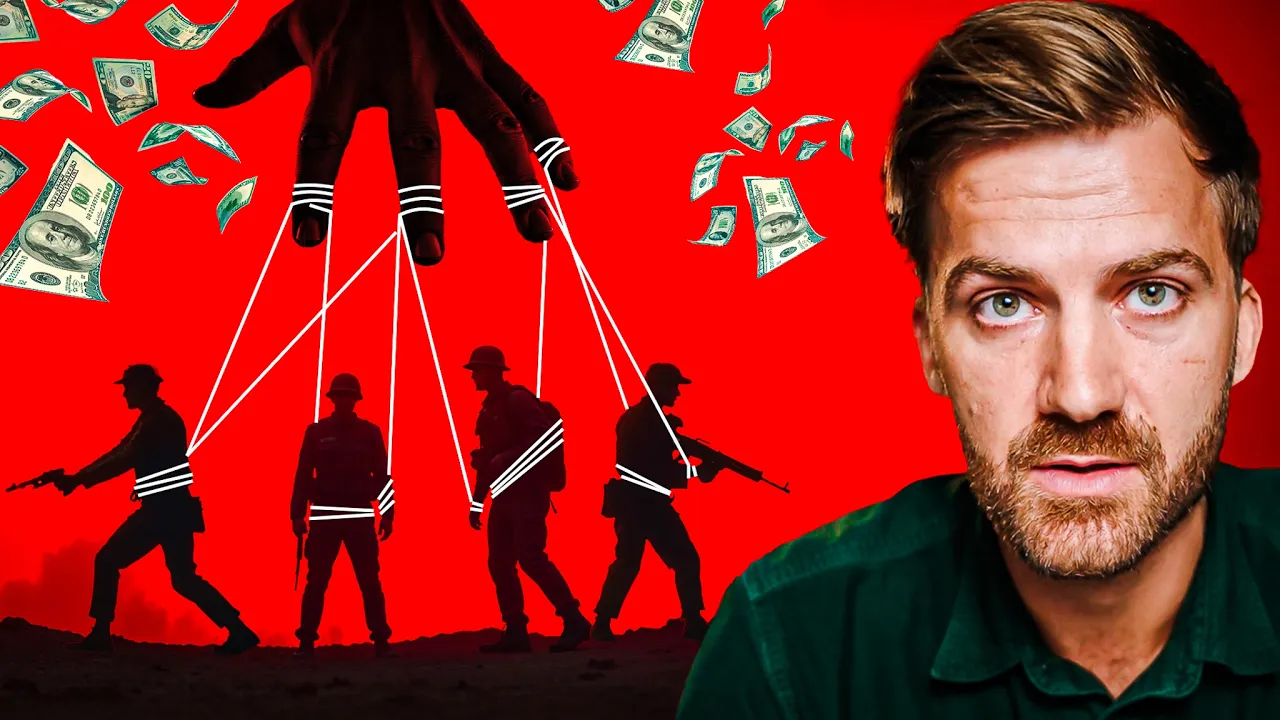
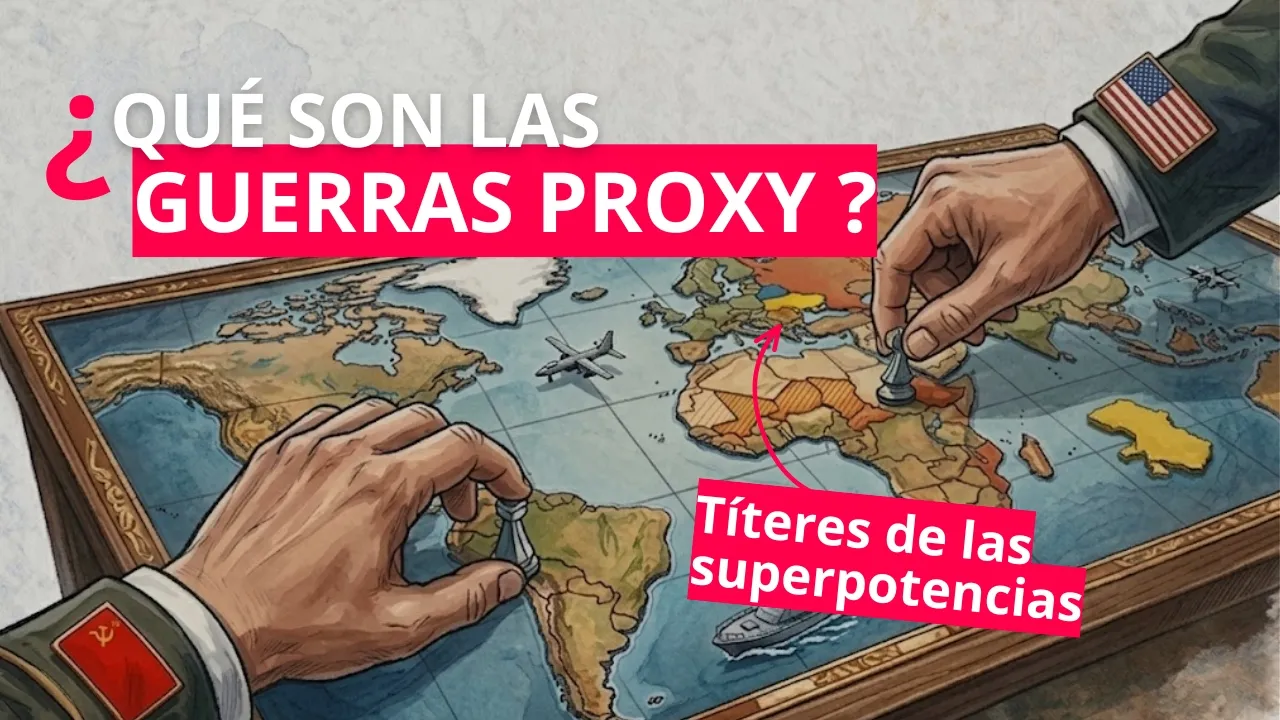
This is known as proxy warfare.
And it’s had a devastating effect on the region.
Countries, especially poor ones, can’t function if there are larger countries pulling strings within their borders.
Both the Saudis and the Iranians, see these civil wars as both tremendous threats, and also potentially enormous opportunities.
The Saudi-Iranian rivalry has become a fight over influence, and the whole region is a battlefield.
It’s why the rivalry is being called: a Cold War.
The most famous cold war was fought for 40 years between the United States and Soviet Union.
Looking forward to the day when their flag would fly over the entire world.
They never declared war on each other, but clashed in proxy wars around the world.
Each side supported dictators, rebel groups, and intervened in civil wars to contain the other.
Like the US and Soviet Union, Saudi Arabia and Iran are two powerful rivals - but instead of fighting for world dominance, they’re fighting over control of the Middle East.
In order to understand the Saudi-Iranian rivalry, let’s go back to the origins of each country.
In the early 1900s, the Arabian peninsula was a patchwork of tribes under the control of the Ottoman Empire.
After World War I, the empire collapsed, leaving these tribes to fight each other for power.
One tribe from the interior, the al-Saud, eventually conquered most of the peninsula.
In 1932, they were recognized as the Kingdom of Saudi Arabia.
6 years later, massive oil reserves were discovered in Saudi Arabia, and, in an instant, the Saudi monarchy was rich.
That oil money built roads and cities all around the desert country - and it helped forge an alliance with the US.
On the eastern side of the Persian Gulf, another country was emerging, but having a much harder time.
Iran also had massive oil reserves and an even bigger Muslim population.
But constant foreign intervention was creating chaos.
Since the 18th century, Iran had been invaded by the Russians and British twice.
In 1953, the US secretly staged a coup, removing the popular prime minister, Mohammed Mosaddegh.
In his place, they propped up a monarch, Reza Shah, who was aggressively reforming Iran into a secular, westernized country.
But he harbored corruption and terrorized the population with his secret police, the Savak.
By the 1970s, both Saudi Arabia and Iran had oil-based economies and had governments heavily backed by the US, but the feelings among each population were very different: Ultimately at the end of the day, the Shah of Iran, powerful as he was, simply did not have the same control over his people or ultimately the same legitimacy and affection that the Saudi people felt towards their monarchy at that point in time.
That’s because Iran’s Muslims felt stifled by the Shah’s reformations and by the end of the decade, they finally fought back.
Iran's Islamic revolution overthrew a powerful regime, that boasted military might.
It’s really in 1979, when Ayatollah Khomeini and the Islamic revolution overthrow the Shah, that the real tension between Saudi Arabia and Iran begins.
Ayatollah Khomeini was a Muslim clergyman, who preached against Western-backed secular monarchies.
He advocated for a government that popular, Islamic, and led by the clergy.
And In 1979, he led a revolution to establish just that.
It was a massive international event that prompted reactions around the world especially in Saudi Arabia.
The Iranian Revolution terrified the government of Saudi Arabia.
They were fearful that Ayatollah Khomeini would inspire their populations to rise up against them, exactly the way he had caused the Iranian population to rise up against the Shah.
There was a religious threat too.
Up until now, the Saudis had claimed to be the leaders of the Muslim world.
Largely because Islam’s two holiest sites, Mecca and Medina are in Saudi Arabia.
But Khomeini claimed his popular revolution made Iran the legitimate Muslim state.
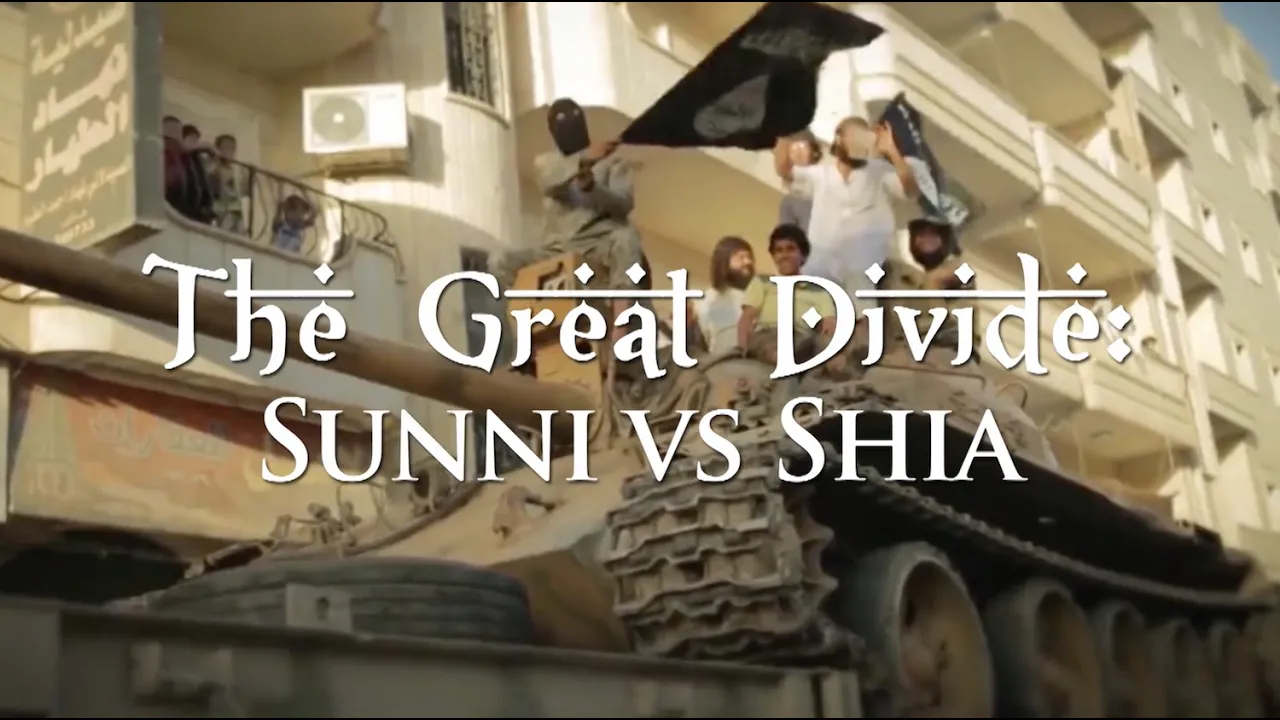
There was another divide; Saudi Arabia’s population is mostly Sunni, the majority sect of Islam, while Khomeini and Iran are mostly Shia.
Westerners always make a mistake by drawing an analogy between the Sunni-Shia split and the Protestant-Catholic split within Christianity.
The Sunni-Shia split was never as violent.
And in much of the Islamic world, when Sunnis and Shia were living in close proximity, they got along famously well.
So, while the Sunni-Shia split was not a reason for the rivalry, it was an important division.
After the revolution, the Saudi’s fears came to life when Iran began “exporting its revolution”.
This CIA report from 1980 details how the Iranian started helping groups, mostly Shia, trying to overthrow governments in Iraq, Afghanistan, and Saudi Arabia.
And they prompted the Saudis to redouble their efforts, to fight against Iran.
They bolstered their alliance with the US and formed the GCC, an alliance with other gulf monarchies.
The stage was set for conflict.
War in the gulf. Iraq invaded Iran in seven areas.
With a 5:1 superiority, Iraqi forces moved quickly The rise of Iran as a regional power threatened other neighboring countries as well.
In September 1980, Iraq, under the rule of dictator Saddam Hussein, invaded Iran.
He was hoping to stop the Iranian revolution, gain power, and annex some of Iran’s oil reserves.
But they didn’t get far.
The war bogged down into stalemate complete with trench warfare, chemical weapons and heavy civilian casualties.
When Iran started winning, the Saudis panicked, and came to Iraq’s rescue.
They provided money, weapons, and logistical help.
So it becomes critical to the Saudis that they build up Iraq, and build it up into a wall that can hold back the Iranian torrent that they have unleashed.
The Saudi help allowed Iraq to fight until 1988.
By then, nearly a million people had died.
Iranians largely blamed the Saudis for the war and the feud escalated.
Fast forward 15 years and Iraq again became the scene of a proxy war.
In 2003 the US invaded Iraq and overthrew Saddam Hussein.
Neither Saudi Arabia or Iran wanted this to happen, since Iraq had been acting as a buffer between them.
But problems arose when the US struggled to replace Saddam.
The United States has no idea what it is doing in Iraq after 2003.
And it makes one mistake after another, that creates a security vacuum, and a failed state, and drives Iraq into all-out civil war.
Without a government, armed militias took control of Iraq, splintering the population.
Sunni and Shia militias suddenly sprang up all over the country.
Many were radical Islamist groups who saw an opportunity to gain power amidst the chaos.
These militias were readymade proxies for Saudi Arabia and Iran, and they both seized the opportunity to try and gain power.
The Saudis started sending money and weapons to the Sunni militias, and Iran; the Shia.
Iraq was suddenly a proxy war with Saudi Arabia and Iran supporting opposing sides.
That trend continued into the Arab Spring, a series of anti-monarchy, pro-democracy protests that swept through the Middle East in 2011.
This had very different consequences for Saudi Arabia and Iran: That is terrifying to the Saudis who are the ultimate status quo power.
They want the region stable, and they don't want anbody rising up and overthrowing a sclerotic, autocratic government, for fear that it might inspire their own people to do the same.
The Iranians are the ultimate anti-status quo power, they have been trying for decades to overturn the regional order.
Each country threw their weight behind different groups, all over the Middle East.
Just like in Iraq, the Saudis began supporting Sunni groups and governments while Iran helps Shia groups rise up against them.
In Tunisia, the Saudi’s backed a dictator while the Iranians stoked protests.
In Bahrain, Iran supported Shia leaders seeking to overthrow the government.
Saudi Arabia, in turn, sent troops to help quash the unrest.
Both got involved in Libya, Lebanon and Morocco As Saudi Arabia and Iran put more and more pressure on these countries… they began to collapse.
Now the feud has gone a step further, with both countries deploying their own militaries.
In Yemen, the Saudi military is on the ground helping the central government.
They are fighting the rebels, called the Houthis, who are an Iranian proxy group.
The reverse is happening in Syria. The Iranian military is fighting side by side with militias, some of them extremists groups like Hezbollah, in support of dictator Bashar al-Assad.
They are fighting rebel Sunni groups, who are Saudi proxies.
The more civil wars that broke out in the Middle East, the more Saudi Arabia and Iran became involved.
Neither the government of Saudi Arabia nor the government of Iran are looking for a fight.
But the problem is these civil wars create circumstances that no one could have predicted.
Both the Iranians and the Saudis feel that their vital national interests, are threatened, are in jeopardy, because of different things happening in these civil wars, things they blame each other for.
Now the cold war is drawing in other countries.
The Saudi government is threatening Qatar, a tiny Gulf state that was developing ties with Iran.
Meanwhile in Syria and Iraq, the terrorist group, ISIS is nearing defeat and both the Saudis and Iranians are angling to take control of that territory.
It’s a Cold war that's becoming incredibly unpredictable.
As the Middle East continues to destabilize, its hard to say how far these countries will go.
Up Next
14:10
Iran's Proxy Network and Axis of Resistance Explained
@mandatoryfunday
38.8K views•2026-03-09

24:30
BRICS Pay and de-dollarization: A New Financial Order Emerges? | 55 chars
@DannyHaiphongYT
164.6K views•2024-10-22
4:38
How the Interstate Highway System Devastated US Cities
@Vox
3.8M views•2016-05-11
6:47
Single Transferable Vote Explained: Fair Multi-Winner Elections
@CGPGrey
7.2M views•2014-10-22
Related Study Plans & Knowledge Roadmaps
Structured learning paths in Political Science
political-science
Economic Statecraft: Sanctions & Chokepoints
01Foundations of Geoeconomics and Economic Statecraft
02The Mechanics of Weaponized Interdependence
03International Sanctions: Types, Implementation, and Efficacy
+ 2 more learning modules
12h5 modules
Explore Roadmap
political-science
Central Bank Independence: Politics & Policy
01Foundations of Central Banking and Monetary Policy
02The Time Inconsistency Problem & Inflation Bias
03The Delegation Model and Designing Independence
+ 2 more learning modules
12h5 modules
Explore Roadmap
political-science
Consociationalism: Power-Sharing & Stability
01Democratic Dilemmas in Divided Societies
02Introduction to Consociational Democracy
03The Four Pillars of Consociational Design
+ 2 more learning modules
12h5 modules
Explore Roadmap
political-science
Rebel Governance: Legitimacy, Economy & State
01Foundations of Rebel Governance and Statehood
02Establishing Political Legitimacy and the Rebel Social Contract
03Wartime Economies and Rebel Resource Management
+ 2 more learning modules
14h5 modules
Explore Roadmap