


![Демократия математически невозможна (но есть нюансы) [Veritasium]](https://i.ytimg.com/vi/Mf0XJMySTDI/maxresdefault.jpg)



![[삼각산고 2학년 정치와 법] 3-2-2) 선거 제도의 유형](https://i.ytimg.com/vi_webp/UxnKlHroi80/maxresdefault.webp)


![[이투스 사탐영역 양호승선생님] 2026학년도 3학년 9월 정치와법 해설강의](https://i.ytimg.com/vi/hOj_gKU91Eg/maxresdefault.jpg)


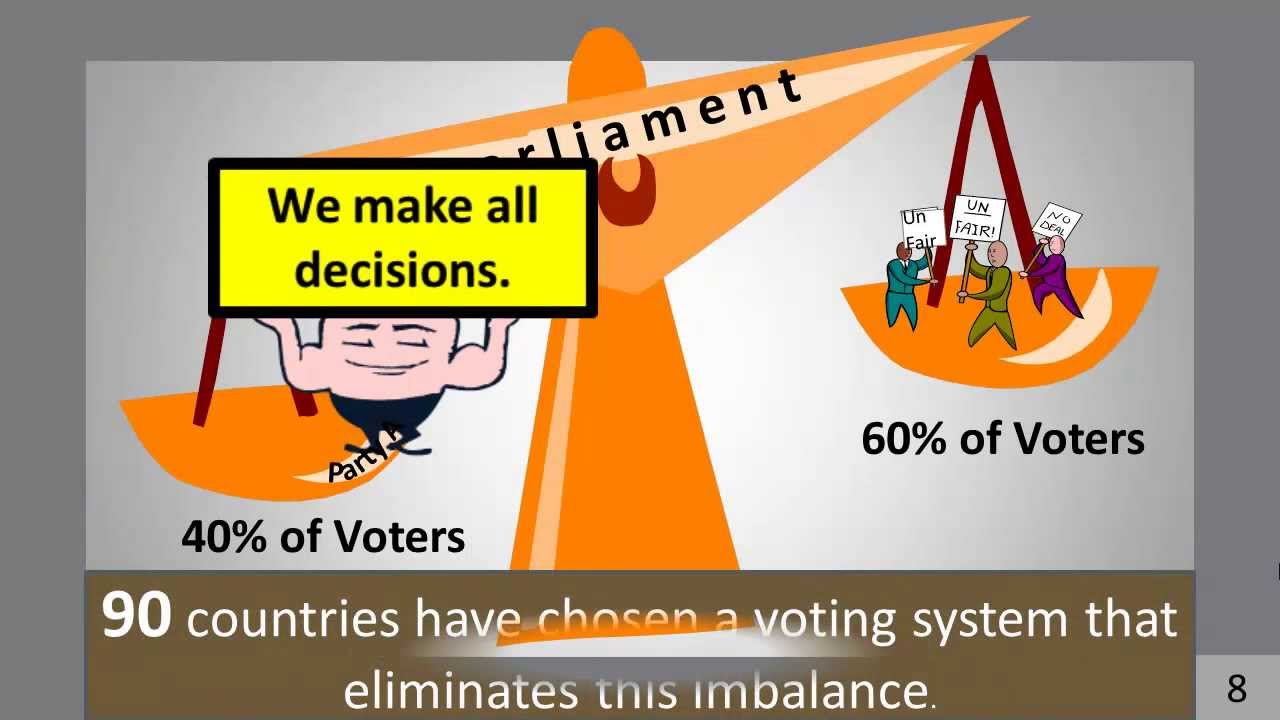



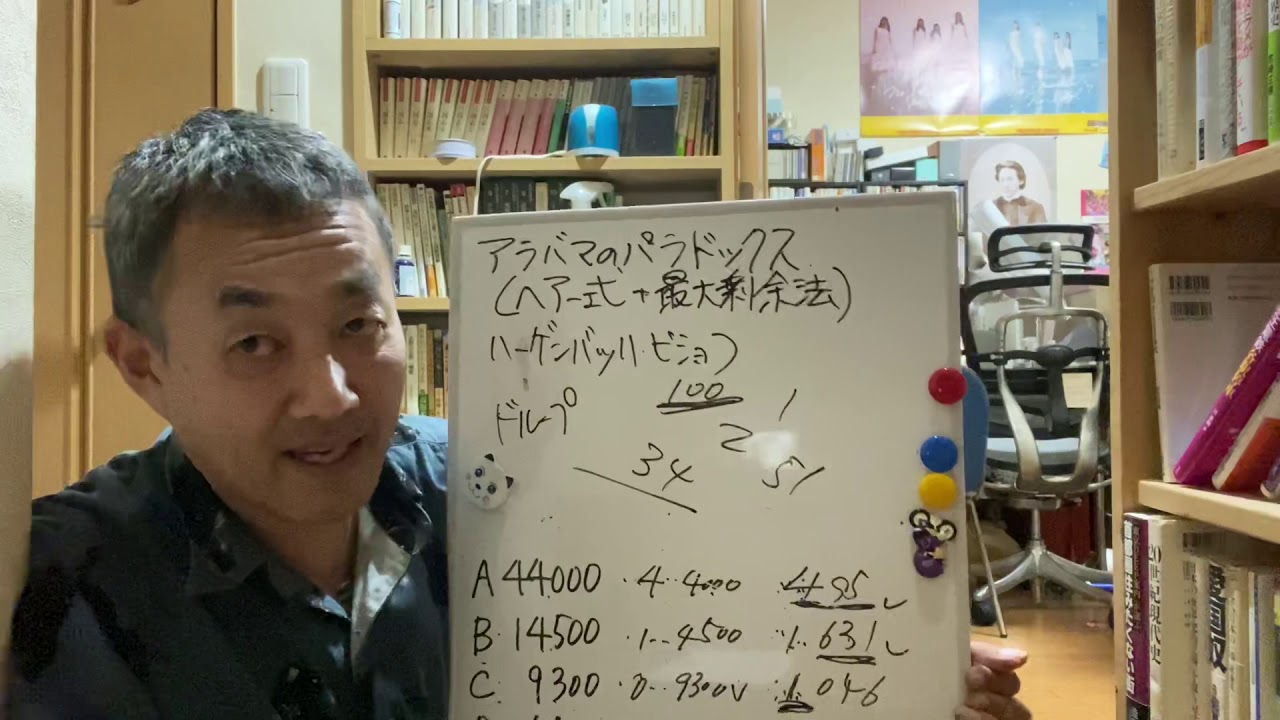


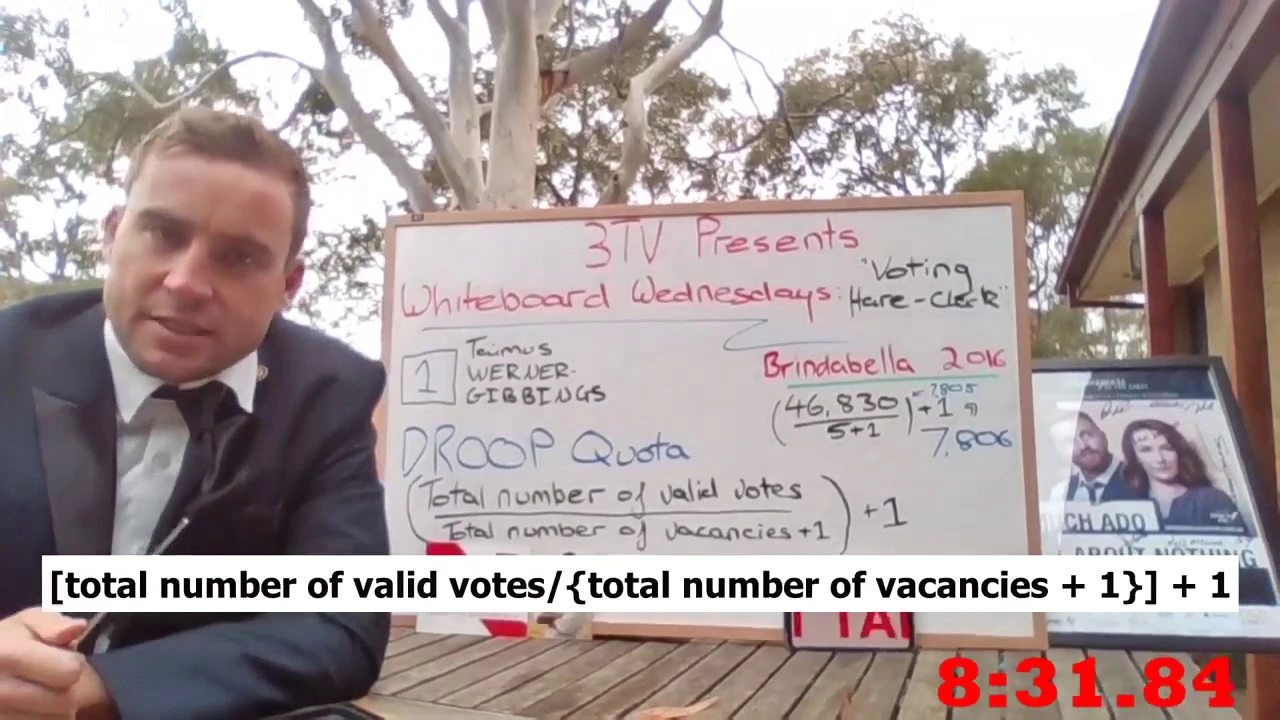



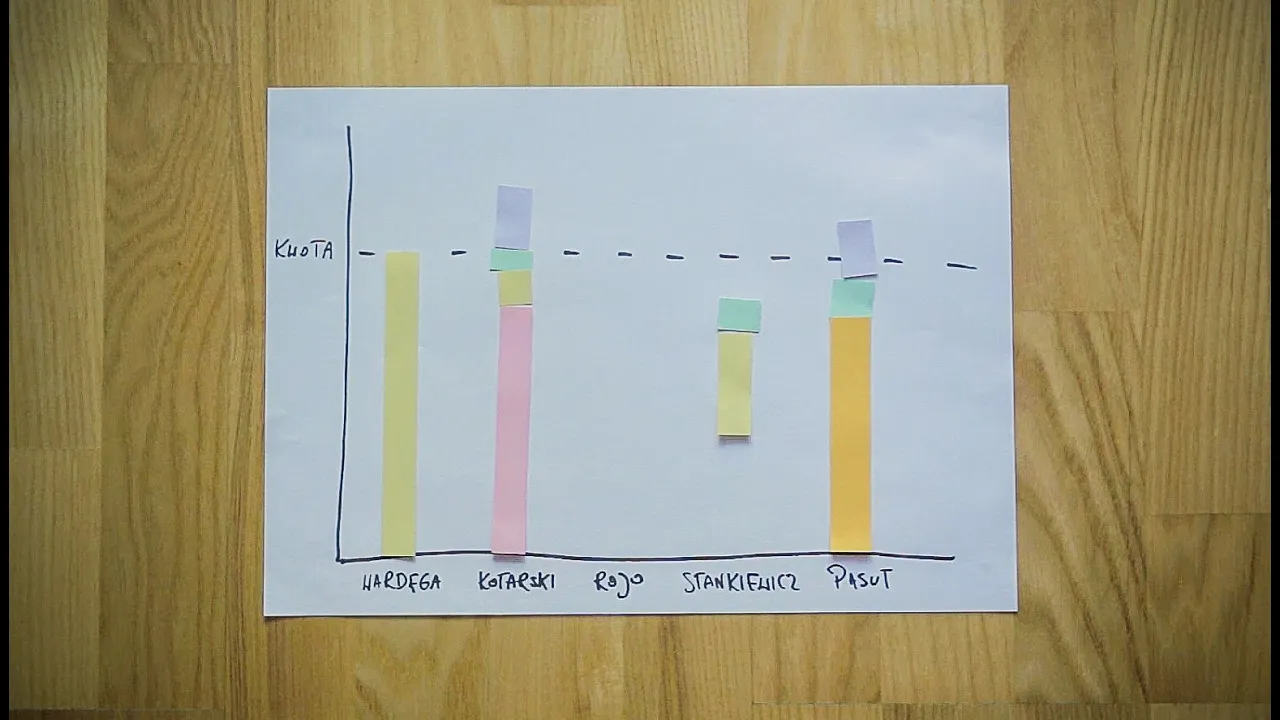





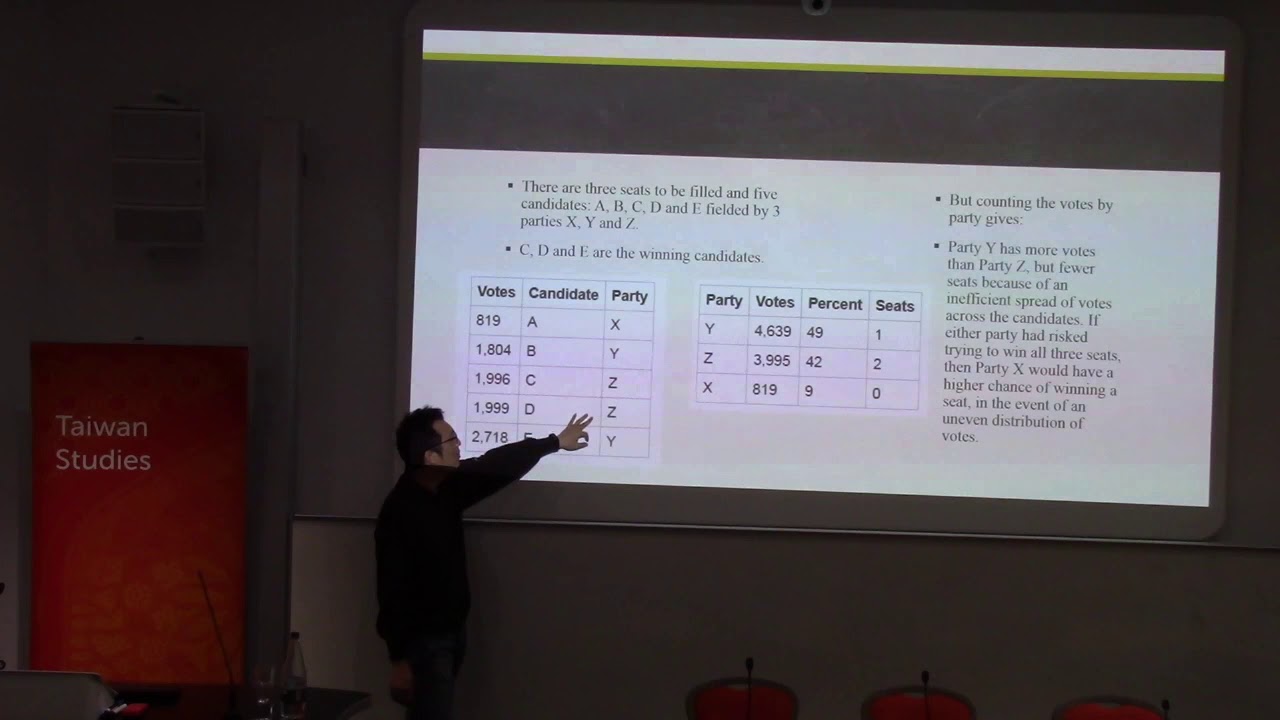

Single Transferable Vote (STV) is an electoral system that allows voters to rank candidates in order of preference, enabling proportional representation within multi-member constituencies while maintaining local representation; the system works by having voters rank their preferred candidates, then using a quota threshold (total votes divided by number of seats plus one) to determine winners, with surplus votes and eliminated candidates' votes being transferred to remaining choices, ensuring that almost all citizens have a local representative they actually voted for.
Single Transferable Vote Explained: Fair Multi-Winner Elections
Added:Understanding of Plurality Voting (First-Past-the-Post) and its inherent limitations, such as the spoiler effect and disproportionate outcomes.
The basic concept of Preferential or Ranked-Choice Voting (RCV), specifically how voters rank candidates in order of preference rather than choosing a single option.
The difference between single-member districts (where only one representative is elected) and multi-member districts (where multiple representatives represent a region).
The general principle of Proportional Representation (PR), which aims to ensure a political party's share of seats reflects its share of the popular vote.
Advanced quota mathematics in STV, specifically comparing the Droop quota and Hare quota calculation methods for seat allocation.
The mechanics of fractional surplus transfer, exploring how excess votes beyond the winning quota are mathematically redistributed to lower preferences.
Comparative electoral system analysis, examining the trade-offs between STV and other proportional systems like Mixed-Member Proportional (MMP) and Party-List systems.
Real-world case studies of STV implementation, such as national elections in Ireland and Malta, or local and state-level elections in the United States and Australia.
The strategic and behavioral implications of STV, including voter coalition-building, party nomination strategies, and the impact on candidate campaigning.
7.2M views179.6Klikes6:47Original Release: 2014-10-22
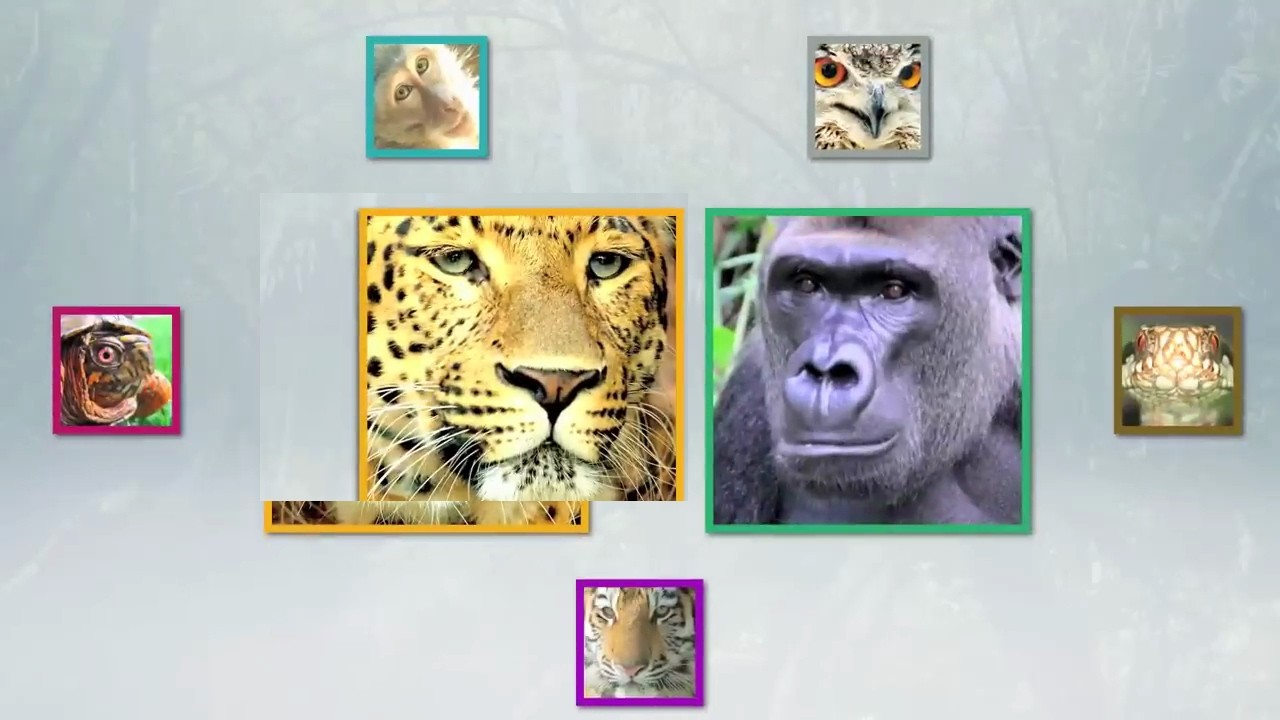
Queen Lion is looking to make the elections in her animal kingdom more fair.
Currently she divides her citizens into ranges each of which selects one representative to go to the jungle council which makes laws for the kingdom.
But her citizens are unhappy, and it's easy to see why: the council is full of monkeys.
Of course some of her citizens are monkeys, but not all of them.
This council doesn't fairly represent her kingdom.
Queen lion visits one of the ranges to find out what's wrong and how to fix it.
In this range there five monkeys, four tigers, three owls, two lynx and one buffalo.
One of each runs for representative and all citizens vote for their own species.
The election rule is that the candidate with the most votes wins, which is the monkey.
But it's a pretty unsatisfying result considering that 2/3rds of citizens in this range *aren't* monkeys and wouldn't vote for monkeys.
This is the same across all the ranges of the kingdom, the monkeys have more votes than anybody else, so they win all the elections, even though they are a minority of the total population.
Closer inspection reveals that the independent advisors hired to draw the range boundaries in the first place weren't as independent as they first appeared.
The result is unhappy citizens who don't trust the jungle council to make the fairest laws for all, quite rightly.
Now Queen lion wants to maximize the number of citizens happy with the election results.
One way to do that is to abolish the ranges and use a proportional system......But her citizens *want* local representatives.
So Queen lion needs a system that both make her citizens happier by having a more representative council while keeping local elections in place.
After doing a little research she finds out how: Single Transferable Vote.
The big change with STV is that ranges send more than one representative, which may seem weird, but queen lion decides to test it out: she takes three ranges which used to each send one representative and combines them into one bigger range that will send three.
On election day citizens go to the polls and the results in this new range are just the same as they were in the old ranges: 34% for Monkey, 33% for Owl and 33% for Lynx.
But this isn't most votes wins: with STV to figure out the winners take the total votes and divide by the number of representatives needed, in this case 3 which gives 33% as the amount a candidates needs to win.
So *all three* candidates go to the council -- which accurately represents the citizens in the range.
Whereas under the old system each range would have sent a monkey.
Leaving 2/3rd of the citizens without representation.
A bigger range with more representatives allows the range to be more proportional.
This test turned out well, but it was also as simple as could be -- now Queen Lion wants to see what happens in a race where not everyone is a winner.
The next big range she tests has five candidates running for office: Gorilla, Tasier, Monkey, Tiger, and Lynx, three of which can be representatives.
Election day comes and goes, and here are the results of citizens first choices: Tasier gets 5% Gorilla gets 28% Monkey gets 33% Tiger gets 21% Lynx gets 13% As before, a candidate needs 33% to win.
Monkey has that as so is immediately selected as one of the three representatives.
But no one else reached the winning 33% so how are the other two representatives selected?
Step one: get rid of the biggest loser.
Sorry tasier -- you really had no chance at all.
Now, when the citizens voted, they could have just put an X next to the candidate they liked most but with STV they can also rank their favorite candidates.
This is important because it shows how the election would have turned out if one of the candidates hadn't run.
Tiny and Worried Tasiers would have voted for the big calm gorilla without tasier in the race.
So if their candidate can't win, they want their votes to go to Gorilla instead.
This pushes gorilla up to 33% and he become the next representative.
Ranking allows citizens to support their favorite candidate without worry -- there's no point in strategizing about how everyone else is going to vote.
The system works to maximize voter happiness with the result.
Back to the range: there's still one representative to select, so the next biggest loser is Lynx.
His voters don't like simians, but they do think tiger's interests are similar to theirs and so if Lynx can't win they want him to have their votes.
Tiger gets reaches 33% and becomes the third and final representative.
The election result looks pretty good especially considering citizens first *and* second choices.
Now more citizens have a local representative they can feel comfortable approaching, whereas using the old system, everybody gets a monkey.
Lastly queen lion wants know what happens in a range with just two political parties.
Under the most-votes-wins systems, multiple candidates from the same party would be a disaster: they'd split their voters and hand the win to their opposition.
Queen lion makes one last test range with 2/3rd tigers and 1/3 gorillas that as before, needs three representatives.
Because with STV citizens rank their candidates there can be more than one candidate running at the same time without any problems.
The tigers run two candidates as do the gorillas.
White tiger becomes the first representative, but what happens next?
While tiger seems to be the biggest loser, it's also obvious that he would have gotten way more votes if white tiger wasn't in the race.
If a candidate has more votes than they need, like white tiger does, the first step is to give the extra votes to their second choice.
This gets tiger to 33% and he becomes the next representative.
If that seems strange, there are two things to consider: 1) If instead the extra votes were ignored, and tiger eliminated then the gorillas would get the remaining two wins, which would obviously not be represent the range.
2) Ignoring these 'extra' votes is punishing citizens who backed the popular candidate, which makes voters start thinking about how everyone else will vote, rather than what they really want.
If a candidate gets extra votes in the first place it also means that those who voted for him are a big section of the population and thus fairly should get more representation.
Right: after the extra votes go to tiger, the election finishes as before: Silverback came in last, is eliminated and his voters' second choice is the younger candidate so gorilla gets in.
And the results are fair.
Queen Lion has now seen STV work.
Whether a range has one party or lots the process is still the same: 1.
Citizens rank their favorite candidates.
2.
Any candidate above the threshold wins immediately, 3.
'Extra' votes go to their next choice.
4.
If no winner, last place is eliminated, and the votes to go their next choice.
5.
Repeat until all the winners are found.
This whole this process is designed to maximize the number of citizens who are happy with the result.
This process gives STV has many advantages over the old, most-votes-wins system: 1.
Citizens can honestly vote for their favorite candidate without worrying about what everyone else is going to do.
2.
It's more proportional.
So monkeying with the borders matters less.
3.
Almost all citizens will have a local representative they actually voted for.
In the end Queen lion decides to switch the council's elections to Single Transferable Vote to make a better jungle council for all.
Up Next
6:08
Mixed Member Proportional Voting System Explained | Electoral Reform Canada
@FairVoteCanada
31.2K views•2015-05-11

24:30
BRICS Pay and de-dollarization: A New Financial Order Emerges? | 55 chars
@DannyHaiphongYT
164.6K views•2024-10-22
7:33
Government Surveillance Methods: 10 Ways You May Be Watched
@BeAmazed
1.6M views•2017-04-09
10:19
Explaining the Saudi-Iranian Proxy Conflict in the Middle East
@Vox
18.2M views•2017-07-17
Related Study Plans & Knowledge Roadmaps
Structured learning paths in Political Science
political-science
Economic Statecraft: Sanctions & Chokepoints
01Foundations of Geoeconomics and Economic Statecraft
02The Mechanics of Weaponized Interdependence
03International Sanctions: Types, Implementation, and Efficacy
+ 2 more learning modules
12h5 modules
Explore Roadmap
political-science
Central Bank Independence: Politics & Policy
01Foundations of Central Banking and Monetary Policy
02The Time Inconsistency Problem & Inflation Bias
03The Delegation Model and Designing Independence
+ 2 more learning modules
12h5 modules
Explore Roadmap
political-science
Consociationalism: Power-Sharing & Stability
01Democratic Dilemmas in Divided Societies
02Introduction to Consociational Democracy
03The Four Pillars of Consociational Design
+ 2 more learning modules
12h5 modules
Explore Roadmap
political-science
Rebel Governance: Legitimacy, Economy & State
01Foundations of Rebel Governance and Statehood
02Establishing Political Legitimacy and the Rebel Social Contract
03Wartime Economies and Rebel Resource Management
+ 2 more learning modules
14h5 modules
Explore Roadmap