




















![[CS161 FA25] Lectures 1-2: Security Principles, x86 Assembly](https://i.ytimg.com/vi/2IluqgnUdI4/maxresdefault.jpg)



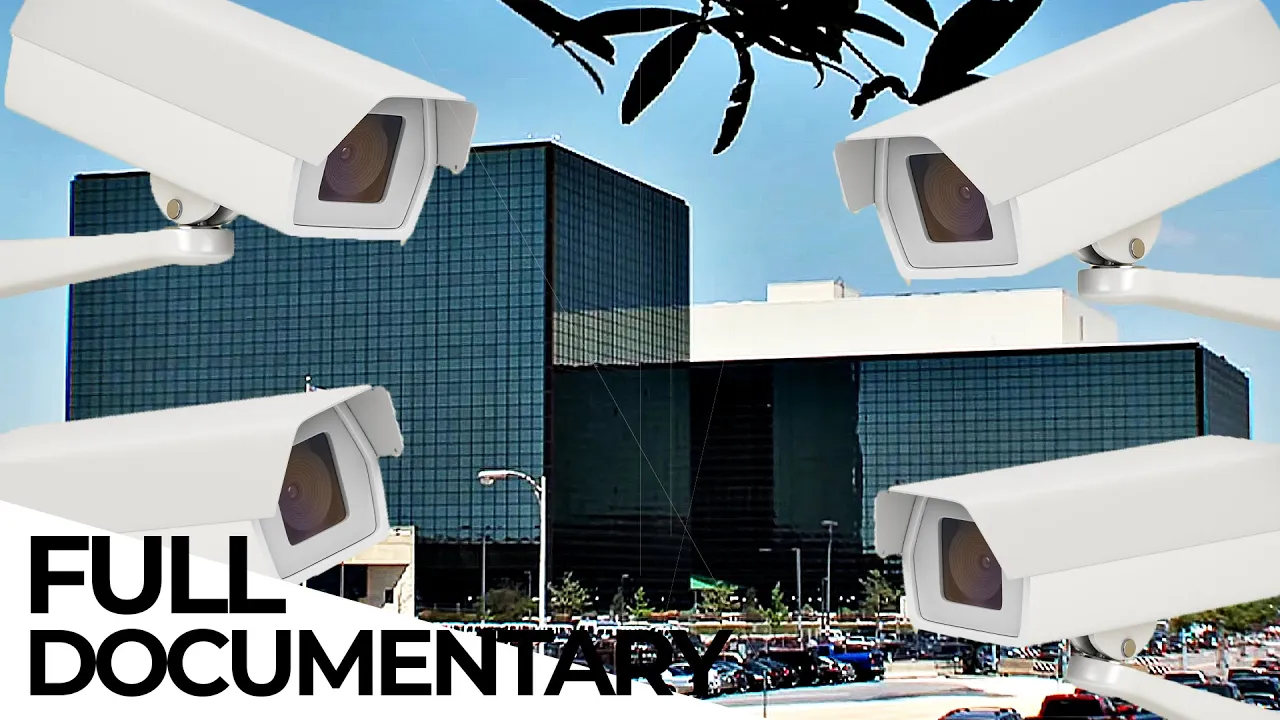
Modern government surveillance extends far beyond traditional methods, utilizing everyday technology such as credit card transactions, loyalty cards, smart appliances, drones, social media, and connected devices to monitor citizens' activities, locations, and conversations, often through backdoor vulnerabilities, facial recognition systems, and data collection programs like PRISM.
Government Surveillance Methods: 10 Ways You May Be Watched
Added:Understanding the concept of a digital footprint and how daily electronic transactions generate interceptable data trails.
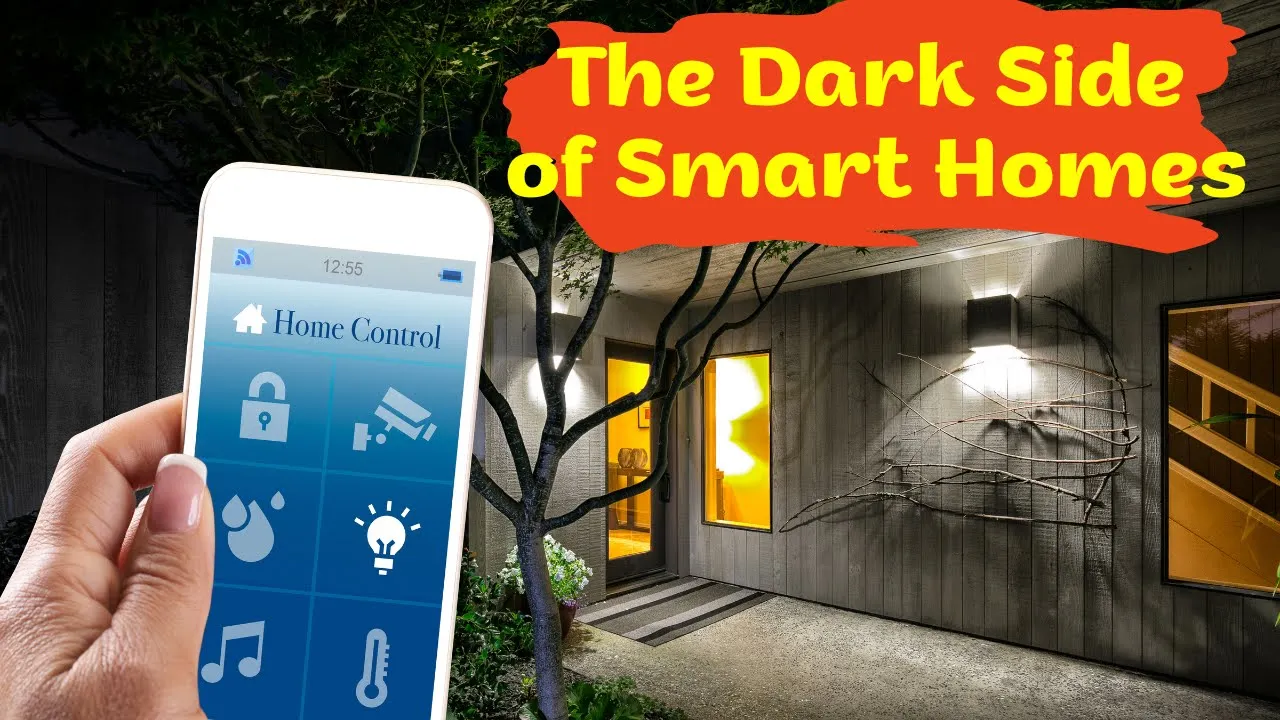
Basic knowledge of the Internet of Things (IoT) and how smart home devices transmit data over the internet.
Familiarity with the fundamental tension between national security interests and individual civil liberties/constitutional privacy rights.
An awareness of how private corporations collect and store consumer data, which can subsequently be accessed by or shared with law enforcement.
Exploring advanced privacy-enhancing technologies (PETs) such as end-to-end encryption, decentralized networks, and virtual private networks (VPNs).
Analyzing key legislative frameworks and intelligence agency programs that govern state surveillance, such as FISA, the USA PATRIOT Act, and PRISM.
Studying the sociological and philosophical implications of the 'surveillance state', including Jeremy Bentham's Panopticon and Shoshana Zuboff's theory of surveillance capitalism.
Learning the principles of personal threat modeling to systematically evaluate and mitigate individual digital privacy vulnerabilities.
1.6M views18.8Klikes7:33Original Release: 2017-04-09
fears about the government spying on us used to be limited to dystopian novels the future but today thanks to technology The Government Can spy on you in ways you may not have thought of did you know it can listen in on your conversations through your toaster or identify you through a street camera and your driver's license photo prepare to be amazed at these 10 ways you're being watched by the government amazing number 10 credit cards if you're one of those people who rarely carries cash and enjoys the freedom of using your credit or debit card for everything just keep in mind the government could be using it to track you the nsa's financial database trackin has hundreds of millions of records and more than 3/4 of them are from credit card data because credit card transactions are location specific the NSA could use it to track your location if they took an interest in you critics of the organization point out the NSA often hoardes massive amounts of data much of which has nothing to do with their person of interest if you want to go off the grid you may have to resort to carrying those old paper bills number nine store Loyalty cards your store loyalty or rewards cards can also get you into trouble as the government might pressure the store for info if they were ever investigating you in one instance Safeway used customer rewards data to provide police the name of a man who had purchased a fire starting unit the cops who were investigating an arson ended up arresting the loyal customer then dropping the charges after discovering the poor guy was innocent in another situation the DEA subpoena store records to find customers who bought large amounts of plastic bags which were frequently used in drug transactions as if that's not bad enough the British government is considering using Customer Loyalty records to Target people who buy too much junk food with ads for healthy lifestyle products number eight insecure firewalls if you have a secure firewall you may think you're Rel ly safe from hackers including those at the NSA but it turns out the NSA has pressured manufacturers of security devices including routers and other networking equipment to leave certain backdoor vulnerabilities these are known to the NSA and exploited anytime they take an interest in a person because the back door is built in you're unlikely to know if anyone accessed your network that's a sick burn from your firewall number seven don't trust your fridge or toaster you may have purchased an Internet connected fridge or other appliance that claims to help you by keeping track of items letting you know if you're running low on milk Etc but if the government decides you're suspicious they can use that same fridge and the items within to spy on you through radio frequency identification sensor networks and energy Harvesters if you value your privacy you may want to give the new connected fridges the cold shoulder in favor of the old-fashioned kind number six drones your own devices aren't the only tools at Uncle Sam's disposal when they want to spy on you drones fly overhead and collect data frequently and there's no way to know if one has spied on you this type of surveillance started with the border patrol along the American Mexican border and at first it was limited to that area but the Pentagon admits to developing drones across US Territory for non-military Missions although it claims these flights are rare and lawful the DEA and ATF also use drones and there's no way to know who owns a drone when it zips overhead all you can do is make sure your hair looks good before you leave the house number five instant messaging smartphones and social media if you think changing your privacy settings on social media can protect you from the prying eyes of the government you may be wrong many government agencies lurk on social media ostensibly to protect us from crime and can also monitor phone calls and track your location using your phone's GPS even turning off the phone may not prevent this the government also collects metadata on phone calls including who called who and time and length of calls they claim not to be interested in average usage of phones and social media but the Department of Homeland Security admits it pays attention to keywords like attacks Terror or security this seems a bit broad especially if you consider many people having conversations about things in the news like say Terror attacks or you might just be asking friends to recommend a good sec security company the government also has some weird interests following words like cloud and pork no word on how much money this program is costing taxpayers but it sounds like a real pork barrel number four prism in addition to worrying about the back door on your firewall you should also worry about a program called prism a cloak and dagger internet spying program pet of the NSA they use it to collect metadata from companies like Google and apple in bulk this may include everything from Skype calls to Gchat logs again the government can't legally do this to its own citizens but it can do it if it believes it is monitoring potentially valuable foreign information routed through US servers this only requires an analyst to be 51% sure the surveyed person is outside the US some critics of the program are 100% sure that doesn't sit well with them number three cameras everywhere if you're heading anywhere outside of your home smile you're probably on camera cameras are everywhere from street corners to inside public buses many of them even have audio so if you have a conversation while riding the bus there's no telling who might be listening in worse government officials are working on facial recognition software that can pull up your identity using a photo from your driver's license or other state issued ID and any info it has on you as soon as it's identified you on a public camera say cheese number two Smart TVs you might think you're safe from government spies in your living room when you kick back and watch TV but if you have a smart TV it probably records all the conversations you have around it this info may be sold to companies that want to sell you things but Uncle Sam can also compel the TV manufacturer to turn it over if they have a subpoena just to be on the safe side it's best to avoid talking about sensitive Topics in front of your TV because there's no way to bleep out your conversations and if you try to Tinker with the TV to turn off the recording you could face felony charges under the digital Millennial Copyright Act it's almost enough to make you nostalgic for those clunky CRT monitors with the rabbit ears and snowy pictures number one your webcam just because your webcam isn't turned on doesn't mean the FBI can't switch it on without your knowledge and spy on you it sounds like something your neighbor with the tin foil over his windows would warn you about but it is a reality today with a subpoena the FBI can legally access your webcam without your knowledge while the NSA has a program called gumfish that can use your webcam to record video and audio if you really want to make sure the government isn't spying on you tape over the webcam when it's not in use and cover any built-in mics on your computer even Mark Zuckerberg of Facebook Fame has been photographed with his webcam covered do you think it is right that the government spies on us like this let us know in the comments below also if you like this video please subscribe to stay notified of future videos thanks for watching
Up Next
5:09
How Governments Shut Down the Internet: Mechanisms and Impacts Explained
@wsj
181.7K views•2020-02-27

24:30
BRICS Pay and de-dollarization: A New Financial Order Emerges? | 55 chars
@DannyHaiphongYT
164.6K views•2024-10-22
3:17
Identifying State-Run Troll Farms: Key Signs and Digital Forensics
@DWGlobalMediaForum
5.5K views•2022-03-28
10:19
Explaining the Saudi-Iranian Proxy Conflict in the Middle East
@Vox
18.2M views•2017-07-17
Related Study Plans & Knowledge Roadmaps
Structured learning paths in Political Science
political-science
Economic Statecraft: Sanctions & Chokepoints
01Foundations of Geoeconomics and Economic Statecraft
02The Mechanics of Weaponized Interdependence
03International Sanctions: Types, Implementation, and Efficacy
+ 2 more learning modules
12h5 modules
Explore Roadmap
political-science
Central Bank Independence: Politics & Policy
01Foundations of Central Banking and Monetary Policy
02The Time Inconsistency Problem & Inflation Bias
03The Delegation Model and Designing Independence
+ 2 more learning modules
12h5 modules
Explore Roadmap
political-science
Consociationalism: Power-Sharing & Stability
01Democratic Dilemmas in Divided Societies
02Introduction to Consociational Democracy
03The Four Pillars of Consociational Design
+ 2 more learning modules
12h5 modules
Explore Roadmap
political-science
Rebel Governance: Legitimacy, Economy & State
01Foundations of Rebel Governance and Statehood
02Establishing Political Legitimacy and the Rebel Social Contract
03Wartime Economies and Rebel Resource Management
+ 2 more learning modules
14h5 modules
Explore Roadmap