Fiscal Federalism: Power, Tax & Transfers
Learning Goal: Evaluate the political dynamics of fiscal federalism, analyzing how central governments leverage financial transfers, regulatory mandates, and tax authority to shape subnational policy and negotiate power-sharing agreements.
- Prerequisites: Basic understanding of macroeconomics, introductory political science, and constitutional structures.
- Estimated Total Study Time: 12 Hours
Module 1: Foundations of Federalism & Public Finance
Module Overview
This module establishes the foundational distinction between unitary and federal governance models. Students will explore how political systems allocate constitutional authority and how public finance frameworks justify government intervention to address market failures, redistribute resources, and stabilize regional economies.
Recommended Videos

Why this video
This comprehensive lecture from New York University sets the academic stage for the public economics underpinnings of federalism. It answers the fundamental questions of when and how governments should intervene in the economy, detailing the trade-offs between market efficiency and central redistribution.
- Knowledge Checkpoint:
- Explain the three core questions of public economics (when, how, and with what effect governments intervene).
- Distinguish between the redistributive and allocative functions of public finance.
- Identify how market externalities justify state intervention.
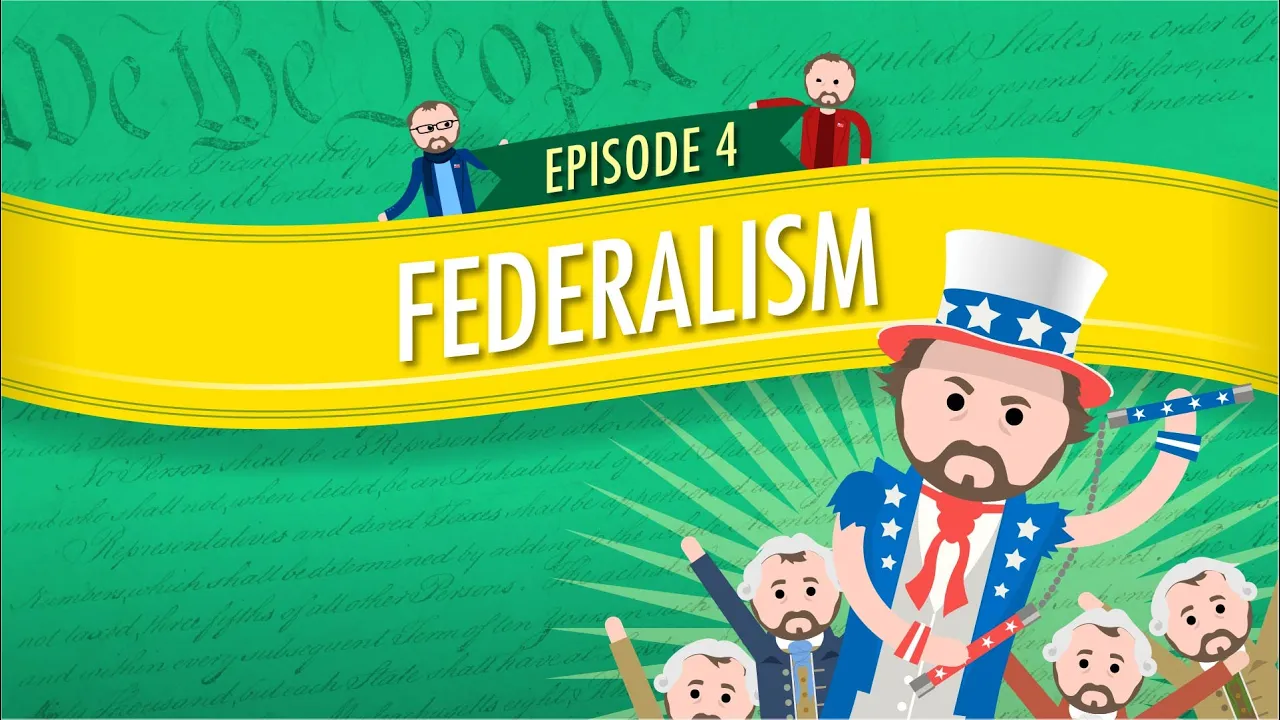
Why this video
This fast-paced video provides a concise conceptual architecture of US federalism, contrasting the division of powers between the national government and state governments. It serves as an accessible introduction to dual sovereignty.
- Knowledge Checkpoint:
- Define federalism as a division of sovereign power.
- Contrast the specific mandates of a national government (e.g., foreign policy, currency) with the broad responsibilities of subnational states.

Why this video
This video clearly contrasts federal systems with unitary structures, highlighting that unitary central governments retain constitutional authority to unilaterally alter or override local government decisions, whereas federations treat subnational units as co-equal sovereigns.
- Knowledge Checkpoint:
- Differentiate a federation from a unitary state based on the constitutional protection of subnational boundaries and powers.
- Identify the structural vulnerabilities of subnational policy autonomy in unitary states.
Module 2: Tax Authority and Fiscal Decentralization
Module Overview
This module shifts from political structures to the division of economic resources. Students will analyze "fiscal decentralization"—the transfer of revenue-raising authority and spending power to local entities—and investigate the "tax assignment problem" (how taxing powers are split between central and subnational jurisdictions).
Recommended Videos
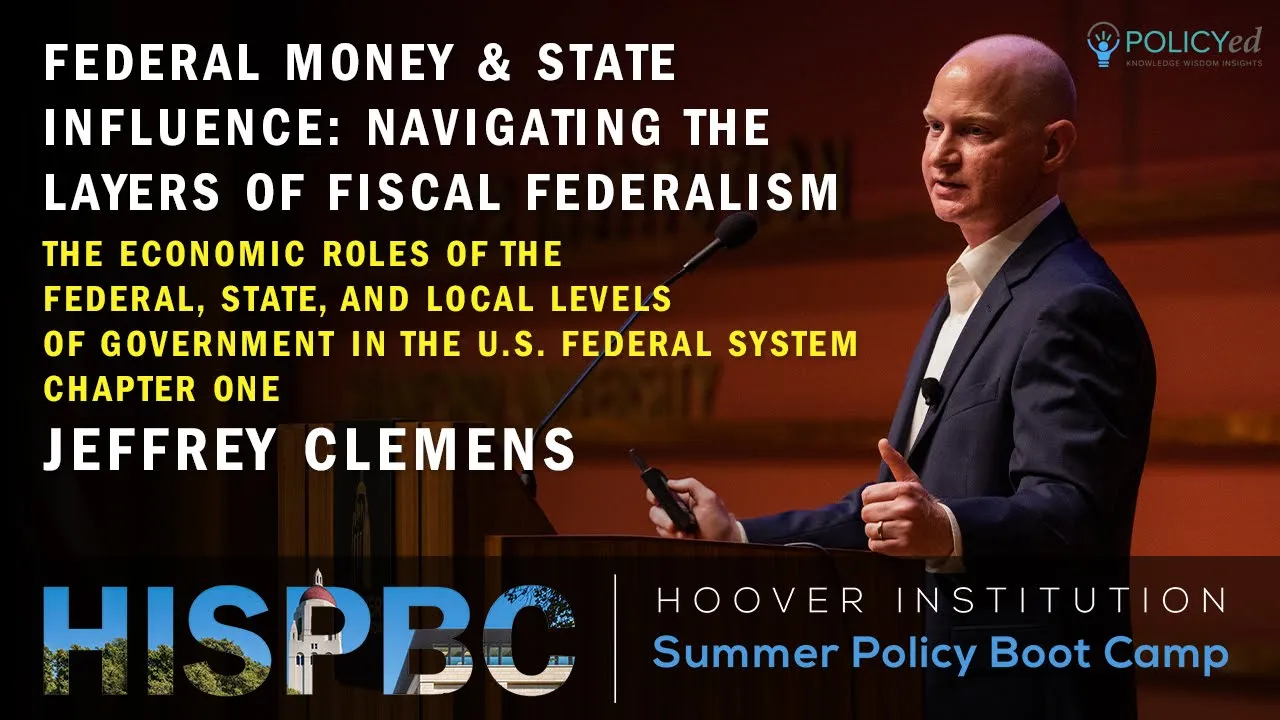
Why this video
In this scholarly interview, researcher Jeffrey Clemens provides an in-depth look at how federal funding interacts with state policy, describing the layers of fiscal federalism and the structural incentives created when tax collection is centralized while spending is decentralized.
- Knowledge Checkpoint:
- Explain how the layering of state and federal taxing powers influences state-level policy decisions.
- Outline how central funding shapes or compromises local regulatory autonomy.
- Contrast decentralized tax collection with centralized transfer structures.
Why this video
This explainer presents the economic logic of transferring financial decision-making power to subnational authorities. It outlines how giving local governments tax-raising and spending authority can lead to public services that better match local preferences.
- Knowledge Checkpoint:
- Define fiscal decentralization in terms of subnational revenue generation and expenditure autonomy.
- Describe the economic efficiency arguments in favor of local fiscal decision-making.

Why this video
Using India's complex tax architecture as a case study, this video explains how tax authority is split between central and subnational governments under a constitution. It illustrates how specific tax types (e.g., direct vs. indirect) are assigned to avoid dual taxation and coordinate public revenue.
- Knowledge Checkpoint:
- Analyze how a constitution can divide taxing powers (e.g., Union vs. State Lists) to manage overlapping tax jurisdictions.
- Explain how tax assignment affects a subnational government's budget independence.
⚠️ Module Coverage Gaps & Study Advice
- The Academic "Tax Assignment Problem": While the chosen videos introduce tax division, they lack the formal public economics models (such as those by Wallace Oates or Charles Tiebout) that outline which taxes—like mobile capital taxes vs. immobile property taxes—should ideally be assigned to each level of government.
- Recommended Independent Search: To address this gap, search for "Oates Decentralization Theorem lecture" or "Tiebout Sorting model public finance" on academic channels to understand the mathematical and theoretical models of optimal tax assignment.
Module 3: Intergovernmental Transfers: Grants and Incentives
Module Overview
Central governments often collect more tax revenue than they spend directly, creating a "vertical fiscal imbalance." To resolve this, they use intergovernmental transfers. This module analyzes the design of these transfers, contrasting restrictive categorical grants with flexible block grants, and investigating the political tensions surrounding regional equalization schemes.
Recommended Videos
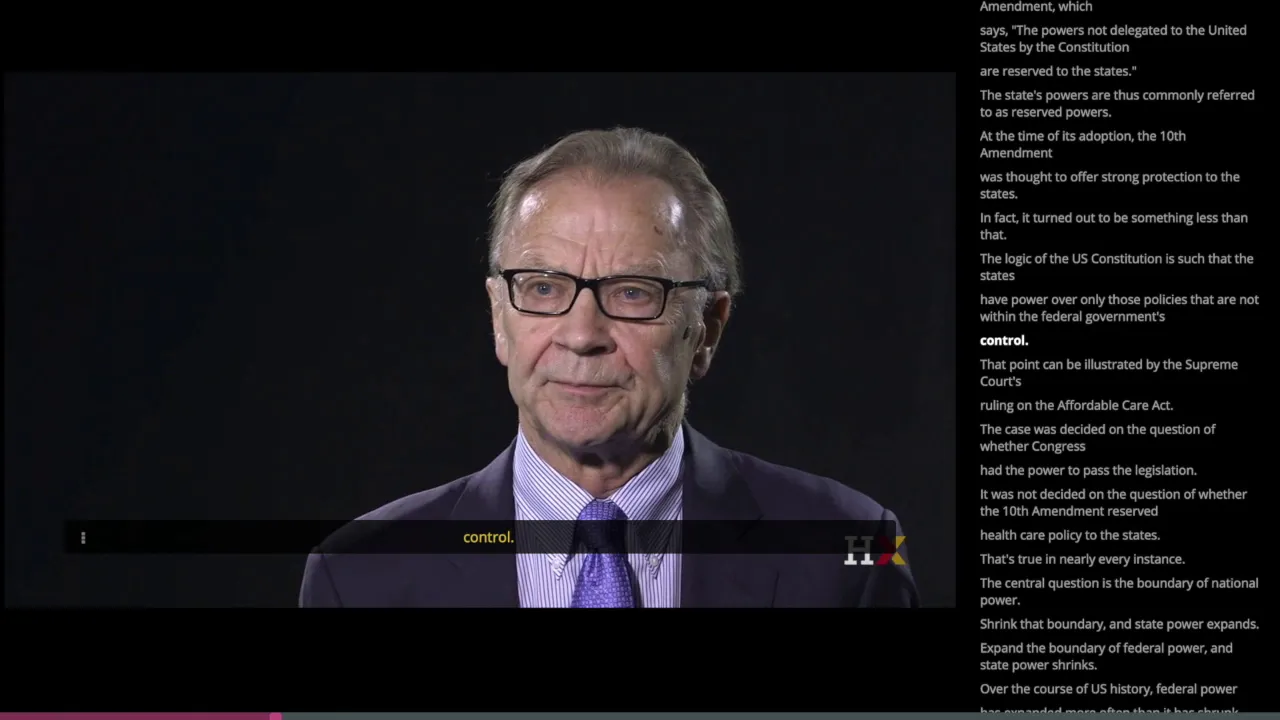
Why this video
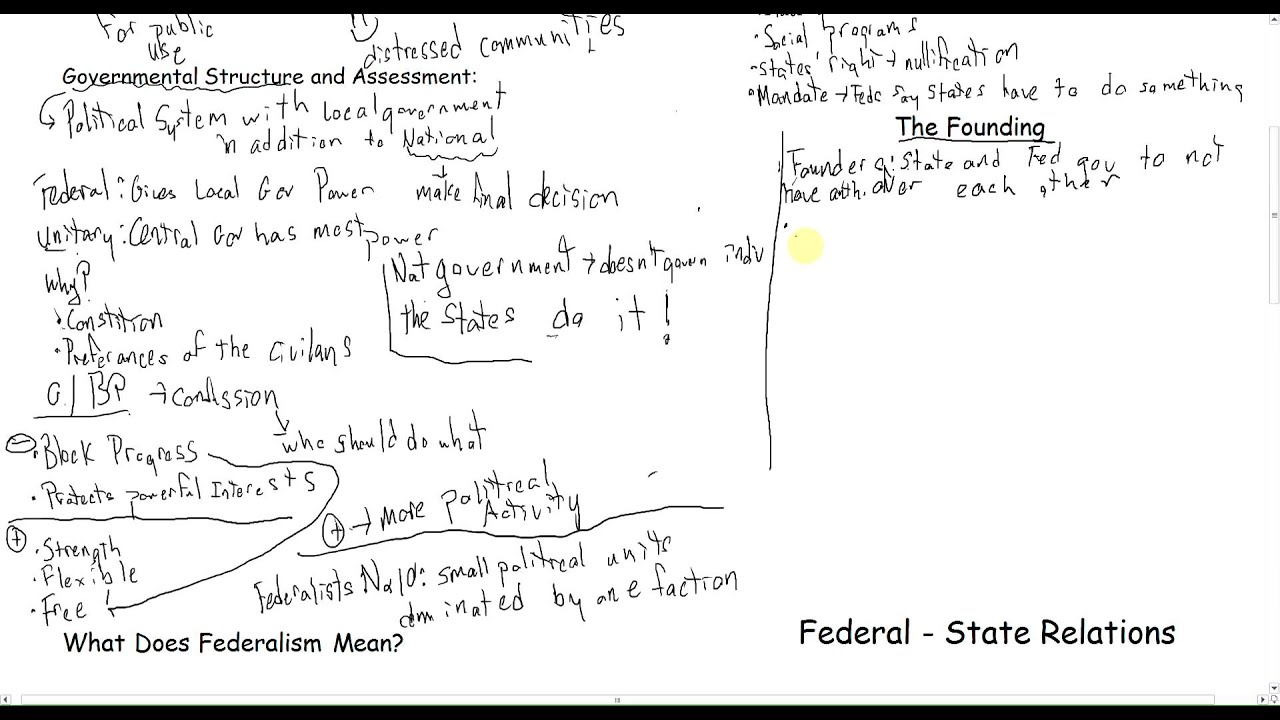
This lecture segment by Harvard Professor Thomas E. Patterson details the distinction between block grants and categorical grants. He explains how central governments use targeted categorical funding to guide local administration, and how the transition to block grants can grant states more policy flexibility.
- Knowledge Checkpoint:
- Define categorical grants and explain how they allow central governments to control subnational policy priorities.
- Define block grants and identify their administrative and political benefits for local officials.
- Contrast the policy-control objectives of central legislators with the flexibility goals of state administrators.
Why this video
This video provides a straightforward breakdown of how the federal government uses grants-in-aid to influence state laws, detailing how matching requirements are used to direct state-level spending.
- Knowledge Checkpoint:
- Explain how matching requirements in categorical grants leverage state-level funds for federal priorities.
- Describe how the federal government can use grant structures to encourage states to adopt specific policy changes.

Why this video
This video focuses on the political controversies surrounding equalization transfers in Canada, looking at the debate from the perspective of a resource-rich province. It highlights the friction that can arise when wealthy subnational regions subsidize public services in other areas through a central transfer system.
- Knowledge Checkpoint:
- Define fiscal equalization transfers and explain their primary equity goals.
- Analyze why equalization programs can create political tension between wealthy "donor" regions and receiving regions.
- Explain the concept of "horizontal fiscal imbalance" and how equalization formulas aim to resolve it.
⚠️ Module Coverage Gaps & Study Advice
- Equalization Formulas & Economic Incentives: The videos focus primarily on political perspectives, leaving out the mathematical formulas used to calculate fiscal capacity and the potential economic distortions (e.g., local tax-effort reduction) that equalization transfers can cause.
- Recommended Independent Search: Search for "Equalization formulas fiscal federalism lecture" or "Flypaper effect public economics" to study how these grants work in practice and understand why subnational governments often spend unconditional transfers differently than regular local tax revenues.
Module 4: Regulatory Mandates and Fiscal Coercion
Module Overview
This module explores "coercive federalism," focusing on how central governments can bypass financial incentives and instead use regulatory mandates, preemption laws, and threat of fund withdrawal to force subnational compliance.
Recommended Videos

Why this video
This clip from The West Wing illustrates the political debate surrounding unfunded mandates. It shows the tension between federal lawmakers who set national standards and state governors who must pay for them using limited local budgets.
- Knowledge Checkpoint:
- Define an unfunded mandate and explain how it shifts financial burdens from central to subnational budgets.
- Explain how central governments can pass national regulations without allocating the money needed to implement them.

Why this video
This legal analysis of a US Supreme Court border ruling explains the constitutional doctrine of federal preemption. It shows how the Supremacy Clause is used to strike down state laws that conflict with national policy.
- Knowledge Checkpoint:
- Define the federal preemption doctrine and locate its constitutional basis (e.g., the Supremacy Clause).
- Analyze how courts resolve legal conflicts between federal authority and subnational police powers.

Why this video
Using federal environmental legislation (HR 4117) as a case study, this video shows how central laws can preempt state environmental regulations. It illustrates the political conflict that occurs when national standards override stricter, localized rules (like California's fuel standards).
- Knowledge Checkpoint:
- Describe how federal preemption can be used to override and simplify a patchwork of differing state regulations.
- Identify the political and environmental arguments for and against overriding subnational regulatory standards.
Why this video
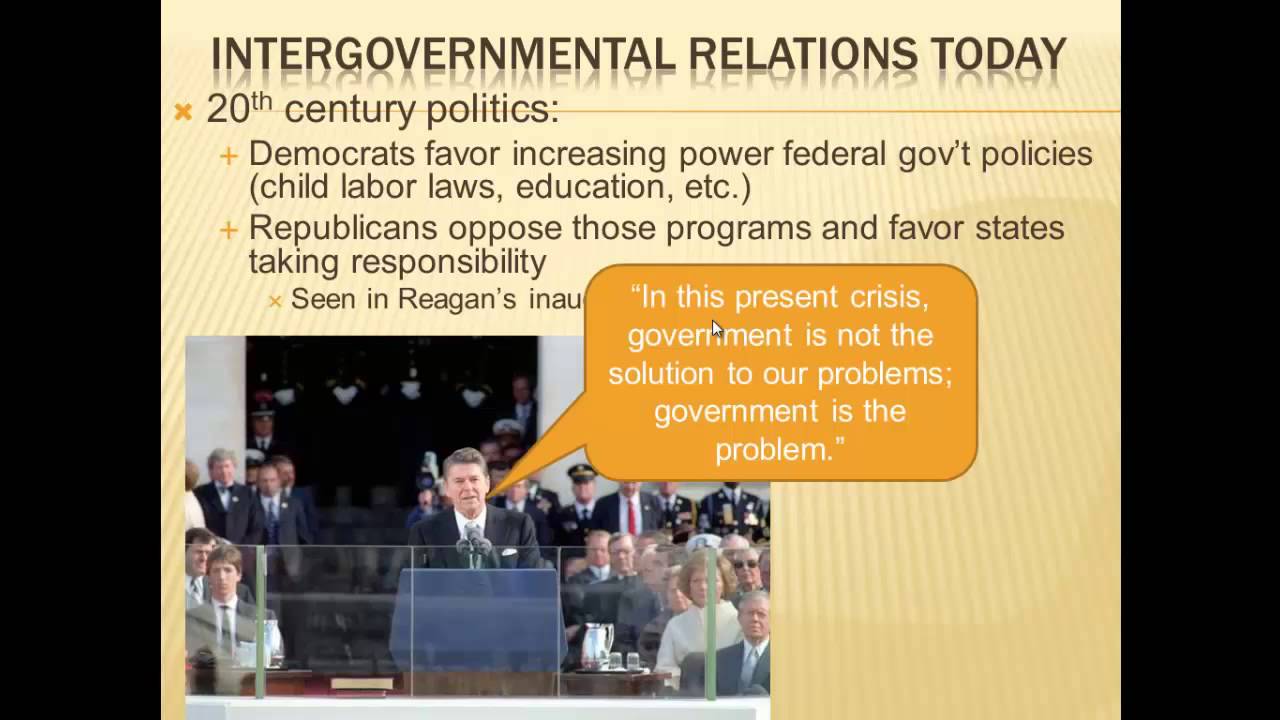
This video explains the real-world impact of unfunded mandates using the Americans with Disabilities Act (ADA) of 1990 as an example. It demonstrates how federal civil rights mandates require subnational governments to fund significant infrastructure updates on their own.
- Knowledge Checkpoint:
- Explain how national civil rights legislation can function as an unfunded regulatory mandate for local governments.
- Identify the compliance costs subnational governments face under federal regulatory mandates.
Module 5: Political Bargaining and Power-Sharing Dynamics
Module Overview
Fiscal federalism is not just a set of legal rules; it is an ongoing political negotiation. This final module looks at the bargaining table, analyzing how central and subnational leaders negotiate tax-sharing agreements, transition to new financial models, and handle political and constitutional crises.
Recommended Videos

Why this video
This video discusses the political compromises required to implement India's Goods and Services Tax (GST). It explains how subnational states negotiated with the central government to protect their tax revenues in exchange for joining a unified national tax system.
- Knowledge Checkpoint:
- Define the "grand bargain" of fiscal federalism, using the GST implementation as a case study.
- Identify the political concessions central governments must offer to secure subnational cooperation on tax harmonization.
- Explain the tension between subnational fiscal autonomy and national economic integration.

Why this video
This historical case study of the 1950s Quebec income tax crisis under Premier Maurice Duplessis illustrates how subnational leaders can challenge federal tax dominance to protect their regional culture and political autonomy.
- Knowledge Checkpoint:
- Analyze how subnational leaders use regional tax policy as a tool to resist central political integration.
- Describe the constitutional arguments provinces can use to challenge central income tax supremacy.

Why this video
Using Kenya's coalition government as a case study, this segment examines how formal power-sharing agreements are used to manage resource allocation and political appointments among diverse regional coalitions.
- Knowledge Checkpoint:
- Describe how coalition agreements partition resources and political power among regional factions.
- Explain the legal and constitutional status of power-sharing agreements in federal or highly regionalized systems.
⚠️ Module Coverage Gaps & Study Advice
- Game-Theoretic Bargaining Models: While these case studies illustrate real-world fiscal negotiations, they do not cover formal political science models of bargaining (such as Rubinstein's bargaining model or spatial voting models).
- Recommended Independent Search: To round out your understanding, search for "Intergovernmental bargaining game theory political science" or "Asymmetric federalism bargaining models" to see how researchers analyze these negotiations using formal game theory.
Course Map
This flowchart shows the recommended learning path and the conceptual dependencies between the modules.
Key People Index
- Dr. Jeffrey Clemens: Associate Professor of Economics at the University of California, San Diego, and Hoover Institution contributor. His research focuses on how federal funding policies influence state-level fiscal and regulatory decisions.
- Dr. Vijay L. Kelkar: Prominent Indian economist and former Chairman of the Finance Commission of India. He was a key architect of India's Goods and Services Tax (GST) framework and a leading thinker on modern intergovernmental financial transfers.
- Dr. Thomas E. Patterson: Bradlee Professor of Government and the Press at Harvard's Kennedy School of Government. He is a recognized scholar on American political institutions and the evolution of federal-state grant structures.
- Maurice Duplessis (Historical Figure): Premier of Quebec (1936–1939, 1944–1959) who challenged federal fiscal dominance in Canada, helping shape the country's modern system of provincial tax autonomy.
Final Self-Assessment
To evaluate your understanding of this curriculum, ensure you can answer or perform each of the following tasks:
- Explain the key difference between a federal system and a unitary system regarding the constitutional protection of subnational power.
- List the three core questions of public economics and apply them to central-subnational financial relations.
- Define "fiscal decentralization" and outline its potential benefits for local public services.
- Describe the "tax assignment problem" and identify which taxes are typically assigned to central vs. subnational governments.
- Contrast categorical grants and block grants in terms of central policy control and subnational budget flexibility.
- Explain the economic and equity goals of "fiscal equalization transfers" and identify why they can create political tension.
- Define "unfunded mandates" and explain how they shift regulatory compliance costs onto subnational budgets.
- Detail how the federal preemption doctrine uses constitutional authority (such as the Supremacy Clause) to nullify conflicting state-level laws.
- Analyze the political negotiations involved in a "grand bargain" of fiscal reform, using India's GST implementation as an example.
- Evaluate how regional leaders can use independent taxing power as a political tool to preserve regional identity and autonomy.