
![Principles of AMERICAN GOVERNMENT [AP Government Review, Unit 1 Topic 6]](https://i.ytimg.com/vi_webp/JUiJhnx_K40/maxresdefault.webp)








![The United States v. Lopez, EXPLAINED [AP Gov Required Supreme Court Cases]](https://i.ytimg.com/vi/WnAgQKqc0F0/maxresdefault.jpg)

![AP Government UNIT 1 REVIEW [Everything You NEED to Know!]](https://i.ytimg.com/vi_webp/lxotd_zV1hc/maxresdefault.webp)

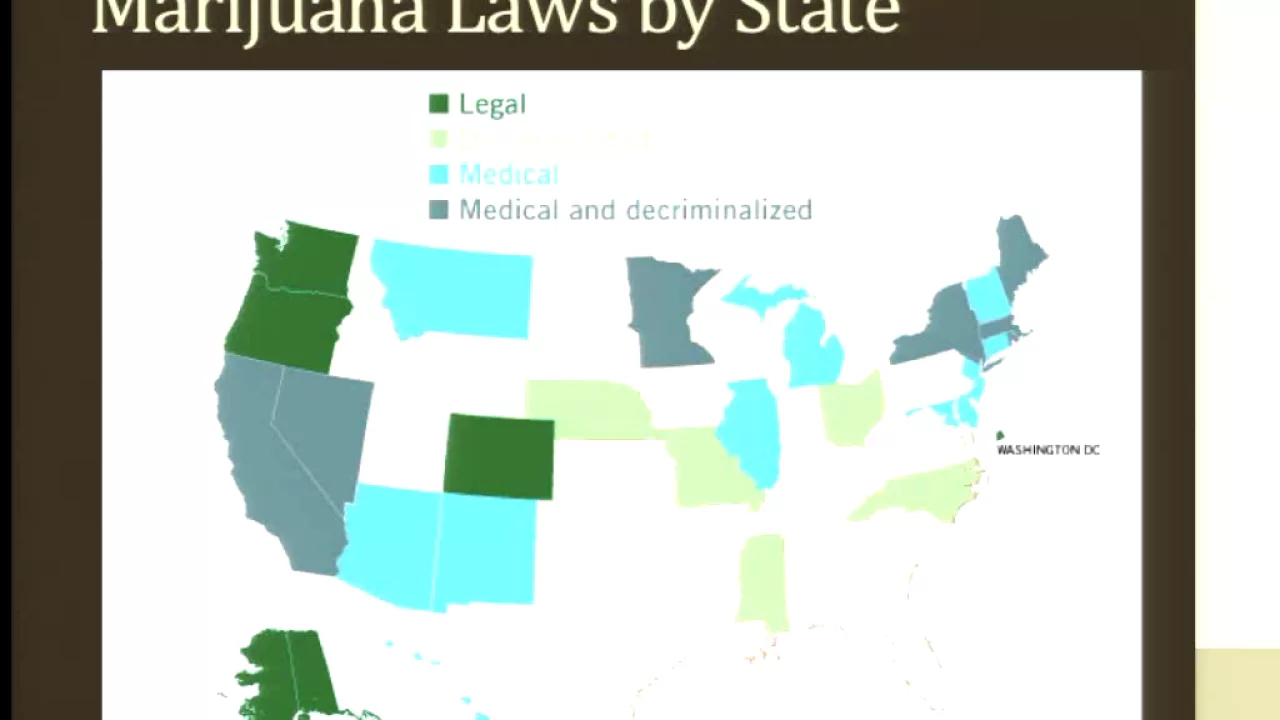
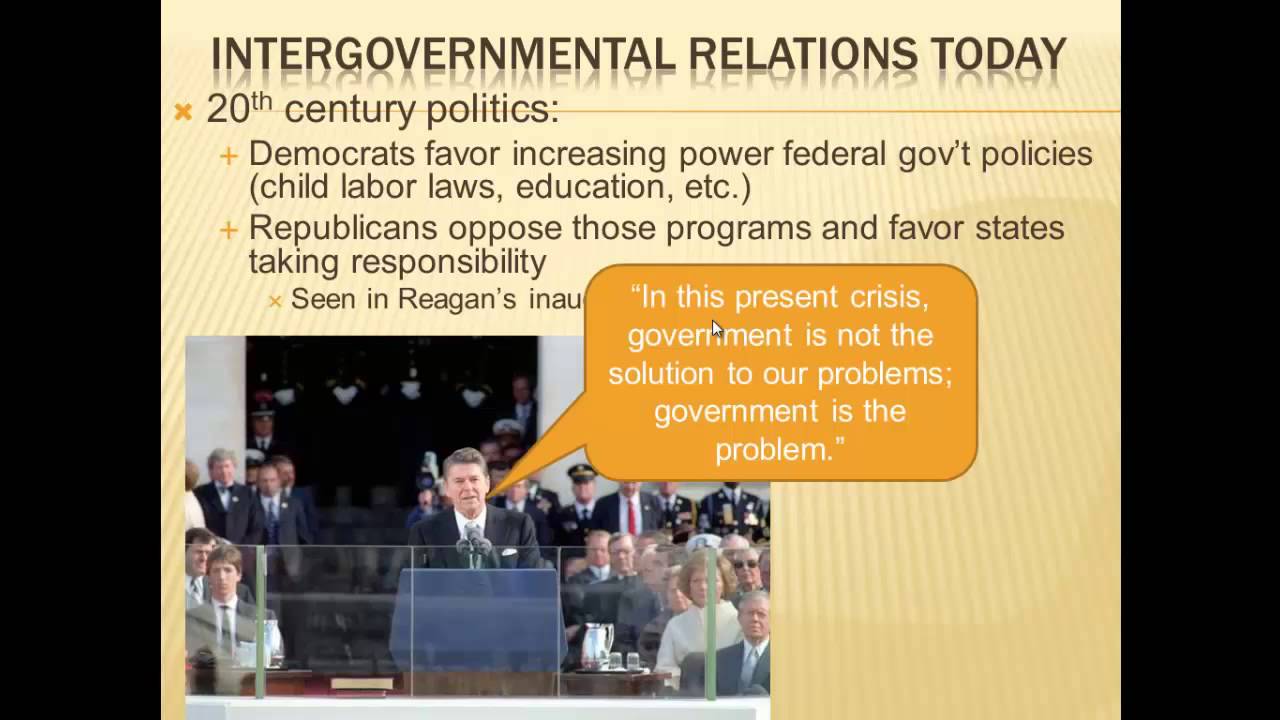

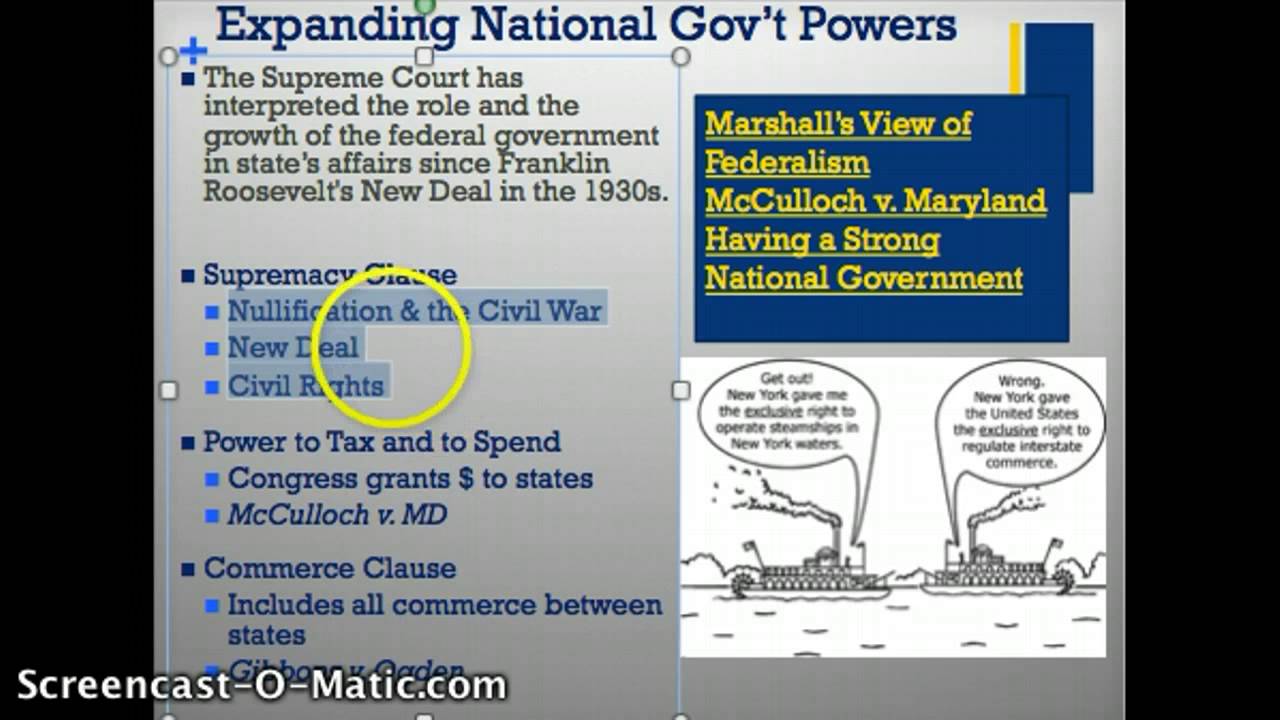


The U.S. Constitution created the world's first federal system, dividing sovereignty between national and state governments, but over time constitutional interpretation of key clauses—the Necessary and Proper Clause, Commerce Clause, and Taxing and Spending Clause—has progressively expanded federal power at the expense of state authority, transforming the federal system from a balanced division of powers to one where Washington holds dominant influence over traditionally state-controlled policy areas like education, healthcare, and welfare.
Understanding Federalism: US Constitution & State vs Federal Power
Added:The basic structure of the US Government, including the separation of powers and the system of checks and balances among the three branches.
The historical transition from the Articles of Confederation to the US Constitution, highlighting the weaknesses of a decentralized national government.
The concept of constitutional supremacy and the role of the judicial branch, particularly the Supreme Court, in interpreting law.
The core distinction between unitary, confederal, and federal systems of government.
An in-depth analysis of specific landmark Supreme Court cases defining federalism, such as McCulloch v. Maryland, Gibbons v. Ogden, and US v. Lopez.
The dynamics of Fiscal Federalism, focusing on how federal grants-in-aid, block grants, and unfunded mandates are used to influence state policy.
The historical shift toward 'New Federalism' and devolution, examining the political movements to return authority from the federal government to the states.
Contemporary policy debates where federal and state laws clash, such as environmental regulations, healthcare reform, and drug legalization.
4.6K views31likes33:21Original Release: 2020-03-03
the United States has a federal system of government meaning that its citizens are governed by two levels the federal government in Washington and the state government of the state in which they reside I'm a resident of Massachusetts meaning that many of the laws that I live under are passed by the Massachusetts state government each of these levels has sovereignty when they're within their own sphere of authority they have final authority that's an unusual arrangement most countries have what's called a unitary government under a unitary government the national government alone has sovereignty take France as an example it has 27 provinces now on paper they look a lot like the American States but any decision that they make can be overridden by the national government not so in terms of the state governments when they're acting within their legitimate realm of authority they cannot be overridden by the federal government but where is the dividing line what separates national power from state power that issue came before the supreme court when they looked at the affordable care act of 2010 by a five-to-four decision they ruled that the affordable care act was a legitimate expression of federal power it upheld the Act now what was the basis for that constitutional decision and why did it decide in favor of federal authority for answers to questions of that kind we have to go back to the beginning to the writing of the Constitution [Music] [Music] the Constitution of the United States was the nation's second Constitution the first was the Articles of Confederation adopted during the American Revolution the Articles established a national government that was entirely dependent on the states each state had one vote in Congress and Congress had few powers it had no power to tax no power to regulate commerce the states held onto those powers this form of government is called a confederacy in it sovereignty final authority is vested entirely in the sub-national governments the national government has no authority except what they grant to it the government of the Articles held together during the Revolutionary War separately the states knew they had no chance of defeating the British but after the war the country began to unravel rather than pulling together the states went their separate ways Connecticut tried to destroy Massachusetts manufacturing sector by taxing its goods at a higher rate than the same goods coming from the nation's former enemy England North Carolina had no port deep enough to ship its goods so it had to use those in Virginia and South Carolina both states placed the stiff tax on North Carolina goods with no power to tax the national government had to ask the states for money they were slow to pay their share if they paid it all when a debtors revolt Shay's rebellion broke out in western Massachusetts the state's governor called upon the national government to send the army it had no army dissent it was out of money things got so bad that Congress rarely met it had neither money nor authority so why should the members waste their time the US Constitution was designed to do what the Articles of Confederation failed to do create a federal government strong enough to meet the nation's needs but the writers of the Constitution also had to take into account the existence of the states speaking for nearly all the delegates to the Constitutional Convention Virginia's George Mason said that he would never agree to a union that failed to keep the states and even if the delegates had thought differently the Constitution had to be ratified by the states and they never would have agreed to vote themselves out of existence that was the reality and it led the framers to invent a system of government the world had never seen it was a federal system where sovereignty was divided between the national government and state governments each level would have final authority in its sphere of operation now to make that work each level would have to have the power to tax the people without that power it would not be able to maintain its independence from the other government now for many Americans at the time the issue is not whether the state should be kept that was a given but whether it was wise to create an independent national government one such American was Patrick Henry whose reign cry give me liberty or give me death helped launch the revolution when he read what the writers of the Constitution had done he erupted in anger who authorized them to speak the language of weed the people instead of we the states when the state conventions meant to debate the Constitution's ratification no issue was more hotly debated than whether the national government would eventually swallow up the states the constitution supporters said that fear was groundless noting that the powers of Congress were relatively few in number and clearly defined such as the power to print and borrow money advocates of state power were nonetheless suspicious they pointed to the clause that immediately followed the list of Congress's seventeen listed powers the Klaus granted Congress the power to make all laws which shall be necessary and proper for carrying into execution the foregoing powers now that Clause seemed to them like an open-ended grant of national power wouldn't the federal government be tempted to divide as reasons for why laws were necessary and proper resulting in ever-widening federal power advocates of the states also objected to the Constitution silence on the powers of the states the Constitution listed only the federal government's powers this concern led to ratification of the Tenth Amendment which says the powers not delegated to the United States by the Constitution are reserved to the states the state's powers are thus commonly referred to as reserved powers at the time of its adoption the Tenth Amendment was thought to offer strong protection to the states in fact it turned out to be something less than that the logic of the US Constitution is such that the states have power over only those policies that are not within the federal government's control that point can be illustrated by the Supreme Court's ruling on the affordable care act the case was decided on the question of whether Congress had the power to pass the legislation it was not decided on the question of whether the Tenth Amendment reserved health care policy to the States that's true in nearly every instance the central question is the boundary of national power shrink that boundary and state power expands expand the boundary of federal power and state power shrinks over the course of US history federal power has expanded more often than it is shrunk the result has been a long-term shift to power toward the government in Washington in this session will focus on the three constitutional clauses that have been at the center of this shift one is the Necessary and Proper Clause the second is the Commerce Clause which grants to Congress the power to regulate commerce among the states and the taxing and spending clause which grants Congress the authority to tax and spend the importance of the first of these clauses the Necessary and Proper Clause was established early in the nation's history in the very first year of George Washington's presidency Congress authorized a National Bank at the urging of Alexander Hamilton the Secretary of Treasury Hamilton was determined to strengthen the nation's financial sector Thomas Jefferson who was Washington's Secretary of State had a different vision of the nation's development Jefferson claimed the Bank was unconstitutional given that Congress had not been granted the power to create it nevertheless the bank was not challenged in the courts and a few years after the charter of the First National Bank expired Congress created the second u.s. may by then state banks were firmly established they were unhappy at the prospect of having to compete for customers with the National Bank several states including Maryland love it is stiff tax on the branch of the National Bank operating within their boundaries they hope to make it so unprofitable that it be forced to close down the manager of Maryland's Bank James McCulloch refused to pay the tax and the dispute went to the Supreme Court in McCulloch V Maryland the Supreme Court headed by Chief Justice John Marshall ruled strongly in favor of National Authority Marshall wrote that even though the Constitution did not expressly authorize Congress to create a National Bank it had been granted the powers to tax regulate commerce print and borrow money invoking the Necessary and Proper Clause Marshall said that the bank was a reasonable extension of those powers the court went further striking down Maryland's tax on the National Bank invoking the Constitution Supremacy Clause which says that federal law is the supreme law of the land the court held that the federal government had the power to protect the bank from a state's effort to destroy it the court's ruling in McCulloch V Maryland established a vital precedent it established the principle of implied powers the notion that Congress rather than being confined narrowly to it's listed powers has broad and substantial unlisted power more than a century laps before Congress's Commerce taxing and spending powers were also determined to be broad and substantial the triggering event here was the 1930s Great Depression it revealed that the US economy was not a set of state economies but a national one requiring national policy action when Franklin D Roosevelt assumed in the presidency in 1933 one of his first New Deal programs was the FDIC the Federal Deposit Insurance Corporation thousands of banks had already closed having run out of money to pay their depositors who no longer trusted the banks knowing they could lose their savings if their bank shut down the FDIC insured their deposits if a bank closed the federal government would reimburse its depositors the FDIC went a long way toward restoring public confidence in the banks helping to stabilize the financial sector a bigger problem was the huge number of unemployed when the Depression hit no sector of the economy was spared a fourth of the nation's workers were jobless and another fourth could only find part-time work under America's federal system states had responsibility for welfare assistance but they were broke income had fallen sharply and so too had state tax revenues as the Food lines got longer and longer Americans look to the federal government for help its tax revenues had also fallen but unlike the states it has unlimited power to print and borrow money it had cash whereas the states did not to get Americans back to work President Roosevelt convinced Congress to enact laws designed to stimulate the economy the US Supreme Court stood in his way the court was dominated by free market advocates who opposed nearly any form of economic regulation federal or state the Supreme Court struck down most of the New Deal programs by a five to four vote usually on the grounds that they exceeded Congress's authority to regulate interstate commerce the court interpreted commerce cause so narrowly that even the coal industry which reached into every corner of the country was judged not to be part of commerce between the states when Roosevelt won a massive re-election victory in 1936 it was the biggest landslide in presidential history it was clear that the American people were on his side not the courts when Roosevelt then threatened to expand the number of justices on the court beyond its nine members which is a constitutional power available to Congress a showdown between the judicial and executive branches seemed unavoidable it was averted with the famed switch in time that saved my own Roberts the youngest of the justices in the five to four majority switched sides giving Roosevelt a five-to-four edge on the court soon thereafter the court upheld the National Labor Relations Act which gave employees the right to collective bargaining subsequently the court ruled that Congress's commerce power is as broad as the economic needs of the nation today as a result of that interpretation Congress has authority to regulate nearly all aspects of Commerce everything from corporate mergers to financial dealings even to the extent of having the power to tell farmers how many acres of a particular crop they can plant though it received less attention at the time the Supreme Court in the 1930s established another key precedent the issue was whether congressional taxing and spending was restricted to programs related to Congress's listed and implied powers such as military spending could it also tax and spend in policy areas far removed from the granted and implied powers in Butler V United States the Supreme Court held that Congress had that authority the court said that Congress's power to tax and spend is limited only by the requirement that it shall be exercised to provide for the general welfare of the United States that was a broad grant of power general welfare is a far-reaching category one that covers an extraordinary range of public policies now let me give you an example to clarify what this interpretation of Congress's power allows and what it disallows if you're an American under the age of 21 you've seen the sign do not enter unless you're 21 you might be old enough to vote but you're not old enough to drink illegally in a bar or restaurant why do states have a 21 year old drinking age well that wasn't always the case a few decades ago most states had a younger age limit the change was a result of the exercise of congress's spending power in 1984 Republican President Ronald Reagan proposed a 21 year old drinking age claiming that fatalities from alcohol-related traffic accidents involving young drivers were intolerable 'high Congress liked the idea but it lacked the constitutional authority to take direct action Congress could not mandate a national 21 year old drinking age the states hold the constitutional power to determine the legal drinking age of their residents so what did Congress do it passed a law saying that states would lose 10 percent of their federal highway funds if their drinking age was under 21 years of age the legislation had its intended effect rather than lose their highway funds States set their drinking age at 21 when the state of South Dakota challenged the law the Supreme Court ruled against it saying that the law was a valid use of congressional spending Authority because it provided for the general welfare Congress's taxing and spending power was the basis in the 1960s for President Lyndon Johnson's Great Society Johnson's programs thrusts the federal government squarely into policy areas traditionally reserved for the states including health care public housing welfare assistance education like Roosevelt Johnson was a Democrat wanted to use federal power to help working families and the economically vulnerable and like Roosevelt Johnson was present at a time when Democrats controlled Congress and when Americans were looking to the federal government for help they wanted better schools better health care better welfare services than their state was willing or able to provide federal grants and aid became the prime instrument of the Great Society federal grants an aide referred to federal cash payments to states and localities for programs they administer an example is the 1965 Medicaid program which gives States federal assistance to provide health insurance to Americans with incomes below the poverty line states are not required to participate in Medicaid or any other federal grant program they can refuse the money that's their constitutional option in fact Arizona held out for nearly 20 years before joining the Medicaid program on the other hand if a state takes a federal grant it is bound by the federal requirements for its use the money is appropriated by Congress and Congress has the constitutional authority to stipulate how that money can be used a Medicaid grant for example must be used for health care for low-income residents the money cannot be diverted to another purpose the Great Society initiatives led to a sharp rise in federal grants in the late 1960s and 1970s the spending constituted a major shift in the relationship of the nation and the states a change that came to be known as fiscal federalism the term refers to the use of federal funds to extend the reach of the federal government into policy areas traditionally reserved for the state's fiscal federalism does not represent a full federal takeover of state functions if you look at the public schools for example ninety percent of school funding in the United States is provided by state and local governments which also control nearly every education policy from the length of the school year to graduation requirements the federal government has no say in these policies nevertheless federal grants account for 10 percent of school funding and if a state accepts its share of the money it limits some of the choices the state can make for example it must use the money in ways that do not discriminate against handicapped or minority group students now in the 1970s public support for federal spending began to weaken as the less popular programs came under attack critics alleged for example that many of those getting federal welfare assistance were abusing the system choosing welfare over work when the Republican Ronald Reagan became president in 1981 he vowed to rollback the spending programs created under Democratic administrations said Reagan federalism is rooted in the knowledge that our political liberties are best assured by limiting the size and scope of national government Reagan succeeded in persuading Congress to cut back on federal grants the amount declined sharply during his eight years in office Reagan also persuaded Congress to loosen the strings attached to some federal grants most federal grants are designated for a specific purpose such as school construction such grants are called categorical grants and enabled Congress to decide how the money will be spent Reagan convinced Congress to consolidate a number of these categorical grants into what are called block grants which are designated for a particular policy area but not for a specific purpose a block grant for schools for example could be used for school construction or it could be used for other school related purposes such as paying for textbooks teachers salaries or lab equipment block grants give states and localities considerable control over how federal aid is spent another roll back in federal power came when Republicans took control of Congress after the 1994 midterm elections congressional Republicans chief target was the aid for families with dependent children program which had been established during the 1930s Great Depression to assist families whose breadwinner had deserted or died the program provided cash assistance to eligible low-income families there was no limit on how long a family could receive assistance and the amount increased if an unwed mother had another child in the view of most Republican lawmakers the program entice people to go on welfare and to stay there their alternative was the 1996 welfare reform act it limited welfare assistance for most families to five years in addition able-bodied adults would have to seek a job or job training to remain eligible for assistance the welfare reform act along with the economic boom of the late 1990s dramatically shrank the number of families on welfare the welfare rolls were cut in half within a few years Republican efforts to rollback federal power largely ended with passage of the Welfare Reform Act in fact after the terrorist attacks of September 11 2001 Republican President George W Bush oversaw an increase in federal power including the creation of a federal agency the TSA which rather than local police is in charge of security at local airports Bush also initiated the No Child Left Behind Act which requires public schools to test their students annually as a condition of receiving federal aid which wanted to hold schools accountable for student performance and use federal spending as the means of doing so these examples by the way are the rule rather than the exception both parties have supported or fought the use of federal power as it has suited their policy goals the fine points of the Constitution have been less important to the parties than what they're trying to achieve through their policies the reason the Democratic Party has more often sought to expand federal power is that a number of its constituent groups particularly minorities and lower-income Americans have a greater need for public assistance now let's take another look at the 2010 health care bill as a way of clarifying contemporary federalism when President Obama made a push for universal health insurance coverage he was not the first Democratic president to do so President Harry Truman tried to do it in the late 1940s that was the period when nearly every European see instituted its system a government provided healthcare President Clinton tried it again in the early 1990s in both of these cases opposition from Republicans business firms and health and insurance companies killed the legislation which aimed to help the uninsured most of whom did not have sufficient income on their own to buy insurance these same interests tried to kill the 2010 bill but Democrats had enough House and Senate votes to pass it no Republican not one in either chamber supported the bill the 2010 legislation requires large sized business firms to provide employee health insurance or pay a penalty it expands Medicaid by increasing the number of lower-income people eligible to enroll and it provides Americans of modest income with the federal subsidy to help them buy insurance in addition the 2010 legislation prohibits some insurance practices insurance companies are no longer permitted to terminate insurance when a person becomes ill to place an upper limit on the amount of medical care and insured patient can receive and they can no longer refused to grant insurance to those with pre-existing medical conditions before the bill was passed the states determined whether insurance companies could engage in these practices some states for example allowed insurance companies to search a patient's entire medical history to see if it provided a reason for refusing to pay a patient's medical bills at a congressional hearing for instance it was revealed that a nurse had lost her coverage after developing breast cancer because you failed to close on her insurance application that she had once been treated for acne which can be an indicator that the person is at somewhat higher risk of cancer public opinion polls polls of Americans indicated broad support for stopping such insurance practices on the other hand polls showed that a majority of Americans oppose the health care acts requirement that individuals have insurance or pay a penalty this individual mandate is the key to making the program work if only sick people enroll insurance premiums will skyrocket by requiring everyone to enroll the insurance pool also includes healthy individual which holds down insurance costs it was the individual mandate that became the targets of Republicans after they failed to defeat the health care bill in Congress 26 states all of them controlled by Republicans filed suit claiming that the individual mandate was an unconstitutional exercise of Congress's power as I mentioned earlier in the session the Supreme Court upheld the individual mandate by a narrow five to four majority and it did so in a way that surprised most observers which constitutional clause do you think the Supreme Court cited in upholding the individual mandate was it the Necessary and Proper Clause with the court concluding that Congress's expressed power to promote science implies a power to regulate health care the Commerce Clause with the court concluding that health care is part of interstate commerce and can be regulated as Congress sees fit or the taxing clause with court concluding that the penalty for those without insurance is the tax which is within Congress's power to levy keep your answer in mind as we look at what the Obama administration and the Republican state said in their arguments before the Supreme Court both sides focused on the Commerce Clause the Obama administration argued that the uninsured impose a cost on the nation's economy when they become sick they go to the emergency room with the cost being borne by the hospital which then passes the cost along to other patients this situation said the administration imposes a burden on the economy and therefore is subject to regulation by Congress in contrast lawyers for the Republican states argued that although Congress obviously has the power to regulate commerce it cannot force individuals to engage in commerce it lacks the power to regulate economic inactivity an individual's decision not to purchase health insurance if it had that power they argued it could force individuals to engage in all sorts of behaviors including buying healthy food rather than junk food now in this issue a majority of the Supreme Court sided with the Republican position the court said the Commerce Clause authorizes Congress to regulate interstate commerce not to order individuals to engage in it this part of the ruling was delivered in the opening pages of the court's opinion which proved embarrassing to CNN and Fox News trying to beat their competitors to the punch the reporters went on the air saying the court had struck down the Affordable Care Act in fact the court upheld it basing its decision on Congress's taxing power a majority on the court held that even though Congress and the Obama administration had used the term a penalty rather than a tax to describe the payment required of individuals without health insurance the payment is effectively a tax said the court it is reasonable to construe what Congress has done as increasing taxes on those who have a certain amount of income but choose to go without health insurance such legislation is within Congress's power to tax that the Affordable Care Act survived a constitutional challenge did not mean that it would survive political challenge after the Supreme Court upheld the act Republican lawmakers vowed to repeal the legislation and replace it with a health care policy of their own in 2017 after gaining control of both the Congress and the presidency for the first time in a decade they were positioned to start that process they tried several times without success to repeal the Affordable Care Act in one instance they came within a single Senate vote of abolishing it however they achieved part of their goal in late 2017 when they enacted legislation that eliminated the requirement that individuals have health insurance or pay a tax penalty okay let's wrap up this session before summarizing it let me point out two things that might not have been clearly evident what I've said one is the decisive role the public has played in the changing relationship between the federal and state governments whenever there's been a major shift in power within the federal system whether it was the New Deal the Great Society or the cutbacks during the Reagan years it's been in line with what a majority of Americans at the time were seeking second though conflict over federalism has been the focus of this session as I've tried to point out the evolving constitutional interpretation of the system the state and national governments typically cooperate federal grant programs are a good example although some grants are a point of conflict the vast majority are sought out by the states because they allow them to provide better services than they could provide on their own each year for instance the federal government gives states and localities roughly forty billion dollars to improve their roads and highways now let's look at what we've said as we noted the US Constitution created a federal system of government the first of its kind in the world it divided sovereignty between a national government and state governments the Constitution itself speaks to the powers of the national government the powers it does not address are reserved to the states over time the national government has taken additional policy responsibilities and that change has been accompanied by changes in constitutional doctrine the Supreme Court has concluded that the Necessary and Proper Clause is a broad grant of power to the national government that the Commerce Clause allows for substantial federal regulation of the economy and that Congress is taxing and spending power can be used to promote the general welfare the last of these interpretations has allowed Washington through grants and aid to exert influence in a range of policy areas traditionally within control of the states including education health and welfare the net result has been a nationalization of the federal system over time power in America has shifted from the States to the government in Washington you
Up Next

3:45
Reforming Equalization: Alberta's Fiscal Strategy
@ABDanielleSmith
30K views•2025-07-04

24:30
BRICS Pay and de-dollarization: A New Financial Order Emerges? | 55 chars
@DannyHaiphongYT
164.6K views•2024-10-22

7:33
Government Surveillance Methods: 10 Ways You May Be Watched
@BeAmazed
1.6M views•2017-04-09
10:19
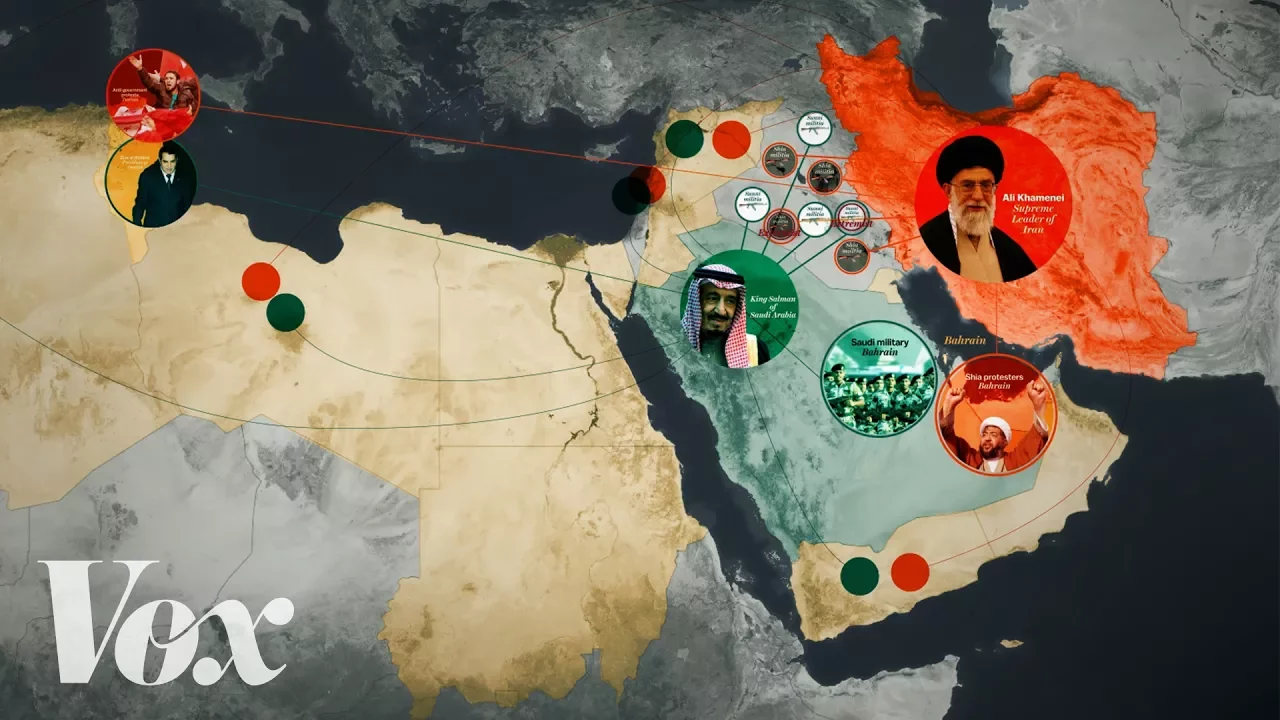
Explaining the Saudi-Iranian Proxy Conflict in the Middle East
@Vox
18.2M views•2017-07-17
Related Study Plans & Knowledge Roadmaps
Structured learning paths in Political Science
political-science
Economic Statecraft: Sanctions & Chokepoints
01Foundations of Geoeconomics and Economic Statecraft
02The Mechanics of Weaponized Interdependence
03International Sanctions: Types, Implementation, and Efficacy
+ 2 more learning modules
12h5 modules
Explore Roadmap
political-science
Central Bank Independence: Politics & Policy
01Foundations of Central Banking and Monetary Policy
02The Time Inconsistency Problem & Inflation Bias
03The Delegation Model and Designing Independence
+ 2 more learning modules
12h5 modules
Explore Roadmap
political-science
Consociationalism: Power-Sharing & Stability
01Democratic Dilemmas in Divided Societies
02Introduction to Consociational Democracy
03The Four Pillars of Consociational Design
+ 2 more learning modules
12h5 modules
Explore Roadmap
political-science
Rebel Governance: Legitimacy, Economy & State
01Foundations of Rebel Governance and Statehood
02Establishing Political Legitimacy and the Rebel Social Contract
03Wartime Economies and Rebel Resource Management
+ 2 more learning modules
14h5 modules
Explore Roadmap