Alberta taxpayers have contributed approximately $23 billion more annually to the federal government than they received in benefits since 2005, with Alberta paying over $67 billion into the federal equalization program since 1957 while receiving nothing back since 1965; a proposed reform would have provinces collect a larger share of overall taxes (currently Ottawa collects over 60%), allowing provinces to deliver health, education, and social services without federal strings attached, reducing federal transfers and bureaucracy while maintaining modest equalization for smaller provinces.
Reforming Equalization: Alberta's Fiscal Strategy
Added:Deep Dive
The structure of Canadian Fiscal Federalism, specifically how the federal government collects taxes and redistributes wealth to provinces.

The Fundamentals of Fiscal Federalism
838
Canadian fiscal federalism operates on a fundamental division of responsibilities: the federal government raises most revenues through taxation (income taxes, GST, corporate taxes) and funds national programs like defense and individual transfers, while provincial governments raise revenues through income taxes, sales taxes, property taxes, and resource royalties, and fund health, education, and social services accounting for 80% of provincial operations. This creates two critical imbalances: the vertical fiscal imbalance, where provincial governments bear substantial expenditure responsibilities but lack corresponding revenue-raising capacity (with nearly 70% of total government spending occurring at provincial and local levels); and the horizontal fiscal imbalance, where provincial economic strengths vary dramatically, with Alberta's GDP per capita exceeding Maritime provinces by over 50%. Equalization emerged from decades of provincial discontent dating back to Confederation, when provinces were officially declared equal but behind-the-scenes negotiations revealed unequal arrangements. By 1944, Mackenzie King unilaterally redistributed extra portions of tax rental deals to all provinces regardless of agreement status, effectively admitting provinces were fiscally unequal. This non-conditional approach enabled programs like Medicare, establishing Canada's modern federation. The pandemic demonstrated how quickly these arrangements must adapt, with the federal government absorbing approximately 80% of pandemic-related spending and causing horizontal imbalances to fall to their lowest measured levels.
Click to watch →
Fiscal federalism and diversity accommodation in multilevel states: a comparative perspective - #3
167
Canada's primary fiscal federalism model involves federal-provincial relations where the federal government has access to both direct and indirect taxes, while provincial governments have direct tax powers including sales tax and natural resource revenues. Natural resource revenues are held at the subnational level, giving provinces significant independent revenue-raising capacity. Federal transfers are largely unconditional with minimal reporting requirements, allowing provinces considerable discretion in fund usage. The equalization program addresses horizontal inequalities among provinces through complex formulas based on revenue-raising capacity. Healthcare agreements typically span 5-10 years, providing provincial governments stable funding for long-term planning.
Click to watch →

Danielle Smith calls out Equalization
22.9K
In Canada's federal system, Ottawa collects 60% of tax revenue while Alberta collects only 40%. The federal government then uses political means to transfer funds back to provinces. Alberta loses $20-22 billion annually through this system, with most funds being spent in Quebec and other provinces that vote Liberal. Over 40-50 years, approximately $600 billion has been transferred out of Alberta.
Click to watch →

Pocket Lobbyist: How to understand provincial budgets in Canada
125
Canada's federal-provincial fiscal relationship is unique among developed nations, with provincial governments collectively delivering more public services than the federal government. Three major federal transfer programs exist: the Canada Health Transfer (approximately 45 billion dollars annually) and Canada Social Transfer (15-16 billion dollars), distributed evenly per capita regardless of population size. Equalization supports provinces with below-average revenue-raising abilities by calculating what each province would raise with average tax rates and topping them up to the national average. Provinces like Alberta, generating higher per-capita incomes, receive no equalization payments. The fiscal stabilization program provides limited insurance against sharp revenue drops, with Alberta's cap roughly tripling to 750 million dollars during the pandemic. Equalization payments come directly from federal general revenues—not from a separate fund or provincial contributions.
Click to watch →

📻🎙️ Épisode #1340 : Usure du pouvoir, Cies championnes des subventions et le lait Fairlife
2.4K
The video discusses fiscal federalism and how Canadian provinces manage tax systems. Before 1960, provinces could not directly tax corporate income and relied on federal transfers. The speaker explains the concept of 'péréquation' (equalization payments) from wealthier to poorer provinces to ensure equal public service access. The discussion covers how Quebec receives significant equalization payments from provinces like Newfoundland and Labrador, and how the 1960 creation of a national productivity council addressed Canada's economic lag behind the United States.
Click to watch →
Deep Dive
The definition and mechanism of the Canadian Equalization Program, including the distinction between 'have' and 'have-not' provinces.

Equalization Payments
25.6K
Equalization payments are federal funds transferred to provincial governments with weaker financial capabilities to ensure all Canadians receive comparable levels of public services at comparable taxation levels. The system calculates provincial fiscal capacity by determining what each province could raise per capita through personal income tax, business tax, property tax, and sales tax using the national average tax rate, plus 50% of natural resource revenue. Provinces are classified as 'have' (high fiscal capacity, no payments) or 'have-not' (low fiscal capacity, receive payments). A fiscal capacity cap prevents provinces receiving payments from being better off than those not receiving them. The total distributed as a percentage of GDP ensures each province has at least $9,000 per person for public services.
Click to watch →

Taxpayers in COURT against equalization
7.7K
Equalization is a $25 billion federal program that transfers money from provinces with strong economies (called 'have provinces') to provinces with weaker economies (called 'have-not provinces'). The have provinces include British Columbia, Alberta, and Saskatchewan. The have-not provinces receiving equalization payments this year include Manitoba, Ontario, Quebec, New Brunswick, Nova Scotia, Prince Edward Island, and Newfoundland and Labrador. For example, Newfoundland and Labrador, with a population of 550,000, receives $110 million annually through this program.
Click to watch →

CAQ Francois Legault Wins Landslide by Promising up to $2600 Checks to Residents
15.9K
The current have-not provinces receiving Equalization payments are Quebec, Ontario, Manitoba, Nova Scotia, New Brunswick, and Prince Edward Island. These payments extend into the 2016-2017 fiscal year. Alberta, despite its oil industry, has not qualified for Equalization funds since 1963. The payments are calculated on a three-year rolling average, meaning provinces will not qualify for several more years unless their fiscal conditions improve significantly.
Click to watch →

Here & Now, Dec. 18, 2023 | Dean Penney in court, equalization payments
8.8K
Newfoundland and Labrador received $218 million in Equalization payments after 15 years without them, officially ending its 'have-not' province status. Equalization payments are designed to ensure all Canadians have equivalent levels of public services for equivalent taxation value. The payments depend on a complex formula that considers how other provinces are performing economically, particularly Alberta's strong economy which helped Newfoundland qualify.
Click to watch →

Fractured Nation | The Pillaging of Western Canada
670.2K
The Equalization program is a payment from the Government of Canada to recipient provinces on an annual basis for the purpose of equalizing those provinces' ability to deliver services to residents. The formula adds up all potential revenues, looks at spending, and determines that some provinces don't have as much opportunity to raise revenues as others, so they receive more of the federal chunk. The program is described as a very large transfer program, with about $24 billion being dispersed annually, with Quebec receiving over 50% of the revenue.
Click to watch →
Deep Dive
The division of powers under the Canadian Constitution (Sections 91 and 92) regarding taxation and natural resource revenues.

Supreme Court of Canada Denies Federal Power Grab In Ruling On Impact Assessment Act
61.2K
The Canadian Constitution establishes a fundamental division of legislative powers between federal and provincial governments. Section 91 grants federal powers over national matters including public debt, trade regulation, unemployment insurance, taxation systems, postal service, census and statistics, militia and defense, currency, navigation, shipping, legal tender, and copyrights—powers affecting the entire country. Section 92 grants provincial powers over local matters including direct taxation, business licenses, provincial offices, company incorporation, marriage solemnization, property rights, and all matters of merely local or private nature. Section 92a specifically grants provinces exclusive power over non-renewable natural resources, forestry, and electrical energy. This division creates inherent tensions as modern issues like the internet and environment were not explicitly mentioned in the original Constitution, requiring courts to interpret which level of government holds jurisdiction.
Click to watch →

The Environment, Natural Resources, and Canada's Constitution
1.1K
In Canada, disagreements over environmental and natural resources policy are resolved through the Constitution's division of powers, where Section 91 grants Parliament authority over federal matters like navigation and fisheries, Section 92 gives provinces control over local matters like public lands and civil rights, and Section 92a (added in 1982) expanded provincial jurisdiction to include non-renewable natural resources and electrical energy; courts apply established interpretations of these sections, recognizing that many real-world problems have both federal and provincial aspects under the double aspect doctrine, making overlapping jurisdiction the norm rather than the exception.
Click to watch →
What is the federal division of powers?
163
The Division of Powers was written into the Constitution Act 1867 to balance centralized and regional authority. Section 91 grants exclusive federal jurisdiction over trade and commerce, postal services, military, shipping, banking, interprovincial railways, and criminal law. Section 92 gives provinces exclusive power over forests, hospitals, local roads, property rights, civil rights, and local matters. Section 92A, added in 1982, clarified provincial authority over non-renewable natural resources like oil, gas, and lumber, as well as electrical energy production.
Click to watch →
Section 91 and 92 of BNA 1867
543
Sections 91 and 92 of the British North America Act 1867 establish Canada's constitutional framework by dividing legislative powers between federal and provincial governments, with Section 91 granting exclusive federal authority over national defense, criminal law, taxation, and international trade, while Section 92 grants provincial exclusive control over property and civil rights, healthcare, education, and natural resources; however, concurrent jurisdiction exists in areas like agriculture, immigration, and environmental regulation where both levels of government share legislative authority, creating a balanced federal system that reconciles national unity with regional diversity.
Click to watch →

Canadian Constitutional Law - 2022 Introductory Class
3K
Sections 91 and 92 of the Constitution Act 1867 divide legislative powers between federal and provincial governments. Section 91 grants the federal Parliament exclusive power to make laws in relation to banking, criminal law, trade and commerce, and peace order and good governance. Section 92 grants provincial legislatures exclusive power to make laws in relation to property and civil rights, direct taxation within the province, borrowing money on provincial credit, and other matters. This exclusive distribution means neither level of government can intrude into the other's constitutional domain. Judicial review on federal grounds examines whether legislation was enacted by the appropriate level of government with constitutional authority over the subject matter.
Click to watch →
Deep Dive
Alberta's historical and contemporary economic profile, particularly its reliance on the oil and gas sector and its net-contribution status to confederation.
State of the Province: Edmonton Chamber of Commerce | Jason Kenney
3.1K
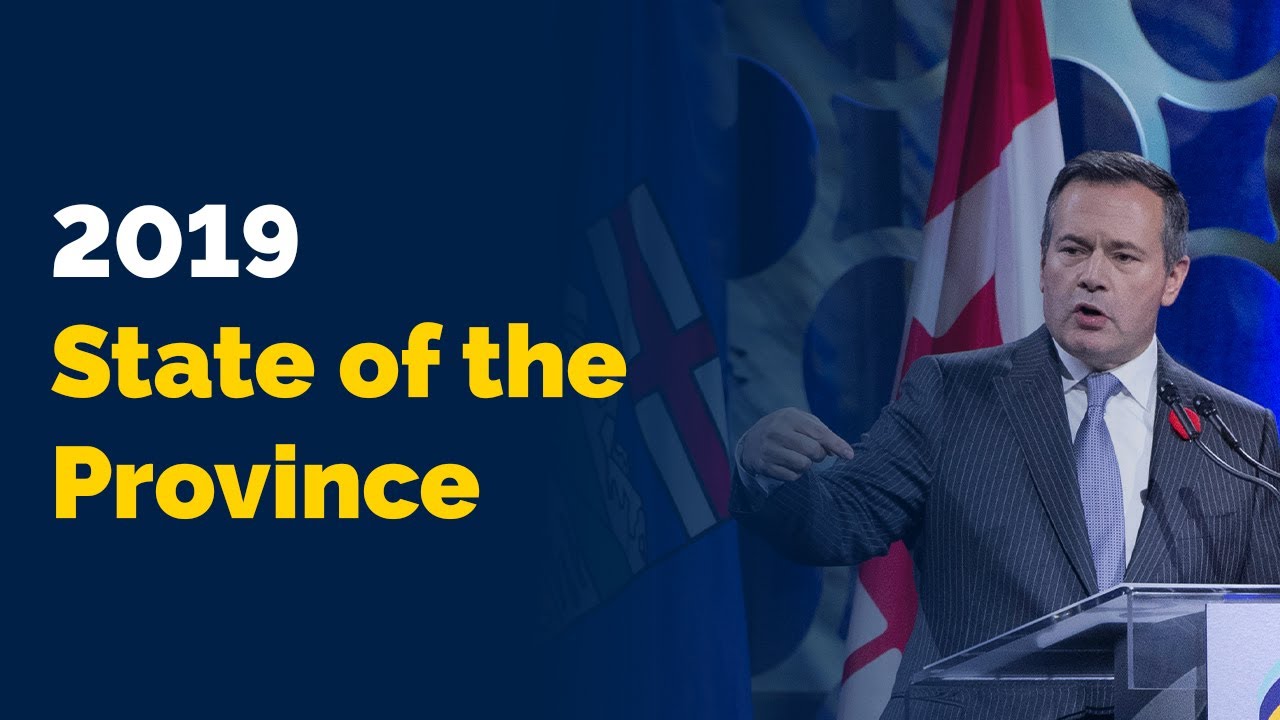
Alberta represents 12% of Canada's population but has represented 25% of new investment in the Canadian economy over the last ten years. Albertans contribute $20 billion net to the rest of the Federation through equalization and other transfers, with over $600 billion fiscal contribution since 1960, by far the greatest of any province in Canada. This has funded schools, hospitals, roads, and social programs from coast to coast. Alberta's resource industries, including oil and gas, are described as the most resourceful industry in Canada, investing more in science and technology and research and development than any other industry. Alberta is not isolated in its concerns, with 12 of 13 provincial and territorial premiers signing on to national resource and energy corridors.
Click to watch →

Mocking Albertans only fuels independence movement: Ezra Levant
41.4K
Alberta is Canada's largest net contributor to the federation, providing hundreds of billions of dollars over time and tens of billions annually through transfer payments to Ottawa, which are then redistributed to other provinces; this economic reality challenges arguments that Alberta would be economically devastated by independence, as the province's oil and gas industry would remain viable, and its trade relationships with the United States would continue under international law.
Click to watch →

With Respect, Premier · Part 3 of 3
172
Alberta, Canada's most conservative province with 63.5% conservative parliamentary representation, contributes disproportionately to the national fiscal balance through its oil and gas sector ($74 billion direct GDP, 20-25 times more than coal's $3 billion contribution) while receiving minimal political influence in federal institutions—holding only 6 Senate seats compared to Atlantic Canada's 30 seats. Despite 61.7% of Albertans voting in 2021 to remove equalization from the constitution, and two out of three Albertans supporting this change today, Ottawa ignored the referendum result. The federal government's climate policies, including carbon pricing and net zero commitments, impose significant costs on Alberta's economy while simultaneously exporting coal to China (4.7 million tons annually) and subsidizing failed projects like the $13.2 billion Volkswagen battery plant and $15 billion Honda EV facility. Alberta holds 165 billion barrels of proven oil reserves and has the constitutional framework for a referendum, making it the province with the strongest economic and democratic mandate for renegotiating its relationship with the federation.
Click to watch →

Peter Zeihan - The Horrific Collapse Of Canada
76.4K
Alberta's economic position within Canada is fundamentally shaped by its energy exports and the resulting tax revenues. Every Canadian province is more economically integrated with the United States than with fellow Canadian provinces. For Alberta specifically, energy exports and export taxes on those exports are the single most important factor enabling Canada to function in its current environment. If oil revenue income were lost, the Canadian state would struggle to provide for citizens with current budgetary outlays. The Alberta question of potential secession was discussed eight years ago as a potential solution to financial and tax problems, though no formal independence referendum has been seriously considered. As Alberta energy as a component of North American energy has relatively shrunk as US shale has become more important, American interest in Alberta's energy exports has dropped.
Click to watch →
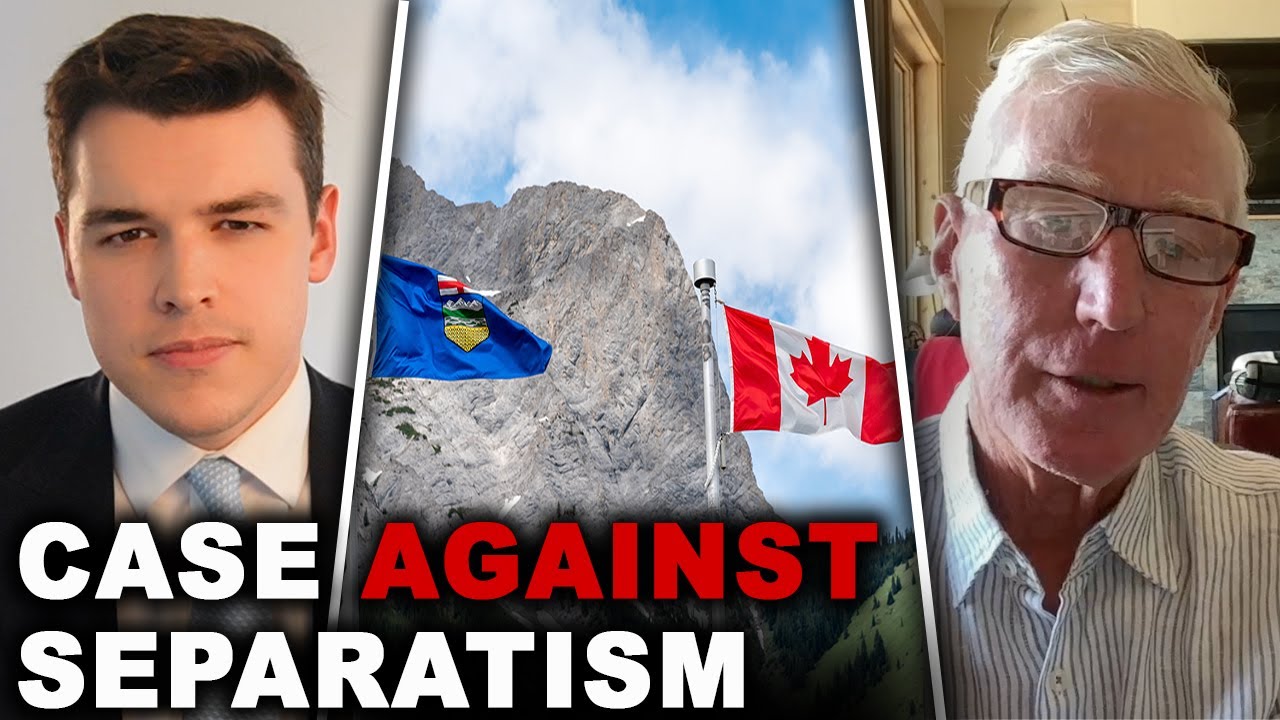
The Case Against Alberta Separatism | Interview with Ted Morton
11K
Alberta's vulnerability has been described using the colony metaphor, where wealth is extracted and brought back to the center. Economist Jack Mintz, a respected economist with experience in both Alberta and federal finance, used this metaphor to describe the 20 billion dollar annual net transfer from Alberta to Ottawa. This compares to Australian states with equal Senate representation, which Canada lacks. Historically, when Western provinces joined Confederation in 1867, they were treated as 'provinces in the Roman sense' - expected to extract wealth and bring it home. This historical framing established a pattern of Western provinces being seen as resource suppliers rather than equal partners.
Click to watch →
Prerequisite Knowledge
- Concept 01The structure of Canadian Fiscal Federalism, specifically how the federal government collects taxes and redistributes wealth to provinces.
- Concept 02The definition and mechanism of the Canadian Equalization Program, including the distinction between 'have' and 'have-not' provinces.
- Concept 03The division of powers under the Canadian Constitution (Sections 91 and 92) regarding taxation and natural resource revenues.
- Concept 04Alberta's historical and contemporary economic profile, particularly its reliance on the oil and gas sector and its net-contribution status to confederation.
Subsequent Learning
- Step 01The constitutional amendment process in Canada and the legal feasibility of unilaterally altering the equalization formula.
- Step 02A comparative analysis of Quebec's independent tax collection system (Revenu Québec) versus Alberta's proposed provincial tax agency.
- Step 03The macroeconomic impacts on 'have-not' recipient provinces if federal transfers and equalization payments are reduced.
- Step 04Alternative models of fiscal decentralization and resource wealth distribution in other federal systems, such as Australia, Germany, or Switzerland.
- Step 05The political dynamics of Western Alienation and its influence on intergovernmental relations and federal elections in Canada.
Fiscal Drain
Reform Plan
Fiscal Drain
0:00Playing Section
- 1
Alberta loses billions annually to federal transfers.
- 2
Equalization has paid out $67B with zero return since 1965.
- 3
2021 referendum to remove equalization was ignored by Ottawa.
Cooperative Federalism and the Constitutional Mandate of Equalization
Critics of Alberta's proposal argue that the equalization program is a vital pillar of Canadian social cohesion and cooperative federalism, enshrined in Section 36(2) of the Constitution Act to ensure all Canadians have access to comparable public services. Opponents point out that equalization is funded by individual federal taxpayers, not provincial governments, making the concept of a 'fiscal drain' on Alberta misleading. Weakening the federal transfer system could severely harm public services like healthcare and education in less wealthy provinces, exacerbating regional inequality. Furthermore, economists warn that dismantling the unified tax collection system in favor of decentralized provincial agencies would create administrative duplication, dramatically increase compliance costs for businesses, and undermine national economic stability.
Deep Dive
The constitutional amendment process in Canada and the legal feasibility of unilaterally altering the equalization formula.
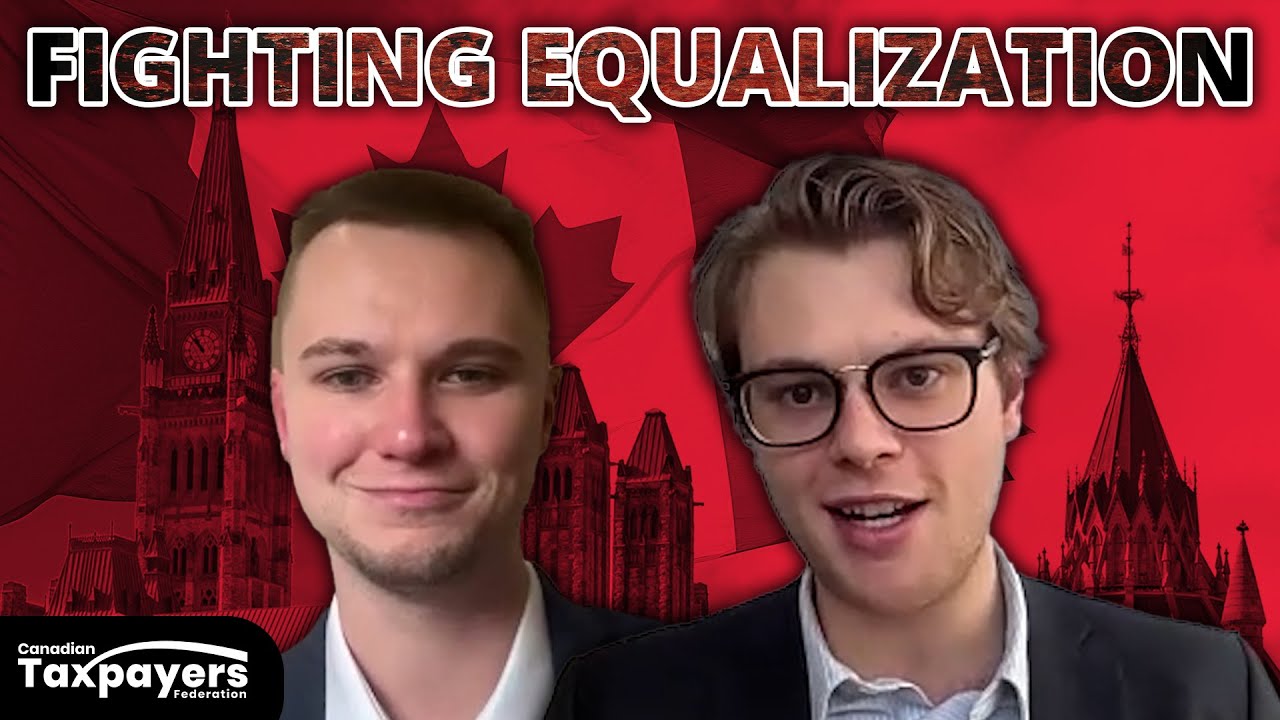
Taking Equalization to Court
11.7K
Newfoundland and Labrador is suing the federal government, claiming the current Equalization formula is unconstitutional. The Canadian Taxpayers Federation intervenes in the case, arguing Section 36 of the Constitution Act, 1982—a vague statement about national unity—was never meant to enable provinces to extract more money from other provinces through litigation. The organization contends that provincial fiscal irresponsibility should be addressed locally, not through constitutional claims against taxpayers in other provinces. The case highlights tensions between federal-provincial fiscal relations and taxpayer representation in constitutional disputes.
Click to watch →

They Keep Ignoring This Part of the Constitution (Canada: Explained Part 2)
465
Canada's constitutional amendment formula, specifically the 750 rule in the Constitution Act 1982, requires that major constitutional changes receive assent from seven provinces representing at least 50% of Canada's population. This rule ensures that no single province can unilaterally alter the federation's fundamental structure. The Constitution requires amendments to pass through the Senate, House of Commons, and at least two-thirds of provinces representing 50% of the population. This three-tiered approval process was intentionally designed to prevent any province from fundamentally altering Confederation by itself.
Click to watch →

N.L. Premier Andrew Furey challenges the federal equalization program
3.5K
Newfoundland and Labrador Premier Andrew Furey argues that Canada's federal equalization program is constitutionally flawed because it only considers revenue differences between provinces while ignoring the significantly higher costs of delivering public services in sparsely populated regions like his province, which has the lowest population density in Canada; he contends that the program unfairly allocates $150 billion to other Atlantic provinces between 2010-2023 while Newfoundland received nothing, and challenges the federal government to revisit the formula to reflect modern Canada's changing demographics and enable resource development rather than creating disincentives for it.
Click to watch →

The Canadian political system iceberg explained
562.4K
Canada's 1982 amending formula created one of the world's most complex constitutional amendment processes, requiring varying levels of provincial consent depending on what aspects of the Constitution are being changed. For amendments affecting the monarchy, provincial representation, bilingualism, or the Supreme Court, approval requires both federal Parliament and all provincial legislatures. For other amendments, only seven provinces representing 50% of Canada's population need approval. This complexity has prevented substantial constitutional amendments since 1982, with the Meech Lake and Charlottetown Accords failing due to provincial disagreements. The Clarity Act established that Ottawa retains sole authority to determine whether provincial secession referendums are valid, requiring clear questions and mandates.
Click to watch →

We Are Taking Equalization To COURT
5.3K
The Canadian Taxpayers Federation is intervening in Newfoundland and Labrador's constitutional challenge to the equalization formula, arguing that Section 36 of the Constitution Act, 1982 was a political compromise never intended to give provinces the right to sue Ottawa over transfer payments, and that determining fair equalization formulas is the role of elected officials, not unelected judges, as Section 53 of the 1867 Constitution grants elected MPs exclusive power to approve spending and raise taxes.
Click to watch →
Deep Dive
A comparative analysis of Quebec's independent tax collection system (Revenu Québec) versus Alberta's proposed provincial tax agency.

Alberta Next: Online
6K
Currently, Albertans file and pay personal income taxes through the Canada Revenue Agency, which then remits the provincial portion back to the provincial government. Quebec collects both personal and corporate income taxes directly from Quebecers, bypassing the CRA. Alberta could transition to collecting its own personal income taxes, which would provide better provincial tax policy flexibility, create jobs and economic opportunity at home, and increase provincial independence from Ottawa. Drawbacks include a long-term commitment (up to 5 years to fully build out systems), significant financial investment ($750 million to $1.5 billion over several years), and potential added complexity for taxpayers and businesses. Alberta can unilaterally establish its own taxation, collection agency, as it already does for business income taxation. The province has a history of direct democracy and has supported grassroots initiatives.
Click to watch →
Alberta Next: Lethbridge Town Hall
5.3K
Currently, when Albertans file and pay their personal income taxes, they do so through the Canada Revenue Agency, which then remits the provincial portion back to the provincial government. Quebec collects both personal and corporate income taxes directly from Quebecers, bypassing the CRA altogether. Alberta could transition to collecting its own personal income taxes, which would provide better provincial tax policy (more flexibility to implement competitive tax policy), create jobs and economic opportunity at home, and increase provincial independence from Ottawa. However, this would require a long-term commitment (up to 5 years to fully build out systems), significant financial investment ($750 million to $1.5 billion over several years), and potential added complexity for taxpayers and businesses.
Click to watch →

Alberta Next: South Calgary Town Hall
10.7K
Currently, Alberta businesses file and pay corporate taxes directly to the provincial government, but personal income taxes are collected by the Canada Revenue Agency and remitted back to Alberta. The proposal involves Alberta collecting both personal and corporate income taxes directly, similar to Quebec's model. Benefits include better provincial tax policy flexibility, job creation in Alberta, and increased provincial independence. Drawbacks include a 5-year implementation timeline, significant costs ($750 million to $1.5 billion), and potential complexity for taxpayers.
Click to watch →
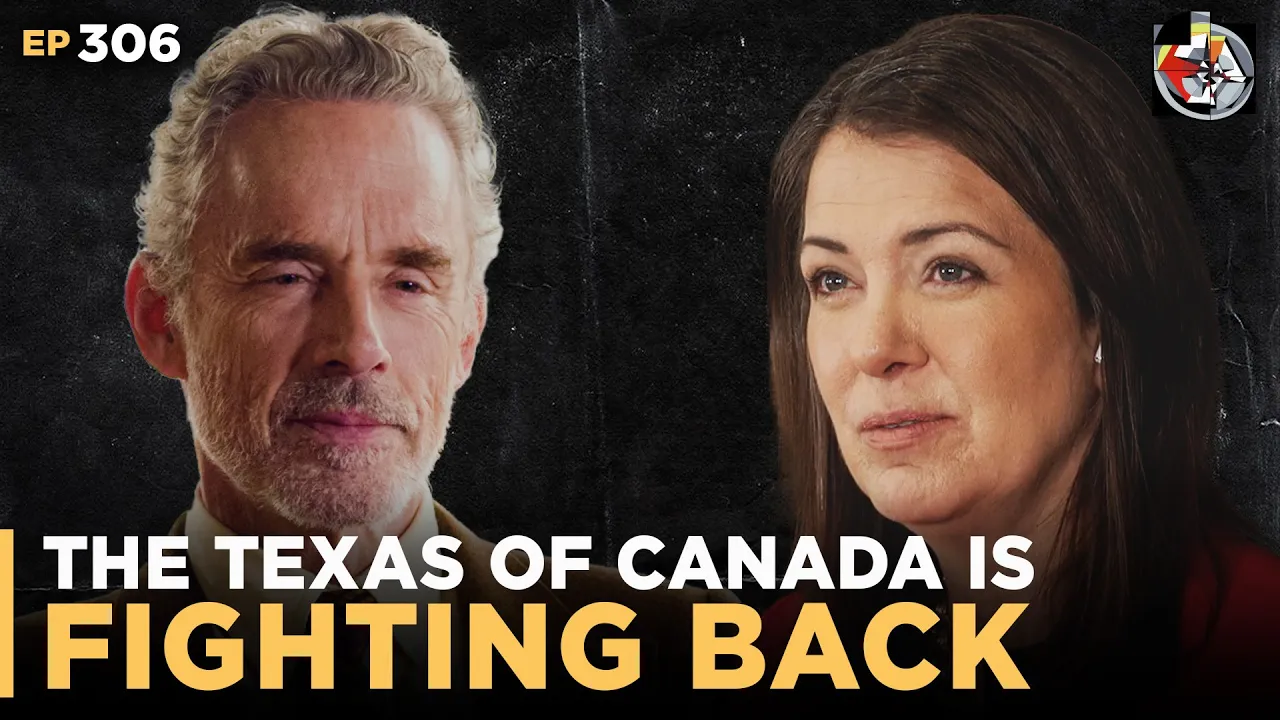
Showdown with Ottawa: Alberta's New Premier | Danielle Smith | EP 306
1.6M
A key evolution in Canadian federalism involves provinces gaining the ability to collect their own taxes rather than relying solely on federal transfers. Quebec has been moving toward this model, collecting provincial income taxes and remitting only what is necessary for federal programs. Alberta seeks similar treatment, arguing that provinces should control their own revenue streams and have greater flexibility in how they allocate resources. This represents a shift toward more European-style fiscal federalism where sub-national governments maintain greater financial independence.
Click to watch →

FreedomCalendar.net TV #053: Alberta Next Panel in Grande Prairie (LiveStream)
537
Currently, when Albertans file and pay personal income taxes, they do so through the Canada Revenue Agency, which then remits the provincial portion back to the provincial government. However, Alberta businesses file and pay provincial corporate taxes directly to the provincial government. Quebec collects both personal and corporate income taxes directly from Quebecers, bypassing the CRA altogether. If Alberta were to collect its own personal income taxes, there would be startup and ongoing administration costs, but it would also mean bringing good-paying jobs to Alberta instead of funding federal employees in other parts of the country. Under Canada's Constitution, levying and collecting taxes is an area of provincial jurisdiction, and Alberta could transition over several years to collecting personal income taxes. Benefits include: (1) Better provincial tax policy - Alberta could tailor its entire tax framework to better reflect economic realities and provincial policy goals, rather than being tied to federal rules; (2) Jobs and economic opportunity at home - creating thousands of good, high-paying jobs in Alberta; (3) More Alberta, less Ottawa - exercising more direct control over a core aspect of self-government. Drawbacks include: (1) A long-term commitment - estimates suggest it could take up to 5 years to fully build out necessary systems and staffing; (2) Significant financial investment - estimated cost ranges from $750 million to $1.5 billion over several years, with ongoing costs of up to $750 million annually and potentially 5,000 new public employees; (3) Potential for added complexity - Albertans would need to file separate federal and provincial tax forms, and there may be increased complexities for businesses and Albertans working in different provinces throughout the year.
Click to watch →
Deep Dive
The macroeconomic impacts on 'have-not' recipient provinces if federal transfers and equalization payments are reduced.
Alberta Next: Online
6K
Since 2005, Alberta taxpayers have contributed an average of $23 billion more per year to the federal government than they receive back. Alberta has paid over $67 billion into the equalization program since 1957 while receiving not a single penny since 1965. The proposed reform involves having provinces collect a larger share of overall taxes (around 60%) with Ottawa receiving the rest, thereby reducing federal transfers and their associated strings and bureaucracy. The current system creates disincentives for recipient provinces to develop resources or raise taxes, as it makes it possible for some provinces to appear poorer than they actually are. Alberta's referendum to remove equalization from the Constitution was ignored by Ottawa, but other provinces have joined in legal challenges.
Click to watch →

MAXIME BERNIER | Chef du Parti Populaire du Canada ! 🇨🇦
10.9K
The Popular Party proposes substantially reducing equalization payments (approximately $13 billion annually to Quebec out of $26 billion total). The party argues that equalization has been in place since 1957 and that Quebec is no longer a poor province. The party proposes reducing payments to approximately $6 billion to create incentives for provinces to develop their natural resources and create wealth. The party argues this would be constitutional since the Constitution only requires the principle of equalization, not specific amounts.
Click to watch →
Fractured Nation | The Pillaging of Western Canada
670.2K
The Equalization program transfers approximately $24 billion annually from resource-rich provinces to recipient provinces, with Quebec receiving over 50% of the revenue. The formula creates massive disincentives for resource development: for every dollar of additional resource revenues, recipient provinces lose 95 cents in Equalization payments. Quebec sits on $186 billion in natural gas but refuses to develop it while receiving payments from provinces that do develop resources. This creates a 'welfare trap' where provinces don't want to develop their economies because they would lose Equalization payments. The average Alberta resident has just under $700 per person transferred to other provinces.
Click to watch →

Wexit is Not Politics, It's an Economic Divorce
428
Western alienation has transformed from wanting inclusion to demanding separation due to the failure of federal institutions to uphold shared norms, creating a state of anomie. The Western myth holds that the West functions as an exploited internal colony, extracting wealth while Eastern provinces take resources and impose hostile regulations. This breakdown of organic solidarity means producers see Ottawa as hostile rather than partner. The economic mechanism of equalization payments creates an incentive trap: provinces that grow economically lose transfers, while those that damage economies receive more. Recipient provinces like Quebec have received over $100 billion while opposing pipelines and oil sands, creating fiscal gaslighting. The Norwegian counterfactual reveals Alberta's Heritage Fund is tiny compared to Norway's $1.5 trillion sovereign wealth fund, representing trillions siphoned away from Alberta.
Click to watch →
Premier Danielle Smith CAVED On EVERYTHING - Call A Referendum NOW!
13K
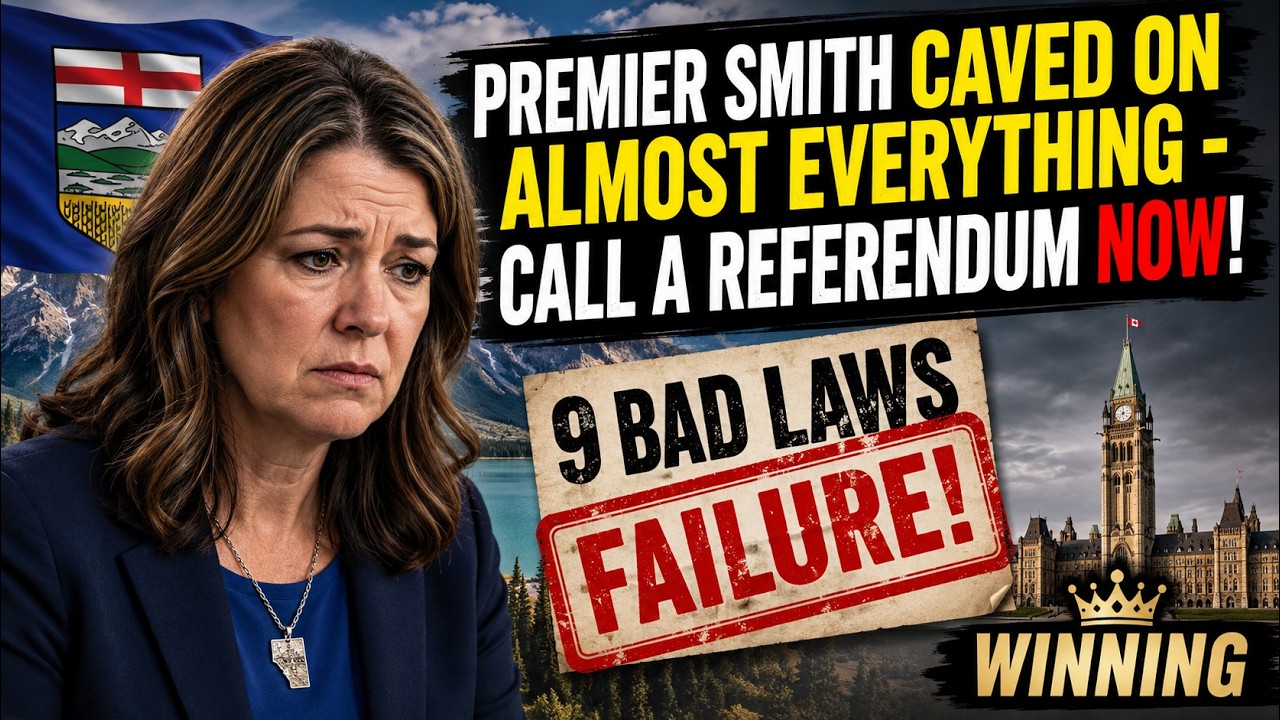
Alberta's fourth demand was that the federal government provide Alberta with the same per capita federal transfers and equalization as Quebec, Ontario, and British Columbia. The speaker argues this has not occurred, with Alberta shipping $25-29 billion annually to Ottawa while receiving less in return.
Click to watch →
Deep Dive
Alternative models of fiscal decentralization and resource wealth distribution in other federal systems, such as Australia, Germany, or Switzerland.
🔴Presentación del Libro: La Transformación del Sistema Nacional de Coordinación Fiscal 25/08/2025
313
International experiences offer valuable lessons: the German model demonstrates combining autonomy with solidarity through financial equalization; the Australian model shows the importance of independent technical commissions for transparent resource distribution; the Canadian model provides examples of reducing fiscal disparities between provinces. The book proposes several reforms including a new Fiscal Coordination Law, an independent National Transfer Commission, incentive systems for local revenue collection, and a Regional Development Fund for infrastructure investment.
Click to watch →
Fiscal federalism and diversity accommodation in multilevel states: a comparative perspective - #1
141
Tax autonomy—the power of sub-central governments to levy taxes—is a fundamental aspect of federalism that varies dramatically across countries. Canada allocates approximately 45% of tax revenues to provinces with substantial taxing power, while Austria allocates almost nothing to sub-national governments. In most federations, spending decentralization exceeds revenue decentralization, meaning states fund much of their spending through intergovernmental transfers. Countries like Germany, Canada, Switzerland, and the USA are closer to the 45-degree line where revenue and spending decentralization match, while Mexico and Australia show larger gaps. This variation reflects different approaches to balancing fiscal responsibility and solidarity in accommodating territorial diversity.
Click to watch →
![[LIVE]First Sitting of the Fifth Session of the 15th Parliament|23th February 2026](https://i.ytimg.com/vi/8sHf1hjjEP4/maxresdefault.jpg)
[LIVE]First Sitting of the Fifth Session of the 15th Parliament|23th February 2026
344
Various countries have developed different approaches to fiscal federalism that offer lessons for Malaysia. Canada's Health Transfer follows the principle that all citizens have equal value in financing basic services, providing stability and transparency. South Africa's provincial equitable share uses a weighted formula combining population with health and other factors reflecting actual service costs. Germany adjusts population weights based on urbanization costs, recognizing that urban populations have higher service costs. Switzerland measures fiscal capacity before determining equalization transfers. These international examples demonstrate that fiscal federalism can be designed to address various regional disparities and service cost variations.
Click to watch →
Sesión N° 1 Narrativa de la descentralización / Benchmarking de esquemas de descentralización
1.2K
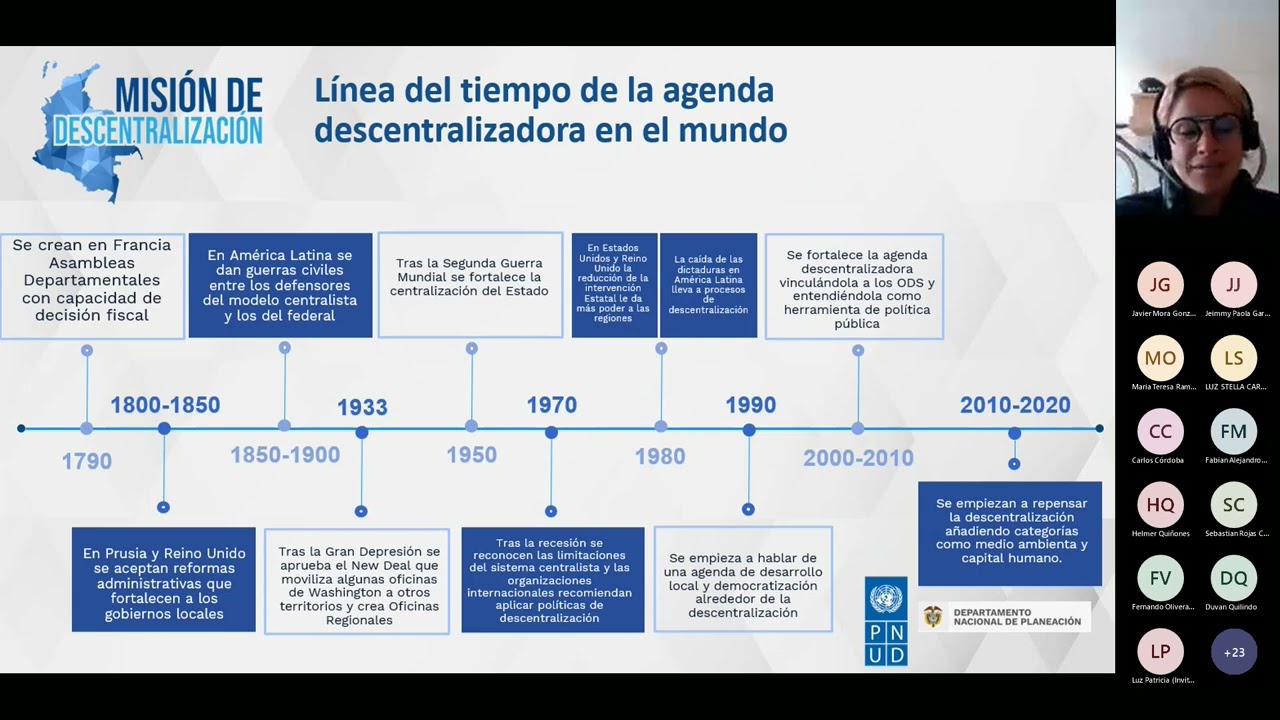
In Australia, local governments are recognized by federal states rather than being constitutionally defined. States recognize local governments through agreements that define their competencies. Australia has two key mechanisms for intergovernmental coordination: Subnational Government Councils (representing states before the central government) and the Intergovernmental Agreement on Financial Relations (resolving competency overlaps). Australia's fiscal system includes general income assistance, specific purpose payments, and national cooperation payments. Switzerland has three constitutional government levels (federal, cantonal, municipal) with 2,221 municipalities despite its small geographic size. Switzerland promotes intergovernmental cooperation through intercantonal agreements, joint enterprises, intercantonal contracts, and tripartite conferences. Sweden implements asymmetric decentralization with mandatory functions (employment, services) and optional functions (tourism, industry, energy, culture) that regional and local governments assume when requested. Sweden's fiscal system includes general transfers with a unique feature: governments that collect less receive more, while those that collect more must pay the central government.
Click to watch →

Why Switzerland is so Filthy Rich
398.1K
Switzerland operates as a federation of 26 cantons, each possessing significant fiscal autonomy including control over nearly 25% of their total fiscal income (including social insurance). This level of decentralization is exceeded only by Canada and the United States among developed nations. The system creates fiscal competition between cantons, where each region independently determines corporate and individual income tax rates. This competitive dynamic incentivizes sound public spending allocation, encourages benchmarking between regions, and promotes the adoption of efficient regional solutions to attract businesses and consumers.
Click to watch →
Deep Dive
The political dynamics of Western Alienation and its influence on intergovernmental relations and federal elections in Canada.

The Evolution of Western Alienation
263
Western alienation in Canada has evolved from a 1980s-1990s narrative of being economically held back by the federal government to a contemporary sentiment of feeling left behind or falling behind, driven by the oil and gas industry's deep embedding in Alberta's provincial identity and elite political forces leveraging populism to create quasi-separatist movements; this shift reflects how regional identities and political grievances transform over time, with Albertans increasingly viewing federal policies through an identity lens rather than purely economic calculations.
Click to watch →

Rethinking Canada—The alienation of The West
458
Canada's 2019 election revealed a severe east-west political division similar to the 1970s under Pierre Trudeau, but more serious in the current century. Western Canada, particularly Alberta and Saskatchewan, remains deeply alienated, while the Bloc Québécois has resurged after being expected to diminish post-1990s. Ontario's 121 seats consistently determine federal government outcomes, creating a system where one province controls national politics. The Liberal Party returned zero seats in Alberta, Saskatchewan, and Manitoba, accompanied by policy decisions like the rail strike and pipeline inaction, interpreted as animus toward these provinces. This division threatens Canada's federal structure and raises questions about whether the nation can survive as a unified country.
Click to watch →
Fractured Nation | The Pillaging of Western Canada
670.2K
Western Canadian provinces have developed deep alienation from the federal government due to perceived exploitation of their natural resources. The core problem is that when the West grew up economically, it wasn't treated as an adult or partner by Eastern Canada. The National Energy Program (NEP) exemplified this dynamic, forcing Western provinces to sell resources at below-market rates, causing unemployment to rise from 3.7% to 12.4% in Alberta. The CF-18 contract scandal demonstrated that both Liberal and Conservative governments despise the West. This alienation has led to the formation of the Reform Party in 1987 and ongoing separatist movements, with polls showing one-third of Albertans believe Alberta would be better off as a separate country.
Click to watch →
Why No One Trusts Canada’s Government Anymore | Hon. Preston Manning
92.1K
Western alienation stems from multiple factors: ignorance and indifference from central Canadian media and academia about Western interests; institutional imbalances like an ineffective Senate for regional representation; constitutional unfairness; and mistreatment of resource sectors. Western Canadians feel their economic contributions are undervalued while bearing disproportionate regulatory burdens, creating legitimate grievances about federal-provincial relations.
Click to watch →

Western provinces push toward US statehood as Canada faces its biggest unity crisis
1.2K
Western alienation has evolved from frustrated complaints about federal policies into organized political movements. Alberta, Saskatchewan, and Manitoba have become centers of a movement claiming the West has reached its breaking point with Ottawa. The key distinction is that frustration alone rarely produces change, but organization does. Groups connected to the Alberta Prosperity Project have begun laying groundwork for referendums, training volunteers to gather signatures and prepare legal documentation. This represents a fundamental shift from abstract conversations on internet forums to structured political activity with real democratic implications.
Click to watch →
Fiscal Drain
Reform Plan
Fiscal Drain
0:00- 1
Alberta loses billions annually to federal transfers.
- 2
Equalization has paid out $67B with zero return since 1965.
- 3
2021 referendum to remove equalization was ignored by Ottawa.
Cooperative Federalism and the Constitutional Mandate of Equalization
Critics of Alberta's proposal argue that the equalization program is a vital pillar of Canadian social cohesion and cooperative federalism, enshrined in Section 36(2) of the Constitution Act to ensure all Canadians have access to comparable public services. Opponents point out that equalization is funded by individual federal taxpayers, not provincial governments, making the concept of a 'fiscal drain' on Alberta misleading. Weakening the federal transfer system could severely harm public services like healthcare and education in less wealthy provinces, exacerbating regional inequality. Furthermore, economists warn that dismantling the unified tax collection system in favor of decentralized provincial agencies would create administrative duplication, dramatically increase compliance costs for businesses, and undermine national economic stability.
The structure of Canadian Fiscal Federalism, specifically how the federal government collects taxes and redistributes wealth to provinces.
The definition and mechanism of the Canadian Equalization Program, including the distinction between 'have' and 'have-not' provinces.
The division of powers under the Canadian Constitution (Sections 91 and 92) regarding taxation and natural resource revenues.
Alberta's historical and contemporary economic profile, particularly its reliance on the oil and gas sector and its net-contribution status to confederation.
The constitutional amendment process in Canada and the legal feasibility of unilaterally altering the equalization formula.
A comparative analysis of Quebec's independent tax collection system (Revenu Québec) versus Alberta's proposed provincial tax agency.
The macroeconomic impacts on 'have-not' recipient provinces if federal transfers and equalization payments are reduced.
Alternative models of fiscal decentralization and resource wealth distribution in other federal systems, such as Australia, Germany, or Switzerland.
The political dynamics of Western Alienation and its influence on intergovernmental relations and federal elections in Canada.
30K views2.2Klikes3:45@ABDanielleSmithOriginal Release: 2025-07-04
The Alberta Next panel is touring Alberta to hear from Albertans on how our province can better protect ourselves from Ottawa's economic attacks while building a more prosperous, strong, and sovereign Alberta within Canada.
A provincial referendum on some of these ideas is coming in 2026.
But what's on that referendum ballot and what happens next for Alberta is up to you.
One idea being discussed by the panel is reforming federal equalization and transfers. Since 2005, Alberta taxpayers have contributed on average $23 billion more per year to the federal government in federal taxes than they received back in projects, benefits, and other spending from Ottawa. That's a net loss to Albertans of nearly half a trillion dollars in just 20 years. Most of those redistributed Alberta tax dollars are spent by Ottawa and Quebec and other liberalleleaning provinces across the country. And part of that massive fiscal transfer out of Alberta comes through the federal equalization program, which has seen Alberta pay over $67 billion into the program since 1957 while receiving back not a single penny since 1965. In 2021, Albertans voted in a referendum to remove equalization from the Constitution, but Ottawa completely ignored us. So, what next? Alberta can't stop these federal transfers on its own.
The Alberta government doesn't write a check to Ottawa each year, and we can't ask Albertans to stop paying their federal taxes. The fact is, fixing this problem will require political support from other provinces. One option that would be appealing to most other provinces is to have the provinces collect a larger share of overall taxes.
This is how it could work. Currently, Ottawa collects over 60% of all the federal and provincial taxes that Canadians pay. The Ottawa bureaucracy takes its portion with the remainder inefficiently and unequally distributed to the provinces. The dollars we do get back have a lot of strings attached, forcing us to run our provincial programs and build infrastructure the way Ottawa wants us to. No provinces want that, especially the big ones like Quebec, Ontario, BC, and Alberta. What if we cut out the middleman and instead had provincial governments that are responsible for delivering health, education, and social services collect around 60% of all taxes with Ottawa receiving the rest. Ottawa in turn would be able to end most transfer programs to the provinces along with all the strings, bureaucracy, and waste attached to them. Quebec has already proposed having the federal government let provinces keep GST revenue generated in their provinces in return for ending the federal health transfer. Seems like a great idea. Why not apply that same logic to all federal transfers? Less money collected and wasted in Ottawa.
less federal transfers with only a modest amount of equalization for the smallest provinces and territories that actually need it and more funds for provincial health, education, and other programs without strings attached by Ottawa's politicians and bureaucrats.
That seems like something most provinces could rally behind. So, what say you, Alberta? Should Alberta take a lead role in working with the other provinces to reform federal transfers and equalization by having the provinces collect a larger share of overall taxes with Ottawa collecting less? And are there any other strategies Alberta should be looking at to alleviate the massive federal fiscal drain to Alberta?
For more information, visit alberta.ca/next.
Up Next

1:45
Unfunded Mandates Explained | The West Wing Debate
@RyanBurgePhD
198.7K views•2012-07-20

24:30
BRICS Pay and de-dollarization: A New Financial Order Emerges? | 55 chars
@DannyHaiphongYT
164.6K views•2024-10-22

7:33
Government Surveillance Methods: 10 Ways You May Be Watched
@BeAmazed
1.6M views•2017-04-09
10:19
Explaining the Saudi-Iranian Proxy Conflict in the Middle East
@Vox
18.2M views•2017-07-17
Related Study Plans & Knowledge Roadmaps
Structured learning paths in Political Science
political-science
Economic Statecraft: Sanctions & Chokepoints
01Foundations of Geoeconomics and Economic Statecraft
02The Mechanics of Weaponized Interdependence
03International Sanctions: Types, Implementation, and Efficacy
+ 2 more learning modules
12h5 modules
Explore Roadmap
political-science
Central Bank Independence: Politics & Policy
01Foundations of Central Banking and Monetary Policy
02The Time Inconsistency Problem & Inflation Bias
03The Delegation Model and Designing Independence
+ 2 more learning modules
12h5 modules
Explore Roadmap
political-science
Consociationalism: Power-Sharing & Stability
01Democratic Dilemmas in Divided Societies
02Introduction to Consociational Democracy
03The Four Pillars of Consociational Design
+ 2 more learning modules
12h5 modules
Explore Roadmap
political-science
Rebel Governance: Legitimacy, Economy & State
01Foundations of Rebel Governance and Statehood
02Establishing Political Legitimacy and the Rebel Social Contract
03Wartime Economies and Rebel Resource Management
+ 2 more learning modules
14h5 modules
Explore Roadmap