



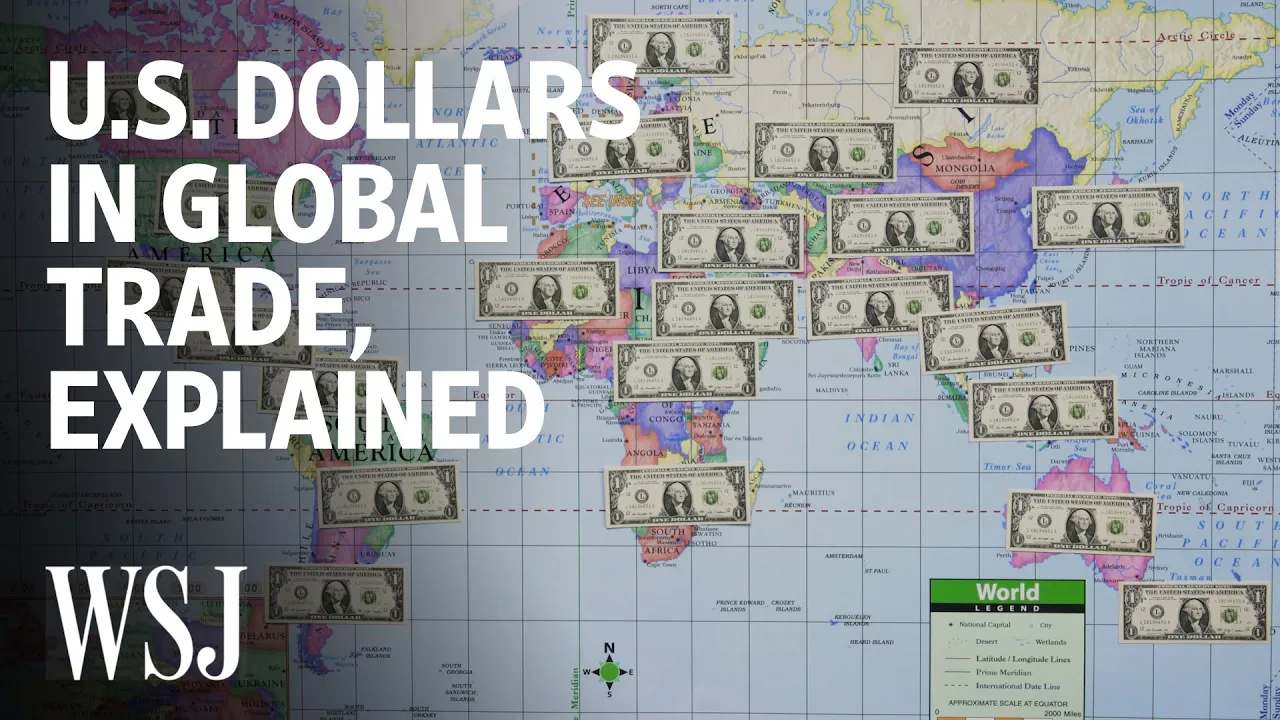












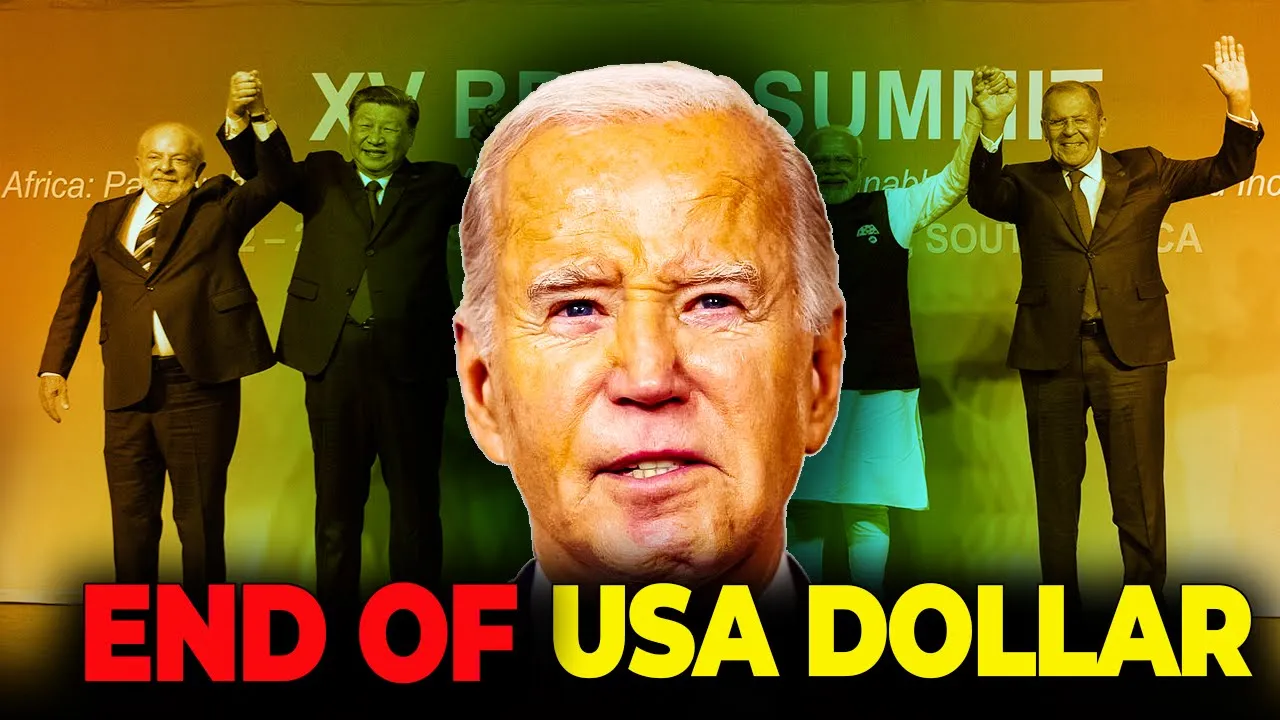



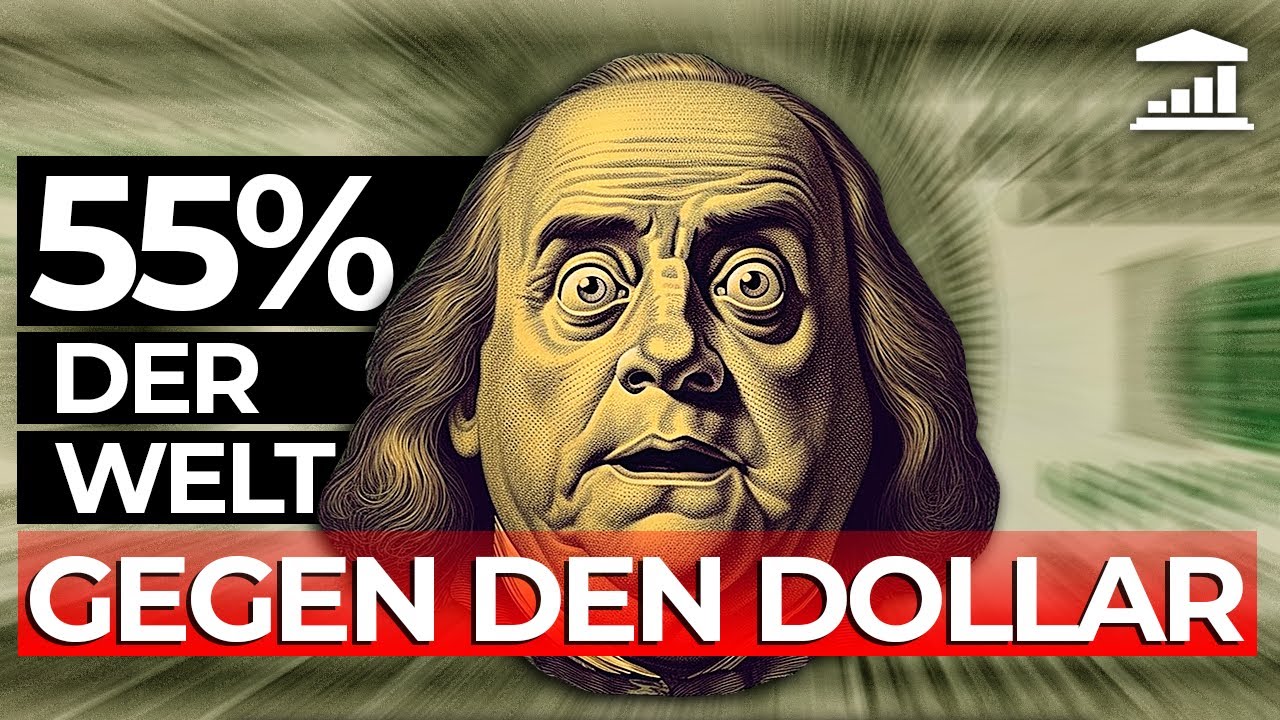
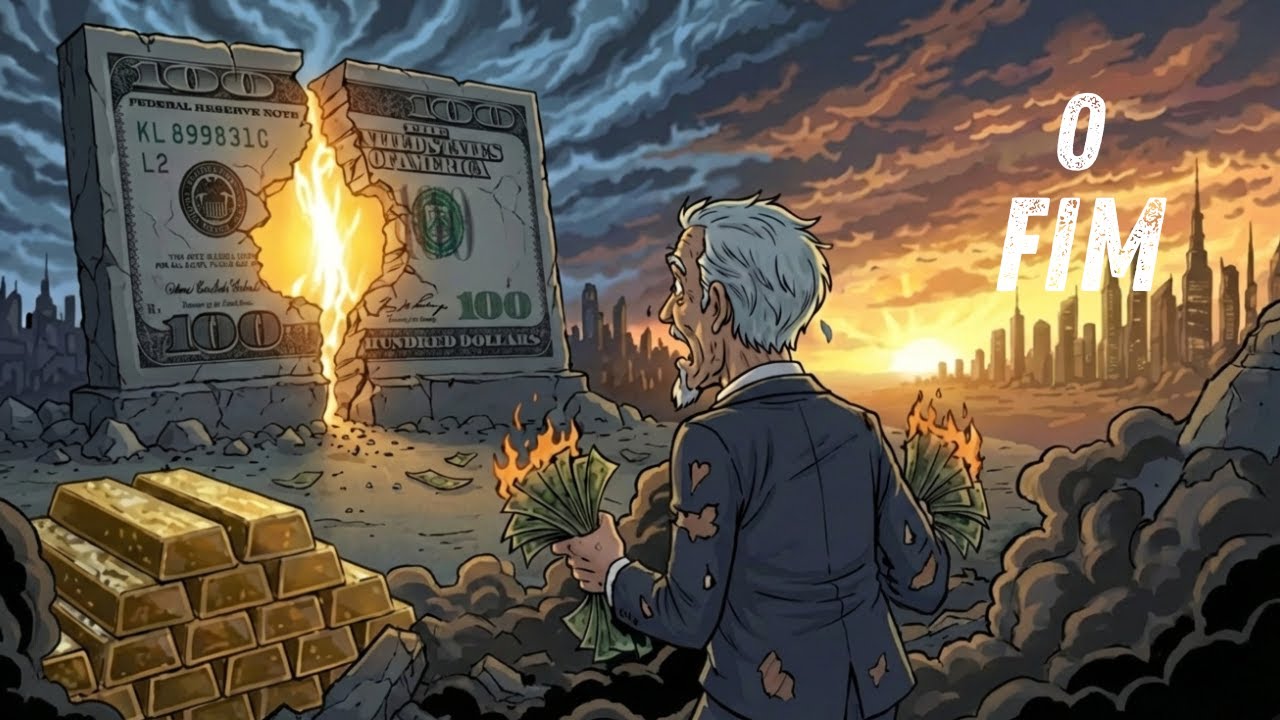
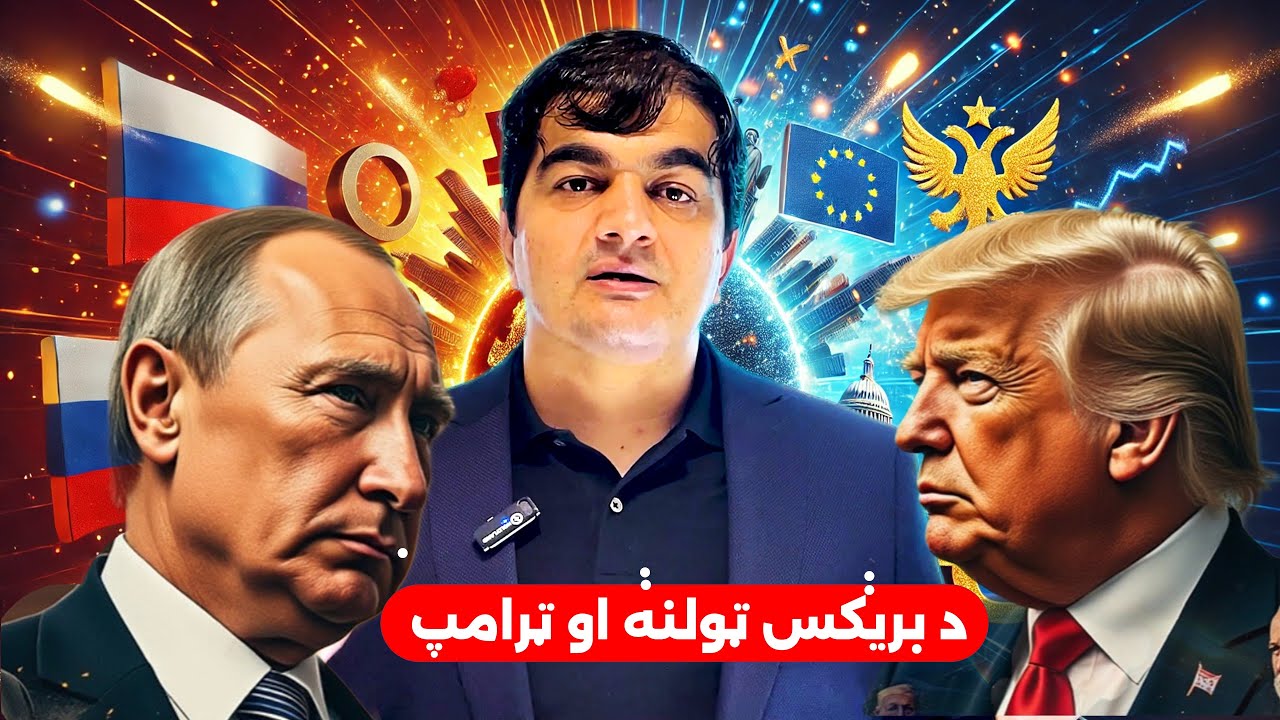

BRICS is developing an alternative payment system called BRICS Bridge and BRICS Pay, which would use a currency unit based on 40% gold and 60% BRICS currencies, enabling intra-BRICS transactions that bypass SWIFT and reduce dependence on the US dollar. This system, led by Russia and China, aims to create a parallel financial infrastructure that could challenge the existing dollar hegemony, with the system still under development and subject to finalization at the BRICS Summit.
BRICS Pay and de-dollarization: A New Financial Order Emerges? | 55 chars
Added:Understanding the role and mechanism of the SWIFT (Society for Worldwide Interbank Financial Telecommunication) network in global banking.
The concept of a global reserve currency and how the US dollar achieved and maintains its dominant status in international trade.
The geopolitical composition and economic objectives of the BRICS bloc (Brazil, Russia, India, China, South Africa, and expanded members).
How economic and financial sanctions are leveraged as foreign policy tools, particularly through the restriction of access to dollar-based financial systems.
Analyzing the development and integration of Central Bank Digital Currencies (CBDCs) and cross-border platforms like the mBridge project.
The economic implications of bilateral trade agreements settled in local currencies (e.g., Yuan, Rupee, Ruble) instead of the US dollar.
The long-term impact of de-dollarization on US monetary policy, domestic inflation, and the sustainability of US national debt.
The geopolitical challenges of establishing a unified BRICS currency or payment system, given the diverse economic structures and political interests of its member states.
164.6K views8.5Klikes24:30Original Release: 2024-10-22
perhaps we could uh speak about uh Kazan more now from the framework of a topic you have written extensively about and recently about which is this question of bricks constructing an alternative payment system and financial infrastructure uh and the centrality of things like blockchain currency like the new development Bank based in Shanghai so we have Russia and China of course spearheading a lot of this could you talk about some of the details that you have uncovered recently about what will be discussed and how an alternative payment system an alternative Financial system uh will be in the works uh during this Summit and of course uh future uh bricks deliberations and efforts yeah um I strongly suggest to all of you uh please try to read this column I try to make it as concisely as as palatable as possible uh using um Russian analysts and the the second part of the column uh it's Professor Michael Hudson speaking I sent an email to Michael said Micha this is what the Russians are saying this is what's on the tables there please tell me what you think should happen and his suggestions are fantastic uh but it's going to be very complicated because they they don't exactly align with what they are discussing here but most important things uh will be on the table and we still don't know how they're going to present it to the other bricks and how and we still don't know the conclusions and how they're going to present this to the rest of the world uh a system called uh bricks Bridge which is inspired on the mbridge system which is ongoing he has uh among them um The People's Bank of China Hong Kong Thailand Emirates Saudi Arabia there to the a few few months ago two months ago or so and for instance it's an example that I I always mention because it's quite graphic the ties by um oil from the Emirates and they pay through embridge this means they don't need currency they are not afflicted by currency volatility it's always the same unit via the bricks Bridge uh and this they could expand this to not only the bricks but the bricks candidates as well everybody would be trading via the bricks Bridge uh based on the M Bridge uh which which forget about currency volatility number one excellent how they are developing this the guys from the bricks Business Council say it's not it's not even redacted yet the final document that's one thing another thing is a system called bricks pay bricks pay is going to be uh I'm sure many of you know Ali pay well bricks pay is the same thing and it will evade Swift because it will be intra bricks and link to uh future bricks members as well another thing is the unit the unit well the the the first time the first column on the unit we did it a few months ago I was following this process for almost one year I had a lot of meetings with these guys they briefed me in detail and then okay let's try to present this to the world he was picked up in us everywhere The Wall Street Journal pick it up they're trying to contact the guys from the unit you know what is this all about you know so the Americans immediately noticed that this thing is powerful uh it's a system based on um 40% gold 60% currencies of the bricks countries uh an alternative payment system they still don't in fact with talking to the Russian Ministry of Finance which has to talk to the other ministers of finance of bricks they still it's not finalized yet but all these things are on the table and they may converge to the the table in bricks and they in all this uh uh Solutions and new mechanisms can be introduced at the same time uh there there's more for instance a new uh Insurance uh setup apart from the Western Insurance system very very important a new bricks rating agency that does not depend on the westerners rating everybody and rating the global sou all the time very very important so when you put this all together the dossier is mindboggling in fact so there will be some very important meetings um next week and the week after next involving the Russian Central Bank Minister of Finance they're going to have to talk to the other ones with the Chinese as well so we assume that within within two or three weeks you're going to have more or less the final decisions and the final documents which will then go the sharpers will have to present to the leaders and then to be approved in four weeks from now so so the deadlines are wow you know we are at the last stretch so it's uh people are working 48 hours a day on all these doas you know but you can see that there are alternatives absolutely and what professor Michael Hudson suggested is slightly different when you read the column you're going to see and it's already circulating here right one of the guys told me look everybody now is reading what Michael Jackson Mel Jackson imagine Michael Jackson th it's just a threat he's back yes he's back what Michael Hudson suggested and they may incorporate some of these ideas and it's something that we discussed here why don't you bring my Michael Jackson why don't you bring Michael Hudson as an advisor to all of you guys which is something that may happen in the near future as well that's that's very interesting um you know given all that you said it's a it's a it's a huge outline there's a lot of components to this but it is uh now I I there are far more details than we have had in the past and I did share the column in the chat due to censorship I'm not bringing up the Sputnik title but I will say that you can find it on Sputnik find it on it's already been published in the US uh Danny today I saw uh uh it's on un's review is probably the the the top story and it's on Zero Hedge as well so it's already circulating in us which is a good it's a very good thing correct so everyone make sure you follow Pepe's telegram um so you can read the column but I wanted to ask you lastly Pepe on this question what are the most significant challenges you know you have of course Russia and China being the mega kind of powers with the uh financial and political capacity to really spearhead this what are the biggest challenges that you're hearing in terms of getting this off the ground because uh there still are a lot of doubters on the ability for the multi-polar world to truly create an alternative to the US dollar we know that it's still far away but it seems like the pace of dollarization has accelerated very dramatically even in just the last few years what are the biggest challenges from here given this new architecture that you outlined well the internal bricks problems they have to solve when La told us earlier this year that we need to accommodate the new members first of all that's what that's why that was diplomatic language to say um frictions among the new bricks members or between the new and the old we have to solve this before even starts thinking about expansion and now expansion is not only the 34 Nations that putting out line a few weeks ago now it's it's getting to 40 and after the bricks Summit it's going to get to 50 60 everybody will want to join bricks there's no question about that uh so uh can you imagine uh managing this expansion and at the same time managing the different dosier especially geoeconomic that have to satisfy all old and new members at the same time wow you know it's something that has not been attempted since uh 19 the end of the U second world war 1945 but then at the time the Americans didn't have to satisfy anybody they satisfied themselves and they built a system for themselves right now it's different now you have a group of Nations trying to build a system that will satisfy most of the planet it's a much more complicated thing so uh when when U uh for instance this title which is very provocative um I borrowed from Michel in fact the idea that we need a bricks Breton Woods it's not going to be now it's not going to be in Kazan it's going to be maybe a few years from now it will happen but uh what was being discussed what maybe uh two week two two two years ago we needed bricks Breton Woods three no this is going to be a new this will be the post Breton Woods in fact and of course it freaks out the the ruling class in us and the atlanticist of course because then you're G to have two systems in basically the world will be divided in two the global South Global majority will follow post Breton woods and the US and the vessels will be still subjected to the rules of Breton rules but this is not it's not now it's not going to be next month it's going to be before the end of this decade probably yeah you know and I want I know I said lastly but maybe Lastly lastly uh there's there you mentioned the and I I wanted to pull up the article so people can find it on un's review um and I you know I'll put it in the chat after this but I wanted to ask you Pepe about India in particular because you know uh I have my frustrations with India's back and forth and it's you know uh where it falls geopolitically in many respects as well as I respect its position of course on Russia but when it comes to dollarization when it comes to this new Financial system how do you see India because the West has all these dreams for India they believe India will be a great buffer against China they believe India is now which I think is a a wild dream is uh the new competitor against China but yet brics is really led by Russia and China and India has all this potential to be a huge player if it isn't already one in all of these talks where do you see India's role really uh Beyond The Smoke screen that we hear from the West is exactly um well I had some very good conversations with the uh Indian Scholars at the Vladivostok Forum uh early this month excellent they were telling me about some of the problems of course internal problems mod government uh how they are the Indian ruling class is starting to understand finally that the quad is a trap for them uh you you saw the Quad Squad meeting now with the with the who's next with the zombie saying who's next you know and mod was sitting right beside him and then the mick was on and everybody said it was off and he gave away the game saying that this is basically a a containment of China mechanism so the Indians are are starting to wise up to what's really going on and at the same time because they have a very good relationship with both um Russia and Iran they know that for instance when the international north south Transportation Corridor will be in full flight for Indian businesses this is going to be fantastic it will open commercial possibilities for them all across Ria in fact and how uh the port of chabahar in in southern Iran Indian investment and they built the road from chabahar to the Afghan border when this thing is up and running full flight the same thing it it's the Indian connection to Afghanistan and Central Asia as a whole another immense uh commercial opportunity for India so they are focalizing on these connectivity corridors which for them is a absolutely essential uh towards greater Eurasia uh and they see that this has nothing to do what the Americans are proposing which basically is essentially nothing you're going to be an Annex of our containment of China strategy this is what the Americans are offering to the Indians you know so so they're starting to get the picture but it's it's a long process and they told me about very complex internal problems Indian politics internal problems as well I'm I'm very curious because this uh talking about India I did a podcast to Sputnik India earlier this week I'm very curious to see the reaction uh it's getting good numbers on the Twitter X but I have to to to to read uh the reactions of Indians themselves and of course I want to go there I haven't been there in a while and there's no other way uh Danny right just like went to sing Jang to see the Rio sing Jang same thing India India have to travel across India which is sometimes can be a very complicated experience but then you learn a lot yeah I I mean the one of the things that would be wonderful over the next decade or so is if India can truly integrate into bricks and that Spirit of bricks in terms of infrastructure so that travel can be easier because it is difficult it is not like it's not like going to Russia and China which have far more advanced uh rail networks and they don'tu inside India only a few regions exactly yeah only a few regions it's hard to see things it's it's hard to get around um but I I think those are all good points uh Pepe about about India is that there is so much pressure to turn India into this anti-china node we could call it uh but at the same time the overall trend of geopolitics is that doing that is political and geopolitical and economic suicide just like it is just like India recognized with Russia so it' be interesting to see if uh bricks will be able to um you know will be able to unite further with that understanding in mind there's always talk about Vladimir Putin being very Pro Trump and then there was a lot of backlash about the comments he made about kamla Harris being more predictable just like Biden so of course why wouldn't Russia support kamla Harris for the next president but Trump recently made comments about sanctions where he said that they would the United States would end sanctions on Russia and Iran should he become president and on the other hand you mentioned this pressure that the global South feels even Iran felt pressured recently to talk and state openly that it was against what Russia is doing militarily in Ukraine given that there are these pressures given that there's all this rhetoric flying around uh what do you believe is the truth about uh where Russia where Putin stands on uh how the Global situation is moving forward uh as it attempts to resolve and resolve what's going on in Ukraine and it's very clear Putin has been very clear the resolution and the Russian government is very clear that the resolution is meeting the objectives of the Smo uh but how will it navigate these kind of global challenges because you do have elections the election season in the US is always a circus and you also have a lot of pressures on even Global South and Bricks members to even rhetorically uh perhaps uh hedge uh in all kinds of different directions well it will depend uh to a certain extent uh on what the bricks will present to the global majority after the end of the summit because this will don't don't forget that the is the Russian presidency and bricks are following a Russia designed agenda with Russian priorities of course listening to everybody else but Russia needs to have a very cohesive coherent and strong message at the end of the bricks Summit especially because a few weeks later we're going to have the G20 in Rio so the bricks can already preempt completely all the blah blah blah that is going to take place in Rio you know and won't lead anywhere because the G20 nowadays basically split between the collective West and uh the global South and top bricks are members of the G20 so it's going to this G20 is going to be split and it won't get anywhere essentially but bricks is a completely different story and a strong bricks showing they will arrive in Rio dictating the agenda not reacting to what the garden will try to impose on them once again H now it's different because the bricks are going to set the agenda at the summit and then they arrive in a position of force at the G20 and obviously everybody knows that especially the Russians and the Chinese and the Iranians as well and the Iranians the fact that they are talking to the the Europeans are talking to the Iran the Europeans don't want to abandon Iran the Europeans want to invest in Iran like they did before before the before the sanctions before the jcpoa before the sanctions Etc um but the Russian position is realistic uh terms of Elections whatever happens what putting uh what the Putin's remarks about camela there was fantastic trolling especially because the American system doesn't understand irony or sarcasm or metaphors or figures of speech or trolling for that matter they take everything literally you know it it's very limited intellectual you know so they took it literally and and obviously the Russians who are masters of metaphors they loved it here here became a joke everywhere ping trolling the Democrats and the Democrats buying you know uh as for what Trump is going to do it's once again blah blah blah nobody really knows he says one thing he does another and don't forget he's a top Zionist so he won't do anything that would compromise Israel Russians also know it because they have to deal with their Zionist Lobby here was immensely powerful in Russia as well and includes a lot of very powerful oligarchs as well so to deal with that here is also for puting is extremely tricky and even with all these limitations uh the Russians at the UN and diplomatically Via La riabov Etc they are being more and more forcefully Pro Palestine just like the Chinese and then we have everybody and we have ER erdogan was in fact one of his best performances was in New York everything that he said about the genocide that that that was straight to the point that was not uh erdogan hedging anything this is this is this is you could feel it this is what he feels about it at least which is very rare because he always has this Pasha ve you know and you never know what he's up to but on Palestine that was the real deal so um these are the auspicious aspects because the top bricks Converge on the key issue genocide in Palestine support for Palestinian and sovereignty so they are aligned with the lands of Islam as a whole so immediately they have two billion followers just like that you know so this is enormous enormous enormous how they're going to uh transfer this goodwi into practical uh decisions well that's it it starts now right thank you for tuning in to my latest video I appreciate all of your support this channel however needs your help I am seeking to make this channel more sustainable in the long term and upgrade necessary equipment to ensure that this work continues onward and makes progress to give you all of the geopolitical analysis that you all deserve for that reason I'm asking you to become a member of my patreon community at patreon.com danany high Fong you can find that link in the video description or in the pinned comment below for whatever amount you choose to give just know you are supporting Independent Media that you can't find anywhere else thank you so much and I look forward to the next video [Music] [Music]
Up Next

33:09
Microsoft Activision Merger Antitrust Analysis under Biden
@HoegLaw
10.3K views•2022-01-22
88:38
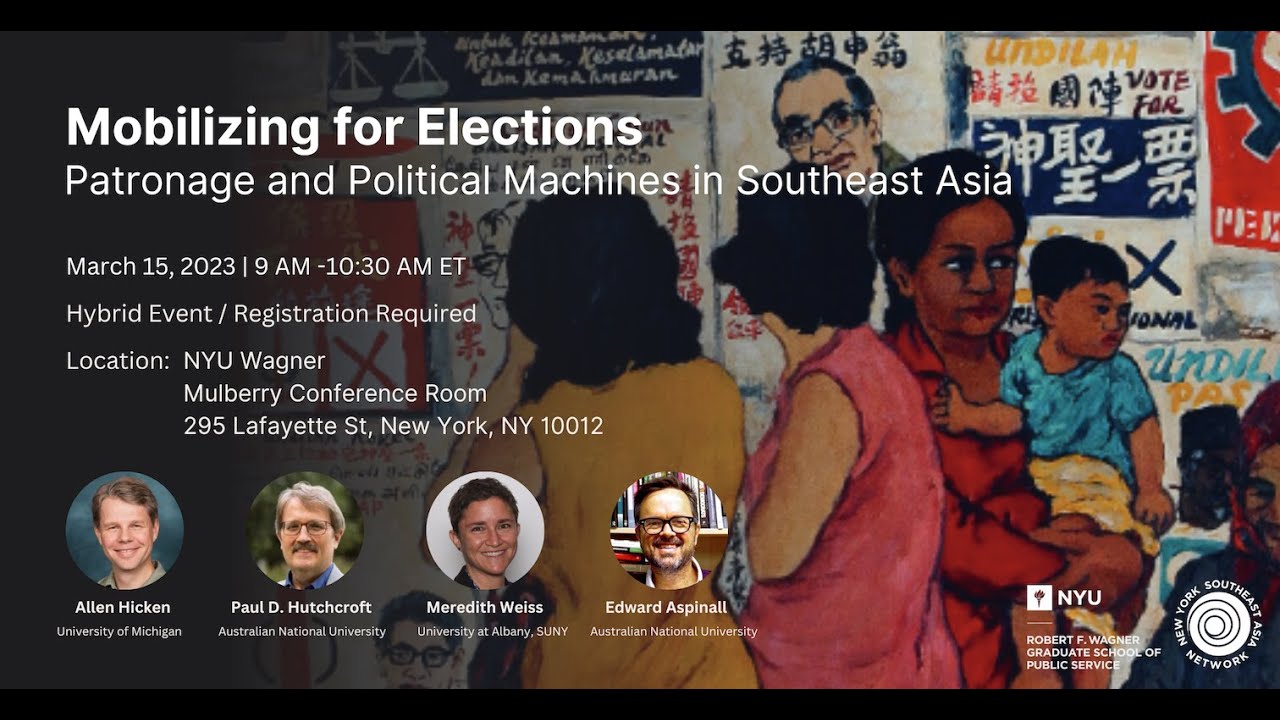
Patronage and Political Machines in Southeast Asian Elections
@NewYorkSoutheastAsiaNetwork
511 views•2023-04-05
7:33
Government Surveillance Methods: 10 Ways You May Be Watched
@BeAmazed
1.6M views•2017-04-09
10:19
Explaining the Saudi-Iranian Proxy Conflict in the Middle East
@Vox
18.2M views•2017-07-17
Related Study Plans & Knowledge Roadmaps
Structured learning paths in Political Science
political-science
Analyzing Clientelism: Patronage & Vote-Buying
01Foundational Concepts of Clientelism
02Mechanics of Patronage and Resource Allocation
03Vote-Buying, Turnout Buying, and Ballot Secrecy
+ 2 more learning modules
12h5 modules
Explore Roadmap
political-science
Economic Statecraft: Sanctions & Chokepoints
01Foundations of Geoeconomics and Economic Statecraft
02The Mechanics of Weaponized Interdependence
03International Sanctions: Types, Implementation, and Efficacy
+ 2 more learning modules
12h5 modules
Explore Roadmap
political-science
Central Bank Independence: Politics & Policy
01Foundations of Central Banking and Monetary Policy
02The Time Inconsistency Problem & Inflation Bias
03The Delegation Model and Designing Independence
+ 2 more learning modules
12h5 modules
Explore Roadmap
political-science
Consociationalism: Power-Sharing & Stability
01Democratic Dilemmas in Divided Societies
02Introduction to Consociational Democracy
03The Four Pillars of Consociational Design
+ 2 more learning modules
12h5 modules
Explore Roadmap