











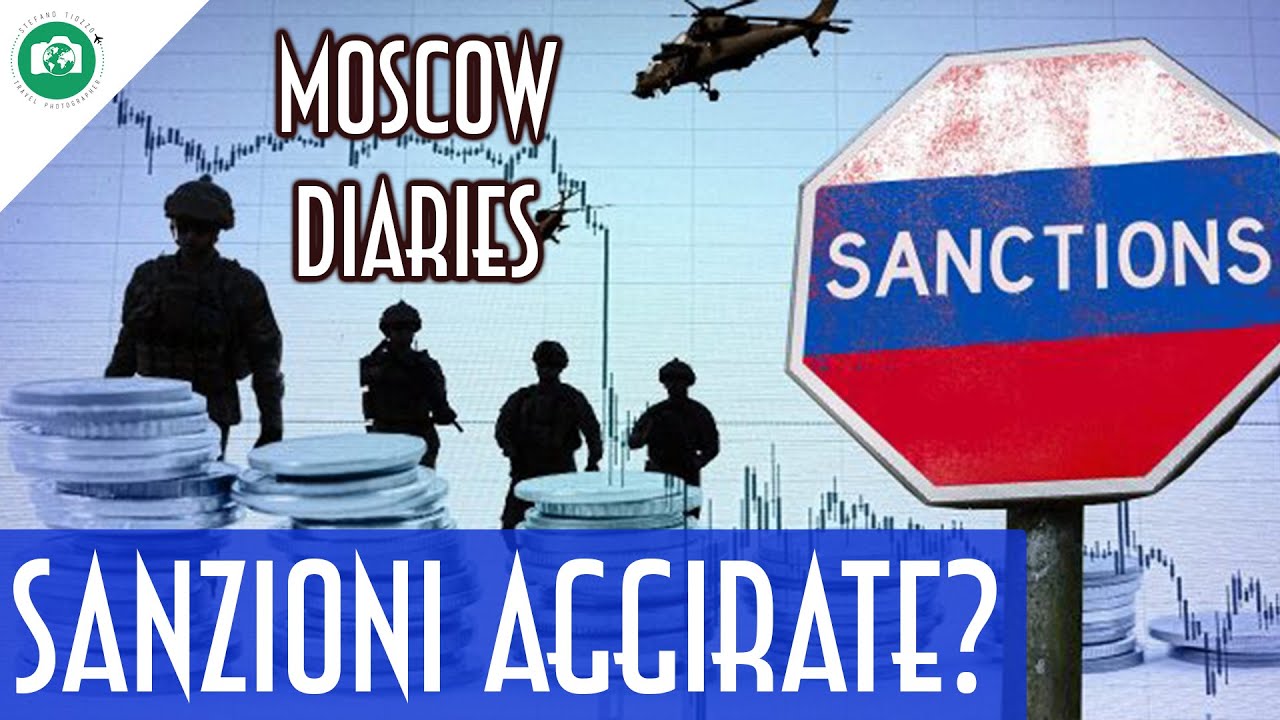






Sanctions are economic measures imposed by countries or international bodies to pressure a target nation to change its behavior, typically by restricting trade, financial transactions, and access to technology; their effectiveness depends on comprehensive implementation, international coordination, and the target nation's economic vulnerabilities, though they may also impact the imposing countries and face challenges in achieving universal international support.
Evaluating the Effectiveness of UK Sanctions Against Russia
Added:Fundamentals of international relations and the concept of economic statecraft, specifically how economic sanctions function as non-military foreign policy tools.
The geopolitical context of the 2022 Russian invasion of Ukraine and the resulting diplomatic alignment of Western nations.
The role of the United Kingdom, particularly London, as a major global financial hub and its historical integration with foreign capital.
Basic mechanics of international finance and trade, including the SWIFT transaction system, asset freezes, and export controls.
Methods of sanctions evasion and circumvention, such as the utilization of 'shadow fleets', cryptocurrency, and intermediary third-party nations.
Comparative analysis of sanctions regimes, contrasting the UK's enforcement mechanisms with those of the United States (OFAC) and the European Union.
The long-term systemic consequences of financial weaponization, including trends toward 'de-dollarization' and global economic fragmentation.
Corporate compliance and international law, focusing on how multinational enterprises navigate legal risks and manage asset divestments in sanctioned jurisdictions.
130.2K views4.3Klikes10:04Original Release: 2023-02-24
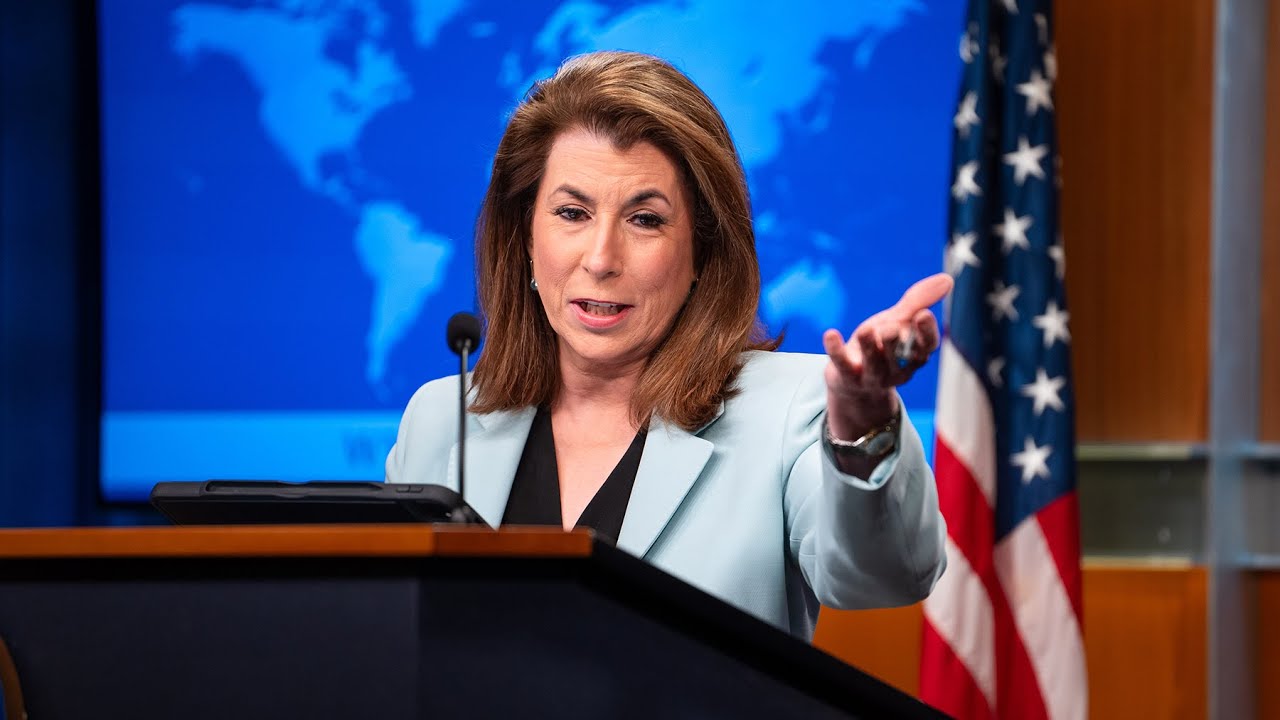
this video is brought to you by brilliant it's been exactly a year since Russia launched their invasion of Ukraine in that time we've seen the Western world including the UK come together to impose a set of unprecedented sanctions on Russia both of individuals and of the government itself so in this video we're going to explain what sanctions the UK has imposed on Russia look into whether these have been effective and ask what more the UK government might do [Music] we're going to break this video down into two sections first we're going to explain the sanctions the UK has imposed on Russia then in the second section we're going to examine these sanctions looking at some issues surrounding them to help us unpack this we were joined by the UK sanctions Minister Anne-Marie trevelyn who gave us insights into this anyway let's start by explaining the sanctions sanctions on Russia were imposed by the UK long before the 2022 Invasion back in 2014 the Russian State invaded Ukraine and successfully took control of Crimea the UK put Financial sanctions on 183 individuals and 53 entities in response to this and additionally imposed an arms embargo and restricted the trade of certain items for example equipment for oil exploration naturally following the invasion of Ukraine the UK government wanted to go further so in the last year they've imposed a broad range of sanctions on Russia broadly these sanctions can be split into five categories number one export sanctions I.E any sanctions aimed at restricting Russia's ability to export stuff like most notably oil and natural gas two import sanctions I.E any sanctions aimed at restricting Russia's ability to import components perhaps the best example of this are the UK's export controls on high-tech equipment including on the day of the invasion which basically prevented companies in the UK from exporting stuff like semiconductors and other Advanced components to Russia in addition to this this includes a ban on the use of UK services in the UK with those working in accounting and public relations no longer able to sell their services to anyone in Russia number three Financial sanctions including the expulsion of most Russian Banks from Swift and other sanctions targeted at Russian Banks and financial institutions number four individual sanctions I.E sanctions targeted at specific Russian individuals like the magnitsky sanctions introduced by the UK in 2020 after the death of Russian anti-corruption lawyer Sergey magnitsky prior to the invasion 183 individuals and 53 entities were subject to these sanctions following the invasion this was increased to 196 and 58 respectively and number five what we might describe as other sanctions like the eu's Visa ban or the proposed ban on Russian athletes competing in the Olympics now while the UK has clearly implemented a huge range of sanctions on Russia throughout the last year and with the war still ongoing and Putin showing no signs of slowing down it's worth considering whether these sanctions have actually worked so we asked this question to the sanctions Minister herself so as I say we've done this in concert with other countries with the EU with with the US with Canada with many other countries where they've been able to to really try and make these impacts as effective as possible and there's going to be a recession in Russia for you know the number of years in ahead because of what we've already done that we're seeing a sort of two to five percent drop in GDP and that will continue and the oil price calf course has a big impact over the long term sanctions are strange Tools in that they they continue to have an impact and in fact the impact gets has a multiplier effect in certain sectors as long as you keep them on so they are designed to try and persuade Putin that there is no good reason to continue fighting this war peace in Ukraine is the only way that we can get to a point where we can start to have a sensible conversation again as long as he continues to run this illegal invasion of a neighboring country will continue to do all we can to use the sanctions tools we have to restrict his ability to succeed now UK sanctions against Russia have been increasing through the last year while some of these by Design just hurt Russia some of these have also had an impact here in the UK notably the Russian export ban on oil and natural gas this has driven Energy prices and inflation up here in the UK and around the world and has been one of the main drivers of the current cost of living crisis an ipsos Mori poll from January found that globally there were some signs that Ukraine fatigue was starting to set in only 66 percent of those asked said that their country should take in Ukrainian refugees down seven points since March 20 22 additionally fewer people now think that doing nothing would encourage Russia to take further military action elsewhere with 63 saying this is the case now and 68 saying this last year so we asked Minister trivellian whether the government is concerned about so-called Ukraine fatigue that's a really important question and the answer is very straightforwardly no and I'll tell you why uh first of all we saw I think the horror uh journey by the British people but around the world of Putin's illegal invasion of Ukraine a year ago the horror that in Europe somehow there was anyone who thought it was okay to invade and cross someone else's Sovereign borders and the British people were extraordinary both in their uh condemnation but also in their generosity of spirit towards the ukrainians in the ways the many ways that they needed help obviously urgency uh in terms of all sorts of things but in terms of opening our doors and the welcoming Refugee scheme that we set up so while the minister believes that the British public will still support sanctions is there really much further to go as we explained the UK government has been relatively comprehensive in their sanctions packages with the war likely to continue through 2023 we asked the minister whether she thought there was still scope to go further we will continue to do so where we see those who are either as individuals or businesses supporting Putin's war machine to try and reduce his ability to fund and continue his War so layers upon layers of sanctioning pressures to reduce both the ability to deliver the war machine to fund the War Machine and indeed to continue to see that income come in in an attempt all of this in an attempt to persuade Putin that he is not going to win we the world are going to stand alongside Ukraine until such time as that country is back in a peaceful state so we will continue to find ways to put pressure on through these tools to reduce the economic viability of Putin's War so while the sanctions Minister does still believe there's further to go it's also worth noting that while the UK and other Western Nations have implemented sanctions on Russia other major world powers such as China and India have declined to do so so we asked the minister whether this has undermined the UK's efforts so when the UN brought forward resolutions and uh 143 countries signed up to it that clear statement of course there were some who didn't feel they could speak and I think where we see countries who are and I think that the challenges they have dependencies with Russia which they cannot immediately find a way to come away from them they simply can't solve whilst we understand that we continue within our diplomatic networks to encourage all countries to step away from those Russian interactions where they can but we do understand that the realities are there but while it might be true that the oil price cap is in the interest of developing countries so far few of them have explicitly endorsed it and Customs data from third countries including China and India suggest that many countries are still ignoring it if the West wants to bring more countries on board it'll have to convince these countries that sanctions are in their interests and perhaps more significantly that taking a stand against Russia is the right thing to do with the war in Ukraine still raging we'll have to see how much longer Russia is able to continue their Invasion with these sanctions in place ultimately we all want to be that person who learns something new every day and that makes sense because everyday learning Keeps Us sharp and makes us and the world around us more interesting but the reality is it's hard to do that's where brilliant.org comes in that's because brilliant.org is the best way to learn vital skills like maths computer science and decision making interactively brilliant has thousands of lessons from foundational and advanced maths to the latest artificial intelligence data science neural networks and more with new lessons added monthly and staying on top of the latest developments and Trends you hear about in news and even our videos the course on the joys of problem solving is a particularly great place to start running through the fundamental decision-making processes the experts and even politicians make every day or at least the good ones so to take a positive step in your learning check out everything brilliant has to offer free for a full 30 days click our special link in the description the first 200 of you will get 20 off brilliant annual premium subscription
Up Next

3:29
De-risking vs Decoupling: China's Economic Strategy Explained
@businessstandard
4.6K views•2023-06-08
88:38
Patronage and Political Machines in Southeast Asian Elections
@NewYorkSoutheastAsiaNetwork
511 views•2023-04-05
10:03
How the United Nations Actually Works: History & Structure Explained
@TLDRnewsGLOBAL
578.7K views•2022-01-13
10:19
Explaining the Saudi-Iranian Proxy Conflict in the Middle East
@Vox
18.2M views•2017-07-17
Related Study Plans & Knowledge Roadmaps
Structured learning paths in Political Science
political-science
Analyzing Clientelism: Patronage & Vote-Buying
01Foundational Concepts of Clientelism
02Mechanics of Patronage and Resource Allocation
03Vote-Buying, Turnout Buying, and Ballot Secrecy
+ 2 more learning modules
12h5 modules
Explore Roadmap
political-science
Economic Statecraft: Sanctions & Chokepoints
01Foundations of Geoeconomics and Economic Statecraft
02The Mechanics of Weaponized Interdependence
03International Sanctions: Types, Implementation, and Efficacy
+ 2 more learning modules
12h5 modules
Explore Roadmap
political-science
Central Bank Independence: Politics & Policy
01Foundations of Central Banking and Monetary Policy
02The Time Inconsistency Problem & Inflation Bias
03The Delegation Model and Designing Independence
+ 2 more learning modules
12h5 modules
Explore Roadmap
political-science
Consociationalism: Power-Sharing & Stability
01Democratic Dilemmas in Divided Societies
02Introduction to Consociational Democracy
03The Four Pillars of Consociational Design
+ 2 more learning modules
12h5 modules
Explore Roadmap