













In constitutional impeachment proceedings, the accused has the right to due process, including the opportunity to present evidence and defend against allegations, as the Constitution accords every person the presumption of innocence until proven guilty in a court of law; this ensures that impeachment cannot be based merely on perception without substantive evidence.
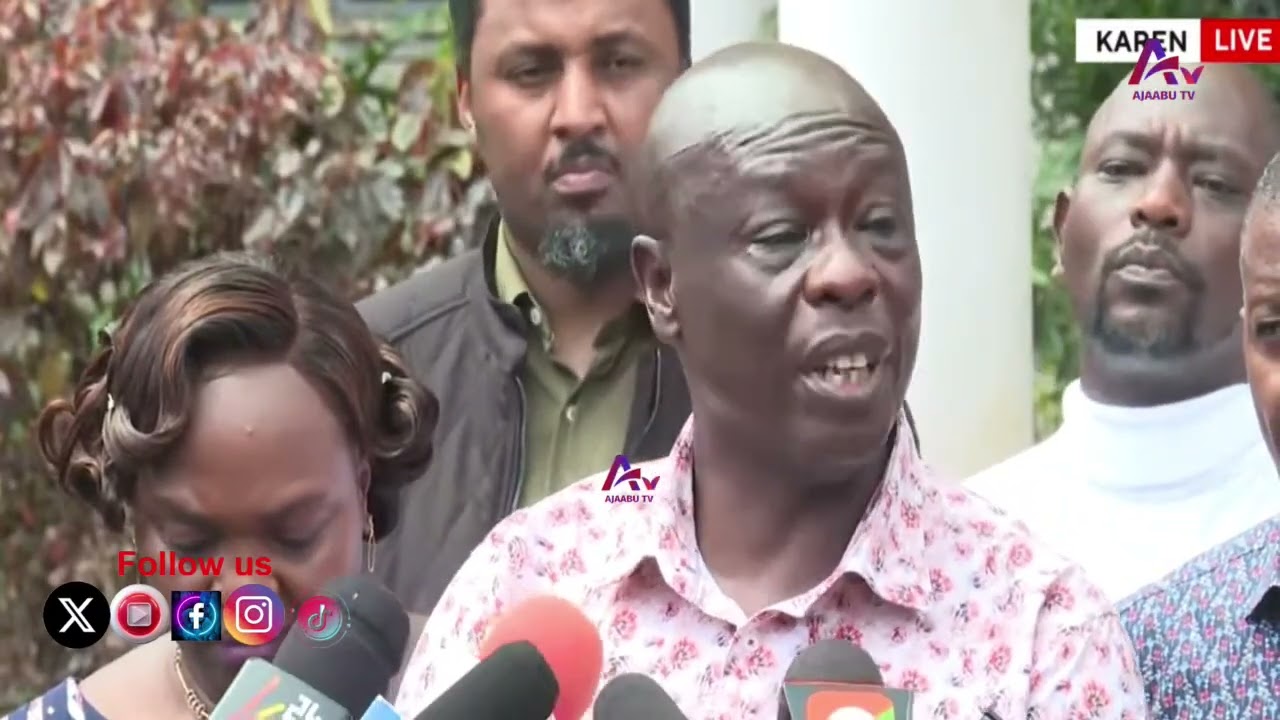
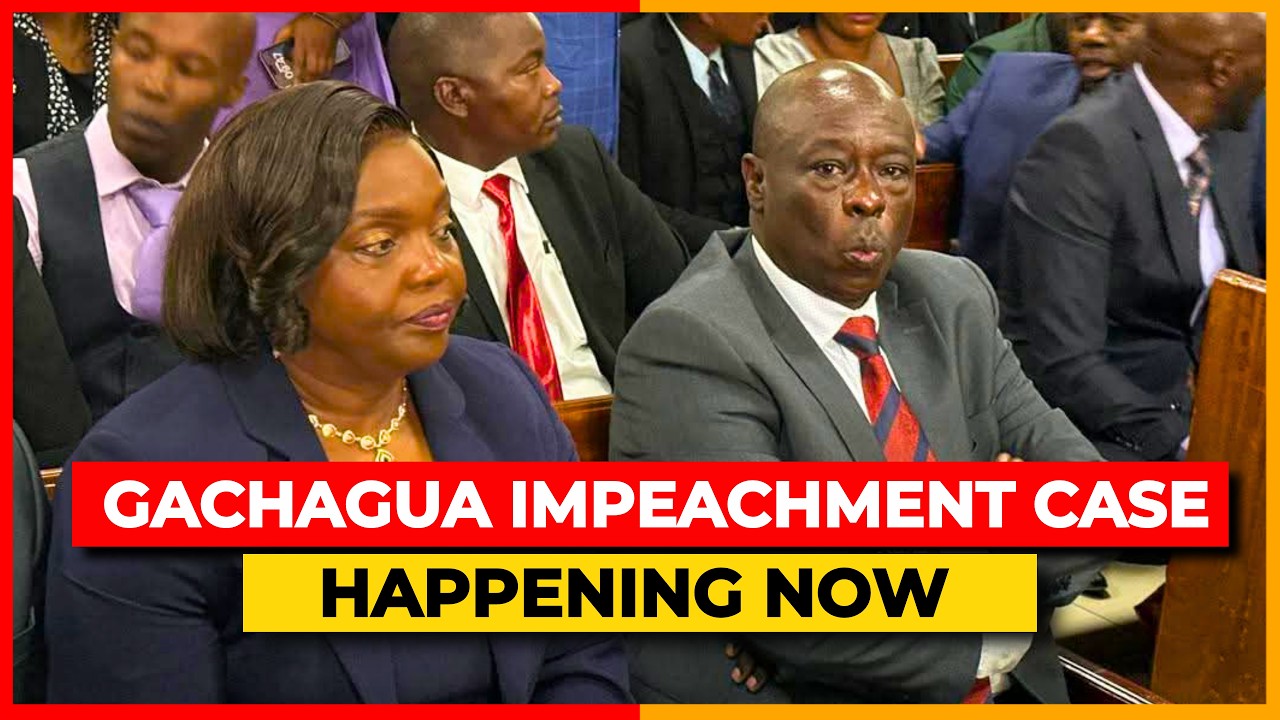
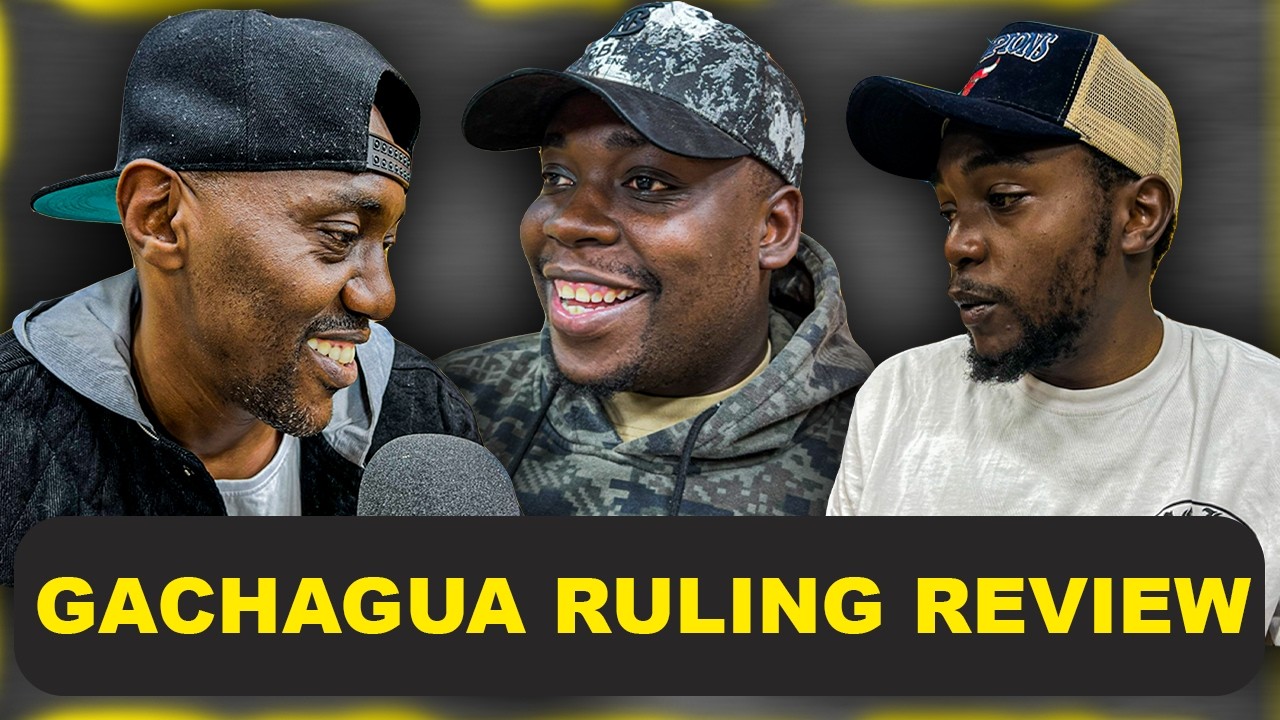
Gachagua's Full Defense During Impeachment Proceedings (2024)
Added:The constitutional architecture of Kenya, specifically the executive structure and the joint-ticket mandate of the President and Deputy President under the 2010 Constitution.
The legal framework governing the removal from office of a Deputy President in Kenya, including Article 150 of the Constitution and the division of responsibilities between the National Assembly and the Senate.
The fundamental principles of natural justice and due process, which dictate that an accused public officer has the right to be heard and present a defense before a decision-making body.
The political theory of legislative oversight and checks and balances, which defines how parliament holds members of the executive accountable.
The bicameral procedural transition, focusing on how the Senate conducts an impeachment trial after the National Assembly passes a motion of impeachment.
The role of the Judiciary in political processes, specifically how the High Court of Kenya handles constitutional challenges and judicial reviews of legislative decisions.
The socio-political implications of executive fallout on governance, coalition politics, and ethnic alliances leading up to general elections in Kenya.
Comparative constitutional studies, analyzing how Kenya's threshold and process for executive impeachment compare to other presidential systems, such as the United States or Brazil.
119K views628likes1:36:10Original Release: 2024-10-08
[Music] order no more points of order your Excellency deput president as you take the floor this morning the speaker made a communication and indicated that we found it abhorent the some of the contents of your interview last your speech rather your statement last evening in which you described this house in not very good terms we also indicated that the rules of this house preclude matters pending before the house from being conversed in other fora particularly by members of the house and to an extend of broad interpretation of the standing orders a person who is subject to the mo going on in the house it is spilled milk it's water under the bridge you said what you said but uh it is only fair that being an immediate former member of this house that you exercise your conscience to hold as to whether this a theater of the absur or is an honorable National Assembly of the Republic of Kenya you may start by addressing that thank you very much honorable speaker and thank you The Honorable members present for according me this opportunity to prosecute the matter before us Mr Speaker sir I have tremendous respect for this great institution having served here for 5 years between 2017 and 2022 and I appear here in a very nostalgic moment that I'm back in the house where I stayed for 5 years despite the fact that I've come under difficult circumstances Mr [Music] Speaker maybe the sound people is that okay [Music] now Mr Speaker sir and H members I want to thank you for giving me opportunity hope your Excellence you have been advised by your lawyers that you are here to respond to specific issues yes in the motion I have my advice and not to talk generally I know yeah so rules of relevance will still apply to you as they apply to all members Mr Speaker the motion before this great house alleges that two years years ago since assuming office I had required property and wealth whose estimated value 5.2 billion Shillings a significant number of properties to which this sum of 5.2 billion is erroneously and maliciously attached belonged to my late brother the late honorable James dag and as demonstrated by his will a copy of which is attached the fact as follows Olive Garden my response the allegation I own the Olive Garden tell is false truth is that Olive Olive Garden Hotel used to belong to my deceased brother the L honorable James Daga and therefore has never been my property this is information that most of you may be aware as it is in public domain upon his demise my little brother left a whe in which in his recognition that I can take care of his family he appointed me as one of the executors of his estate in the same will my late brother directed the hotel should be sold among other properties and proces distributed as per the will I'm also listed as a beneficiary together with other persons named therein in accordance with his instructions the hotel was sold by the executors to a third party going to the above I I do not own the hotel and have never owned it contrary to accusation in the motion for the benefit of this August house and the general public have annexed to this response copies of the following supporting documents my brothers will sale agreement dated 17th May 2023 an official search for Olive Garden Hotel limited Mr Speaker Pingo Beach Resort just as in Olive Garden Above This allegation is also false Bingo Beach Resort belongs to the estate of the late James dito kaga for the benefit of this house and the general public I have attached an next to this response copy of the official search for Beach Resort limited confirming that the hotel is still in the name of my little brother's estate Queen gate service appointment the is also forc at the property belong to my late brother Queen gate service departments registered in the name of Pingo Beach Resort limited was sold to Cooperative Bank of Kenya limited staff retirement benefits scheme as evidence by the agreement for the dated 4th May 2022 and a transfer dated 5th October 2022 marked Annex at G6 L pass Ruru Kara 2023 in Mad East constituency which have originally constructed a helicopter lading facility my response is I do confirm that I own the above reference property which has approximately 2.5 acres in size and which have planted npia grass for my da cows I purchased the land in the year 2023 for 3.5 million from proceeds coming from my daily Farm I have read to the motion and there is no aota of evidence adduced of the impropriety in the way I acquired this small property finally on this matter I will confirm that there is no helicopter Ling facility of this particular parcel on the motion this part is also false I attach a copy of the agreement for purchase of this property marked an exra rg7 40 acres of land pared in caket within Cab in ner County my response I confirm that I own a property having bought it in 2015 at time when I was not a state officer I had not been even been elected as Member of Parliament from The Honorable J Member of Parliament for Kenny who is present in his house or I'm not sure whether he's present therefore this property I purchased 10 years ago and not two years ago during my turn as Deputy president and as indicated in the motion the allegation is false I read through the motion that there is no a of evidence abused of any impropriate in the way I acquired this property for the benefit of this house and the general public have Ann nexted to this response copy of the agreement for sale and purchase of this property marked as an exra rg8 8 acres of land in meu County for the record I wish to confirm that I do not own 80 acres of land in meu this allegation is false however in the spirit of disclosure I would like to confirm that I have purchased 29 acres of land in meu the land of my mother which I bought on around 9 February 2024 through a loan granted to me by solution Circle limited which I a member this s Circle has a charge against the title which it continues to hold as security until I fully repay the loan for the benefit of the August house and the general public I have annexed to this response copies of the agreement of sale marked rg9 and a letter dated 15 July 2024 from solution Circle limited confirming the finance the purchase of the property marked annexure rg10 daily Farm in yandara County my response is I do not have a daily Farm in nadara County therefore this allegation is false the land in yandara has no single animal companies the motion alleges there are 22 companies owned by my family members and which have been used to massively lader money and conceal proceeds of crime corruption and benefit from influence pedaling my response is the Mover of the motion has listed the 22 companes associated with me and has alleged that they have been used to massively lad the money unconcealed proceeds of crime corruption and benefit from influence pedling I've carefully gone through the motion and have not seen any evidence to support or proof the allegations there in it is not clear to me how to respond without having seen any evidence incriminating companies like to be clear these companies have not been involved in any illegal activities and I believe that is why the mve of the motion has not tabled any evidence of impropriety with respect to the companies it does appear to me that the Mover of the motion was so meticulous to get all the companies associated with me and my family and I believe that if he also had evidence of illegalities committed by the companies he would have shared or tabled that for the record however it is not possible to get evidence of illegality where there is none having said the above allow me just to mention a few companies because there are many regarding Gaga Foundation is a foundation I Incorporated in 2022 and I clarify that Foundation is a nonprofit making entity with the sole objective of uplifting the lives of less privileged Society this Foundation therefore does not trade and honorable members you are aware that by law a foundation cannot be used to trade since in corporation the foundation has received a total of 12 million Shillings which has been utilized as per the schedule marked anex ar1 which is paying school fees for children in P University and other universities across the country do regi Foundation because she's not here to defend herself this is a foundation founded my wife by my wife Pastor daas Incorporated immediately we came into office as a nonprofit making entity for the sole purpose of drug widows single mothers and off a brief right of achievements is next here with public domain that Pastor Dockers have been around the country doing work of rehabilitating drug addicts and helping others who have challenges there are many other companies that are here that I don't uh because it's this is House of record I don't have I don't want to bother the members of parliament of going through all of them I want to probably only talk about wo Investments limited named after my Village in wo this company was incorporated 21 years ago before I became Deputy president and it's a company that holds family property Mr Speaker sir I have been accused of exerting influence on officials either Ministry of lands to issue an allotment letter to Amoro Investments limited and using the fraudulently acquired documents in support of a court case my response Mr Speaker sir and honorable members wish to confirm that wuro Investments limited has never been issued with any letter of allotment for land in embassi amuro investment Limited purchased this land from a third party in the year 2012 the company's ownership of this property has been confirmed through two legal processes one a case was filed before before the national L Commission in the year 2016 adjudicated and a determination was made that this property belongs to a mooro Investments limited that was long before I became the deputy president of the Republic of Kenya again a matter was filed in high court case ELC case number e242 of 2022 which was filed before I became Deputy president all the documents filed in support of this case were filed in court before I became Deputy president and no documents have been filed by myself in court upon becoming Deputy president this being the case it is not true that I have used my office as Deputy president to manufacture documents filed in this matter the high court found that this lad legally belongs to Amoro investment limited and issued the appropriate Direction this matter has since been challenged in the court of appeal I invite The Honorable member who may want to be enjoyed in this case to have the Liberty to do so Mr Speaker sir I have been accused in the regular procurement of mosquito Nets at a cost of 3.7 billion in response to paragraph 45 of ground 7 at page 23 and 42 paragraph 78 and ground 11 and Page 36 37 or 42 of the impeachment motion I wish to respond as follows it is not trth as claimed in paragraph 3 of the witness avidid of Andrew Mula that I was involved in the ker 3.7 billion irregular procurement of Malia Nets either directly or through proxy father shaba impa limited was not awarded the subject tender as the acting director of procurement Dr Justice kenot by later 5th May 2023 formally notified cha impex limited that its bid was unsuccessful because its tender security was not paginated and the tender was hence nonresponsive that is clear at paragraph four of the witness Act DAV of AD MOA he contradicts himself by claiming that on 11th july23 I pressured him to surrender the original bid board yet by the letter dated 5th May 2023 Kema had requested for collection of the original bid thus there was no cause to pressure to be exerted on Mr Mula for any other purpose I am aware of a foreign company known as shika impacts private Limited doile in India and which appointed Kenya Crystal Kenya limited as its local agent in the year 2014 that is 8 years before Gaga became the deputy president to date Crystal Kya limited has complied with the agency terms between itself and shik private limited an nexted here to and marked as anex rg18 in an appointment agency letter by shopa impacts Limited in the year 2014 sometime time in 2023 Kenya medical supplies Authority advertise tender number gfatm Mall nfm 2022 2023 for supply of long lasting insect cidon Nets using the international open tendering method of procurement on behalf of the global fund the money for supply of the net as per my understanding was a pure Grant from the global fund I am aware that shobika impex limited still participates in doing business with and has not been deared by the global fund to date I believe being technically qualified to provide and deliver the goods subject of the tender document having the financial ability to do so and without their participation or assistance from cryistal Kenya limited sha impex private limited independently participated and submitted in his bit in response the subject tender pass one to an invitation by ker having not participated in the subject tender kristo Kenya limited did not submit any of the documents in response to the subject tender specifically cryistal Kenya limited did not submit a bidboard or Tender Security in its name in response to the subject tender it is therefore not true that Crystal Kenya submitted a fake bidboard with an intention to fently acquire public property it is also not true that with my sons I use kristo Kenya to mercifully the money conceal proceeds of crime engage in corruption and benefit from influence pedaling subsequently V the letterer 5th May 2023 kemer notified shika impacts limited that it was not successful because the tender security was not pated and requested shika impacts private limited to collect his bid security from the procurement office immediately an next here to and marked anex rg19 is a S letter by kemer dated 5th May 2023 however EAC commenced investigations of the subject tender and on conclusion of the investigation by ACC and the Senate on the subject tender Kema CEO Terry ramadani who had been suspended on this issue was appointed Kenya's Deputy High Commissioner in new Dei India by President William rud thereafter chisto Kenya limited as shaba impa limited agent in Kenya followed up in the release of shaba impacts private limiteds bid board tender Security on behalf of shaba anex here to an an unmarked annexure rg20 is an email from choba impex private limited email addressed to Crystal Kenya limited together with a letter of even date confirming that Crystal Kenya limited had authority to collect their bidboard ker was mared to immediately relase a bidboard tender security upon determining that shika impex private limited was unsuccessful in the subject tender and that is why they requested that the same be collected from his procurement office Kema did so as can be seen his letter dated 11 July 2023 an next year to and marked annexure rg21 in the S letter by ker dated 11th July 2023 Mr Speaker noting that shaba private impa private limited was not successful it did not supply any goods and it did not receive any public funds in payment thereof with respect to the subject tender accordingly I have not committed any crime under Section 451 46 47 A3 and 481 of the anticorruption and economics Crimes Act and section 2 3 4 and 5 of the proceeds of crime and money lering act further I have not breached section 34 of the leadership and integrity act for I did not bully any state of public officer with respect to the subject tender and specifically no evidence has been tendered to support the allegation at paragraph 78 C of ground 11 at page 37 to 42 of the motion which alleges that I summon procurement officers in ministries and institutions instructing them to direct procurement of goods and services in a specific manner I have been accused of unnecessary unexpensive renovation of the official residents of the Deputy president in Karen and Mombasa Mr Speaker firstly I would like to state that funds for the renovation of the official residents were approved and allocated by this honorable house based on the fact that the premises had been neglected for a very long time when William Ruto was Deputy president it cannot be fair that this house proceed to impeach me because of an action that these honorable members have approved by of appropriating monies for their Renovations Mr Speaker the contract for the refurbishment of the official residence of the Deputy president dated 22nd December 2022 was signed by honorable ctio controller of State House Office of the President and agic investment limited that was awarded the tender because the controller of state house at that time was the accounting officer in charge of the office of the Deputy president the report of the auditor general Mrs Nancy gongo dated 24th January 2024 on the Executive Office of the President for the Year Ed 30th June 2023 gave the opinion confirming that due compliance with Public Finance Management act 20222 the reported is annex here with and marks as Annex rg23 I would also like to add the deputy presid as Deputy president I'm not involved in procurement processes of my office whether directly or indirectly I would also like to state that I do not know the company Agro PRI Investments limited which undertook the Innovations I do not know the directors and the company I did not participate in the tethering or supervising of the same the motion dated 26 September 2024 alleges that on 29th January 2023 45 million Kenya Shillings was transferred bayani Enterprises limited which is alleged to be a special purpose vehicle used by me to s public funds no evidence whatsoever is contained in the motion showing that the S company is in any way connected to me or that I have any beneficial interest in the Sate company which I am neither a director or a shareholder I categorically categorically refute the allegation which is false and unfounded Mr Speaker i' would also like to confirm that I'm not a direct our shareholder directly or indirectly of the company called AGR brick Investments limited and I do not know his shareholders or its directors Mr Speaker there's an allegation of dubiously acquiring substantial portion of the sum of 100 million paid to Lona events limited by response Mr Speaker just like the above other matter I have read the motion and I would like to state that there is no evidence that this company is linked to me I wish to categorically state that I have no beneficial interest in the state company and neither have have I Affiliated am I Affiliated in any way the directors and shareholders of the state company I would also like to state that I'm not a director or a shareholder of the company and do not know his shareholders or his directors I do not sit in the tethering committee I am not the accounting officer of the office of the Deputy president I have also not had any complaints against the manner in which the company undertook the work I am unable to confirm the allegations on funds withdrawn from the account of the company since I'm not a signatory to his account I'm not associated with the company in any way whatsoever Mr Speaker the motion dated 26 September 20124 claims that I'm reasonably suspected to be the Principal beneficiary of the dubious transactions however Mr Speaker no evidence has been induced or annexed the motion to give credits to the allegations or suspicion I categorically refute acquiring or benefiting from any funds paid to Lona events limited and therefore the allegation is forced and unfounded Mr Speaker I have been accused of sioning money through St Nicholas Rehabilitation and Industrial training istitute limited my response Mr Speaker is that the motion did dated 26 September 2024 makes the claim that a payment of 21 million was made to a company called St Nicholas rehabilitation center and psychiatric hospital then subsequent payment was made to umari Motors limited the motion claims that it suspected that the entire transaction was used by me to C public funds and the payments typify money louing transaction I'm not a director or a shareholder of this company and I've never received any payments from this company similarly I'm not affiliated or related to the shareholders and directors of the two companies no evidence has been Ann nexted to the motion showing that I was a beneficiary of the funds paid as alleged I wish to point out that I'm not the accounting officer in the office of the Deputy president and I'm not aware that the payments made to this company by the office the allegation is therefore false and unfounded Mr Speaker there is an accusation of alleged Sensational but false but false accusations Against The Honorable Lady Justice EST Miner my response Mr Speaker it is arranging the special notice motion of ground on ground four on page 14 and a gross violation of the Constitution that I public attack The Honorable Lady Justice EST minina and forcely threatened to bring action against her first article 160 sub Article 5 of The Constitution provides that the judge cannot be F liable in a court of law for actions taken in good faith in lawful performance of their work this provis is not a on freedom of expression guaranteed at article 33 of the Constitution nor a bar of the right to seek redress for legal wrongs simply because a wrong is committed by a judge the exit multiple legal fora in which to take action against a judge for in actions that are not lawful my statements were protected speech consequent to a decision by the landed judge in a matter involving my personal assets which I disagreed with and F to be wholly unfair the matter having been concluded at that stage by criticism of the decision was not sub judice nor in any manner prohibited by law while I respected the ruling of the landed judge I was in absolute disagreement with it contrary to the assertions in the special motion I did not forcely threaten to bring action against the landed judge I took actual legal action available to every citizen of Kenya under article 160b subsection 2 of The Constitution which allows any person to petition the Judicial Service Commission for removal of any judge and filed a legal complaint before the Judicial Service Commission JSC in March 2020 the complaint being live before JSC discussion of conduct of Judge in man here would be sub judice a copy complaint is an next here with and marked an exra atg24 Mr Speaker I have been accused of diverting materials meant for construction of kifi Mal Highway tamaka private road to the pigo beach resort my response Mr Speaker I rate I reate that Bingo Beach Resort ised in the name of estate or my brother horable James gagua number two the facts are as follows King Charles II visited Kenya between 30th October 2023 and 30th November 2024 during his State visit one of the designated places where King Charles II was to visit was kuuu Marine Conservancy who shares a road with vingo Beach Resort I have an ex copy of the program for the state visited to Kenya by King Charles II marked as Annex G25 at page 13 on item 63 and 64 shows his departure and arrival at Kuru Marine Conservancy there are several media reports confirming the visit by King Charles III to kuuu Marine Conservancy of an extracts of the media reports by the Star newspaper dated 7th November and by African news marked as an extra rg26 my understanding is that the road to kuo Marine Conservancy was upgraded in respect of this V visit which also to benefit the local community including amenities like sherani Secondary School sherani Primary School a Mosk and a public market as part of the corporate social responsibility I wish to point out that the alleged road that is taku sharani vipingo is a public road and not a private road leading to any property associated with the deputy president but a public road Mr Speaker I have been accus of adom mining the president and the cabinet by allegedly making contradictory public statements from the position taken by cabinet regarding the evacuation of the people residing along the narobi river my response Mr Speaker is that arle 147 of the Constitution provides that the deputy president shall be the Principal assistant of the president and shall deputize the president in execution of the president's functions article 20 28 which states that every has inherited dignity and the right to have the dignity respected and protected article 29 c Mr Speaker states that every person has the right to freedom and security of the person which includes the right not to be subjected to any form of violence from either public or private sources section 15 G1 of the lad act states that not with understanding any provision to the contrary in this act or any other written law or eviction shall be be carried out in a strict accordance with the following procedures be preceded by proper identification of this taking part in the eviction or demolitions B Be preceded by the presentation of formal authorizations for C where groups of people are involved government officials or their representatives be present during an eviction D be carried out in a manner that respects the dignity right to life and security of those affected e include special measures to ensure effective protection to groups of people who are vulnerable such as women children the elderly and persons with disabilities including special messages measures to ensure that there is no arbitrary deprivation of property or possessions as a result of the eviction this includes mechanisms to protect property and possessions Left Behind involuntarily from destruction to respect the principles of necessity and proportionally during the use of force and give the affected persons the first priority to demolish and Savage their property critically our constition provides at at 1472 that first the deputy president shall perform the functions conferred by this Constitution and any other functions assigned by the president pass one to article three of the Constitution I as well as every other citizen of Kenya and state or public officers have an obligation to resp respect uphold and defend this constitution in performing any of my function this the national values and principles of governance contained in article 10 of the Constitution by those State organs public officers and all persons including myself as Deputy president wherever we make an or Implement public policy decision in addition to this matter Mr Speaker these National values and procedures include the rule of law the democracy and participation of the people human dignity Equity social justice inclusiveness equality human rights nondiscrimination and protection of the marginalized adherence to these principles become extremely important when we as state officers are contemplating legal evacuation of citizens with a duty to avoid inhuman forc eviction that will be contrary to our Constitution and international law while campaigning with pres with president Ruto and subsequently when I was sworn in as Deputy president the president and IED as a key pillar of the Kenya Quanza government that there will be no forced or UNR evictions and that all evictions will be human and entail legal composition Mr Speaker the office of the Deputy president has undertaken extensive engagement with all parties in regard to Cabinet decisions on eviction which I fully support including the Nairobi river which is an entity under the office of the the deputy president and the County government of Nairobi adherance to these principles become extremely important when we as state officers are contemplating legal evacuation of citizens with a duty to avoid inhuman Force evictions that will be contrary to our Constitution and international law guideline number six of the United Nations General Assembly guidelines for the implementation of the rights to adequate housing prohibit for evictions and that the state should ensure that any eviction other domestic law are fully compliant with international law the guidelines further require meaningful engagement with communities to ensure that the right of residents are implemented cooperatively without the need for eviction procedures or police enforcement Mr Speaker I have supported Implement implementation of commment directives on the eviction sa for the fact that on being informed that the persons deciding along narobi river would be evicted and paid 10,000 Shillings only which I and many other Kenyans felt was inadequate compensation for eviction I insisted that the government should abide by the Constitutional dictates and international Norms while implementing any cabinet decisions including eviction and maintain the Dignity of the citizens of Kenyans facing eviction by statements did not and cannot be construed toine the president by insisting that people should not be evicted inhumanly and without adequate compensation Mr Speaker I have been accused of mining Devolution by arranged holding a meeting in Nairobi wakulima Market the motion alleges that on 28th September 2024 I unlawfully interfered with the running of the nirobi city County government by holding a public rally where I allegedly incited citizens against lawful directives of the County government on planning and location of markets my response Mr Speaker is that the motion alleges that September 2024 I unlawfully interfered with the running of the Nairobi City County government by allegedly inciting citizens against law of directives article 62 of the Constitution provides that the government at National and County levels are distinct and interdependent and shall conduct their Mutual rels on the basis of consultation and cooperation this being the case it cannot be said that there is a violation of the Constitution when someone from the national government makes a comment on matters relating to County government the Traders had sought me out to intervene and request the governor on their behalf to dialogue with them and seek a solution to the Grievances with regard to the relocation of markets I request that a video an next RG video 3 be played for the benefit of members to say what I say [Music] please play the video for us [Music] [Music] [Applause] [Applause] govern [Music] [Music] govern for [Music] [Applause] [Music] [Music] [Music] thank you Mr Speaker my counil has just drawn my attention that in my earlier explanation on Ari River I have a video one and two that I would like you to play so that I address my point on what I meant video one and two of Kenya to work hard we don't have a choice once we try to fix this economy and create a good working environment where we don't criminalize Enterprise where ordinary Kenyans are allowed to work where businessmen are not harassed by [Music] K where Goods belonging to the people of Kenya will never again be touched by overseers public servants where again poor people will never again be evicted in brutal evictions by state agencies and I say freedom is [Music] here now the number of fatalities from ongoing forces eviction by the government has risen to three with another tragic loss in madare on Monday an 18-year-old boy died as a bulldozzer brought down a church in the area just moments after President William Rutter left the young man who was assisting in salvaging the church's belongings became a casualty of the demolition earlier on Saturday two individuals lost their lives in mukuru quar Ruben during a similar eviction exercise Ben kirui reports Monday evening the ongoing forcible evictions in flood prone areas tragically ended yet another life the 18-year-old Ian oo lost his life in Madar moments after President William rut left the area where he had been assessing the effects of floods bulldozers descended on homes near river banks flattening structures marked for demolition when Maka Ian's mother struggled to comprehend the loss of her son a candidate in this year's KC reports indicate thatan was trying to salvage Church properties when the bulldozer brought down the wall leading to his sudden demise [Music] [Music] he said death led to demonstrations by residents prompting police intervention the law enforcers LED Tas canisters to dispers rioting residents [Music] residents insist they will comply with government orders to vacate houses along repan lands only if provided with alternative Housing Solutions Saturday's demolition in Mur Ruben claimed two lives and injured three others sparking outrage residents who blamed the government for forcible evictions despite many noted being relocated last week the government mandated the evacuation of all residents from Risky areas within 48 hours including those near dams those in areas prone to Mad slides and Kenyans residing on reparan lands Ben Kiri Cien tvi [Music] [Music] will not again we want to make sure that we are an orderly humane society that respects the right of everybody irrespective of who they are or irrespective of their financial status we are all equal before The Constitution thank you Mr Speaker that was President William Ruto talking the same language as his Deputy that brutal and forceful evictions have no place under this Administration we have seen a video of brutal eviction we have seen young children crying in tears the deputy president is being accused of ad mining his boss by just doing what his boss said that we should never forcefully brutally evict the people of Kenya Mr Speaker the leadership of Nairobi business Trad has approached me sometime in March 2024 are official residents to discuss multiple issues affecting business and requested engagement in solution and intervention on these issues consequent to this meeting I directed that short medium and long-term strategies be undertaken coordinated by the of the Deputy president to address the issues raised that cut across various agencies including K Kenya post Authority an C Authority Kenya Bureau of standard National Police Service and the Kenya copyight board on 11th April 2024 the small Traders and government agencies technical committee coordinated by my office held a meeting to discuss issue raised by the small Traders including mura Market attended by the office of the Deputy president staff in a supportive role in keeping with the draft of cooperation and engagement between the government the Nairobi City County government and Nairobi business Traders subsequent this Mr Speaker is clear that my office have been having meetings with the governor of Nairobi on various matters affecting the people of Nairobi and hence the deputy president cannot be accused of undermining the ition Mr Speaker uh I've have been accused of ading devolution by allegedly holding meetings to fight aloh I'm sorry Mr Speaker if the house took it that I said the house is a theater of the Absurd I was talking about this specific ch of abandom mining Devolution by holding meetings to fight to be discussed in this house that to me is what I thought that moment was five minutes or 10 minutes that would be the theater of the absur I did not attribute in any way by trying to demmin this house that I sat for 5 years by calling it the theater of the absur but this particular charge Mr Speaker drug and alcohol problem in Kenya has been on the increase and many of our youth have become addicted to alcohol and their lives destroyed because it causes them to drop out of school and start engaging inic crime to look for money to buy aloh I'm a strong advocate for youth rehabilitation from alcohol and substance abuse which I continue to encourage and support in order to save our future with regard to alcohol control and regulation I wish to state that have held several me meetings with governors in meu Chuka in Mombasa in nakuru in Neri and the efforts that President William Ruto asked me to lead in the radication of ilit brew has been very successful and we have been working with Governors and County assemblies who have been developing legislation on the control of Licensing of alcoholic drinks if there is one program that has had the best working relationship between County governments and the national government it is this particular program I'm a bit emotive about illicit alcohol because I lost my brothers one was a medical doctor to alcohol another was a farmer to alcohol I take it passionately I don't know who complained about this particular charge I have not seen evidence of any complaint and I've not had any person in Kenya complaining Deputy president is AD mining by with the Devolution by Leading the war on ilicit Bruce and drug abuse whatever this house decides tonight and the other sub house whatever happens toaga whether he in or this war must continue and must be worn for the sake of our children I want us to watch video number four rg4 who have been elected Madu govern what shall we tell our people where are we what shall we tell the people eled us when we meet them what shall we tell them when our children got wiped out by alcohol and drugs where are we we have nothing to say [Music] so please this forum here today let us be open and CED speak from your heart let us know what ANS us what is it must we do we have the support of the president and he's waiting he has told me by 7:00 p.m. today he wants a report he cannot accept this sttion he cannot neither can I and none of you should accept this sttion it is not right it is not fair it is not acceptable we must deal with it as lead and we are here we are all leaders as you are leader that's why have been given that responsibility as an you are leader count commissioner [Music] it is possible it is doable it is something that we can do thank you Mr Speaker it's very clear that the meeting had all governors members of parliament who are present here today policemen everybody and we are in agreement that the war must be won it cannot but the deputy President should be impeached for leading the war on aloh Sensational statements against the National Intelligence service is director General and officers Mr Speaker during the Assumption of office I took a oath of Allegiance the following terms both affirmation of allegiance to the president Deputy president in full realization of the high calling I assume as Deputy president of the Republic of Kenya I do swear solemly affirm that I will be faithful and bear true allegiance to the Republic of Kenya that I obey preserve protect and defend this constitution of Kenya as by law established and all other laws of the Republic that I protect and uphold the sovereignity integrity and the Dignity of the Kenyan people so help me God that is a w that I took in casani article 239 article three of the constition provides that in performing their functions and accessing their powers the National Security organs and every member of the National Security organ shall not act in a partisan manner further any interest of a political party or cause or Prejudice a political interest or political cause that is legitimate under this Constitution Article 239 sub Article 5 of The Constitution provides National Security organs are subordinate to civilian Authority in relation to this allegation I wish to state that the National Intelligence service holds a very critical role in ensuring the Safety and Security of our country they are responsible for Gathering intelligence and share it with all our law enforcement agencies to ensure that the country is safe at all times consequently when the country was caught flat footed with regard to the scope and extent of the Public's disfunction the finance bill 2024 which degenerated in a genc protest it pointed to the failure of the National Intelligence service in carrying out his mandate I am persuaded that the National Intelligence service ought to have known beforehand the public was completely opposed to the finance bill and they ought to have breed the president before the protest began and this would have caused a change of tact by government regarding the proposed bill and the protest which culminated in the loss of innocent lives and destruction of property could have have been avoided hence I expressed my opinion on this in my public media briefing in Mombasa and my utterances were not any different from what happens in other countries when there is a lapse or failure by the intelligence agencies the nation has witnessed unfortunate incidences of several extal killings abductions and disappearances I fairly believe that if the National Intelligence service had acted diligently these inces would not have been witnessed under the Constitution the government agencies are supposed to be accountable to the Kenyan people including the National Intelligence service and calling them out when in ad rication of Duty does not amount to undermining them I am also aware that the kenyaan government has been at the Forefront in calling out officers who do not seem to understand their work recently most the president publicly complained that there are some P PSS and CSS who did not seem to understand understand their role please play for me video number five rg5 on President Willam Bruto has today described some members of his cabinet as utterly clueless and uninformed about the dockets they occupy and in a sign of trouble for cabinet secretaries the state house gates were shut for those who arrived late with both president Ruto and his Deputy Gaga giving a sharp tongue lashing to the late comers and our Citizen TV Go reports the atmosphere the State House Nairobi left little doubt on President ruto's disappointment with a vast section of his 22 member [Music] cabinet a cold morning in Nairobi but the seats on the State House grounds came Ultra heated particularly for cabinet secretaries the cabinet members came here to sign performance contract but the oral appraisal of the day spur anything between trouble and outright Doom if you cannot keep time with your employer you have basically dismissed yourself I mean it's just as simple as that so for those who came late who are members of the executive I will be expecting a written explanation and it should not include matters of TR punctuality was at issue with some cabinet secretaries being locked out of state house for lateness and from the podium the president and his senior Li tenants were unforgiving [Music] who else have you going to see one of the things we need to learn in our performance contract is to beat the traffic for the 19 cabinet secretary is present the atmosphere at state house progressed from but was as president Ruto and his Deputy regard gagua issued a blistering assessment of the performance of the cabinet members many of you the people I speak to don't even know what is going on in your Ministries or departments you have very scany information the moment I know more than you in your ministry then you must begin to understand that something is very wrong how do you run a Ministry or that department or a par if you have information that is the highest level of incompetence those of us who came with the president from the political space and who are his friends and we assisted him to become president once he gives us a job that is DET termination of that friendship the friendship with the president will be based on nothing like performance from travel habits to basic work ethic and even media appearances it was a brutal Ground Zero appraisal for the cabinet why do you have to honor every invitation that you have been given to every country your Excellency at times we have tried to hold cabinet committees we can't five 6 seven eight ministers are out of the country some change clothes at the airport from one country to another that is the truth why can't you regret yourself if the president was to travel and H every invitation he would be out of this country the whole year you just have to decide what is useful and other things you can leave to ambassadors out of the country so when you hear my Deputy saying find time travel but travel and see the people who have hired us you know go go to different parts of Kenya so that you can get feedback from H from from from the public we have done so much as an Administration the information is not out there our ministers are quiet they are called for TV interviews they don't show up to say what they have done and then the media have a few day because nobody talks for government I would rather we spend more time explaining to the people of Kenya what we have done in our respective dockets are supposed to travel and if we have to travel Let's Travel up country to where are and explain what we are doing and I remember I called csui I didn't find him so I called his p and I found her and I explained to her I told her look the public is not understanding this did I call you or not on Sunday you know I I told you this is what the public is saying please do more sensitization on hasand phe two with a very public expression of disappointment in his cabinet president rudo has triggered speculation on changes in government as his administration approaches the end of its first year in office from punctuality to work ethic and general performance the proverbial acts could well fall somewhere with the performance contracts expected to foster a culture of high performance in the public service and also ensure that public resources are properly utilized it is also set to offer framework for President William Ruto to reward performance and also Institute sanctions on non-performers chai CZ TV Mr Speaker President William rutto my BOS and I have been calling out senior government officials when they fall short of expectations dor general of the National Intelligence service is no exception he's not above the law is accountable to the people of Kenya for his performance and I have had an argument that we should not call out those in the security sector I would like you to play the next video we have the most incompetent Inspector General of police I think in the world the most incompetent in in the whole world his incompetence may not necessarily play out when things are but when things get to ahead and you need some decisions to be made I I can tell you for sure the gentleman we have as an cannot make [Music] [Music] [Music] d Mr kinot please save your time stop writing to us wrong letters leave matters of Elections to IBC you have no business in IBC you have failed as DCI we don't want you to fail our election [Music] criminal investig he has never done [Music] anything faed and wait for AUST so that you can honorable members that was President William rutas Deputy president criticizing IG mutab DCI kenot regard Gaga has learned his job from his boss that public officers must be CAU order when they fell short of expectation and I never saw anybody bring William Ruto here for impeachment for criticizing the IG or the DCI this is a very unfair allegation Mr Speaker it is also reported by media that the IMF has already warned about impeding unrest during the people's suction with the 2023 and 24 finance bill many of you will recall Mr Speaker after the September 11th terrorist attack in the US the US intelligence agencies were massively criticized and an inquiry was even opened to investigate why their intelligence agency was not able to detect and threat the attack all we are seeing is that our National Intelligence service is accountable to the people of Kenya for his performance Mr Speaker conniving with cels in the T sector to block atda from implementing guaranteed minimum return Mr Speaker I am made to see a shred of evidence to that effect and I have nothing to say I have seen an allegation that we have not been able to do coffee reforms Mr Speaker out of my work coordinating coffee reforms a Cooperative Bill 2023 and the coffee Bill 2023 is before this house I request this house after this impeachment proceedings to embark on those two bills so that the coffee Farmers caniz the full benefit of the coffee reforms that we have initiated there is another allegation that have taken control of a local Cooperative Society in mad constituency I don't know the name of that constitu of that ative it is false I am yet to see any evidence I have nothing to say because there is nothing to be said on the issue of shareholding which I think members are interested in listening to I listened to you this morning and it was quite emotive by virtual provisions of the third shed of the political parties act the constituent parties of the Kenya Quanza Coalition entered into various agreements which were deposed with the speaker of the na National Assembly and the speaker of the senate for purposes of article 108 of the Constitution of Kenya the following were members UDA andc for Kenya par Farmers party CH chazi Communist Party economic freedom party service party to wenya party moja the myo party of Kenya and the Democratic party of Kenya in accordance with the provision of close 3 schedule 3 a power sharing agreement and development agenda for the certain regions of Kenya I attach copies of these agreements rg32 all those agreements talked about specific regions the leaders who paid their signatures convered issues of appointments to do with specific regions power sharing agreement between UDA andc and Kenya for example say that the UDA would dominate the Coalition president the presidential and deputy presidential candidates that was honored the president would agree would guarantee the stat the dignity and financial and operational autonomy of the office of the Deputy president which I've been insisting on because it's part of the Coalition agreement the thec would be allocated the position of the Prime cabinet secretary which has happened Fort Kenya would be allocated a position of the speaker of the National Assembly that is why honorable Masa wetangula sits here today in accordance with article two of the power sharing agreement ANC at Fort Kenya would have a 30% share share is a word of the national government positions this drives my utterances about shareholding it is embedded in all these agreements that are attached here for you to read I heard this morning a honorable member saying that the deputy president said the people of ukabi will not get resources because they vote for Kenya Quanza government that is not true the deputy president of the Republic of Kenya does not allocate resources resources for the development of the Republic of Kenya are appropriated by the National Assembly of Kenya where I am today the deputy president will have the president to oversee the implementation of funds allocated and appropriated by the National Assembly it is therefore not possible that the deputy president of the Republic of Kenya has the capacity to deny any part of Kenya resources because of the way they voted the decisions on how resources will be allocated for the development of of the Republic of Kenya are made here by The Honorable members if your area has no development please don't impeach the deputy president don't accuse him of not giving you resources you are in this house to make sure that your area come from is allocated appropriate resources because that is your job uh I I the Agreements are attached therefore I don't want to go into to them uh let me say my speeches on the shareholder issue why informed by the vate power sharing covenants which are founded on law having be deposited with the regist political parties and Lessons Learned From the well-known disputed 202 knock power sharing agreement father sharing Agreements are feature of government formation in all democracies in the world that provide for inform my pronouncements on the issue properly understood are not only anchored in law but entirely harmless and incapable of creating of being construed as a basis for ethnic animosity a danger to National cohesion or a threat to National Unity on the contrary Coalition building has been one of the most important Innovations since the disputed 2007 elections in ensuring stability Equitable sharing of political power National cohesion and fostering of national Unity indeed Kenya Quanza main opponent in 2022 general election as mja Coalition one Kenya Coalition party was a political party consisting of 25 or political parties who also executed a power sharing agreement based on shares I'm also aware that the Jubilee Coalition that executed a 5050 power sharing agreement between TNA party and urp party for 20 13 general election I have thus not violated section 31 131a and 62 the national cohesion integration nor has this commission summoned me to explain any of my comments and how it can affect cohesion however not with standing the S Power share agreement upon election as Deputy president I went out of my way as required by the Constitution of Kenya to serve all Kenyans regardless of the political preferences during the election or ethnic origin I now produce following video showing some of my species all over the country as marked RG B7 [Music] we want to confirm to the people of nyanza that the rut Administration will serve all Kenyans those who elected us and those who did not Kya [Music] [Music] [Music] conference conference care this is a time to serve the people of Kya and we shall work with all elected leaders irrespective of their political affiliation Mr Speaker copies of documents demonstrating my efforts within the mate allocated me by the president to address security issues and economic calization programs and policy in historically marginalized areas is an next rg33 the decision to embrace the broad-based government following the dissolution of cabinet after the geny protest I attached my video during the launch of The Honorable Ring's Quest For You chairmanship at state house again as a demonstration of my embracing the broad based government [Music] your Excellency Dr William Bruto president of the Republic of Kenya and commander chief of the Defense Forces your excellencies heads of states and government present your excellencies ambassadors and high Commissioners and members of The Diplomatic C heads of delegations members of and all dig to this President good morning Her Excellency let me say this is a great moment for our country what a day what a moment we here your Excellency as a country to unveil Kenya's finest to go and Lead Africa it's a proud moment for this country and I want to say your Excellency the people of Kenya have been United to a man by the cish of the right honorable ringa to be the chairperson of the African Union commission this is a quest that has brought Pride to our nation and I would like to tell the leaders here from Africa and the representatives that as a country as we present The Honorable ringa to be our candidate it is because Africa our motherland deserves the best the passion and Zeal of the right honorable ringa in Pana africanism is well documented passion knows no age knows no limit in the person of the right honorable ringa he'll join the ranks of J kyata and Comm Kuma in pushing their for African and therefore want to say your Excellency the lessons of today are that Raa odinga right honorable is a man of great lesian endurance and perseverance today you are going to unveil the transformation of the right hinga from a national to an African Statesman and for last in leadership we have great lessons of resilience endurance and perseverance somebody may ask why is who has [Music] before had issues with the leadership of ringa that's a truthful men have nothing against him it's only that we were competing for the same position between him and my boss now that he's going for a bigger seat in Africa all of us from the president I and the rest of Kenya are behind you and the right [Applause] honorable there's a man who listens to the ground let me confirm to you I've listened to the ground and all Kenyans across the political divide across communities are in support of your candidat and we wish you well before I call your Excellency let me acknowledge the place of family not just in our lives part in leadership I think it is great moment for the right [Music] Hing it's appropriate that I acknowledge on behalf of the country the role my in the house C in the life of this great son of this Landing We Salute You as a country for having been a very strong pillar to your husband in very difficult times and his lowest moments you have always been there for him we ask families to support their spouses so wish you happyday it is my hope and prayer that your next birthday will be celebrated at AIS next year and if you invite pres to come and he's not able to come Mr President for you to send me to represent you in that great B we therefore want to say as a country this a great moment and the right Hing I have noted with a lot ofation my wife Pastor doas who is a very prayerful woman has been praying for me and the president daily and I noted from yesterday she hased you in her prayer and because her prayers work we have no doubt that you will get this H Mr President is now my honor request you to come and unor Kenya's finest and embark on the Journey of transformation of the right honorable from a national leader to a great African statement thank you Mr Speaker president Ruto has many times appreciated my people issues and has repeatedly pronounced himself let me have the video number nine speaking of deputies U uh you have in the last few weeks named Mr R Gaga as your Deputy um there's been quite a debate a number you know that around running m in this country perhaps this would be a great time to uh share headlight on why you settled on this [Music] gentleman ragua is somebody I have known radi gagua is a very passionate leader radi gagua is a people's person he speaks about the things that I speak about he speaks about Ordinary People he's concerned about matters to do with Farmers he's concerned about the things that are dear to ordinary Kenyans and the Nexus between me and Raga is the people he believes in bottom up the way I do and that is why I chose Raga to work with me thank you very much of deputies thank you very much Mr Speaker in addition and almost in conclusion I am not the only leader at the national level who has encouraged Unity among kyans based on shared Regional geographical and economic and other factors I have attached several articles L Unity is not optional ver W angula rut puts case for GMA Unity Menda Unity in the offing Masai leers in United talks ahead of next year's general election I have attached those articles so that you understand that regions uniting does not mean they unite against other regions they unite for common issues common values and to strengthen them to join other regions for National Unity Mr Speaker the motion dated when 6 September 2024 tabled before the National Assembly makes the generalized claims that have committed crimes under National laws proceeds of crime and aning anti money laundering act Penal Code National cohesion and integration act as anticorruption economics crimes is on the basis of the claim that it is say that the threshold of impeachment has been met I'm not aware of any active investigations by any Cate agency offenses under the state laws neither have I been called upon to record any step pertaining to any investigation just like any other Kenyan the Constitution Accords me the presumption of innocence in relation to criminal offenses until the contrary is proved in a court of law on a specific standard of evidence therefore in the absence of any active investigations by any investigative agency in Kenya I do not believe that there can be any serious reason to believe that I've committed any offense otherwise that will be an indictment of the intelligence agencies as well as investigative agencies therefore it is inconceivable the threshold of the impeachment motion as defined in article 145 of the Constitution can Solly be based on the perception of the Mover of the motion in the absence of any other evidence I heard the Mover this morning saying that all we need to do is to believe in him I believe that cannot be the position we need actual evidence the deputy president the net effect of the impeachment of this basis of allegations of criminal offenses evidence has not been tried and tested in court of law or by bodies mandated to investigate would be to disqualify me from the possibility of holding public office in relation to article 993 without the benefit of due process of law and exhaustion of the systems of appeal as provided in the pen cord Mr Speaker I do not wish to resport to the issues I had this morning that outside the motion I want to confirm that I have tremendous respect for Kenyan women and I have never disrespected them what has happened is that as politicians there is always propaganda to abine somebody I call upon anybody with evidence that have ever disrespected that person to come out and provide that evidence I had my very great friend The Honorable faith g say that I disrespect women many times I've been to nyanda I've referred to honorable faith g as gather gather is a k name for a woman of great respect that I have done count this time is on video finally The Honorable bu sh I heard what you said in I heard this morning that you said I should be charged with prison but my sister me I'm a grateful man I remember and I'll never forget during the last Administration when I was arrested on fabricated charges for studying with President William rut the wish of the government at that time glad this B came and sat with me at DCI headquarters brought me tea brought me lunch sat with me conforted me at court she coordinated the collection of 12.5 million Shillings asked my cash Bell she came to see me in gigiri for 4 days and had very c words for me despite what you have said to my sister I do remember that one good thing that you did for me and I'll love you you and sherish you for the rest of my life finally Mr Speaker as I wind up I want to appeal to this honorable house to consider the allegations against me by the move of the motion wait against the attached evidence wait against my defense and the attachments and the videos that I played in this house and exercise your mind and exercise your dist search your conscience and decide if Gaga is guilty of any of those allegations or is undergoing a political process if you are so persuaded and you search your conscience without any intimidation or cotion or inducement and you think is the right thing to do please go ahead and do so if you search your conscience and listen to the issues that have been adduced here and you find that there are no grounds to impeach the deputy president of the Republic of of Kenya please make the right decision but as you do so many members who are in this house remember what president William Ruto as Deputy president went through and most of us stood with him gagua underwent four years of persecution others were persecuted but we took a firm stand because we believed we are doing the right [Music] thing his family went underw humilation his friends underwent humiliation he was a haunted man and on immigration day he pronounced himself that freedom is here again at the new Administration the same Raga who underwent humilation and persecution finds himself in the same space under that Administration that he fought for pry look reflect and apply your conscience and make the right decision Mr Speaker house I want to thank you for granting me this opportunity and my address last night was not in any way meant to disrespect the house despite Mr Speaker you having ruled that the matter should not be taken out of the house it was being discussed in every TV station in every meeting across Kenya and Kenyans did not have a chance to also hear my side of the story so I decided since the accusations against me were everywhere in the country the people of Kenya and more so those who voted for me and President William Ruto deserved also to hear my side of the story I have tremendous respect for the National Assembly and your ability and capacity to make the right decision Mr Speaker I want to thank you as thank you very much uh deput president thank you very much deput president uh I'm sure your fears that you not be heard have been allayed you've been heard in absolute silence you've been heard with total eorum from the house and members I salute you for the display of your legislative maturity in giving an opportunity to a subject to a motion in the person of the Deputy president to be heard what is it Rosa the proceedings are still going on who is praying yes senior Council these proceedings are still going on yes indeed Mr Speaker this is a house of record and I had wanted to rise under standing order 65 67a and 67b two of those points you've already covered Mr Speaker it is important that the record reflects that although the standing orders do not require that we listen to the witness in silence indeed we did yes absolutely secondly that there was compliance with the standing order 67 B2 in giving the witness a maximum of two hours but there's a third one Mr Speaker which I think should go on record standing order 67 a also requires that the witness be entitled to appear in person or with councel I see that the witness has appeared with at least three Council all of whose names should come on record so that the record shows that Council were actually allowed to the chamber I see my friend Advocate onoya my friend advocate jiru so that there's no incompleteness of the record I beg Mr Speaker that is a fair comment councel for the deput president without making any unhelpful speeches just put your names on record I'm sure you have a team leader the team leader will introduce himself and introduce his accompanying colleagues angaya thank you so much uh Mr Speaker sir and thank you so much honorable members the team representing the honorable uh radii gagua the deputy president in this proceedings is as follows honorable Paul kiboi mu senior Council Mr Victor SW oreto my name is Alicia onoa Mr George sakima Mr DEA njiru Mr George WTI Miss Faith wua Mr mrii cande Mr Amos kilu Mr Eric kop nabe Miss Julia Oma Mr Tom min mashara Mr Willis eessa and Mr Andrew MGA and that is all thank you and apart from the three of you the rest are within the precin of parliament within the prings of parliament for senior Council Paul kiboi mu who sought to be excused from attending today but he's part of this team and we under his supervision and guidance thank you from here we'll proceed as follows Deputy president if you wish to leave you are at Liberty to do so with your team now when
Up Next

4:11
Yoweri Museveni on Uganda's Economic Evolution: Presidential Debate
@ntvuganda
131.8K views•2016-02-13

24:30
BRICS Pay and de-dollarization: A New Financial Order Emerges? | 55 chars
@DannyHaiphongYT
164.6K views•2024-10-22
7:33
Government Surveillance Methods: 10 Ways You May Be Watched
@BeAmazed
1.6M views•2017-04-09
10:19
Explaining the Saudi-Iranian Proxy Conflict in the Middle East
@Vox
18.2M views•2017-07-17
Related Study Plans & Knowledge Roadmaps
Structured learning paths in Political Science
political-science
Economic Statecraft: Sanctions & Chokepoints
01Foundations of Geoeconomics and Economic Statecraft
02The Mechanics of Weaponized Interdependence
03International Sanctions: Types, Implementation, and Efficacy
+ 2 more learning modules
12h5 modules
Explore Roadmap
political-science
Central Bank Independence: Politics & Policy
01Foundations of Central Banking and Monetary Policy
02The Time Inconsistency Problem & Inflation Bias
03The Delegation Model and Designing Independence
+ 2 more learning modules
12h5 modules
Explore Roadmap
political-science
Consociationalism: Power-Sharing & Stability
01Democratic Dilemmas in Divided Societies
02Introduction to Consociational Democracy
03The Four Pillars of Consociational Design
+ 2 more learning modules
12h5 modules
Explore Roadmap
political-science
Rebel Governance: Legitimacy, Economy & State
01Foundations of Rebel Governance and Statehood
02Establishing Political Legitimacy and the Rebel Social Contract
03Wartime Economies and Rebel Resource Management
+ 2 more learning modules
14h5 modules
Explore Roadmap